Iran’s first drone carrier Shahid Bahman Bagheri: How a converted container ship became a naval UAV Platform

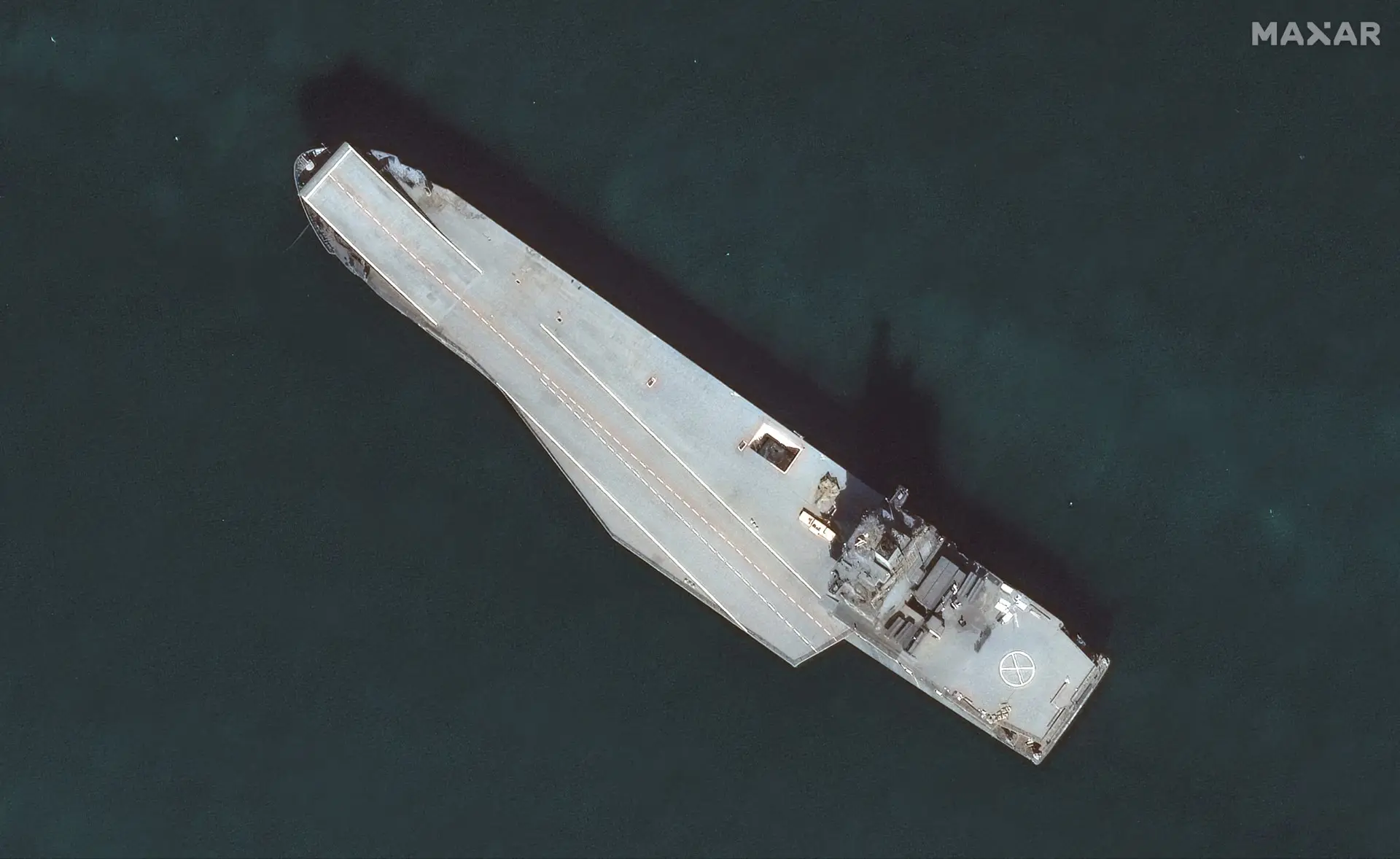
The Shahid Bahman Bagheri measures approximately 240 metres in length and features a 180‑metre angled flight deck with a ski‑jump ramp, allowing UAV take‑offs and recoveries at sea.
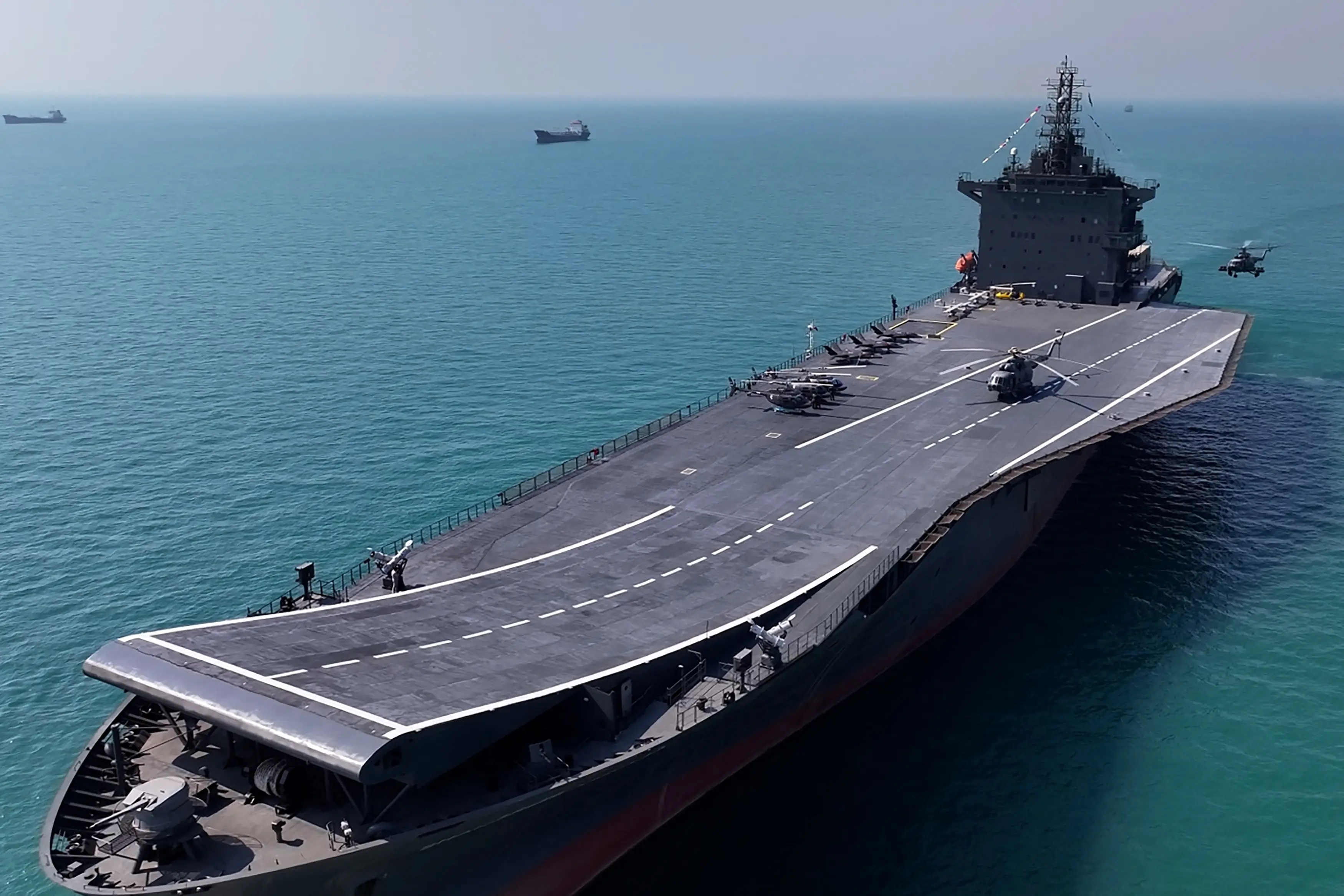
From Commercial Ship to Naval Drone Carrier
Iran’s first dedicated naval drone carrier, IRIS Shahid Bahman Bagheri, was commissioned into the Islamic Revolutionary Guard Corps Navy (IRGCN) on February 6, 2025, after being converted from a commercial container ship originally built in 2000. The vessel, which was formerly known as Perarin, underwent conversion from 2022 to 2024 at the Iran Shipbuilding & Offshore Industries Complex near Bandar Abbas, adding a flight deck and support systems to operate unmanned aerial vehicles (UAVs) and helicopters.
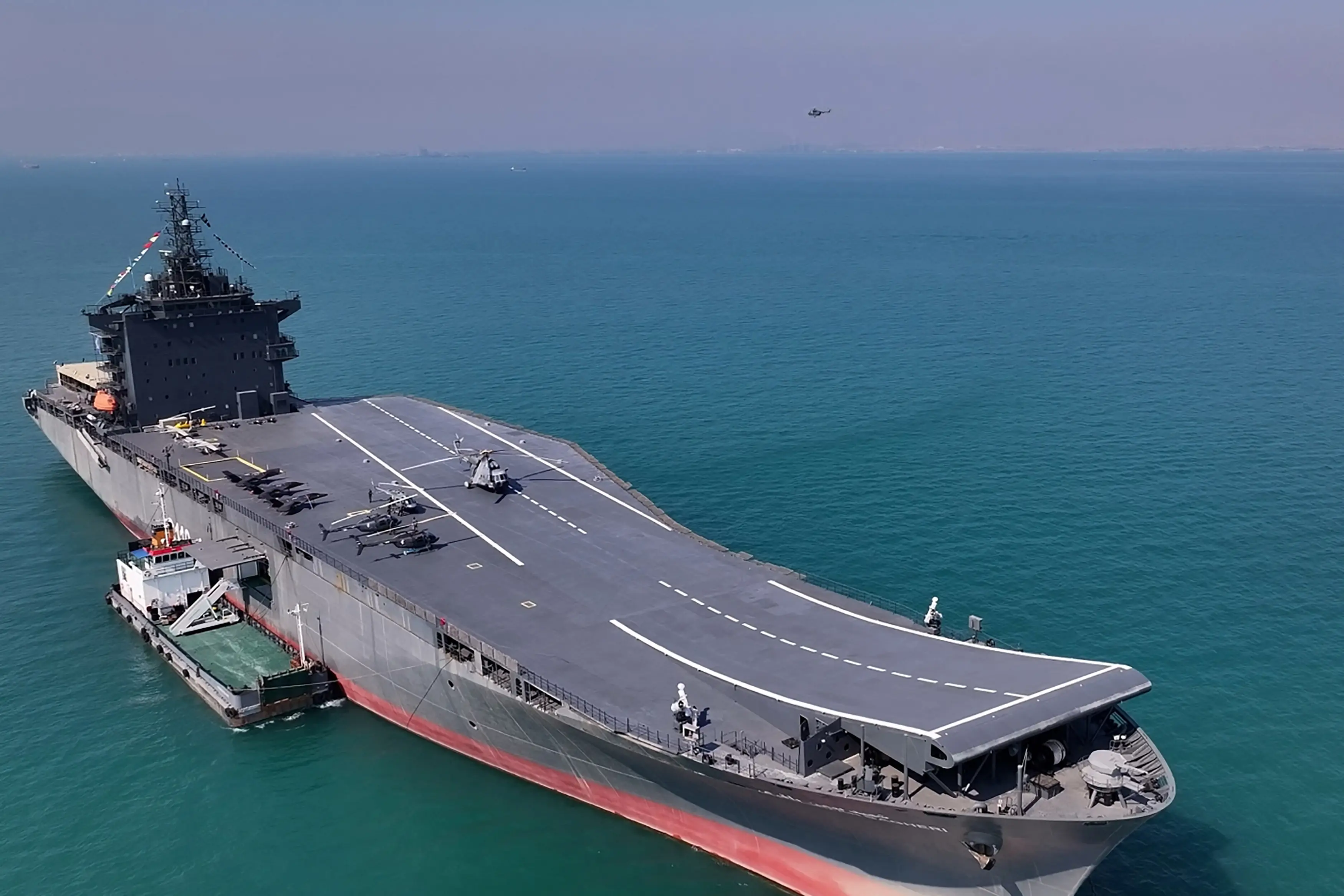
A Large and Capable Platform
The Shahid Bahman Bagheri measures approximately 240 metres in length and features a 180‑metre angled flight deck with a ski‑jump ramp, allowing UAV take‑offs and recoveries at sea. It can operate for extended periods without refuelling, with an operational range of around 22,000 nautical miles, making it suitable for distant water missions beyond the Persian Gulf.
Unmanned Aerial Vehicles on Board
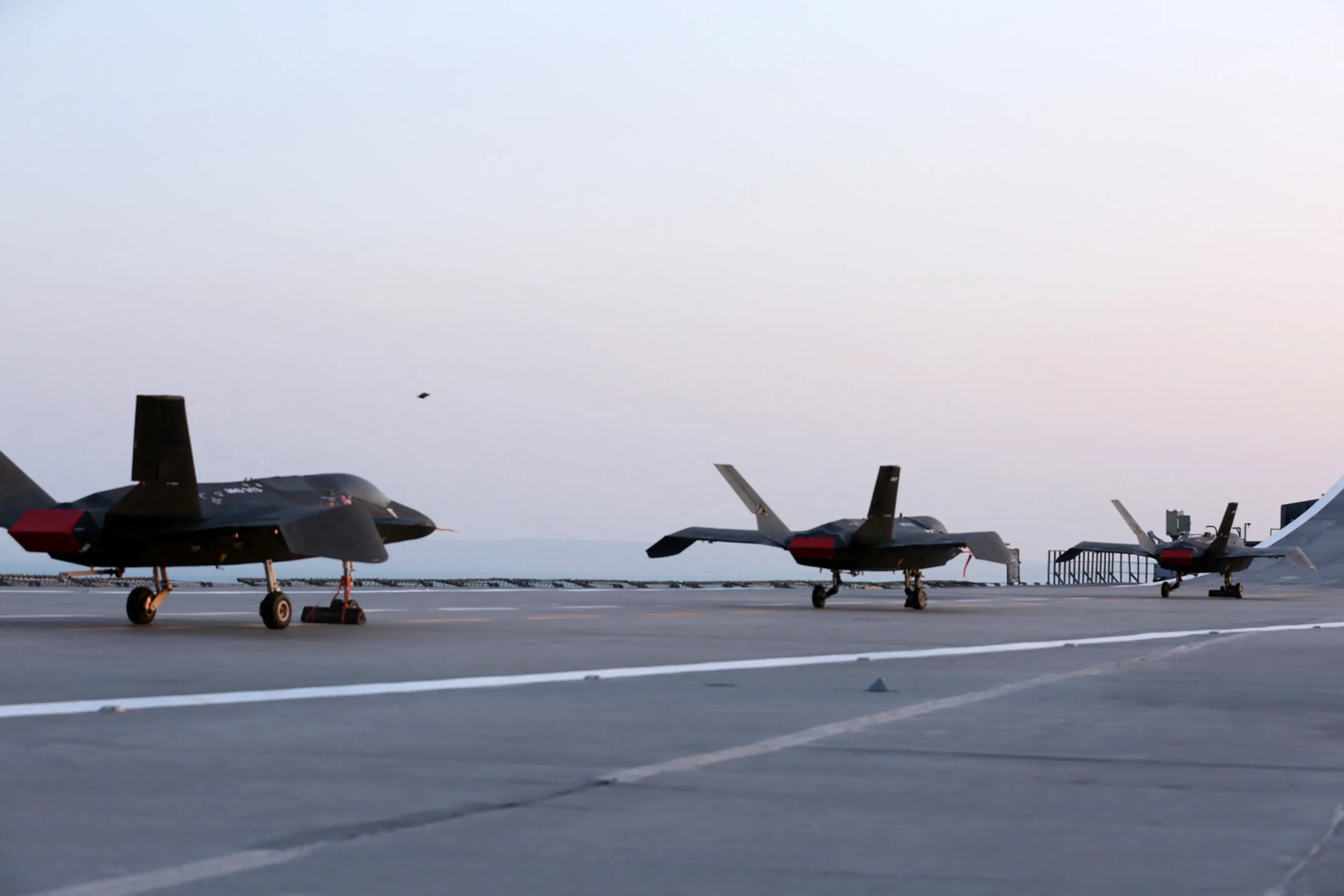
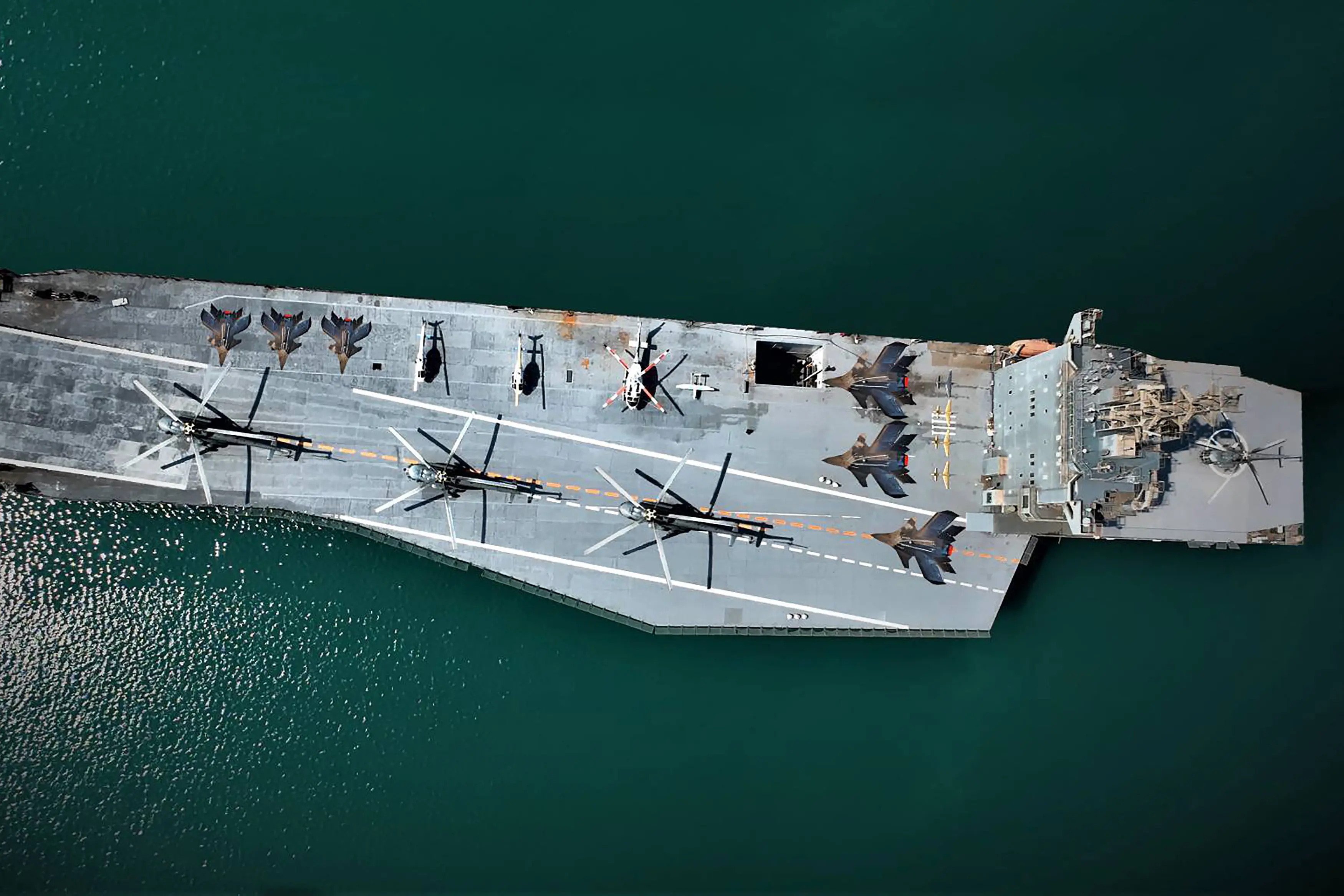
The vessel is designed primarily to deploy a variety of UAVs. Among those reportedly operated from its deck are Iran’s Mohajer‑6, Ababil‑3 and scaled versions of the JAS‑313, a UAV inspired by the Qaher‑313 fighter concept. These drones provide capabilities ranging from intelligence, surveillance and reconnaissance to potential precision strikes.
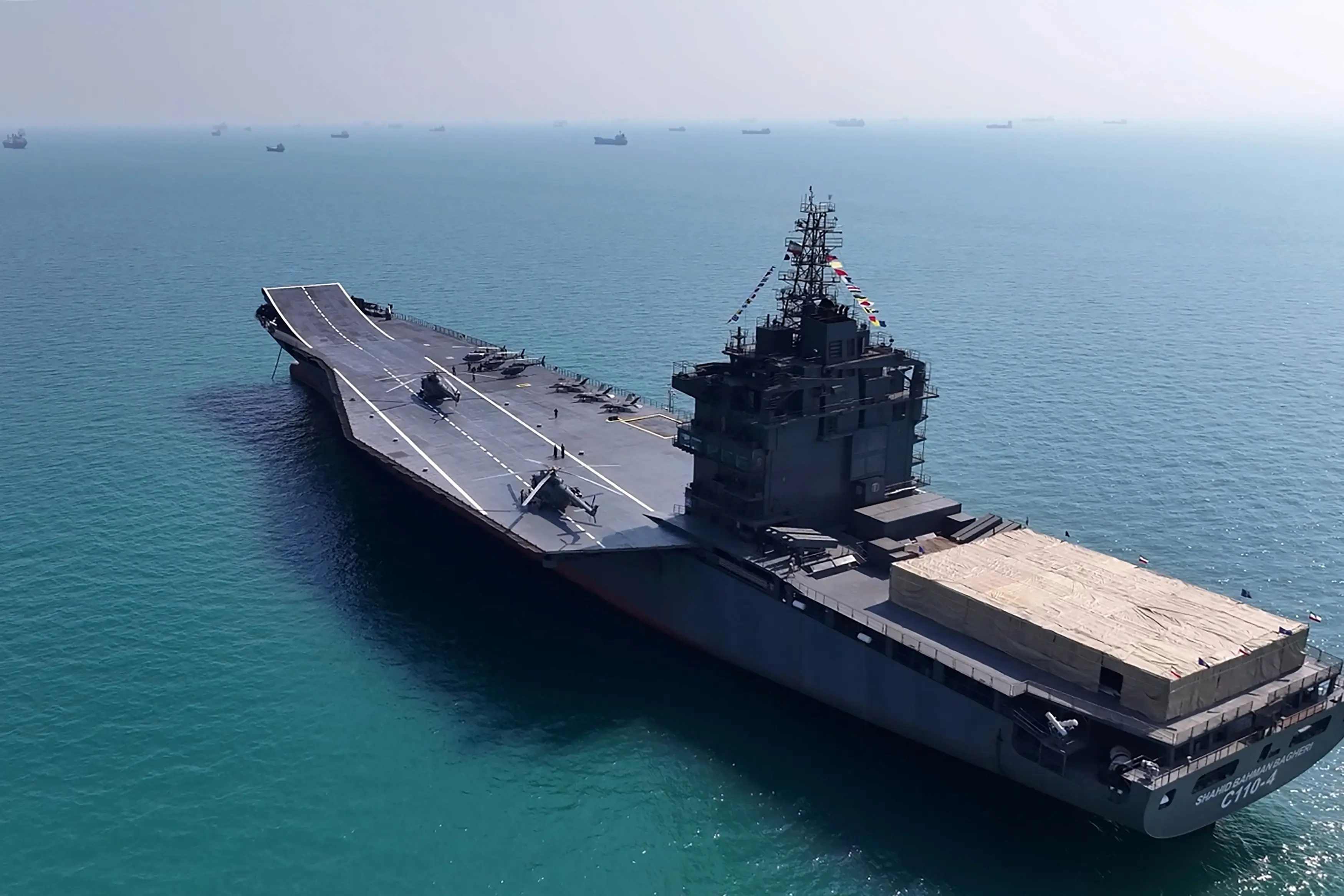
Helicopters and Support Aircraft
In addition to UAVs, Shahid Bagheri can carry and support helicopters, including Bell‑206, Bell‑412 and Mi‑17 aircraft, broadening its operational utility for transport, surveillance and search‑and‑rescue missions at sea.
Armament and Defence Systems
Converted into a multifunctional naval asset, the ship is fitted with defensive weapons including anti‑ship missiles and close‑in guns. It is also reportedly equipped with short- and medium-range air defense systems, intelligence-gathering equipment, and a flight control tower. In addition to featuring ESM and SIGINT capabilities, the carrier can also deploy and operate “guided [read uncrewed] subsurface vessels”.
Strategic and Operational Role
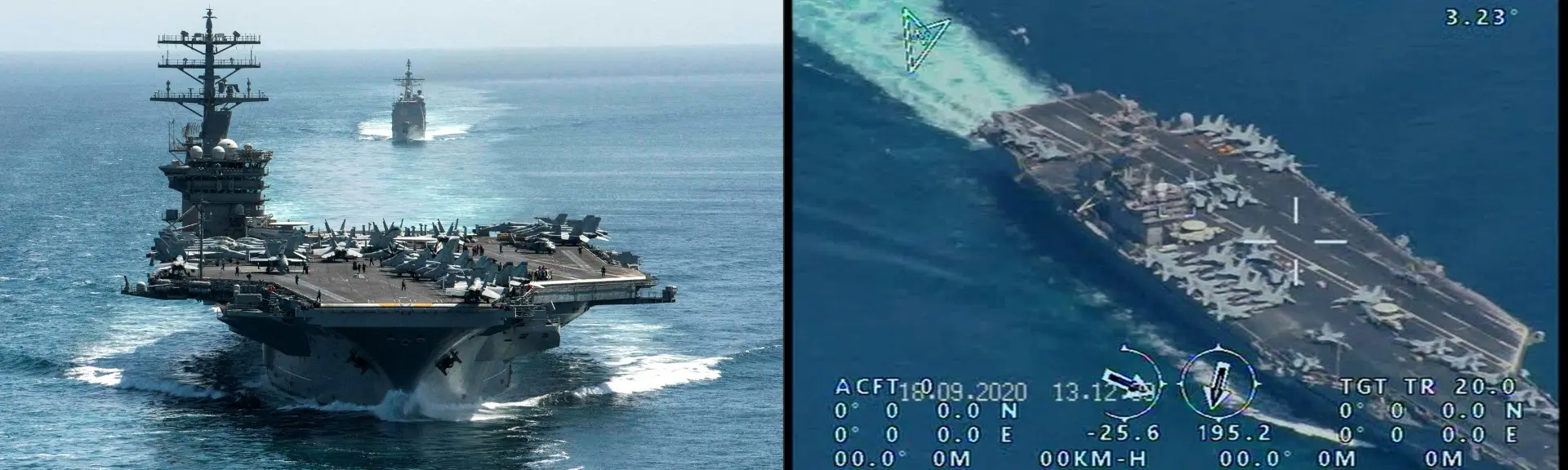
Iranian officials have framed the Shahid Bagheri as part of broader efforts to enhance deterrence and extend maritime influence into the Arabian Sea and beyond. Its capacity to launch and recover UAVs, fast attack craft and helicopters allows Iran to project presence far from coastal waters while reducing dependence on shore‑based assets. It is powered by a MAN B&W Type 8 S70 MC-C diesel engine, delivering a top speed of more than 20 knots.
Implications for Regional Security
The commissioning of a drone carrier proves Iran’s focus on asymmetric naval warfare at a time of sustained confrontation with the United States and its allies The commissioning of a drone carrier underscores Iran’s focus on asymmetric naval warfare at a time of sustained confrontation with the United States and its allies.
)
)
)
)
)