Iran’s deepest bunker: Are Israel’s missiles capable of penetrating it?

Iran is building a nuclear facility 100 metres deep near Natanz, surpassing the reach of standard Israeli bunker busters like the GBU-28. Without the US heavy GBU-57 bomb, Israel may rely on complex drilling tactics or surface strikes.
The New Mountain Fortress
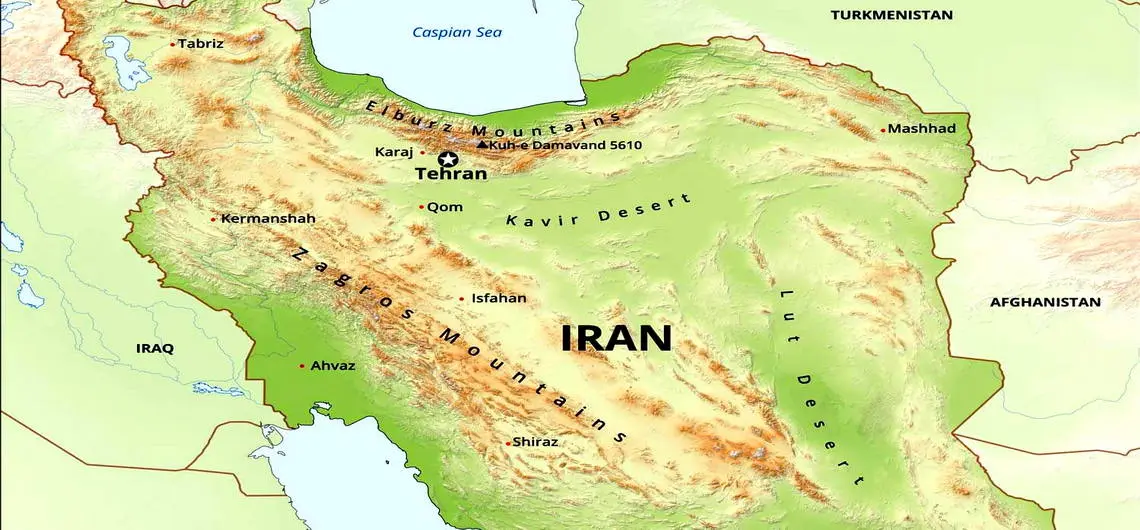
Satellite images have revealed a massive construction project near the Natanz nuclear complex in central Iran. Reports indicate that Tehran is excavating tunnels deep into the Zagros Mountains to house sensitive enrichment centrifuges. This new facility is designed to replace the older, more vulnerable above-ground halls that have been targeted in previous sabotage attacks.
Depth Beyond Reach
Experts estimate the new facility is buried between 80 and 100 metres underground. This depth is significantly greater than the older Fordow facility, which sits roughly 60 metres beneath the surface. The immense layer of solid rock and reinforced concrete creates a formidable natural shield against aerial bombardment.
Israel’s Main Weapon: GBU-28
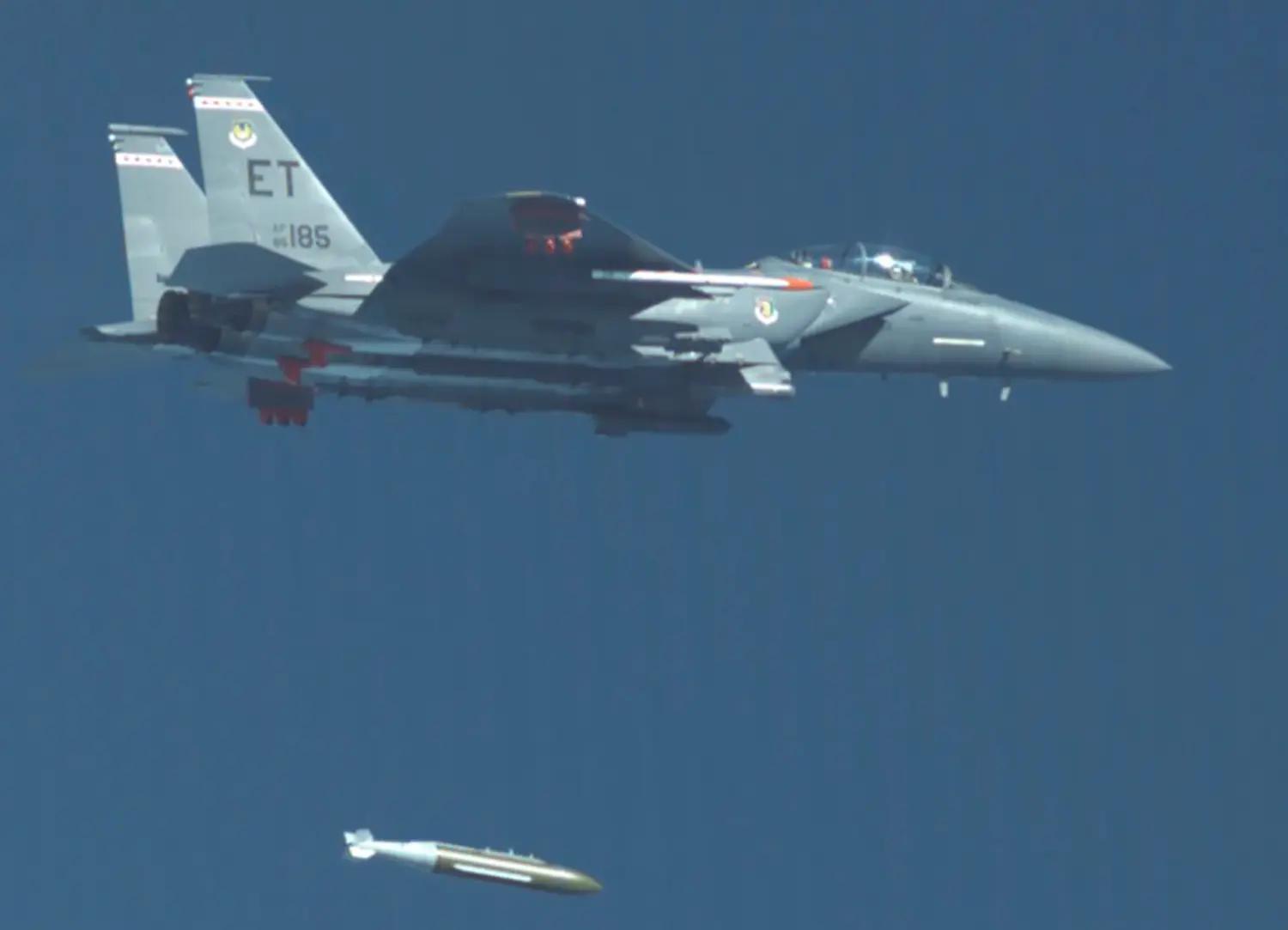
The Israeli Air Force relies heavily on the American-supplied GBU-28 "bunker buster" bomb. This 5,000-pound laser-guided munition is designed to penetrate roughly six metres of reinforced concrete or 30 metres of earth. While effective against standard bunkers, it lacks the kinetic power to reach a facility buried 100 metres deep.
The GBU-72 Upgrade
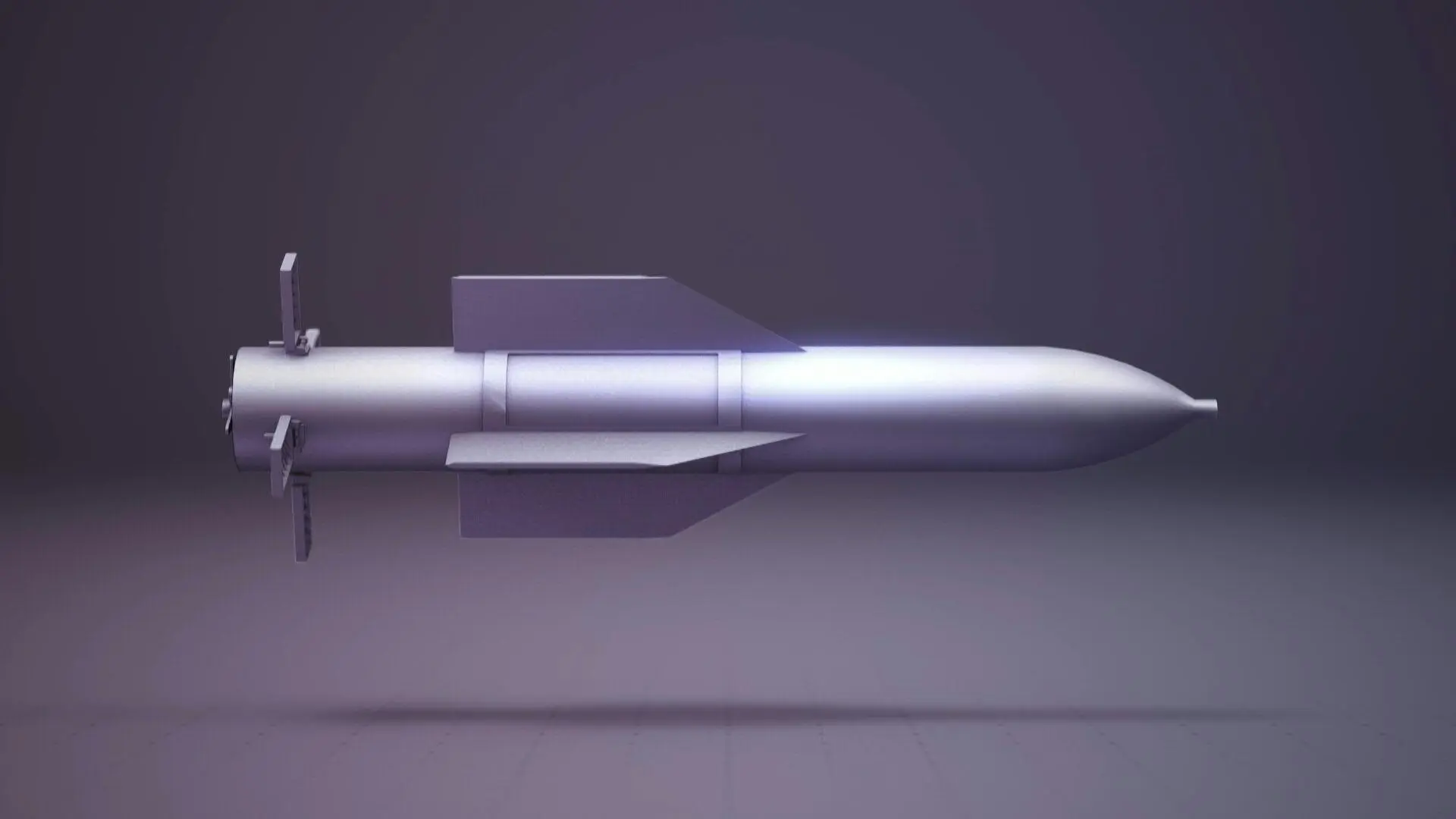
Israel has sought to upgrade its arsenal with the newer GBU-72 Advanced 5K Penetrator. This weapon is expected to offer improved lethality and penetration capabilities compared to the legacy GBU-28. However, even this advanced bomb is unlikely to breach 80 metres of mountain rock in a single strike.

GBU-57 Massive Ordnance Penetrator
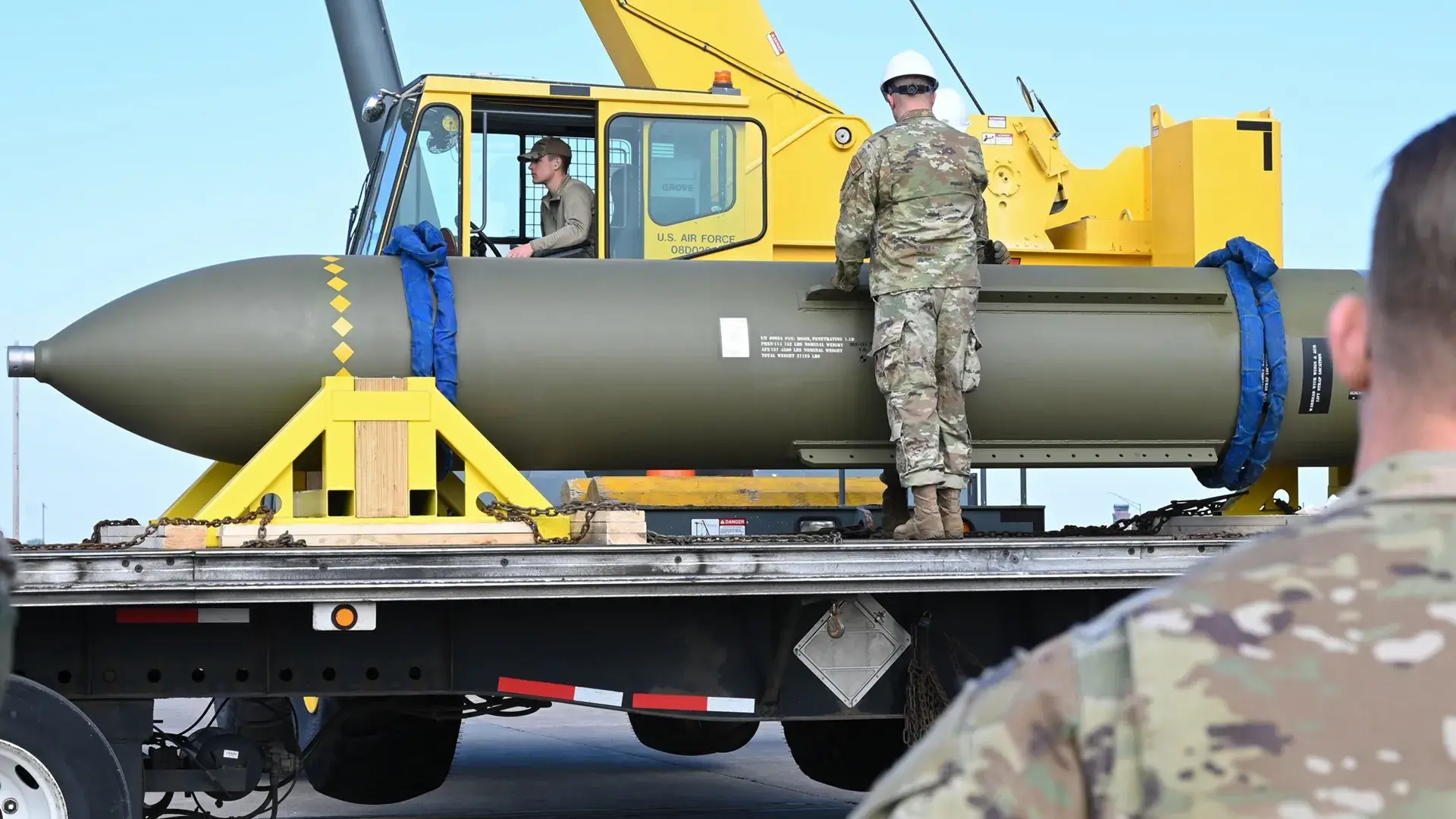
The only conventional weapon confirmed to be capable of destroying such a deep facility is the US-made GBU-57 Massive Ordnance Penetrator (MOP). This 30,000-pound bomb can penetrate over 60 metres of concrete. Crucially, Israel does not possess this weapon, and its aircraft cannot carry such a heavy payload.

Jericho Ballistic Missiles
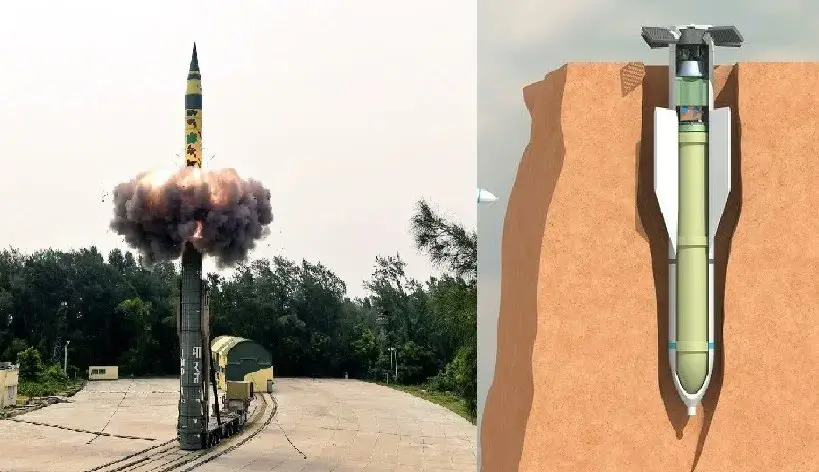
Israel possesses the Jericho II and Jericho III ballistic missiles, which have high accuracy and immense kinetic energy upon impact. While these missiles can cause devastation on the surface, they are not primarily designed as deep-penetration earth-burrowing weapons. Their effectiveness against a tunnel 100 metres down remains a subject of debate among defence analysts.
The 'Drilling' Tactic
To overcome the depth limitation, Israeli pilots train for a tactic known as "drilling". This involves dropping multiple bombs into the exact same crater in rapid succession. By hitting the same point repeatedly, each bomb clears debris for the next, theoretically allowing them to burrow down to the required depth.
Bunker
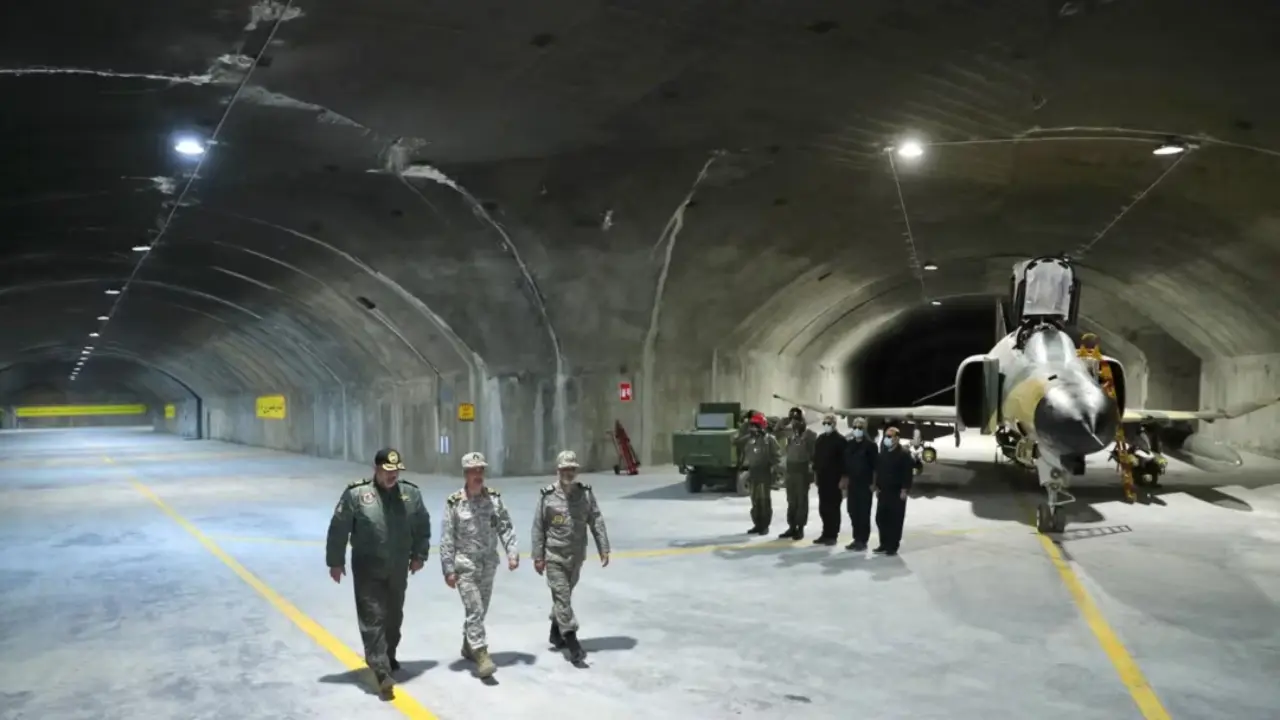
If the main bunker cannot be penetrated, Israel may target the facility's support infrastructure. This includes striking tunnel entrances, ventilation shafts, and power grids. collapsing the entrances could trap personnel and equipment inside, effectively disabling the site without needing to destroy the centrifuges directly.
Ultra-hardened cement
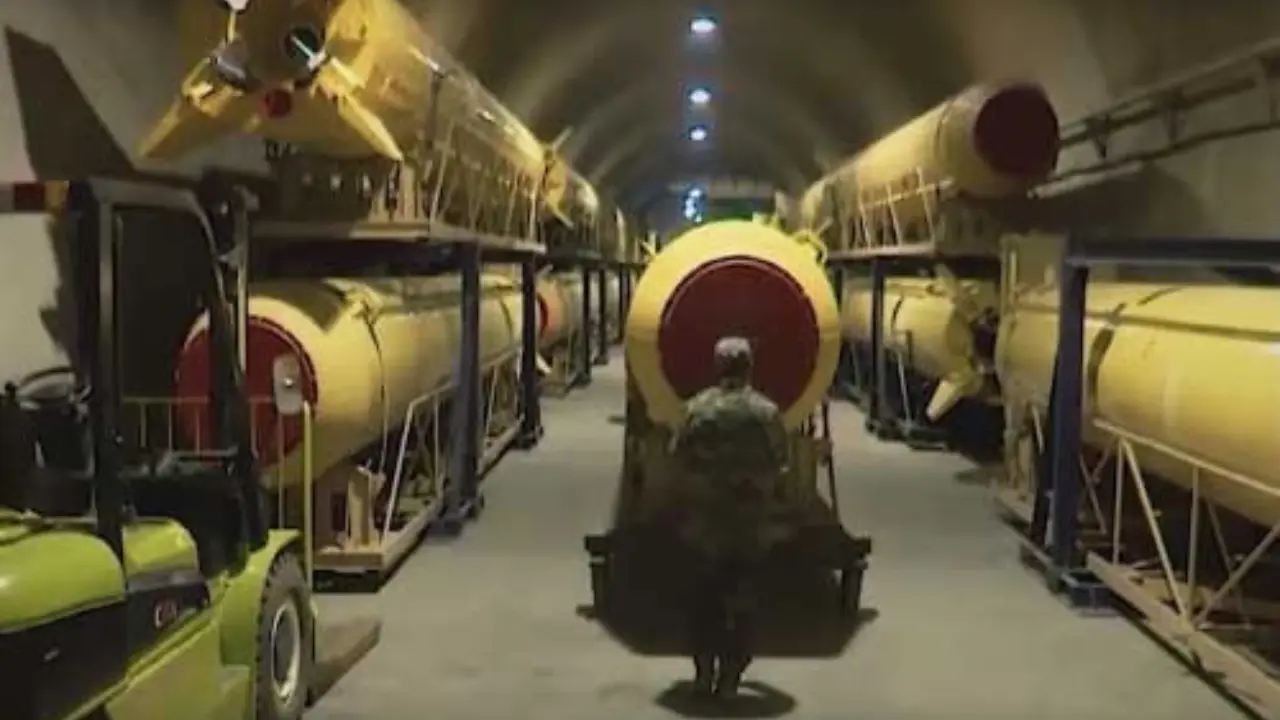
Construction analysis suggests Iran is using ultra-hardened cement and steel linings for the new tunnels. This reinforces the mountain's natural protection, deflecting shockwaves from surface explosions. The angle of the tunnel entrances also prevents missiles from flying straight in, adding another layer of defence.

A Strategic Standoff
The construction of this deep bunker creates a significant challenge for Israeli military planners. Without the US GBU-57, a unilateral conventional strike might fail to destroy the core nuclear equipment. This reality forces Israel to consider alternative options, including cyber warfare or sabotage, to delay Tehran’s nuclear programme.
)
)
)
)
)