Iran’s 10-point plan EXPLAINED: Compensation, sanctions, Hormuz and more, here's what Tehran wants after 2-week ceasefire deal

What exactly does Iran want after 40 days of war? Tehran’s 10-point plan lays out big demands, from sanctions relief and enrichment rights to control over the Strait of Hormuz and US troop withdrawal.
All you need to know - scroll down.
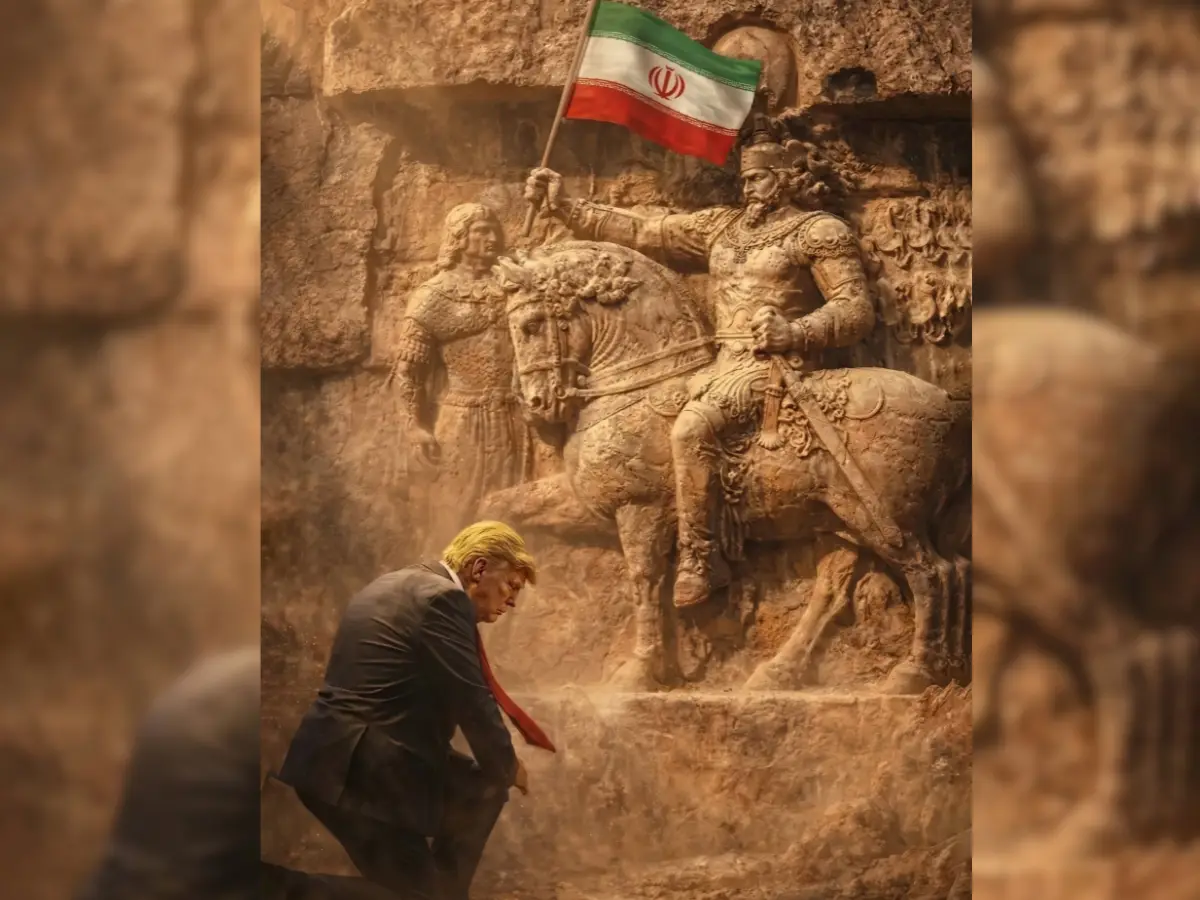
Forty days into the Iran war, with US President Donald Trump's deadline ticking down and Pakistan scrambling to broker a
Forty days into the Iran war, with US President Donald Trump's deadline ticking down and Pakistan scrambling to broker a last-minute deal, Washington and Tehran on Tuesday (Apr 7) agreed to a two-week-long ceasefire. Following the truce announcement, Iran has released a 10-point proposal through mediators. While Trump says it is a "workable basis on which to negotiate," Tehran called it a "great victory". What exactly is in Iran's 10-point plan? Here's all you need to know.
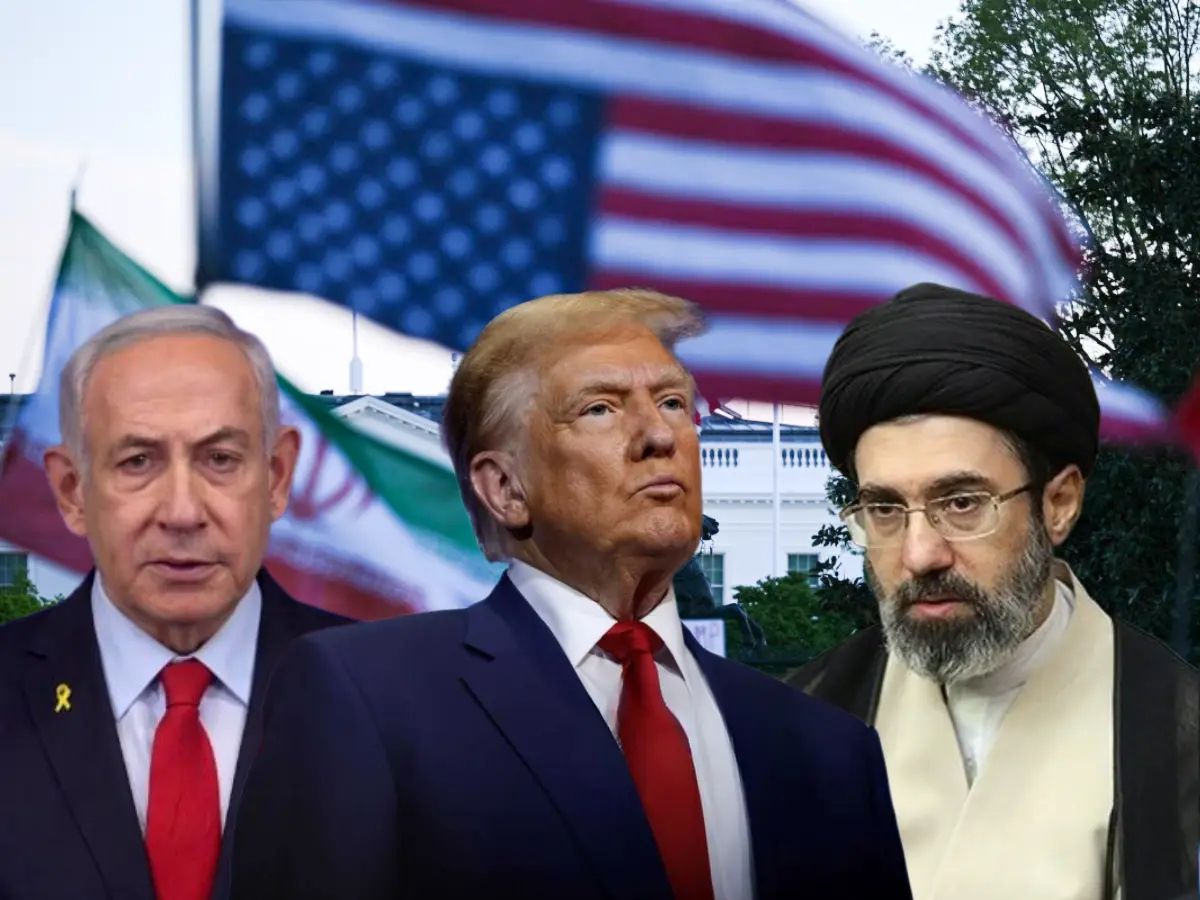
Non-aggression: No More Attacks — Ever
Iran's first demand is a formal US commitment to non-aggression. Not a pause, not a ceasefire — a binding guarantee that Washington will not strike Iran again.
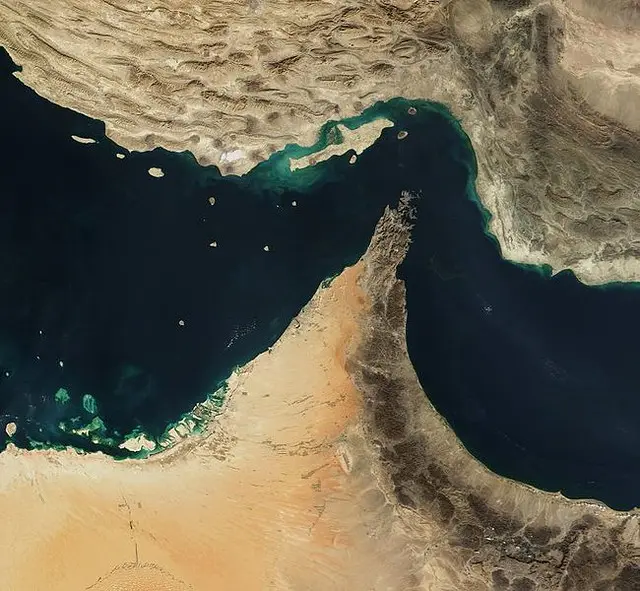
The Strait of Hormuz Stays Iranian
One of the key asks of Iran's 10-point plan is the "Continuation of Iran's control over the Strait of Hormuz".
The waterway carries roughly a fifth of the world's oil. Tehran shut it down when the war began, pushing global oil prices to over $100. The ceasefire has now reopened it temporarily.
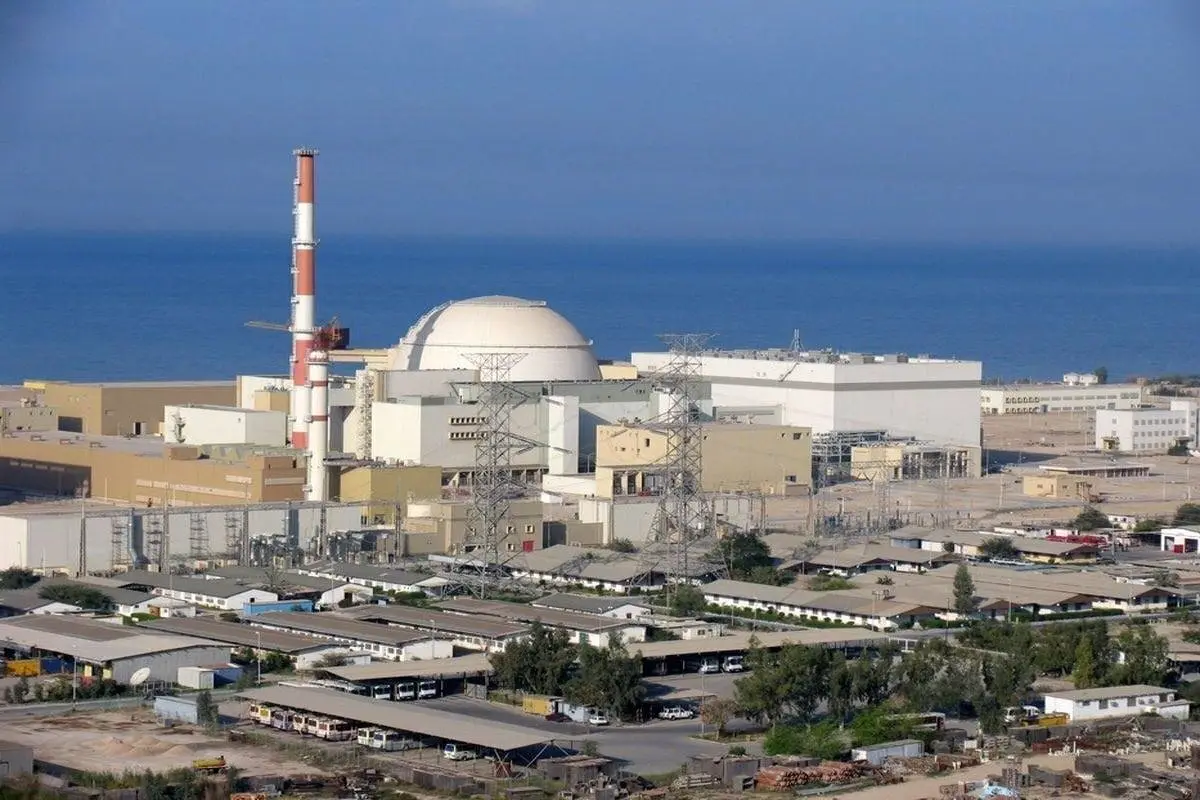
The Right to Enrich Uranium
"Acceptance of enrichment" has been the core of the nuclear standoff for decades. Iran is demanding formal US acceptance of its uranium enrichment program, not a cap but recognition of the right itself.
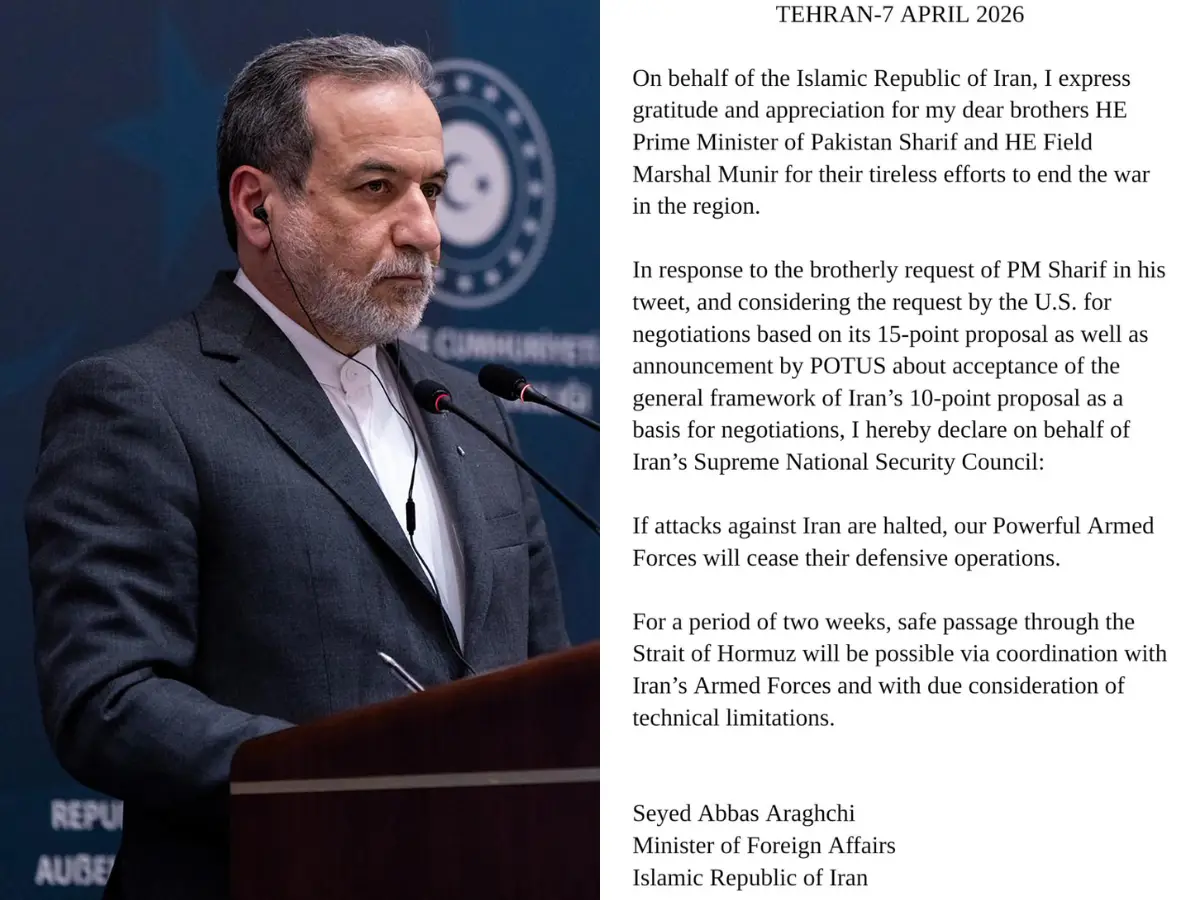
Sanctions Against Iran Gone — All of Them
Primary sanctions. Secondary sanctions. Both gone. Condition 3 and 4 on Iran's 10 point plan demand that all the sanctions against Iran must be lifted.
Of these, secondary sanctions are particularly significant because they target non-Iranian companies doing business with Tehran, effectively forcing third countries to choose sides. Lifting them would be a fundamental restructuring of how the US projects economic pressure.
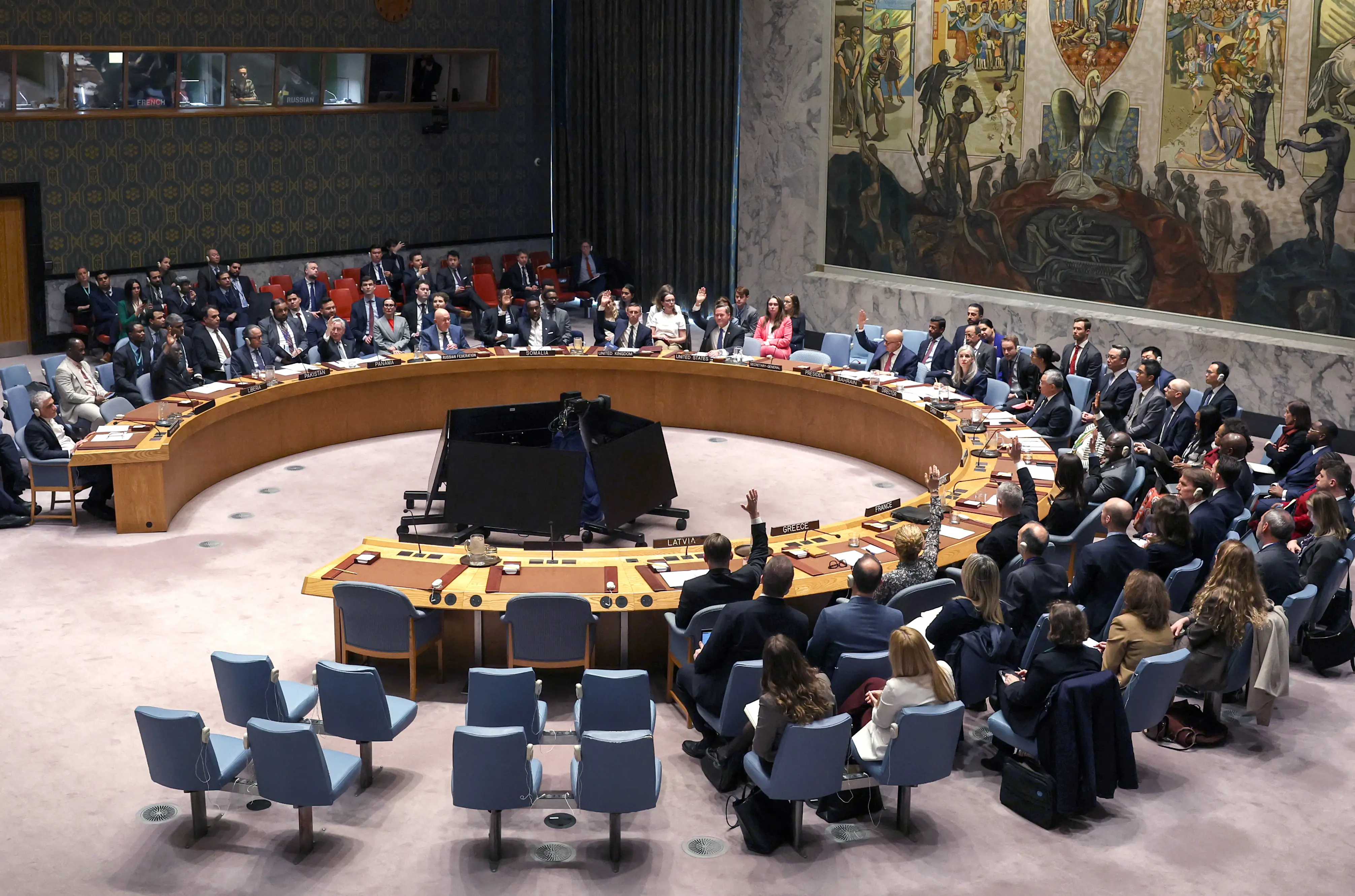
Termination of all UN Security Council resolutions
Iran also wants every UN Security Council resolution passed against it terminated. These resolutions have formed the legal backbone of international pressure on Tehran for years. Unwinding them would require buy-in from the full Security Council — including members who have their own complicated relationships with Iran.
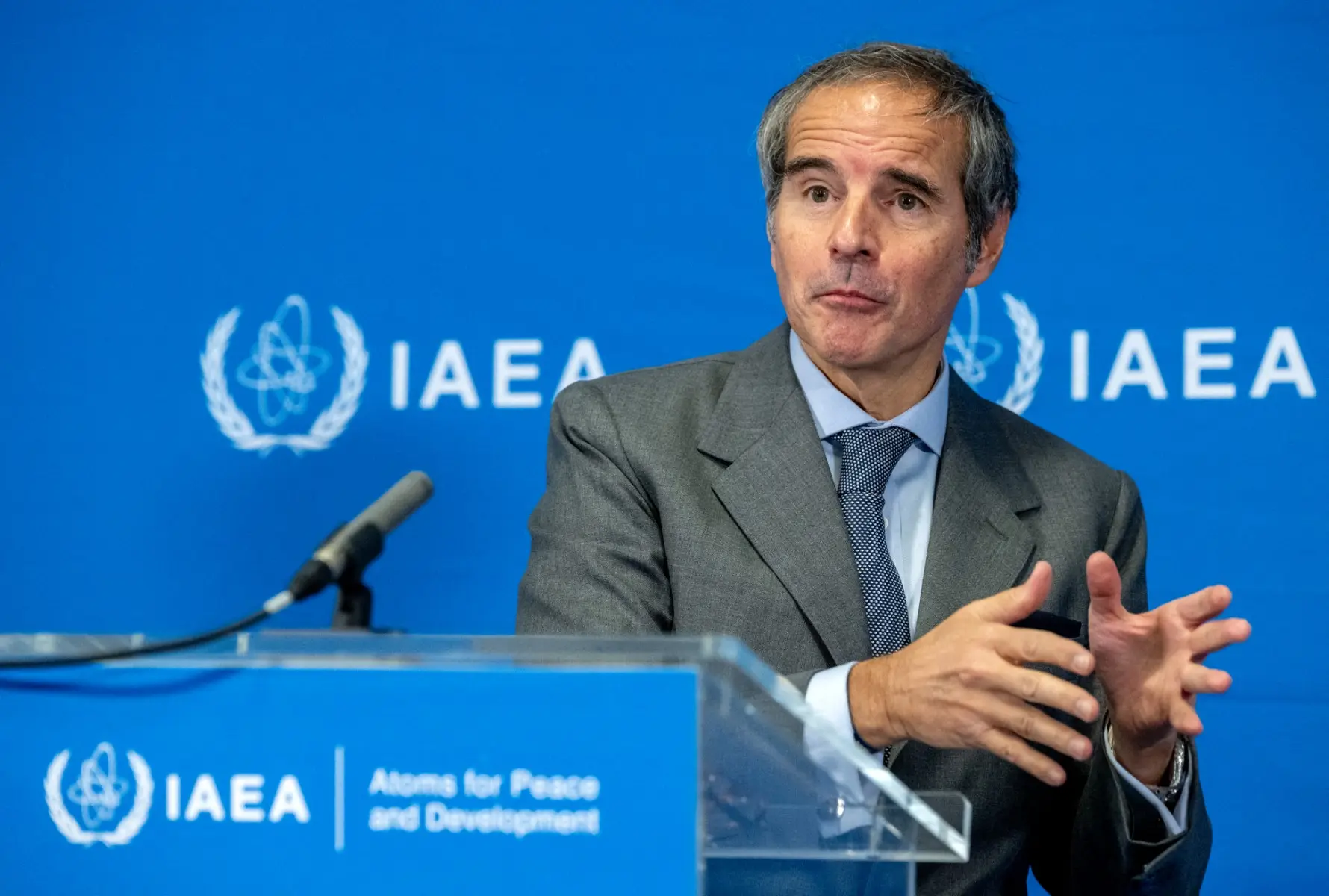
Termination of all IAEA Board of Governors resolutions
Iran wants the IAEA off its back. Alongside the UN resolutions, Tehran has demanded that all International Atomic Energy Agency Board of Governors resolutions against it must be cancelled. The IAEA has been the mechanism through which Iran's nuclear program has been monitored and scrutinised.
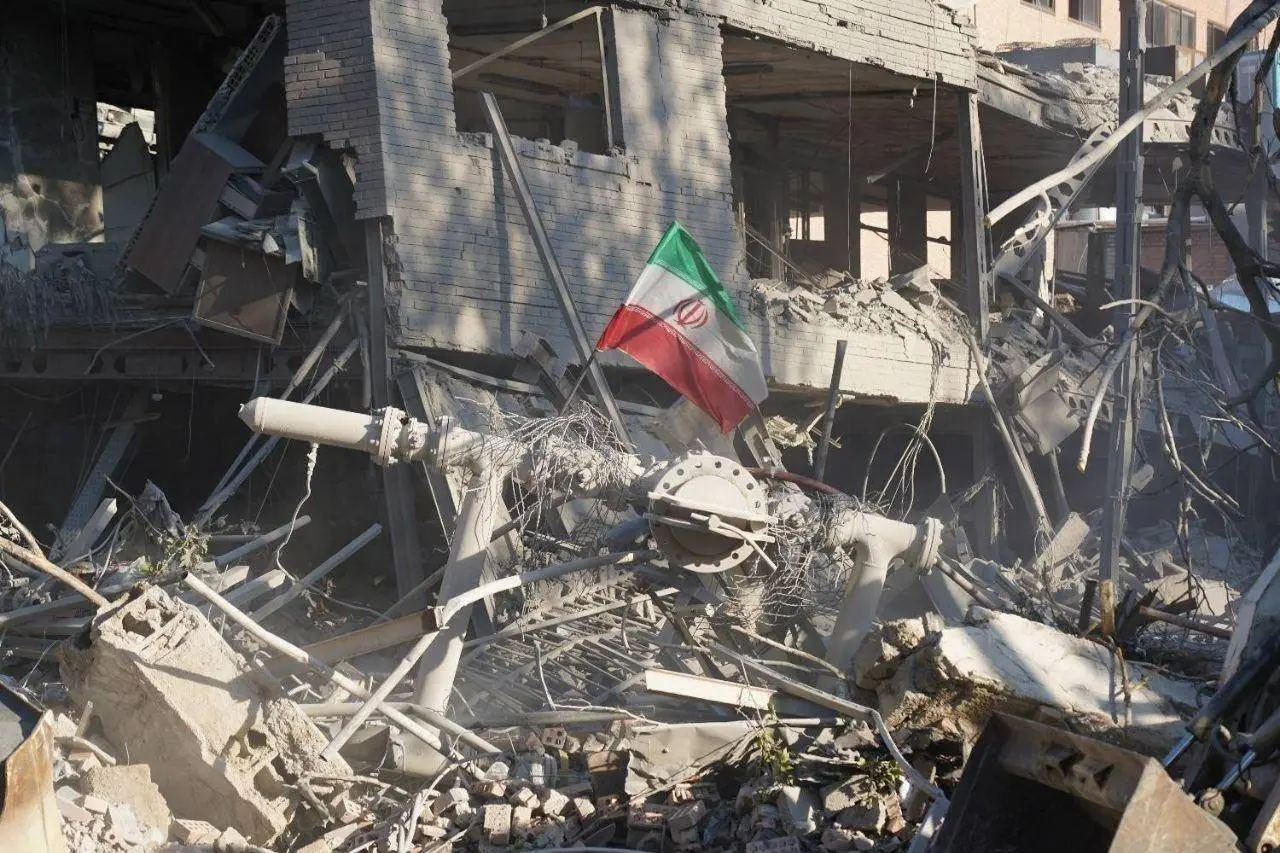
Payment of compensation to Iran
Iran wants to be paid for war damages. Its next demand is a "full payment of compensation for reconstruction costs" to Iran.
Withdrawal of US combat forces from the region
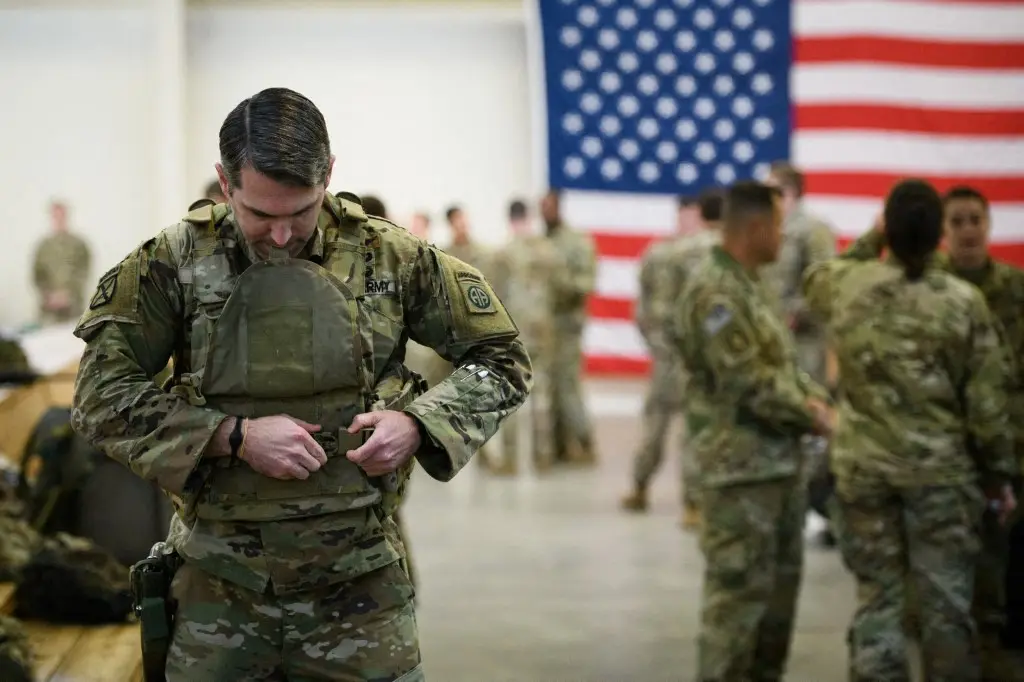
The next demand is a full withdrawal of US combat forces from the Middle East. Reports suggest that the US deployed roughly 7,000 additional personnel (including the 82nd Airborne and Marine Expeditionary Units) to the region in March 2026 to bolster defences.
According to estimates, there are approximately 50,000 to 57,000 US troops currently stationed across the Middle East. This includes US personnel at key bases in Iraq, Kuwait, the UAE, and Qatar.
Ceasefire on All Fronts — Including Lebanon
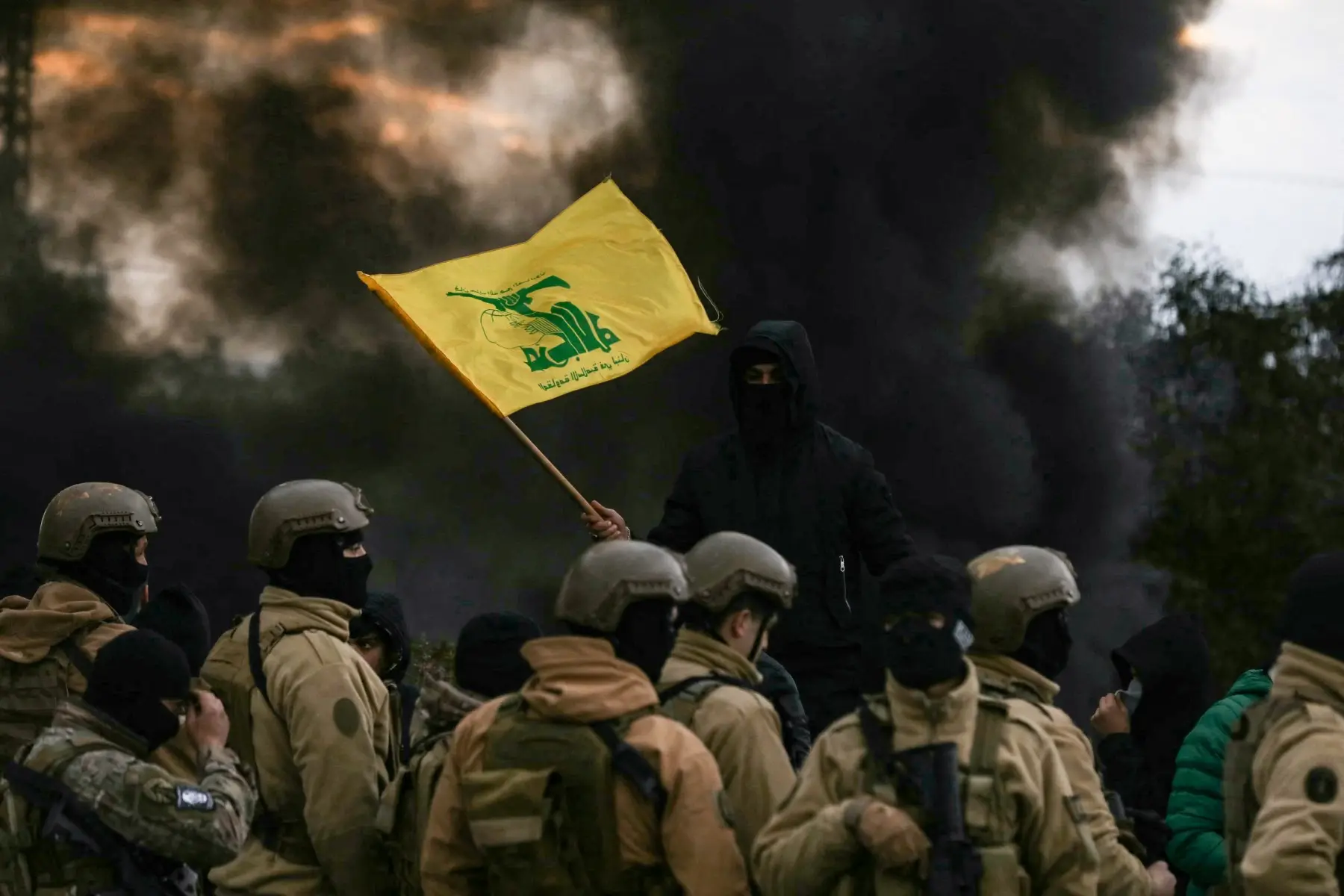
The final point extends the ceasefire beyond Iran itself to all active fronts, specifically naming Lebanon and Hezbollah.
Israel, however, insisted that Lebanon was not a part of the ceasefire deal. In a statement released on Wednesday, the office of Prime Minister Benjamin Netanyahu said that the truce "does not include Lebanon", which was drawn into the war after Iran-backed group Hezbollah launched attacks on Israel.
Tehran Demands 'Binding' UNSC Resolution
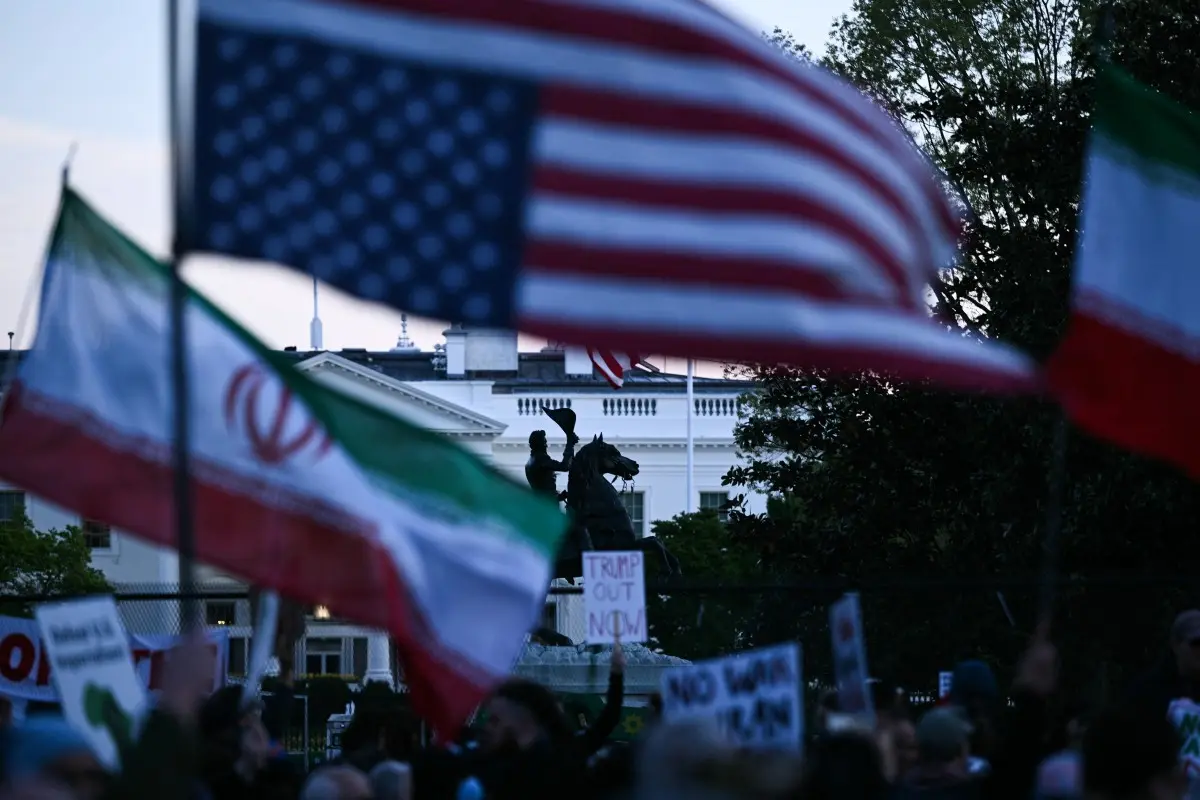
Iran's Supreme National Security Council bluntly noted that this ceasefire is a pause, not an ending. "This does not mean an end to the war, and Iran will accept an end to the war only when, in view of Iran's acceptance of the principles envisaged in the 10-point plan, its details are also finalised in the negotiations," it said.
The council insisted that an UN Security Council resolution must make any deal binding. "It is to be noted that the adoption of such a resolution shall render all these agreements binding under international law and shall constitute a significant diplomatic victory for the Iranian nation."
)
)
)
)
)