Iran protests: Who controls Tehran? Supreme Leader, President, IRGC and the Islamic Republic’s power web explained

At the heart of the turmoil is Iran’s complex power structure, where unelected religious and military bodies wield decisive authority alongside elected institutions. Here is a guide to who really holds power in Tehran and how the system functions.
Introduction
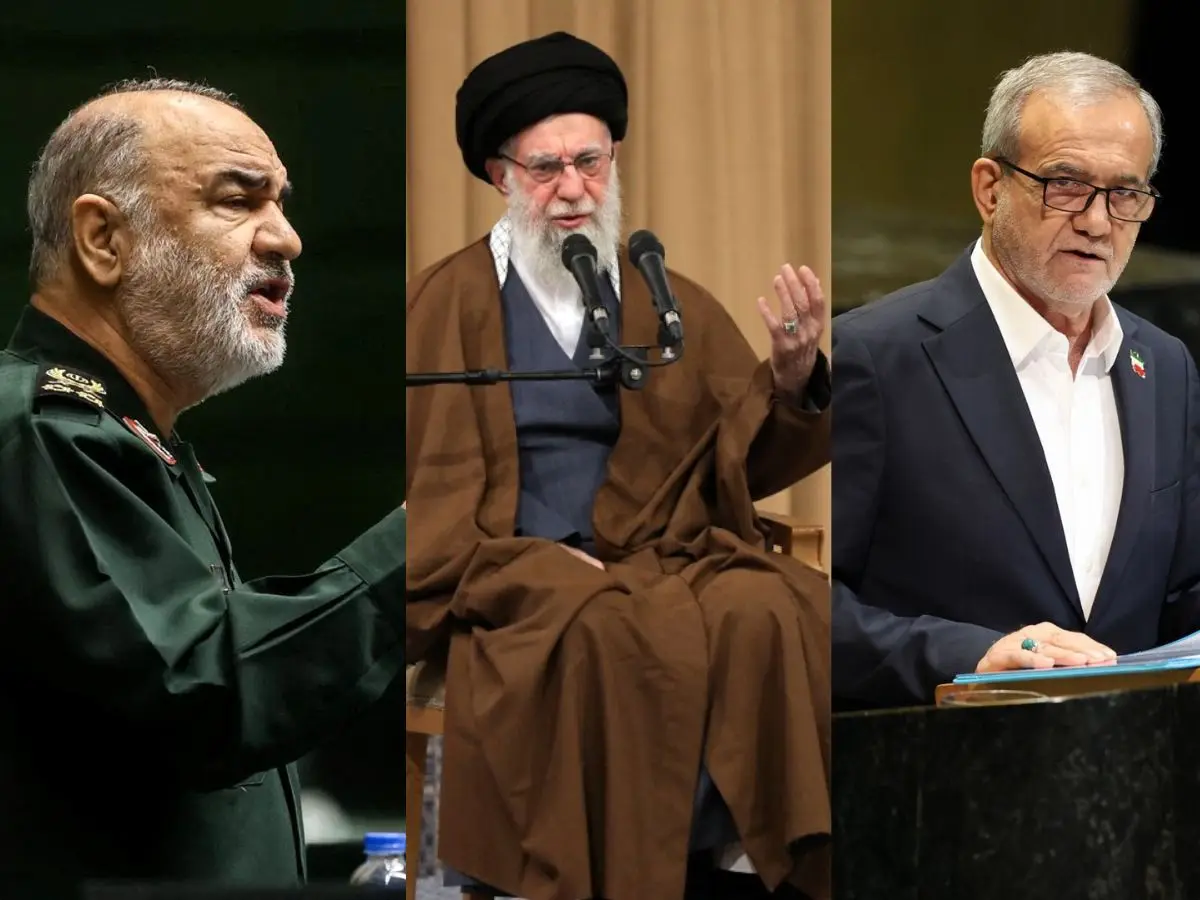
Iran is witnessing widespread unrest, with shuttered bazaars, paralysed universities, and streets filled with demonstrators challenging the Khamenei regime. Initially triggered by a collapsing rial and soaring prices, protests have evolved into political dissent. While the protests escalated on Thursday (January 1), they had begun on Sunday (December 28) when shopkeepers and traders took to the streets to protest. Across several cities of Iran, demonstrators chant slogans such as 'Mullahs must leave Iran' and 'Death to Khamenei', signalling opposition to clerical rule. At the heart of the turmoil is Iran’s complex power structure, where unelected religious and military bodies wield decisive authority alongside elected institutions. Here is a guide to who really holds power in Tehran and how the system functions.
Supreme Leader: The Ultimate Authority
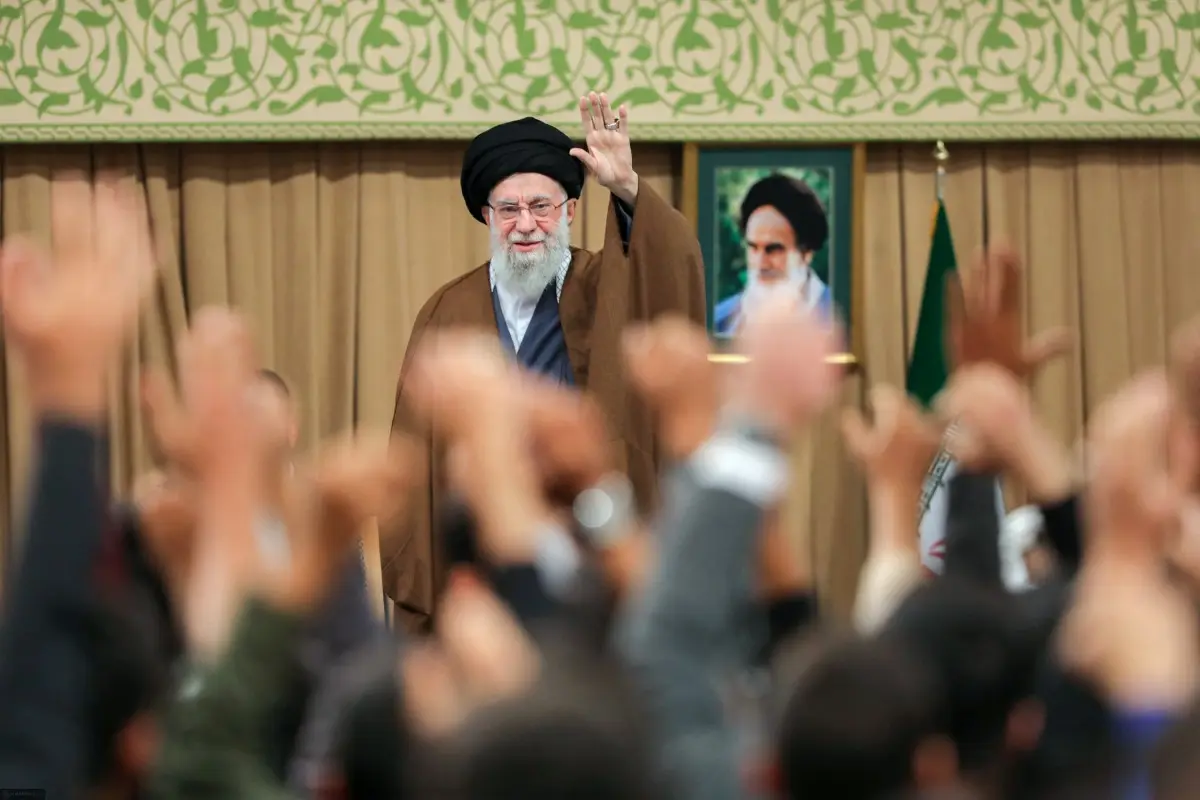
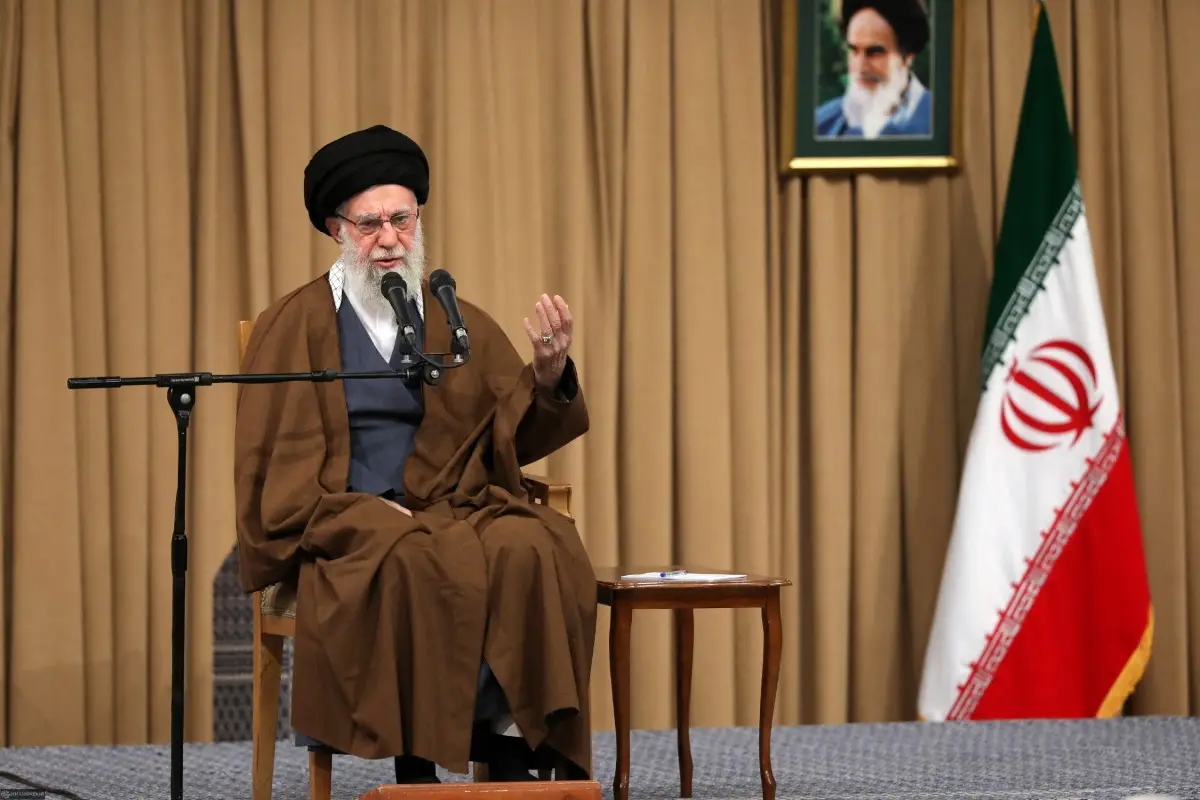
At the apex of Iran’s political system sits the Supreme Leader, Ayatollah Ali Khamenei, the person who has held the position since 1989, assuming the position following the death of the Islamic Republic founder, Ayatollah Khomeini. The Iranian Supreme Leader or ‘Rahbar’ is the head of state. Iran's governance structure has its base in Khomeini’s doctrine of velayat-e faqih or Guardianship of the Islamic Jurist. This system gives the ultimate authority to clerics, led by the Supreme Leader. As the constitution’s highest authority, he has control over the military, judiciary, media and major state institutions, and veterans of the preceding revolution describe his role as the final arbiter of major policy decisions. No significant matter, from foreign policy to internal security, proceeds without his approval. The Supreme Leader also controls the Islamic Republic's intelligence and security operations; he alone can declare war or peace.
President
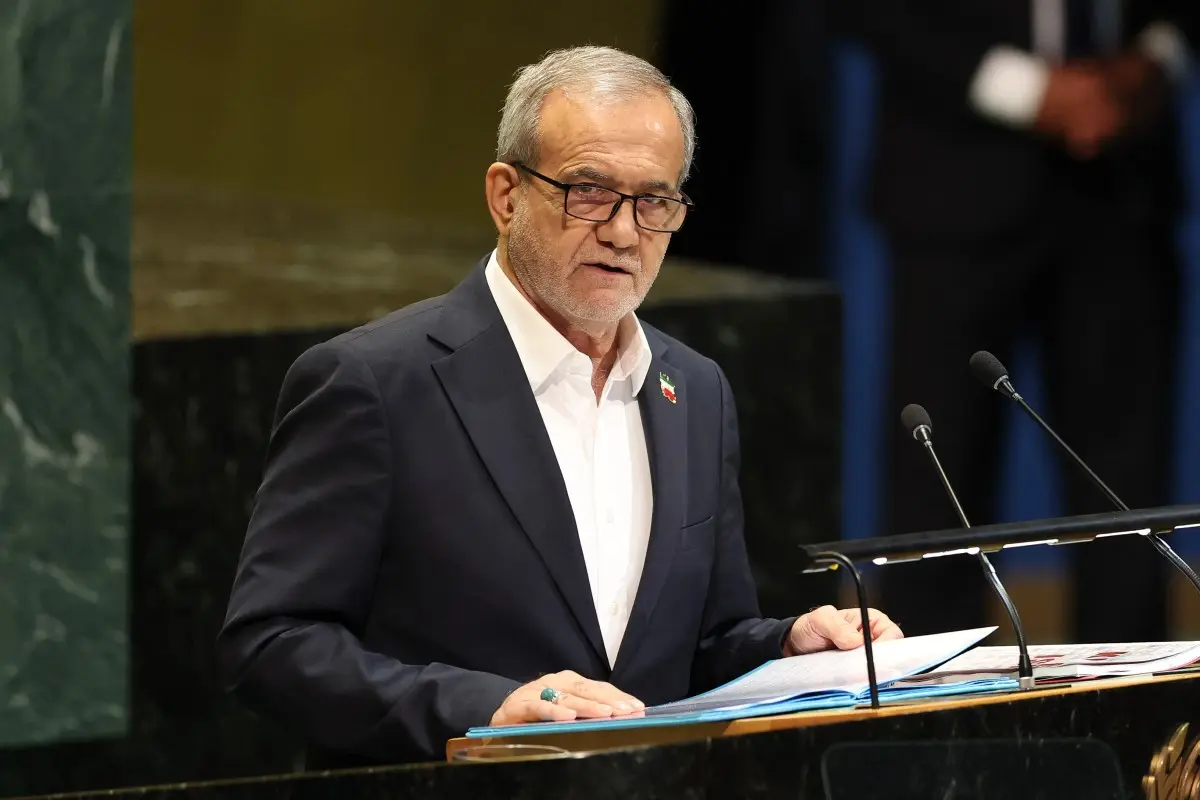
The president is the second highest ranking official in Iran. While the president has a high public profile, his power is in many ways trimmed back by the constitution, which subordinates the entire executive branch to the Supreme Leader. The President is elected for four years. He is appointed by the government. Currently Masoud Pazeshkian is the President of Iran. The president is responsible for setting the country's economic policies. Eight vice presidents serve under the president, as well as a cabinet of 22 ministers.
The Guardian Council
The Guardian Council acts as a gatekeeper of Iran’s political system. It ensures that legislation passed by Iran's parliament complies with the constitution and Islamic principles. The 12-member body is composed of clerics and legal experts, six of the members are Islamic clerics appointed directly by the Supreme Leader, while the remaining six are legal scholars selected by parliament. Beyond just the legislative role, the Council also vets candidates for key elected bodies, including the presidency, parliament, as well as the Assembly of Experts.
Expediency Discernment Council
Another key institution is the Expediency Discernment Council, a powerful body that was created in 1988 by Ayatollah Khomeini, for mediating disputes between the parliament and the Guardian Council, particularly when proposed laws conflict with Islamic law or the constitution. The members are directly appointed by the Supreme leader. According to the constitution, the Expediency Council serves as an advisory body to the Supreme Leader, making it one of the most powerful governing bodies in the country, at least in name.
Judiciary, National security and intelligence
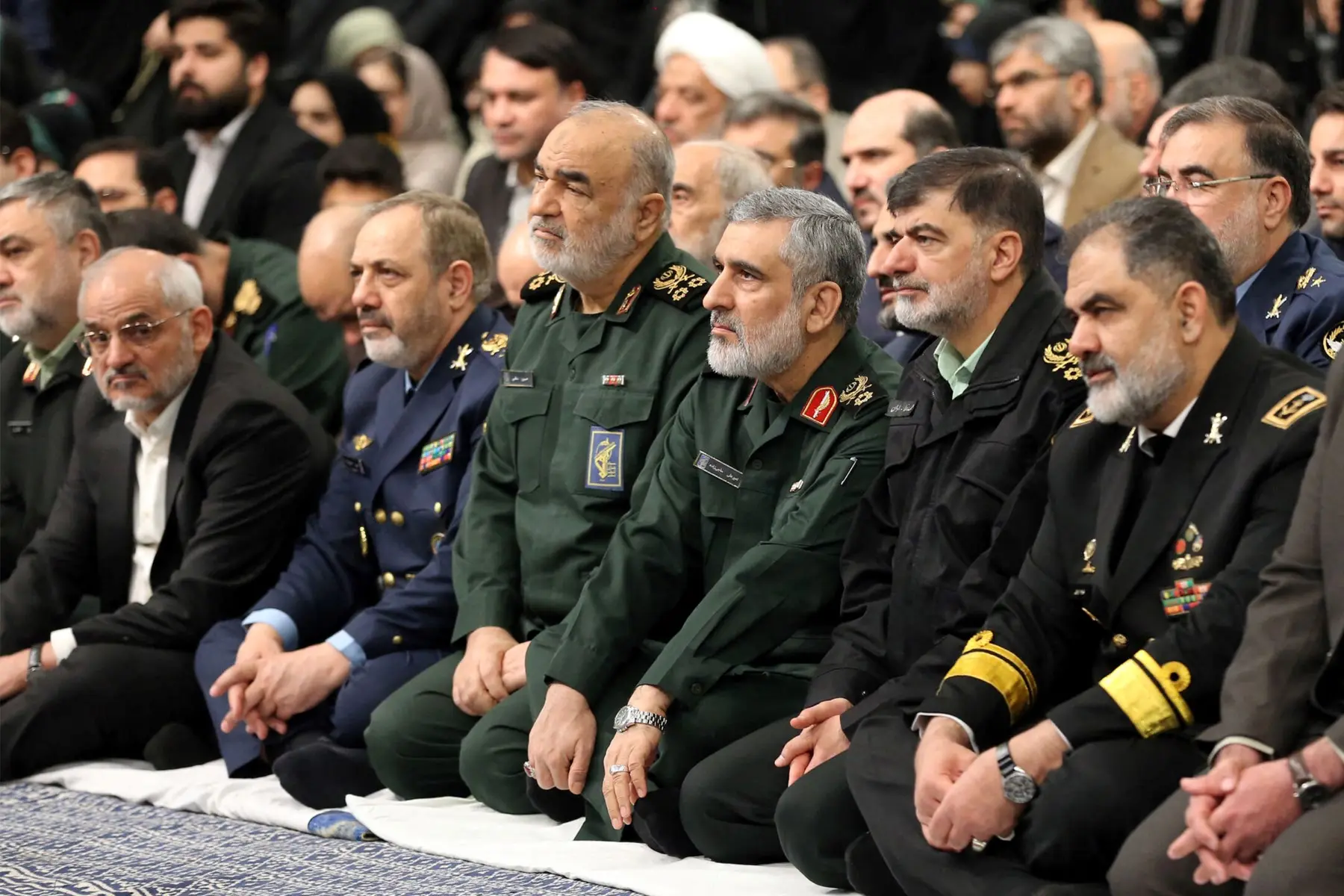
The judiciary branch of Iran's government is largely controlled by the Supreme Leader himself, who appoints the head of the judiciary. The head of judiciary in turn appoints the head of the Supreme Court and the chief public prosecutor. Iran is the only country whose executive does not control the armed forces, the Supreme leader dictates all matters of foreign and domestic security.
The IRGC’s Pervasive Role
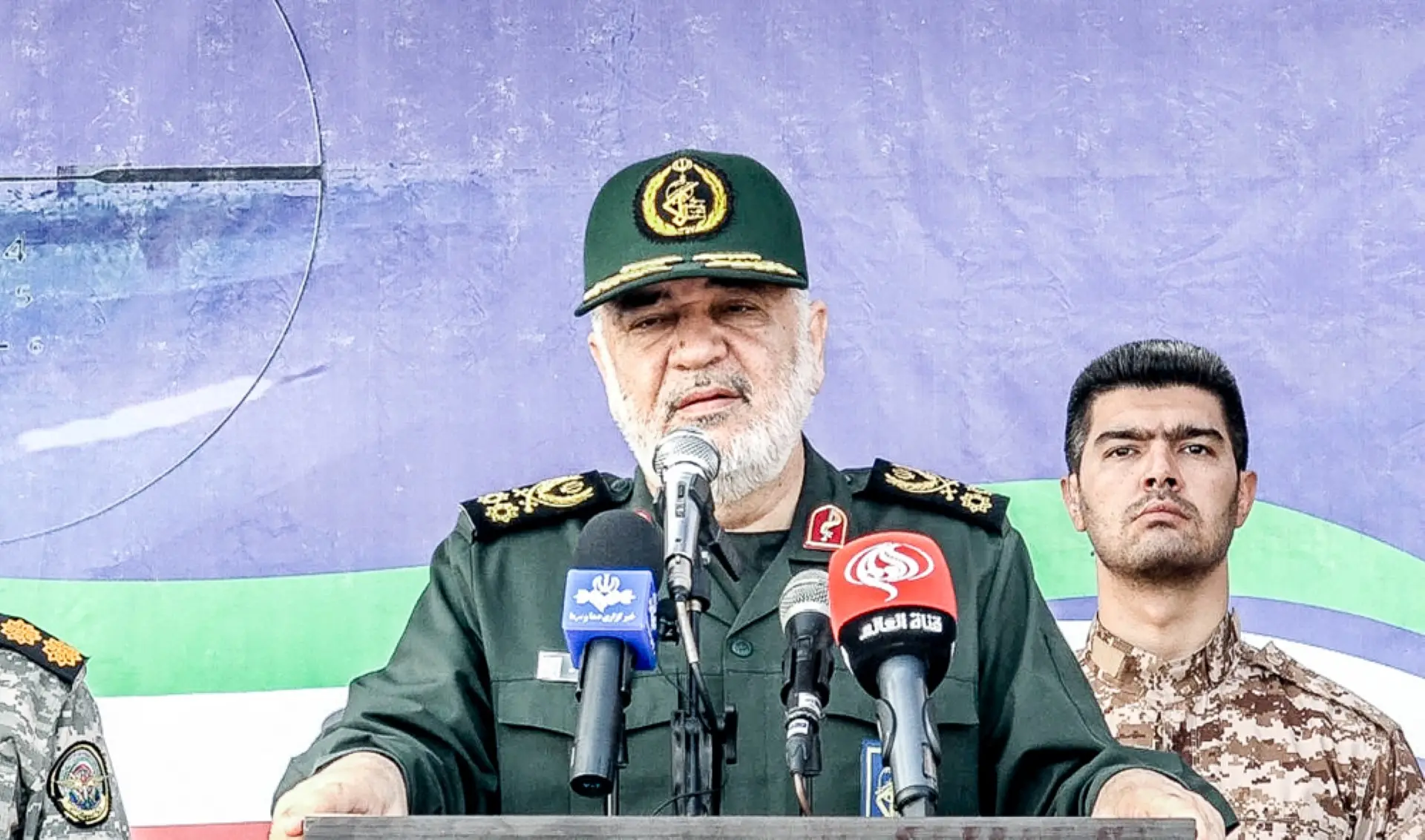
Parallel to the regular armed forces, the Islamic Revolutionary Guard Corps (IRGC) plays a central role in protecting the regime’s ideological foundations and security. Founded soon after the 1979 revolution, the IRGC has expanded into a sprawling organisation with its own army, navy, air branch and intelligence apparatus. It also holds significant economic influence and wields political power that often rivals elected institutions.
The Parliament (Majlis)
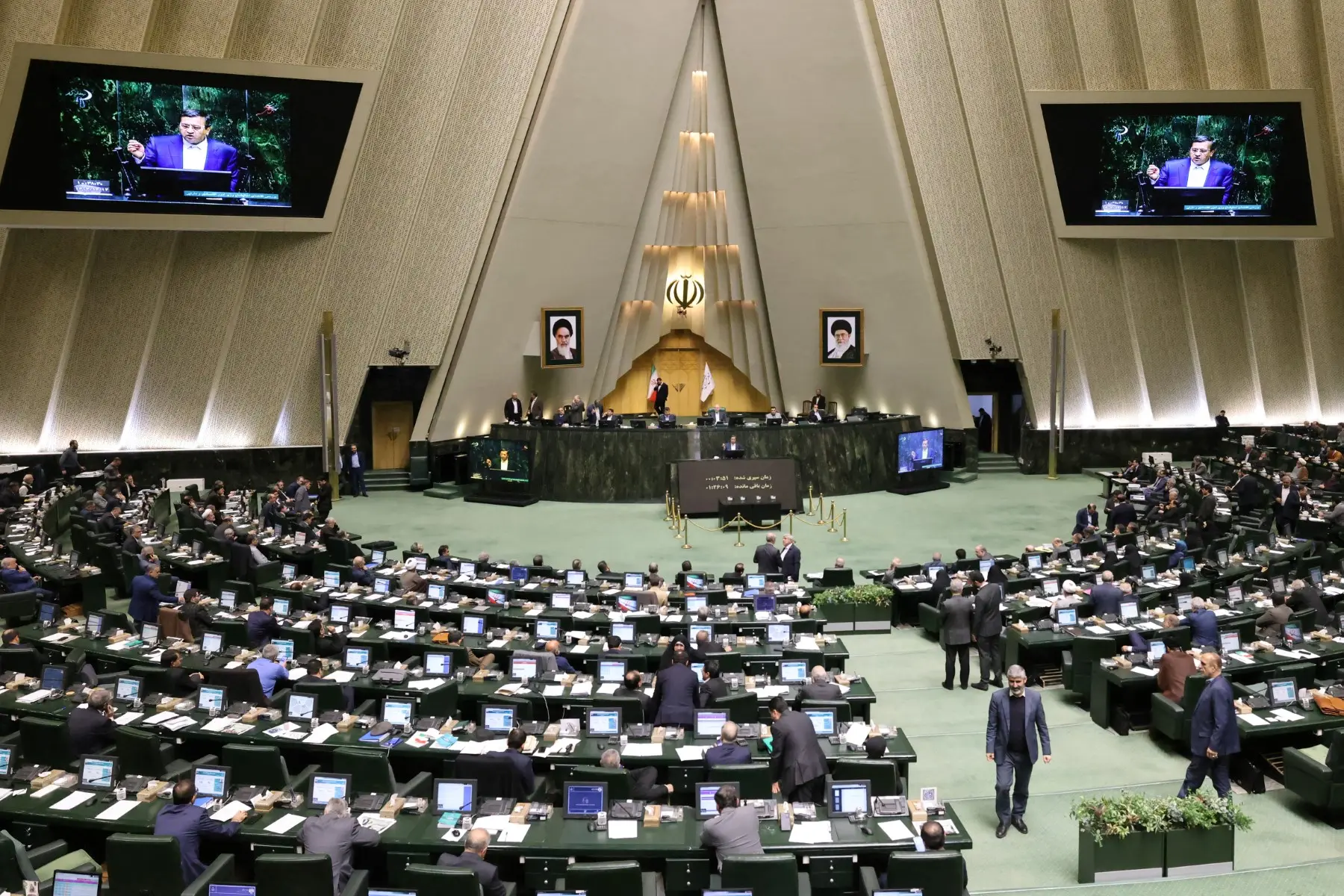
Iran's parliament, known as the Majlis, or ICA, is a single-chamber legislature of 290 members elected to four-year terms through direct national elections. The Majlis holds wide-ranging legislative powers, including drafting laws, approving the national budget, and ratifying international agreements. Although Parliament can draft laws, but the Guardian Council must approve them. This means that elected officials wield less influence than their counterparts in most democracies, with real authority concentrated above them.
)
)
)
)
)