Iran launches missiles toward several Gulf countries: Which Gulf nation can intercept the most missiles?

Following Iran's retaliatory missile strikes across the Middle East, Gulf nations activated advanced air defences. The UAE achieved a 96 per cent interception rate against 137 missiles, while Saudi Arabia successfully blocked all targeted strikes using THAAD and Patriot systems.
The Gulf under fire
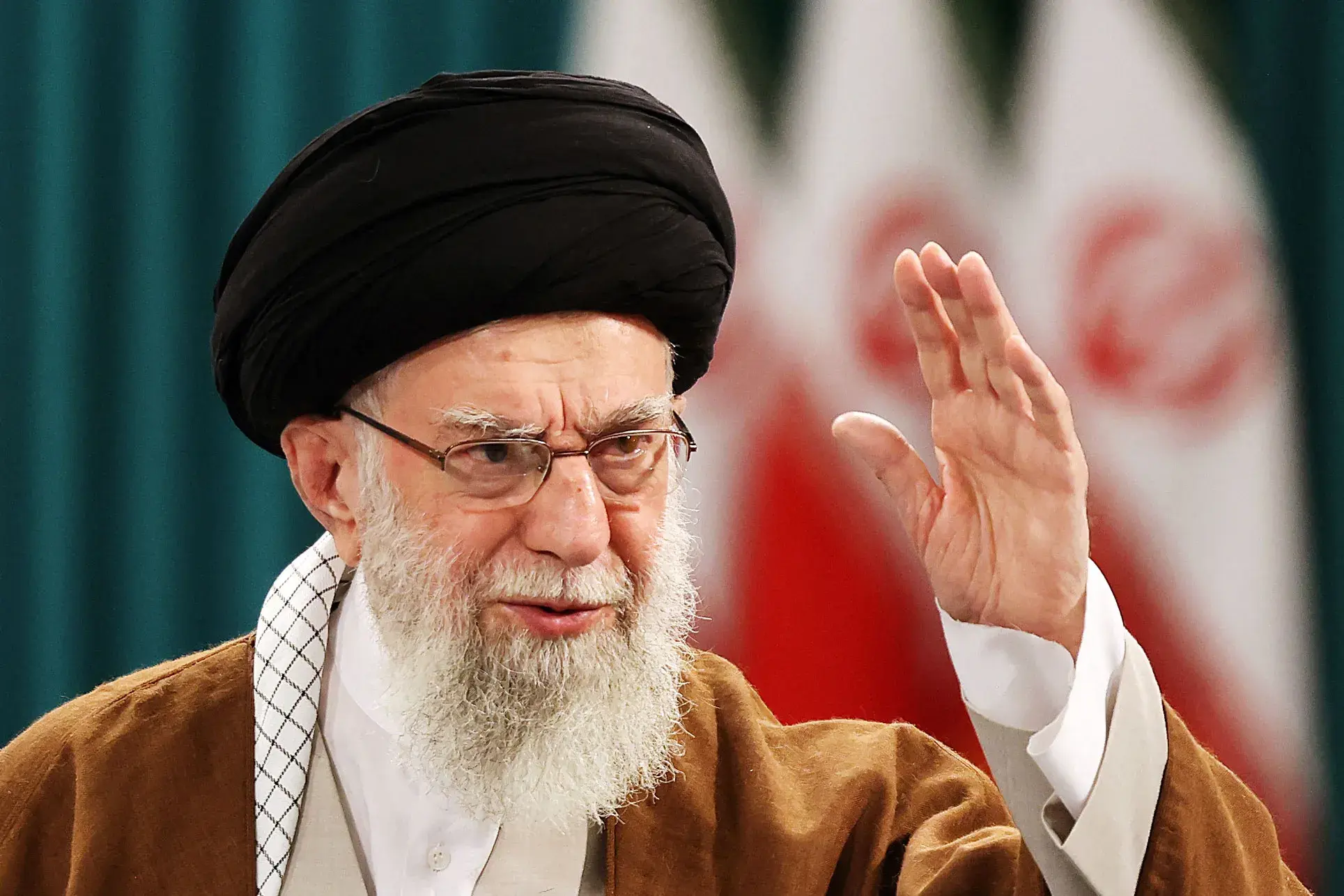
Following heavy US airstrikes, Iran retaliated by firing hundreds of ballistic missiles at Gulf nations hosting American forces. In response, these countries immediately activated their advanced air defence networks to intercept the incoming threats.
The UAE's 96 per cent success rate
During the recent barrage, the United Arab Emirates faced the highest volume of projectiles, detecting 137 Iranian ballistic missiles. The Emirati military successfully intercepted 132 of them, achieving an impressive 96 per cent interception rate.
Saudi Arabia's impenetrable shield
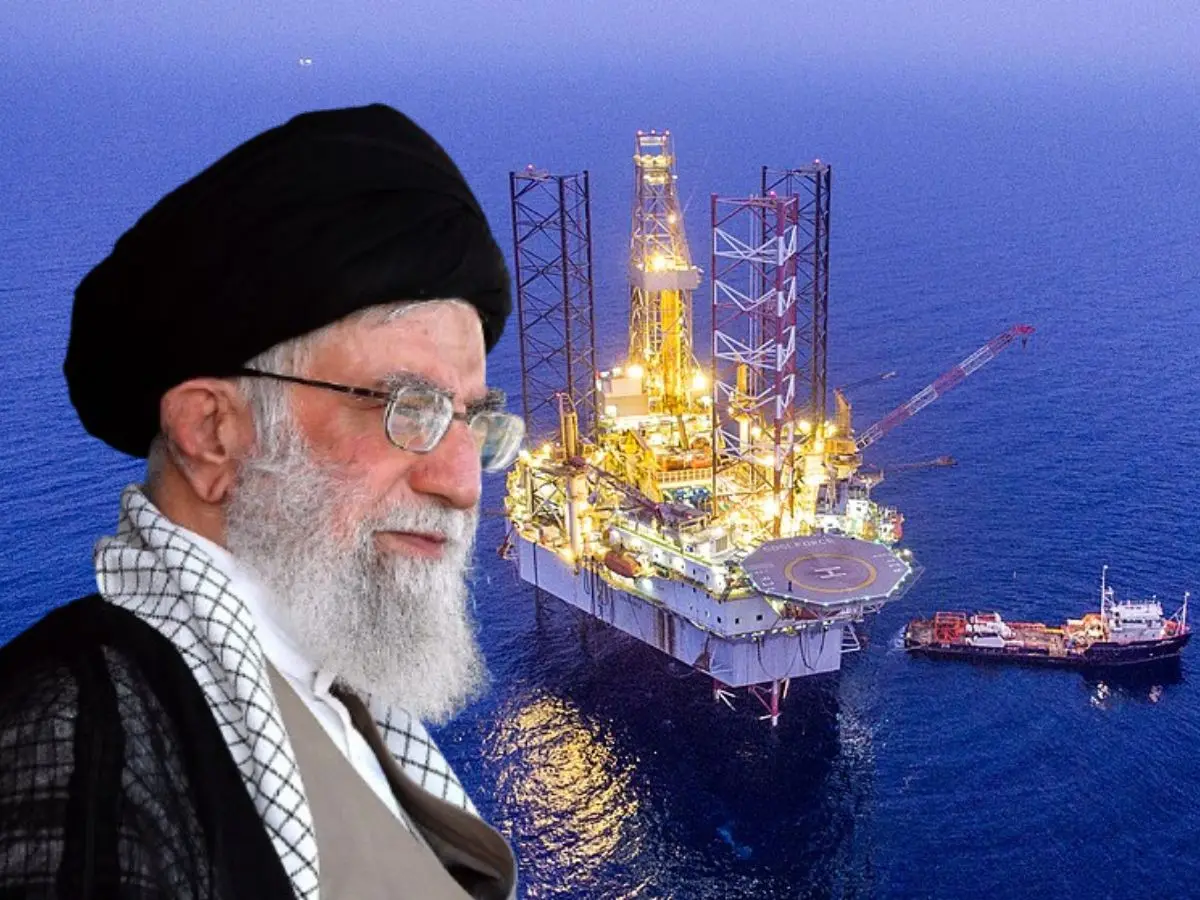
Saudi Arabia boasts the Gulf's most extensive air defence arsenal, having successfully intercepted over 1,000 projectiles during previous regional conflicts. In the latest attacks, Saudi forces successfully intercepted all incoming ballistic missiles targeting their military facilities without sustaining any damage.
Qatar defending Al Udeid
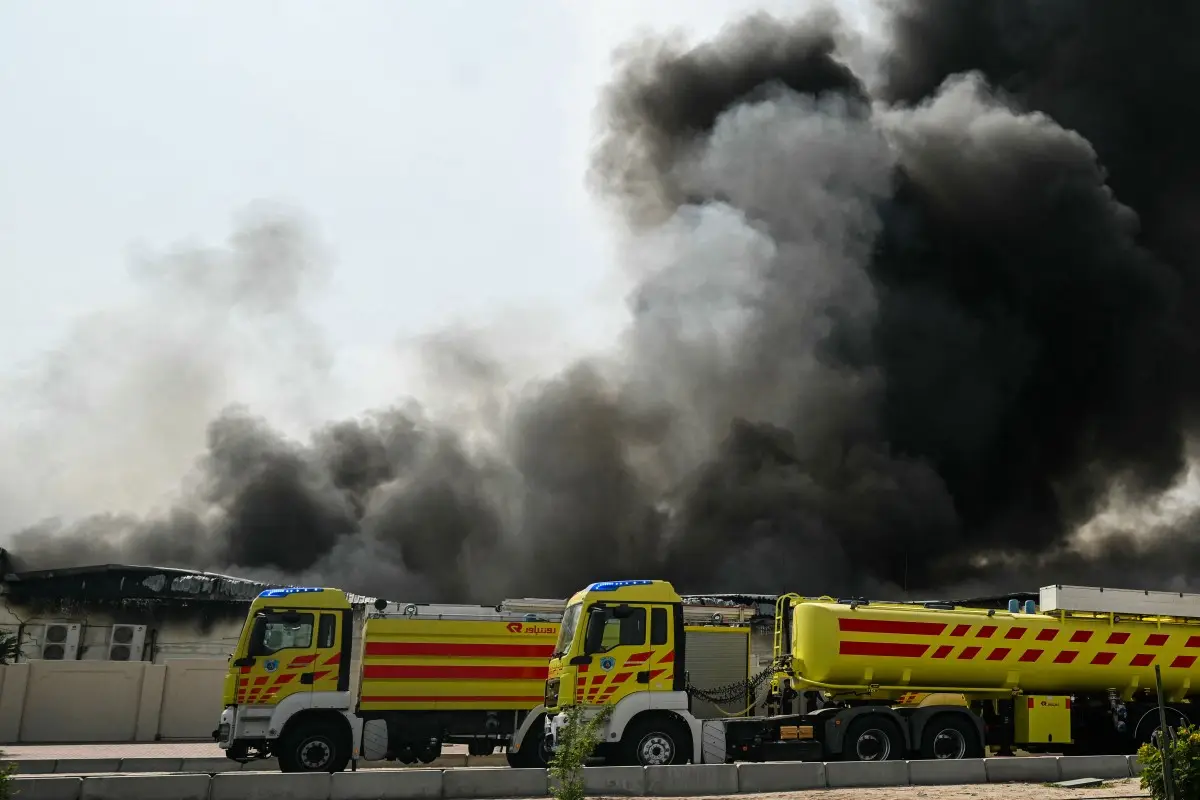
Qatar hosts Al Udeid Air Base, the largest US military hub in the Middle East, making it a prime target for Iranian strikes. Qatari and US Patriot air defence systems successfully neutralised the vast majority of the 66 incoming missiles directed at their airspace.
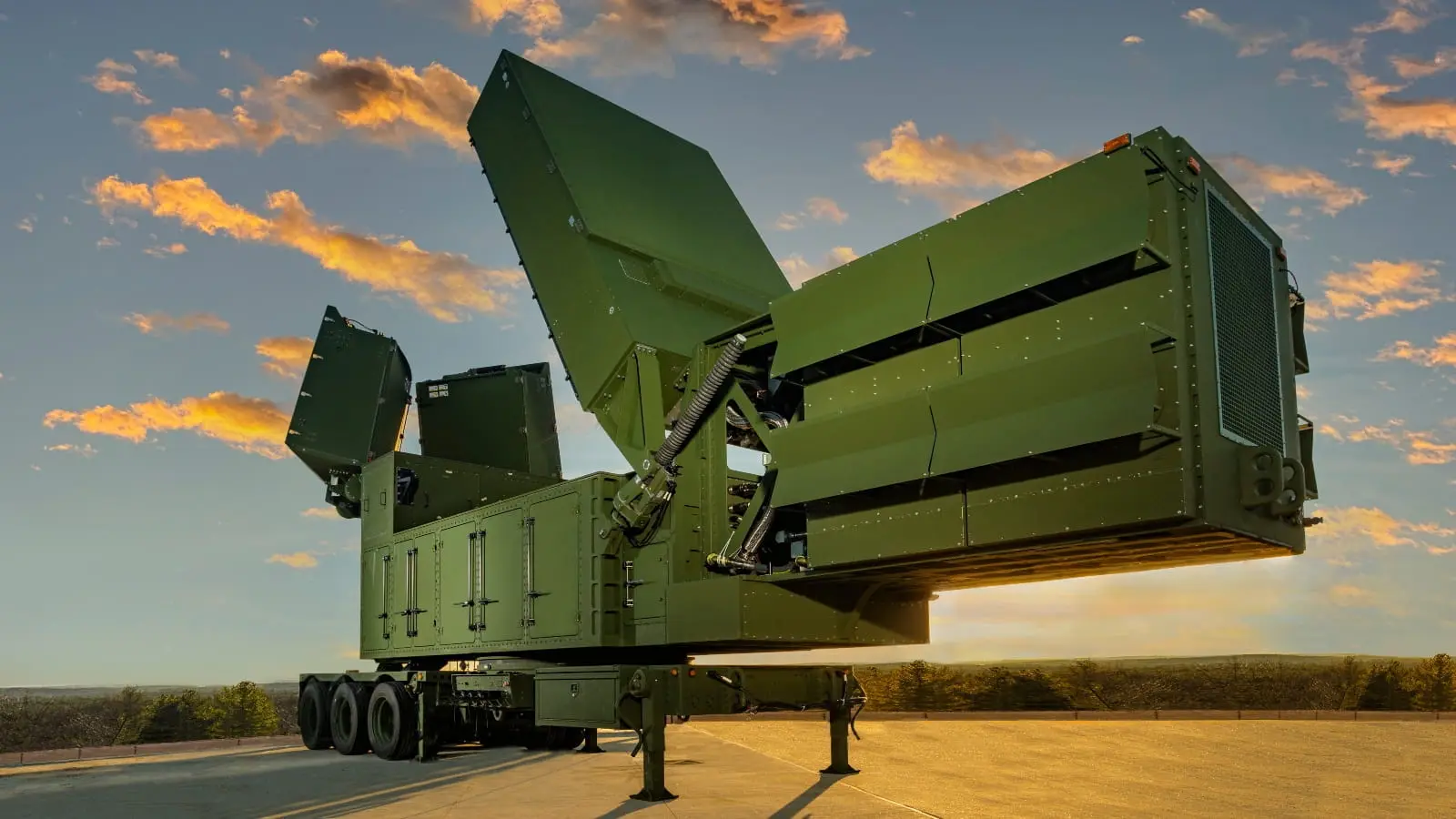
Kuwait and Bahrain's tactical interceptions
Bahrain and Kuwait also faced concentrated missile fire aimed at US logistical hubs and the Fifth Fleet headquarters. Both nations successfully activated their Patriot PAC-3 batteries, intercepting dozens of short- and medium-range ballistic missiles before they could hit populated areas.
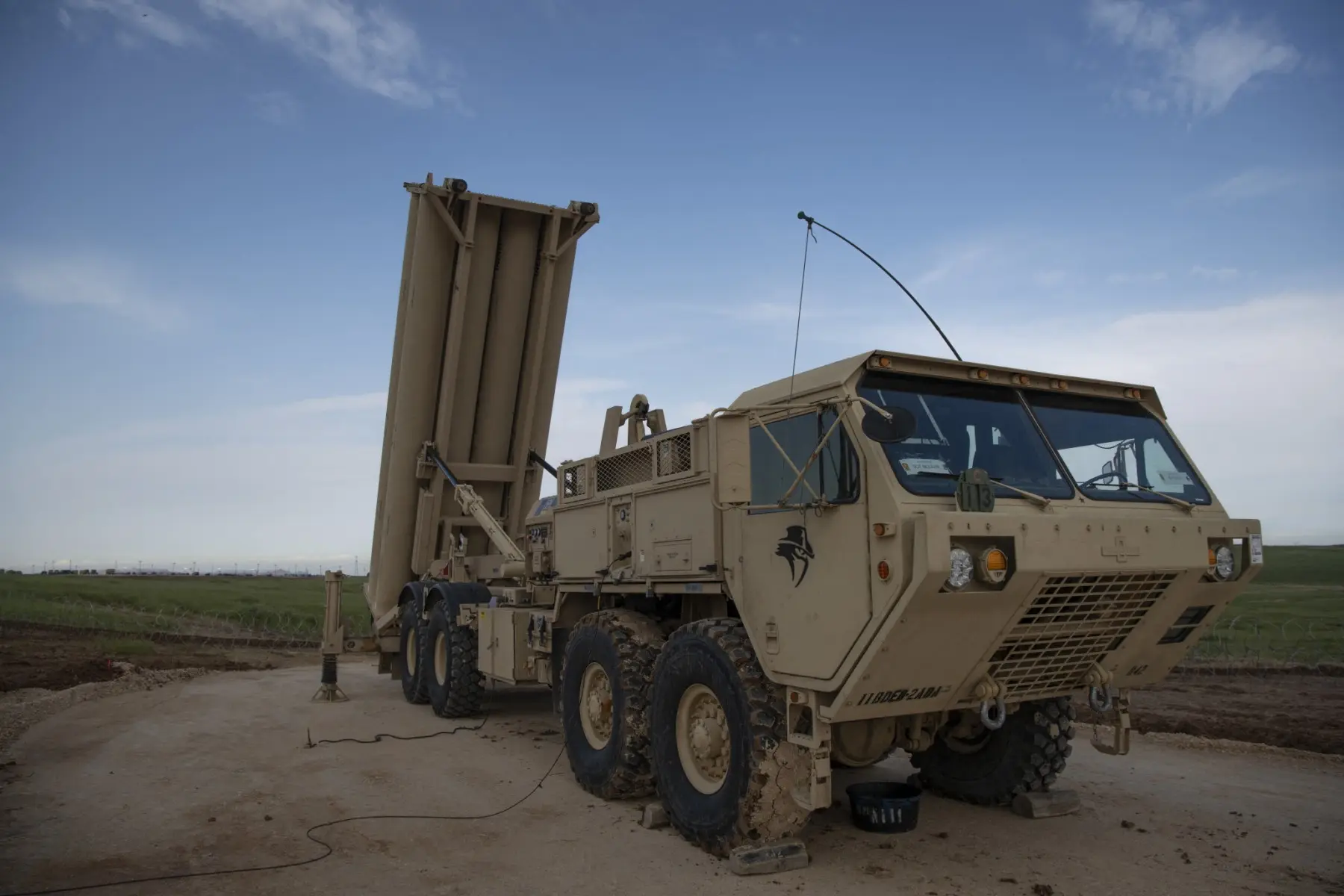
The THAAD and Patriot backbone
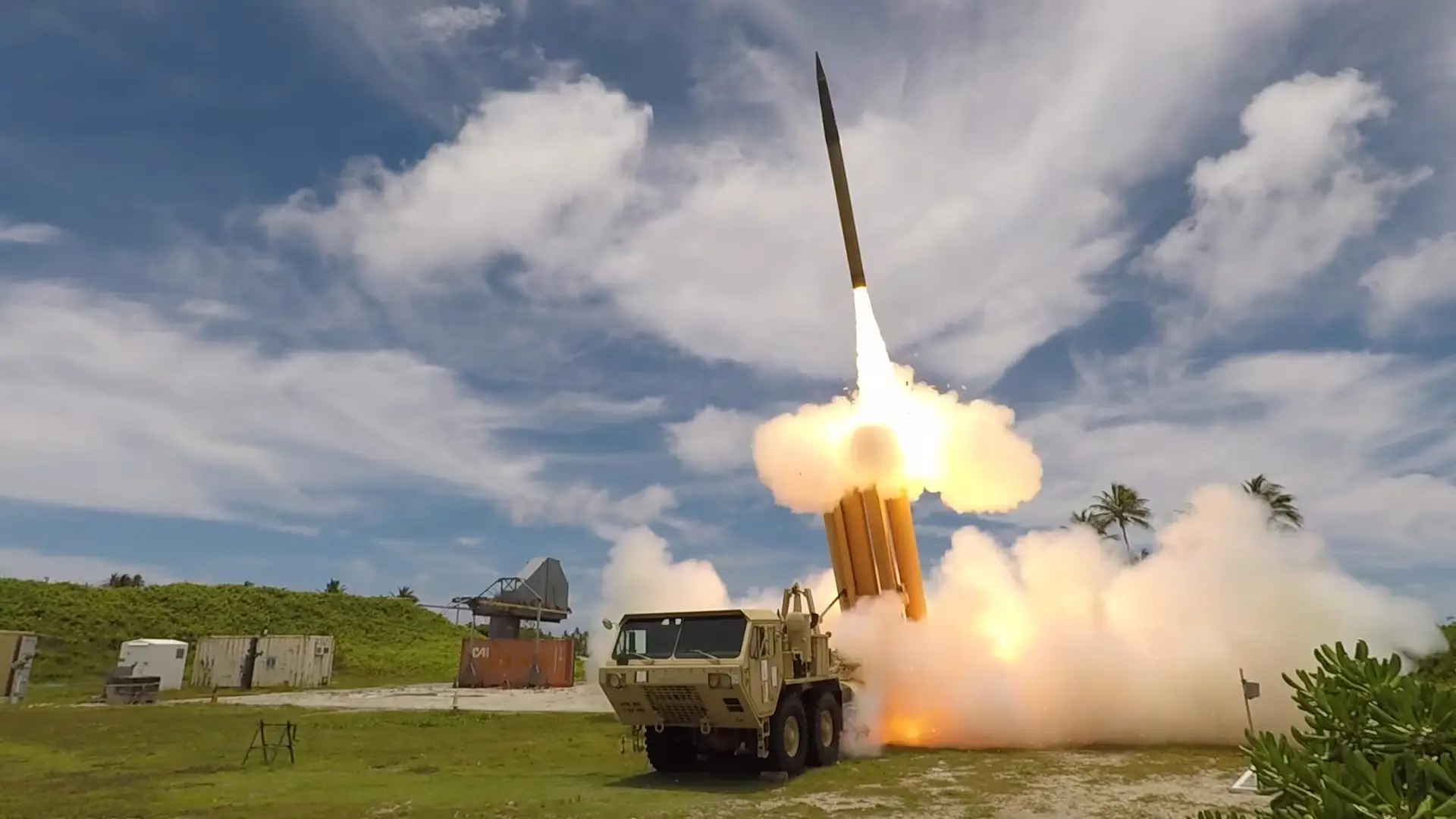
The high interception success across the Gulf relies heavily on American-made Terminal High Altitude Area Defense (THAAD) and Patriot systems. THAAD intercepts high-altitude ballistic threats, while Patriot PAC-3 batteries destroy lower-tier missiles during their final descent.

The drone swarm challenge
While Gulf nations excel at destroying ballistic missiles, intercepting massive swarms of low-flying Shahed-136 drones remains a complex challenge. To counter this, countries like the UAE increasingly rely on rapid-fire systems like the Russian-made Pantsir-S1 to close the defensive gaps.
)
)
)
)
)