'Any attempt by...': Iran issues BIG warning after 2 US warships 'transit Strait of Hormuz' amid ongoing talks

Iran’s Strait of Hormuz tensions escalate as US Central Command begins mine-clearing operations. Islamic Revolutionary Guard Corps warns of severe action against military vessels, while Donald Trump claims US dominance amid ongoing talks.
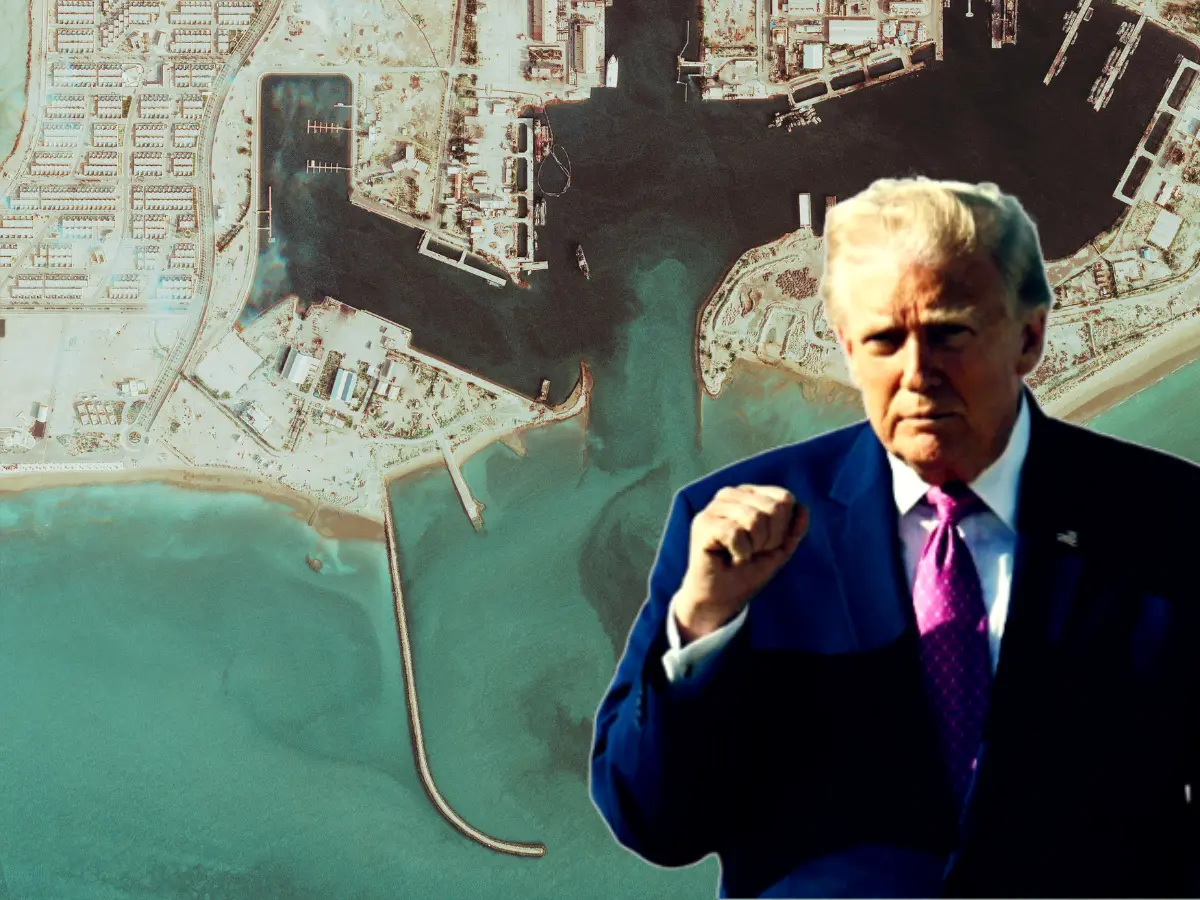
Iran issues fresh threat over Strait of Hormuz as talks continue
Iran's Revolutionary Guards threatened to deal "severely" with any military vessels transiting the Strait of Hormuz, state TV reported Sunday (Apr12). This comes after the US Central Command said that two US Navy warships had transited the strategic waterway to clear mines laid by Tehran. "Any attempt by military vessels to pass through the Strait of Hormuz will be dealt with severely. The IRGC Navy has full authority to manage the Strait of Hormuz intelligently," the Guards' Navy Command said, according to state broadcaster IRIB, adding passage of the strait would only be "granted to civilian vessels under specific conditions".
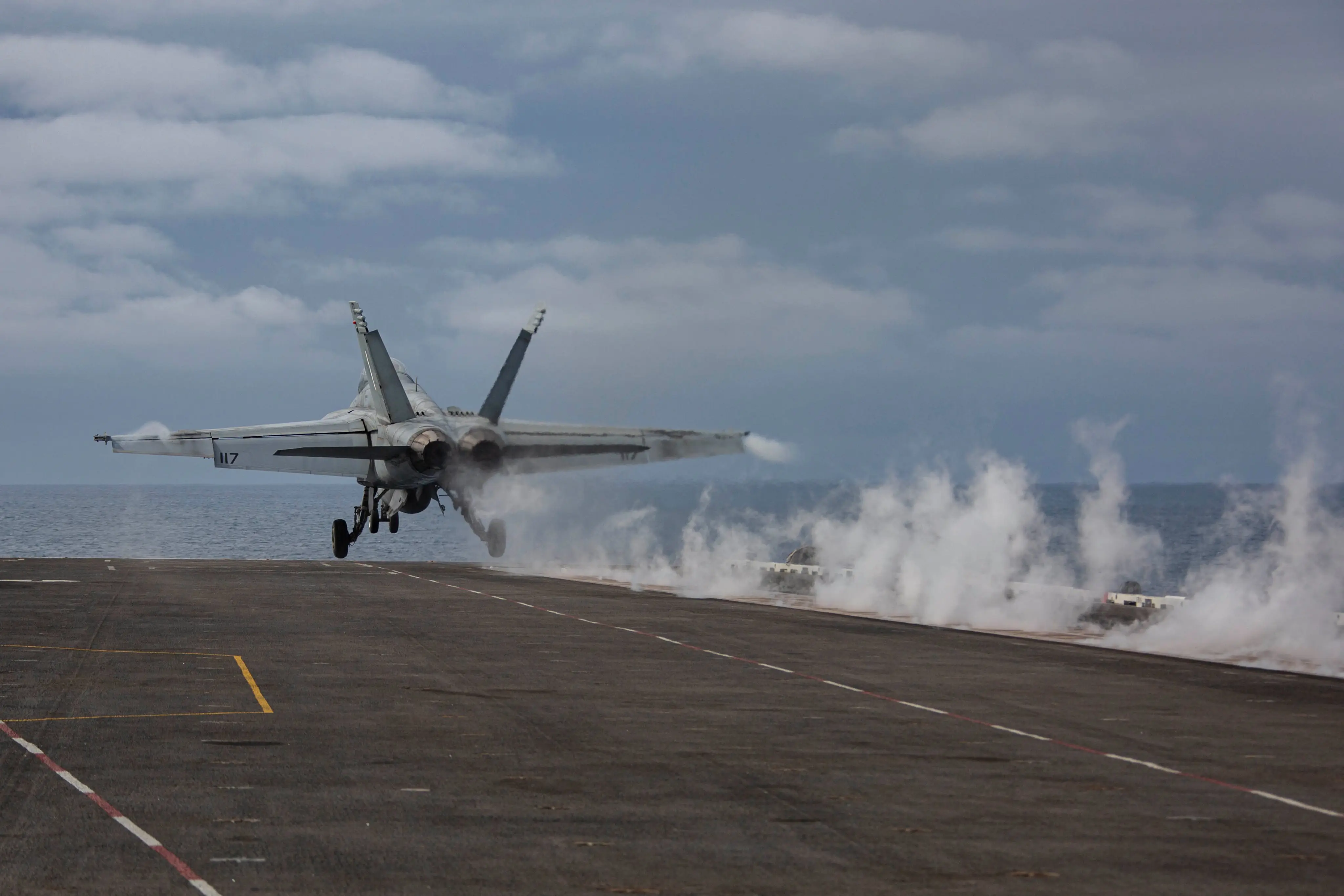
What US CENTCOM said about mines?
US Central Command (CENTCOM) said that US forces have started a mine clearance mission in the Strait of Hormuz. In a statement, US CENTCOM said, “USS Frank E. Peterson (DDG 121) and USS Michael Murphy (DDG 112) transited the Strait of Hormuz and operated in the Arabian Gulf as part of a broader mission to ensure the strait is fully clear of sea mines previously laid by Iran’s Islamic Revolutionary Guards Corps.” It also added that “additional US forces, including underwater drones, will join the clearance effort in the coming days.”
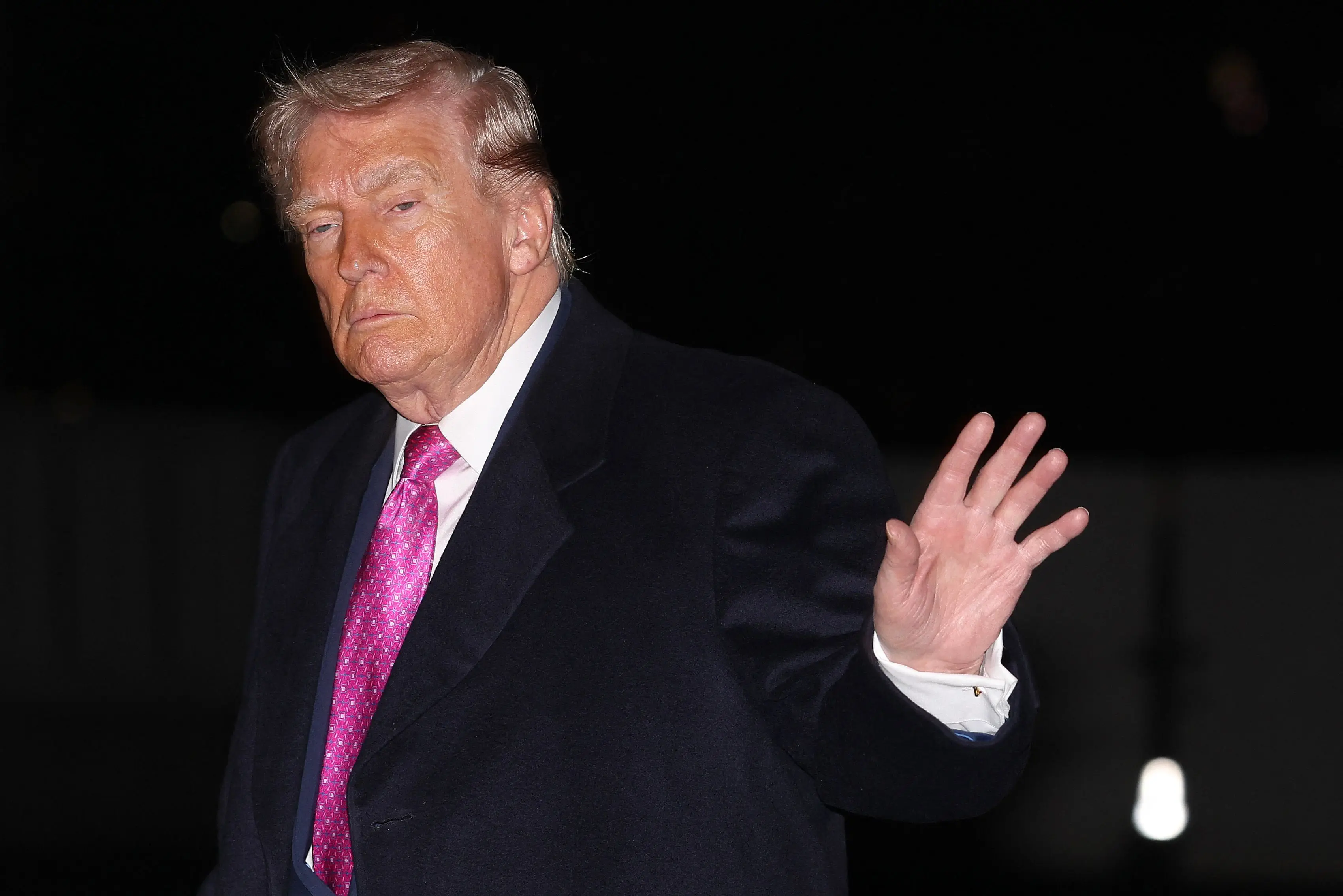
What Trump said?
US President Donald Trump claimed that the US has started clearing mines in the Strait of Hormuz “as a favour to countries all over the world”. Trump said in a post on Truth Social that Iran’s minelaying ships “are also lying at the bottom of the sea”. Trump added that the Iranian military’s air and naval capabilities have diminished and its missiles and drones “have been largely obliterated.”
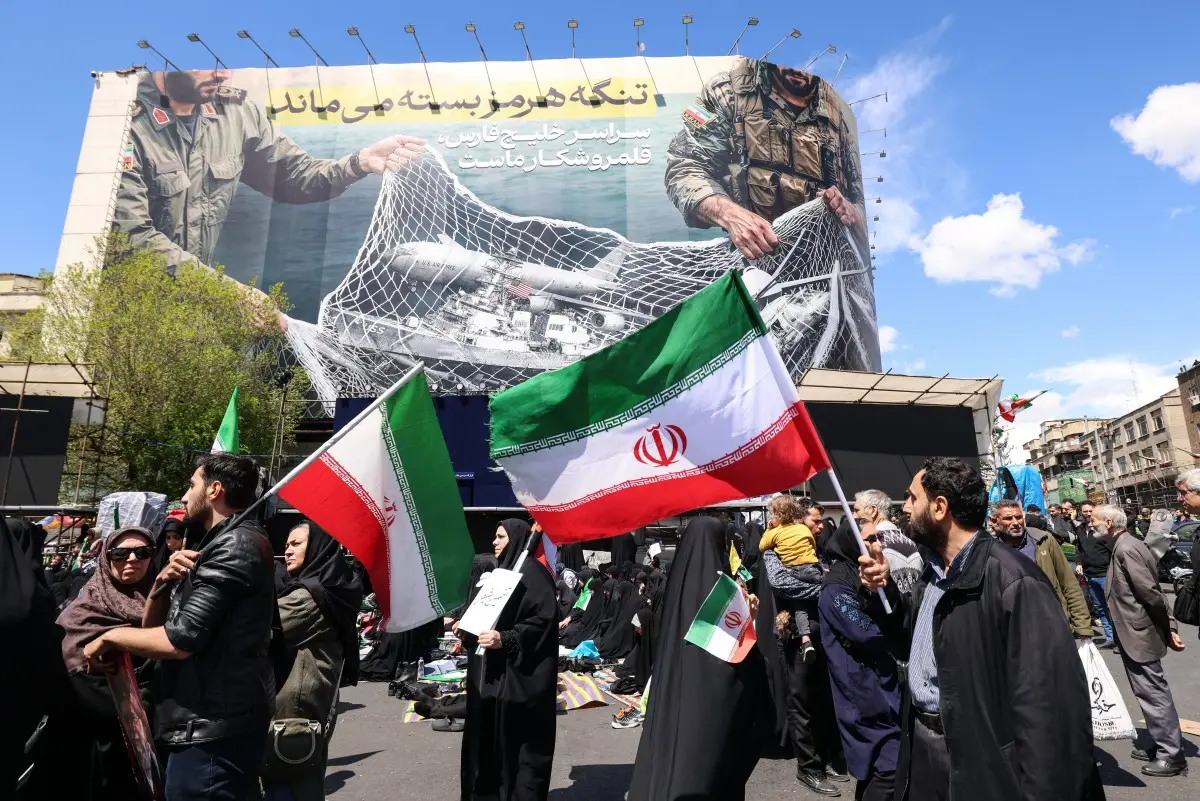
What had Iran warned earlier?
Iran had previously warned a US military vessel that it would be attacked "within 30 minutes" if it crossed the Strait of Hormuz, Iranian state television reported, citing a senior military official. The US vessel reportedly retreated after the warning was issued, the official added.
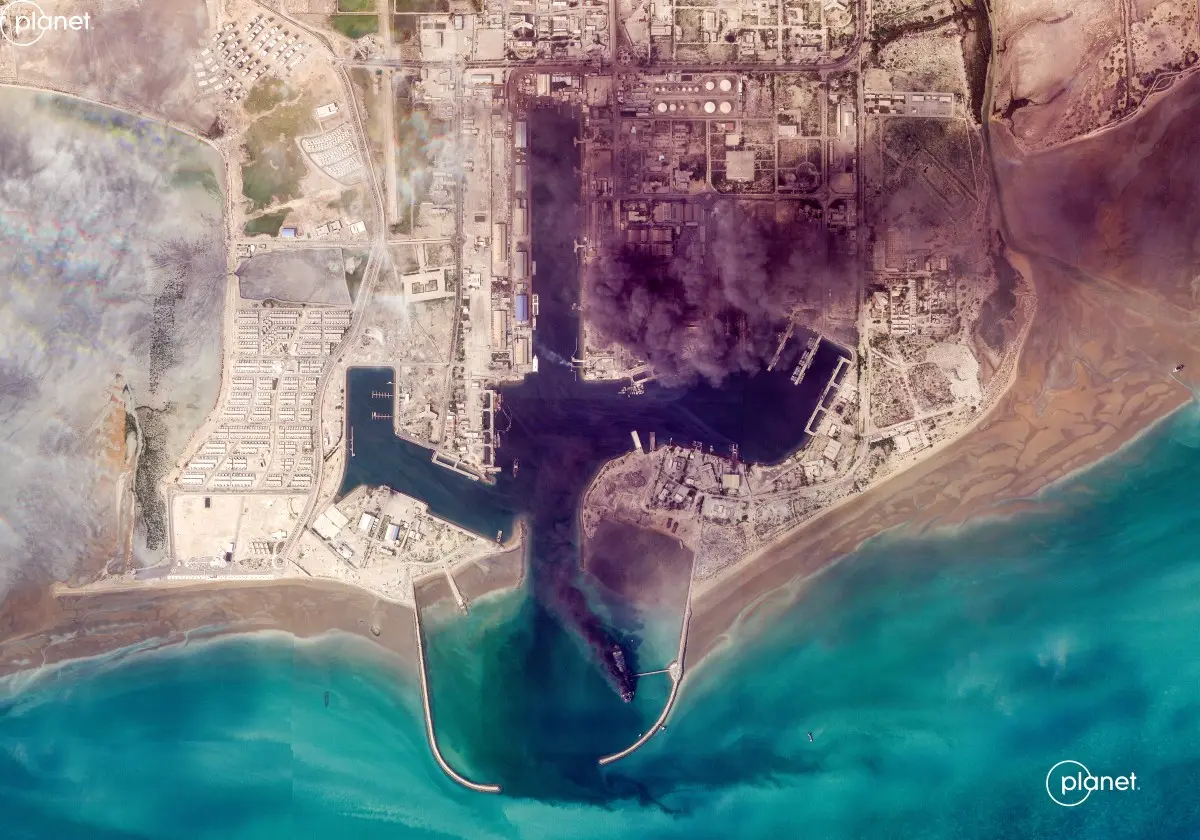
What we know about Strait of Hormuz and Iran-US talks in Islamabad?
The US and Iran began high-level in-person talks in Pakistan's Islamabad on Saturday (Apr 11). The US delegation is led by Vice President JD Vance, alongside special envoy Steve Witkoff and Jared Kushner. The Iranian delegation is led by Parliament Speaker Mohammad Baqer Ghalibaf and Foreign Minister Abbas Araghchi. According to reports, Strait of Hormuz remains a sticking point. CNN quoted Pakistani sources and said that the overall tone and outcome of US-Iran talks in Islamabad has remained largely positive, but that a stalemate persists over control of the Hormuz. Iran had blocked Hormuz as the war intensified. Even as the two-weeks ceasefire began, reports indicated that Iran's IRGC is asking ships to pre-arrange tolls in cryptocurrency or Chinese yuan. Iran had earlier declared that the strait “will never be the same again”. In its 10-point proposal, it said that tolls will be charged and it would be used to rebuild the damages caused across the country due to Israel-US strikes.
Disclaimer: WION takes utmost care to accurately and responsibly report ongoing conflicts in West Asia involving Israel, Iran, the US, Gulf nations, and non-state actors like Hezbollah, Hamas, Houthis, Islamic State, and others. Claims and counterclaims, disinformation and misinformation are being made online and offline. Given this context, WION cannot independently verify the authenticity of all statements, social media posts, photos, and videos.
)
)
)
)
)