Iran-Israel War: Top 5 Iranian ballistic missiles including Fattah-1 and Haj Qassem

Here are Iran’s top advanced ballistic missile arsenal, including Sejjil, Haj Qassem, and Fattah-1, plays a key role in its defence strategy amid rising tensions with Israel. These missiles offer long-range precision, solid-fuel mobility, and even hypersonic capabilities.
Iran-Israel Tensions and Missile Power
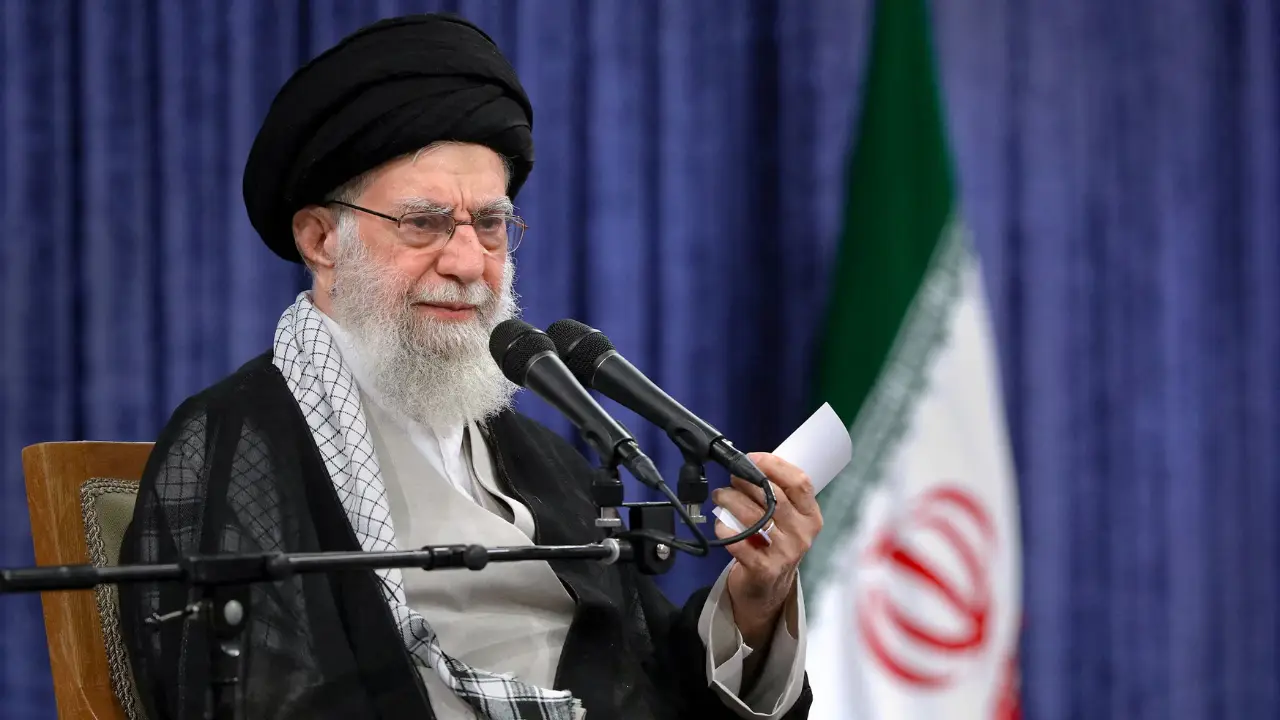
Recent clashes between Iran and Israel have put a spotlight on Iran’s missile strength. Iran’s ballistic missiles are central to its defence.
Sejjil – Iran’s Solid-Fuel Missile
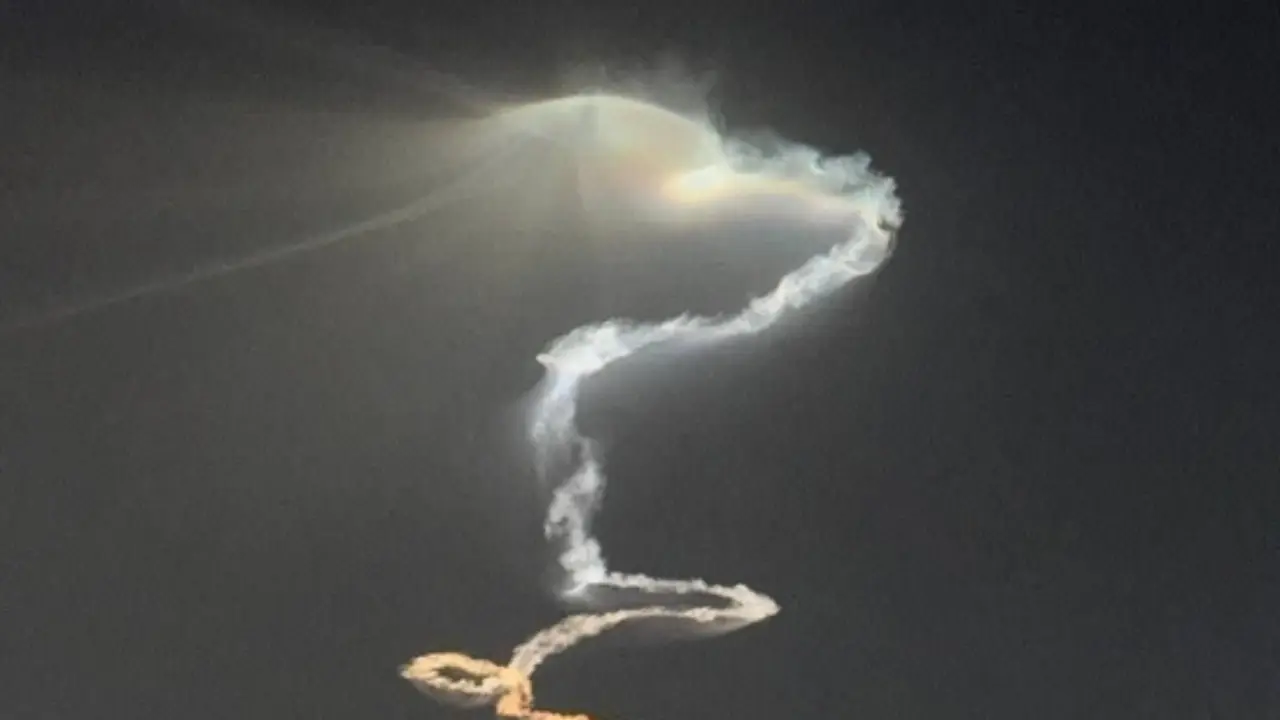
The Sejjil is a two-stage, solid-fuel ballistic missile. It has a range of up to 2,000 kilometres and can reach targets across West Asia. Its solid fuel means it can be launched quickly, making it a key part of Iran’s missile force.
Haj Qassem – Long-Range Precision
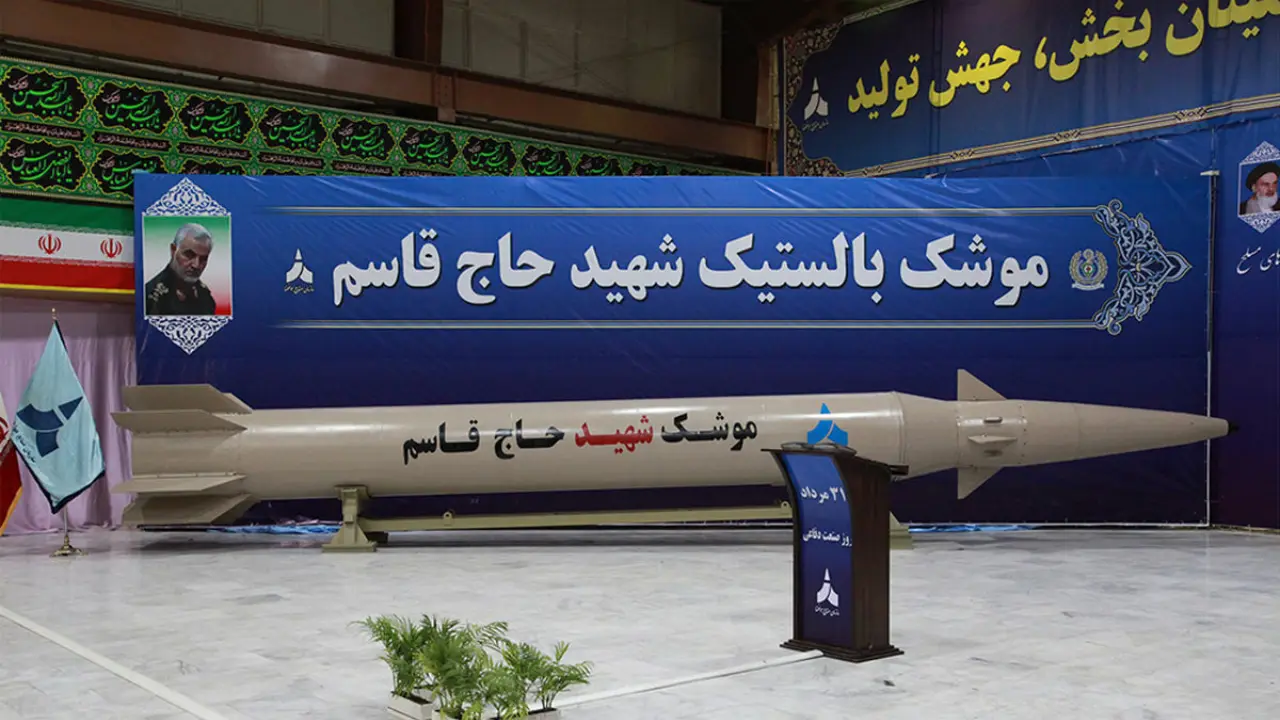
Named after General Qassem Soleimani, the Haj Qassem missile is designed for long-range precision strikes. It can travel over 1,400 kilometres and is built for accuracy, giving Iran the ability to target distant locations.
Kheibar Shekan – New Generation Missile
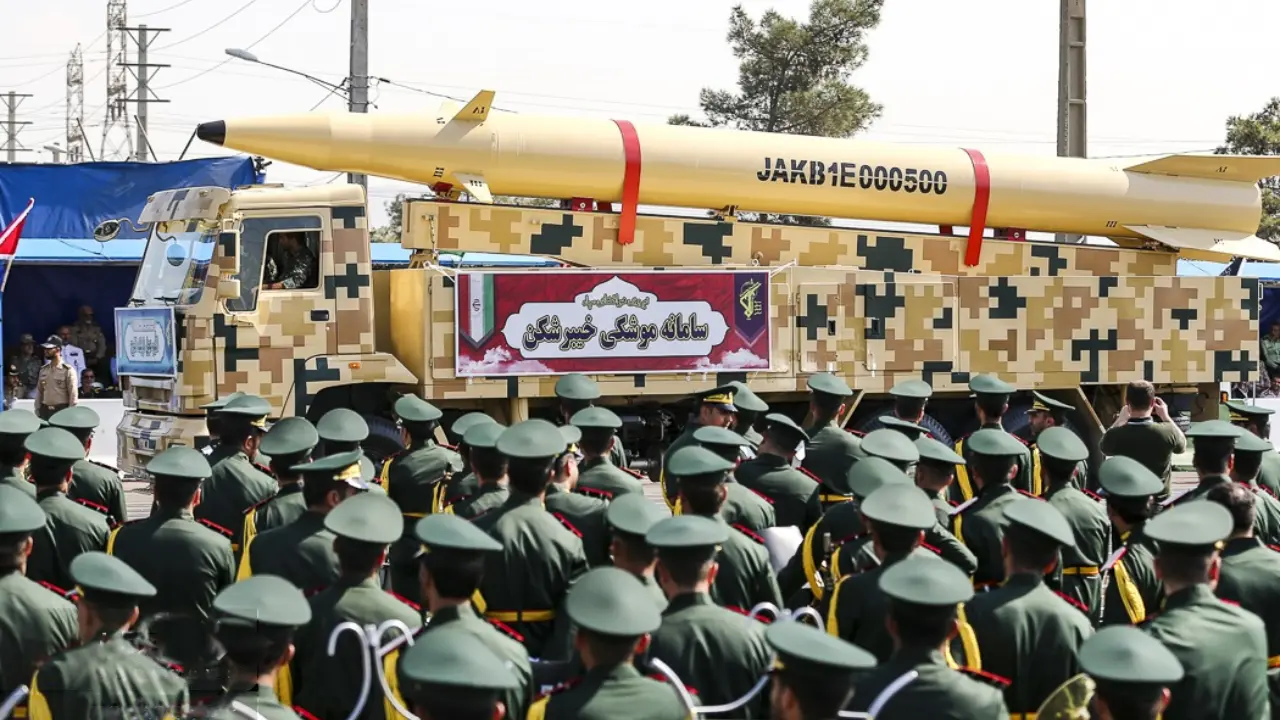
The Kheibar Shekan is a newer, solid-fuel ballistic missile. It can hit targets up to 1,450 kilometres away and is known for its manoeuvrability, making it harder to intercept. Iran claims it is lighter and faster than earlier models.
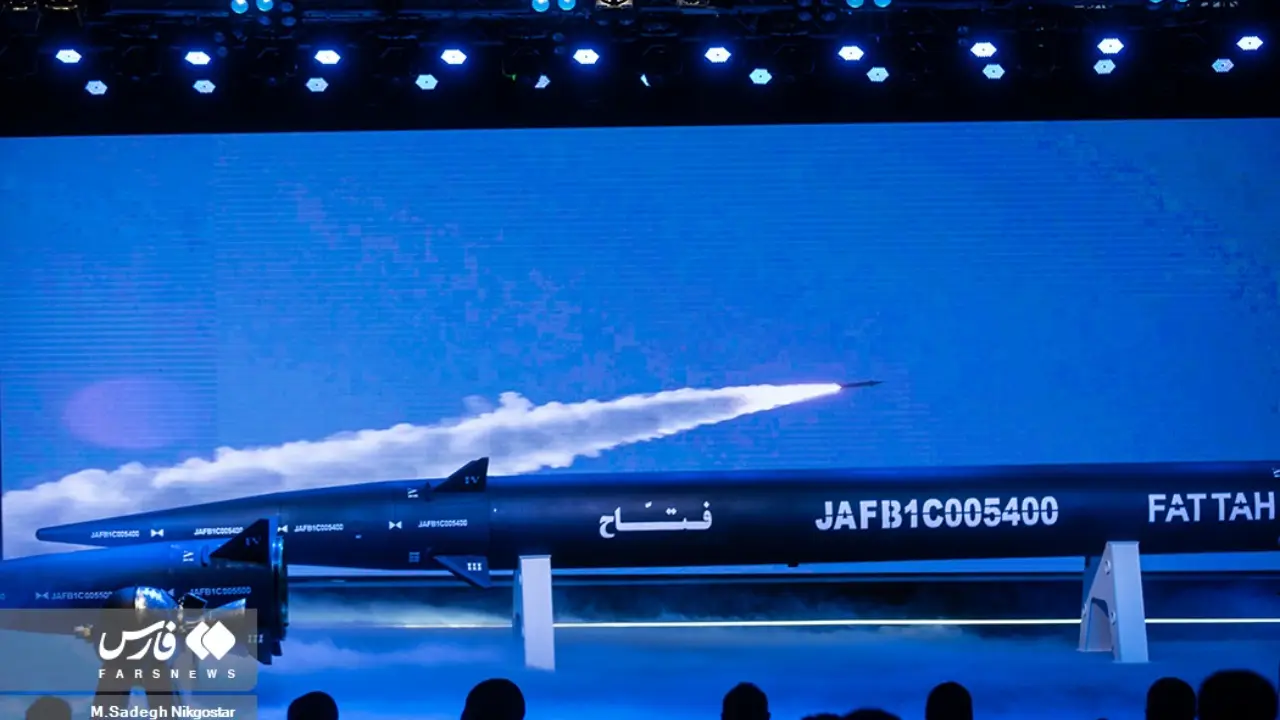
Fattah-1 – Iran’s Hypersonic Entry
Fattah-1 is Iran’s first hypersonic ballistic missile. It is designed to travel at speeds over Mach 5, making it difficult to detect and intercept. This missile represents a major step in Iran’s missile technology.
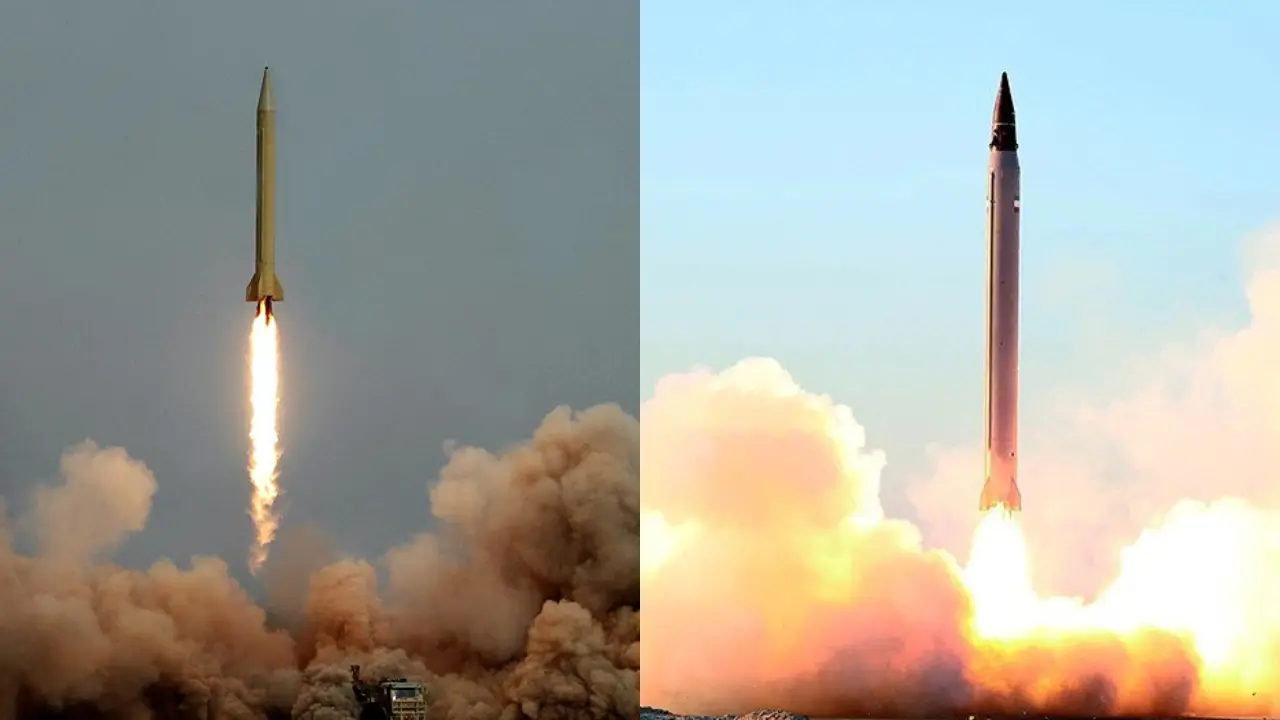
Why These Missiles Matter Now
As the Israel-Iran conflict continues, these ballistic missiles are at the centre of military planning and international concern. Their range and power shape security and diplomacy across the region.
)
)
)
)
)