Iran-Israel War: Ayatollah Ali Khamenei’s grandfather was linked to Uttar Pradesh? Here is what we know..

At the heart of Iran’s resistance is Khamenei himself, yet very few are aware that the man commanding Iran’s defiance traces his roots back to India.
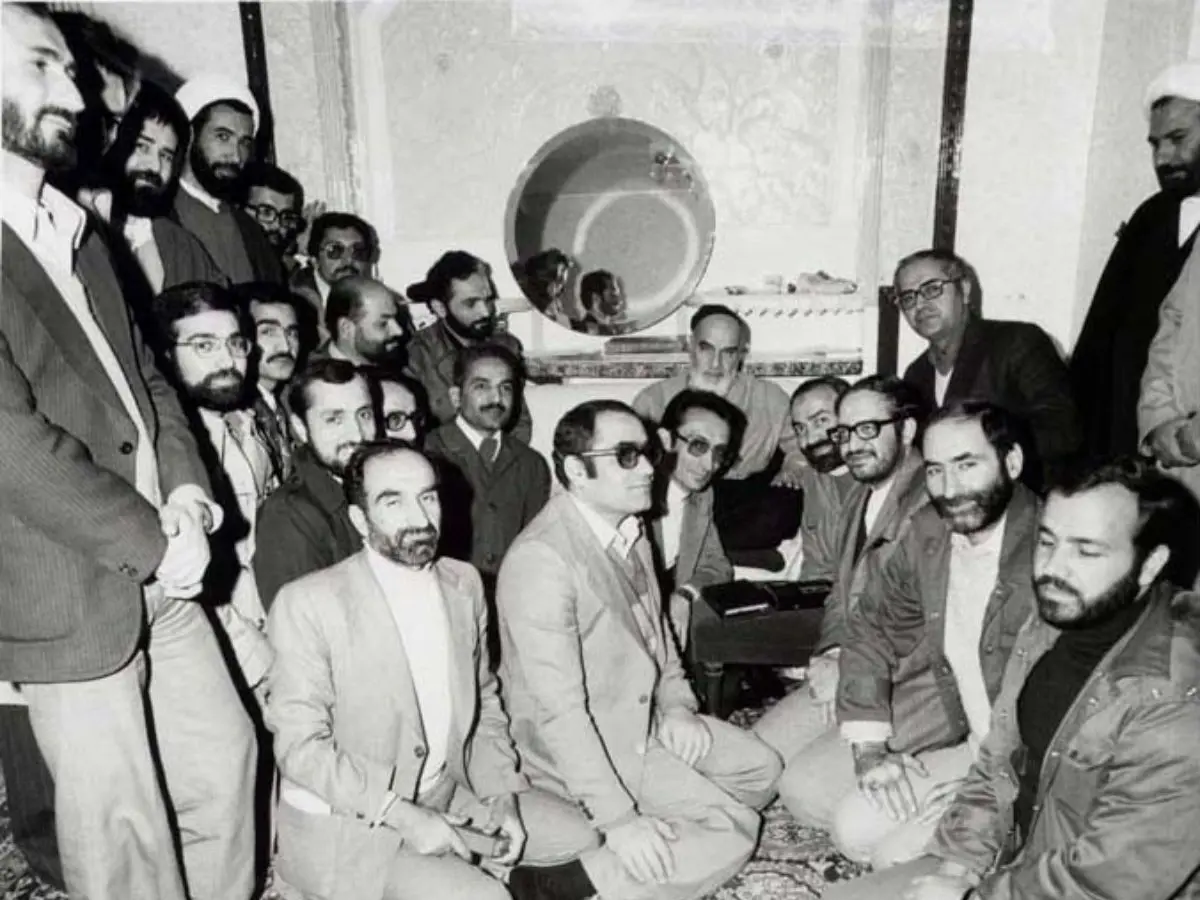
From Barabanki to Tehran — A Forgotten Link
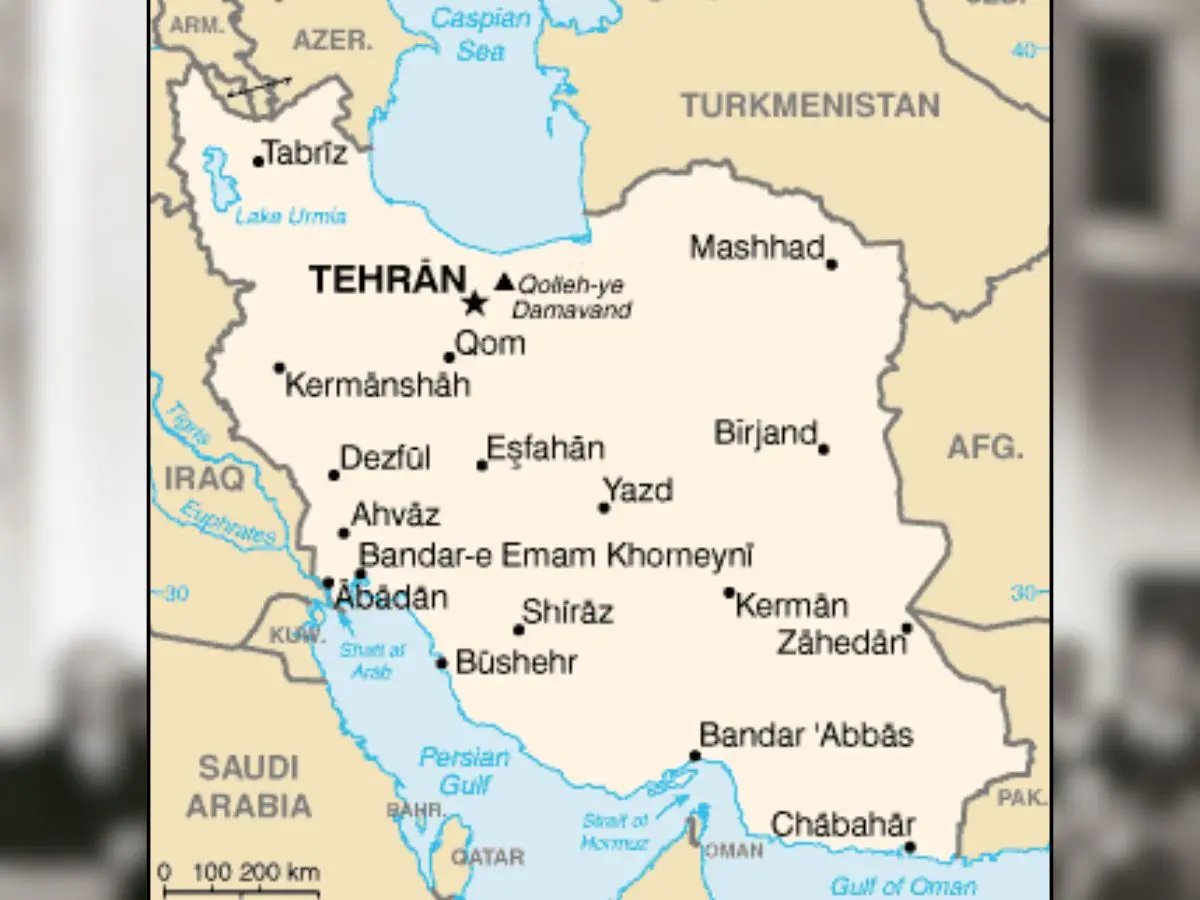
West Asia braces for potential conflict following the escalating hostilities between Israel and Iran. Amid the growing tensions, discussions have emerged around the possibility of Supreme Leader Ayatollah Ali Khamenei being succeeded by his son. At the heart of Iran’s resistance is Khamenei himself, whose sermons are now dissected word by word in capitals around the world. Yet few are aware that the man commanding Iran’s defiance traces his roots back to India. Syed Ahmad Musavi Hindi, the grandfather of Ayatollah Ruhollah Khomeini, founder of the Islamic Republic of Iran, was born in Kintoor, a town near Barabanki in Uttar Pradesh.
Who Was Ahmad Hindi?
Born around 1800, Ahmad Hindi or Ahmad Musavi was a devout Shia cleric, who's ancestors had migrated from Iran to India in the 18th century, and settled in Uttar Pradesh's Kintoor. At a time when the British East India Company was expanding control over India, Hindi left for Najaf, Iraq, in 1830 to visit the tomb of Imam Ali, and never returned back.
Settling in Iran
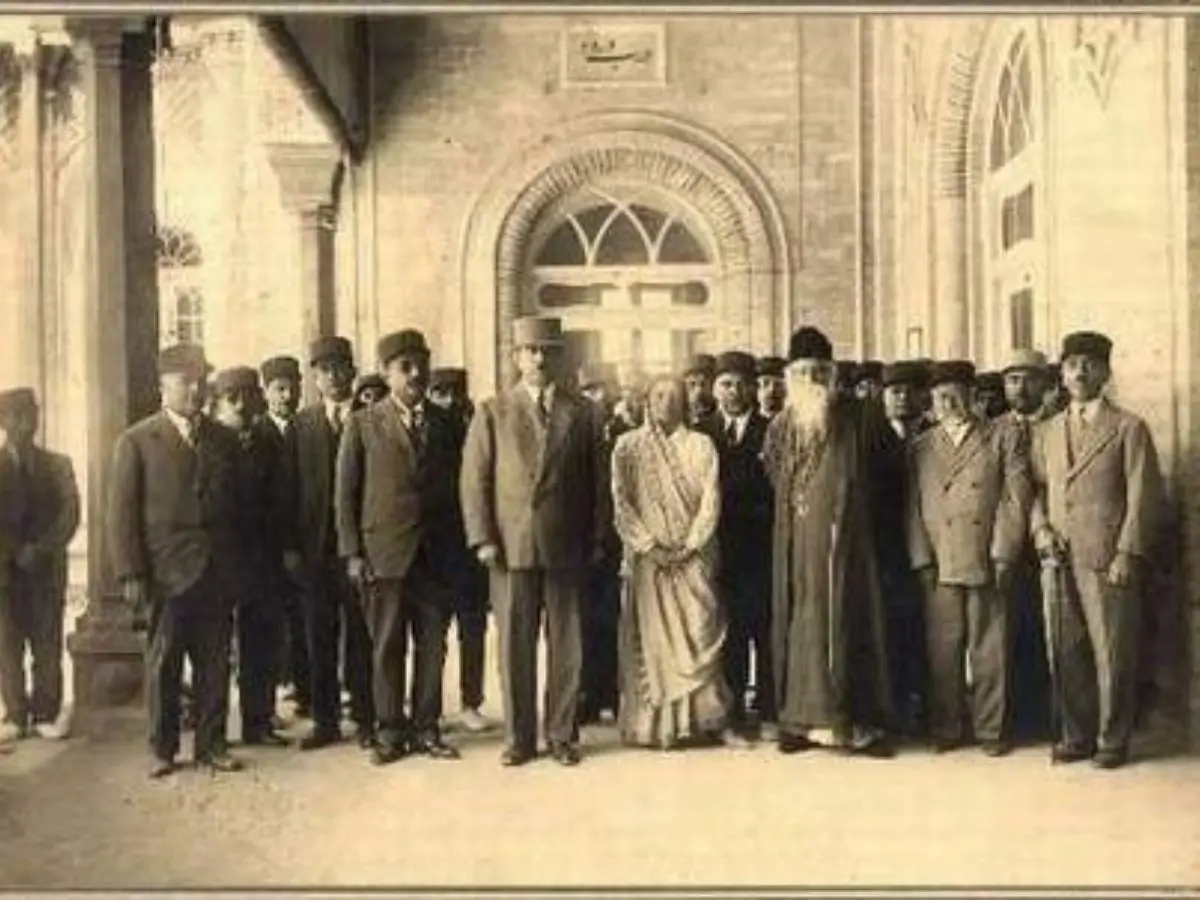
Four years after leaving India, Musavi arrived in a small town in Iran, Khomeyn. He bought land, married three times, and later raised five children. Among these children was Mostafa, father of Ruhollah Khomeini, who would be born in 1902. Despite settling in Iran, Musavi retained the surname ‘Hindi’, to reflect his Indian roots.
Inheritance of Faith
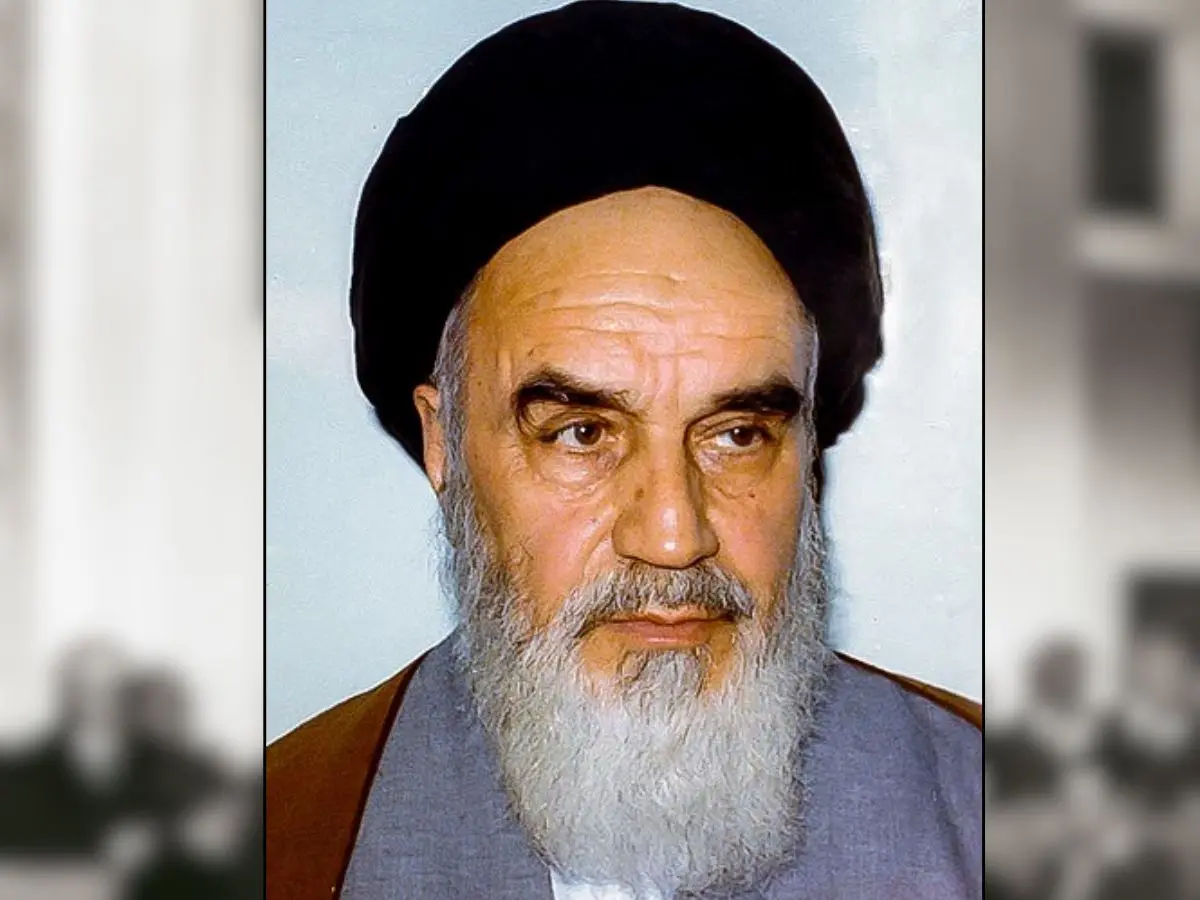
Though he died in 1869, Ahmad Hindi’s religious influence endured in his family. Ruhollah Khomeini grew up deeply immersed in Shia scholarship. Inspired by his grandfather’s beliefs, Khomeini later went on to lead Iran’s 1979 Islamic Revolution, toppling the monarchy of the Shah and establishing a theocratic state.
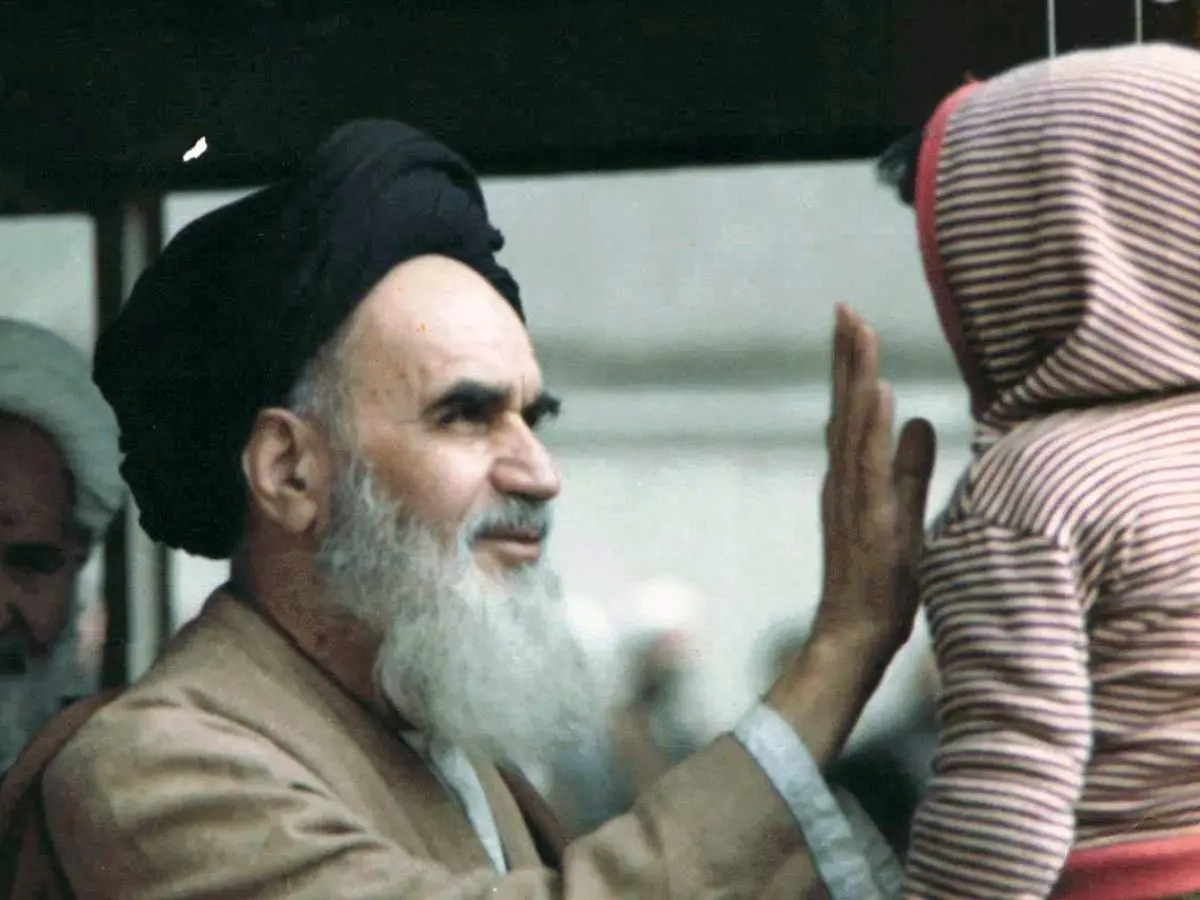
Khomeini’s Rise
Khomeini opposed the Shah’s Westernisation policies, gaining support from Iran’s working class, students, and clergy. His speeches from exile rallied the nation. In 1979, after years of unrest, the Shah was overthrown and Khomeini became Iran’s first Supreme Leader — a position held today by Ayatollah Ali Khamenei.
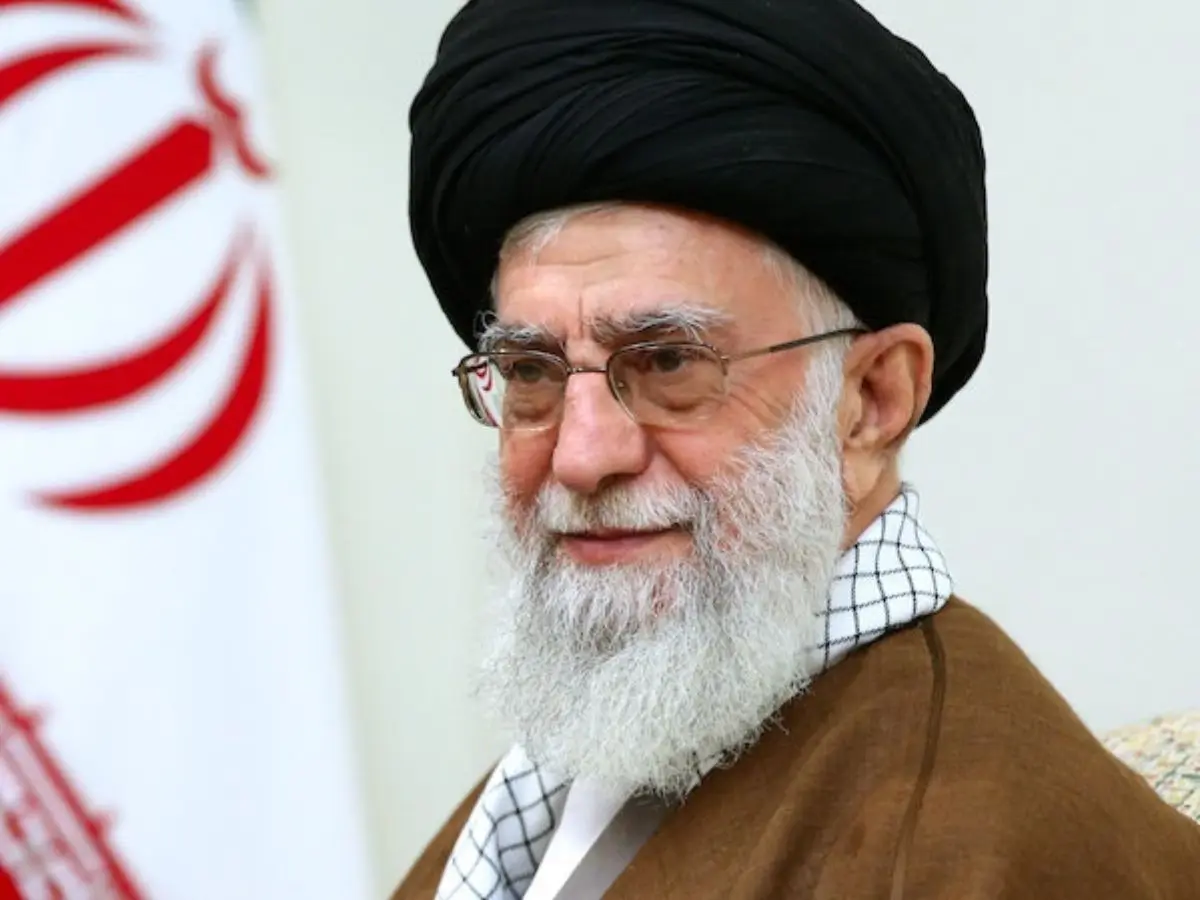
Khamenei and the Present Crisis
Now, with the death of President Ebrahim Raisi and the ongoing Iran and Israeli conflict, the region stands at a tipping point. The world watches Khamenei, Khomeini’s successor, whose sermons are carefully studied for signs of Iran’s next move. Khomeini’s grandfather is buried in Karbala, Iraq, but his early life in Barabanki remains a footnote in global history.
)
)
)
)
)