Iran and oil: How 1951 oil nationalisation shaped Tehran’s power struggles and alarmed the West

The unrest is driven by the country's faltering economy, hyperinflation and the collapse of its currency, however, many analysts see it through a longer historical lens, which is rooted in struggles over sovereignty and foreign pressure, with the 1951 oil nationalisation at its core.
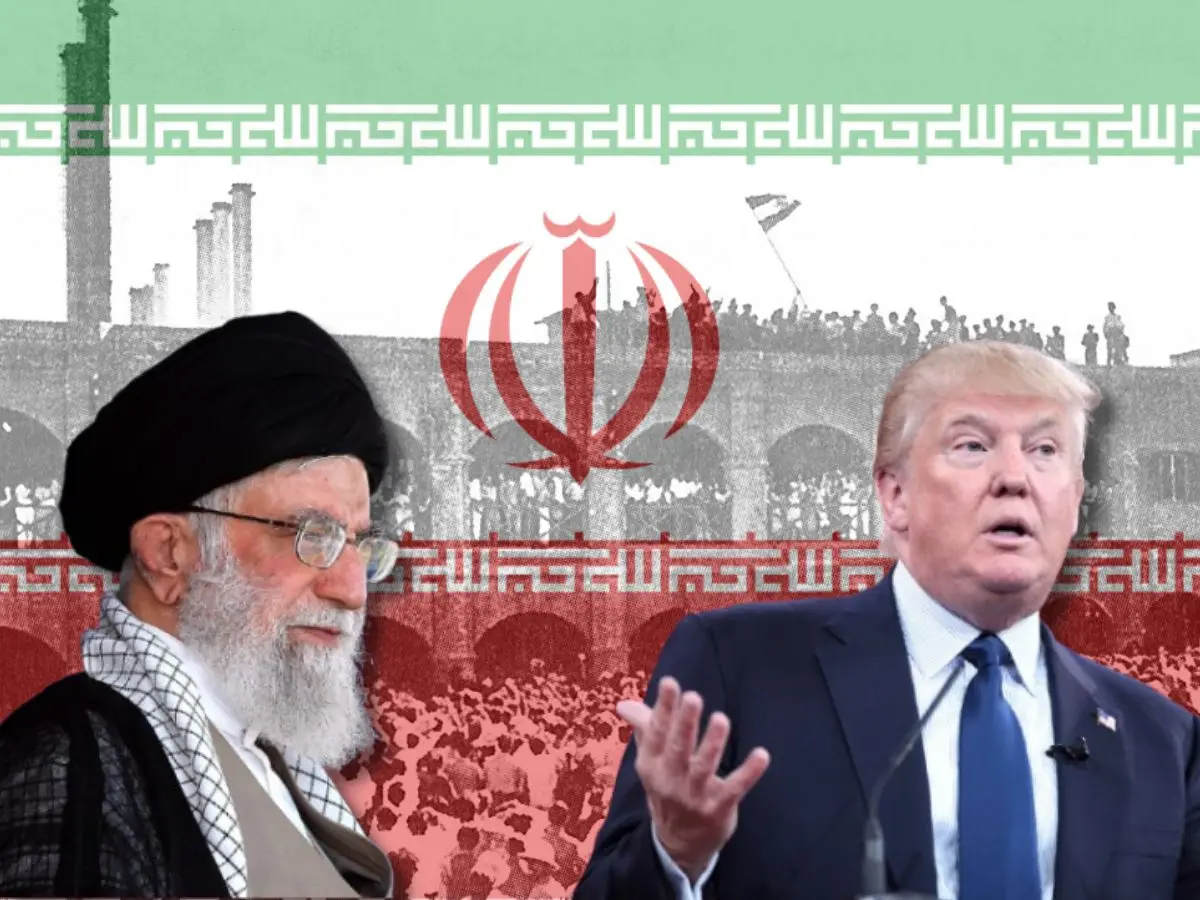
A Present Shaped by the Past
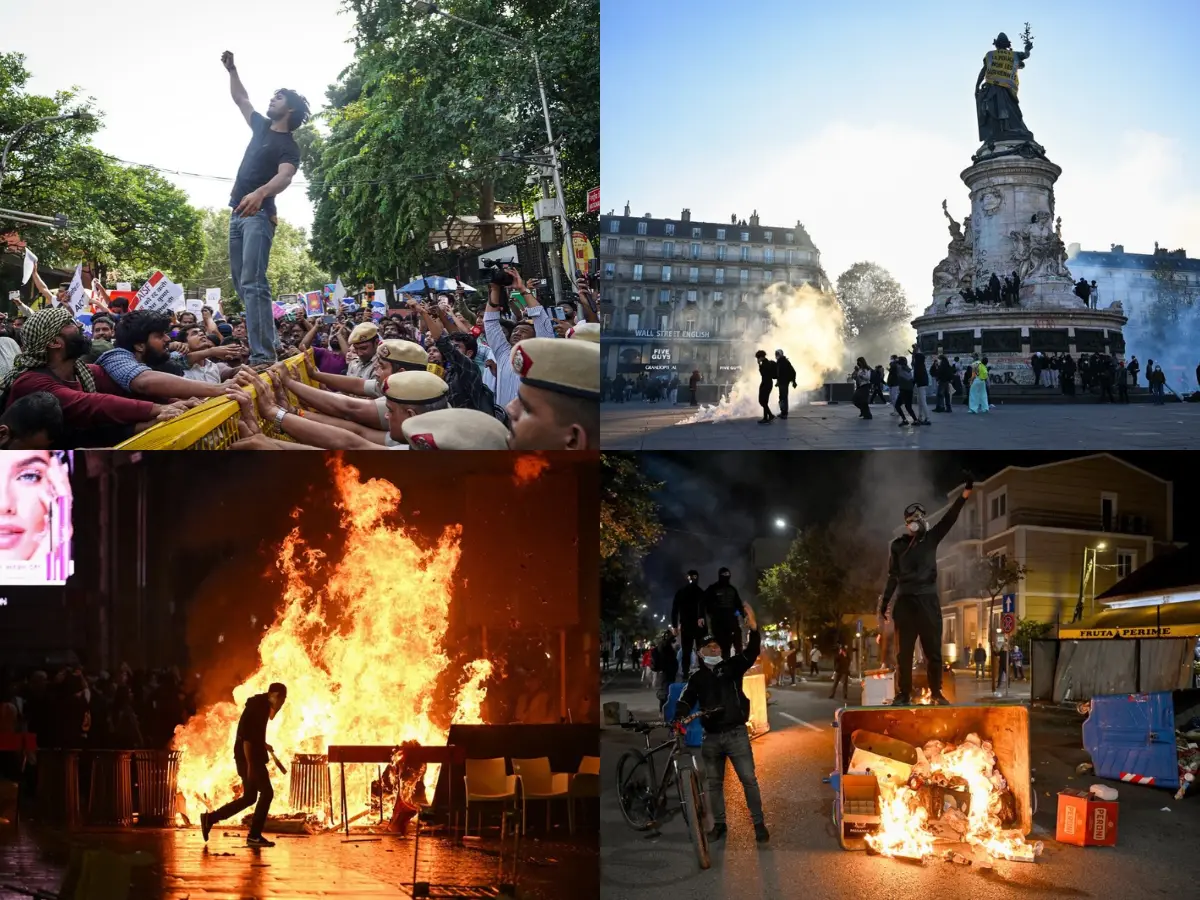
Nationwide protests against Iran’s theocratic rule appeared increasingly subdued on Thursday, a week after authorities cut the country intensified a crackdown that protestors say has killed at least 2,637 people. The threat of US retaliation still lingers, even though US President Donald Trump has signalled possible de-escalation, suggesting the violence may be easing. As US and Iranian officials clashed at the UN Security Council, the Associated Press reported renewed American warnings against Tehran. The unrest is driven by the country's faltering economy, hyperinflation and the collapse of its currency, however, many analysts see it through a longer historical lens, which is rooted in struggles over sovereignty and foreign pressure, with the 1951 oil nationalisation at its core.
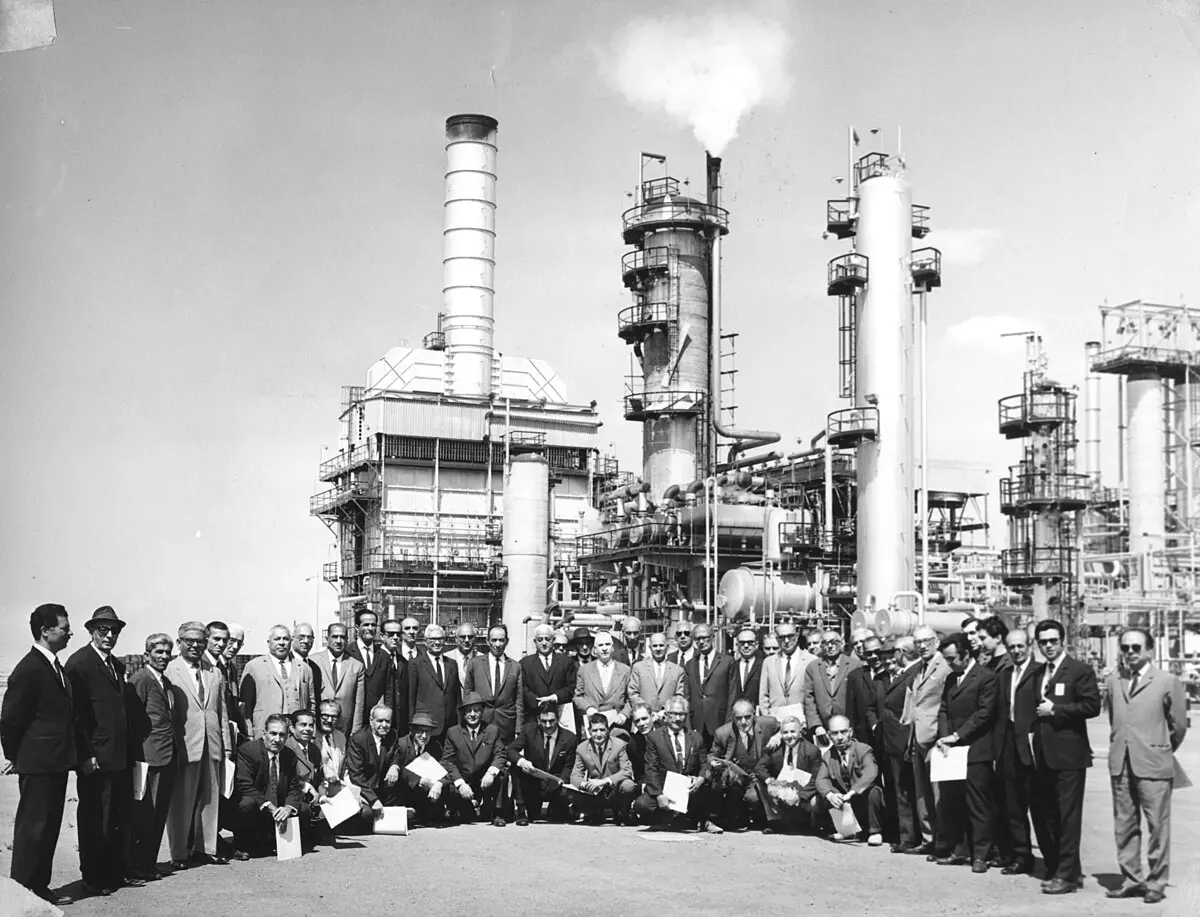
Oil, Concessions, and Imbalance
Iran’s oil industry developed under the 1901 D’Arcy concession, which granted extensive rights to British interests with minimal returns to Iran. Under this concession William Knox D'Arcy obtained exclusive right to the exploration, production and refining of petroleum for sixty years, as well as exclusive rights to lay pipelines within the area of the concession. Oil was discovered in commercial quantities in the southwest of the country in late May 1908. The Anglo - Persian Oil Company (Anglo- Iranian Oil Company from 1935) was formed in London in April 1909. By the mid-20th century, the APOC dominated production, pricing, and exports. Iran received limited royalties, no access to company accounts, and little control over its own resource.
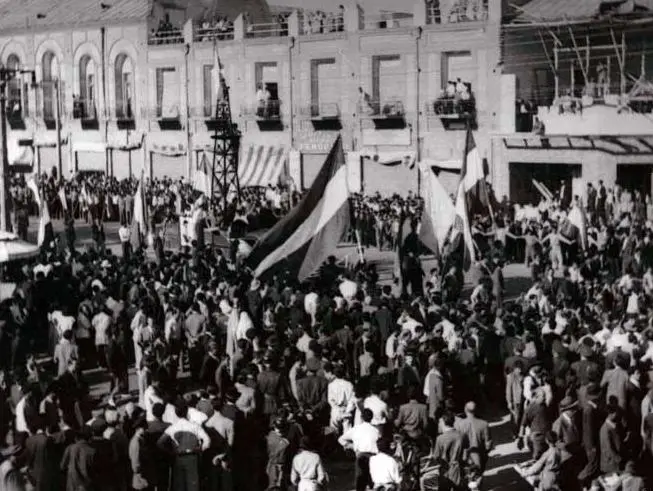
Nationalism and Parliamentary Power
The story of oil has always been an emotive and politically charged issue in Iran and has been the focus of great national interest and debate for over a century. Following World War II, nationalistic sentiments were on the rise in the Middle East, especially Iranian nationalism. The Anglo-Iranian Oil Company and Prime Minister Ali Razmara’s pro-Western government resisted nationalist demands to revise oil concessions.
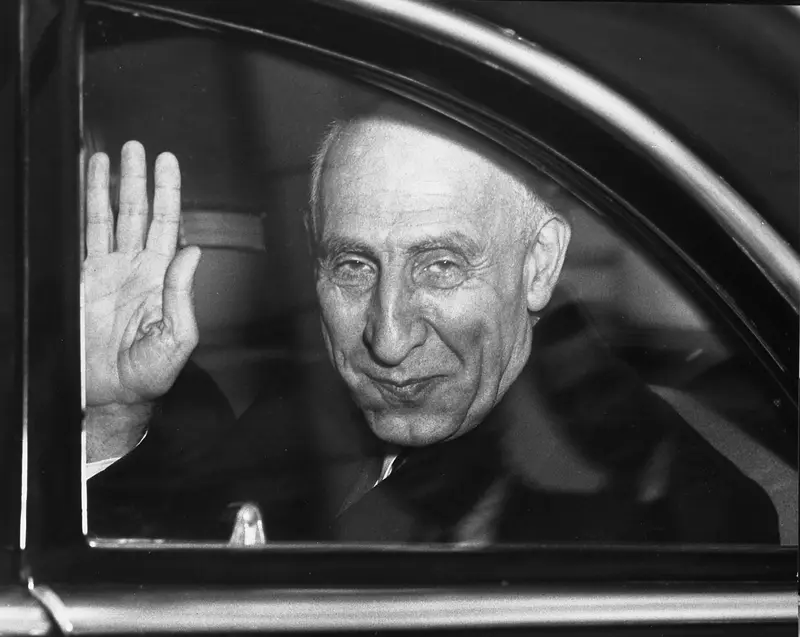
Mohammad Mosaddegh and Oil Nationalisation
Britain’s 1949 supplemental agreement failed to satisfy calls for oversight. After Razmara’s assassination in March 1951, pressure grew to nationalise AIOC assets. Later, Iranian Prime Minister Mohammad Mosaddegh argued that oil ownership was inseparable from political independence. In 1951, Iran’s Majlis voted overwhelmingly to nationalise the oil industry.
The Legal Act of Nationalisation
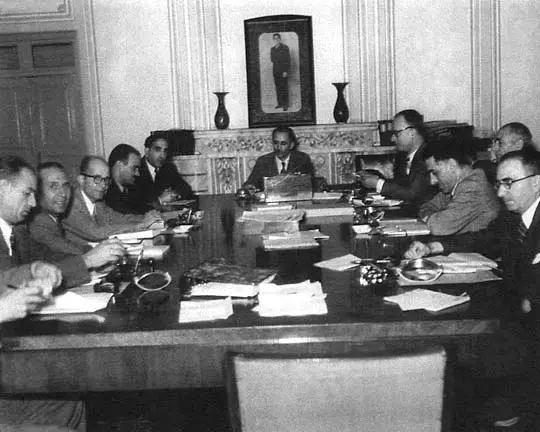
Nationalisation transferred all assets of the Anglo-Iranian Oil Company to the National Iranian Oil Company. The move followed Iran’s constitutional process and relied on principles of sovereignty recognised in international law. Mosaddegh insisted Iran would compensate fairly, but only after independent accounting.
Britain’s Response and Economic Pressure
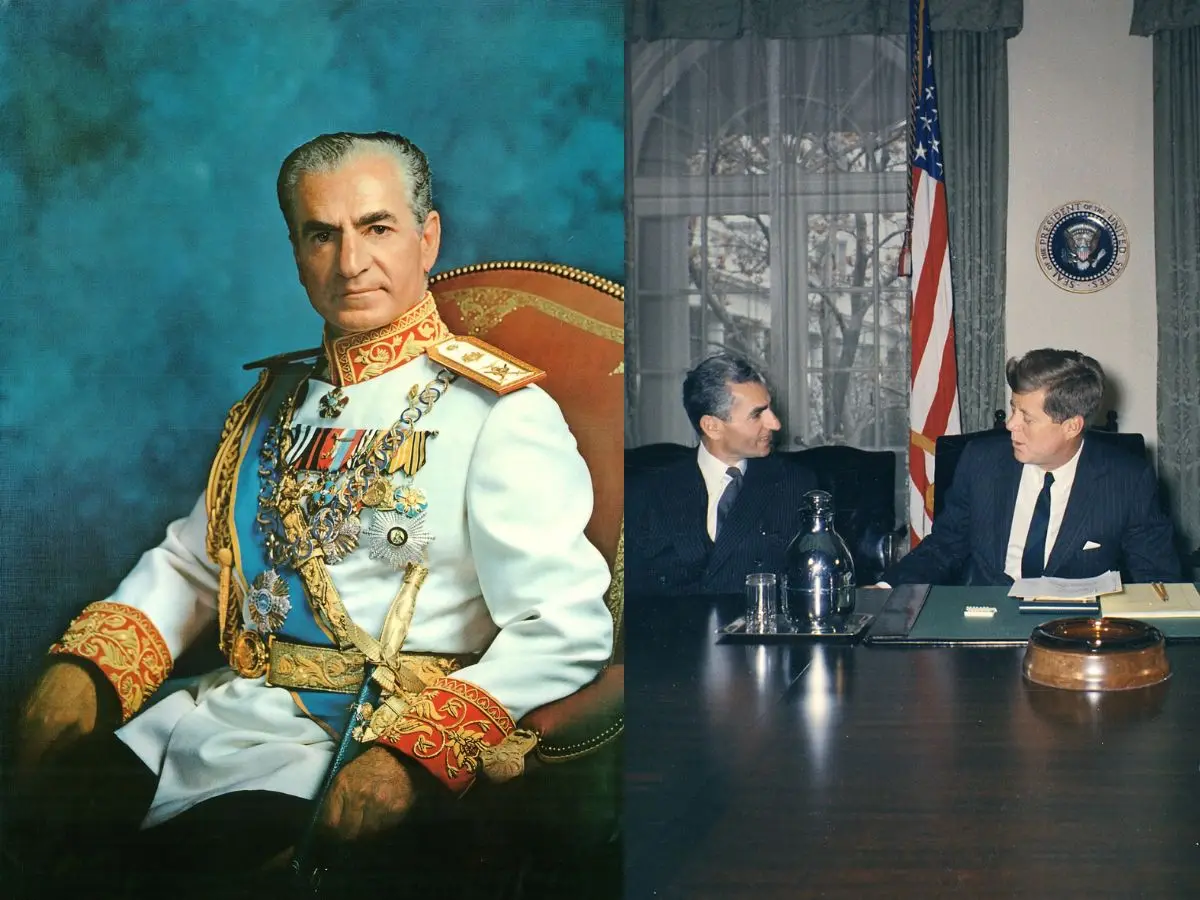
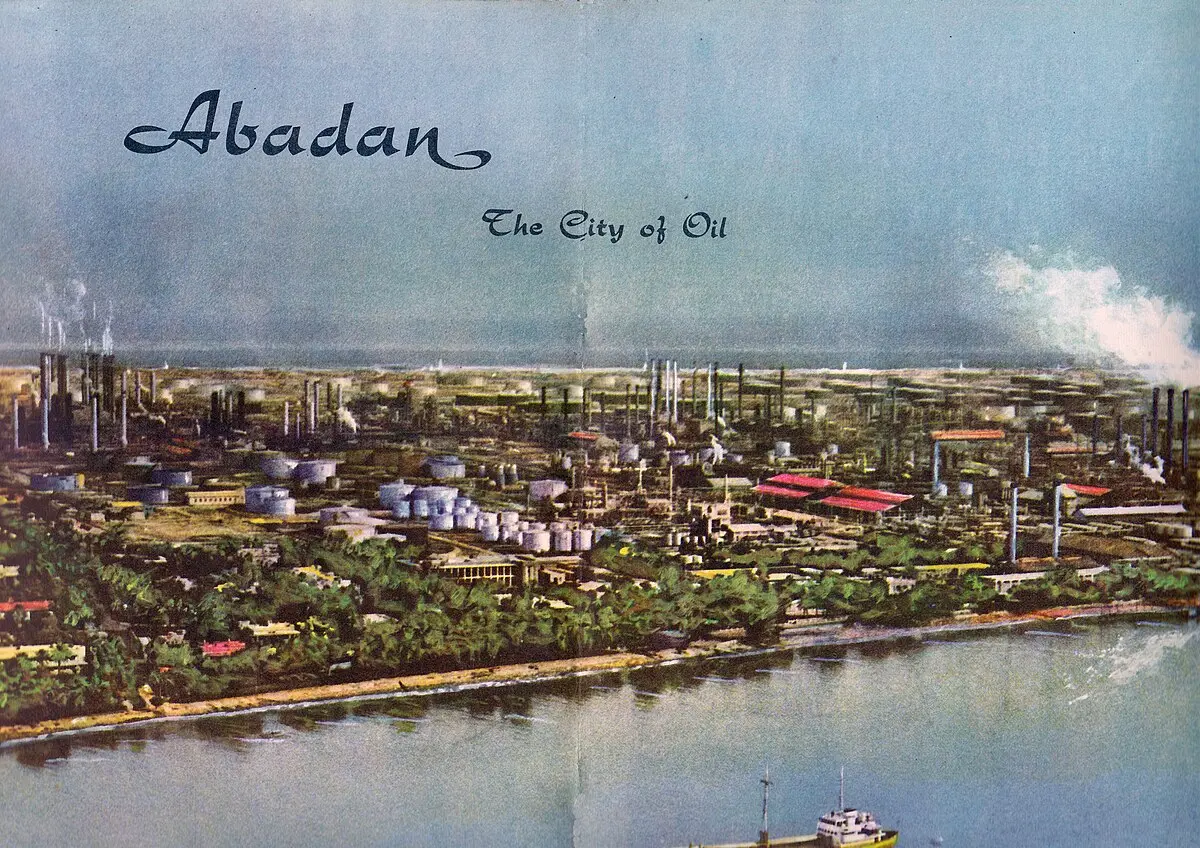
The Britain, however, flatly rejected Iran’s nationalisation. It imposed an oil embargo, withdrew its technicians, additionally it froze Iranian assets, and launched legal challenges in international courts, seeking to make Iranian oil unsellable and force a reversal through economic pressure. This strategy then triggered the Abadan Crisis: foreign buyers denied to buy Iranian oil, the Abadan refinery shut down, and AIOC shifted production to other Persian Gulf fields. In 1953, under a covert operation by the CIA and the UK, Mohammad Mosaddegh was overthrown in a coup d'état. This move restored Mohammad Reza Shah Pahlavi as Iran’s leader, who was a US ally.
Why the West Felt Threatened
Declassified US records show that Washington feared Iran’s example might encourage similar nationalisation elsewhere and weaken Western access to strategic resources according to the US State Department. Although initially cautious, the US increasingly aligned with Britain as Cold War concerns deepened.
The Islamic revolution
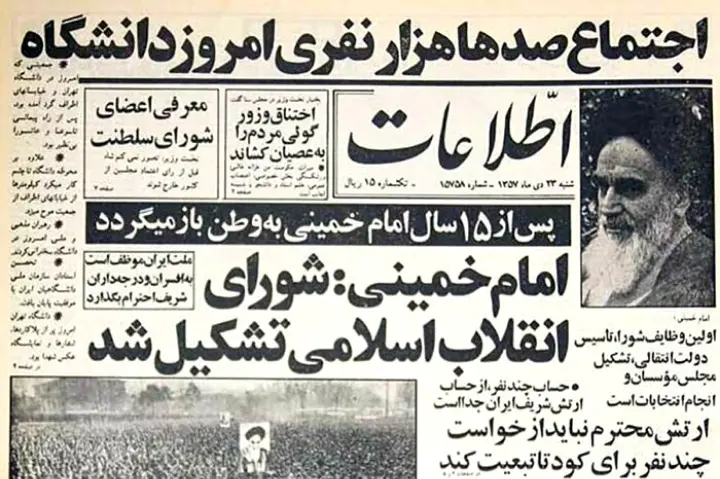
Mohammad Reza Shah supported western interest in Iran and pursued rapid Westernisation in Iran, leading to increased dissatisfaction and oil nationalisation effort, thus culminating in his overthrow. The Shah reportedly used oil wealth for his modernisation efforts but suppressed dissent via his SAVAK secret police, fueling widespread opposition. The revolutionary leader, established the system of Velayat-e Faqih (Guardianship of the Jurist), becoming Iran's first Supreme Leader (Head of State).
National Iranian Oil Company
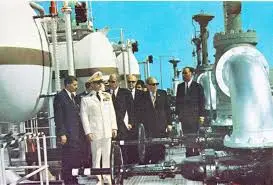
The National Iranian Oil Company (NIOC) completely took over, canceling old contracts and centralizing control. For years, Tehran avoided new deals with foreign companies, even selling at discounts due to sanctions and political factors, a move that severely impacting investment and modernisation of the oil industry, even as oil remains central to Iran's economy, power and international relations.
A Lasting Political Legacy
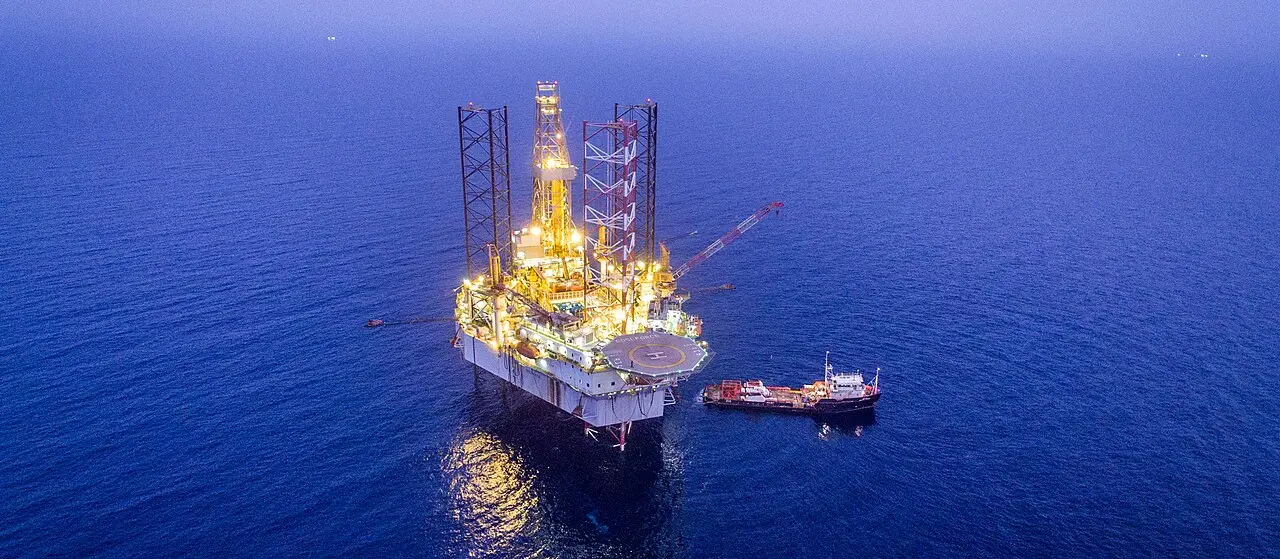
After nationalisation of oil, exports fell sharply, but Iran did not repeal nationalisation. The episode only ended with the 1953 overthrow of Mosaddegh. Yet nationalisation became a defining symbol of resistance and dignity.
)
)
)
)
)