Remember 3I/ATLAS? ESA just revealed what JUICE saw the alien comet doing 5 months ago

3I/ATLAS was all the news until a few months ago. The alien comet was even believed to be an alien spaceship by some scientists. While we might not be talking that much about it any more, fresh revelation from 5 months ago have just been made about the alien comet.
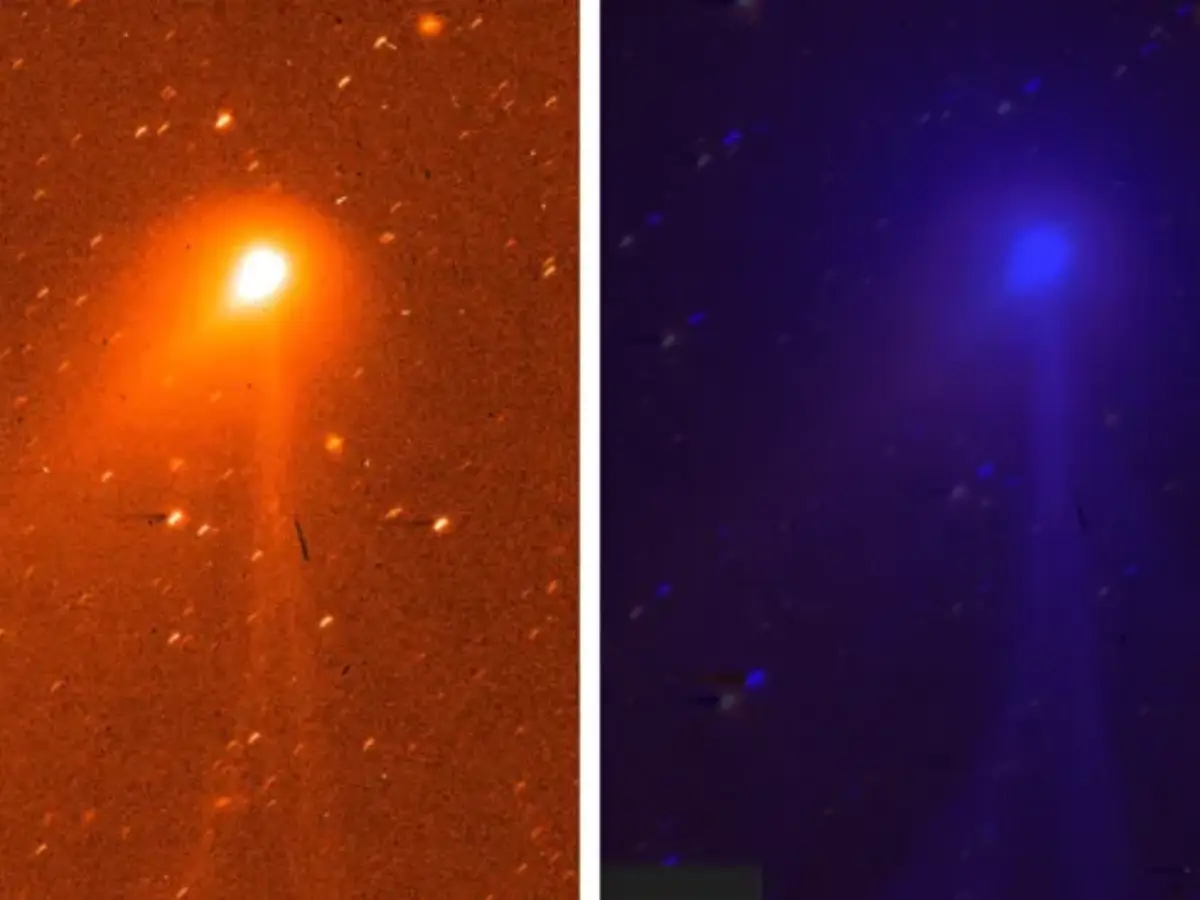
3I/ATLAS releasing huge amounts of water into space
Interstellar comet 3I/ATLAS is spewing enormous amounts of water every second into space as it makes its way out of the solar system. It could fill 70 Olympic swimming pools every day, as per observations made by the European Space Agency's Jupiter Icy Moons Explorer (JUICE). The probe is travelling to Jupiter and its icy moons, and scientists turned its cameras to observe 3I/ATLAS.
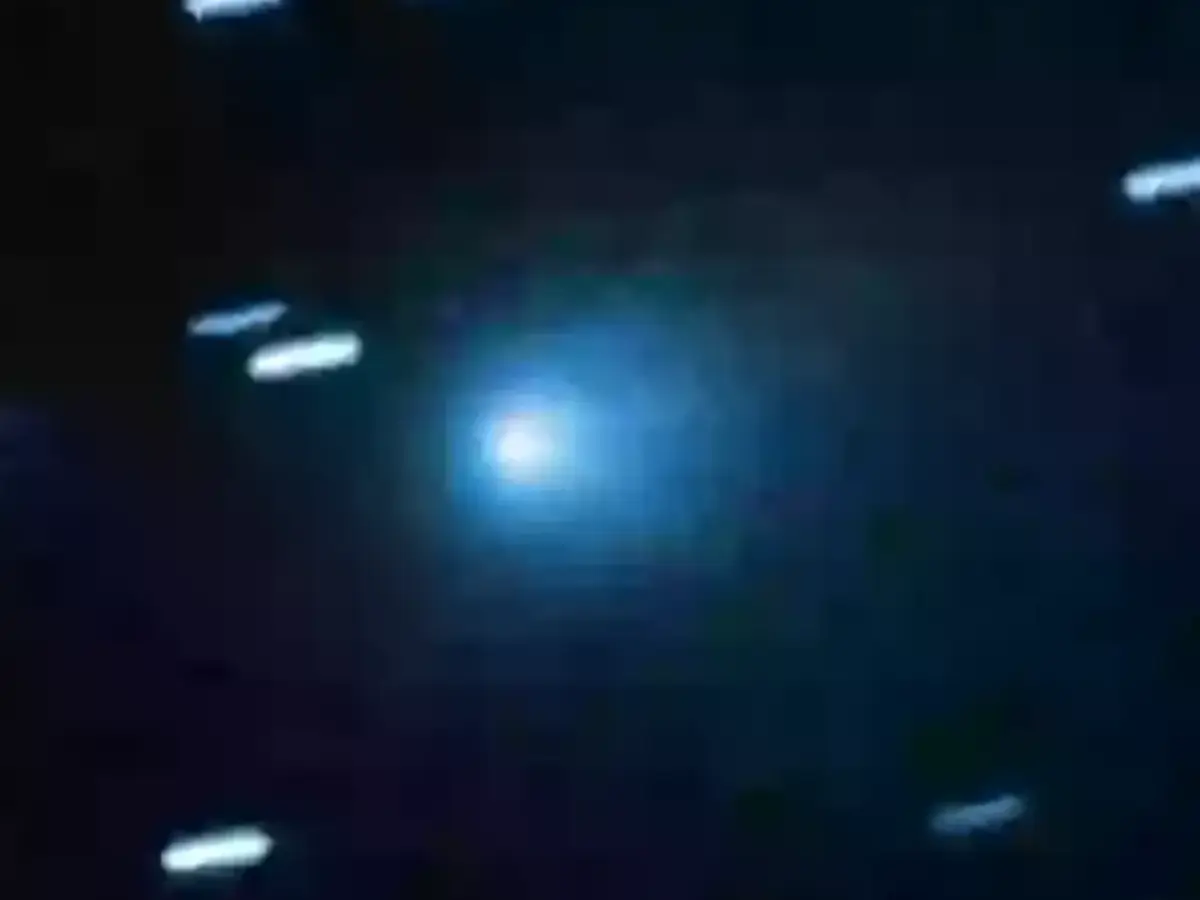
JUICE observed 3I/ATLAS in November
The observations were made by JUICE in November 2025. The MAJIS (Moons And Jupiter Imaging Spectrometer) and JANUS (Jovis, Amorum ac Natorum Undique Scrutator) instruments on board the probe saw 3I/ATLAS. The comet expelled material when it passed near the Sun as the radiation heated the icy body. This is how comets get the coma and tail. MAJIS recorded infrared emissions from water vapour and carbon dioxide molecules, also known as "volatiles".
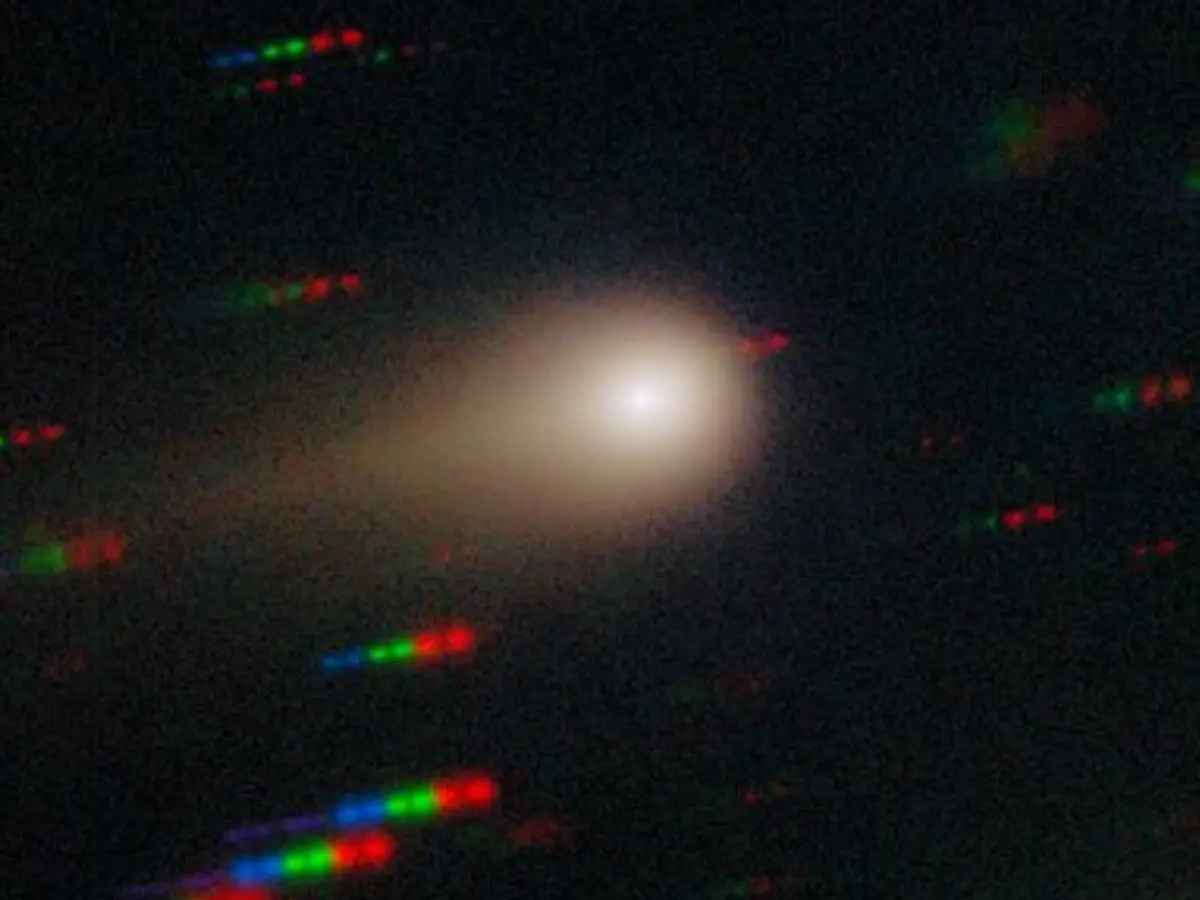
3I/ATLAS is releasing about two tons of material per second
Giuseppe Piccioni of the National Institute for Astrophysics (INAF) said in a statement, "Repeated detections of water vapour and carbon dioxide by MAJIS indicate that volatile ices buried beneath the surface were actively released into space shortly after perihelion passage." Researchers estimate that 3I/ATLAS is releasing about two tons of material per second from its coma, enough to fill 70 Olympic swimming pools.
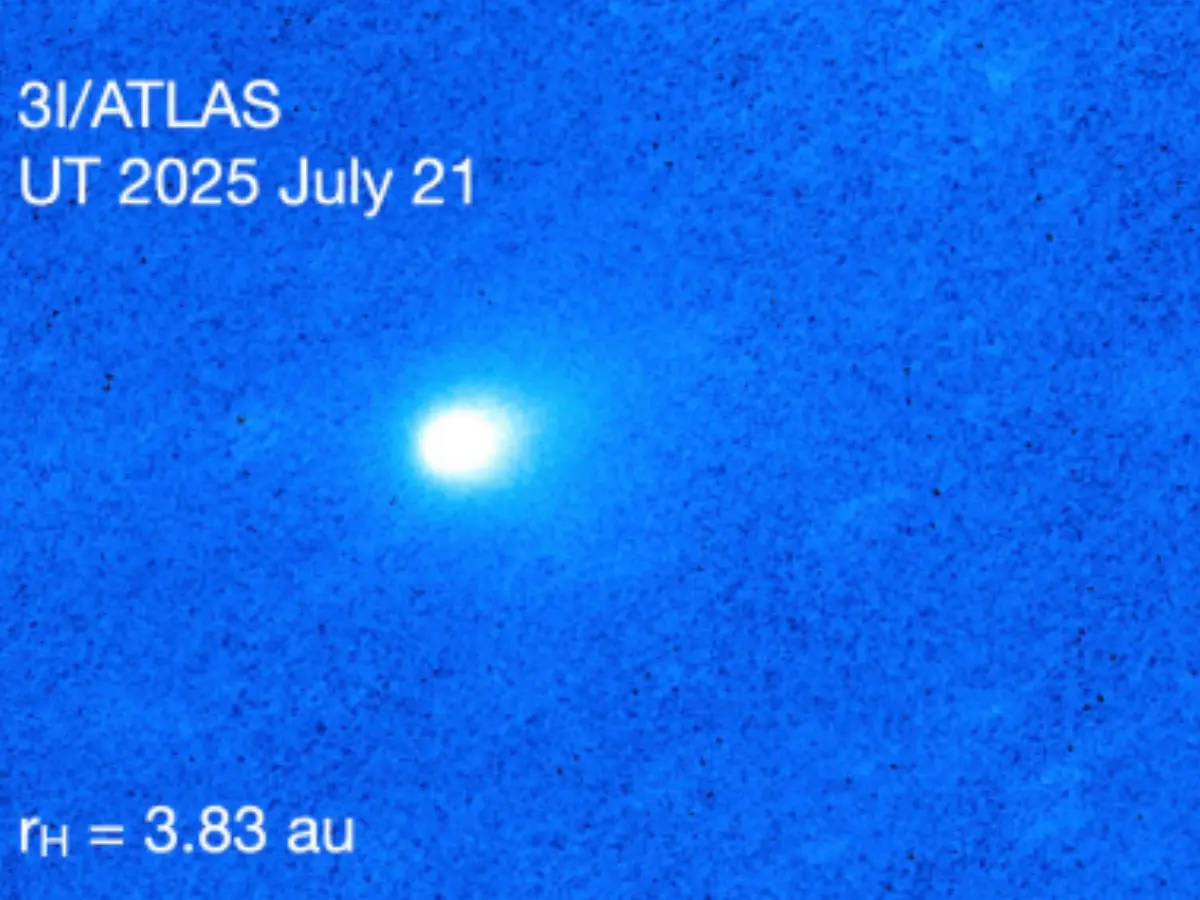
3I/ATLAS observation can reveal make-up of universe billions of years ago
Scientists are hoping to use this finding to learn about the materials present in the early universe. When it was discovered on July 1, 2025, 3I/ATLAS was estimated to be 7 to 12 billion years old. However, a new study claimed that it could be as old as the universe. Piccioni said that MAJIS data will help better understand the activity of the interstellar comet post-perihelion and the "physical and chemical properties of the materials formed around another star billions of years ago."
JUICE saw 3i/ATLAS from great distance
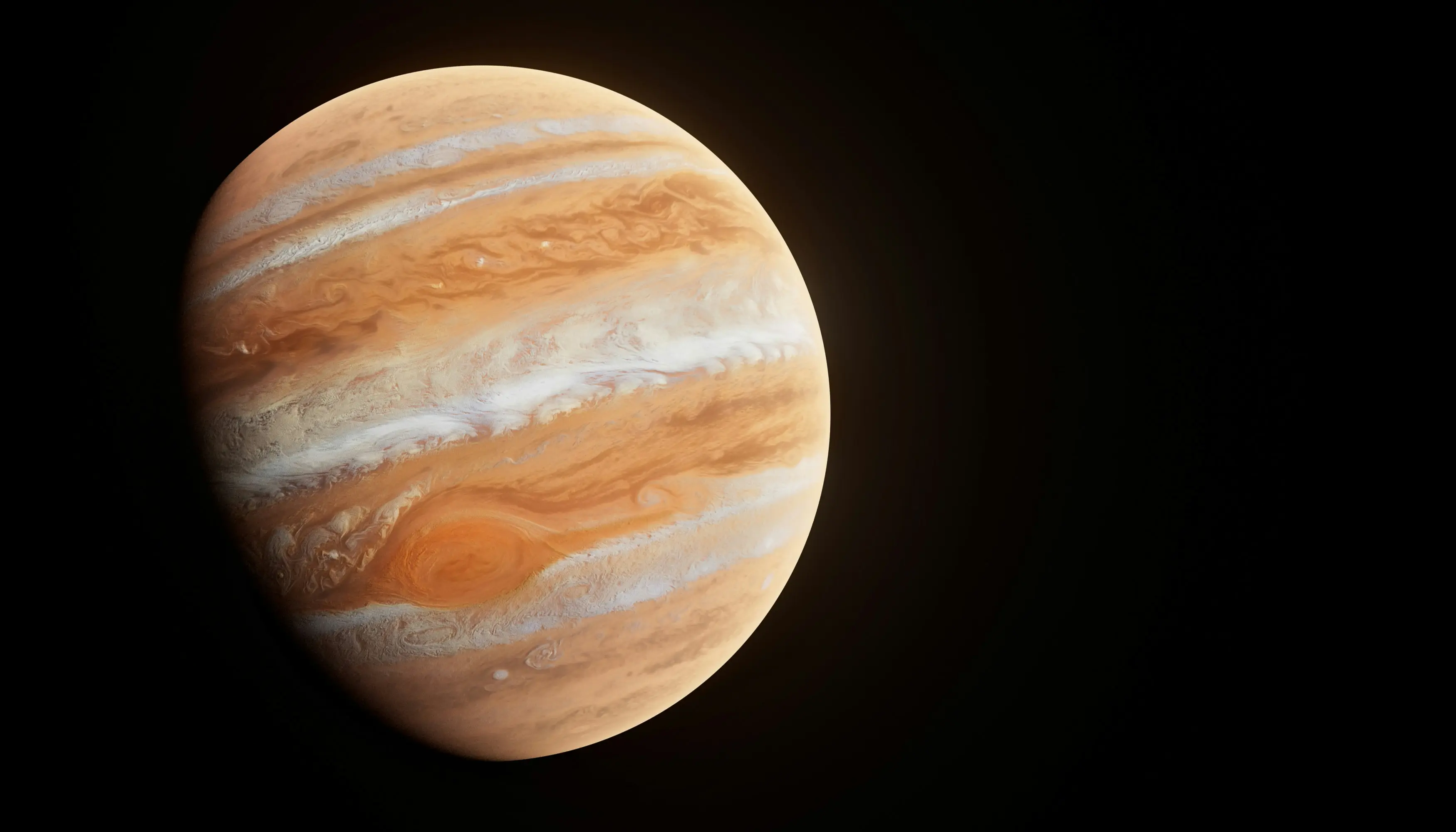
JUICE was launched on April 14, 2023, to study Jupiter and its moons—Ganymede, Callisto, and Europa. It is expected to reach its destination in 2031. After 3I/ATLAS was discovered, ESA calculated that the comet would have an encounter with JUICE, but from a great distance. However, they grabbed the opportunity to study only the third interstellar object ever seen in the solar system.
JANUS captured 3I/ATLAS from 66 million km
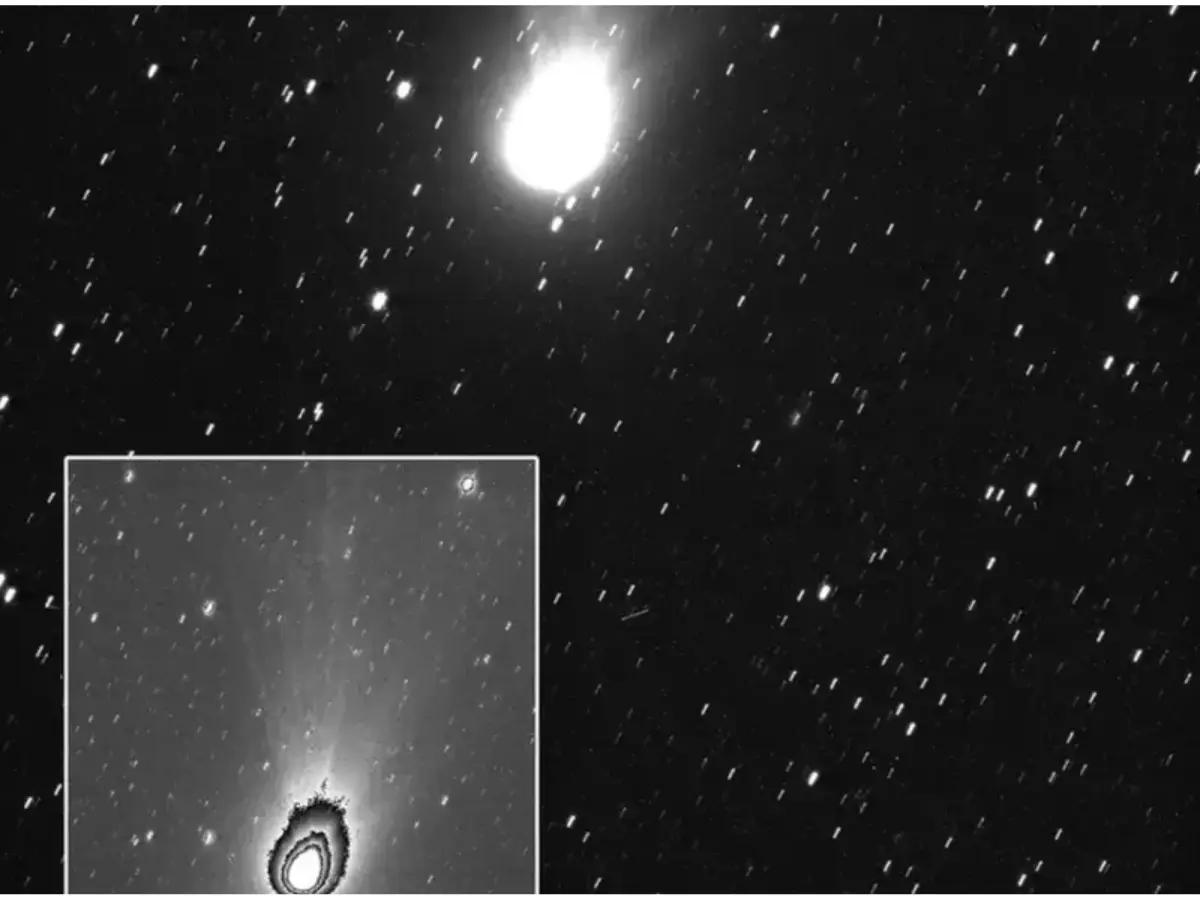
In February, ESA released a photo of 3I/ATLAS taken on November 6 last year. It captured a bright coma wrapped around a small nucleus, with jet streams and filaments of gas and dust stretching behind the comet. The images were taken by JANUS from a distance of 66 million km. Four other instruments on JUICE were also observing the interstellar comet, and a lot more data could be revealed in the coming days.
3I/ATLAS showed an extended coma
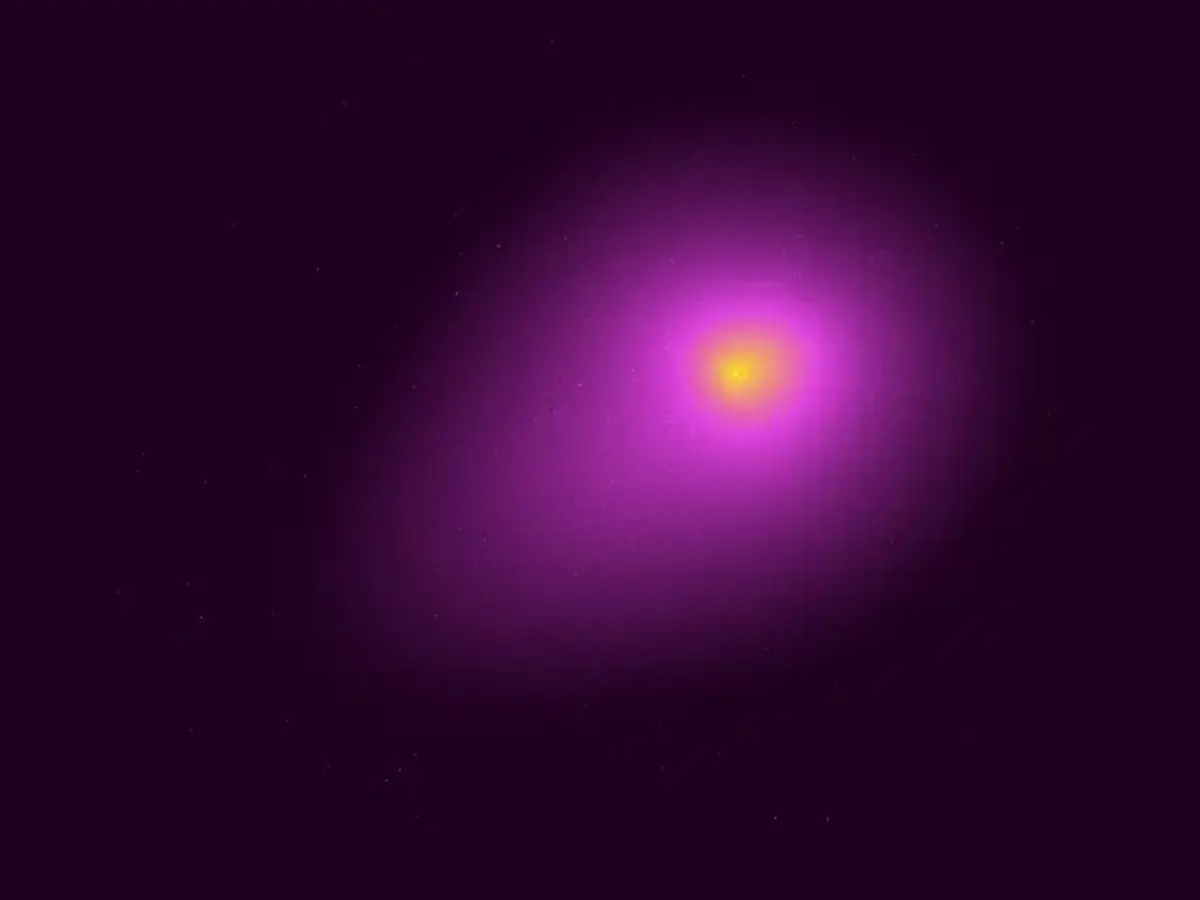
"The wonderful images collected reveal for the first time the comet's intense activity right around perihelion. 3I/ATLAS showed an extended coma, a tail, and various morphological structures, such as rays, jets, and filaments," Pasquale Palumbo, an INAF researcher and principal investigator of JANUS, said.
)
)
)
)
)