International Women’s Day: Top 5 countries currently led by female prime ministers

Several countries are currently led by women prime ministers, including Giorgia Meloni, Mette Frederiksen, Sanae Takaichi, Evika Siliņa and Kristrún Frostadóttir, reflecting growing female leadership in global politics.

1. Giorgia Meloni – Italy
Giorgia Meloni made history in October 2022 by becoming the first woman to serve as prime minister of Italy. Her rise marked a significant moment in a country where national politics had long been dominated by male leaders. Leading a right-wing coalition, Meloni has focused on issues such as migration control, economic reforms, and strengthening Italy’s position within the European Union. Despite political controversies, her leadership reflects a growing global trend of women occupying the highest executive offices.
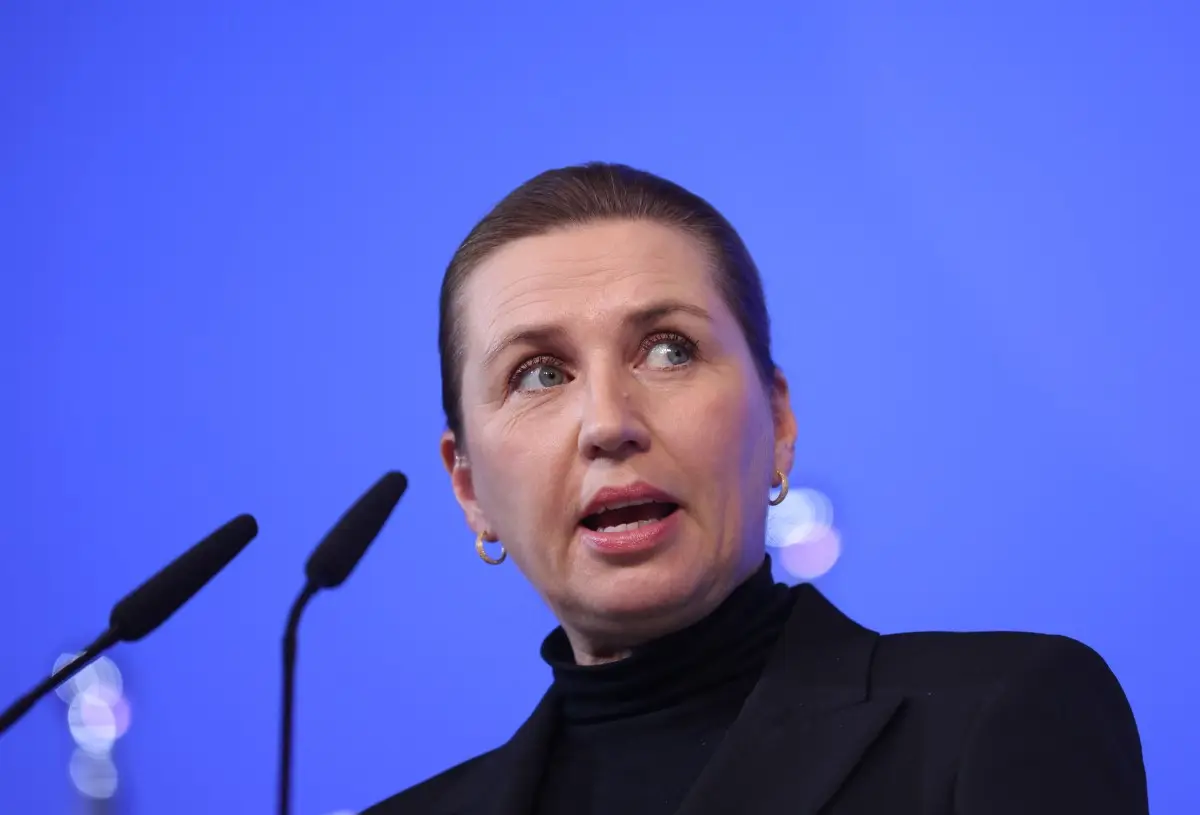
2. Mette Frederiksen – Denmark
Mette Frederiksen has served as Denmark’s prime minister since 2019 and is one of Europe’s most influential female leaders. As head of the Social Democratic Party, she has emphasised welfare policies, climate action, and strict immigration regulations. Frederiksen gained global recognition for her decisive leadership during the COVID-19 pandemic and for maintaining political stability through coalition governance. Her continued tenure demonstrates that women leaders can sustain long-term political authority.
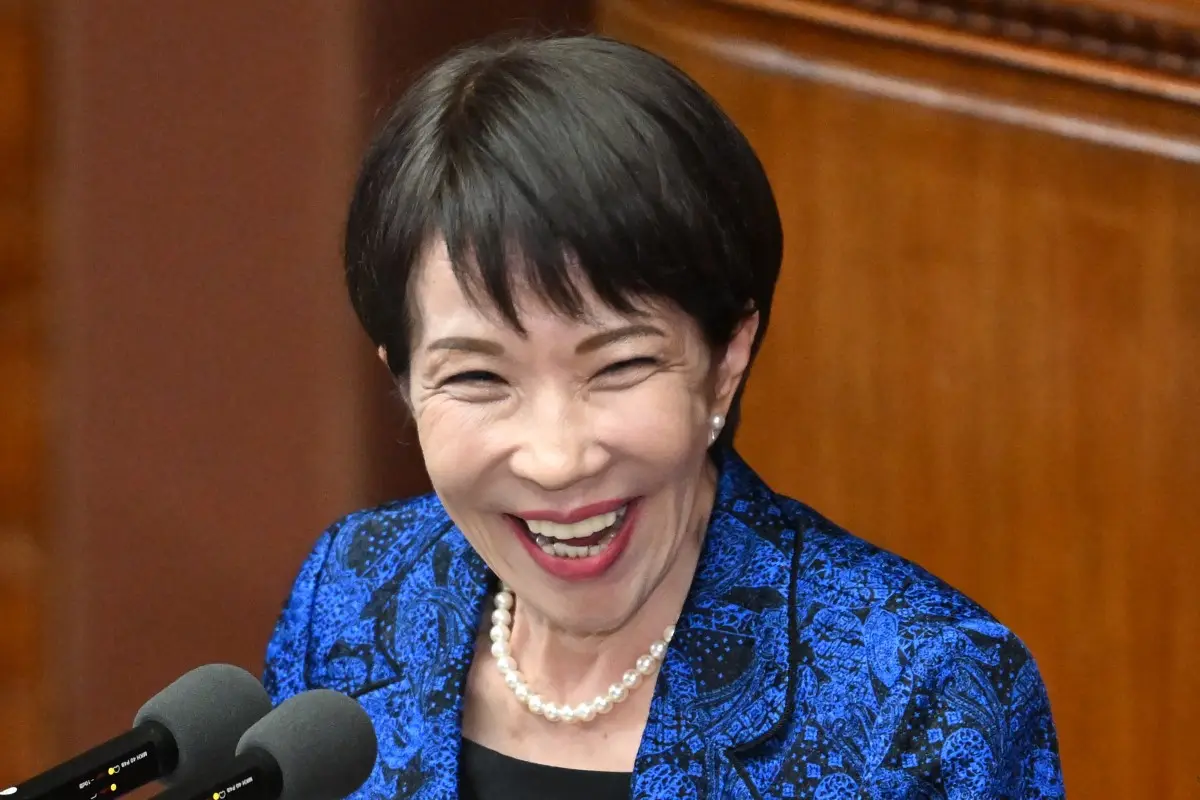
3. Sanae Takaichi – Japan
Sanae Takaichi’s rise to leadership marked a historic moment for Japan, a country where women have traditionally been underrepresented in politics. As prime minister, she symbolises a gradual shift in Japanese political culture. Takaichi has advocated for economic revitalisation, national security reforms, and technological innovation. Her leadership is widely seen as a step toward greater gender representation in Asia’s political systems.
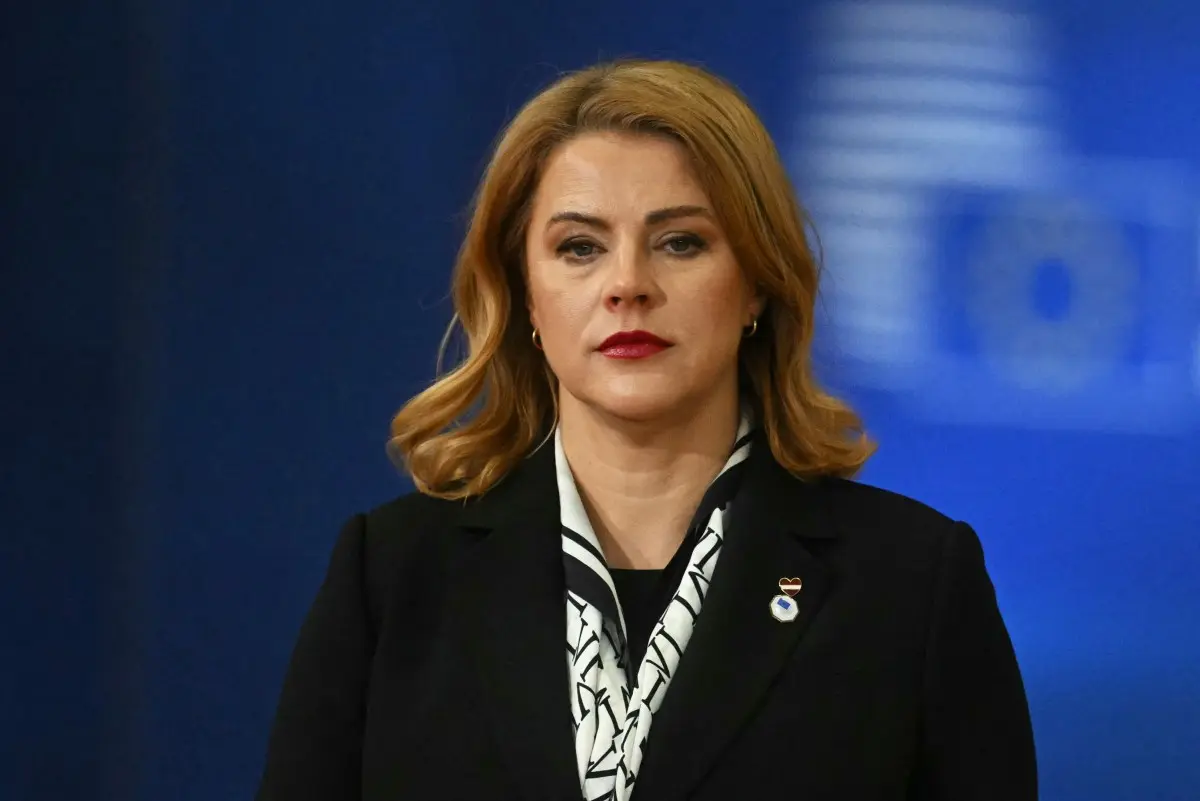
4. Evika Siliņa – Latvia
Evika Siliņa became Latvia’s prime minister in 2023, continuing the Baltic region’s strong record of female leadership. Her government has focused on economic resilience, security cooperation within NATO, and strengthening Latvia’s digital economy. Siliņa represents a generation of European leaders navigating geopolitical tensions while maintaining democratic governance.
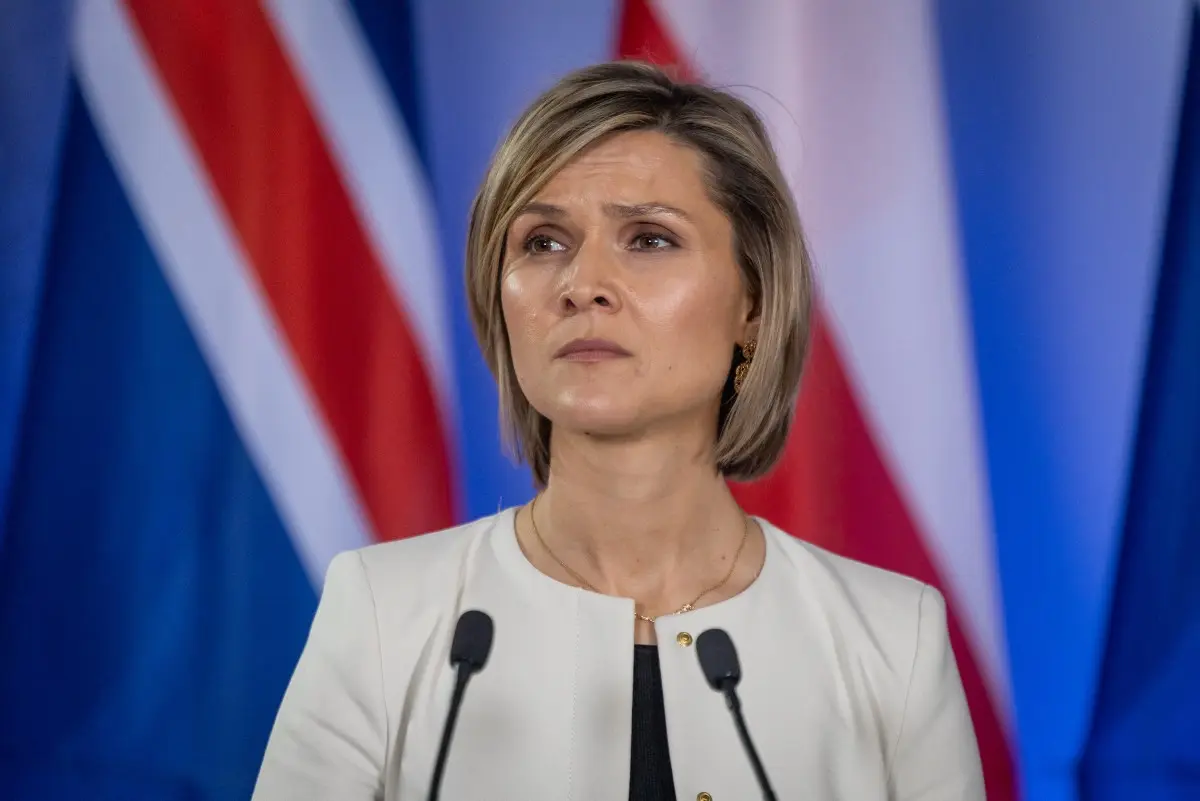
5. Kristrún Frostadóttir – Iceland
Iceland has long been considered one of the most gender-equal societies in the world, and Kristrún Frostadóttir’s leadership reflects that legacy. As prime minister, she represents a progressive political culture that encourages women’s participation in governance. Her policy focus includes economic stability, social welfare, and environmental sustainability.
)
)
)
)
)