International Tea Day 2026: Which countries produce the most tea in the world?

May 21 is observed as International Tea Day, celebrating a drink with a history and deep cultural significance for many countries. On this day, let's look at the top tea-producing countries globally.
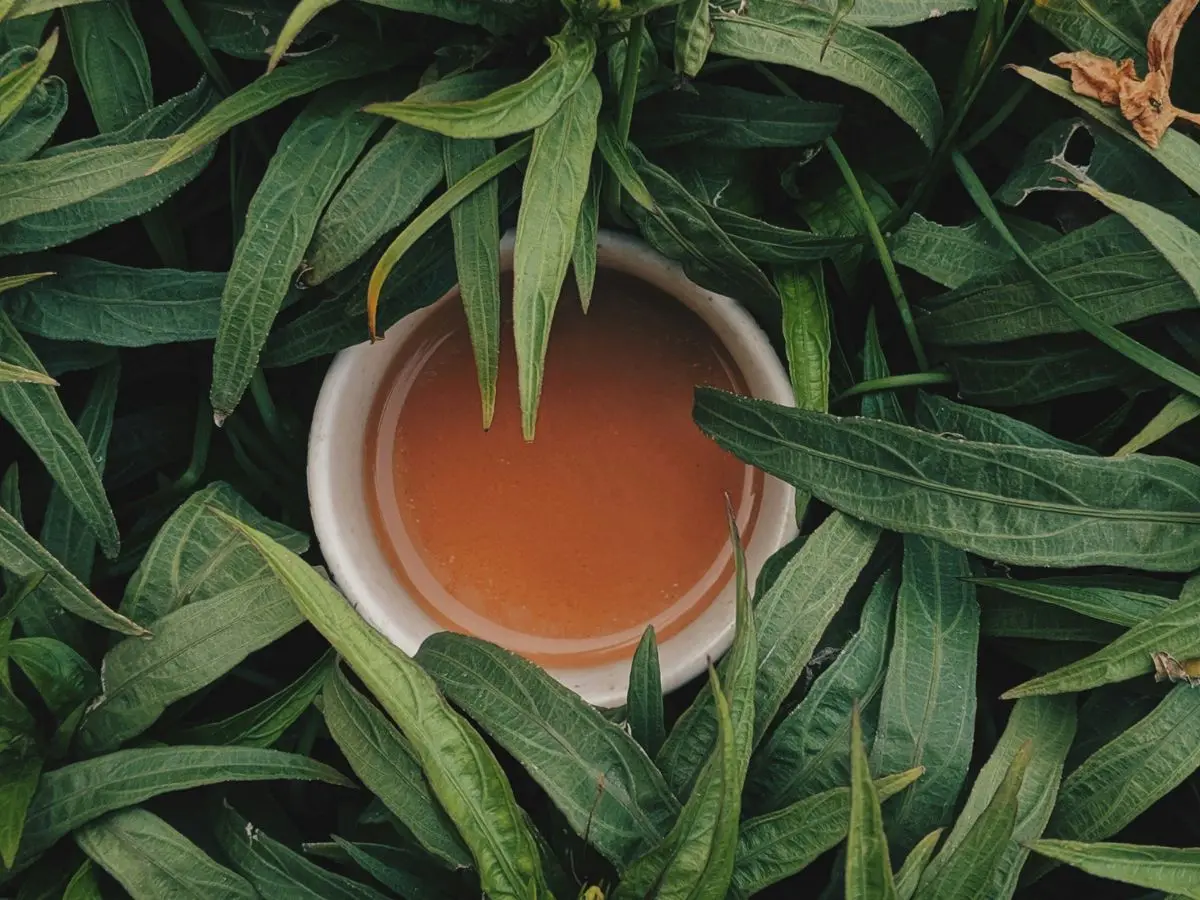
International Tea Day
May 21 marks International Tea Day, celebrating the world’s most consumed beverage after water. While India is known for its “masala chai” with milk, sugar and spices, Japan’s bright-green matcha has widely gained popularity as well across the globe. The global tea industry drives a multi-billion-dollar international trade, with India and China leading the global production of tea.
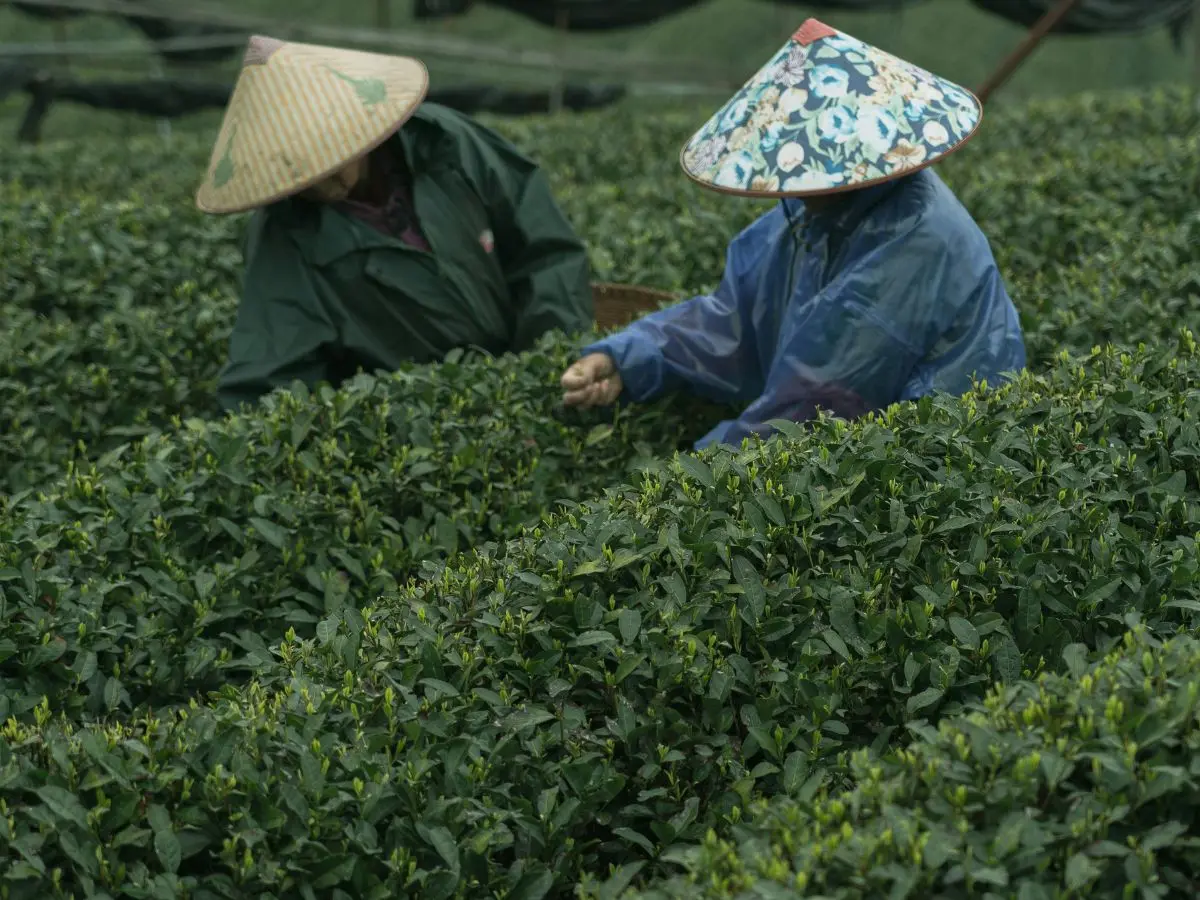
China
China is the undisputed leader in producing tea, accounting for nearly half of the world's total tea output. It is believed that the beverage originated in China, holding significant cultural importance in the nation.
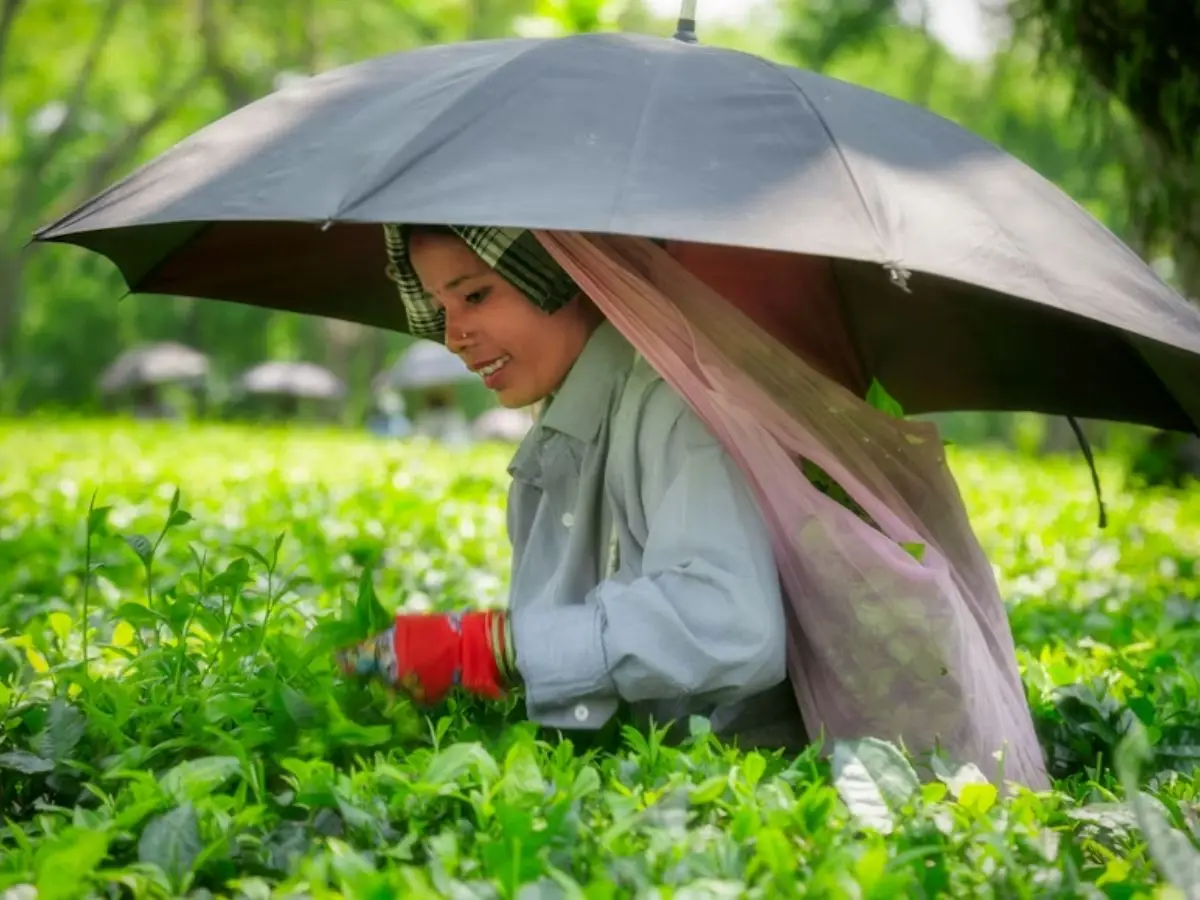
India
India holds the second spot as the largest producer of tea, producing one of the finest quality teas. India is also one of the largest consumers of tea, meaning that a huge portion of the tea produced doesn’t make it to export. Tea is traditionally consumed as “chai”, with ingredients like milk, ginger, cloves and cinnamon.
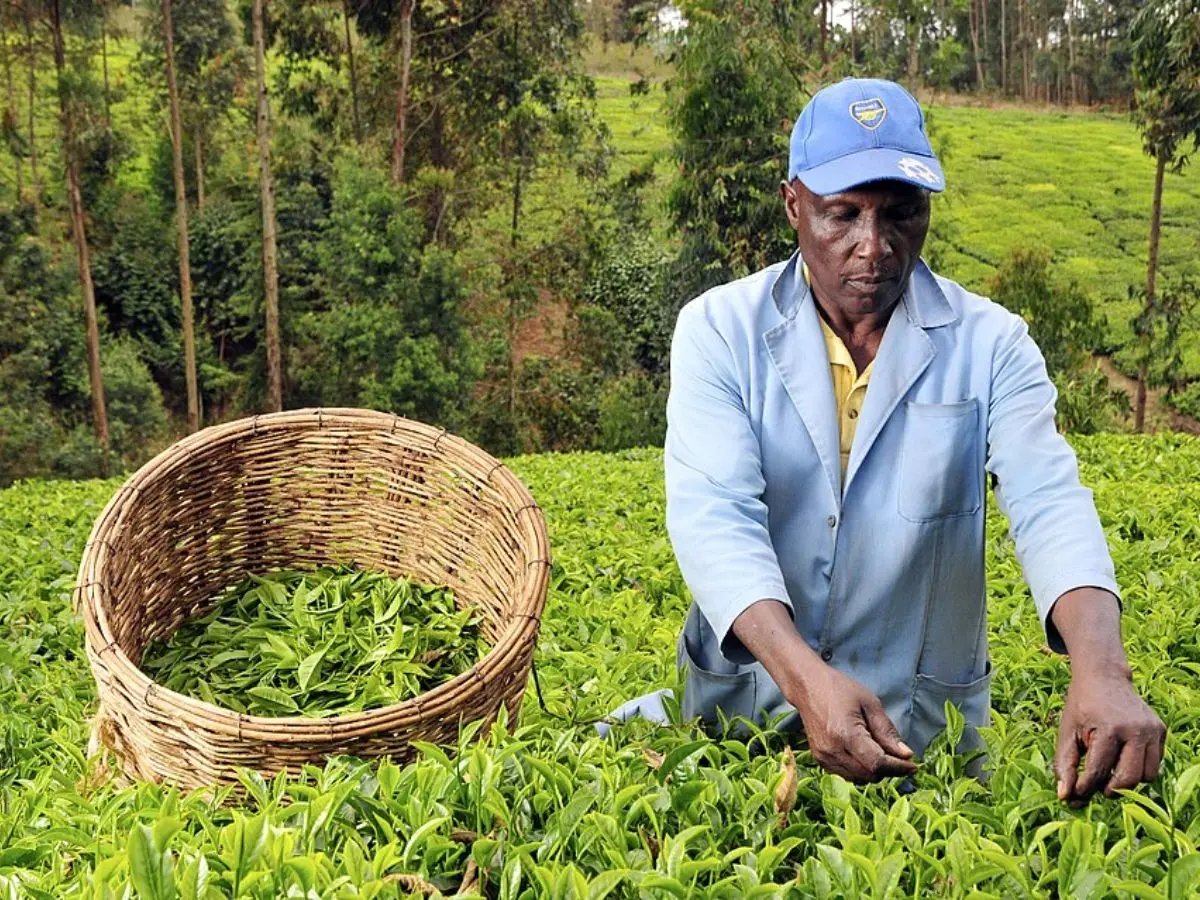
Kenya
Kenya is the third-largest tea producer, and the industry plays a key role in its economy. While it is one of the largest exporters of black tea in the world, locals enjoy their tea with milk and sugar.
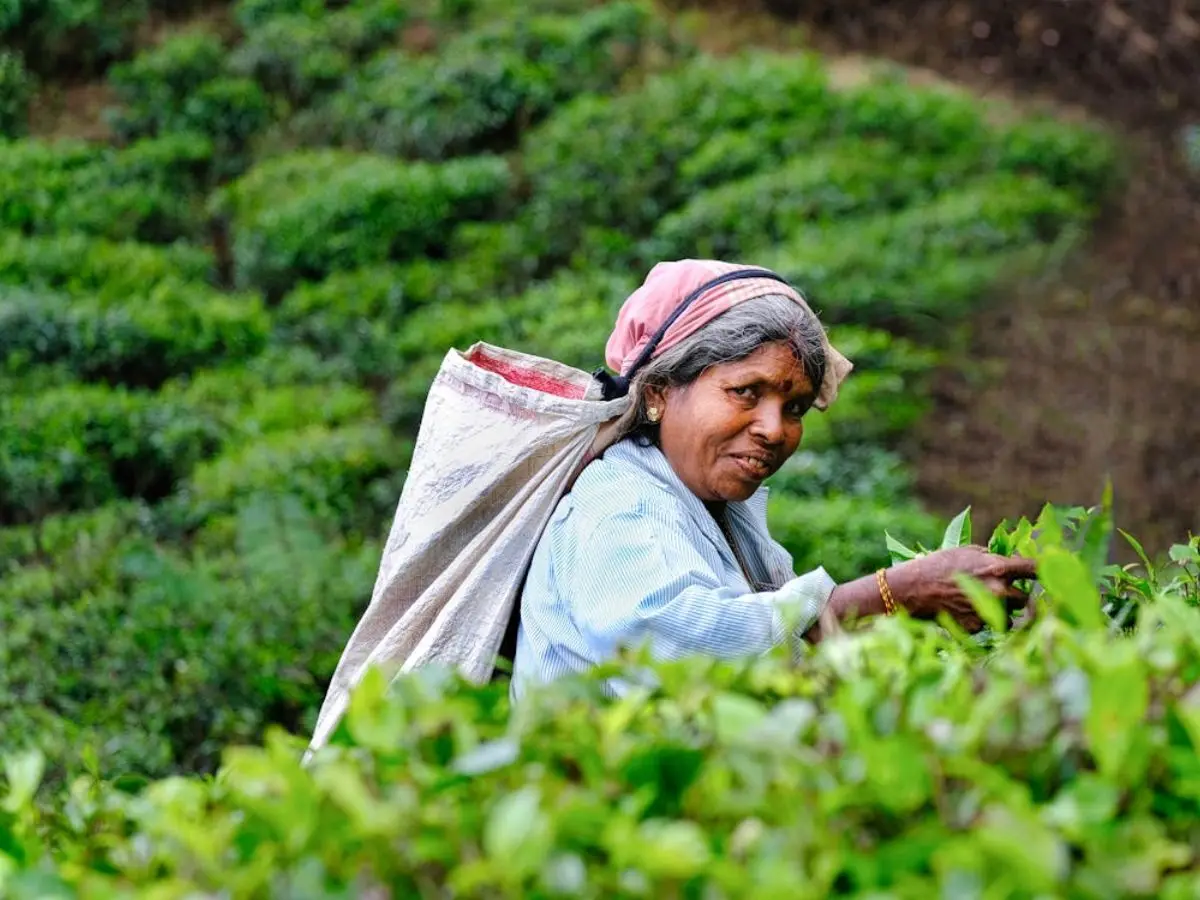
Sri Lanka
Sri Lanka, renowned globally for its “Ceylon Tea”, is a key producer as well as exporter of tea. It is a part of daily life on the island, with a strong and well-brewed milk version popular among Sri Lankans.

Vietnam
Vietnam is one of the oldest tea-producing countries in the world, with the brew intricately woven into its culture. While pure green tea is the most common variety there, flower-infused varieties like lotus tea are also popular.
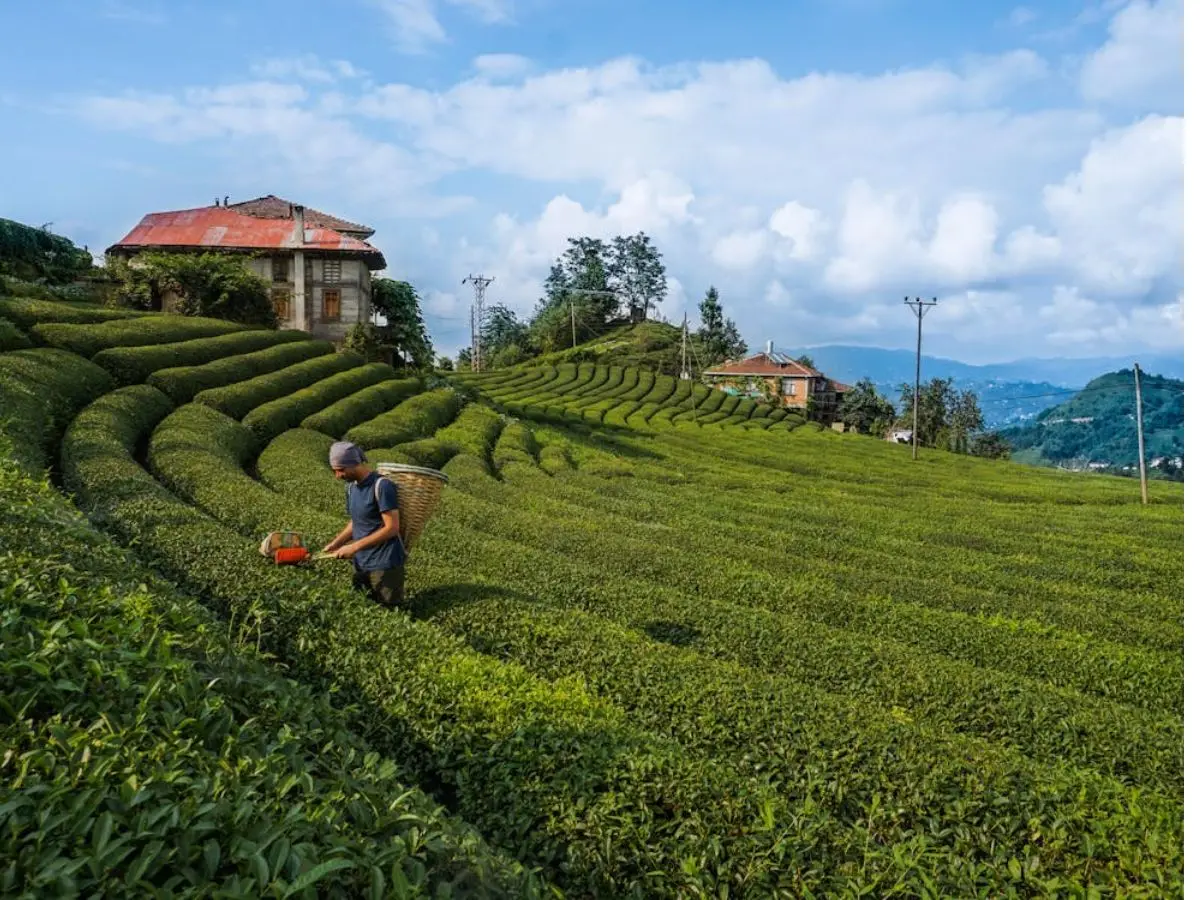
Turkey
Tea is a symbol of hospitality for Turkish people, hot, unsweetened and served in tulip-shaped glasses. Although exports do reach international markets, a vast majority of the yield is consumed domestically.
)
)
)
)
)