International Space Station: Humanity's enduring presence in space

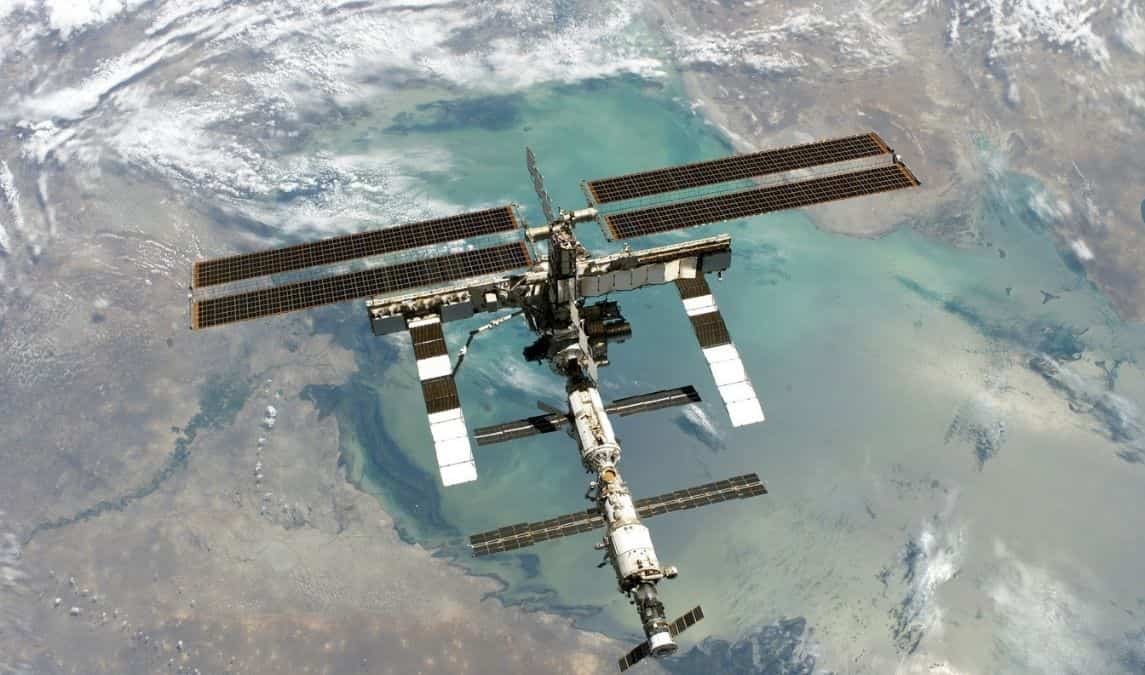
International Space Station (ISS)
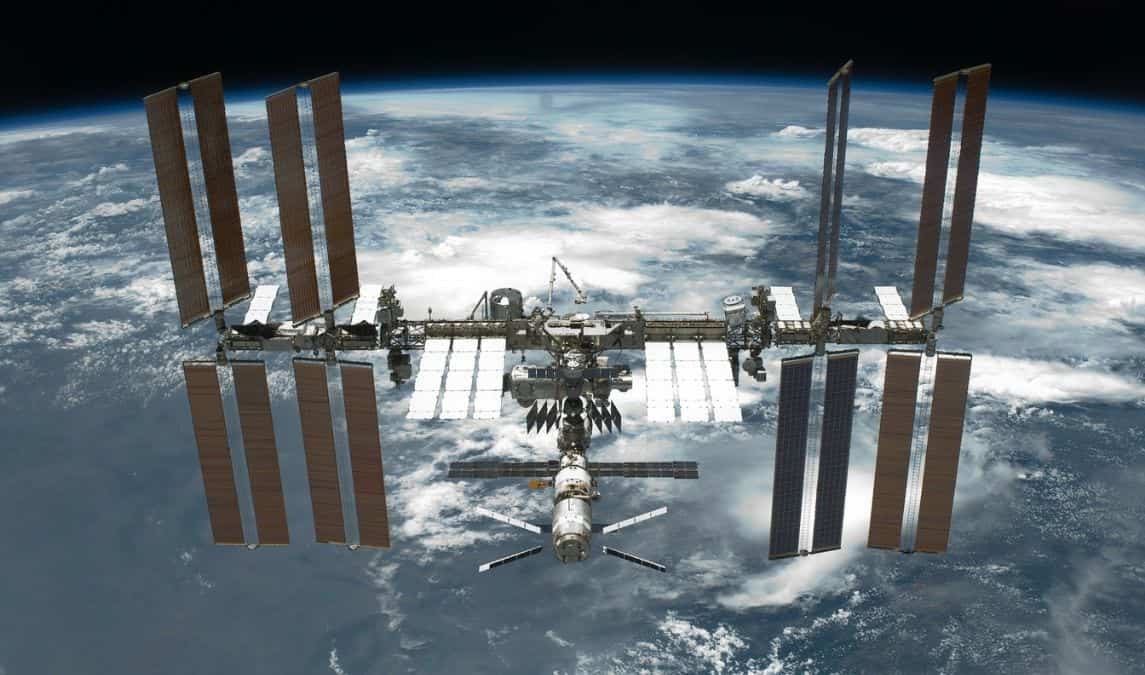
ISS is a unique space station currently in lower Earth orbit. It facilitates collaborative projects involving five participating space agencies: NASA, Roscosmos, JAXA, ESA and CSA.
The ISS is often visible to the naked eye from Earth's surface as it is the largest artificial object in space and the largest satellite in low Earth orbit.
Unique research platform
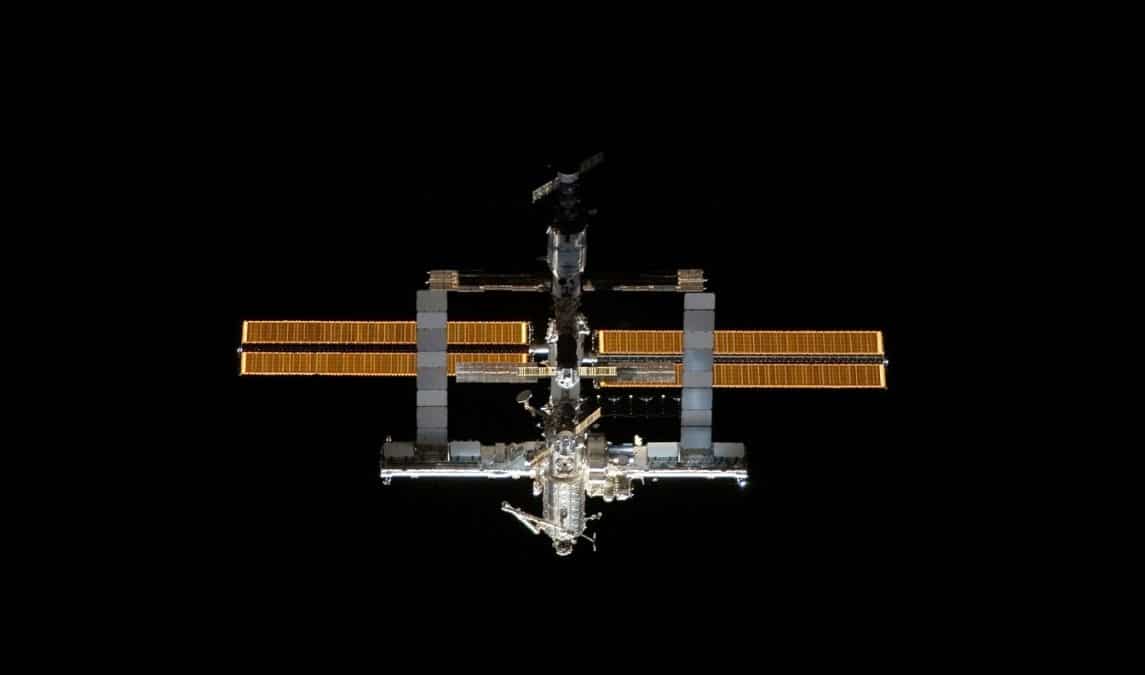
The ISS is an extraordinary platform for space scientists to analyse and understand the gazillion aspects of the universe. It is an orbital microgravity research platform for research and development.
Scientists and researchers have used the ISS for more than 20 years to research biological, physical, biomedicine, materials and Earth and space science on the 444,615kg gigantic structure.
ISS crew
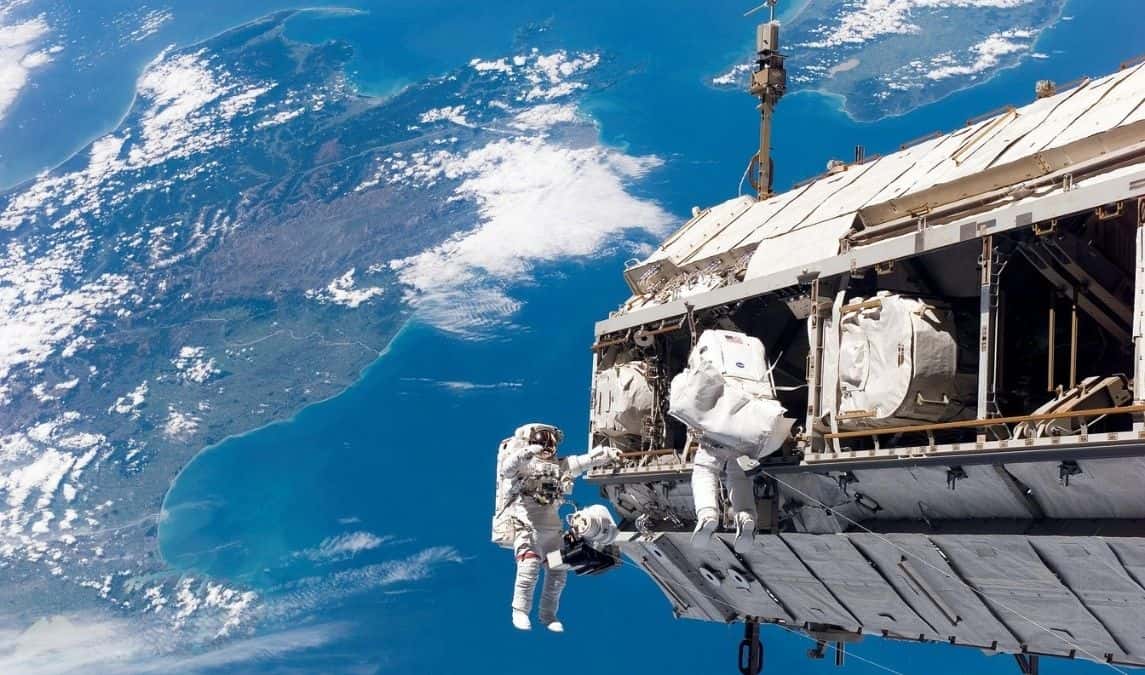
The crew at the space station is an integral part of the experiment as has been a critical part. They volunteer for test subjects for research into human adaptation to living and working in microgravity.
During their long stays, they perform various experiments besides doing their own work like cooking, cleaning, etc. Without these long-duration experiments, human exploration of the solar system will not be possible.
Major goals of ISS
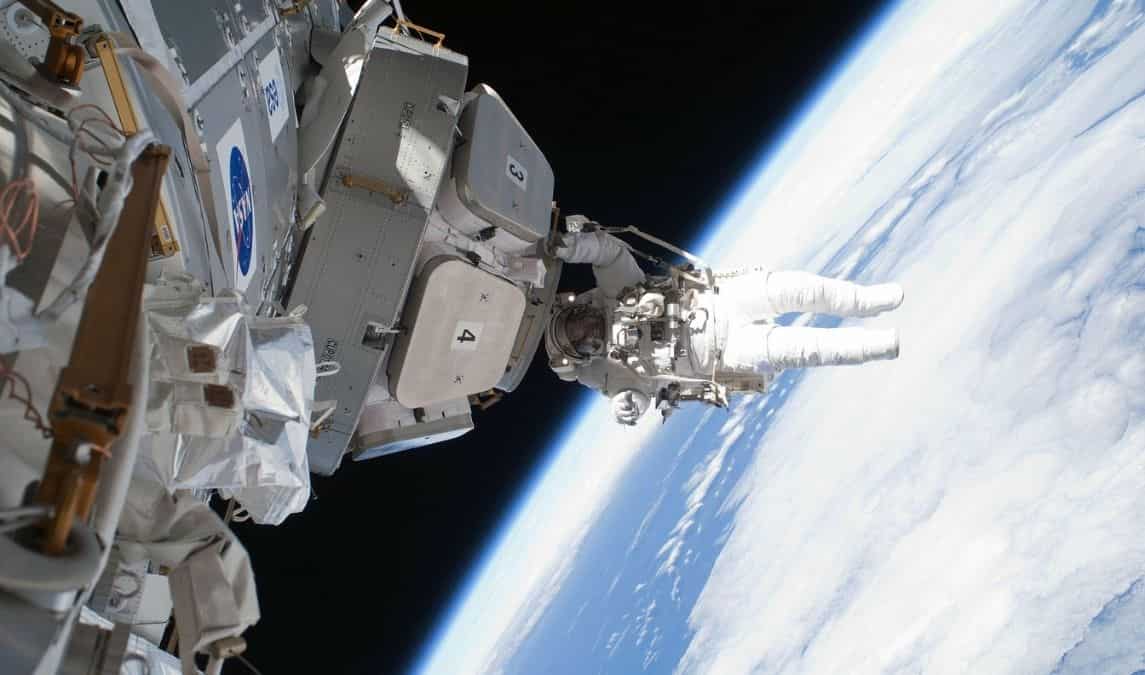
As per a NASA report, ISS has five major mission goals and each of which should realise significant advances in the next decade:
1) Enable deep space exploration
2) Conduct research to benefit humanity
3) Foster a US commercial space industry
4) Lead and enable international collaboration
5) Inspire humankind
Third decade of ISS
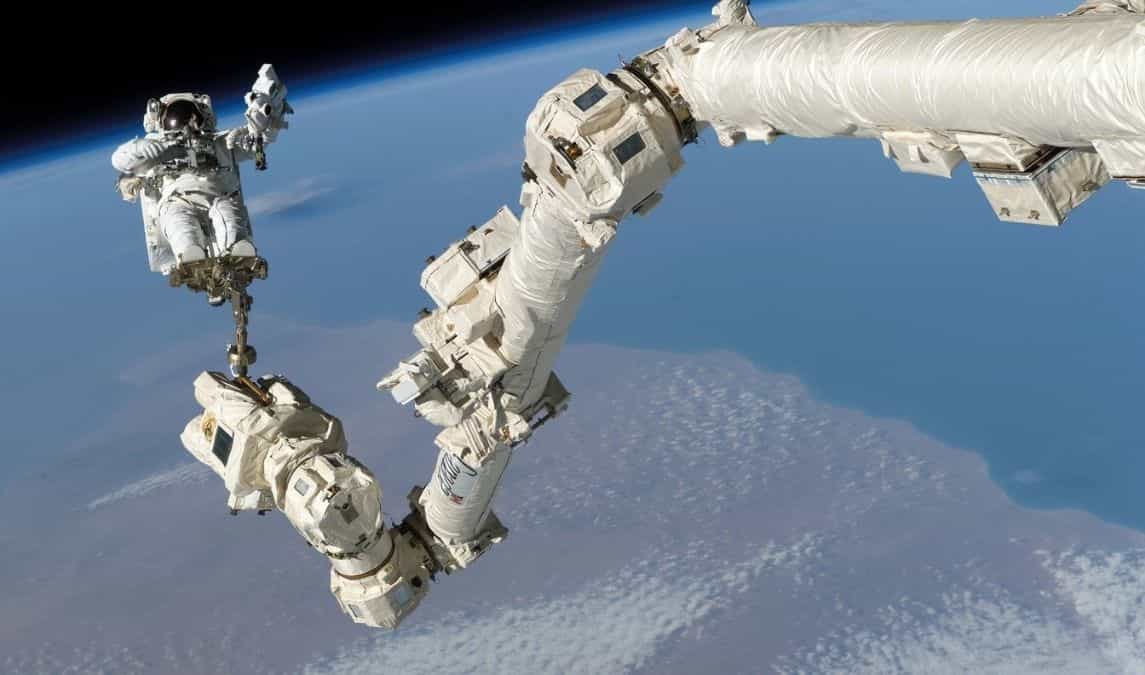
The ISS is now entering its third and most productive decade of utilisation, including research advancement, commercial value, and global partnership.
NASA report mentioned that the first decade of ISS was dedicated to assembly, and the second was devoted to research and technology development and learning how to conduct these activities most effectively in space.
ISS to retire in 2031
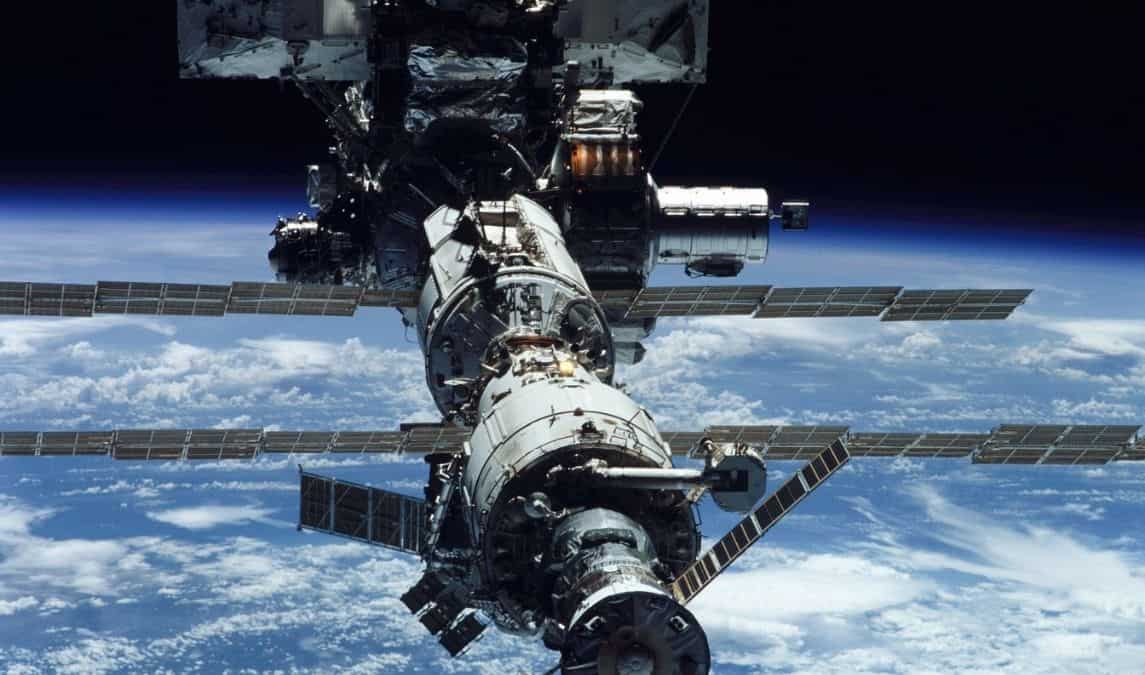
NASA has planned to retire ISS in 2031 as it will crash it into the Pacific Ocean. As per the newly published plans, the crash is supposed to be in a remote part of the Pacific Ocean known as Point Nemo - the "spacecraft cemetery".
Phil McAlister, who is the director of commercial space at NASA Headquarters, said: "The private sector is technically and financially capable of developing and operating commercial low-Earth orbit destinations, with NASA's assistance."
"We look forward to sharing our lessons learned and operations experience with the private sector to help them develop safe, reliable, and cost-effective destinations in space," he added.
'Successful global partnership'
Robyn Gatens, the director of ISS at NASA headquarters said, "This third decade is one of results, building on our successful global partnership to verify exploration and human research technologies to support deep space exploration, continue to return medical and environmental benefits to humanity, and lay the groundwork for a commercial future in low-Earth orbit."
"We look forward to maximizing these returns from the space station through 2030 while planning for transition to commercial space destinations that will follow," Gatens added.
)
)
)
)
)