International Mountain day 2025: The 10 most mountainous countries in the world — Check where India ranks?

The most mountainous countries, ranked by the percentage of their land covered by mountains, are led by Bhutan (98.8%), followed by Tajikistan (91.9%)and Kyrgyzstan (90.7%). Check the list below to find the top 10 most mountainous nations in the world.
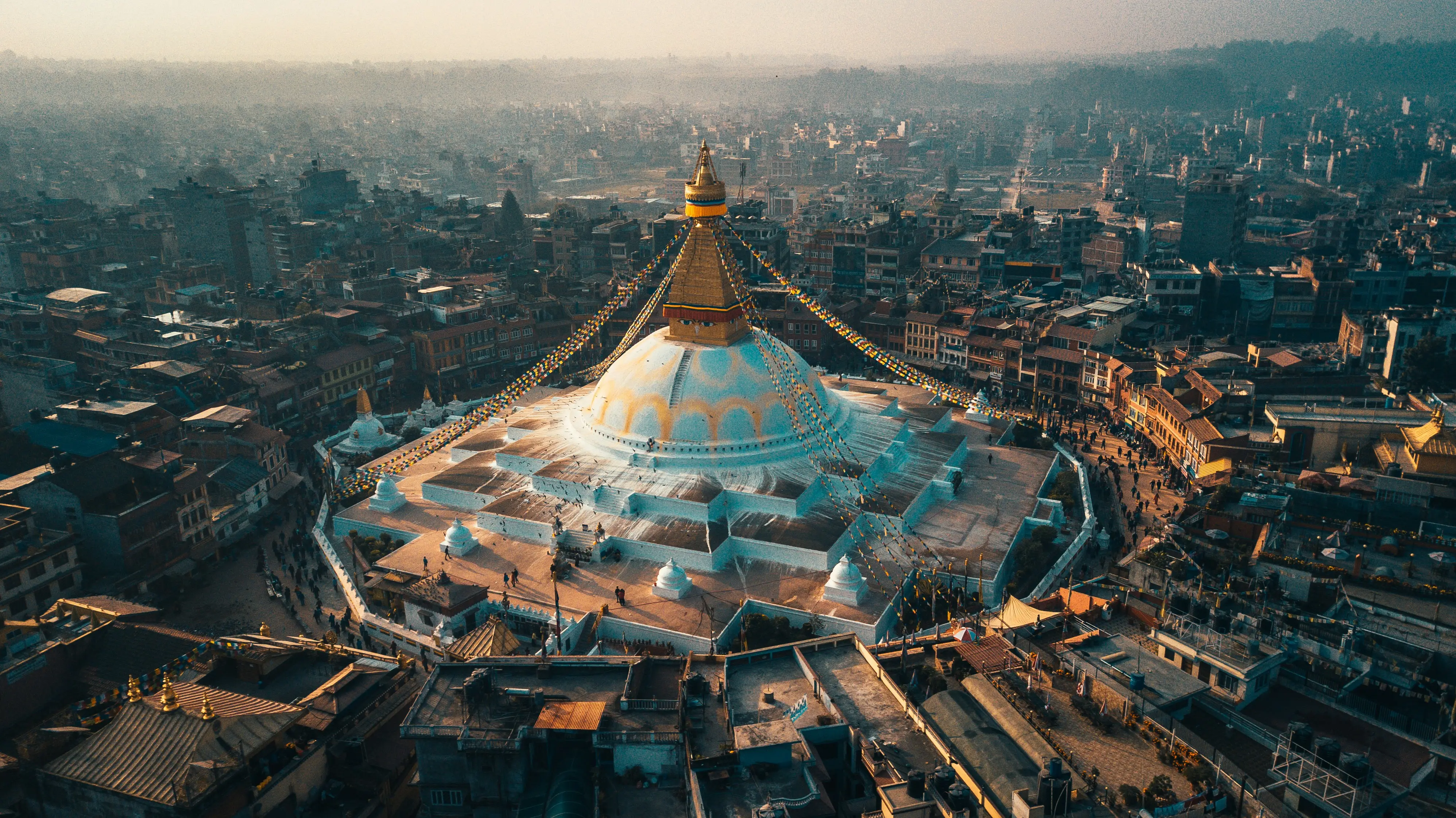
10. Nepal (80.7%)
Nepal is synonymous with the Himalayas and hosts many of the world’s highest peaks, including Mount Everest. The Great Himalaya Range contains several “8,000ers” such as Lhotse, Manaslu and Annapurna. With an average elevation of 10,715 feet, Nepal is second only to Bhutan in overall altitude. Its mountain culture, trekking routes and dramatic terrains attract adventurers worldwide, making it a global hub for high-altitude exploration. As per the report in the World Atlas, it accounts for 80.7 per cent of the area.
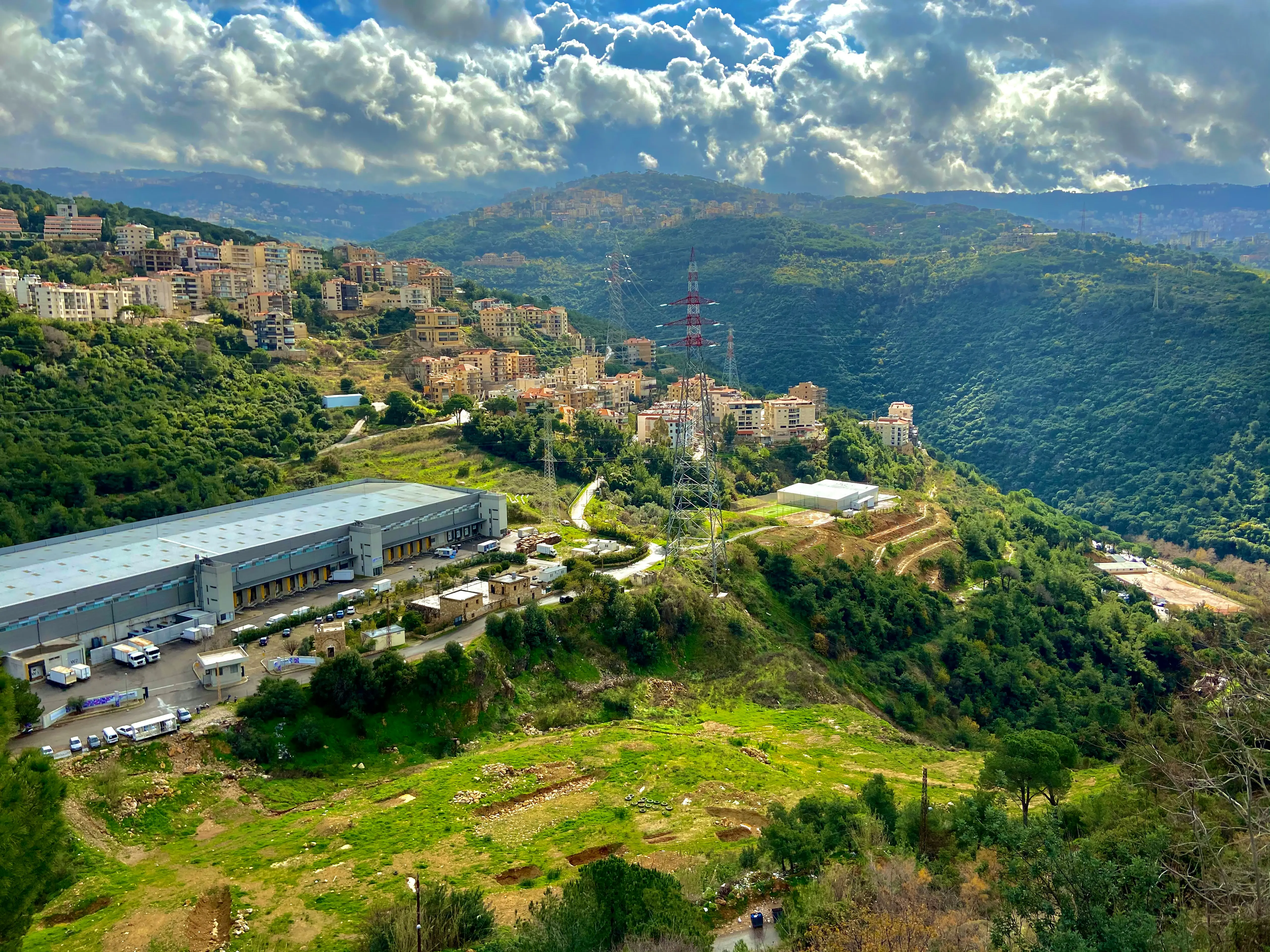
9. Lebanon (81.1%)
Lebanon stretches between the Mediterranean Sea and two major mountain ranges, the Lebanon and Anti-Lebanon Mountains. These ranges run parallel along the country, giving rise to peaks like Qurnat al-Sawda at 10,131 feet. The contrasting coastal plains and high-altitude landscapes create sharp environmental diversity, shaping Lebanon’s climate, culture and settlement patterns. Its mountainous spine remains central to its natural identity.
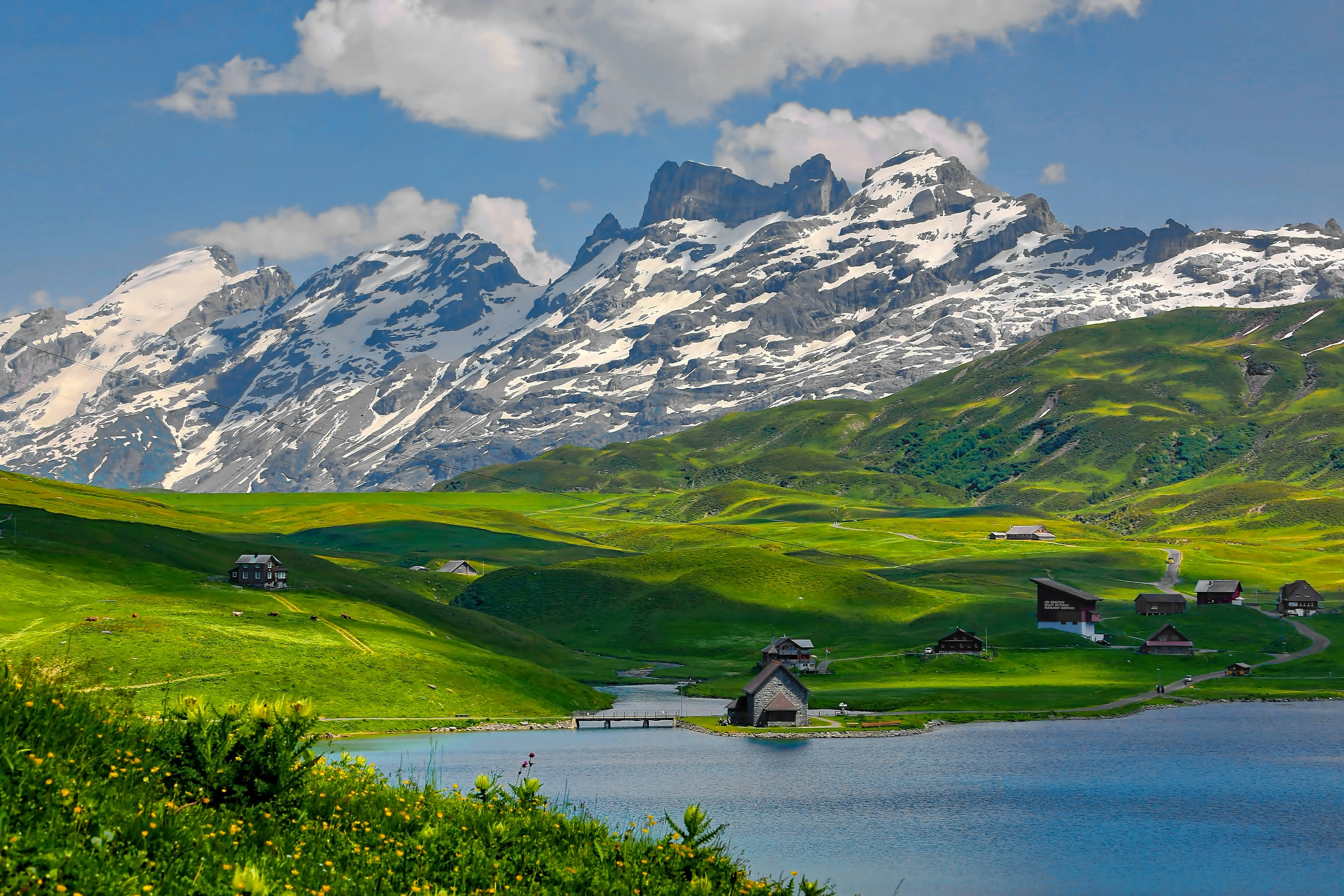
8. Switzerland (83.6%)
It is world-renowned for the Alps, which dominate the country's skyline and culture. The iconic peaks of Switzerland such as the Matterhorn, Eiger and Jungfrau attracts climbers and tourists alike. From the village of Zermatt to Grindelwald, towering ridges and snow-covered summits define the landscape. The dramatic mountain terrain of Switzerland, paired with efficient access and alpine charm, makes it one of the most recognisable high-altitude nations globally.
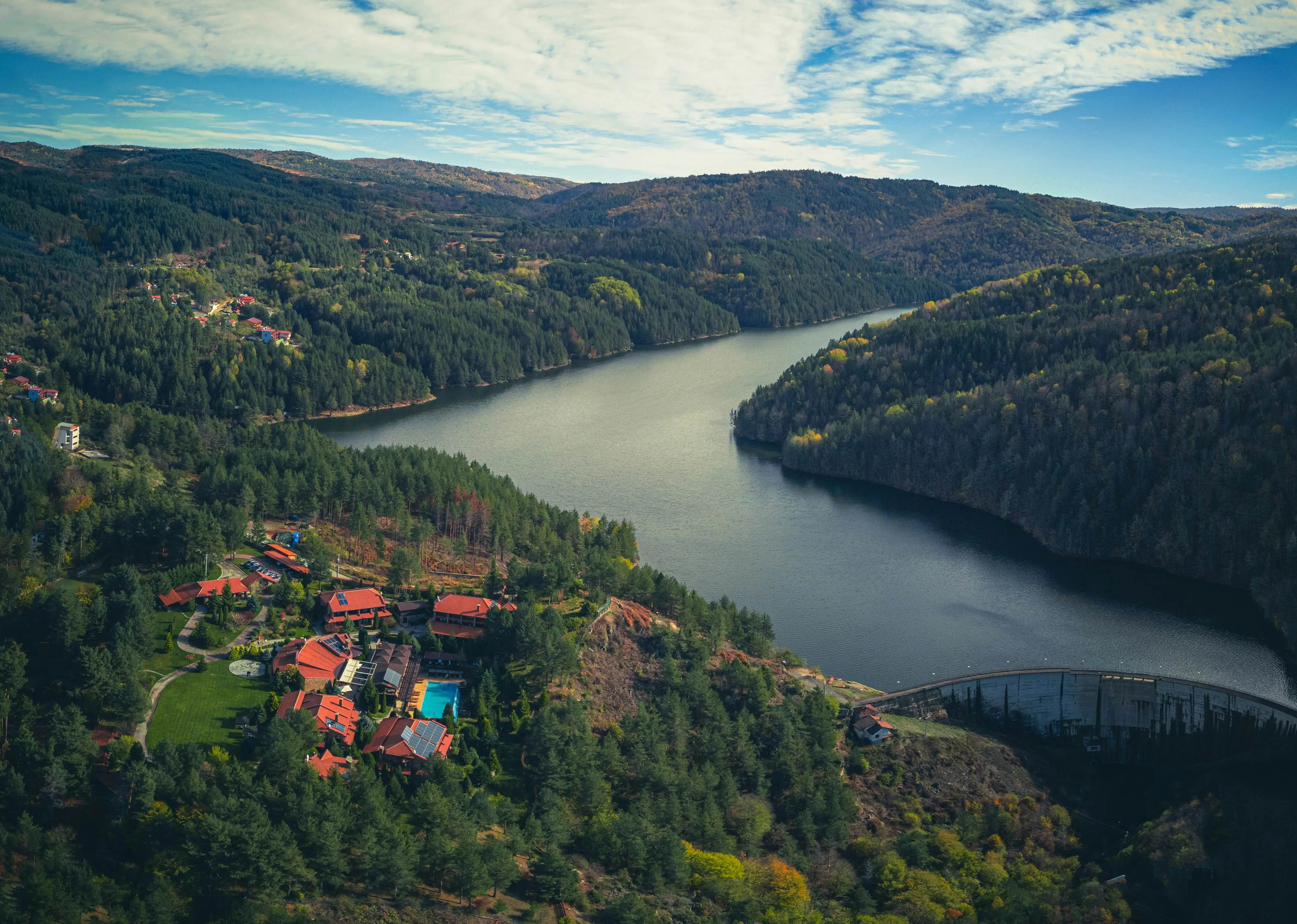
7. North Macedonia (85.5%)
North Macedonia sits in the south-central Balkans and is framed by the Šar Mountains to the west and the Pirin Mountains to the east. Mount Korab, on the Albanian border, towers at 9,030 feet. Much of the terrain rises above the tree line, creating sweeping views and dramatic landscapes. The country blends Mediterranean influences with rugged highlands, offering diverse natural beauty across a compact area.
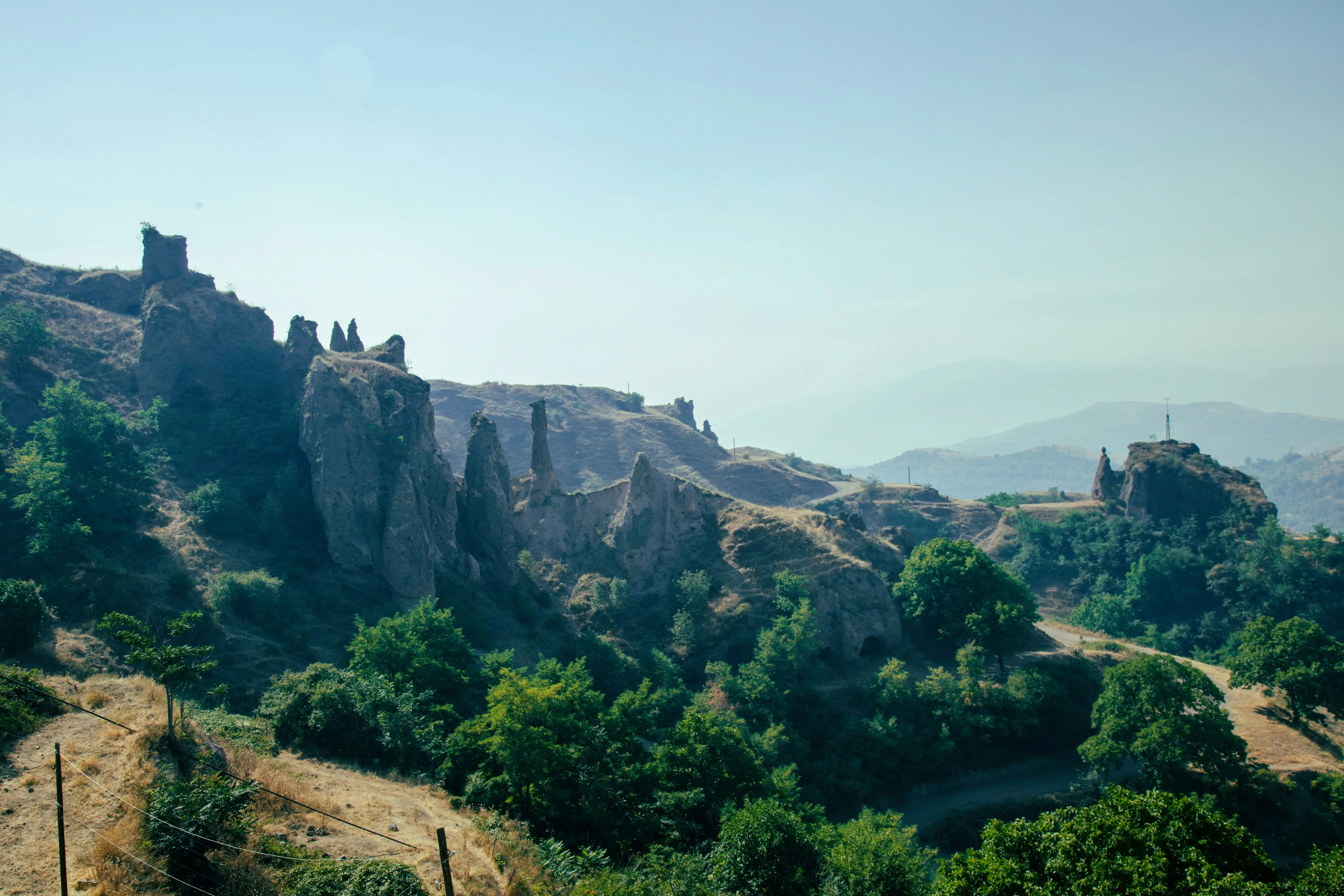
6. Armenia (85.9%)
Part of the Transcaucasia region,Armenia is shaped by the Lesser Caucasus mountains that roll through its northern and eastern landscapes. Its highest point, Mount Aragats, rises to 13,418 feet. With an average elevation of 5,879 feet, the landlocked nation blends deep valleys, volcanic highlands and historic monasteries. Its rugged terrain and ancient cultural sites create a dramatic backdrop to its mountainous identity.
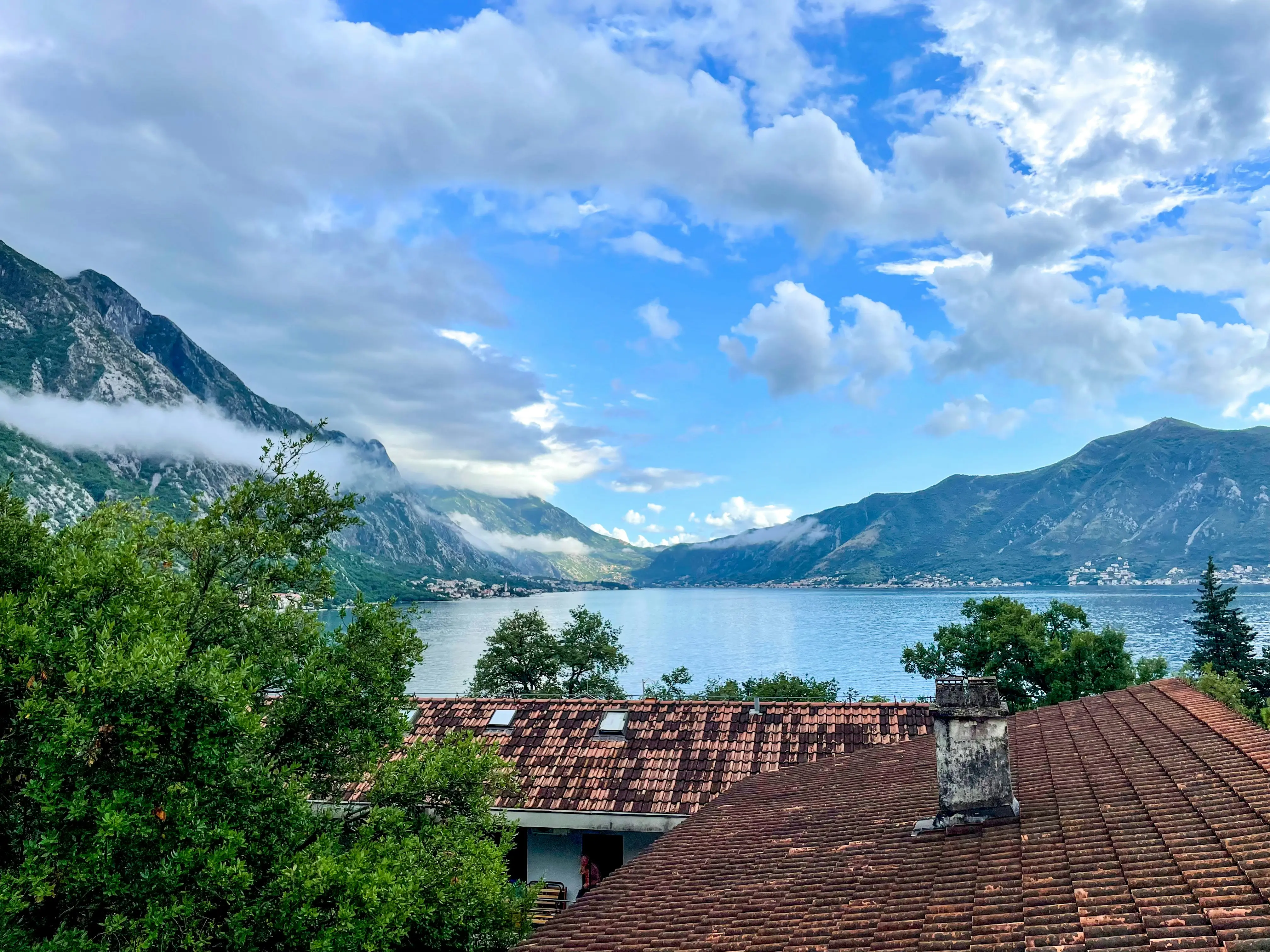
5. Montenegro (89.3%)
Montenegro, meaning “Black Mountain,” offers a striking mix of Adriatic coastline and rugged alpine terrain. The Dinaric Alps carve through the northeast, while the Durmitor Mountains—home to Durmitor National Park—dominate the central region. Peaks like Bobotov Kuk contribute to its dramatic landscape. Though compact, Montenegro’s glacial valleys, cliffs and formations make it one of Europe’s most visually arresting mountainous nations.
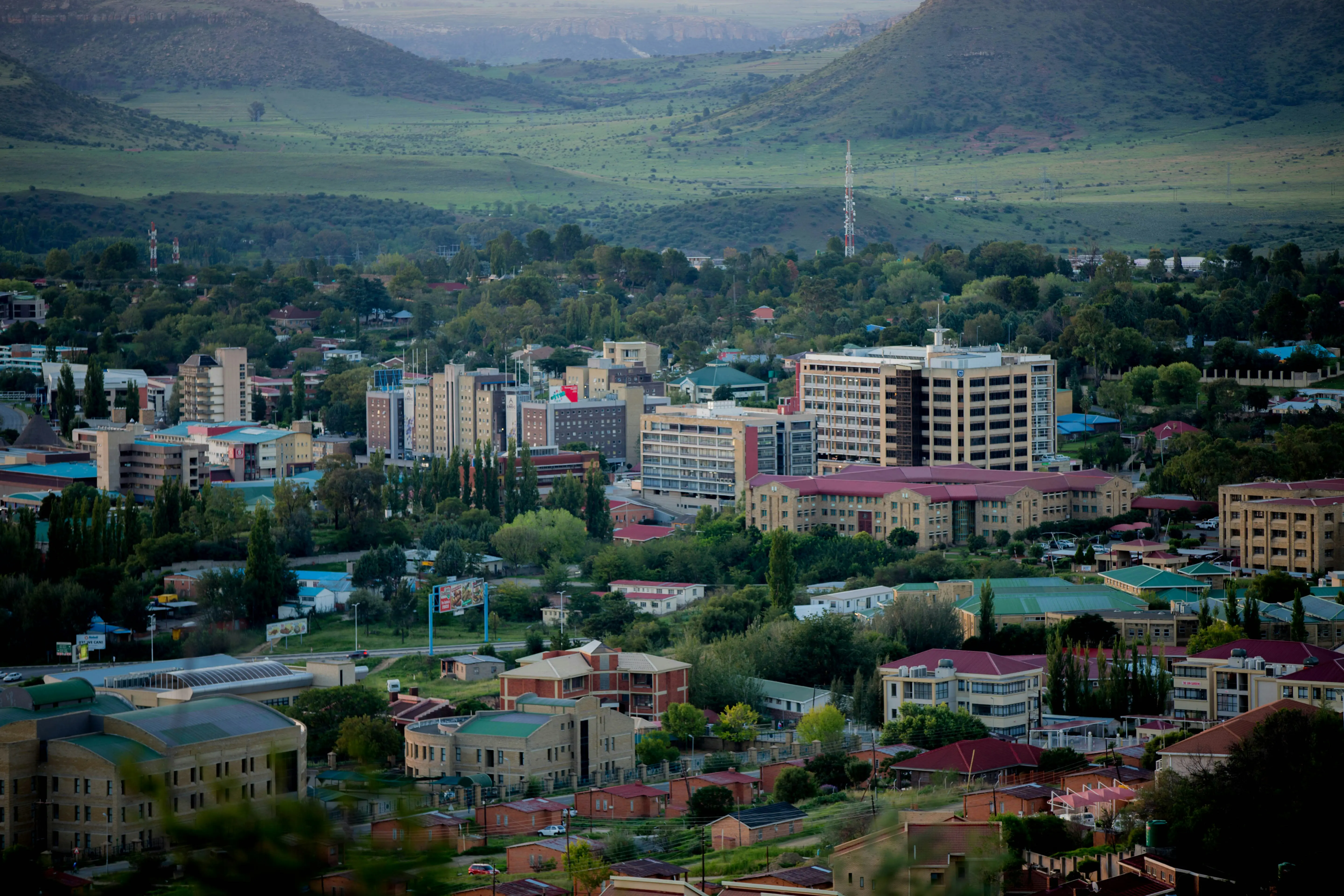
4. Lesotho (90.5%)
Lesotho, entirely surrounded by South Africa, is a high-altitude kingdom where mountains dominate every corner. With an average elevation of 7,090 feet, it is the only country in the world entirely above 1,000 metres. Its highest summit, Mount Ntlenyana, forms part of the Drakensberg range. The Maloti Mountains and extensive plateaus shape its climate, agriculture and isolation, giving Lesotho its distinct cultural and geographic identity.
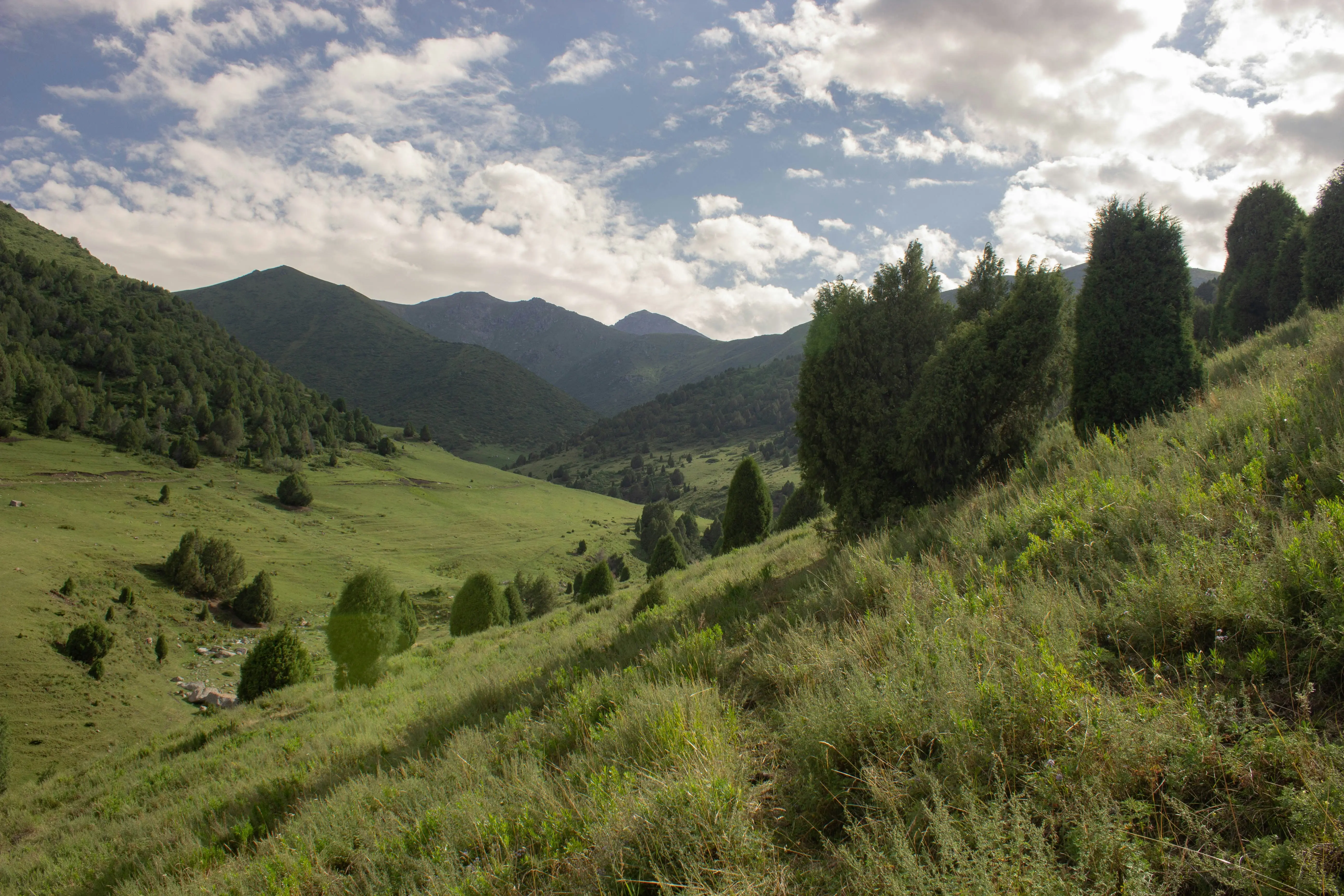
3. Kyrgyzstan (90.7%)
Located north of Tajikistan, it is defined by the great Tien Shan mountain system. The highest point of Kyrgyzstan, Jengish Chokusu (Victory Peak), reaches 24,406 feet, while other major ranges such as the Kok Shaal-Tau and Trans-Alay run along its borders. With an average elevation of 9,805 feet, Kyrgyzstan features remote alpine villages, deep valleys and pristine landscapes that reflect its nomadic heritage and dramatic geography.
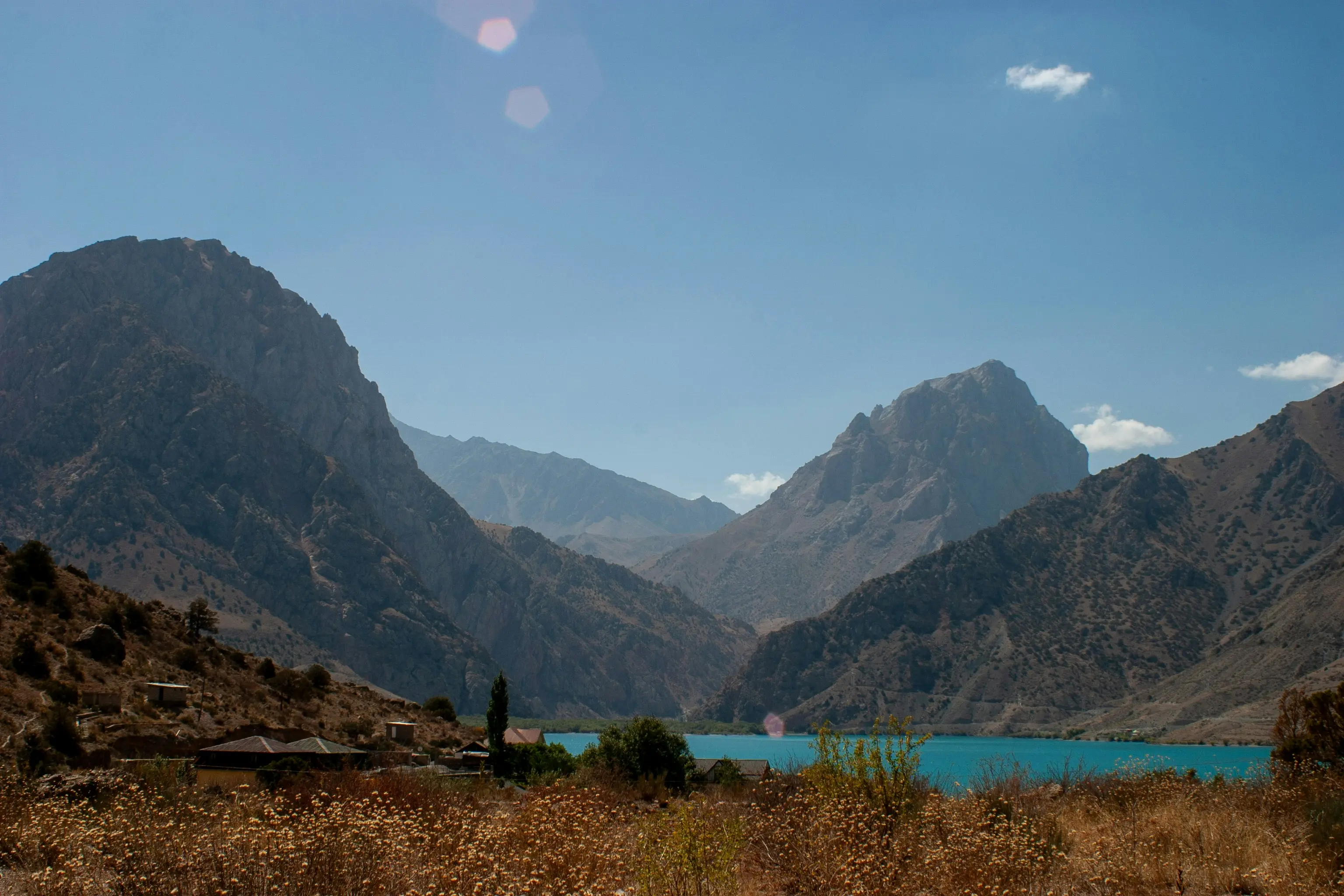
2. Tajikistan (91.9%)
Tajikistan, a landlocked Central Asian nation, is dominated by the Tien Shan and Pamir mountain systems. Its rugged terrain averages 10,455 feet above sea level, placing it among the world’s highest countries. The nation’s peak, Imeni Ismail Samani, rises to 24,590 feet. These dramatic elevations shape Tajikistan’s landscape, climate and traditional high-altitude lifestyles, making it a standout for extreme mountain geography.
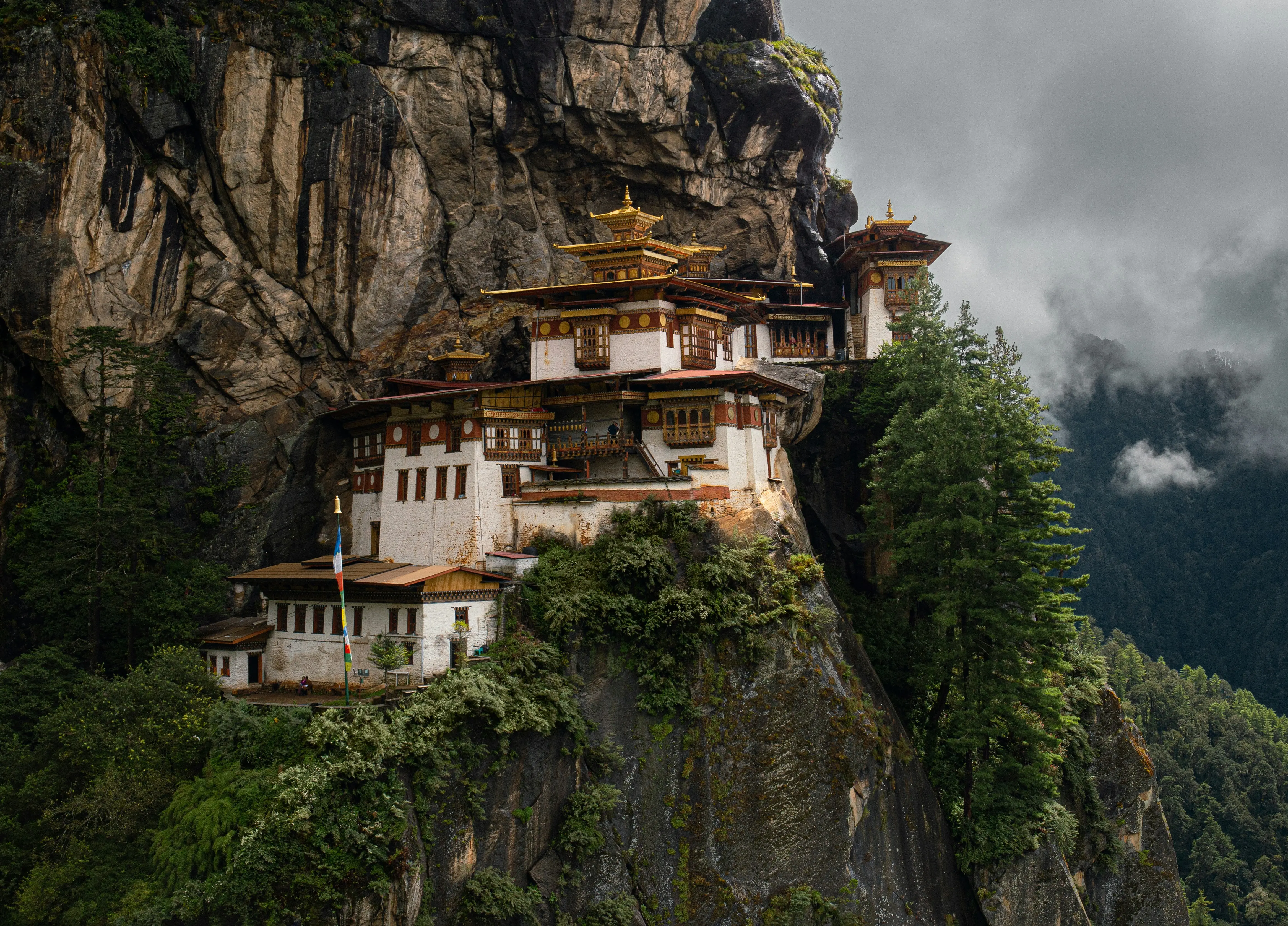
1. Bhutan (98.8%)
A remote Himalayan kingdom, Bhutan is the most mountainous nation by coverage and elevation in the world. It is home to Gangkhar Puensum, the highest unclimbed peak globally, with an average altitude of 10,760 feet. Around 70 per cent of its land is forested, helping Bhutan achieve a carbon-negative status. Its strict sustainability model requires visitors to pay a daily $200 fee to preserve its pristine ecological and spiritual heritage.
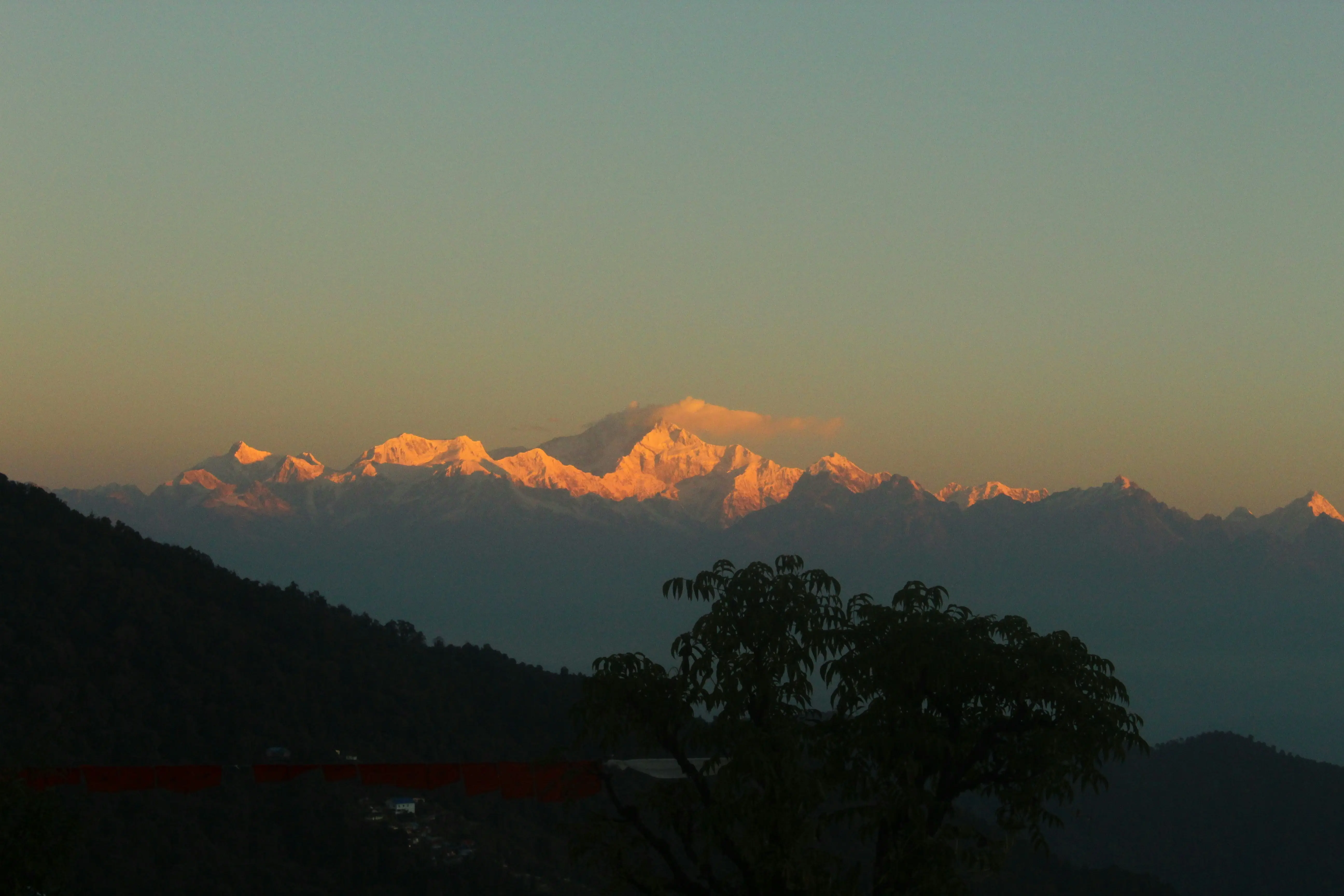
India (40%)
Mountains in India cover nearly 30 per cent of its total land area, housing major ranges like the Himalayas (northern border) and Western/Eastern Ghats, with the Indian Himalayan Region (IHR) alone spanning around 17 per cent of India's geography.
)
)
)
)
)