Interim budget vs Union budget: What is the difference and why does it matter in 2026?

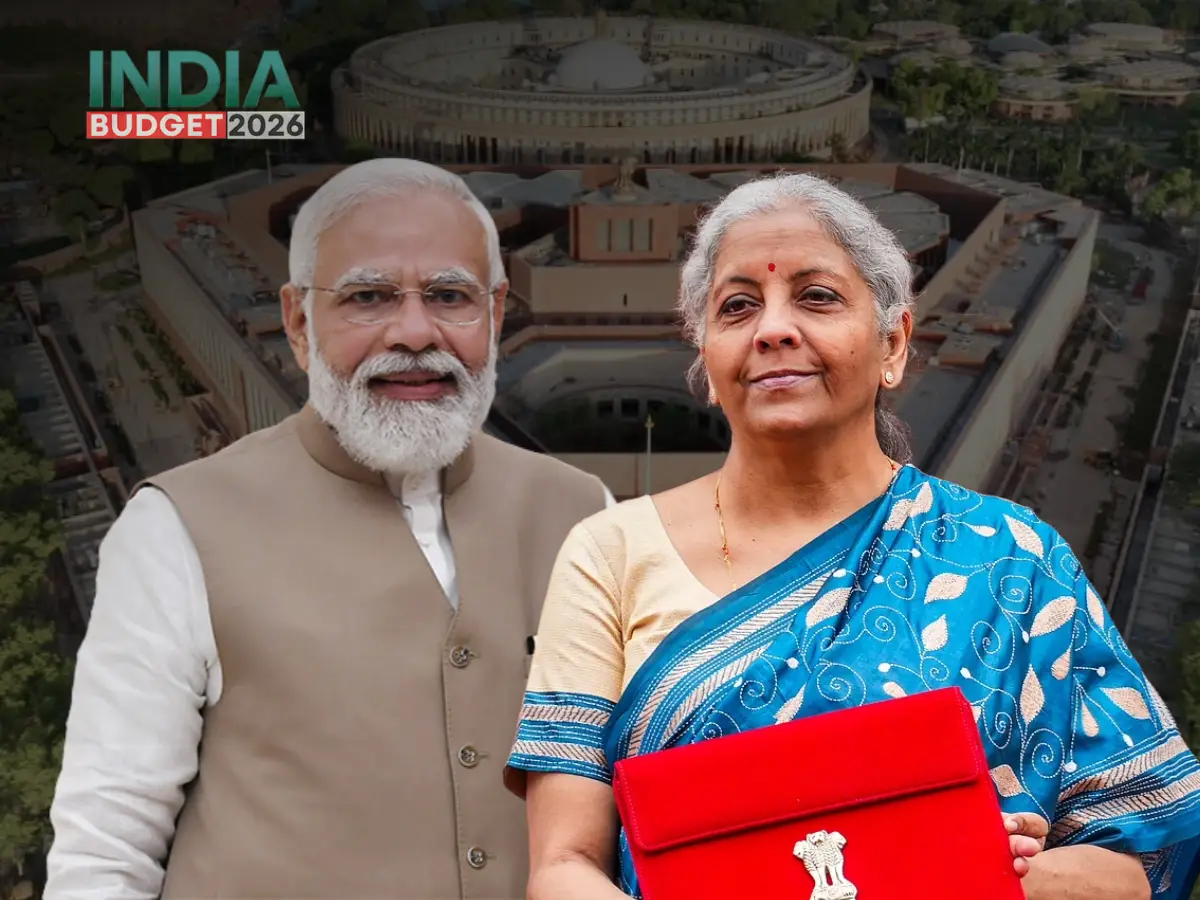
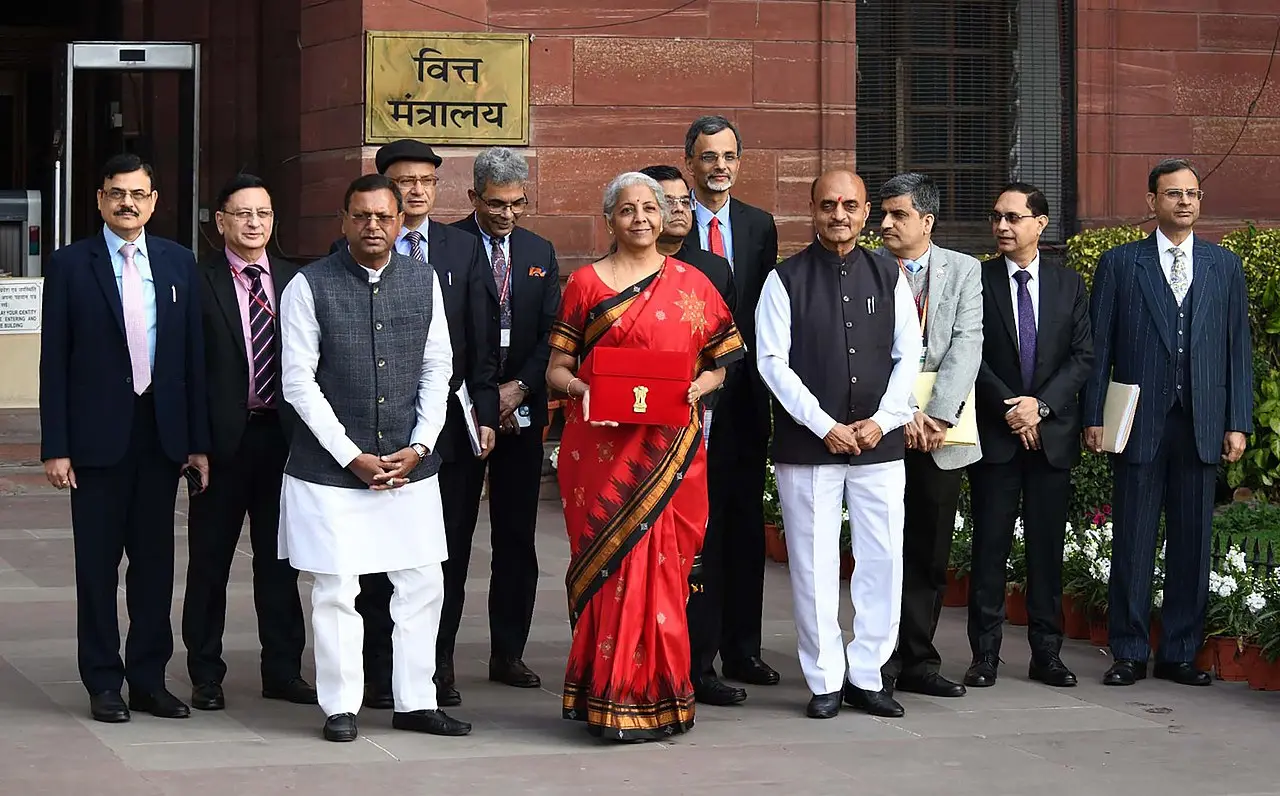
Union finance minister Nirmala Sitharaman is set to present the Union Budget for the 2026-27 financial year in the Lok Sabha today, February 1, during the ongoing Budget Session of Parliament, with proceedings scheduled to begin at 11am. This will be her ninth consecutive Union Budget.
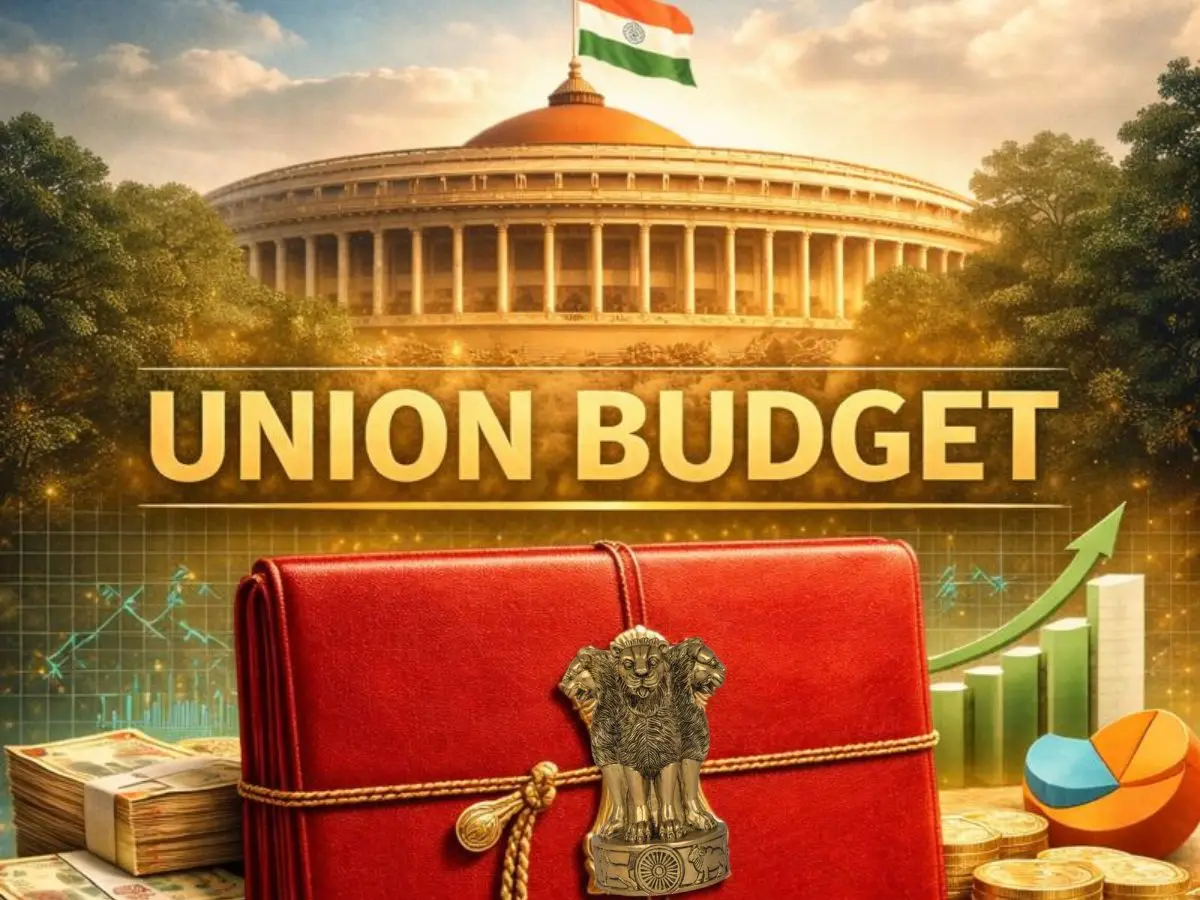
A budget moment under close watch
Union finance minister Nirmala Sitharaman is set to present the Union Budget for the 2026-27 financial year in the Lok Sabha today during the ongoing Budget Session of Parliament, with proceedings scheduled to begin at 11am. This will be her ninth consecutive Union Budget. On Thursday, she tabled the Economic Survey, setting the context for the government’s economic priorities. With expectations centred on job creation, agriculture, inclusive manufacturing and digital growth, the Budget will shape tax policy, public spending and market sentiment. It also renews a familiar question: how does a full Union Budget differ from an interim Budget, and why does that distinction matter?
What exactly is a full Union Budget?
A full Union Budget is the government’s comprehensive financial statement for the coming financial year. It sets out detailed plans on taxation, expenditure, borrowing and fiscal targets. Typically presented by a government with a clear mandate, it introduces new policy initiatives, structural reforms and significant tax changes, all of which require parliamentary approval.
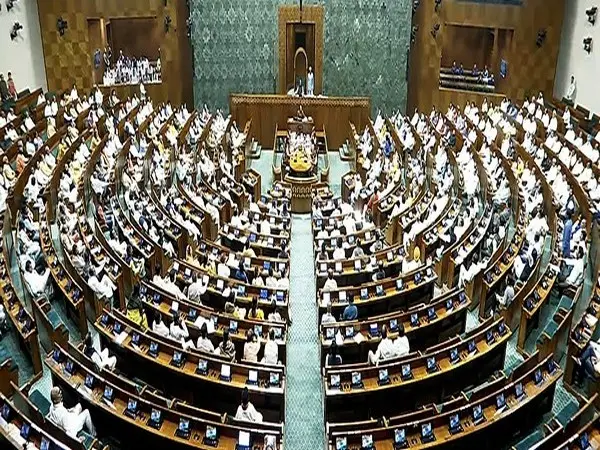
Understanding the interim Budget
An interim Budget which is also called a 'vote-on-account' is presented when a general election is due and the existing government is nearing the end of its term. Its primary purpose is continuity. It seeks parliamentary approval to meet routine expenditure and essential obligations until a new government takes office. Conventionally, it avoids bold policy announcements or major tax changes.
Why interim Budgets avoid big decisions
The restraint around interim Budgets stems from democratic convention rather than law. Since an election may alter the composition of government, far-reaching policy decisions are considered the prerogative of the incoming administration. As a result, interim Budgets usually focus on maintaining fiscal stability rather than reshaping economic direction.
Vote on Account: the technical bridge
A key feature of an interim Budget is the ‘Vote on Account’. This allows the government to withdraw funds from the Consolidated Fund of India, usually for two to four months, to cover salaries, subsidies and ongoing schemes. As per Article 116 of the Indian Constitution, a Vote on Account is an advance grant to cover these short-term expense until the new financial year begins. Unlike a full Budget, it does not require detailed scrutiny of each demand for grants.

Why the difference matters in 2026
In contrast, a full Budget is thoroughly examined and discussed in Parliament. Whether a Budget is interim or full directly affects expectations. Markets, businesses and taxpayers look to a full Budget for signals on reforms, tax relief and long-term spending. An interim Budget, by contrast, offers reassurance of continuity but limited insight into future policy shifts

More than numbers on paper
Beyond economics, the Budget reflects India’s constitutional framework and political rhythms. In 2026, understanding whether the government is setting a long-term agenda or simply keeping the wheels turning helps explain not just what is announced, but also what is deliberately left unsaid.
)
)
)
)
)