Inside world’s deadliest ‘vacuum bombs’: How thermobaric weapons create hottest, longest blasts in war

Unlike conventional explosives, which rely on a rapid chemical blast, thermobaric devices use atmospheric oxygen to sustain their explosion, creating higher temperatures and longer shockwaves.
What Thermobaric Weapons Are
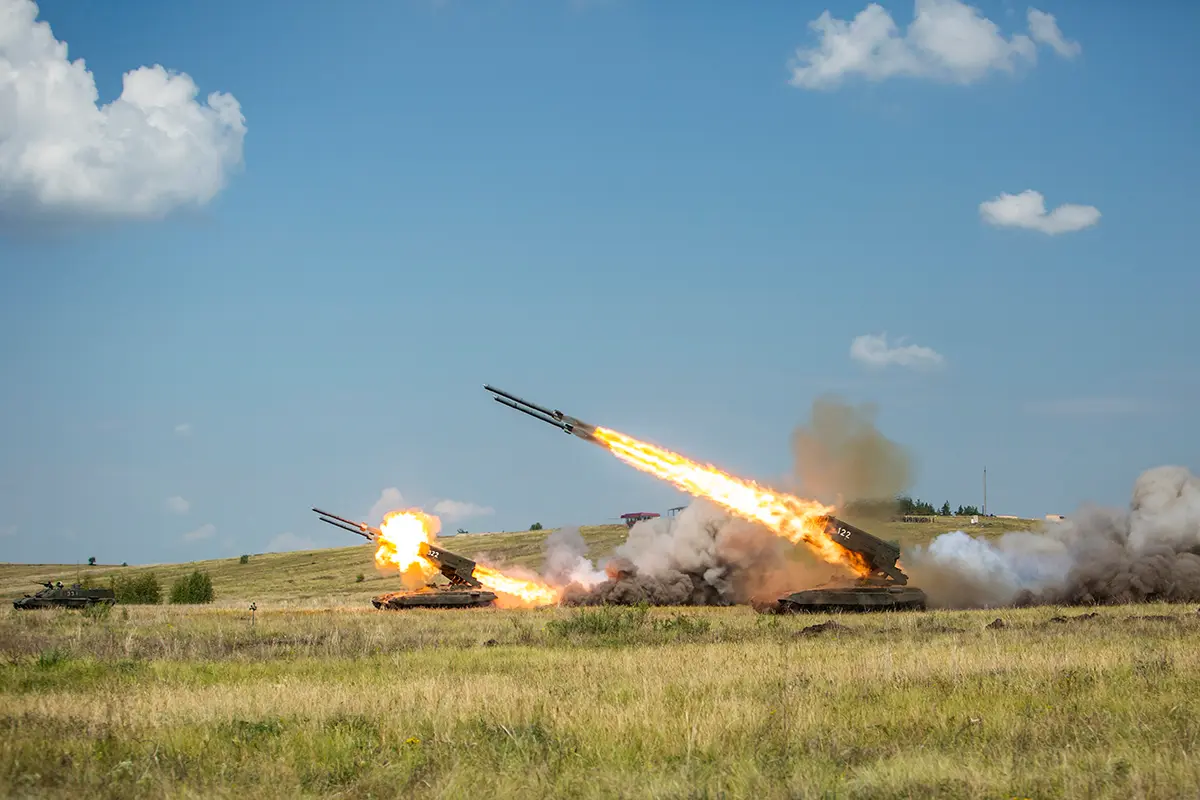
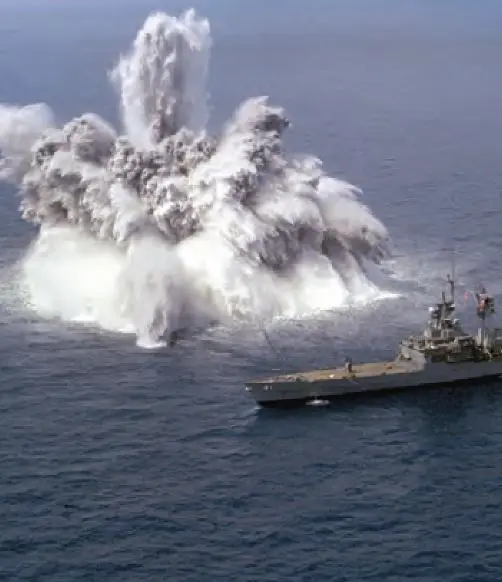
Thermobaric weapons, often called fuel–air explosives or 'vacuum bombs', operate through a two-stage process. The first charge releases a fine cloud of fuel into the air, and the second ignition detonates it, producing an immense fireball and a powerful, long-lasting pressure wave. Unlike conventional explosives, which rely on a rapid chemical blast, thermobaric devices use atmospheric oxygen to sustain their explosion, creating higher temperatures and longer shockwaves. They are particularly devastating in confined areas such as bunkers, tunnels and buildings, where the heat and pressure reverberate and multiply the destruction.
Human Effects and Physical Damage
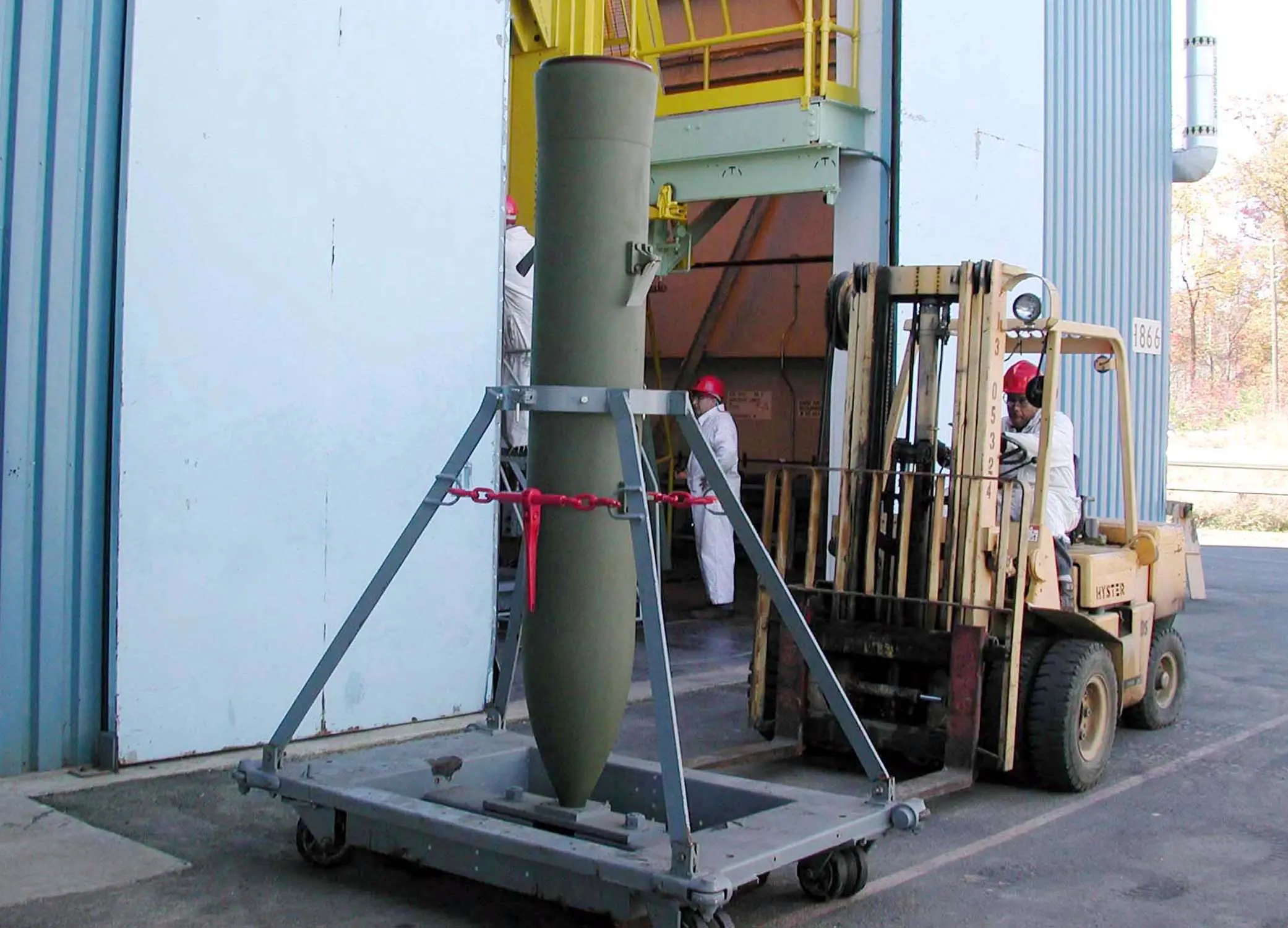
The effects of thermobaric blasts on the human body are especially severe. Victims can suffer catastrophic internal injuries, extensive burns and fatal asphyxiation as the explosion consumes oxygen in the vicinity. The prolonged pressure wave can rupture organs and cause massive trauma even without visible external wounds. Structurally, the weapons can obliterate fortified positions by penetrating voids before detonation and collapsing them from within. Such extreme and indiscriminate devastation has led medical and humanitarian experts to classify their impact as among the most horrific in modern warfare.
Typical Military Uses and Advantages
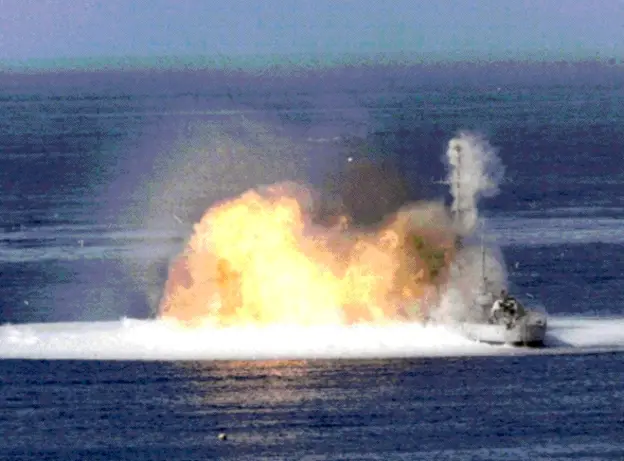
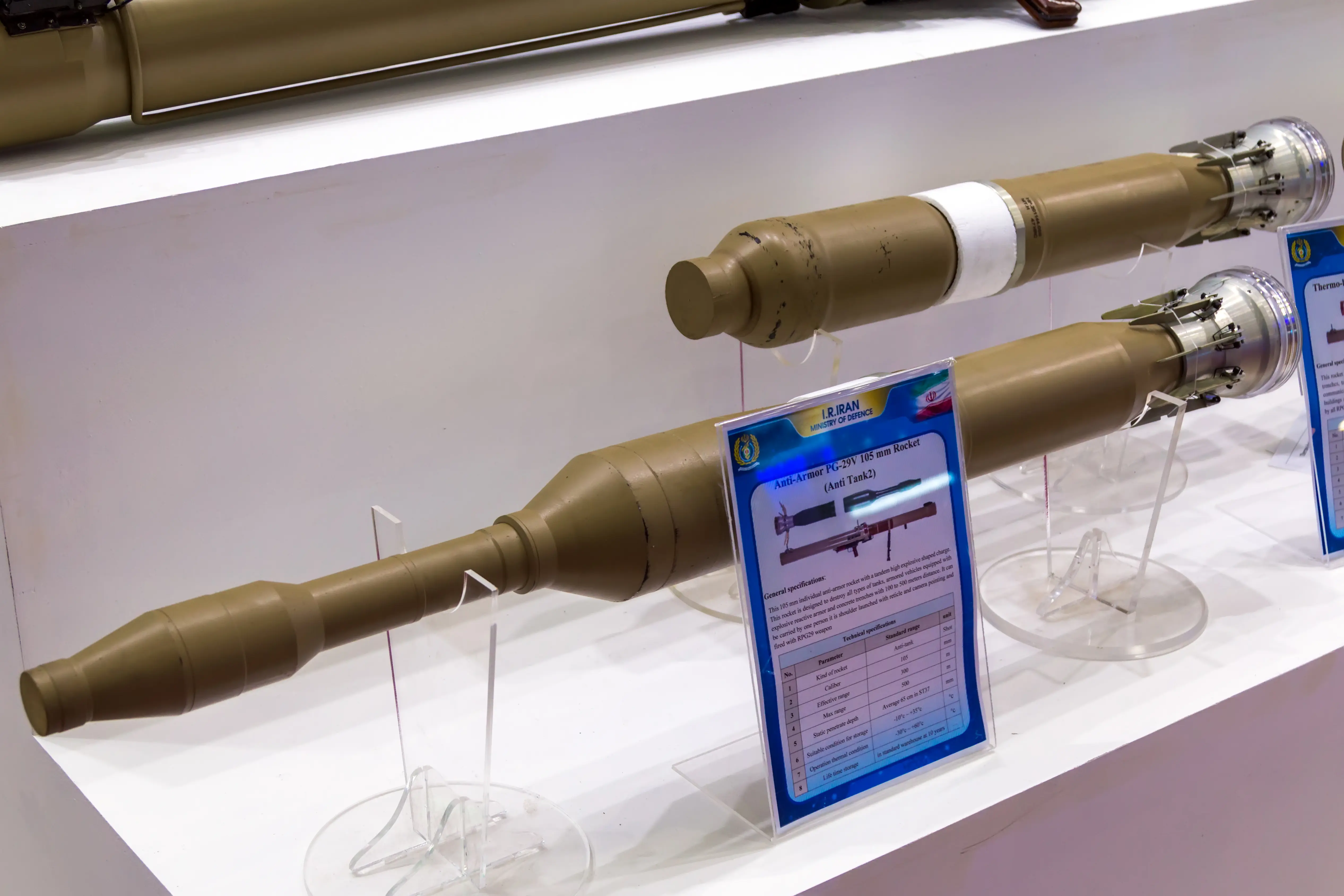
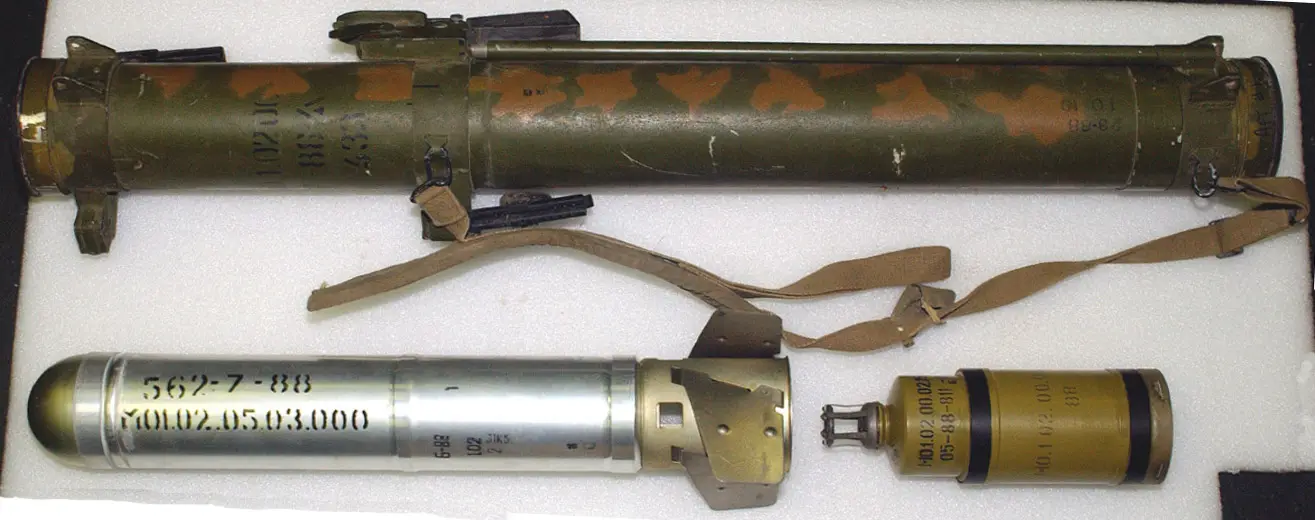
Thermobaric weapons are valued militarily for their ability to neutralise fortified defences and underground facilities. They can be delivered by aircraft, rocket launchers or missile warheads and are often used when conventional munitions are ineffective. Their ability to destroy targets hiding behind cover with a single, concentrated strike makes them tactically efficient, reducing the need for prolonged bombardment. However, this same power makes them highly controversial when used in urban or civilian areas. These bombs have been used in several wars including the World War II, Vietnam War, Sino-Soviet Border Conflict and the 1991 Gulf War.
Legal Framework — No Single Treaty Ban
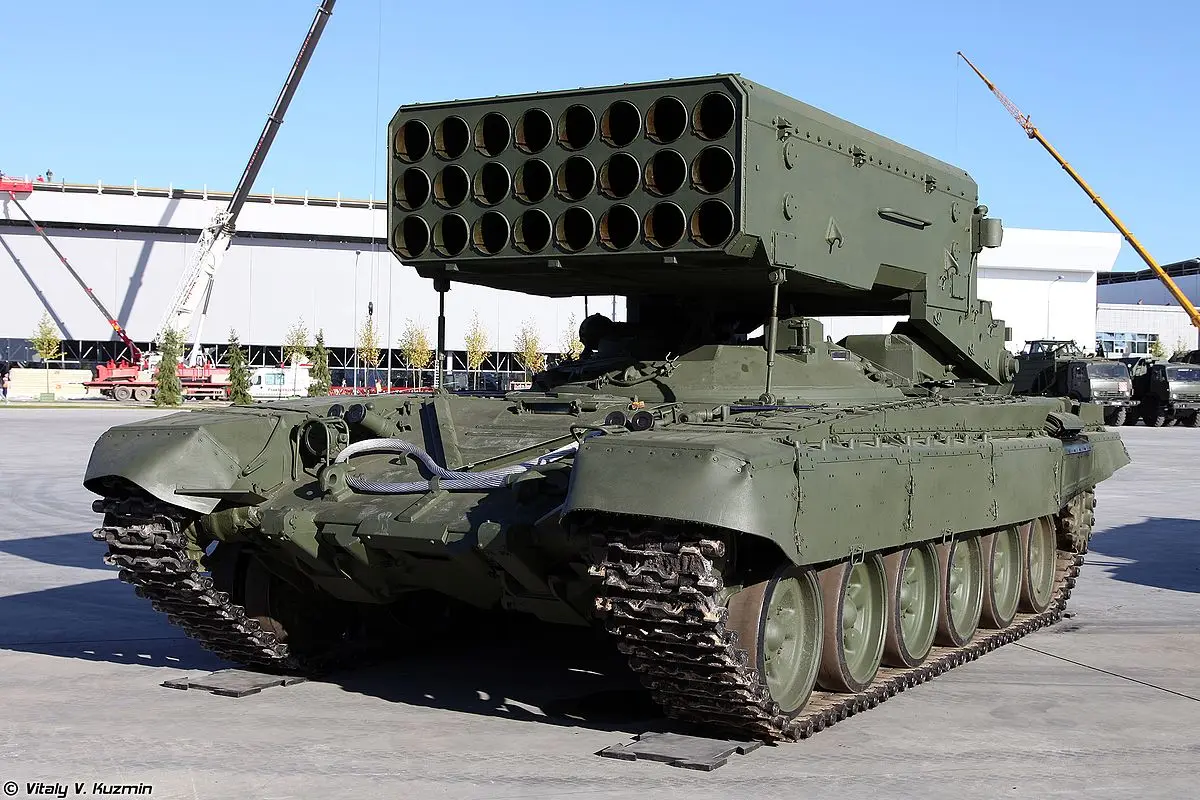
No specific international treaty explicitly bans thermobaric weapons. Their legality is instead judged under general principles of international humanitarian law, including distinction, proportionality and the prohibition of unnecessary suffering. Existing treaties such as the Geneva Conventions and the Convention on Certain Conventional Weapons do not directly address thermobaric arms, leaving a grey area that continues to be debated among legal scholars and defence experts. In 2003, the United States tested a massive 9,800 kg explosive, GBU-43/B Massive Ordnance Air Blast (MOAB) nicknamed the ‘Mother of All Bombs.” Four years later, Russia unveiled its own version, the ’Father of All Bombs', which produced a blast equivalent to 44 tonnes of TNT. This made it the most powerful non-nuclear explosive ever created.
When Use May Be Unlawful
While not outright prohibited, the use of thermobaric weapons can violate international law if employed indiscriminately or in populated areas. If civilian harm is excessive compared with the expected military gain, such attacks could constitute war crimes. The documented use of these weapons in conflicts like Syria and Ukraine has prompted widespread condemnation and demands for accountability, particularly when evidence suggests civilian populations were targeted or insufficient precautions were taken.
Calls for Restriction and Policy Debates
The humanitarian community has called for stronger regulation or an outright ban on thermobaric weapons, especially for use near civilian centres. Legal experts and advocacy groups argue that their disproportionate and indiscriminate effects make them incompatible with modern warfare’s ethical standards. International discussions have considered adding restrictions under existing arms-control frameworks, though consensus among major powers remains elusive.
Bottom Line — Legally Conditional, Morally Contentious
Thermobaric weapons occupy a troubling space between military necessity and moral outrage. They are not explicitly illegal but are heavily constrained by international law and subject to growing ethical scrutiny. While their use against isolated military targets may be considered lawful, deploying them near civilians or in cities remains deeply controversial.
)
)
)
)
)