Inside the world’s 6 deadliest nuclear submarines ever built

From Soviet giants built to lurk under Arctic ice to precision-engineered Western vessels bristling with missiles, the world’s deadliest submarines reflect decades of secret innovation, strategic rivalry and raw deterrence.
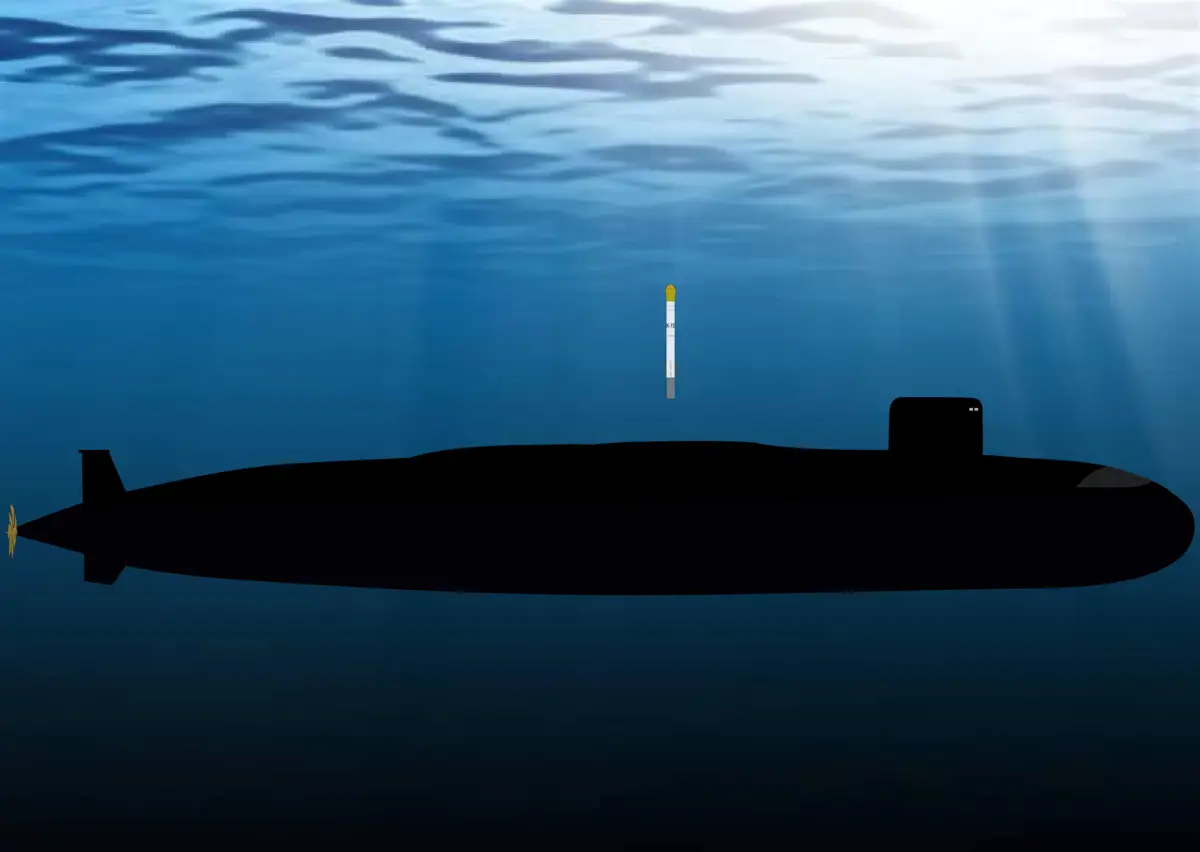
Giants beneath the waves
Silent, unseen and almost unstoppable, nuclear submarines remain the most formidable weapons at sea. Beyond sheer firepower, these steel leviathans hide beneath the ocean for months, ready to unleash destruction on command. From Soviet giants built to lurk under Arctic ice to precision-engineered Western vessels bristling with missiles, the world’s deadliest submarines reflect decades of secret innovation, strategic rivalry and raw deterrence. This is a look inside six of the most dangerous nuclear submarines ever to patrol the deep, and why they still cast such a long shadow over global security.
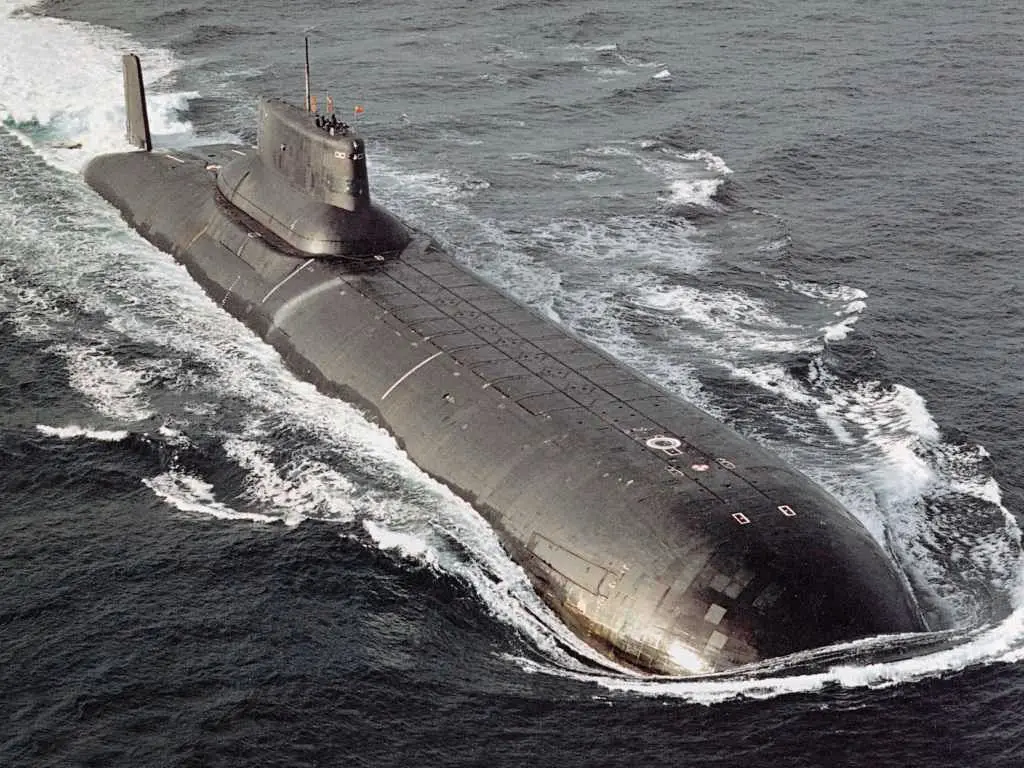
Russian Typhoon class: Still the largest ever built
Commissioned in the 1980s at the height of the Cold War, Russia’s Typhoon class (Project 941 Akula) remains the largest submarines ever built, displacing around 48,000 tonnes submerged. Each carried 20 R-39 nuclear ballistic missiles capable of launching multiple warheads, designed to devastate entire cities. With reinforced hulls and enormous stores, these submarines could patrol unseen beneath Arctic ice for months, becoming effectively untouchable and making them a uniquely terrifying part of the Soviet nuclear triad. Today, only one Typhoon survives as a test platform, yet their legacy endures as symbols of scale and endurance.
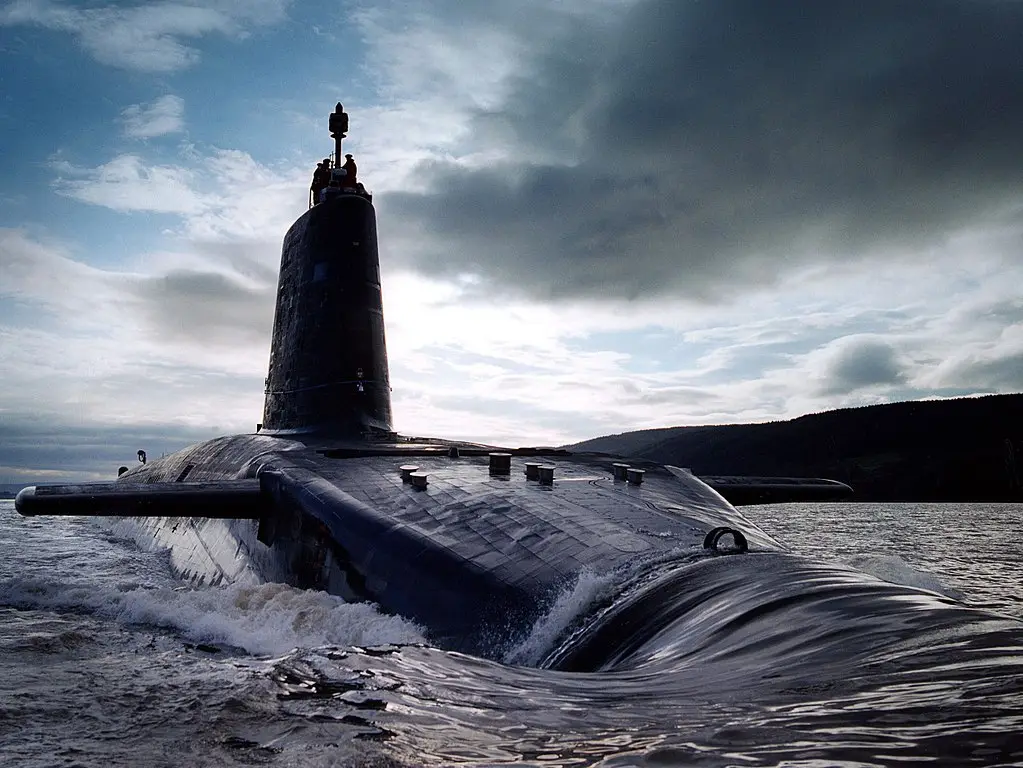
UK Vanguard class: Britain’s silent sentinel
Entering service in the 1990s, the four Vanguard-class SSBNs serve as the backbone of the United Kingdom’s continuous at-sea deterrent. Each carries Trident II missiles obtained through agreement with the US. At any given time, at least one Vanguard is on patrol, armed and undetected. Built with advanced sound-reducing design, they remain exceptionally hard to track, ensuring Britain’s nuclear deterrent stays ready yet hidden, a deadly force intended never to be seen.
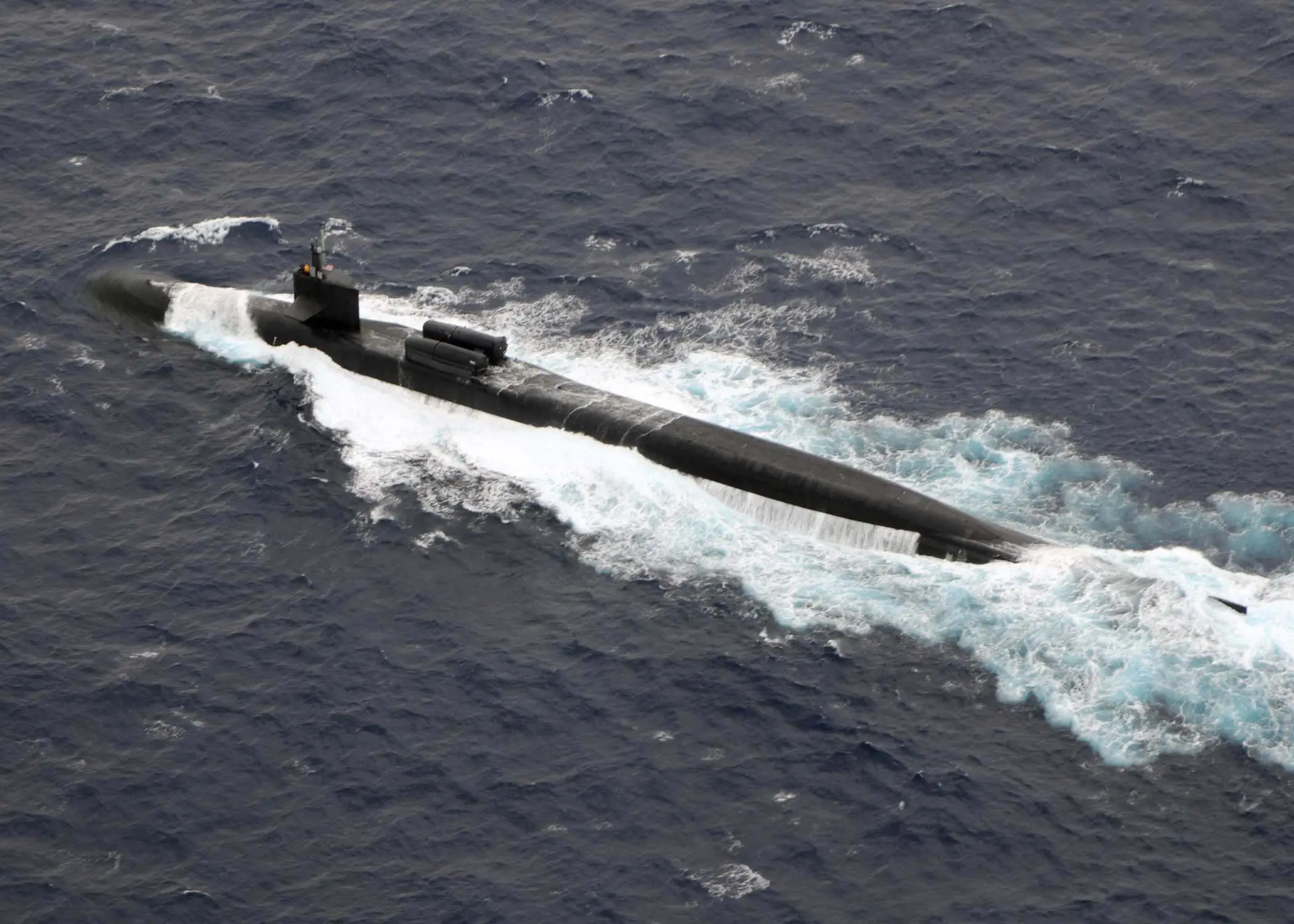
US Ohio class: backbone of American deterrence
First launched in the 1980s, the Ohio-class submarines include 14 SSBNs, each capable of carrying up to 24 Trident II D5 missiles with extraordinary range and accuracy. These submarines form the largest part of the United States’ sea-based nuclear deterrent, always prepared to respond to threats anywhere in the world. In addition, four Ohio-class boats were converted to carry Tomahawk cruise missiles, giving them the power to strike land targets with precision. Quiet, enduring, and devastatingly armed, the Ohio class keeps American nuclear strength ever-present and unseen.
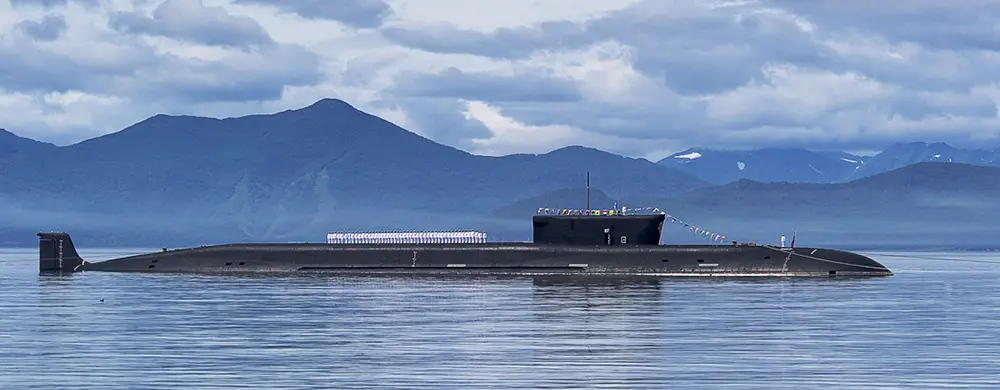
Russian Borei class: new generation of stealth
Entering service in 2013, the Borei class (Project 955) represents Russia’s latest generation of strategic submarines. Each carries 16 Bulava missiles, designed to evade advanced missile defences. Using new pump-jet propulsion technology, Borei submarines produce a lower acoustic signature, making detection much harder. Smaller than the older Typhoons, they rely on stealth rather than size, keeping Russia’s sea-based deterrent both modern and menacing.
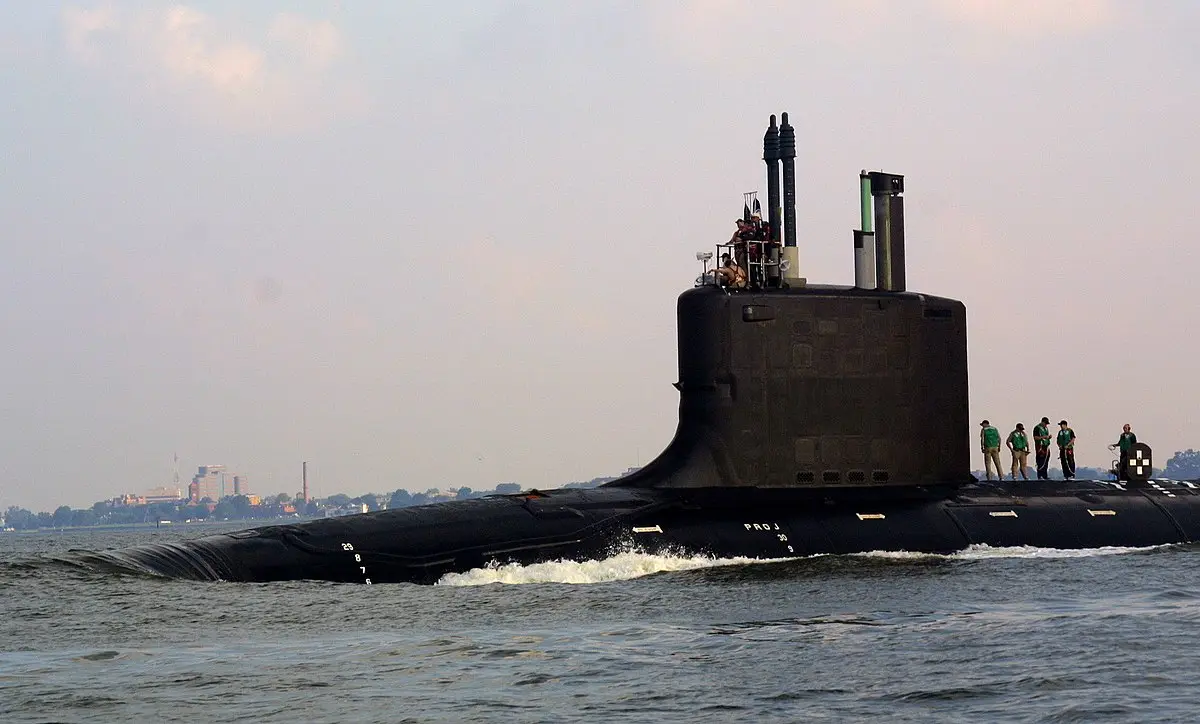
US Virginia class: precision and versatility
Since 2004, the Virginia-class attack submarines (SSNs) have offered the US Navy a versatile and deadly undersea tool. Unlike ballistic missile subs, these are built to track enemy submarines, gather intelligence and deliver land strikes. Block V variants will add a payload module capable of launching up to 40 Tomahawk cruise missiles, greatly expanding strike power. Equally effective in deep ocean or near-shore waters, they provide a flexible, modern edge.
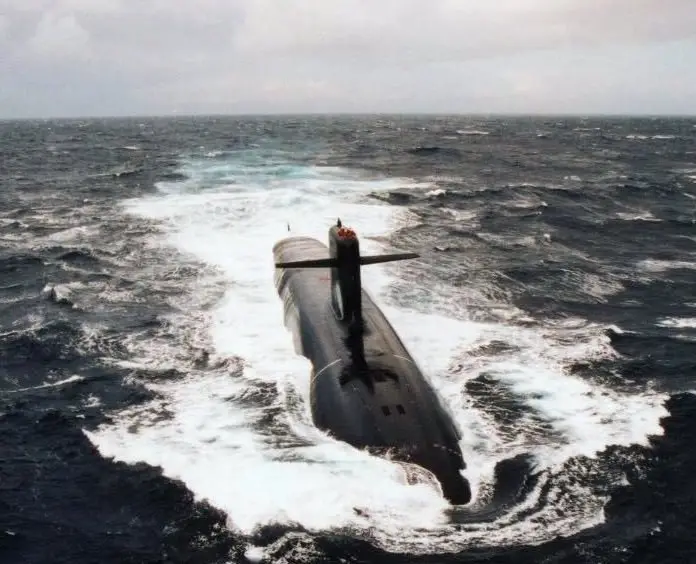
France’s Triomphant class: discreet yet devastating
Launched from 1997 onwards, the Triomphant-class SSBNs underpin France’s sea-based nuclear deterrent. Each of the four submarines carries 16 M51 ballistic missiles, offering extended range and precision. Advanced acoustic quieting helps them patrol silently across the Atlantic and beyond, making detection unlikely. Their role is to guarantee that France retains an independent, survivable and instantly lethal nuclear response.
)
)
)
)
)