Inside NASA’s next lunar visors: Why are they important and how they protect astronauts from deadly glare and dust?

NASA’s Artemis III astronauts, due to land on the Moon in 2027, will wear these specialised visors co-designed by Oakley and Axiom Space.
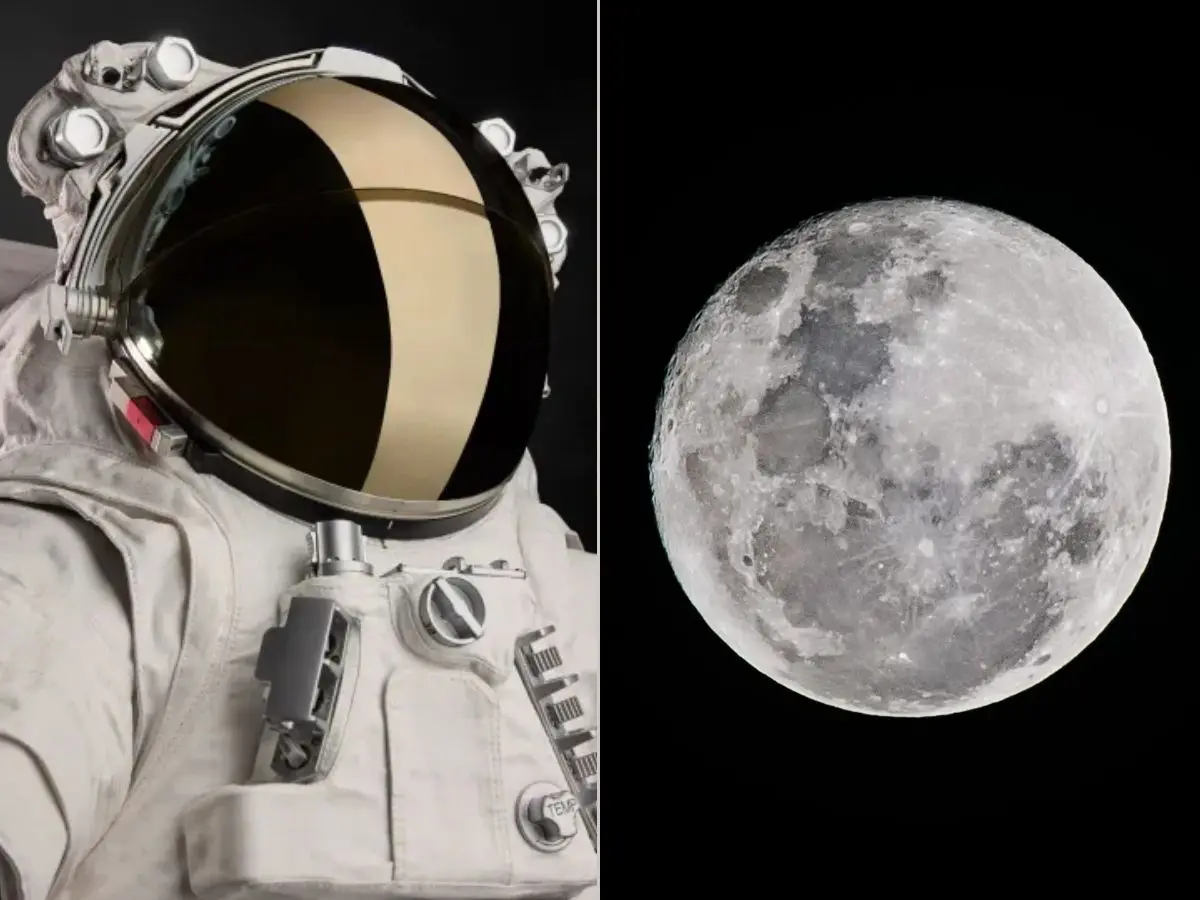
Visors as Lifesavers on the Moon
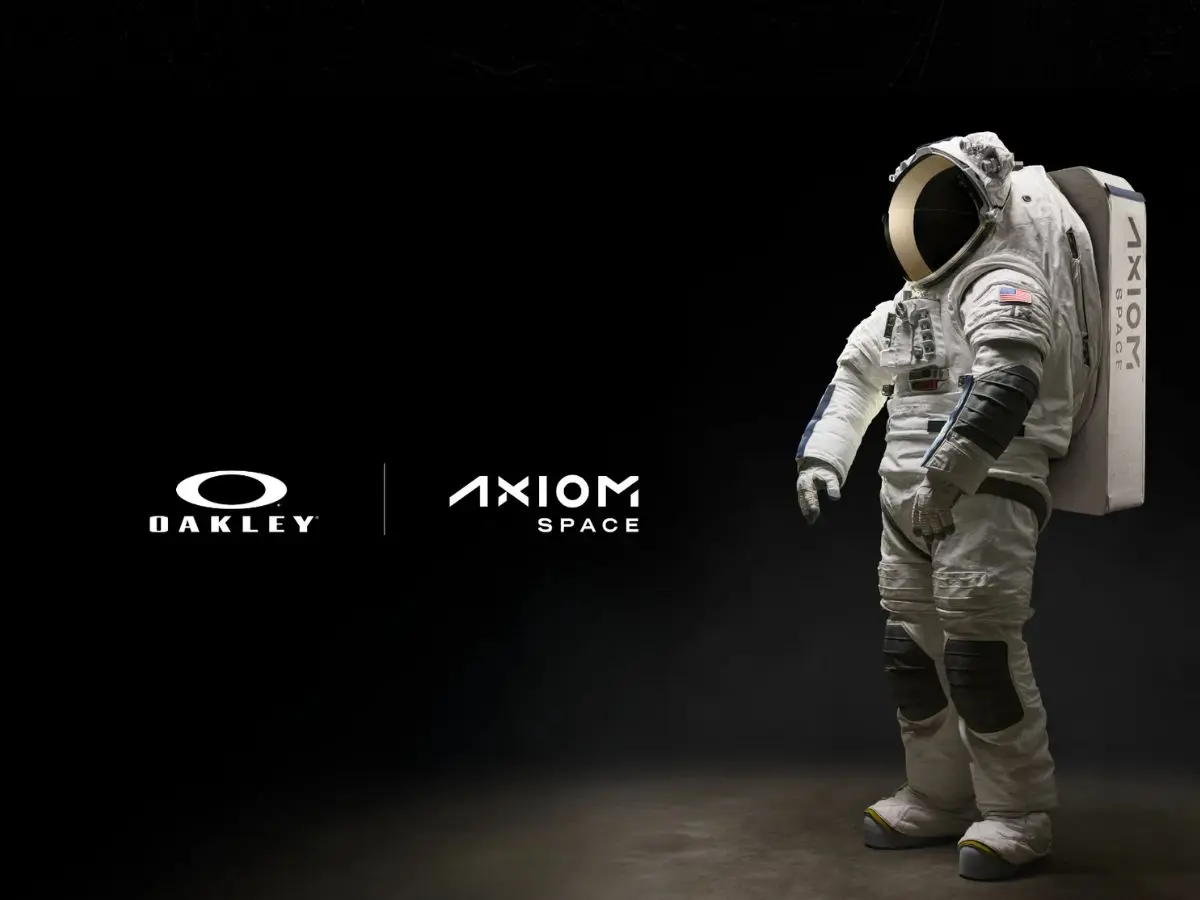
As part of Oakley’s 50th Anniversary celebrations at its 'Interplanetary Headquarters,' Oakley and Axiom Space have formally announced their partnership to design the visor system for the Axiom Extravehicular Mobility Unit (AxEMU). Visors on lunar spacesuits are more than sunshields, they are engineered to protect astronauts from multiple hazards unique to the lunar environment. NASA’s Artemis III astronauts, due to land on the Moon in 2027, will wear these specialised visors co-designed by Oakley and Axiom Space.
Shielding Against Intense Solar Radiation
Unlike Earth, the Moon lacks a magnetic field and atmosphere to block harmful radiation. The visors’ gold coatings reflect ultraviolet and cosmic rays, reducing the risk of radiation exposure to astronauts’ eyes and facial skin. This is critical at the Moon’s surface, where solar radiation is unfiltered and intense.
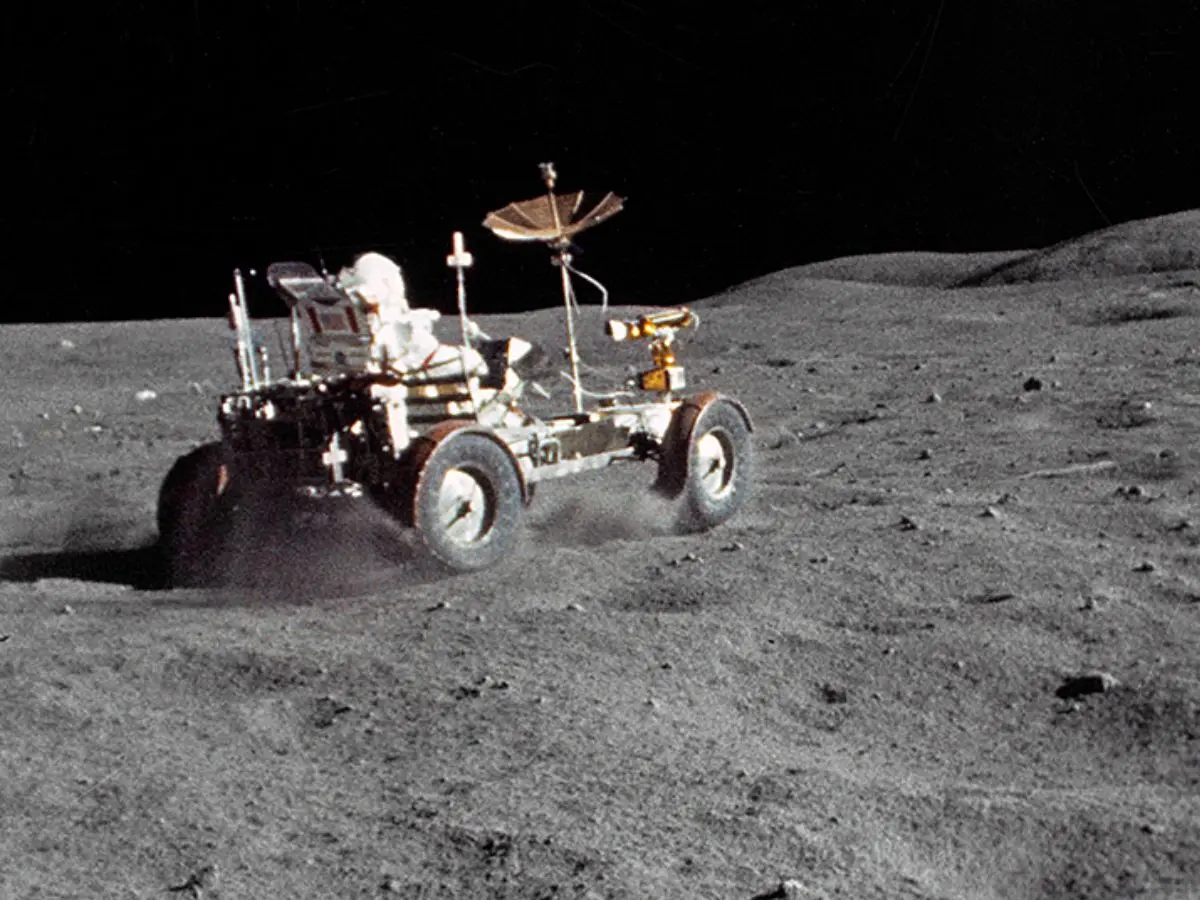
Combatting Lunar Glare and Preserving Visibility
The Moon’s regolith reflects sunlight sharply, creating harsh glare. The visor’s optical coatings balance light transmission to ensure astronauts can see both brightly lit and shadowed areas clearly. Oakley’s experience in sports eyewear contributes to these anti-glare and clarity-enhancing features.

Protection from Micrometeoroids and Abrasive Dust
The lunar surface is strewn with sharp, abrasive dust that can scratch and cloud a visor. Lunar visors use durable polycarbonate materials and anti-scratch coatings to maintain optical clarity. They also shield astronauts from micrometeoroids travelling at high velocities, a constant hazard on the Moon.
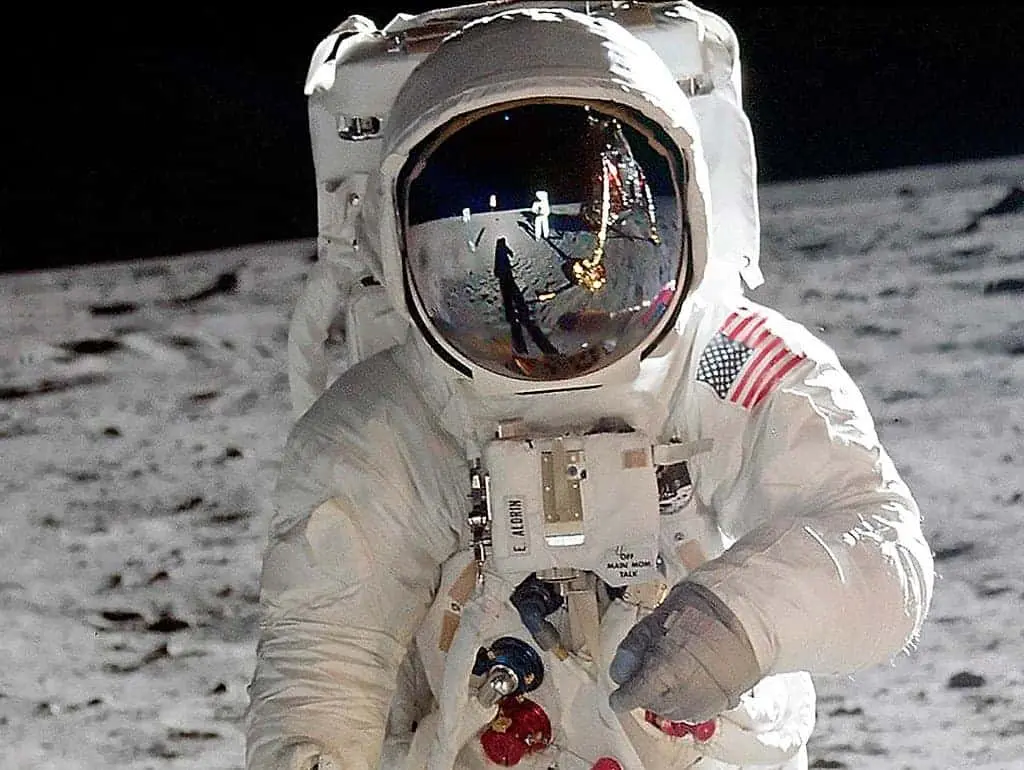
Managing Temperature Extremes
Lunar temperatures swing from over +120°C in sunlight to -130°C in shadow. The visor design helps manage these extremes by reflecting heat and insulating the astronaut’s face. This contributes to keeping the helmet’s internal environment stable for life support systems.
Designed for Communication and Comfort
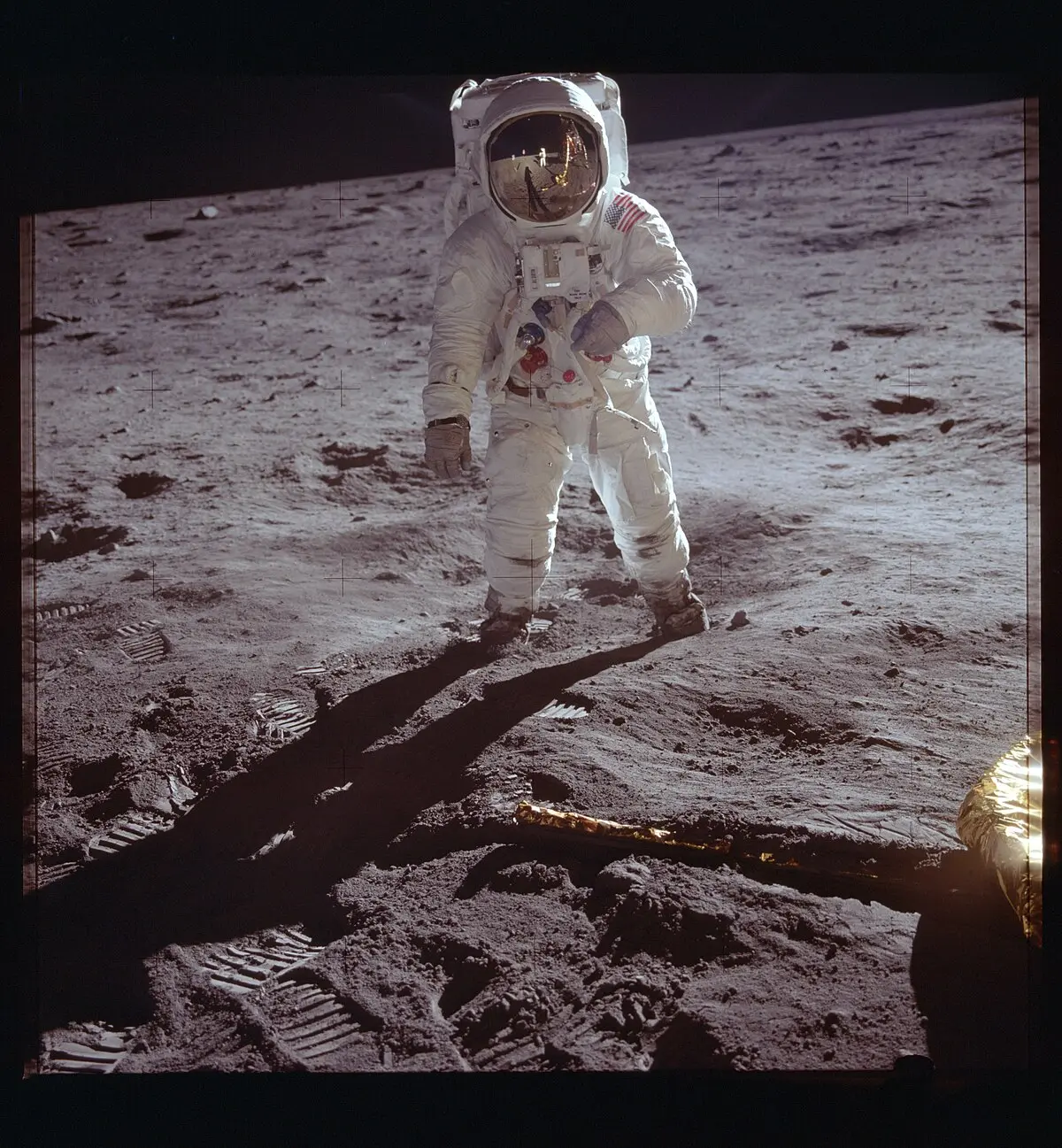
Visors work alongside helmet microphones and quick-swap protective layers. Artemis helmets feature an elliptical design for a better downward view, essential for surface work. A small foam block even lets astronauts scratch an itch without removing the helmet.
What the New AxEMU Visor Will Feature
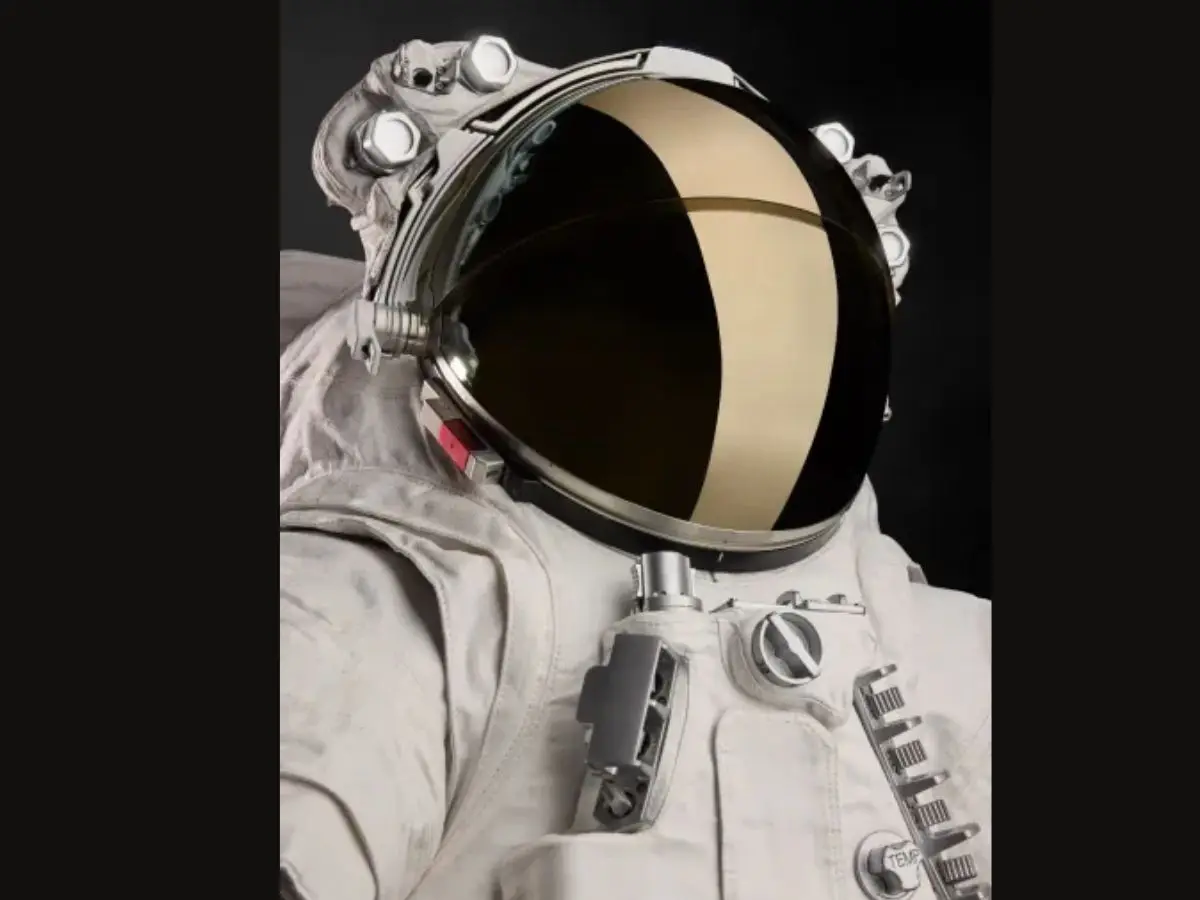
The new AxEMU visor system is designed for the visually demanding lunar environment and brings together several advanced features. It incorporates a two-part deployable visor that slides and stows seamlessly, allowing astronauts to adjust protection as needed. A gold coating with high reflectivity shields the wearer from intense sunlight and harmful radiation. The visor’s tuned visible light transmittance is engineered to enhance visibility, even under the harsh glare of direct solar exposure or in deep shadow. To maintain optical clarity, the system reduces haze and includes scratch-resistant and multilayer coatings to protect against the abrasive lunar dust. Finally, a secondary helmet bubble adds an extra layer of defence, helping block ultraviolet radiation and preventing fine regolith particles from compromising the astronaut’s field of vision.
Designed for the Lunar Challenge
Light bends differently in space; shadows fall deeper and glare can be blinding. The Oakley–Axiom visor technology aims to keep astronauts protected and fully aware of their surroundings , a critical step forward as NASA returns to the Moon for the Artemis III mission, the first lunar landing since 1972.
)
)
)
)
)