Inside Indian Railways’ shift to AC motors: How modern locomotives get their power

Three-phase AC motors enable regenerative braking, where braking energy is fed back to the overhead grid. Routes like the Delhi–Howrah and Delhi–Mumbai sections have high train density, allowing regenerated power to be consumed by nearby locomotives.
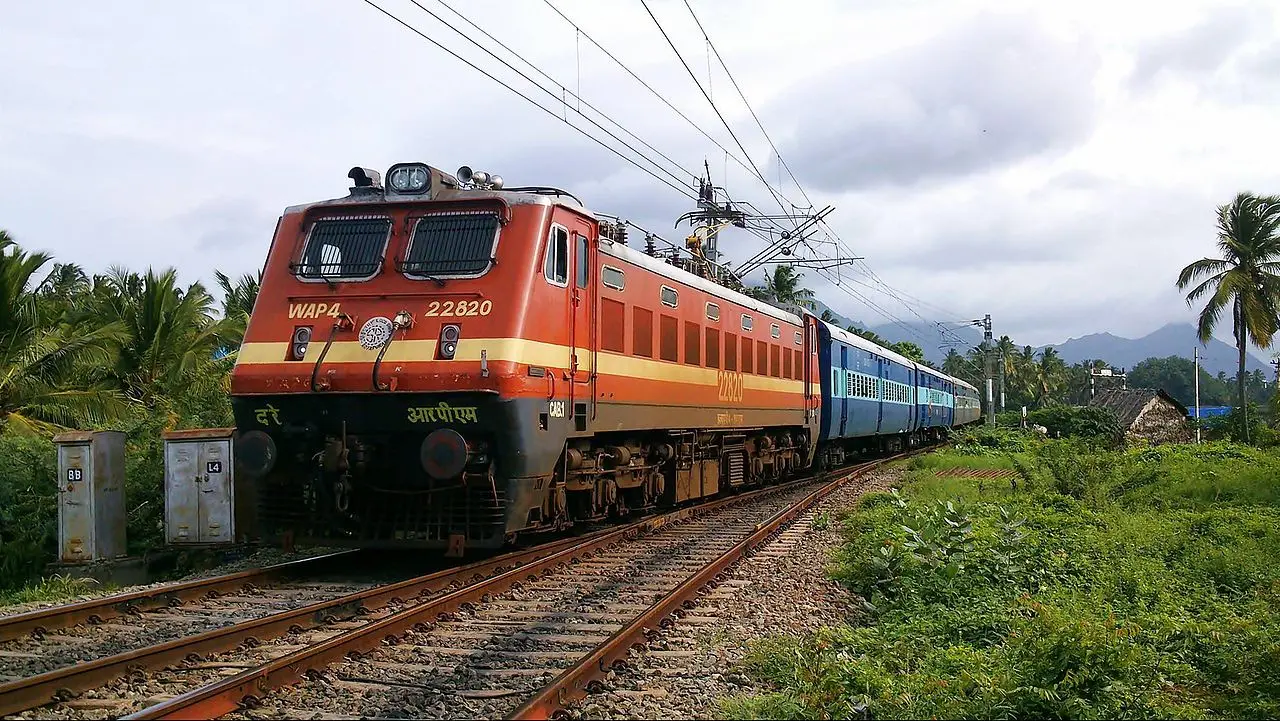
1. Indian Railways Shifted to AC Traction for Efficiency and Standardisation
Indian Railways began transitioning from DC to AC traction in the 1990s. Most modern locomotives, including WAP-5, WAP-7, WAG-9, and the Vande Bharat’s traction system, use three-phase AC induction motors. AC traction replaced older DC systems to reduce transmission losses, standardise equipment, and improve reliability across mixed terrain and weather conditions.
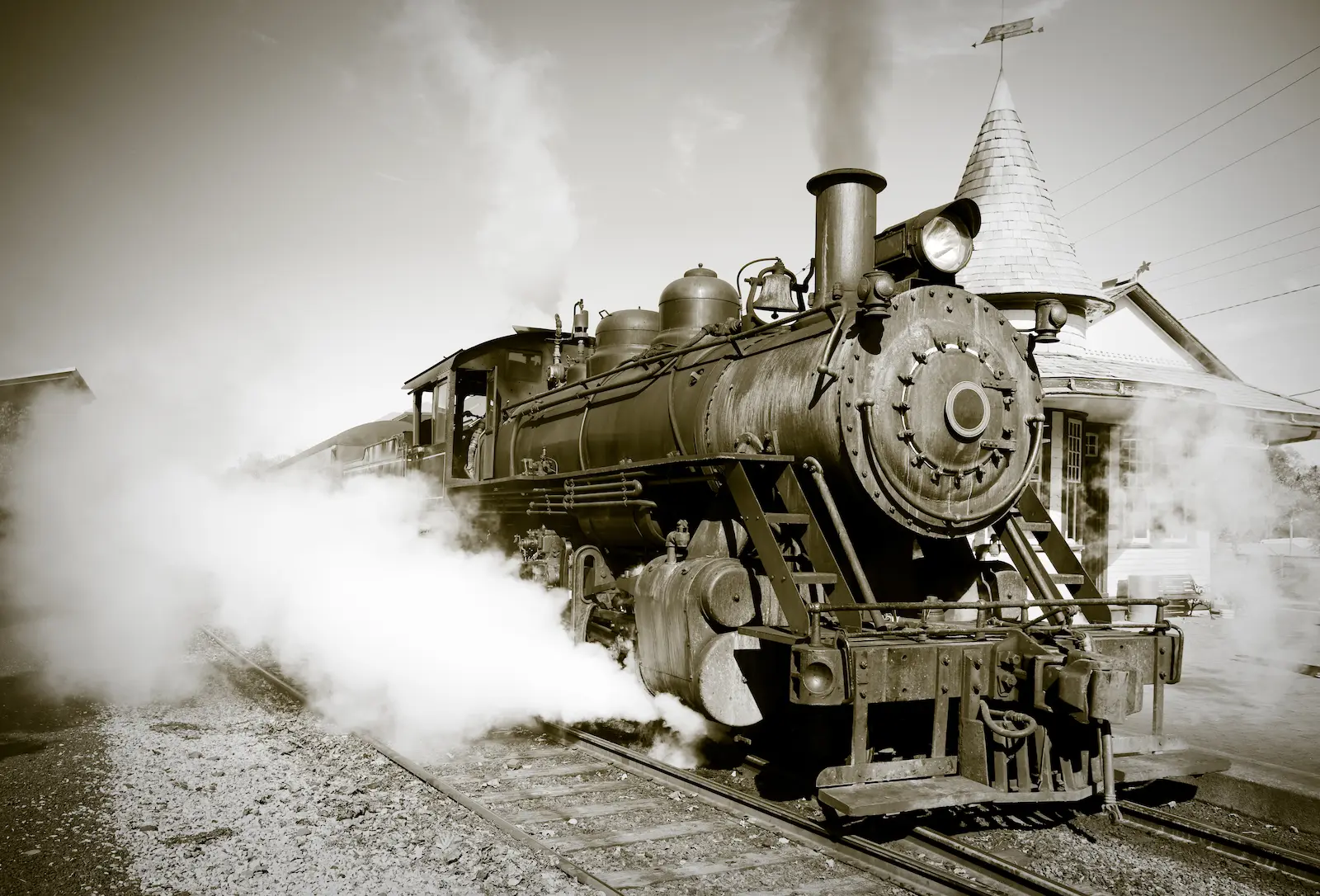
2. AC Motors Work Better With India’s 25 kV Overhead Electrification
India’s entire high-density railway route is electrified using 25 kV single-phase AC overhead lines, a global standard for long-distance rail. AC motors integrate directly with this power supply after conversion through transformers and inverters. This eliminates the complexity of converting AC to DC for older motors and allows uniform infrastructure across the national network.
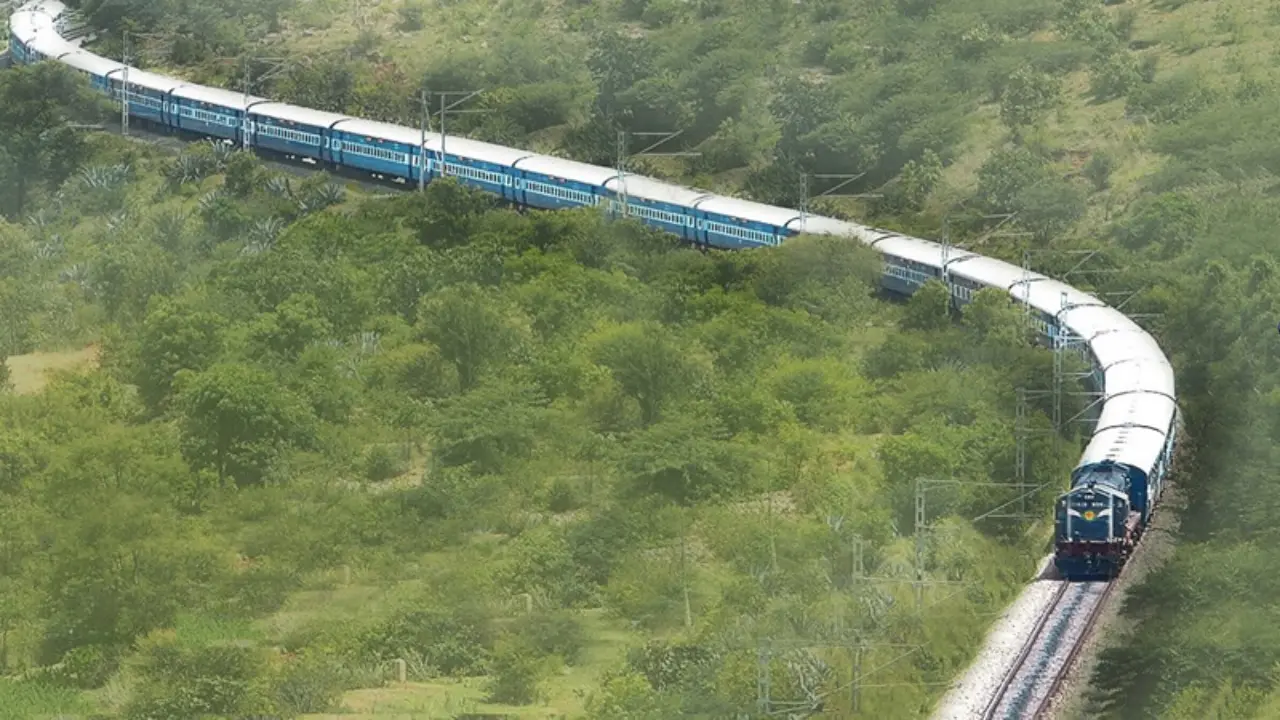
3. Regenerative Braking in AC Motors Saves Energy on Dense Routes
Three-phase AC motors enable regenerative braking, where braking energy is fed back to the overhead grid. Routes like the Delhi–Howrah and Delhi–Mumbai sections have high train density, allowing regenerated power to be consumed by nearby locomotives. This lowers traction energy consumption and reduces overall system load.
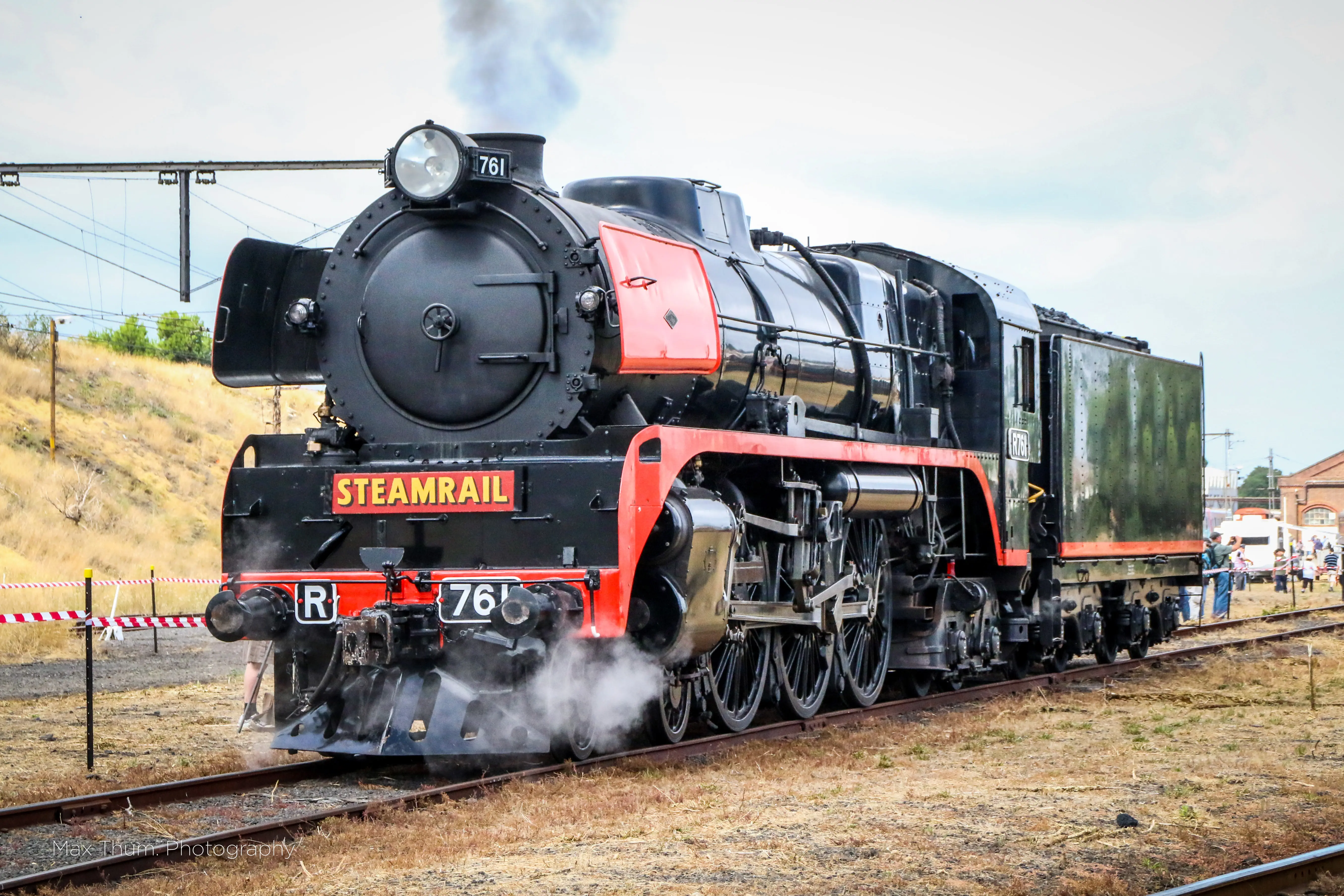
4. AC Traction Handles Heavy Freight and High-Speed Operations
India’s freight trains (like 12,000+ HP WAG-12B locomotives on Dedicated Freight Corridors) require high torque at low speeds. AC induction motors can deliver constant tractive effort across a wide speed range. At the same time, passenger locomotives like WAP-7 maintain stable high-speed output. This flexibility makes AC traction suitable for both heavy-haul and fast intercity services.
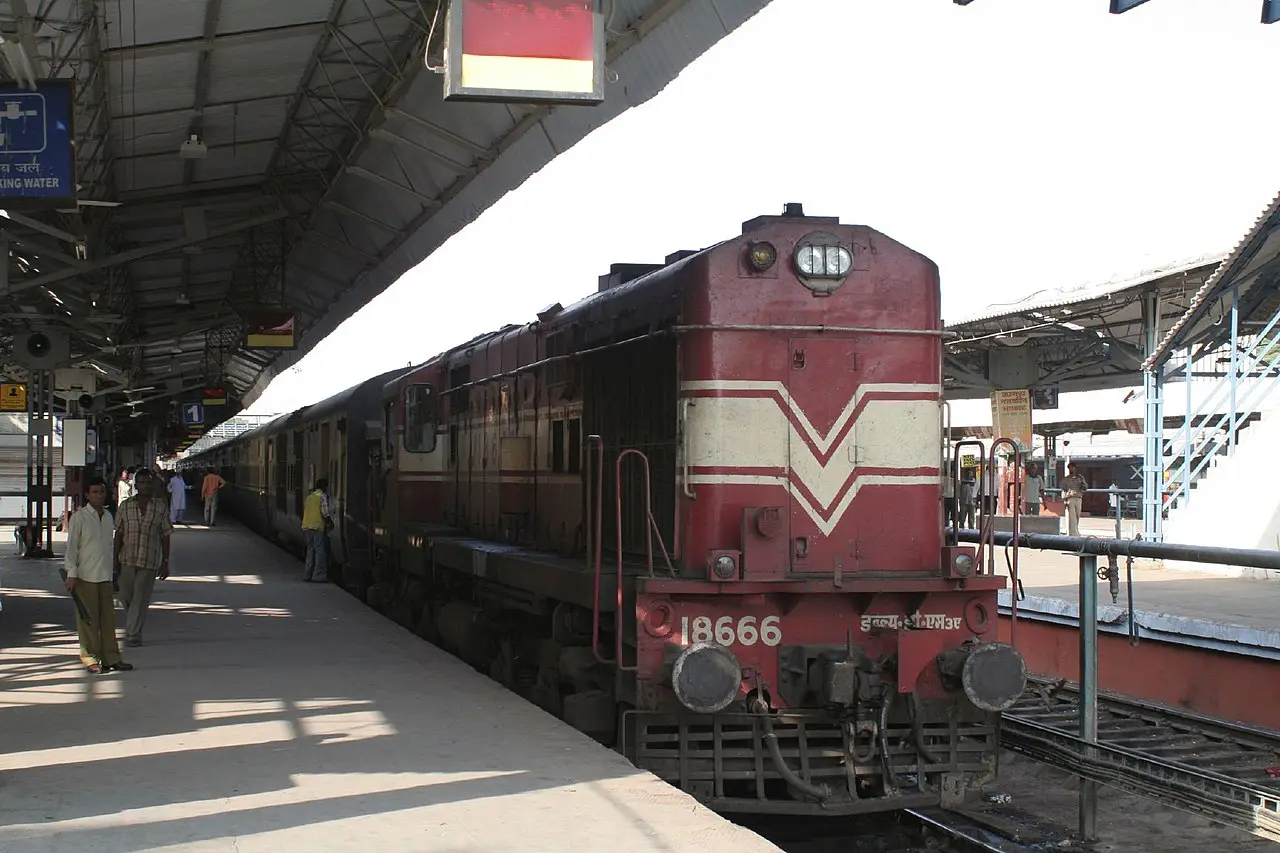
5. Electronic Inverters Control Speed Precisely Without Mechanical Wear
Modern locomotives use IGBT-based inverters to convert overhead AC to variable-frequency AC for the motors. This allows precise control of speed and torque without mechanical contractors or rheostats used in older DC locomotives. Fewer moving parts reduce wear, simplify maintenance, and improve uptime, critical on high-traffic Indian corridors.
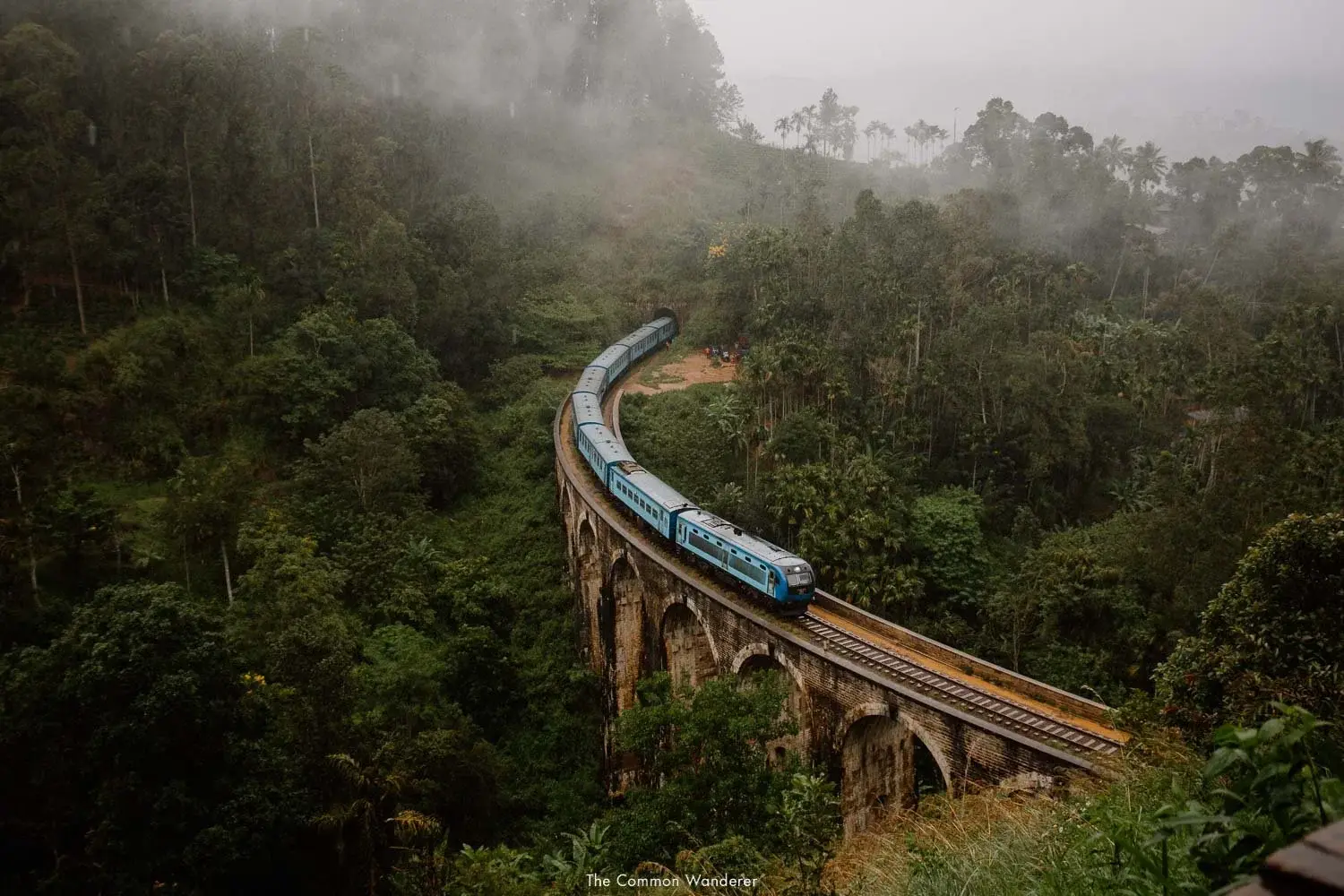
6. AC Motors Tolerate Rough Operating Conditions Better
India’s network spans dust-prone, humid, coastal, and high-temperature regions. AC induction motors have no brushes or commutators, making them more suitable for such environments. They require fewer replacements and are less vulnerable to carbon dust buildup and arcing, issues common in DC traction motors.
7. Local Manufacturing Made AC Traction Economically Viable
Once Indian Railways began domestic manufacturing of AC traction equipment, at CLW, DLW, and through Alstom’s Madhepura plant costs reduced significantly. Indigenous production of traction motors, transformers, and IGBT converters enabled large-scale deployment of AC locomotives, lowering import dependence and enabling fleet standardisation.
)
)
)
)
)