Inside F-15IA: What makes Israel’s new fighter jets unique? Know capacity, speed & range

The Defence Ministry of Israel has announced on Sunday (May 3) that it has approved a multi-billion-dollar deal of F-35 multi-role stealth fighters from Lockheed Martin and F-15IA warplanes from Boeing to strengthen air superiority amid ongoing tensions in the region.
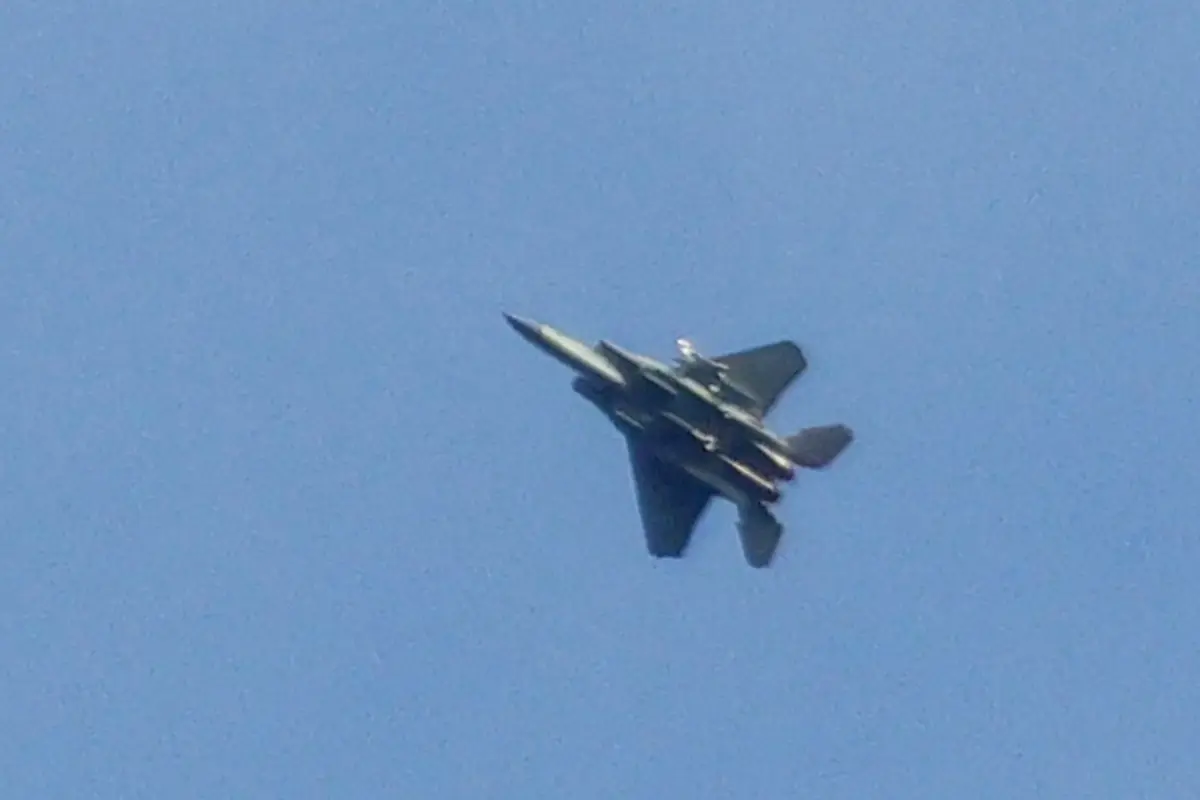
F-15IA warplanes
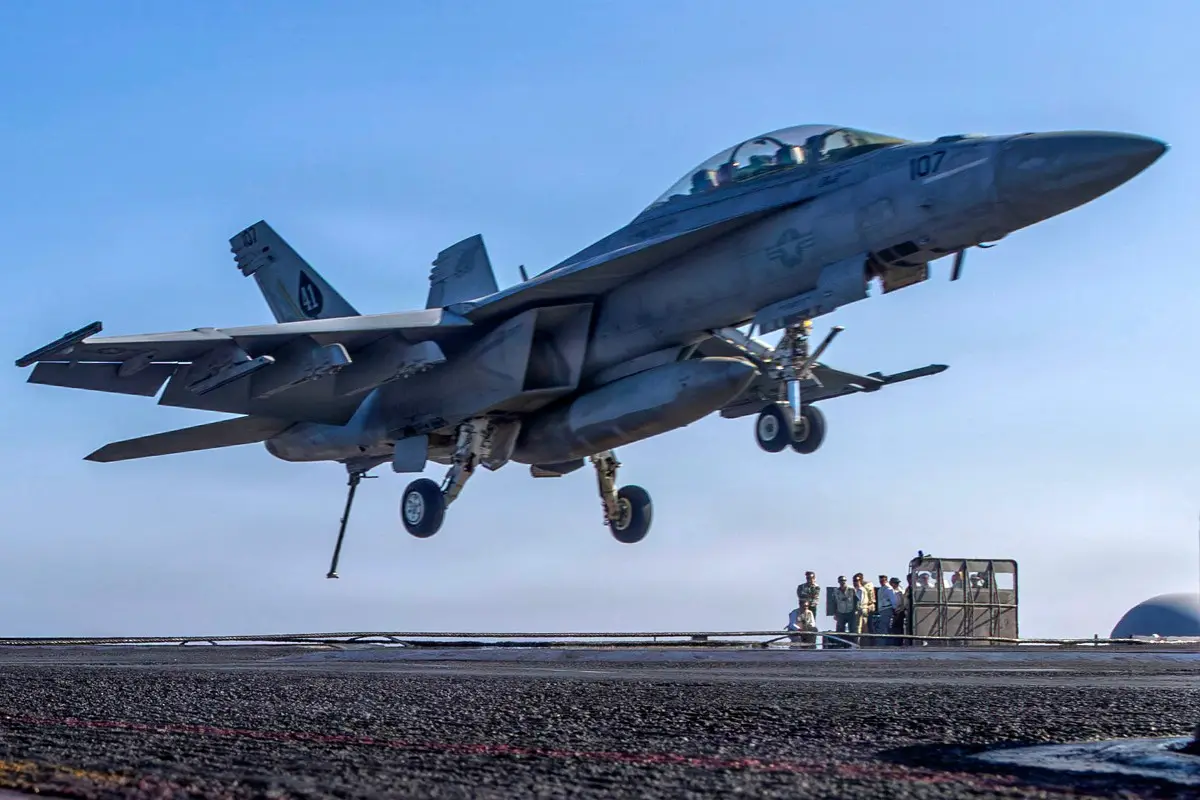
The F-15IA "heavyweight" warplanes from Boeing are a customised variant of the American F-15EX Eagle II, specifically engineered to meet the unique operational requirements of the Israeli Air Force (IAF). Here is an in-depth look at what makes the F-15IA unique across different areas.

1. Advanced "Sovereign" Customisation
Unlike standard export models, the F-15IA is built with "sovereign" mission systems. While it mirrors the F-15EX's high-performance frame, the "I" designation signifies that the jet is optimised for Israeli-specific specifications. This includes the deep integration of indigenous avionics, proprietary electronic warfare suites, and specialized sensors that allow the IAF to maintain its qualitative military edge in the Middle East. It also integrates Israeli-made Python 5 air-to-air missiles and Delilah cruise missiles.
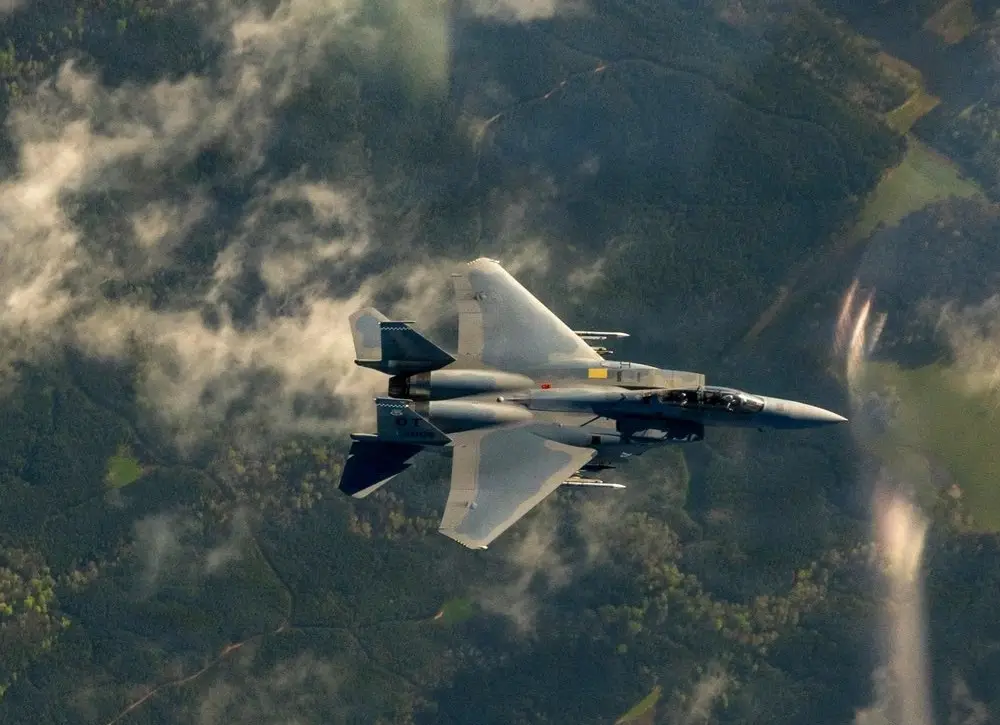
2. The "Missile Truck" Payload Capacity and Speed
One of the most distinct features of the F-15IA is its massive carrying capacity, which far exceeds that of stealth fighters like the F-35. It is designed as a "missile truck" capable of ferrying over 13,300 kg (29,500 lbs) of munitions. This allows it to carry outsized weaponry and large-volume missile barrages that are physically too big to fit in internal stealth bays. It is also capable of speeds up to Mach 2.5 with a high payload capacity of roughly 13,381 kg.
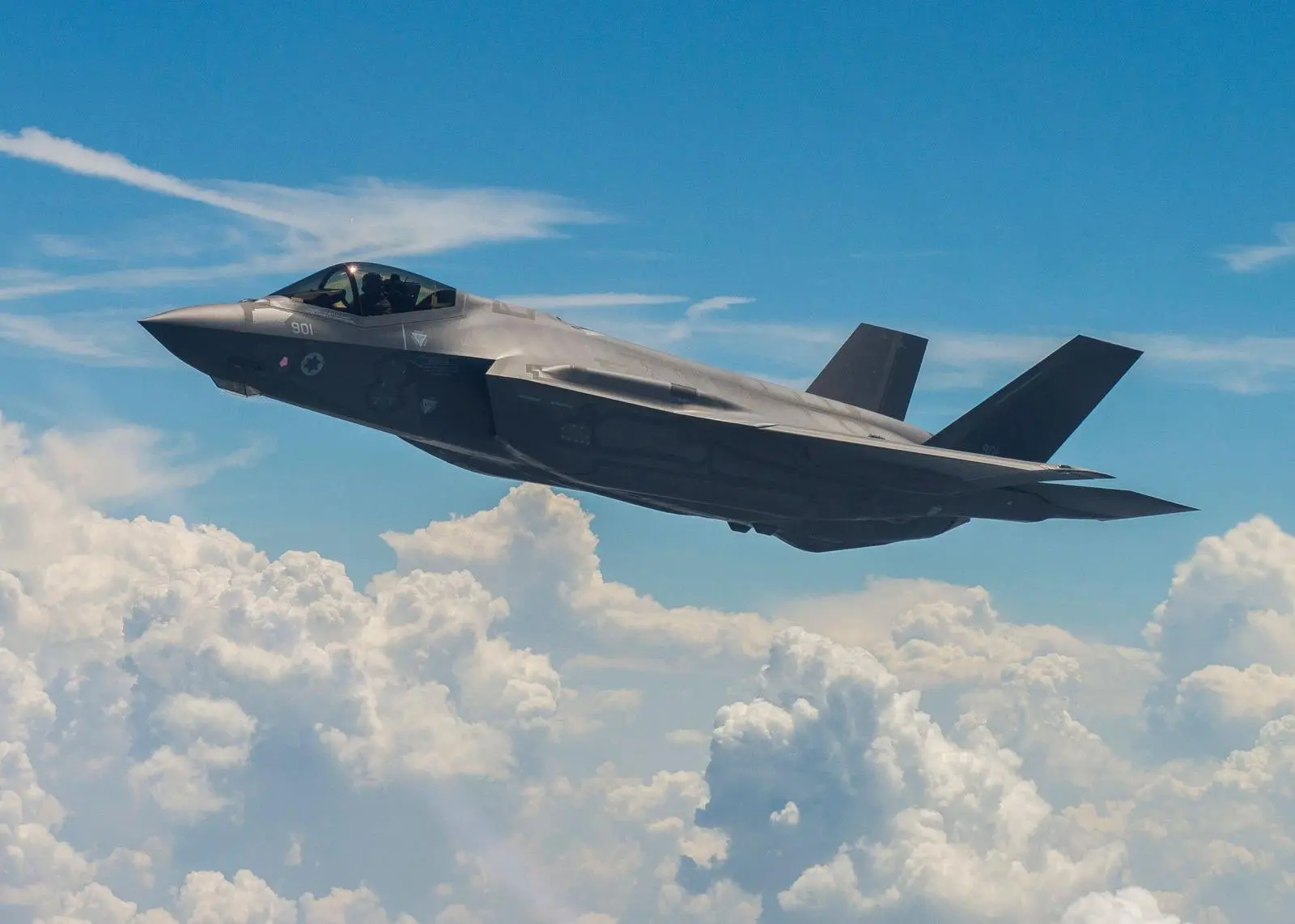
3. Extended Strategic Reach
The F-15IA is built for "depth attacks," meaning missions far from Israeli borders, such as those targeting distant locales in Iran or Yemen. It features large conformal fuel tanks (CFT) that are mounted to the outside of the engine air intakes. These tanks provide significantly more fuel without occupying the hardpoints needed for weaponry, enabling a ferry range of approximately 12,000 nautical miles.
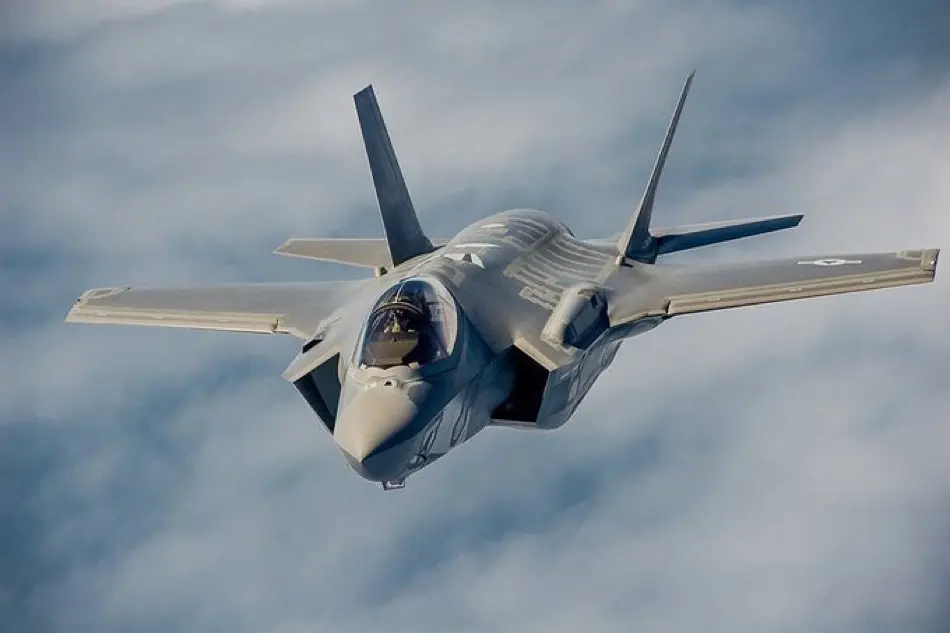
4. Digital Backbone and Fly-by-Wire
The "IA" variant introduces a complete digital transformation of the legacy F-15 airframe. It features digital fly-by-wire controls, which replace traditional mechanical linkages with electronic ones, significantly improving flight performance and stability. The jet also includes an all-glass digital cockpit and advanced AESA radar (AN/APG-82(V)1), which is currently the most powerful of its kind. The advanced cockpit, it features modern mission systems, software, and helmet-mounted displays for 360-degree situational awareness. In addition, its open mission systems architecture allows for fast insertion of new sensors and software as threats evolve.
5. Unprecedented Longevity and Durability
While fifth-generation fighters like the F-35 are designed for roughly 8,000 flight hours, the F-15IA is engineered for an extraordinary service life of over 20,000 hours. This makes it a highly cost-effective, long-term investment, as the aircraft can remain in service well into the 2070s. Its design allows it to undergo continuous hardware and software upgrades without requiring a completely new airframe.
)
)
)
)
)