IndiGo’s flight chaos: How flight cancellations affected ticket prices nationwide

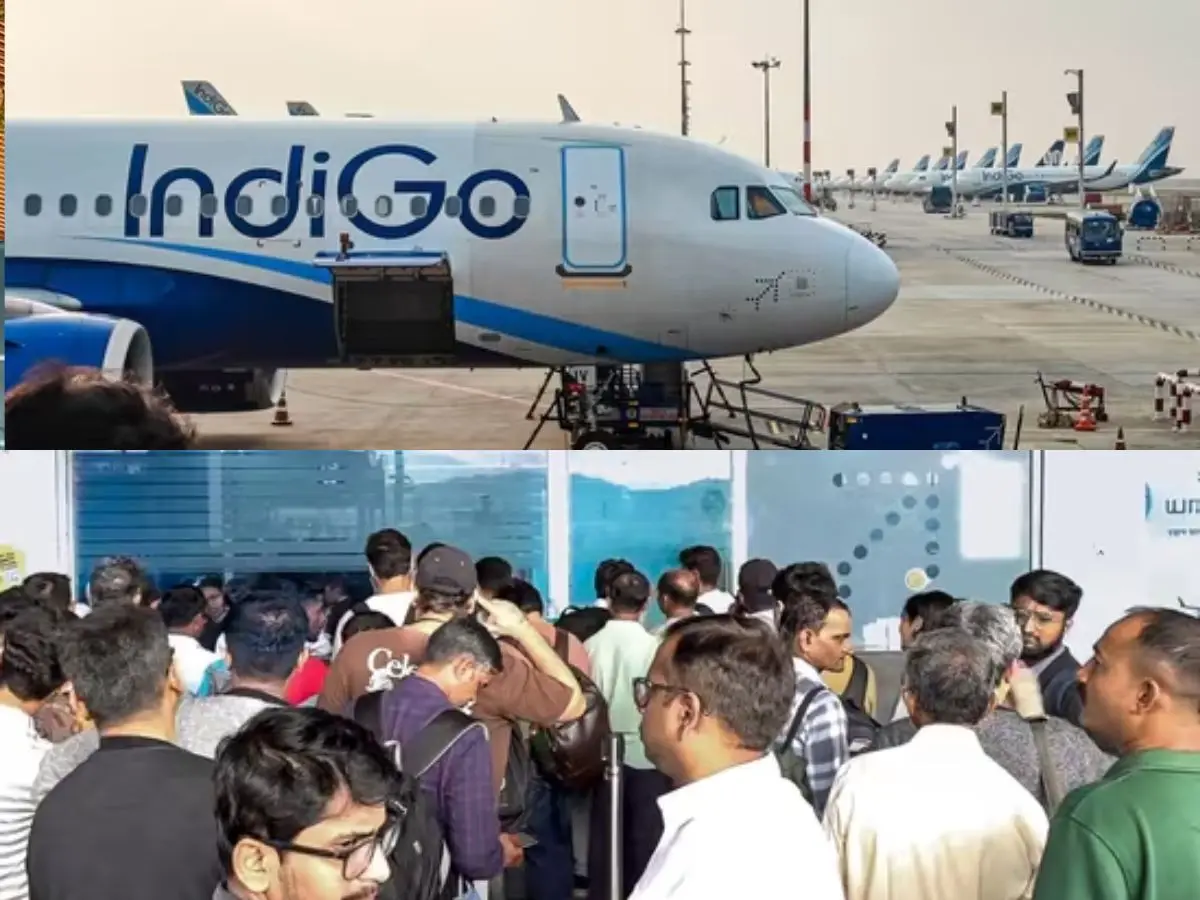
IndiGo's 1,000 flight cancellations triggered 4-9x fare increases nationwide. Delhi-Mumbai hit RS 48,972, regional routes Rs 90,000. 64 per cent market concentration left just 36 per cent competing capacity. Government imposed fare caps Dec 5. Prices easing by Dec 15.
IndiGo's Market Dominance Left No Escape Route for Passengers
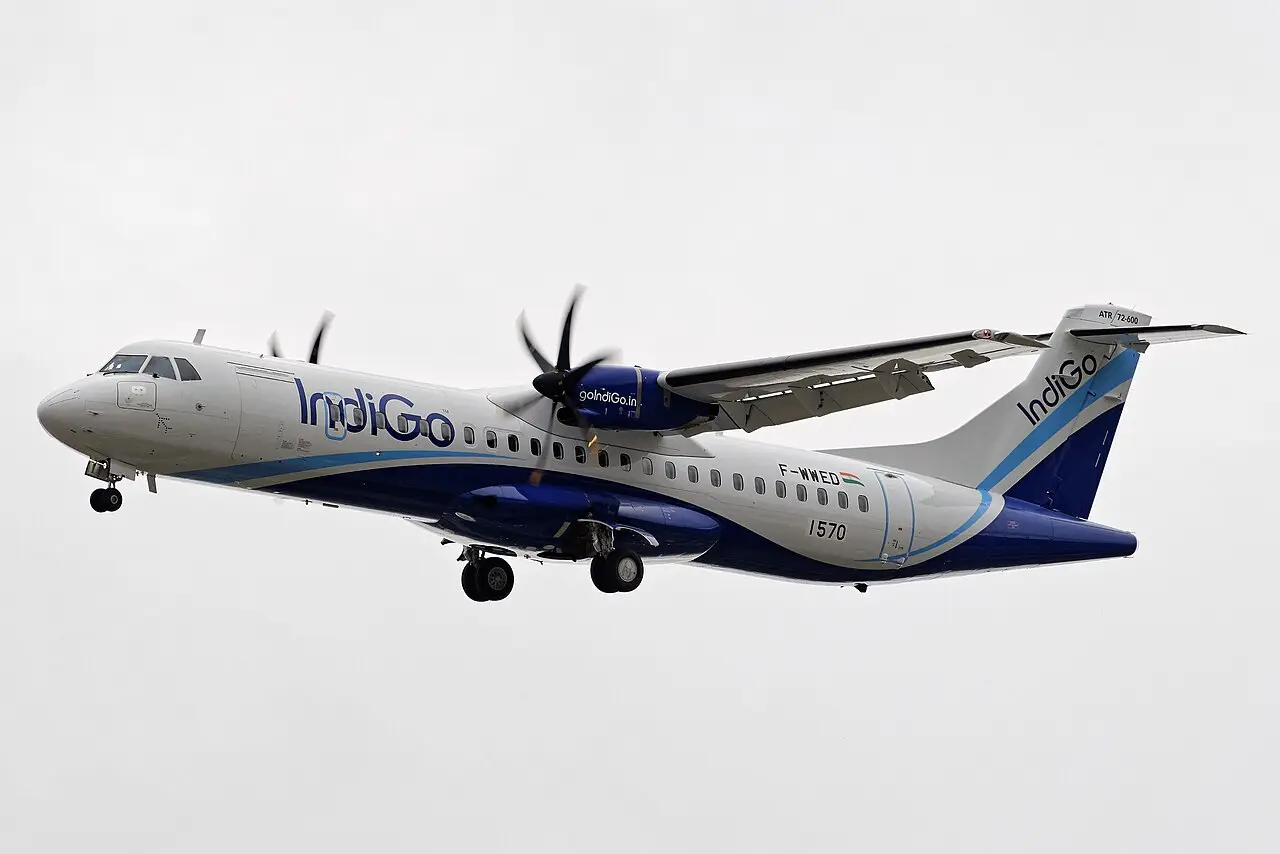
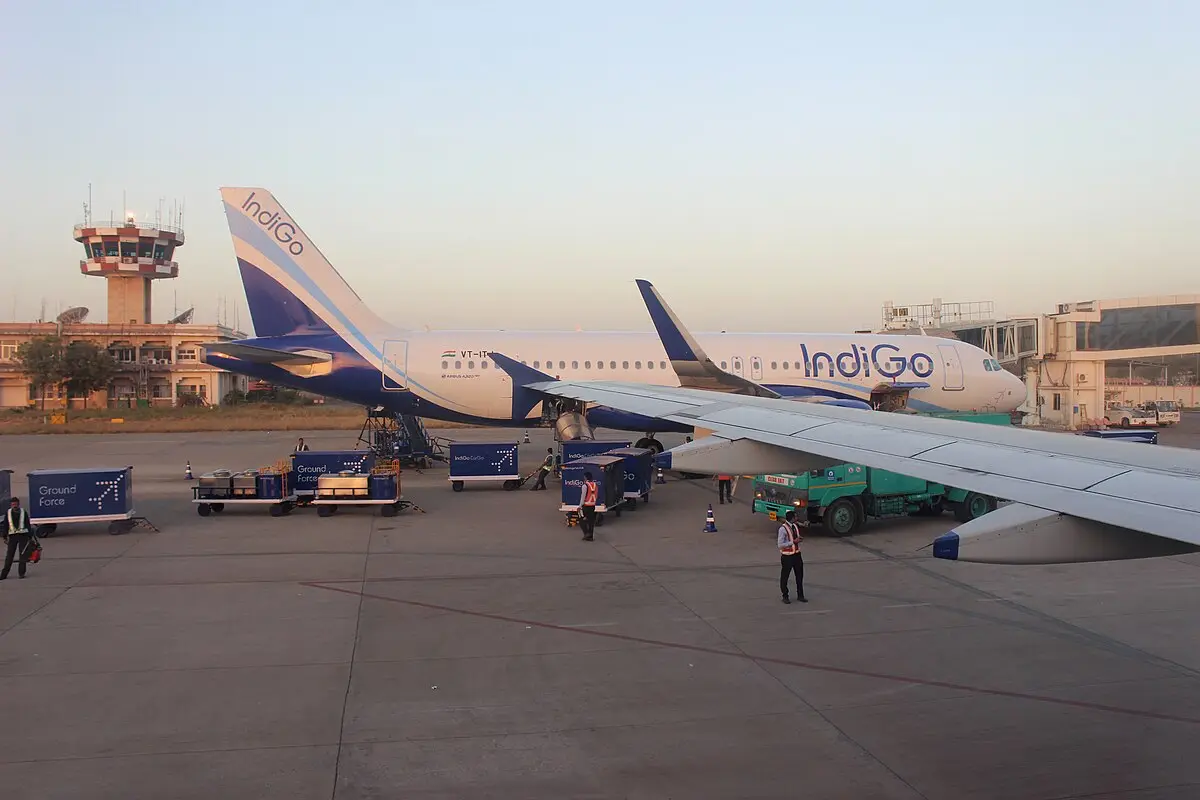
IndiGo holds 64 per cent of India's domestic market, leaving competing airlines with just 36 per cent combined capacity. When over 1,000 flights cancelled, stranded passengers had nowhere else to go. Air India and competing carriers controlled insufficient seats to rebook massive passenger volumes. This market concentration meant supply could not meet diverted demand, triggering sharp price increases.
Delhi-Mumbai Route - From Rs 5,000 to Rs 48,972 in Hours
Delhi-Mumbai flights normally cost Rs 5,000 to Rs 7,000 for economy seats. Non-stop Air India tickets jumped to Rs 38,376 - Rs 48,972 range within hours. One-stop connections reached Rs 49,585 - Rs 65,460 on the same route. Every available seat sold out as desperate passengers accepted higher fares.
Bengaluru-Kolkata and Regional Routes Show Steeper Multiplications
Bengaluru-Kolkata flights jumped from Rs 3,000 - Rs 4,000 to Rs 20,000 - Rs 23,000 per ticket. Chennai-Delhi routes reached Rs 90,000 for one-way travel. Kolkata-Mumbai SpiceJet tickets hit Rs 90,000 one way. Regional airports experienced sharper increases than major metros due to limited alternatives.
Government Recognises Market Failure, Imposes Fare Caps
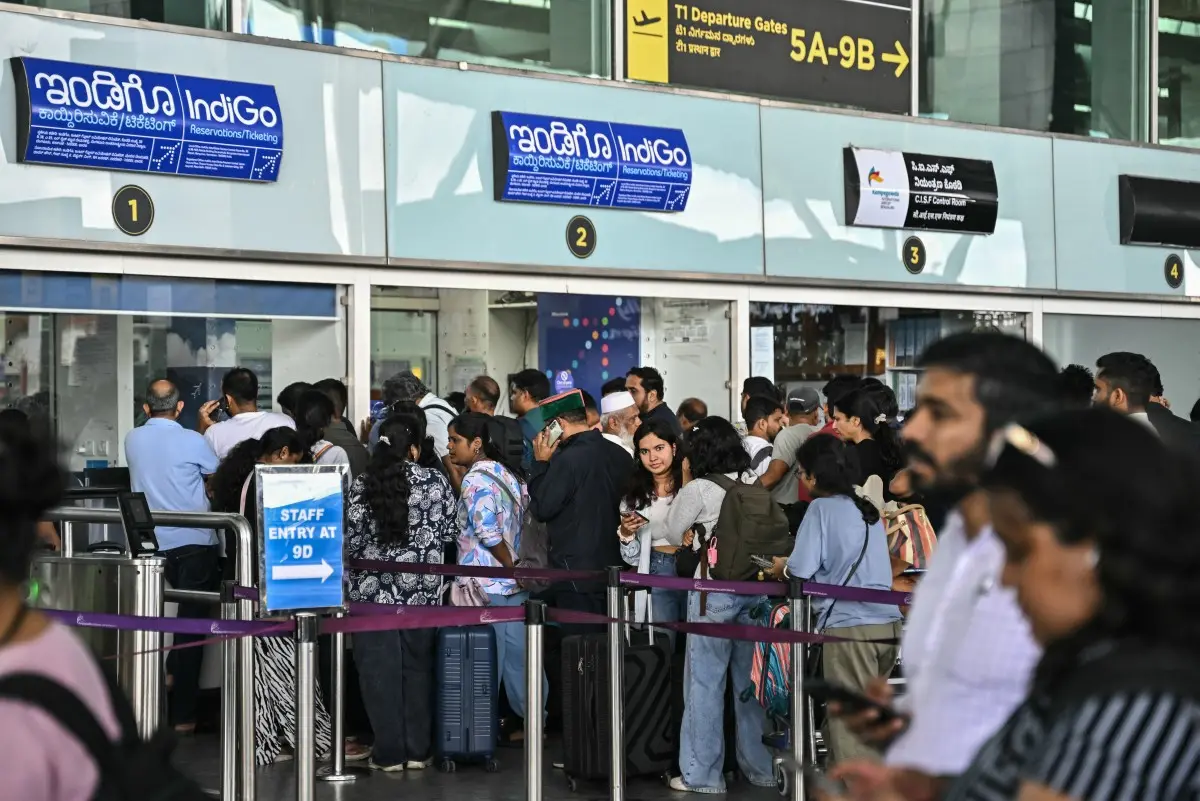
Airlines' pricing systems automatically increase fares when demand exceeds available capacity. With zero cheaper seats remaining, passengers had no choice but accept higher prices. Competing airlines showed identical price increases across similar routes. Market mechanics alone created what government termed "opportunistic pricing".
Government Recognises Market Failure, Imposes Fare Caps
The Ministry of Civil Aviation issued emergency fare caps on December 5. Caps applied retrospectively to December 4 covering crisis peak period. Government warned airlines of "immediate corrective action" for violations. Air India and Air India Express voluntarily capped non-stop economy fares before mandate.
Udaipur-Delhi Jumps to ₹26,406 From Normal ₹6,000 Rate
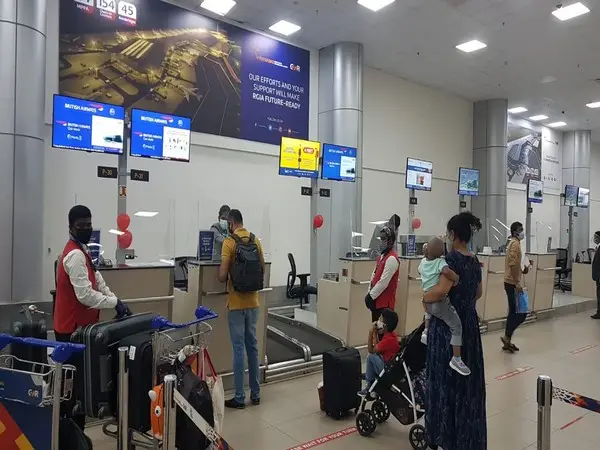
Udaipur-Delhi economy tickets ranged Rs 15,367 - Rs 26,406 versus normal Rs 6,000 fares. Shorter routes showed steeper multiplications than major corridors due to fewer alternatives. Regional passengers faced maximum financial burden during crisis period. Tier-2 and tier-3 city travellers experienced disproportionate price impacts.
Fares Begin Easing as IndiGo Stabilisation Expected by December 15
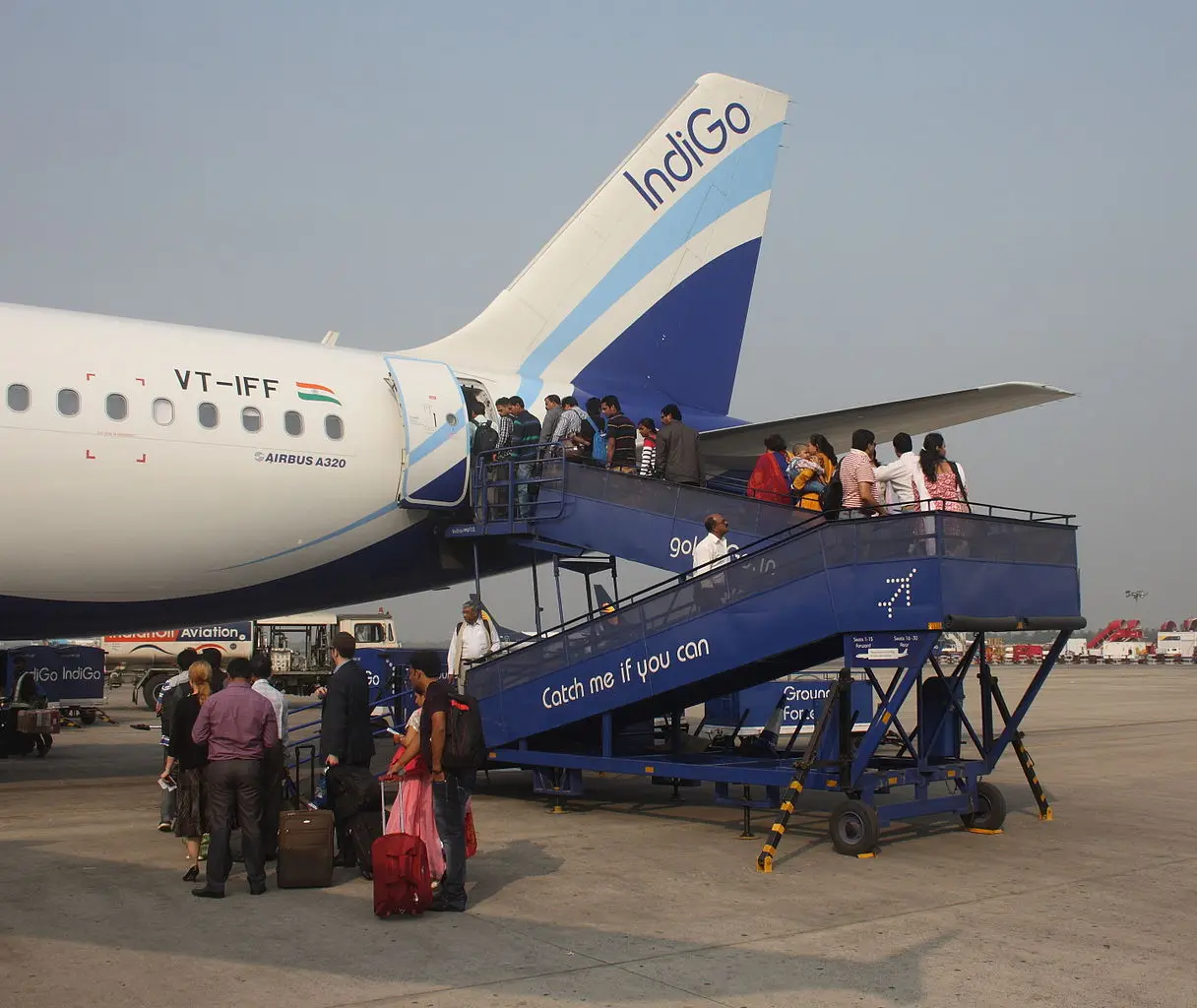
Mumbai-Bengaluru fares began returning to the Rs 3,500 - Rs 5,700 normal range. IndiGo expects full operational normalisation between December 10-15, 2025. Once capacity restored, competitive pricing will resume normal market dynamics. Passengers booking mid-December travel should see pricing relief and normalisation.
)
)
)
)
)