IndiGo’s flight chaos: How Delhi, Mumbai and Bengaluru became the worst hit

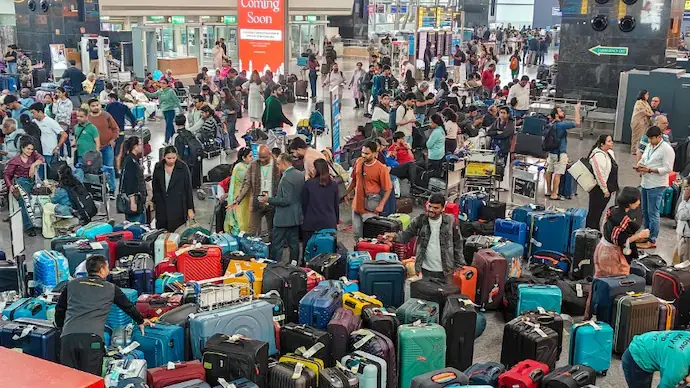
IndiGo's crisis gripped three major hubs: Delhi cancelled all 235 departures, Bengaluru 124 flights, Mumbai 109. Overcrowded terminals, long queues, insufficient seating marked airport scenes. Operations expected to normalise December 10-15.
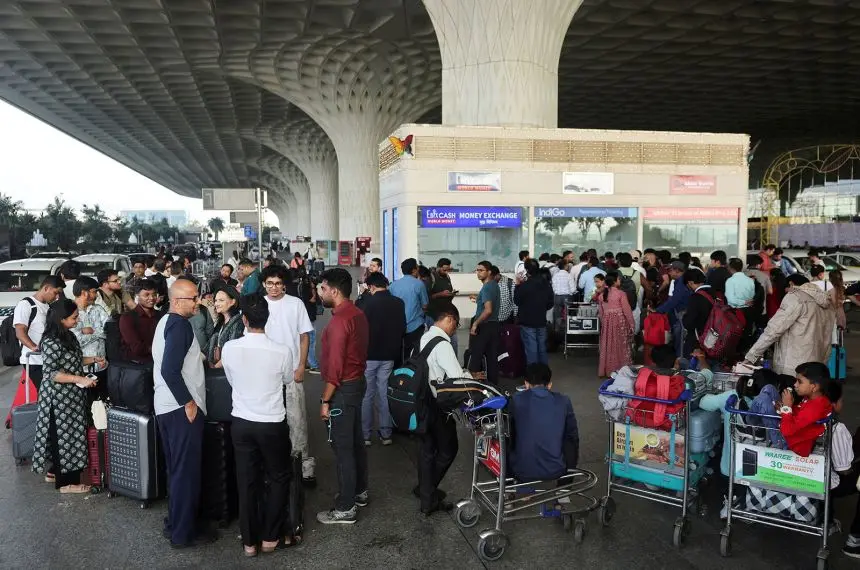
Delhi - All 235 Departures Cancelled
Delhi's Indira Gandhi International Airport experienced worst disruption when all IndiGo departures were cancelled on December 5. Approximately 235 flights grounded in single day created unprecedented chaos. Delhi became the biggest flashpoint nationwide with massive passenger queues forming across terminals. Passengers reported lack of information, insufficient seating, and helpless airline staff. The situation escalated through day with no clarity on rebooking timeline. Delhi airport issued emergency advisories urging passengers to avoid unnecessary travel.
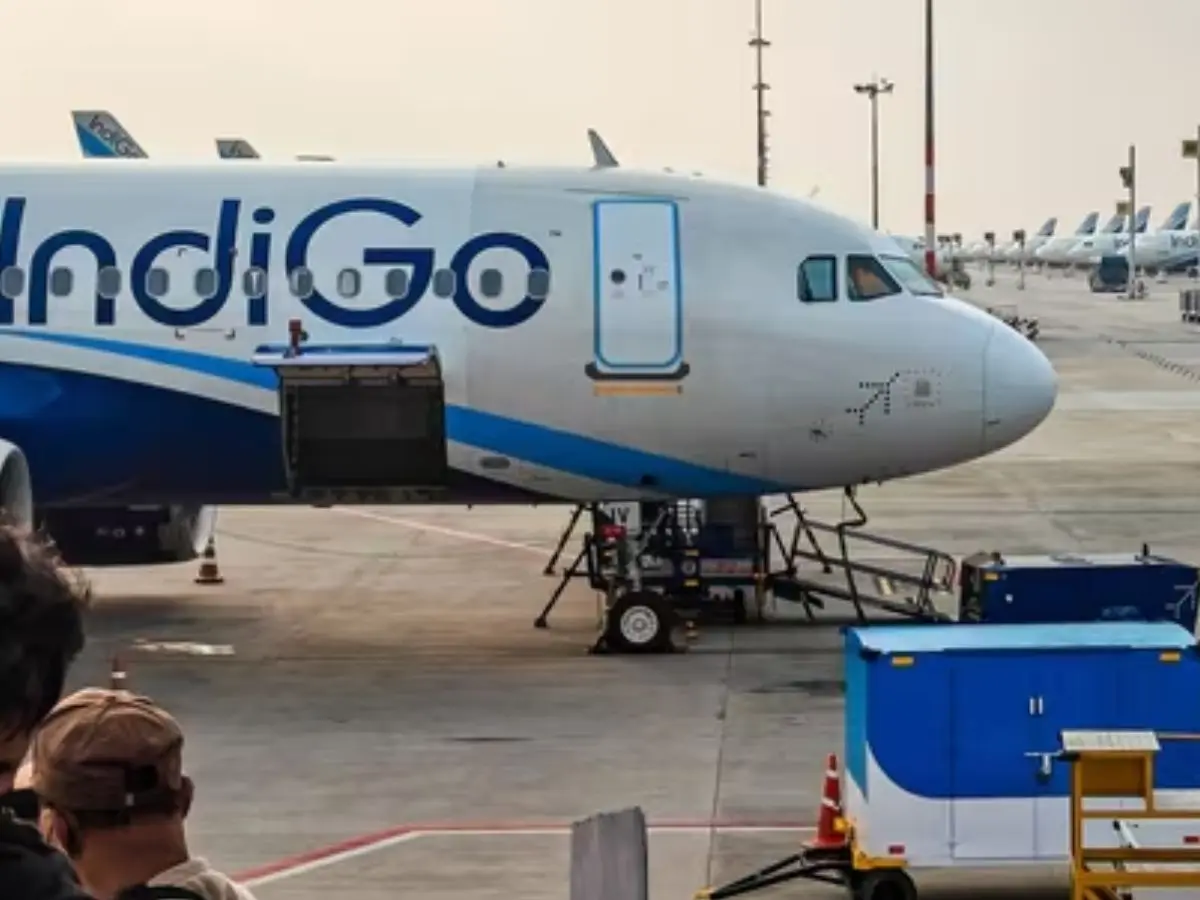
Kempegowda Airport Cancels 63 Departures and 61 Arrivals on December 6
Bengaluru became the worst-hit airport on December 6 with 124 total cancellations. The breakdown showed 63 departures and 61 inbound flights grounded. Earlier on December 4, Bengaluru had reported 70-73 cancellations with 40 outbound and 30 inbound flights affected. Kempegowda International Airport's limited backup capacity meant no alternative arrangements possible. Passengers faced severe crowding as competing airlines could not absorb diverted demand. Regional connectivity suffered as branch routes were worst-impacted.
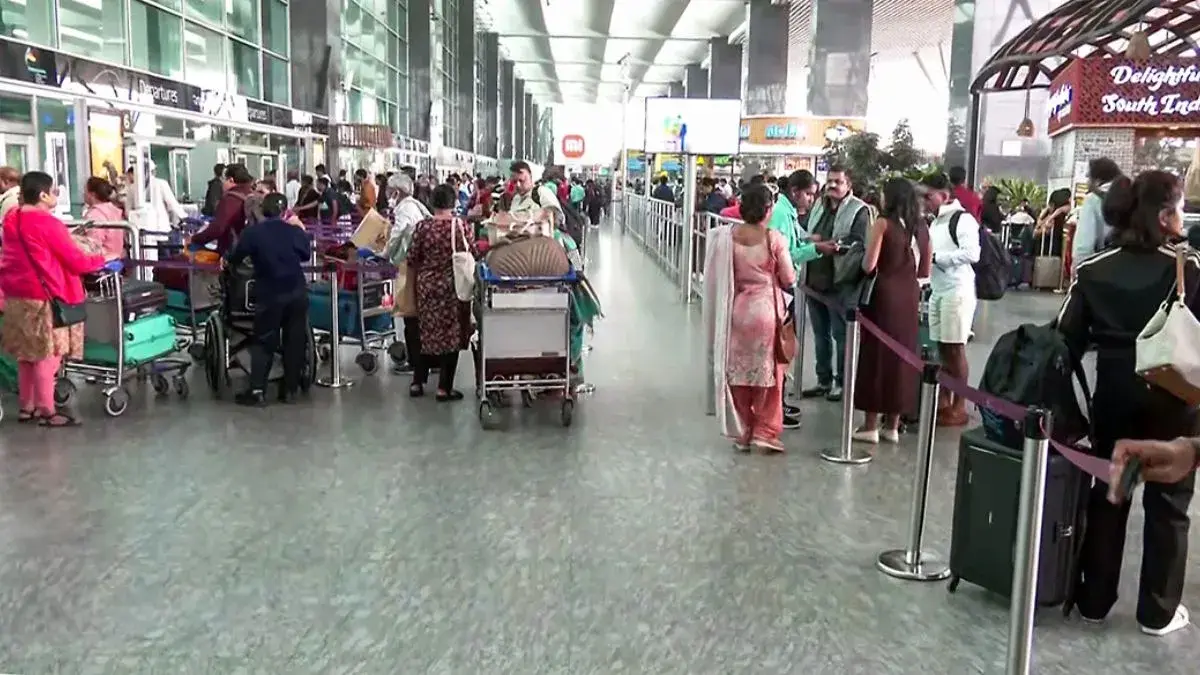
Chhatrapati Shivaji Maharaj Airport Reports 109 Flight Cancellations
Mumbai's Chhatrapati Shivaji Maharaj International Airport recorded 109 IndiGo cancellations on December 6. Earlier reports on December 4 showed 104-109 cancellations across the day. Mumbai passengers reported long delays and limited clarity on rebooking options. Terminal overcrowding reached critical levels with insufficient seating for thousands. Mumbai being major business hub meant corporate travellers faced severe disruption. Hotel availability became critical issue as stranded passengers needed overnight accommodation.
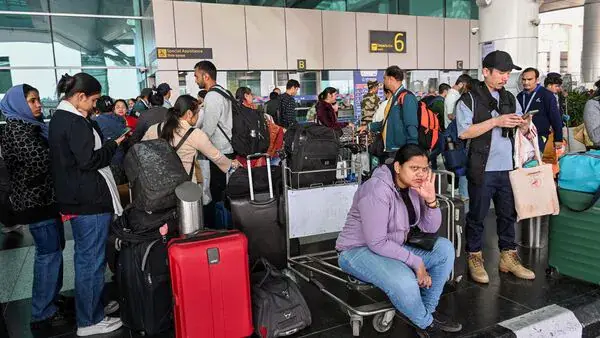
Why These Three Cities Were Worst Affected
These three metro airports handle largest share of India's domestic traffic. IndiGo operates 60% of India's domestic market, concentrated heavily at these three hubs. Combined Delhi-Mumbai-Bengaluru routes account for highest passenger volumes nationwide. Network structure means cascading delays at one hub affect others immediately. Limited international airport alternatives meant no overflow capacity existed. Loss of capacity at these three hubs compressed entire airline system.
Hyderabad and Pune - Secondary Hubs Also Severely Hit
Hyderabad airport recorded 66 IndiGo cancellations, making it fourth worst-affected city. Pune experienced around 40 flight cancellations despite being secondary hub. Ahmedabad reported 59 planned cancellations with 35 departures and 24 arrivals. Secondary cities showed worse proportional impact as they lack backup airlines. Passengers from tier-2 cities faced maximum financial and logistical burden. Limited rebooking options meant many passengers could not complete intended journeys.Hyderabad airport recorded 66 IndiGo cancellations, making it fourth worst-affected city. Pune experienced around 40 flight cancellations despite being secondary hub. Ahmedabad reported 59 planned cancellations with 35 departures and 24 arrivals. Secondary cities showed worse proportional impact as they lack backup airlines. Passengers from tier-2 cities faced maximum financial and logistical burden. Limited rebooking options meant many passengers could not complete intended journeys.
Passenger Queue Scenes Across Major Airport Terminals
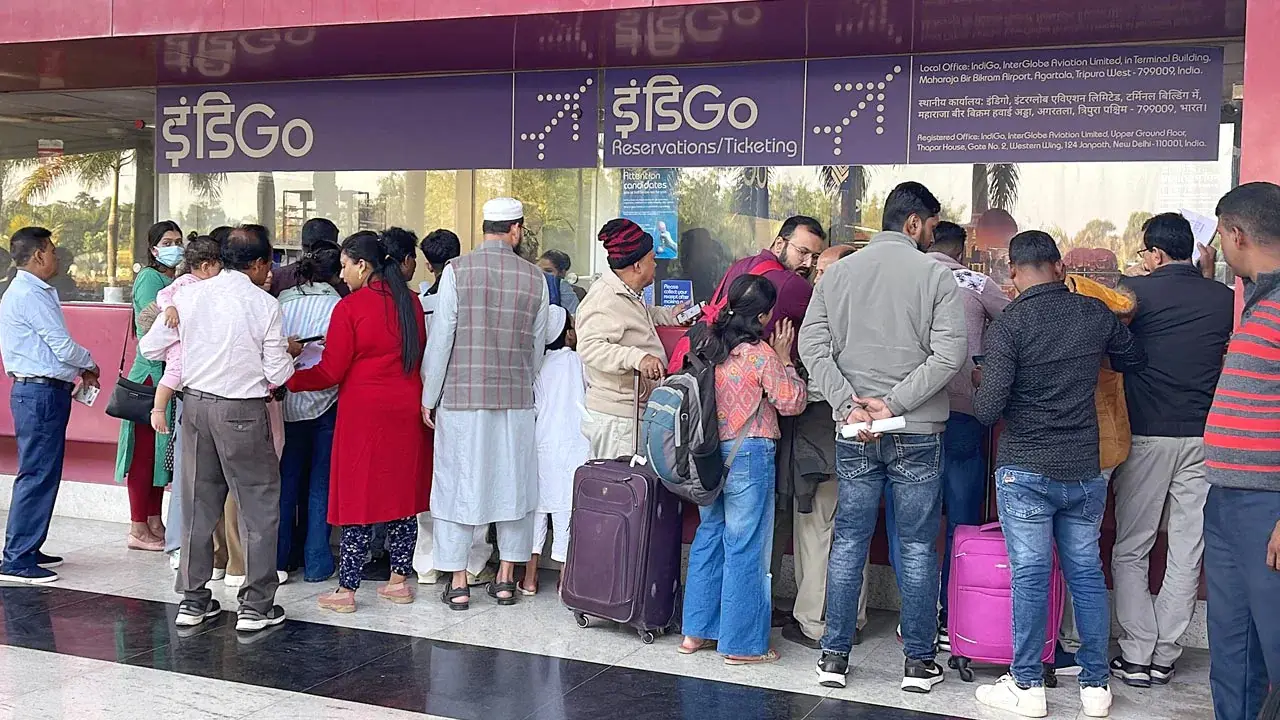
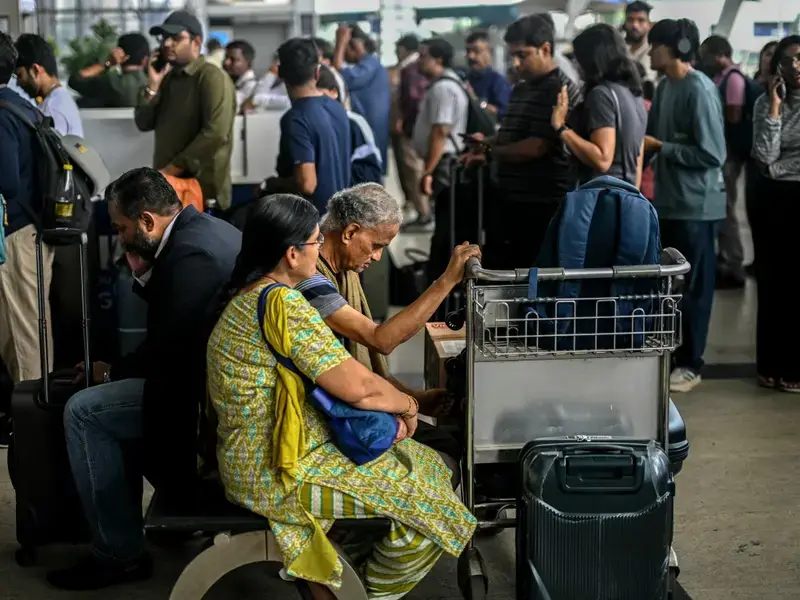
Videos from Delhi, Mumbai, and Bengaluru showed massive passenger queues at helpdesks. Long corridors filled with waiting passengers sitting on floors using newspapers as cushions. Ram Shankar Yadav, trapped at Pune airport with family attending wedding, reported insufficient seating. Angry passengers posted videos shouting slogans at airline counters across metros. Terminal congestion prevented social distancing and created health hazards. Airport authorities struggled to manage thousands converging simultaneously.
Cancellations Expected to Drop by December 10-15, Operations Normalising
IndiGo CEO Peter Elbers stated December 5 was most severely impacted day with 1,000-plus cancellations. Airline anticipated return to normal operations between December 10-15, 2025. On December 6, flight cancellations dropped below 850 from previous day's peak. Delhi airport reported gradual return to normalcy by weekend. Bengaluru, Mumbai, and other metros began showing slight improvements in schedule adherence. However, residual backlogs expected to persist through mid-December recovery period.
)
)
)
)
)