IndiGo flight chaos: Which DGCA rules has airline requested exemptions from?

The DGCA has acknowledged receiving IndiGo’s request for temporary exemptions but has not publicly confirmed granting any relief. The regulator is currently assessing whether exemptions would compromise safety or violate international standards.
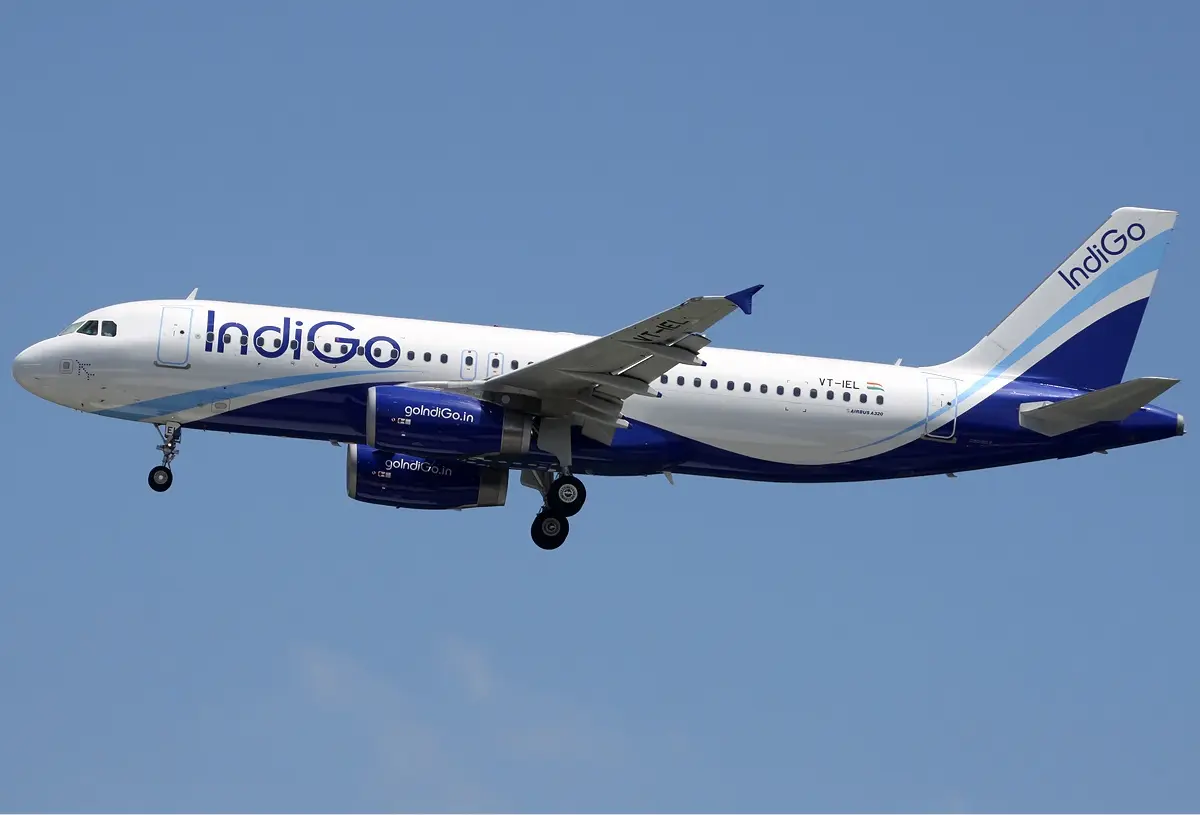
1. IndiGo’s Cancellations Linked to New DGCA Crew-Duty Rules
A sharp rise in IndiGo’s cancellations and delays began after the DGCA’s revised Flight Duty Time Limitation (FDTL) norms came into effect on 1 November 2025. These rules govern how many hours pilots can fly and how much rest they must receive between duties.
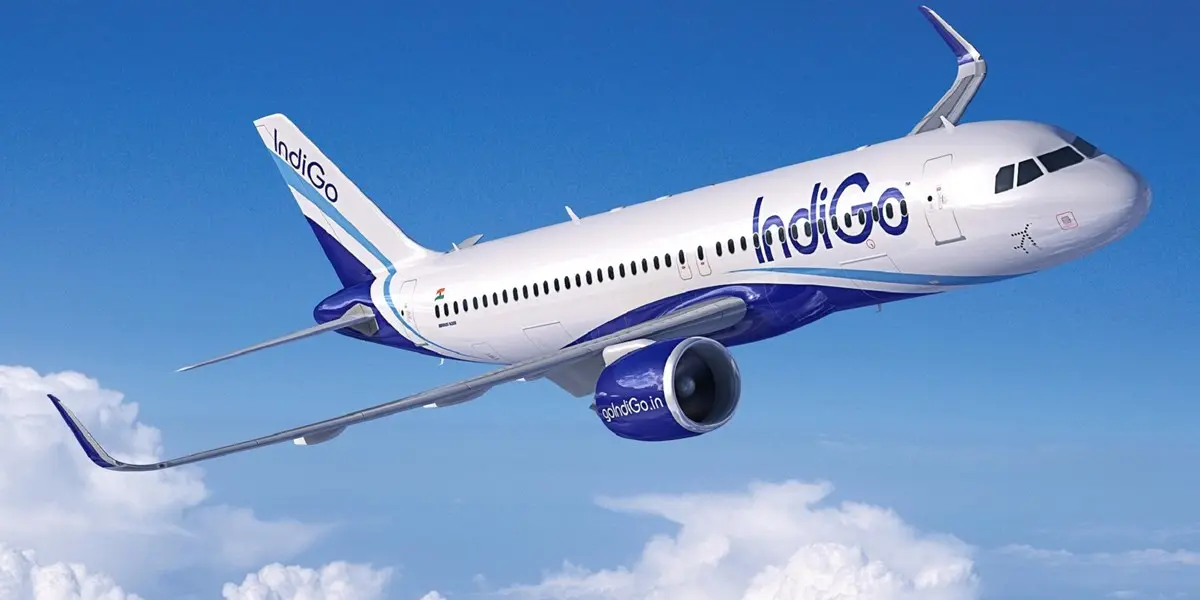
2. Airline Seeking Temporary Relief — Not Reversal — of Certain Provisions
IndiGo has approached the DGCA for short-term relaxation from some of the newly enforced norms. The request is aimed at stabilising the schedule while the airline adjusts pilot rosters to comply with the latest standards.
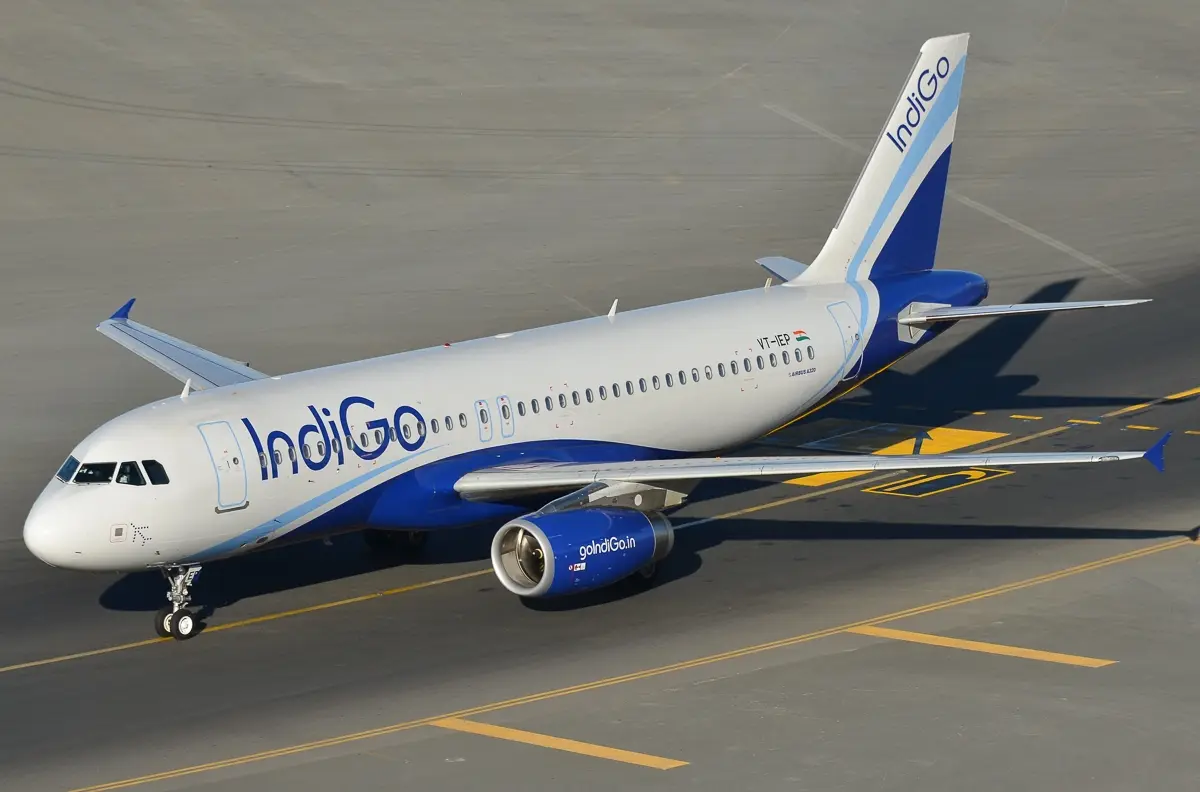
3. Key Rule 1: Expanded “Night Duty” Window
According to DGCA circular, one major change in the new guidelines is the wider definition of night-time operations. More evening flights now fall into the “night” category, which carries shorter allowed duty hours for pilots. This immediately reduced IndiGo’s ability to operate key evening and late-night flights.
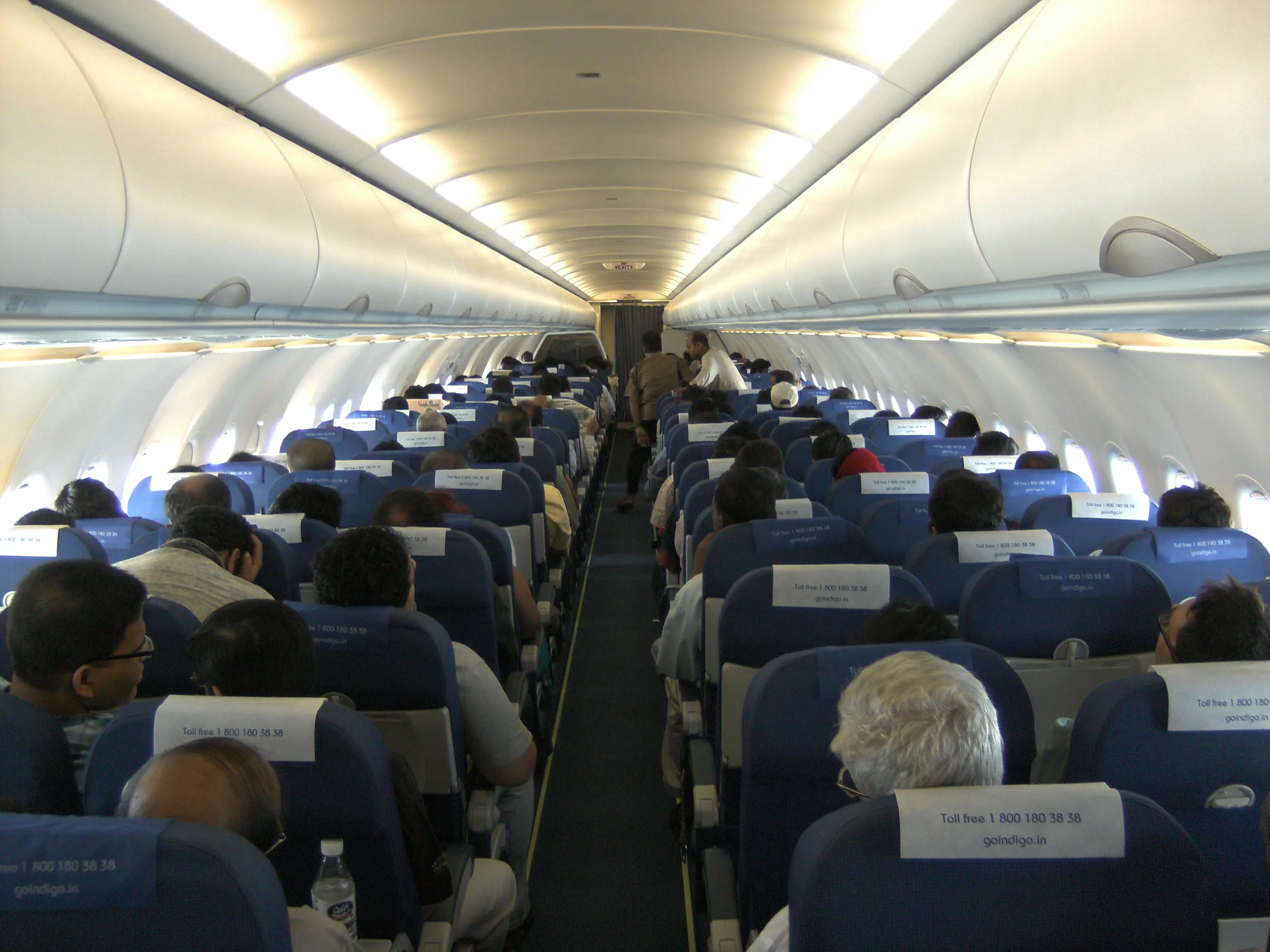
4. Key Rule 2: Increased Mandatory Rest Requirements
The DGCA raised mandatory rest periods between duties and imposed stricter weekly off-day requirements. These changes lowered the number of flights each pilot can legally operate in a week, creating a staffing crunch.
5. IndiGo Says the Sudden Shift Created a Temporary Pilot Shortage
IndiGo has stated that it was unable to restructure its winter schedule and crew roster at short notice after the new norms came into force. This mismatch between available pilots and scheduled flights led to widespread cancellations.

6. DGCA Reviewing the Request; No Decision Announced Yet
The DGCA has acknowledged receiving IndiGo’s request for temporary exemptions but has not publicly confirmed granting any relief. The regulator is currently assessing whether exemptions would compromise safety or violate international standards.
7. Impact on Passengers Depends on DGCA’s Response
If temporary flexibility is granted, IndiGo may restore flights more quickly and ease network disruptions. If DGCA maintains strict enforcement, cancellations and delays may persist until IndiGo hires and trains enough additional crew, a process the airline estimates will take several weeks, with full normalcy expected by February 2026.
)
)
)
)
)