IndiGo flight chaos: What is ‘Flight Duty Time Limitation’ that has grounded almost half of airline’s fleet?

The DGCA raised rest requirements between duties, the number of off-days per week, and overall limits on consecutive working days. This means pilots cannot be rostered as frequently as before, causing flight shortages when crew numbers are tight.
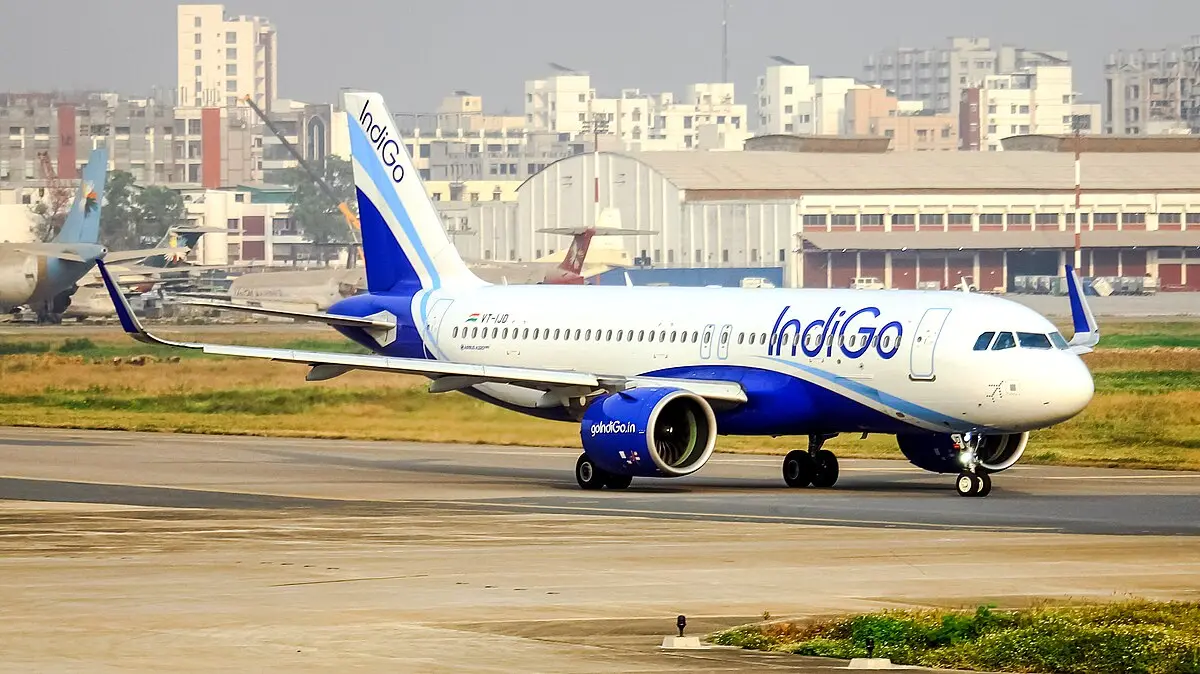
1. FDTL Is the DGCA Rule That Defines How Long Pilots Can Work
Flight Duty Time Limitation (FDTL) is a regulatory framework created by the DGCA that sets the maximum number of hours pilots can fly, be on duty, and the minimum rest required between duties. These rules exist to prevent pilot fatigue, ensure alertness, and maintain flight safety in Indian aviation.

2. New FDTL Norms Took Effect on 1 November 2025
In November 2025, DGCA implemented stricter, updated FDTL guidelines that increased mandatory rest hours and restricted how many hours pilots could operate, especially during night-time. These rules immediately reduced the number of flying hours available per pilot.
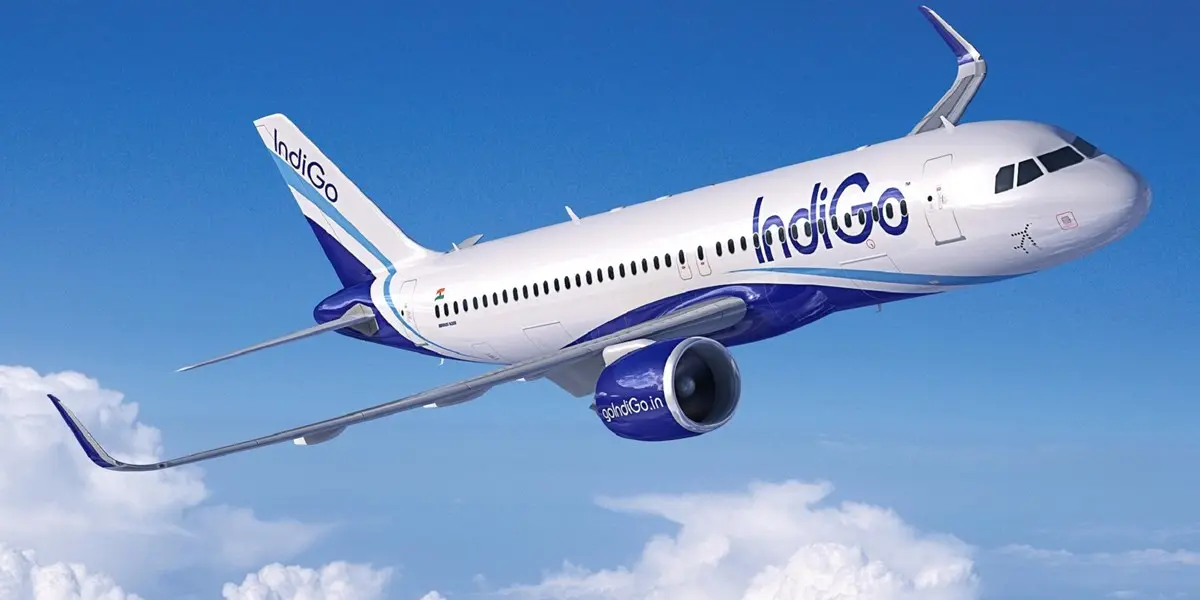
3. Expanded “Night Duty” Window Is the Main Disruptor
The new rules widen the definition of “night duty.” Under the revised norms, more evening flights now fall into the “night operations” category, which has lower duty limits. This sharply reduced the number of pilots legally allowed to fly peak-hour evening and late-night flights, affecting IndiGo’s schedule the most.
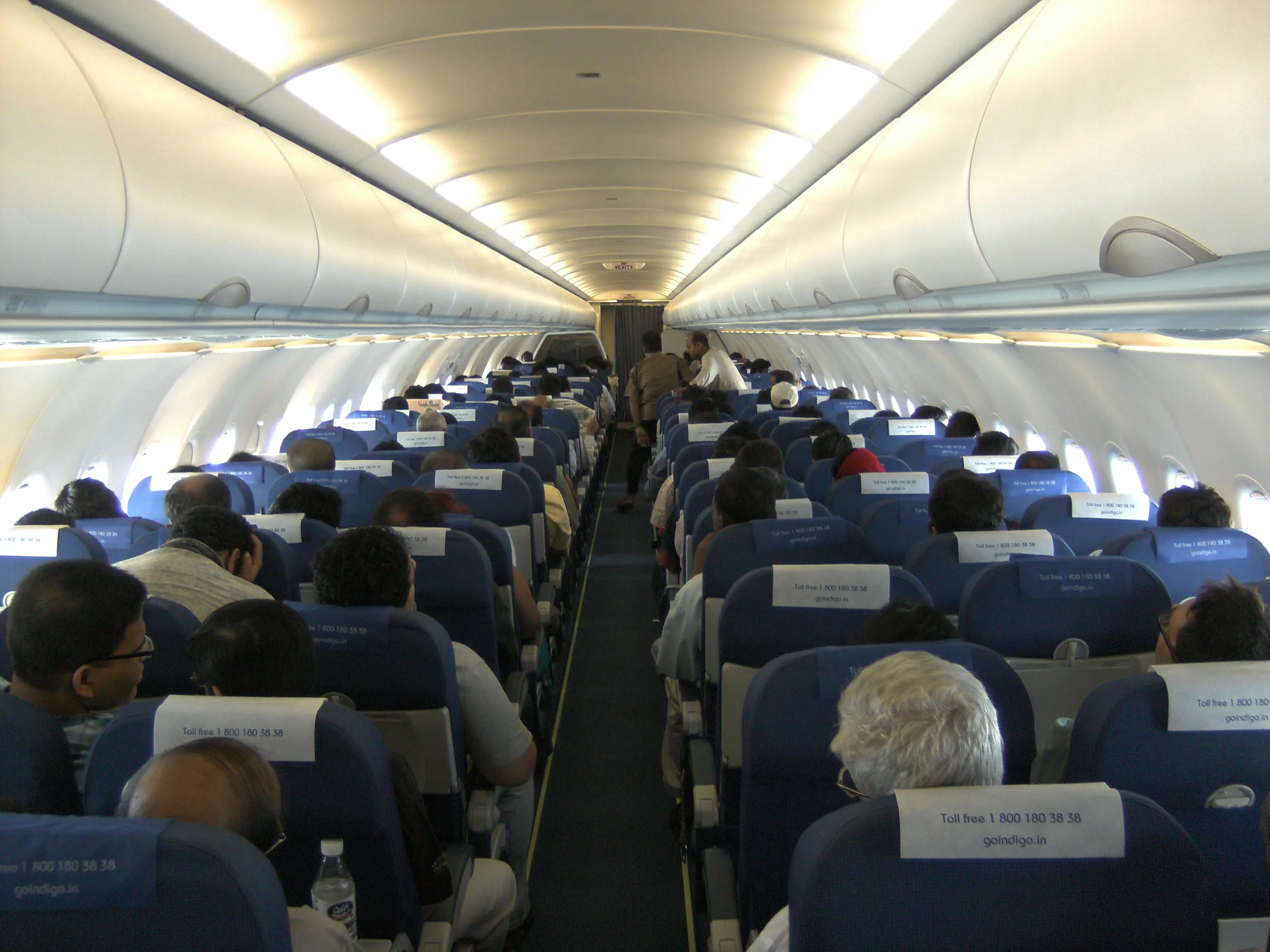
4. Mandatory Rest Periods Increased for All Crew
The DGCA raised rest requirements between duties, the number of off-days per week, and overall limits on consecutive working days. This means pilots cannot be rostered as frequently as before, causing flight shortages when crew numbers are tight.
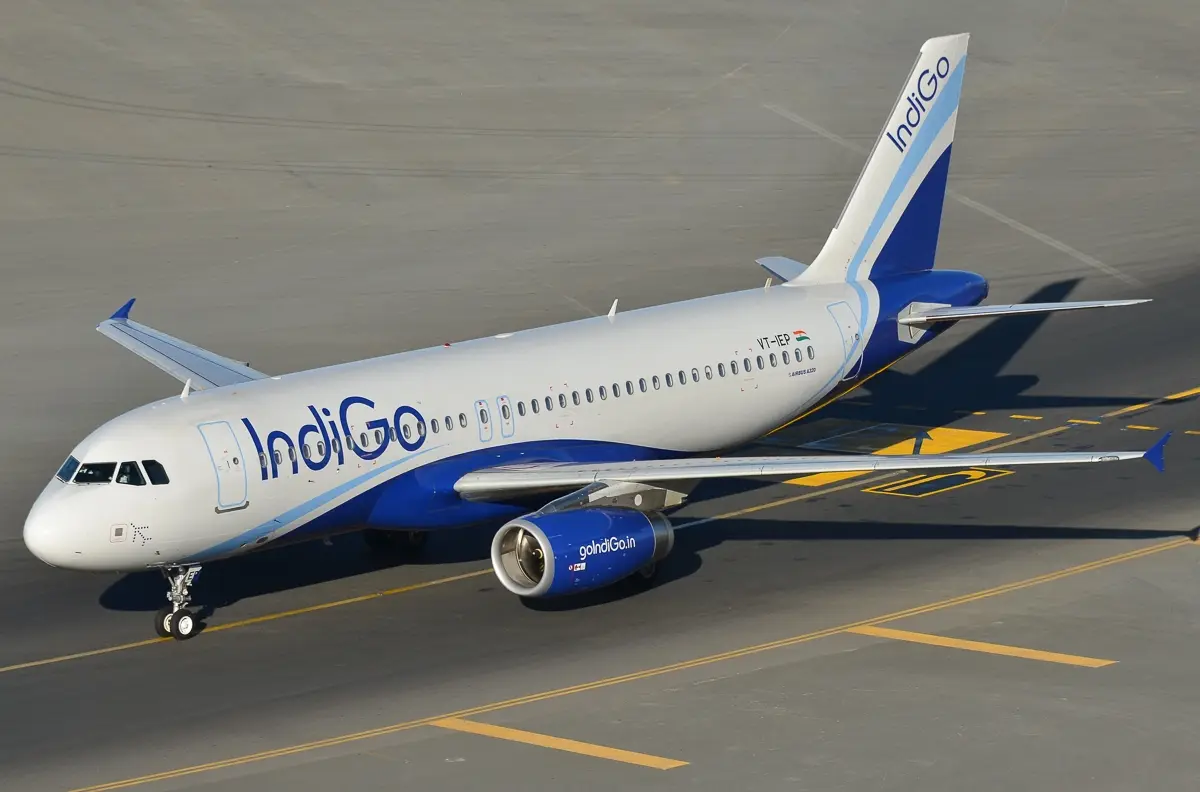
5. IndiGo Was Not Staffed for the Sudden Rule Change
IndiGo operates India’s largest fleet and relies heavily on tight scheduling. When the new FDTL rules kicked in, the airline reportedly did not have enough trained, rested crew to operate its winter schedule. As a result, hundreds of flights were cancelled because pilots could not legally be rostered.
6. Why It Grounded Nearly Half of IndiGo’s Fleet
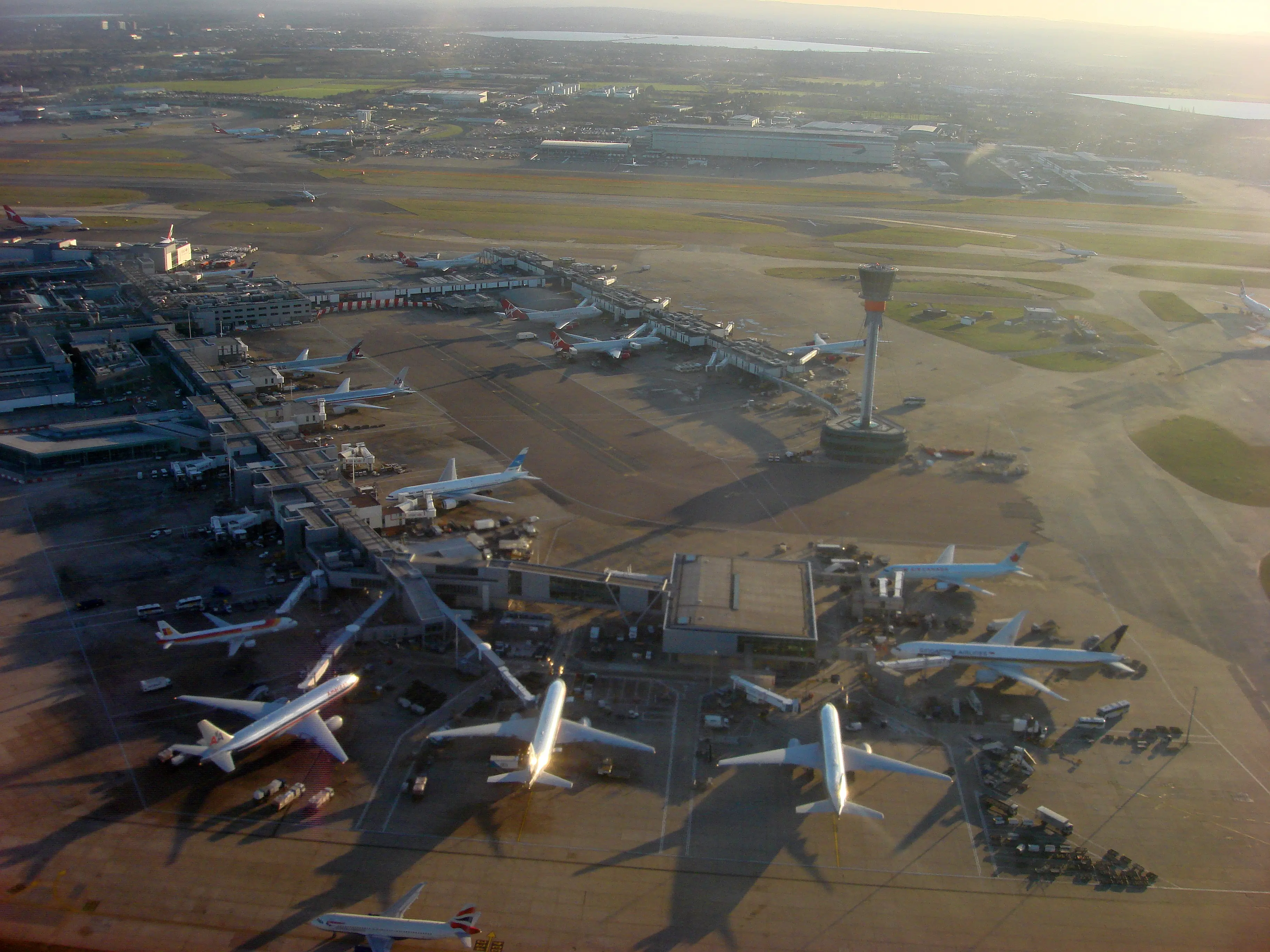
IndiGo had many aircraft overnighting or waiting for rotation because:
- pilots exceeded new duty-hour limits,
- replacements were not available,
- aircraft could not be flown out on time,
- cascading delays froze the schedule.
This made the airline temporarily unable to deploy a significant portion of its fleet.
7. IndiGo Has Requested Temporary Exemptions From DGCA
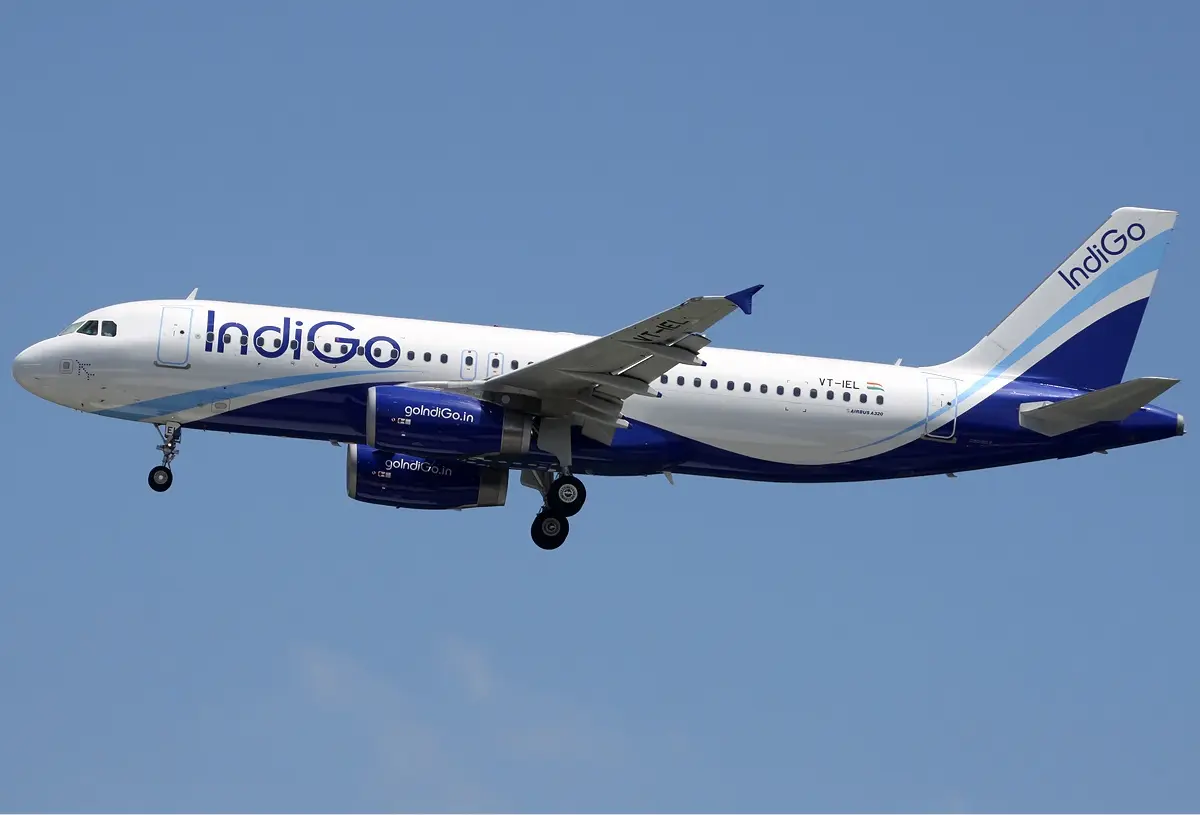
To stabilise operations, IndiGo has asked the regulator for short-term relief from parts of the new FDTL rules, especially night-duty limitations. DGCA is reviewing the request, but until there is regulatory flexibility or sufficient staffing, cancellations are expected to continue.
)
)
)
)
)