India’s Arjun Mk2 can crush Pakistan’s Al-Khalid? The tank battle you didn’t know about

For India, the Arjun’s weight and protection offer distinct advantages over Pakistan’s faster but less protected Al-Khalid.
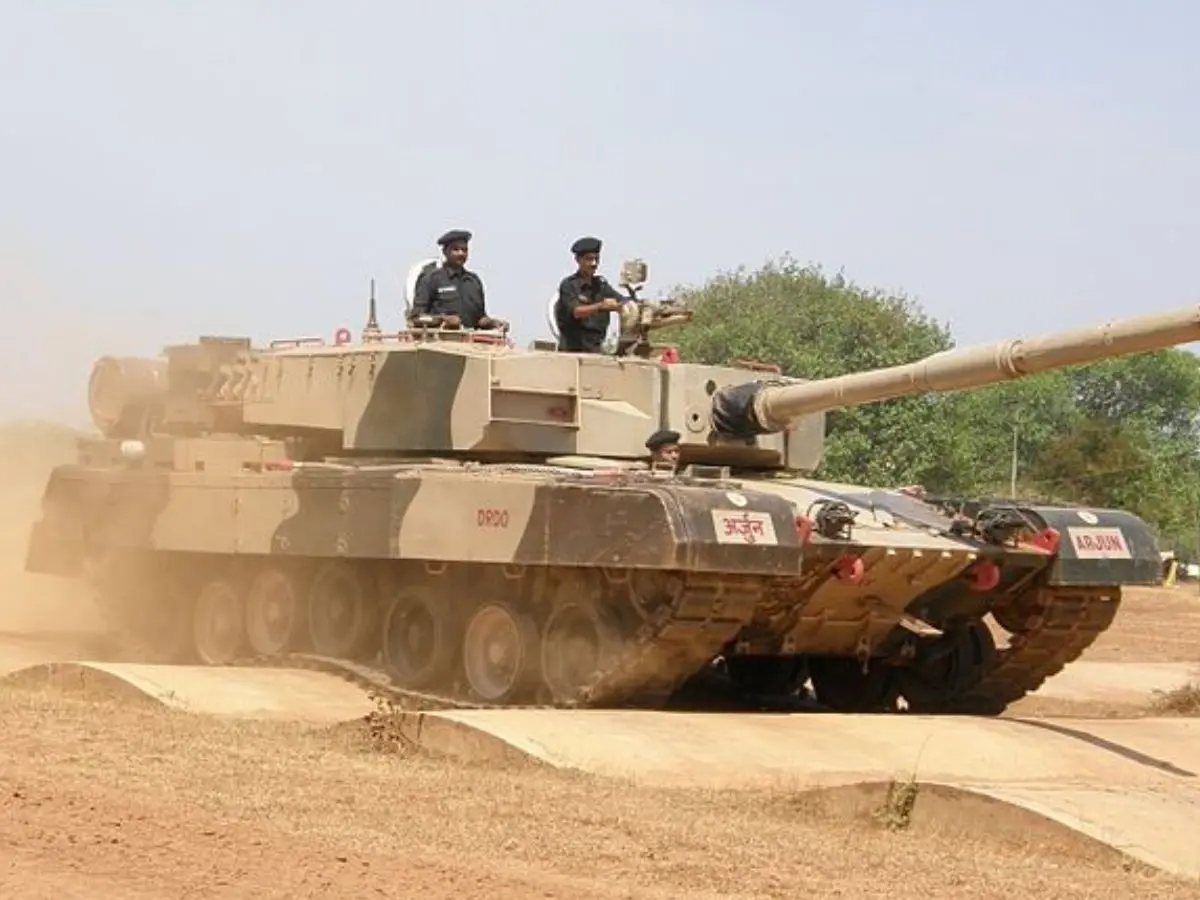
Heavy versus light armour philosophies
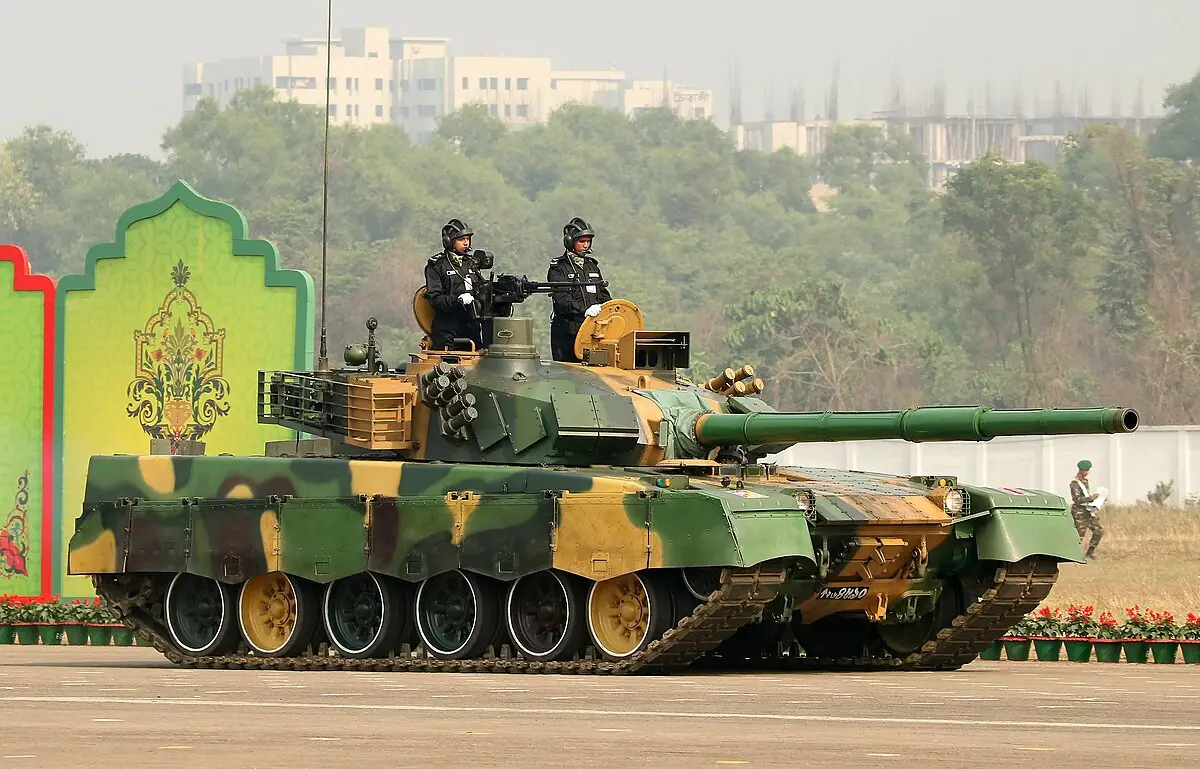
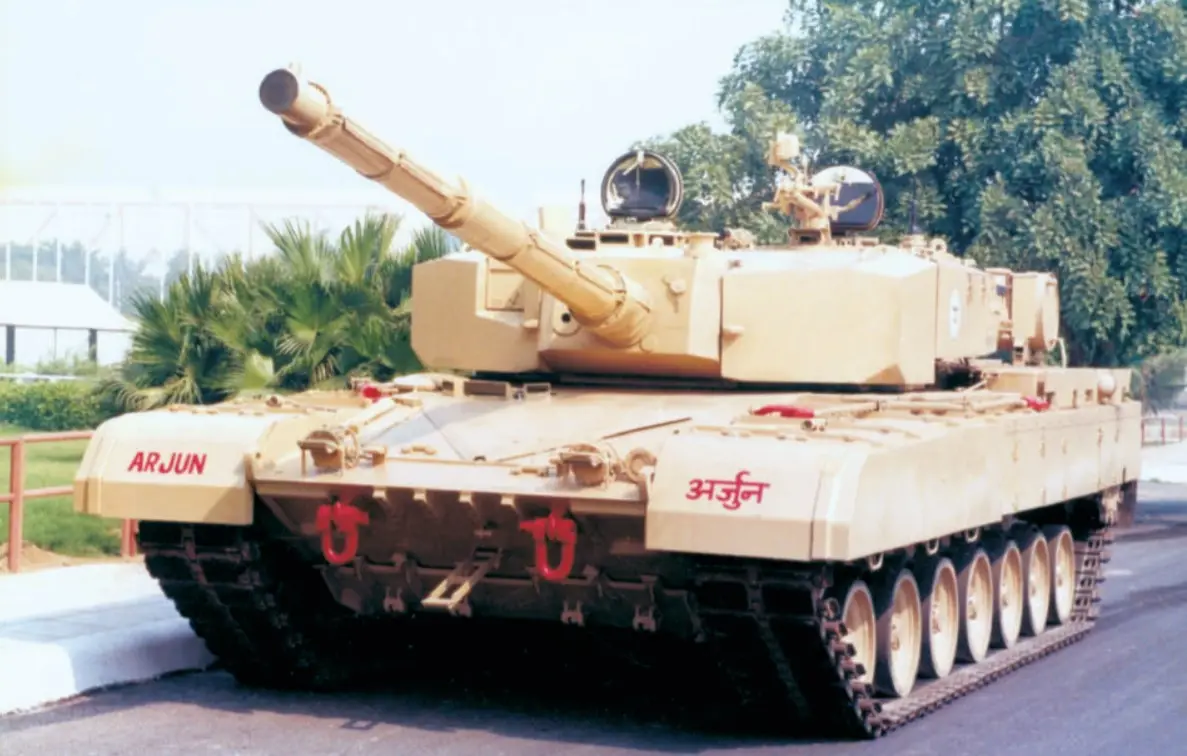
India and Pakistan have each developed their own flagship main battle tanks to serve as the backbone of their armoured forces. India fields the Arjun, an indigenous project decades in the making, while Pakistan relies on the Al-Khalid, produced in collaboration with China and Ukraine. For India, the Arjun’s weight and protection offer distinct advantages over Pakistan’s faster but less protected Al-Khalid.
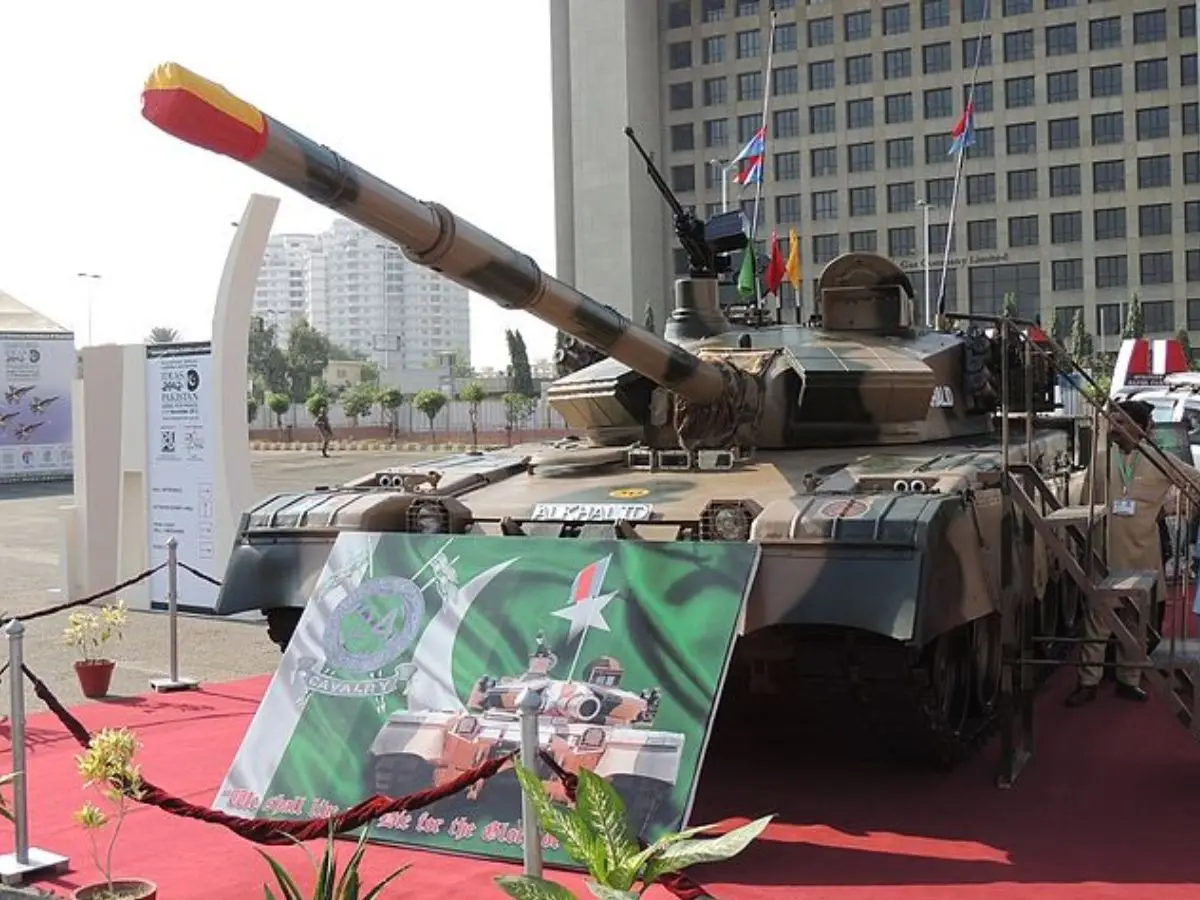
Firepower: accuracy versus volume
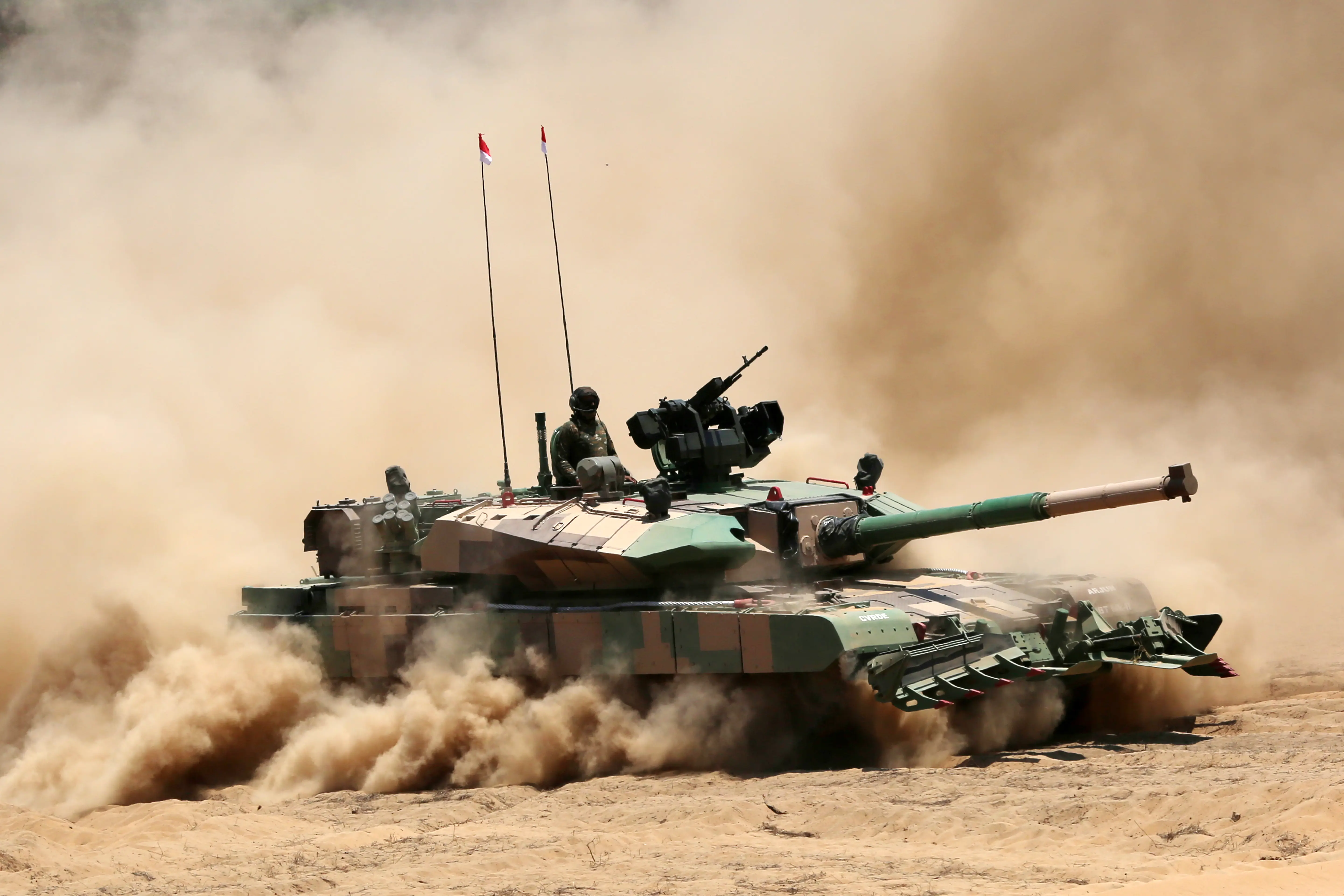
The Arjun is armed with a 120 mm rifled gun that delivers high accuracy at long ranges, particularly with India’s fin-stabilised armour-piercing and bunker-busting ammunition. By contrast, the Al-Khalid’s 125 mm smoothbore gun, equipped with an autoloader, sacrifices crew size for speed of reloading but has not demonstrated the same precision. In trials, Arjun’s fire-control system, featuring advanced thermal sights and a digital ballistic computer, proved superior to India’s T-90s, suggesting a strong edge over the Al-Khalid in accuracy and engagement on the move.
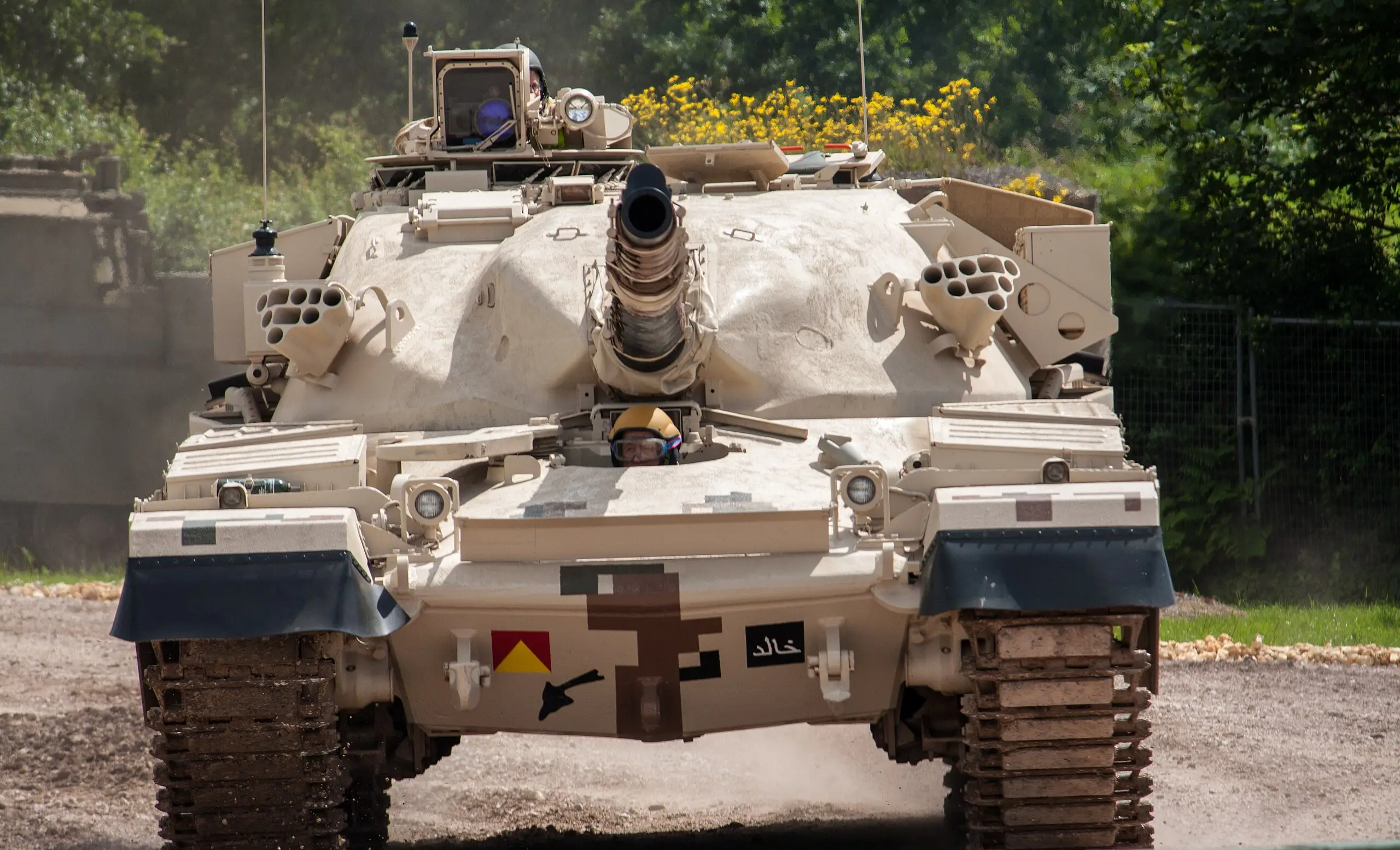
Armour and survivability
Arjun’s defining feature is its protection. The Kanchan composite armour, proven against armour-piercing and anti-tank rounds, gives it survivability unmatched in the region. Its armour is further upgradeable with explosive reactive layers. Al-Khalid, while lighter and more mobile, cannot offer the same degree of protection, relying on composite armour and ERA of undisclosed capability. In direct encounters, Arjun’s survivability would likely outlast Al-Khalid’s mobility.
Weight and operational role
At nearly 68 tonnes in the Mk-1A configuration, the Arjun is far heavier than the 46-tonne Al-Khalid. This weight difference underscores the contrast between India’s doctrine of survivability. While Al-Khalid’s lighter frame is easier to deploy across bridges and diverse terrain, Arjun’s bulk is designed for stability and durability in desert warfare, the very environment of India’s western front, where it would be fielded.
Engine and mobility trade-offs
Arjun’s 1,400 hp MTU-derived engine supports its heavy weight, complemented by a hydropneumatic suspension that enables stable firing even at high speed. Although both tanks achieve similar maximum speeds of 72 km/h, Arjun’s design ensures that accuracy is retained on the move. Al-Khalid, powered by a 1,200 hp Ukrainian diesel, has a stronger power-to-weight ratio due to its lighter mass, giving it agility but at the cost of less protection and stability.
Numbers in service
Pakistan operates over 400 Al-Khalid tanks, making it a mass platform for its army. India, meanwhile, fields smaller numbers of Arjuns, 124 Mk-1s and 118 Mk-1As on order, while relying heavily on T-90s and T-72s for bulk. However, in terms of performance per tank, the Arjun is considered far more superior in accuracy and survivability, especially in the deserts where it is most likely to be deployed.
Which tank gives India the edge?
For India, the Arjun provides a decisive edge in firepower, armour, and battlefield survivability. The Al-Khalid’s advantages lie in mobility and ease of deployment, but these qualities cannot compensate for the Arjun’s superior protection and precision in its intended environment. While both tanks embody their respective countries’ doctrines, the Arjun Mk-1A remains the better-equipped system for the high-intensity, open desert battles that define India’s western front.
)
)
)
)
)