Indian bodybuilding’s hidden underbelly: Mental health crisis, steroid abuse and young athlete deaths

Indian competitive bodybuilding is facing a tough reality as Yatinder Singh’s video highlighted mental health struggles. Discussion is raging about steroid and PED abuse, intense pressure, and rise in deaths of young bodybuilders. What is the hidden truth of the sport?

Indian bodybuildiing: Beneath the stage lights, a troubling reality
The lucrative, glamourous and intensely competitive world of Indian bodybuilding got a reality check recently when one of its top stars, Yatinder Singh, broke down on camera, talking about his mental health struggles. In past decade, Indian bodybuilding was almost literally on steroids: Packed competitions, influencer fame and fortunes throguh tie-ups fitness brands including health supplement makers. Young bodybuilders are dying under pressure to look beefed up, Intense competition, unrealistic body standards and financial pressure. The reportedly widespread and often hidden use of performance-enhancing drugs (PEDs) and steroids is taking place under a regulatory vaccum. Some former bodybuilders have now taken to social media to expose the reality: an environment that can be mentally and physically devastating.
(Image for representation only)
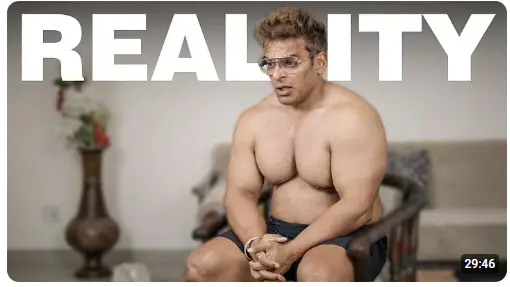
Darker side of bodybuilding: Yatinder singh's Viral Breakdown That Shook the Industry
In late March, one of India’s most celebrated bodybuilders, Yatinder Singh, released an emotional YouTube video titled “LIFE UPDATE....!!!”, which stunned the fitness community. Appearing in shorts, he showed to fans that he was surprisingly not shredded. In the nearly half-hour video, he opened up about struggling with mental health issues, saying he felt a constant “burden” in his chest, heart, and mind after dedicating 24 years to the sport. He spoke about guilt, emotional strain, and the psychological cost of staying at the top.
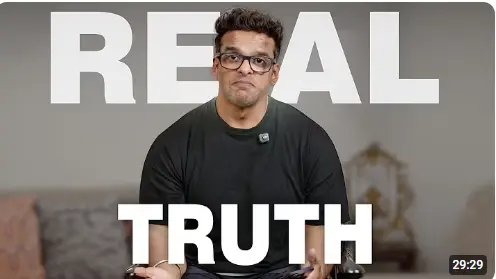
Reaction to bodybuilder Yatinder Singh's video: A reality check moment
Most online commentary praised Yatinder Singh for his honesty and vulnerability, while some mocked him, calling him “weak”. Some Fitness influencers like Tarun Gill highlighted the video as a reflection of bodybuilding’s dark truths. Overall, it was a moment of reality check for Indian bodybuilding. The video and subsequent online discussion exposed a rarely discussed truth that even elite athletes are not immune to emotional collapse. The pressures of the sport may make them more vulnerable.
What is ailing bodybuilders? A Pressure Cooker Environment
Extreme discipline required for competitive bodybulding means there is constant scrutiny of the self and by adersaries. Behind every sculpted physique is a lifestyle of relentless discipline and pressure.
Stress is caused by extreme training routines that push physical limits daily, and strict dieting that can affect mood and hormones. In the contemporary world, there is also social media comparisons, especially on platforms like Instagram and YouTube. The pressure to stay “perfectly scultpted”, from sponsors and competitions, is another issue.
(Image for representational purposes)
The mental and physical toll of bodybuilding
While not widely acknowledged or reported, this pressure could lead to anxiety and depression, body dysmorphia and emotional or phyical burnout. But athletes refrain from speaking up, in a culture that equates masculinity with toughness. (Image for representational purpose)
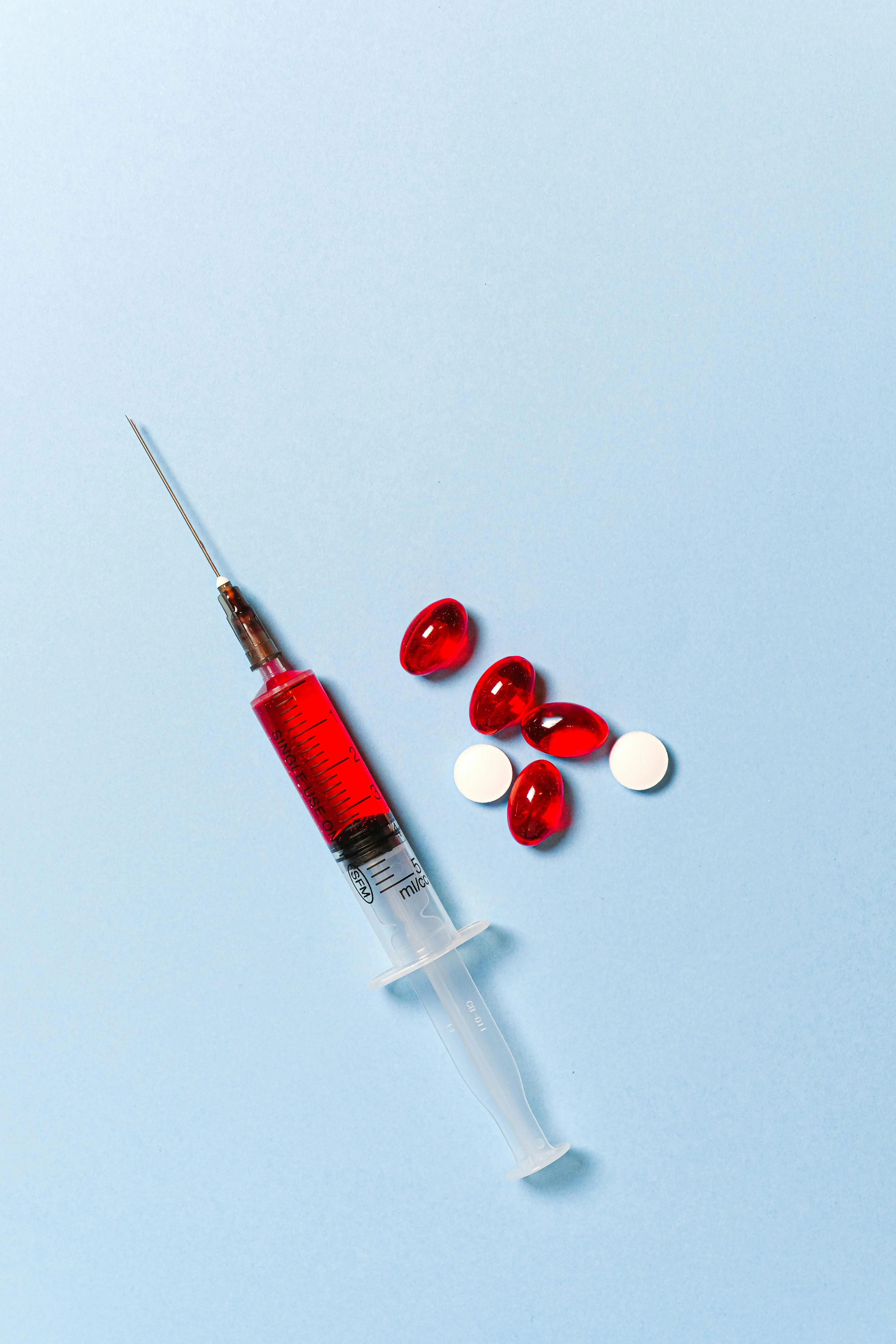
Steroids and Performance Enhancing drugs: The open secrets of competitive bodybuilding
Steroids and Performance-enhancing drugs (PEDs) are the often unspoken backbone of competitive bodybuilding. Overuse without proper medical advice and monitoring can result in hormonal imbalances especially during post-cycle crashes. Mood swings, irritability, emotional instability , isolation and low testosterone levels could be the results of steroid and PEDs abuse. But athletes are often trapped. Many of them need PEDs to compete, yet silently suffer mentally and physically because of them. The result is a vicious loop of dependency and decline. (Image for representational purpose)

Young bodybuilder deaths: A Disturbing trend
In the past few years, India saw a troubling rise in sudden deaths among young bodybuilders. Many of thses deaths were linked to cardiac issues and lifestyle stress, while unconfirmed rumours abound that some of these could be linked to steroid abuse.
R Ramki died at the age of 35 in April 2025 from cardiac arrest after kidney failure. His family alleged forced steroid use by a trainer. Varinder Singh Ghuman, who was in his early forties, died in October 2025 during surgery, sparking a debate on steroid risks. Sukhvir Singh , 28, died in December 2025 soon after a record deadlift during competition. Mayank Pawar, a former Mr India, died in February 2026 from liver complications worsened by stress and depression, at the age of 37. (Image for represenational purpose)

The Culture of Silence: Why Athletes Don’t Speak Up about health struggles
The deaths and illnesses are being attributed to various causes including overtraining, steroid and PED use, cardiovascular strain, and unaddressed mental health struggles. Even as the crisis grows, many athletes remain silent. This could be because of fear of losing sponsorships or reputation, toxic ideals of masculinity like 'real men don’t break', lack of mental health support systems, and normalisation of extreme practices in a culture obsessed with fitness and youthfulness. (Image for representational purpose)
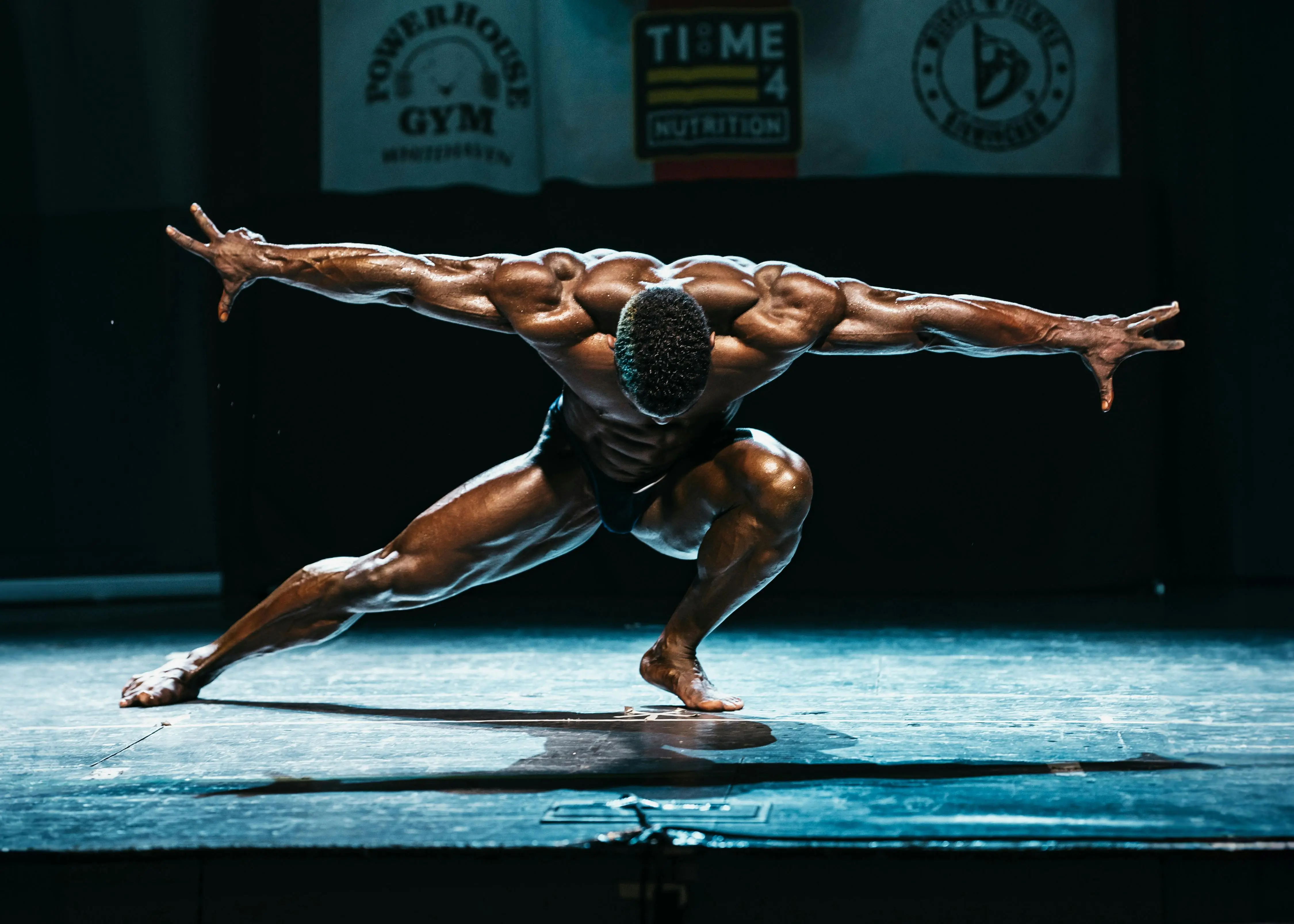
A Systemic Problem: Lack of education and regulation affecting competitive bodybuilding
Yatinder Singh’s video didn’t just highlight personal struggles, it also exposed systemic issues within Indian bodybuilding. The structural pressures include the hyper-competitive environment, and the need to upload content amid Influencer culture which creates relevance anxiety. The lack of proper regulation around steroid and PED abuse or overuse is another issue. Many bodybuilers are associated with health supplement product makers, and push them on social media. This often hides the risk factors on long-term health risks . (Image for representational purpose)
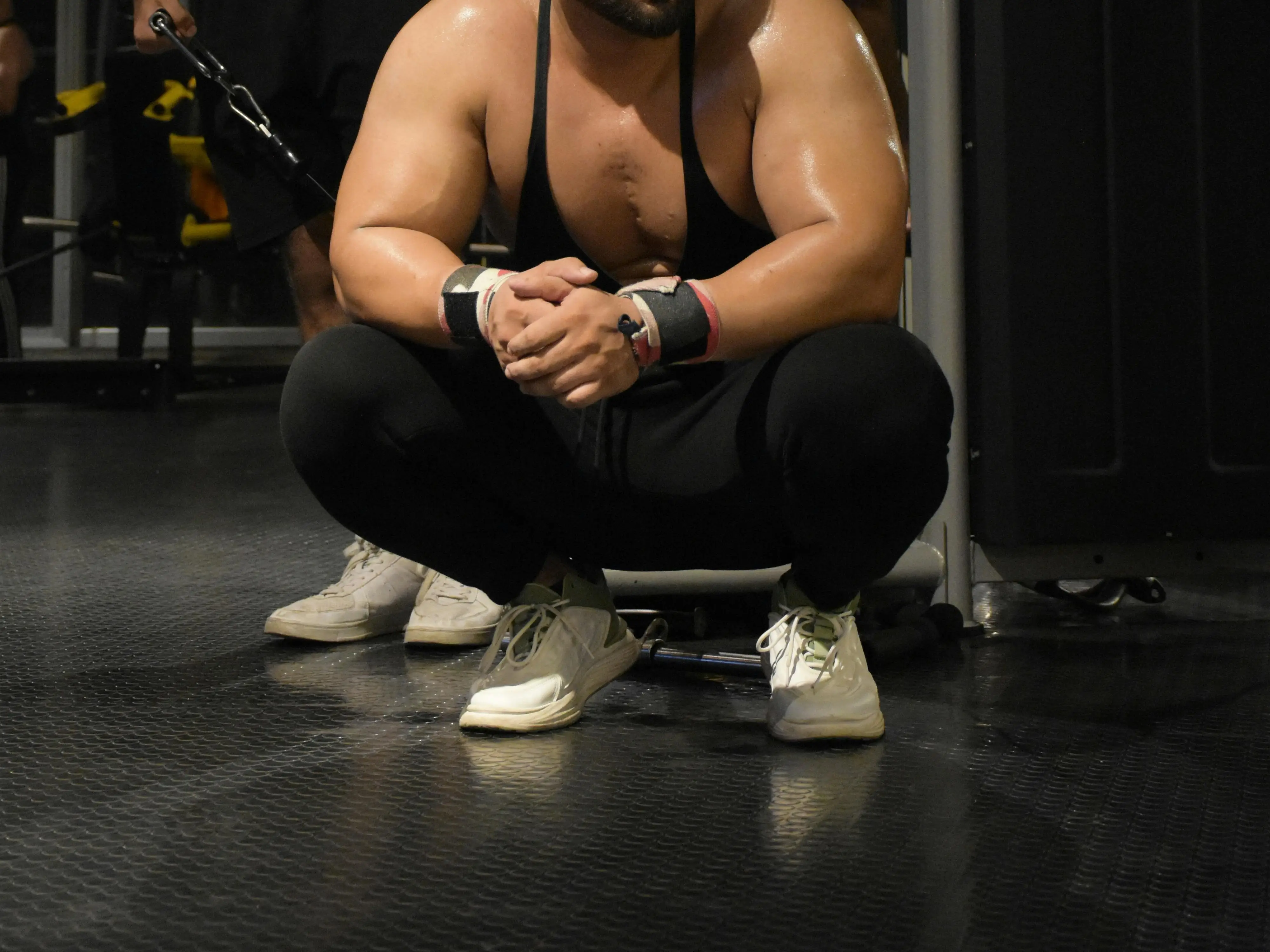
Time to redefine what it means to be strong, and reform the sport
When done right, bodybuilding and weight training are not inherently harmful. Discipline, fitness, and strength can be life-changing in positive ways. But the current system of competitive bodybuilding needs reform. This includes better education on risks of steroids and PEDs, accessible mental health support for athletes, stronger anti-doping enforcement, and a cultural shift toward longevity over shortcuts.
The biggest takeaway from the current debate and controversy is that strength isn’t just physical: it's not all about muscles and medals.
Speaking up, asking for help, and prioritising mental health are just as important as lifting heavier weights or winning titles. For every athlete who survives to tell their story, many others never get the chance. The hope is that voices like Yatinder Singh’s will spark change, before more lives are lost. (Image for representation only)
)
)
)
)
)