Top 7 modern missiles powering India’s military strength: Check details inside

Indian Army Day 2026: It is celebrated annually on January 15th to honour the day in 1949 when Field Marshal K.M. Cariappa became the first Indian Commander-in-Chief of the Indian Army. On the eve of this day, let's try to explore tthe op 7 missiles powering India’s military strength.
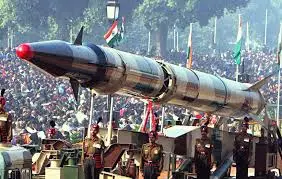
1. Agni‑5 (ICBM, 5,000+ km range)
India’s Agni‑5 MIRV ballistic missile is the best-known long-range ballistic missile of India, which is intended to strike targets at distances of around 5,000 km or more. It was test‑fired successfully from Chandipur on 20 August 2025, validating multiple warhead delivery and canister launch for survivability. With a 1.5‑tonne payload and NavIC guidance for pinpoint accuracy, it covers all of China and Pakistan, cementing India’s credible second‑strike nuclear deterrent.
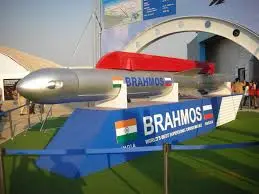
2. BrahMos (Supersonic Cruise Missile, 800 km)
BrahMos extended‑range (800 km) variant is nearing induction in 2025–26, deployable from Su‑30MKI, ships, submarines and land platforms. Mach 3 speed and sea‑skimming evade defences; exports to the Philippines and Vietnam boost India’s global standing. Proven in Operation Sindoor, it delivers precision strikes on high‑value targets. It is a nuclear-capable supersonic cruise missile system, jointly developed by India and Russia. BrahMos can be launched from land, sea, and air.
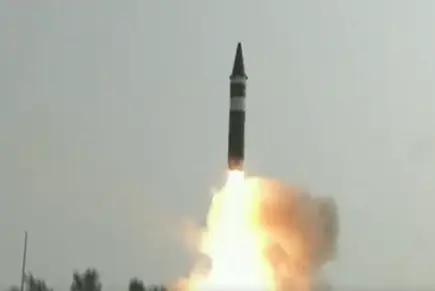
3. Agni‑Prime (MRBM, 1,000–2,000 km)
Tested from a rail mobile launcher in September 2025, Agni‑Prime offers improved accuracy, lighter weight and dual‑use conventional/nuclear capability. Canisterised for rapid deployment, it enhances tactical nuclear options against theatre threats while reducing vulnerability to pre‑emptive strikes through network dispersal. It is also a new-generation ballistic missile with an estimated range between 1,000 and 2,000 km, which can be launched on short notice from a canisterized system.
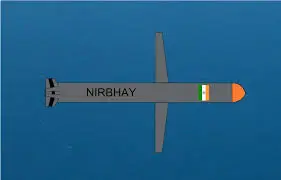
4. Nirbhay/Long Range Land Attack Cruise Missile (LRP2GM, 1,000 km)
Nirbhay’s subsonic stealth cruise missile, launched from mobile platforms, features terrain‑hugging flight and an indigenous seeker for deep strikes. 2025 trials validated extended range and loitering; it complements BrahMos by providing slower, evasive precision against fixed infrastructure like airfields and command centres.
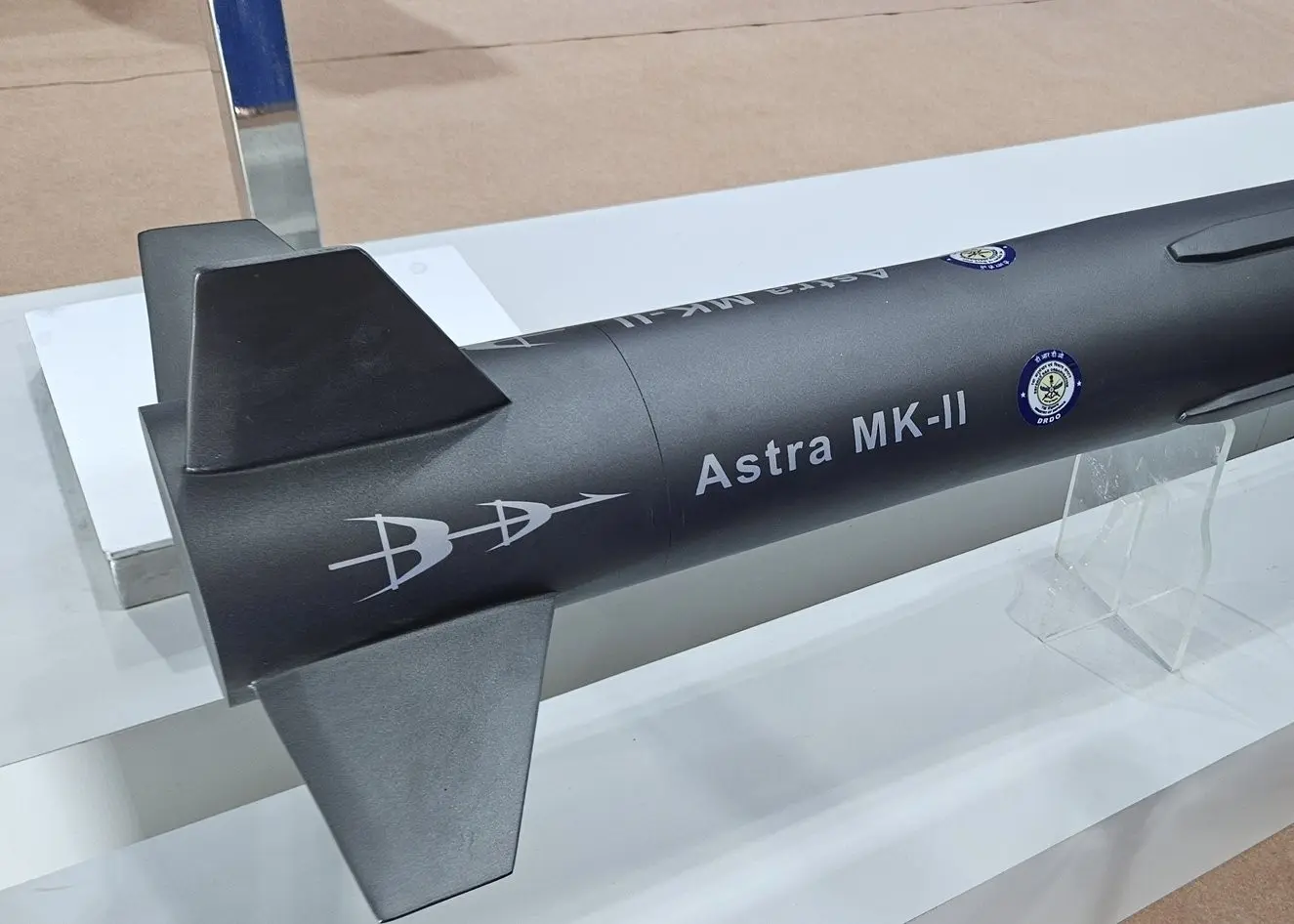
5. Astra Mk‑1/2 (Air‑to‑Air Missile, 110/160 km)
Indigenous beyond‑visual‑range Astra missiles equip Su‑30MKI and Tejas fighters. Mk‑2 trials in 2025 extended active radar homing to 160 km with high‑off‑boresight capability. Low cost and indigenous production reduce import dependence, strengthening air superiority in contested skies against Chinese J‑10s and J‑20s.
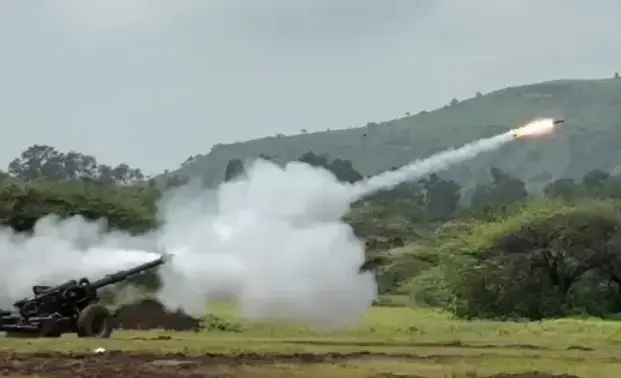
6. K-15 Sagarika missile (750-1500 km)
The K-15 Sagarika signalled the start of India’s sea-based nuclear strike capability. With an estimated range of 750 to 1,500 km, the missile is launched from ballistic missile submarines. A two-stage, solid-fuel system, its strategic value lies in survivability rather than range. It ensures India to retains a credible nuclear response even if land-based assets are hit first.
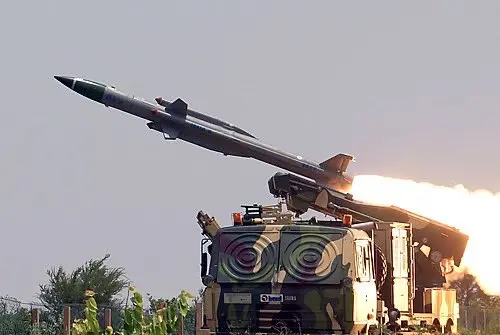
7. Akash Prime (Surface‑to‑Air Missile, 30–40 km)
Akash Prime’s indigenous SAM system, inducted in 2025, features seekerless guidance and 40 km range with 360° coverage. Deployed with Army and Air Force squadrons, it intercepts drones, cruise missiles and fighters. Cost‑effective layered air defence complements S‑400 against mass saturation attacks.
)
)
)
)
)