India vs Pakistan: Mi-17 crash history, fleet strength, key features and security concerns - What do we know?

India and Pakistan both operate Mi-17 helicopters, but have faced fatal crashes. India has seen multiple accidents in challenging terrains like Arunachal Pradesh, while Pakistan's 2026 crash in June 10 was linked to a technical fault.
Mi-17 Crash History: India & Pakistan
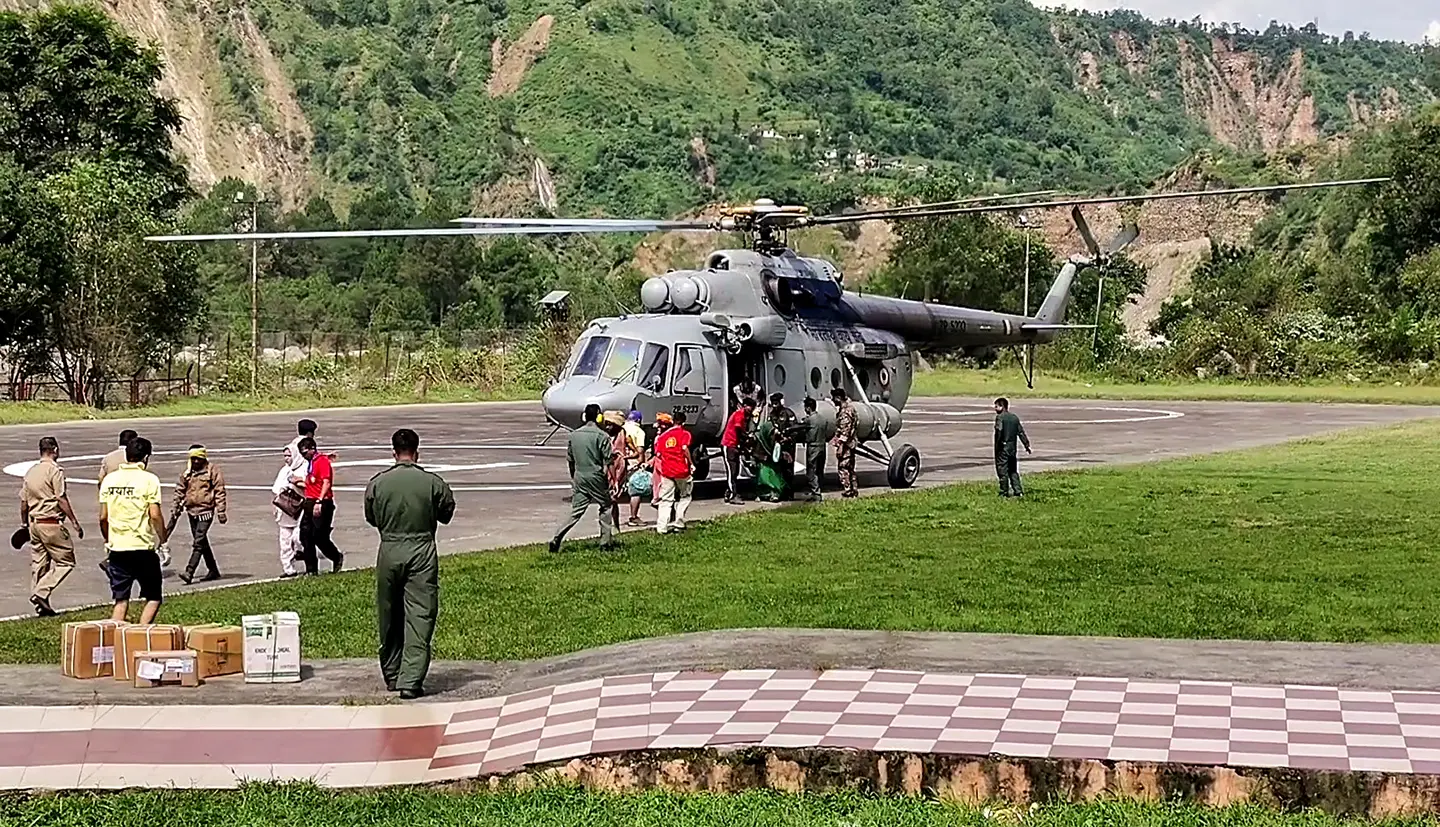
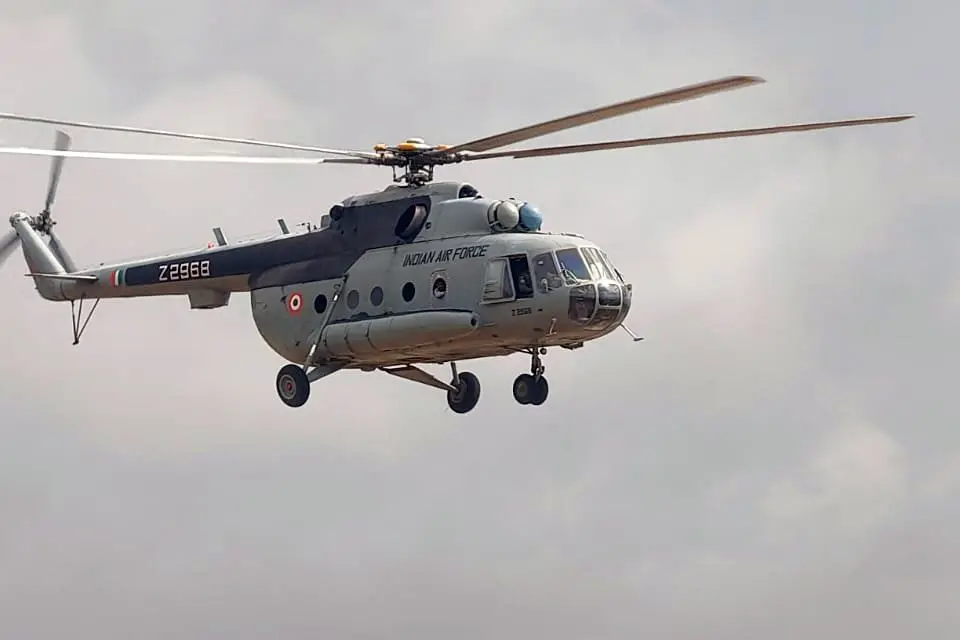
India has encountered with a significant number of Mi-17 accidents, mainly in high-altitude and strategic regions. Arunachal Pradesh, holds the record for the highest chopper crashes in India due to uneven terrain. Particularly, Mi-17 variants experienced multiple disasters, that include a 2011 crash in Tawang claiming lives of 12 personnel and a 2010 crash were 12 personnel also died. Another IAF Mi-17 V5 crashed occurred near Budgam, J&K, in February 2019, that resulted in the death of all six air warriors on board.
Similarly, Pakistan has also experienced crash of the same helicopter on June 10, 2026, where the Pakistan Army Mi-17 crashed near Muzaffarabad during take-off resulting in death of all personnel on board. The Pakistan military attributed the incident to a “technical fault”
Current Fleet and Capabilities
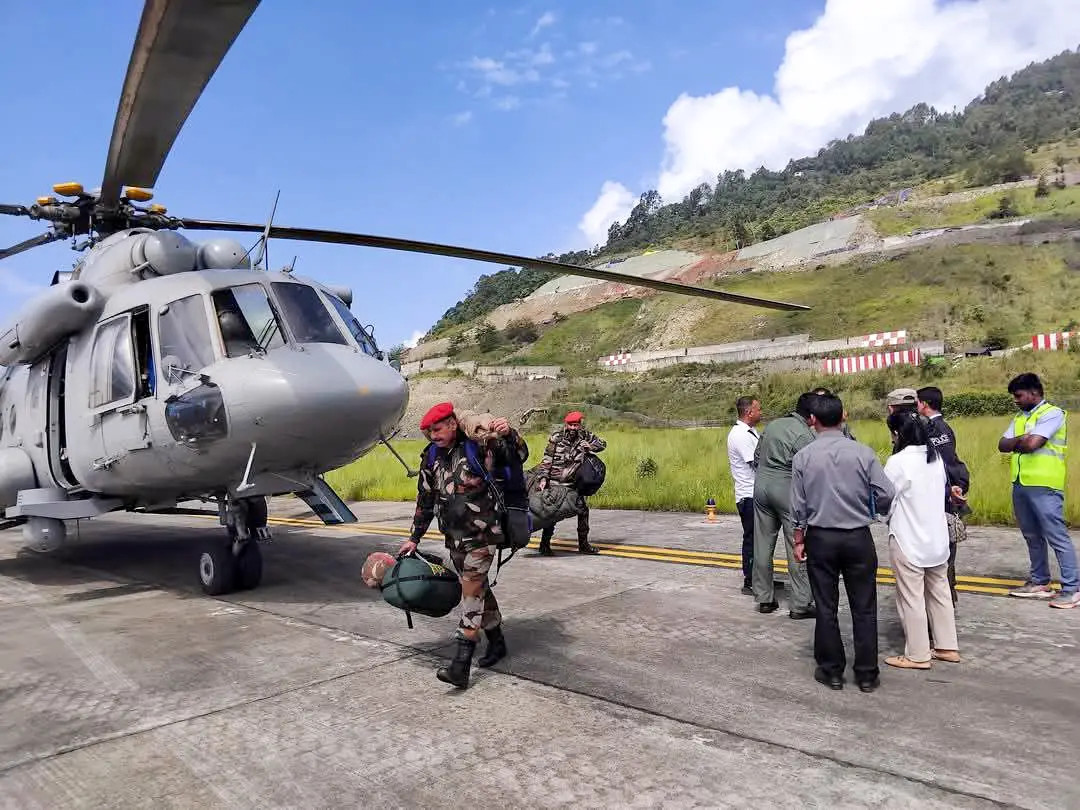
Both India and Russia continue to depend extensively on the Mi-17 helicopter family for military and logistical missions. India's inventory includes variants such as the Mi-17V5, Mi-17 1V and Mi-172, with the latter operated by Pawan Hans for civilian and government transport services.
Whereas, the Pakistan Air Force (PAF) operates a fleet of around 40 Mi-17s, primarily for transport and utility roles, which also act as gunships when ferrying troops. Various civilian variants of the Mi-17 (such as the Mi-171E) are operated by provincial governments, including Balochistan, utilised for passenger transport, medical evacuations, and search-and-rescue.
Mi-17 key features
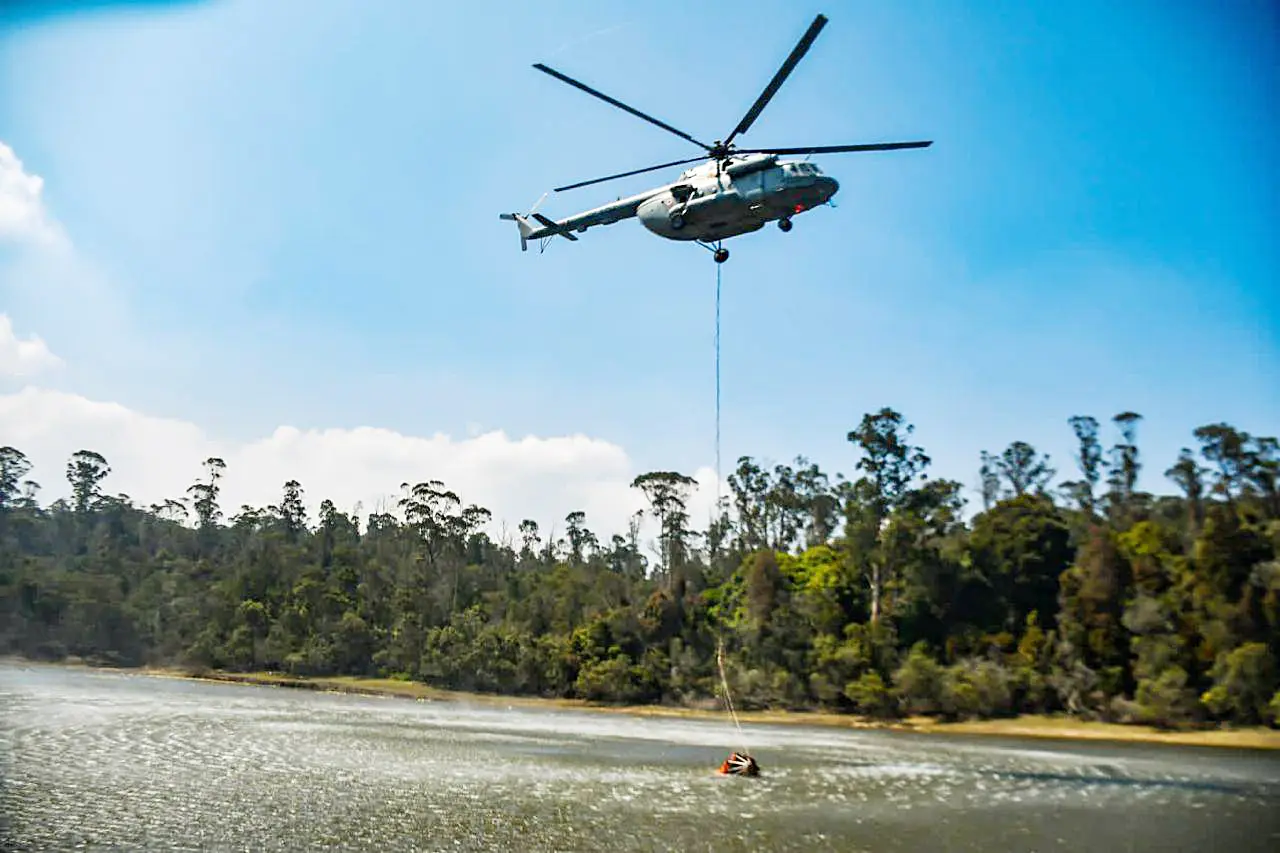
The Mi-17 is a versatile multi-role helicopter widely deployed across a range of operations. In India, it supports humanitarian assistance and disaster relief (HADR) efforts, supplies remote border outposts, carries out anti-Naxal missions and transports senior government and military officials. The Mi-172 variant can accommodate up to 24 passengers.
Cost and Safety Issues
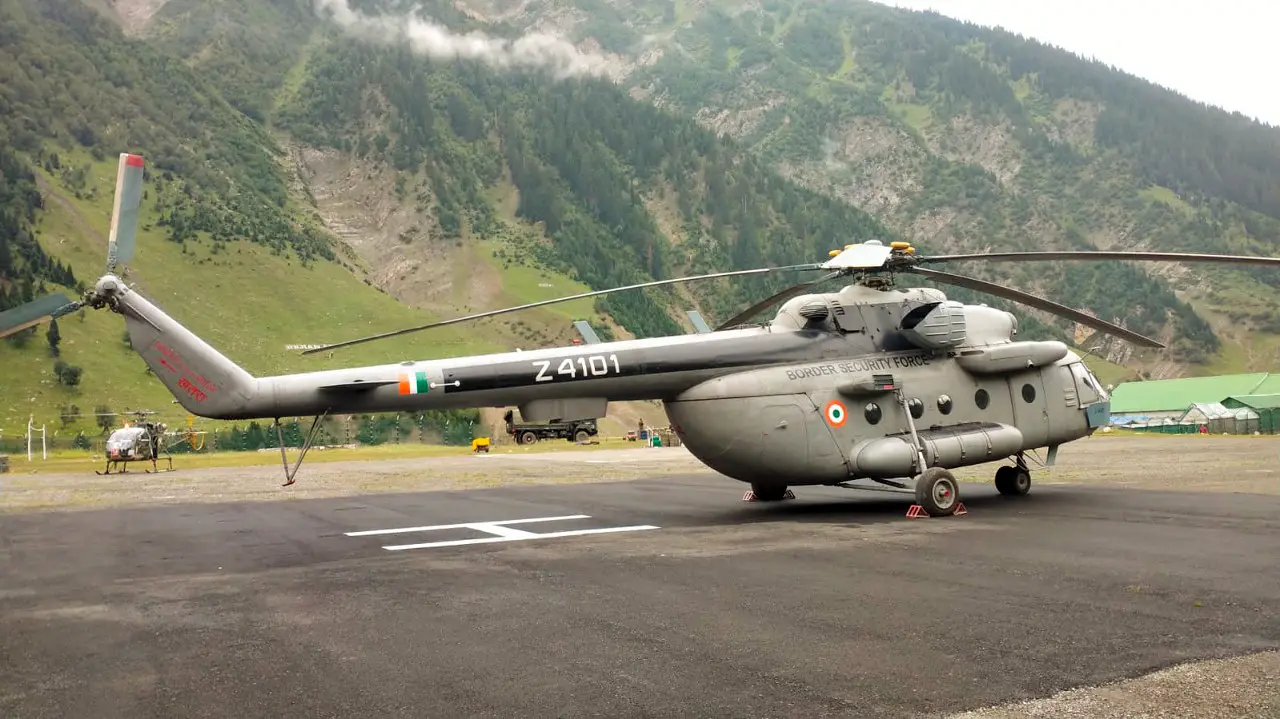
Although the sources do not specify the cost of individual helicopters, the loss of an Mi-17 is considered significant, particularly when accompanied by the deaths of experienced pilots and civilians. Experts have called on the Indian Ministry of Defence to strengthen safety measures and operational protocols to reduce accidents and minimise both financial losses and the loss of skilled personnel.
Security Concerns
Technical Reliability: The 2026 Pakistan crash was attributed to a technical malfunction, prompting officials to launch a board of inquiry to determine the exact cause of the failure.
Operational Environment: In India, a number of helicopter accidents, particularly in Arunachal Pradesh, have been associated with difficult flying conditions, including rugged mountainous terrain and poor weather-related visibility.
Aviation Standards: To enhance aviation safety, the Indian Air Force (IAF) is currently leading efforts to implement the adoption of common aviation standards and instrument rating schemes across the Army, Navy and Air Force. The initiative aims to improve flight safety, operational efficacy and interoperability.
)
)
)
)
)