Ukraine, China and more: Top 10 countries Vladimir Putin has visited most as Russian leader

Russian President Vladimir Putin has made several trips across the world for deep strategic, economic and security ties during his presidency since he came into power on 7 May 2000. Here's is list of the top 10 countries most frequently visited by Vladimir Putin as Russian President.
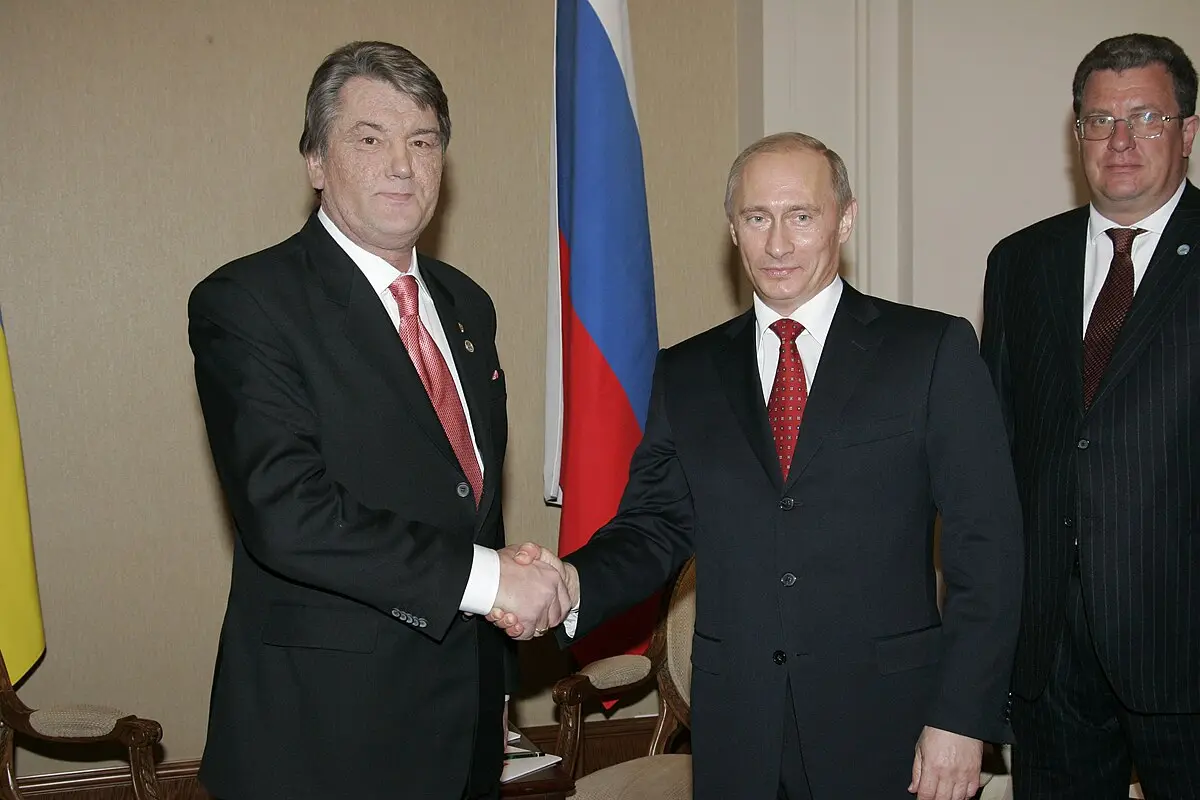
1. Kazakhstan: 33 visits
Kazakhstan is Putin’s most visited country, reflecting deep strategic, economic and security ties within the Eurasian Economic Union and Collective Security Treaty Organisation. Frequent summits in Astana and other cities cover energy cooperation, Baikonur Cosmodrome agreements, Caspian Sea issues, and coordination on regional crises, underscoring Kazakhstan’s central role in Russia’s Central Asian policy.
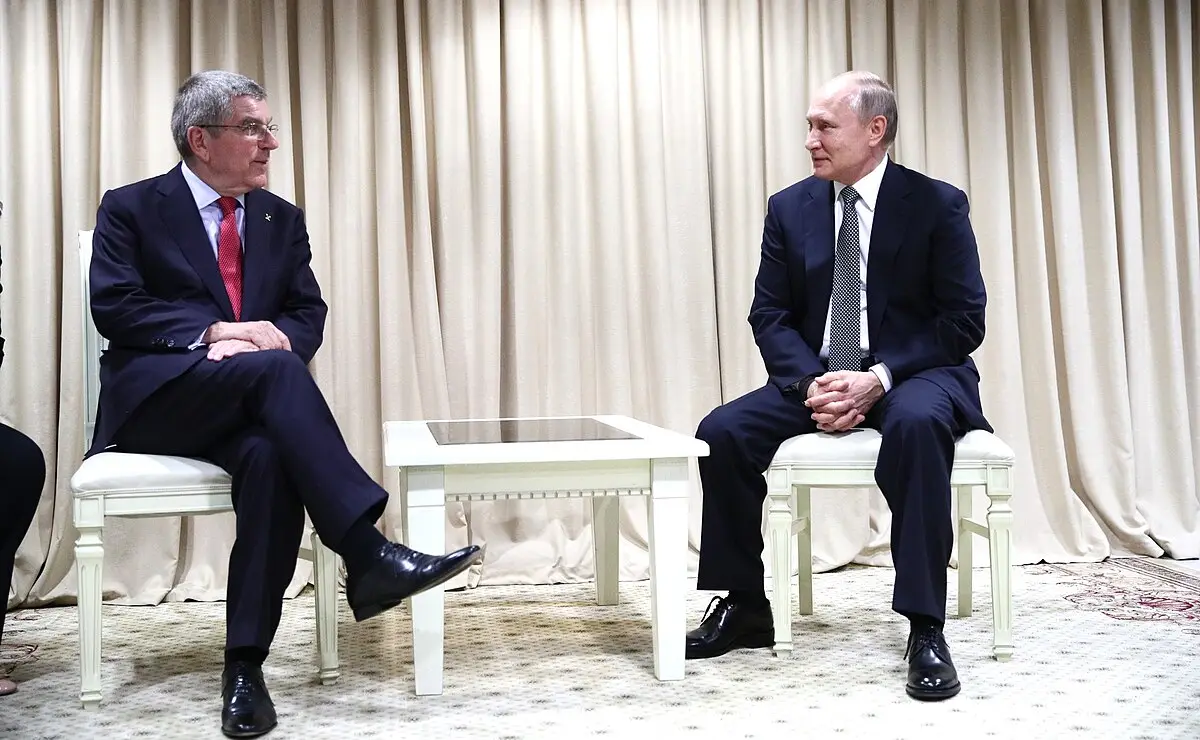
2. Belarus: 28 visits
Belarus ranks second, highlighting its role as Russia’s closest formal ally in the Union State framework. Putin’s several trips to Minsk and other locations address military integration, joint air‑defence, energy subsidies and responses to Western sanctions. Since 2022, visits have also focused on coordination over the Ukraine conflict and deployment of Russian forces and weapons.
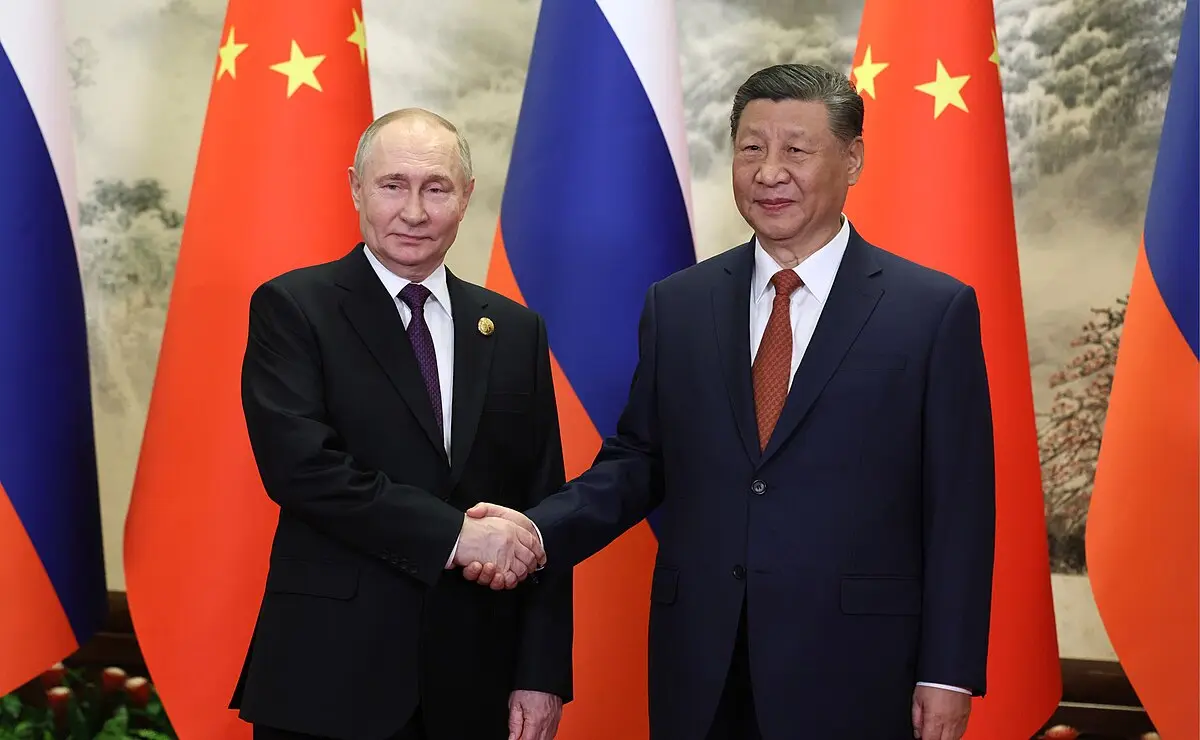
3. China: 22 visits
China is Putin’s top non‑post‑Soviet destination, mirroring the “no‑limits” strategic partnership. Visits span state summits in Beijing and regional forums like the Belt and Road Initiative, covering energy megadeals, defence cooperation and coordination against Western pressure. Attendance at the Olympics and trade expos further cements the image of a growing Russia–China axis.
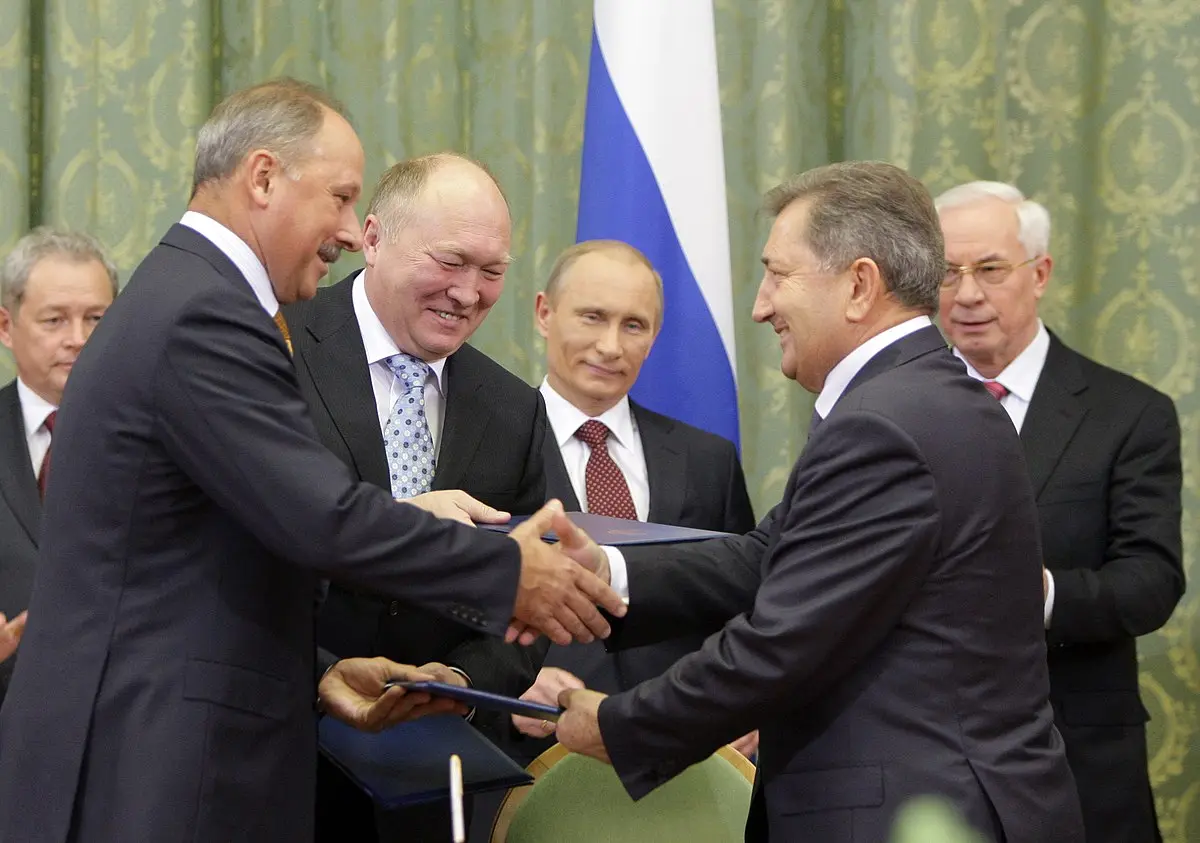
4. Ukraine: 21 visits
Putin visited Ukraine frequently before relations collapsed after 2014. Trips focused on Black Sea Fleet agreements, gas transit, and commemorations tied to shared Soviet history. After Russia annexed Crimea and the 2022 invasion, presidential visits effectively ceased, with earlier travel now viewed through the lens of deteriorating bilateral ties.
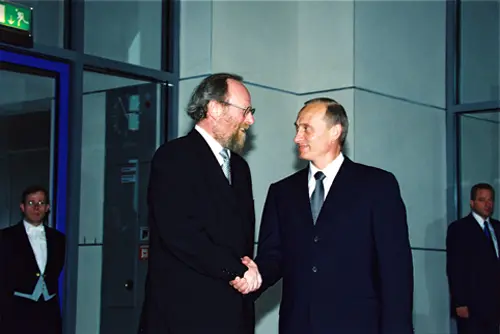
5. Germany: 18 visits
Germany, once a key EU interlocutor of Russia, hosted Putin many times for energy and political talks, especially over Nord Stream pipelines, trade and Ukraine diplomacy under the Normandy Format. Meetings with successive chancellors—from Schröder to Merkel—reflected close but tense ties that soured sharply after 2014 and especially after 2022.
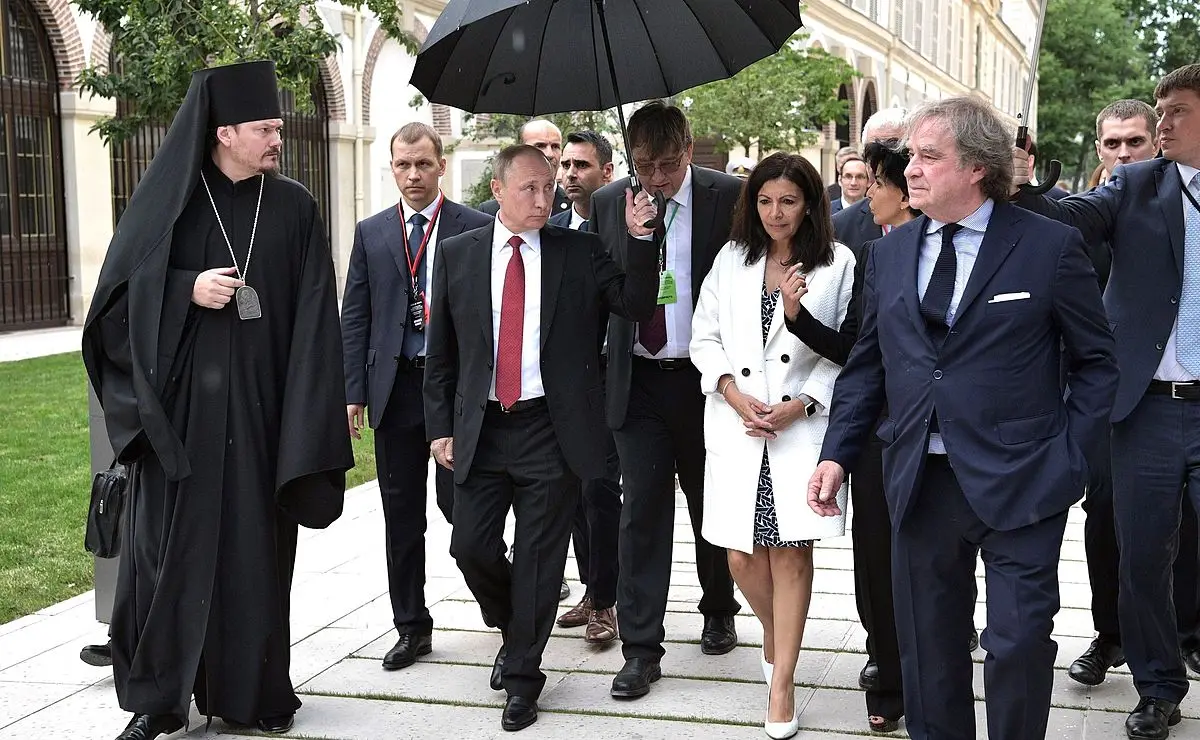
6. France: 17 visits
France is another major European destination. Putin travelled to summits in Paris and Deauville, G8/G20 meetings, and discussions on Syria, Iran’s nuclear program, and Ukraine. Engagements with Presidents Chirac, Sarkozy, Hollande and Macron combined efforts at dialogue with growing disagreements over human rights, NATO and Russia’s actions in Eastern Europe.
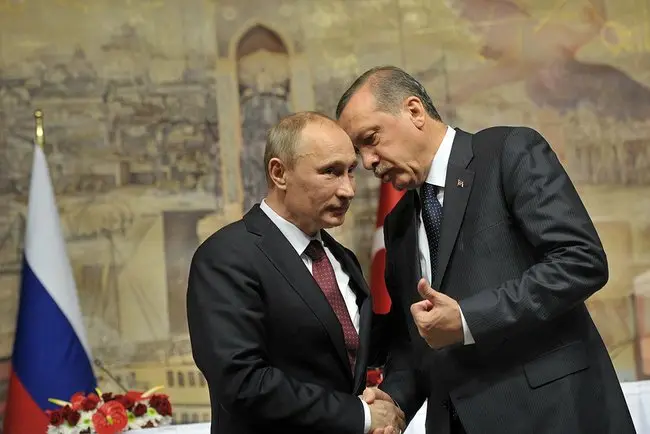
7. Turkey: 14 visits
Turkey’s importance as a Black Sea and Middle Eastern power makes it a frequent stop. The trips of Putin revolve around the TurkStream gas pipeline, Akkuyu nuclear plant, S‑400 air‑defence deal, and negotiations over Syria and the South Caucasus. Despite episodic tensions, Ankara and Moscow maintain dense, pragmatic high‑level contact.
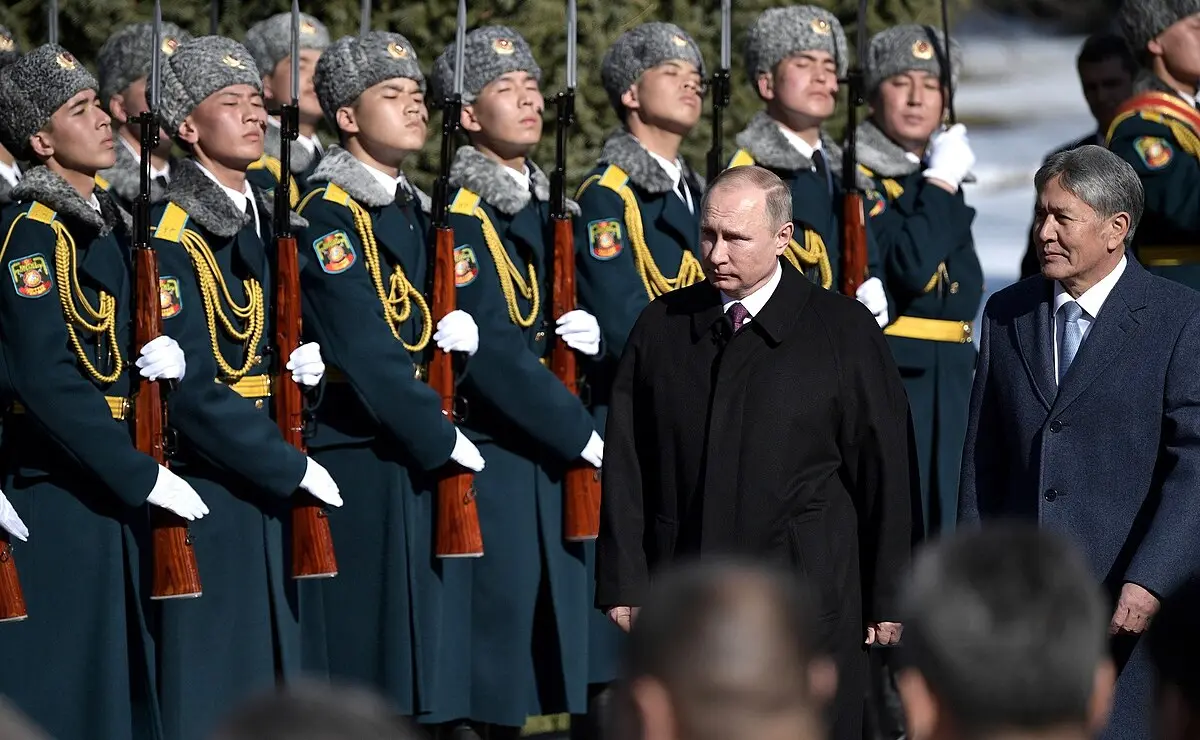
8. Kyrgyzstan: 13 visits
Kyrgyzstan, a CSTO ally hosting a Russian air base at Kant, has seen numerous presidential visits. Agendas typically include security cooperation, labour‑migration issues, economic integration in the Eurasian Economic Union and regional counter‑terrorism. Summits there also symbolise Russia’s continued influence in Central Asia’s smaller republics.
9. Tajikistan: 12 visits
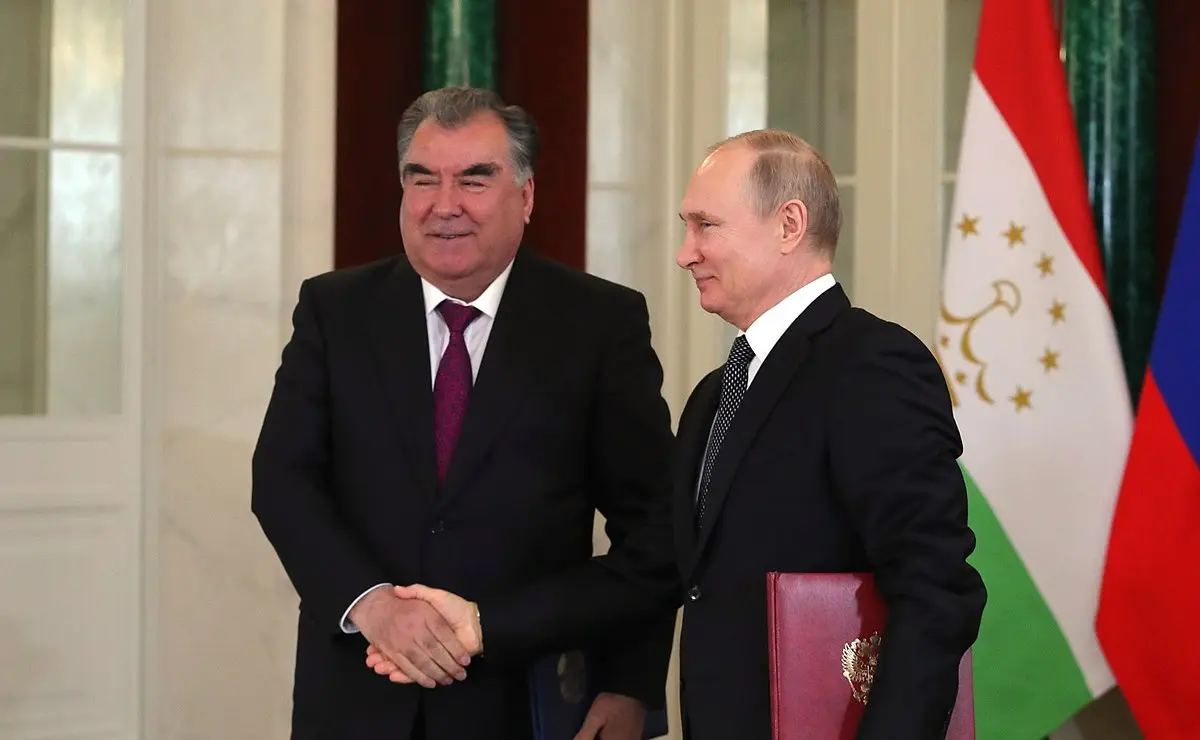
Putin’s repeated trips to Tajikistan underscore its role on Afghanistan’s northern frontier and within the CSTO. Discussions cover Russian troops at the 201st military base, border security, migrant labour and water‑energy disputes in Central Asia. The country is a key partner for Moscow in managing post‑Soviet security challenges.
10. Italy: 11 visits
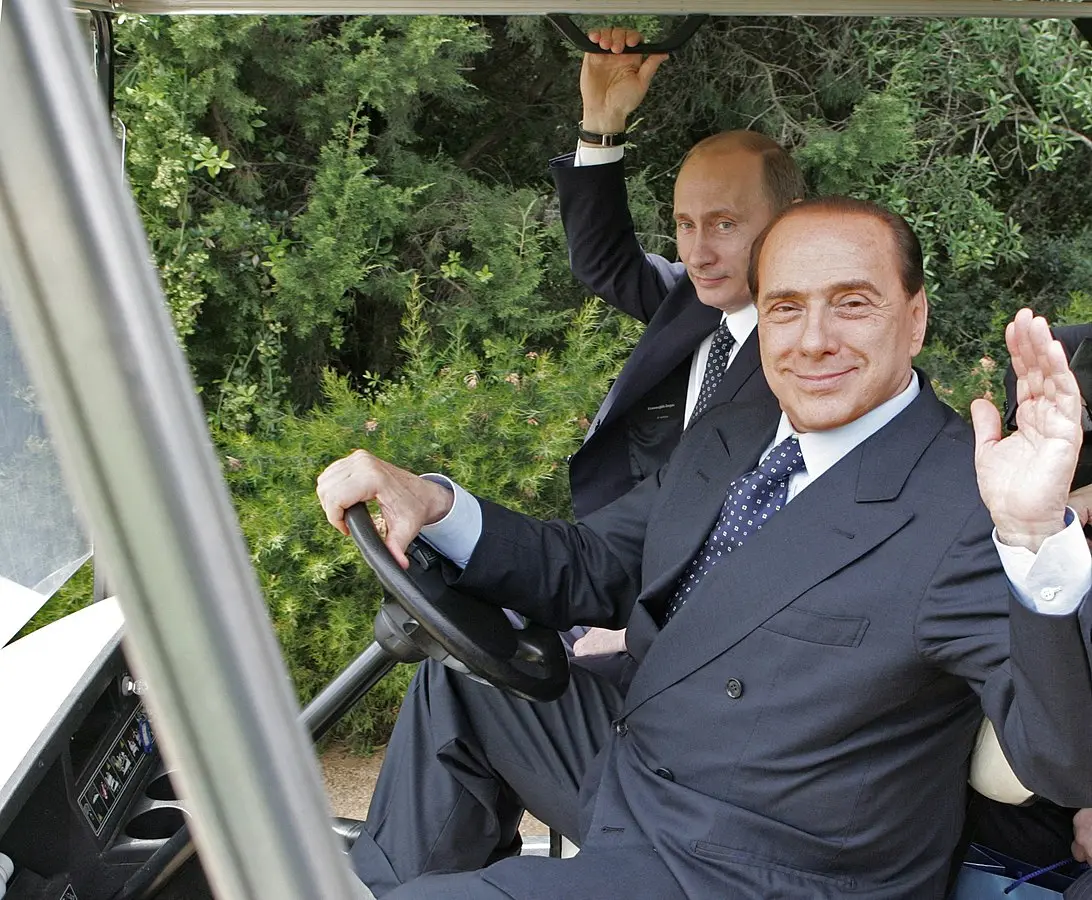
Italy rounds out the top ten, illustrating traditionally warm political and business ties. Visits often centred on energy cooperation with ENI, Vatican meetings, G8/G20 and Expo events, plus outreach to Italian leaders sympathetic to engagement with Moscow. Even as EU‑Russia relations worsened, Italy remained a relatively receptive European interlocutor.
How many times Vladimir Putin visited India?
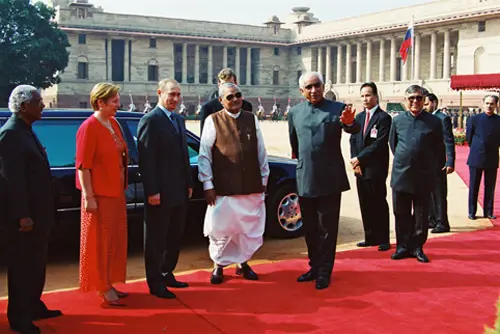
Including the 2025 visit, Vladimir Putin has come to India six times since 2000 as Russian President for the annual India–Russia summit mechanism, usually alternating with an Indian Prime Ministerial visit to Russia. One of the most noted trips was in December 2014, focused on “Make in India” and long‑term energy supplies. The December 2021 visit gained attention because it came just before the escalation in Ukraine in 2022 and included a 2+2 foreign and defence ministers’ dialogue.
)
)
)
)