India successfully test-fires Agni-5 ballistic missile: What you need to know

India successfully test-fired the Agni-5 ballistic missile today, marking a major step in its strategic defence capabilities. With a range of over 5,000 km, precision targeting, and multi-target technology, the missile strengthens India’s nuclear deterrence.
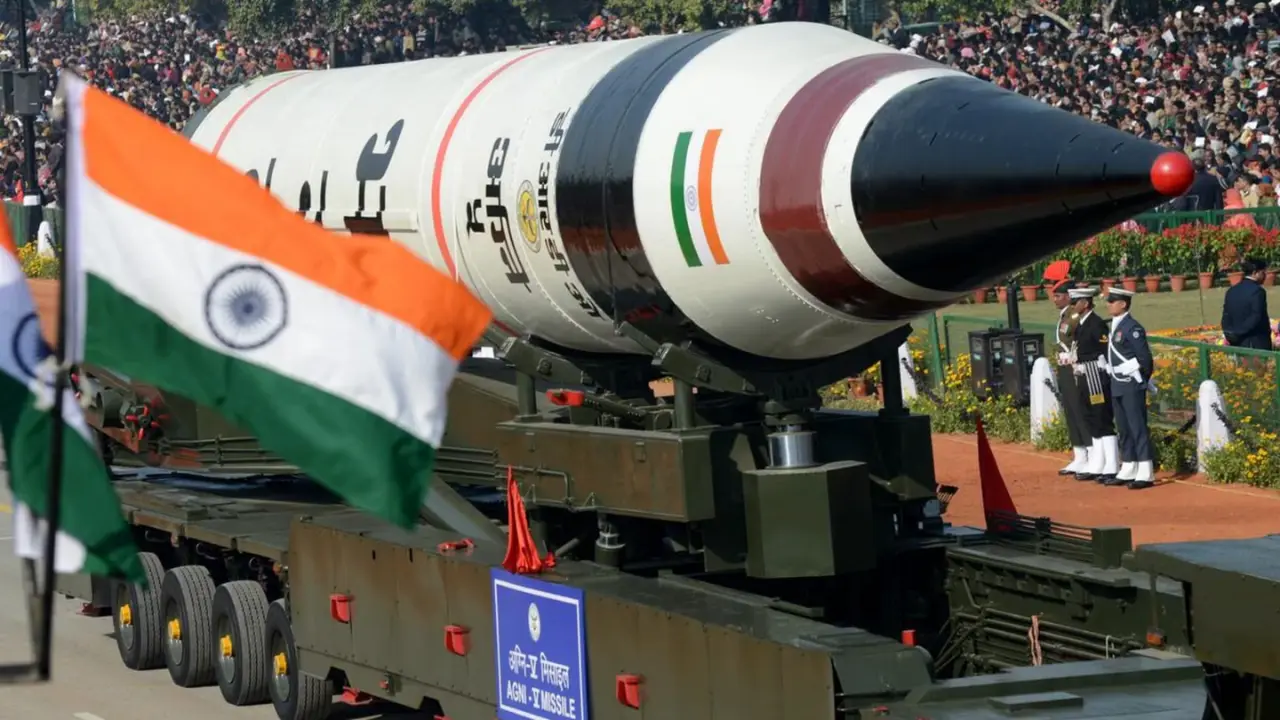
Agni 5 test a milestone for India
On Wednesday, 20th August 2025, India successfully carried out a test launch of its Agni-5 missile, an intermediate-range ballistic missile. The test took place at the Integrated Test Range in Chandipur, located in the eastern state of Odisha.
The Ministry of Defence confirmed that the missile performed exactly as expected during the test. All technical and operational features were fully checked and worked well. This test was carried out under the supervision of the Strategic Forces Command, which is responsible for managing India’s nuclear weapons.
The Agni-5 is an important part of India’s defence system and is designed to carry weapons over long distances with high accuracy. This successful test shows that the missile is ready for use when needed.
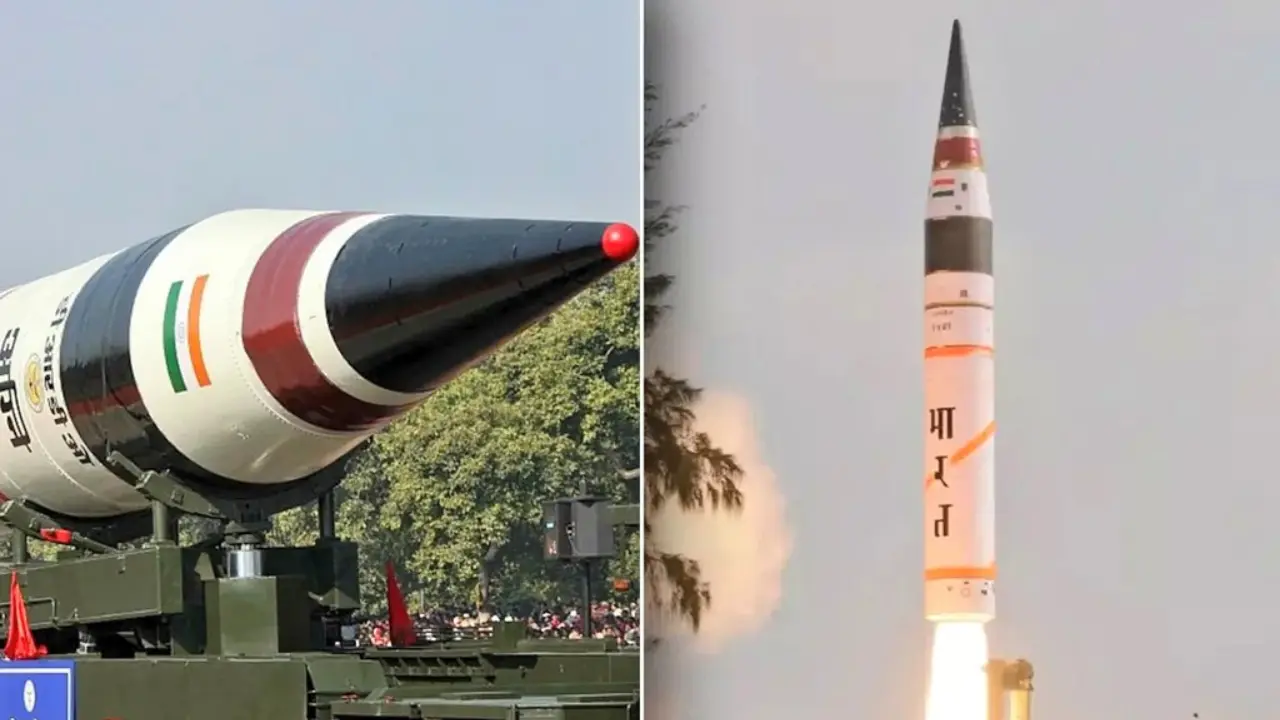
What is Agni 5
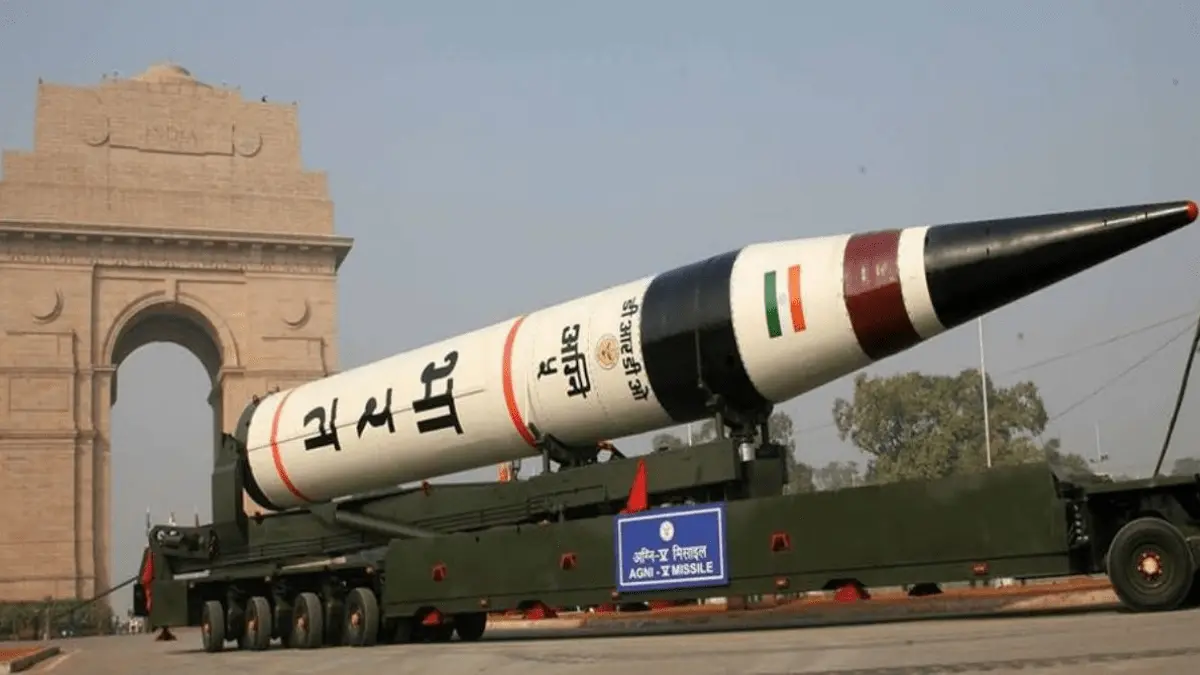
Agni 5 is an intercontinental ballistic missile with a strike range of more than 5,000 kilometres. It is nuclear capable with high accuracy, strengthening India’s deterrence posture.

Missile was launched from a mobile launcher in Odisha
The missile was launched from a mobile launcher in Odisha and struck its target in the Bay of Bengal. The 20 minute flight under varied conditions confirmed its robustness, as per the DRDO reports.
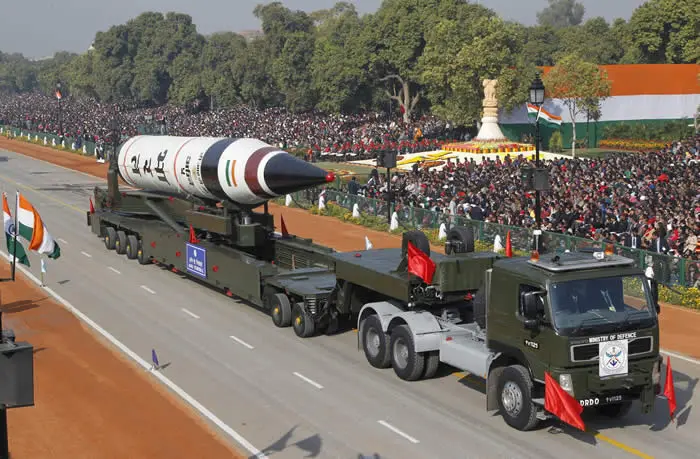
Indigenous multi target capability
The missile is built to carry multiple independently targetable re-entry vehicles, allowing one missile to strike several targets. This shows India’s growing mastery over advanced missile technology.

Why Agni 5 matters strategically
With its long reach, the missile extends India’s coverage. Defence analysts call it will strengthens India’s strike capability.
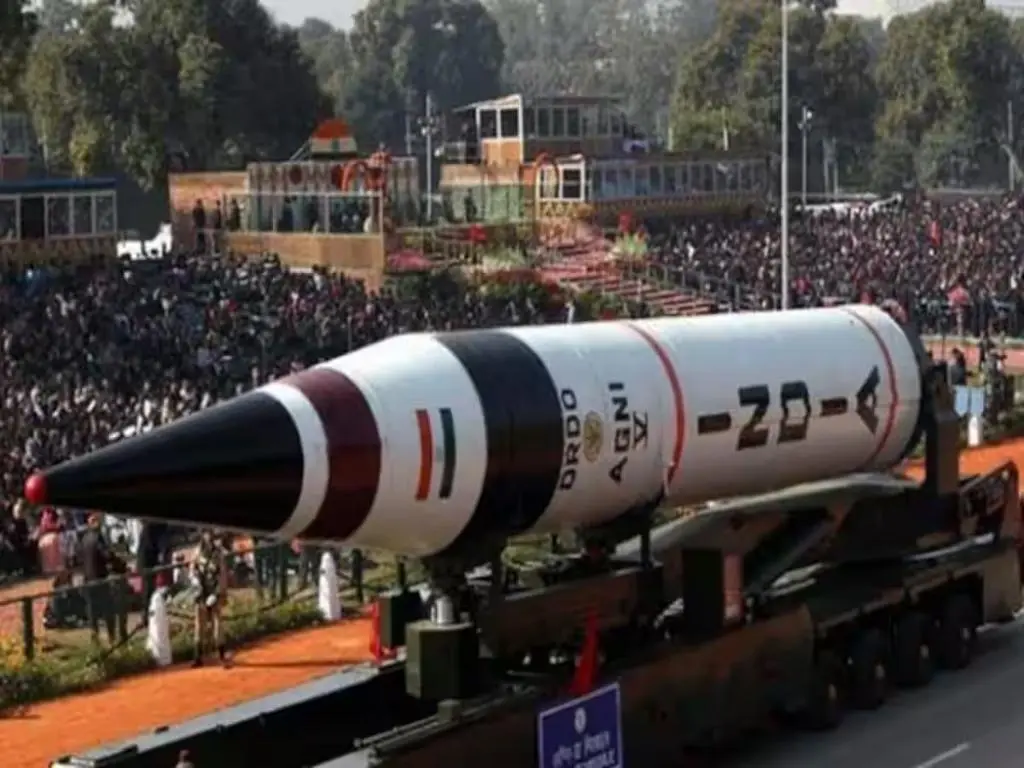
Advanced technology onboard
Agni 5 uses upgraded rocket motors, advanced navigation and a stealthy design to cut detection chances. It can also carry multiple independently targetable missiles, meaning one missile could strike several different targets.
India’s growing missile arsenal
Agni 5 joins missiles like Agni 4 and Prithvi in India’s missile arsenal. Defence analysts say regular testing and upgrades show India’s drive to keep its deterrent credible and modern.
)
)
)
)
)