India set to sign deal to produce Rafale’s deadly ‘HAMMER’ missiles? 70 km range, all-weather multi-target strike power & more

A memorandum of understanding for a joint venture to manufacturing of Hammer missiles is also likely to be signed in the presence of both Defence Ministers.
Strategic dialogue set to deepen defence ties
India and France are preparing to strengthen their long-standing defence partnership as Defence Minister Rajnath Singh is set to co-chair the sixth annual defence dialogue with French Minister of the Armed Forces and Veterans Affairs, Catherine Vautrin in Bengaluru, on Tuesday. According to the Ministry of Defence, the meeting aims to review bilateral military cooperation, with a key focus on expanding defence manufacturing and industrial collaboration between India and France.
Ten-year defence pact and industrial expansion
Officials are expected to renew a defence cooperation agreement for another decade. A memorandum of understanding for a joint venture to manufacturing of Hammer missiles is also likely to be signed in the presence of both Defence Ministers, reported ANI. Additionally, the dialogue will also discuss reciprocal deployment of officers between Indian Army and French Land Forces establishments, reflecting a growing effort to integrate operational learning and joint preparedness.
The HAMMER missile: A precision smart weapon
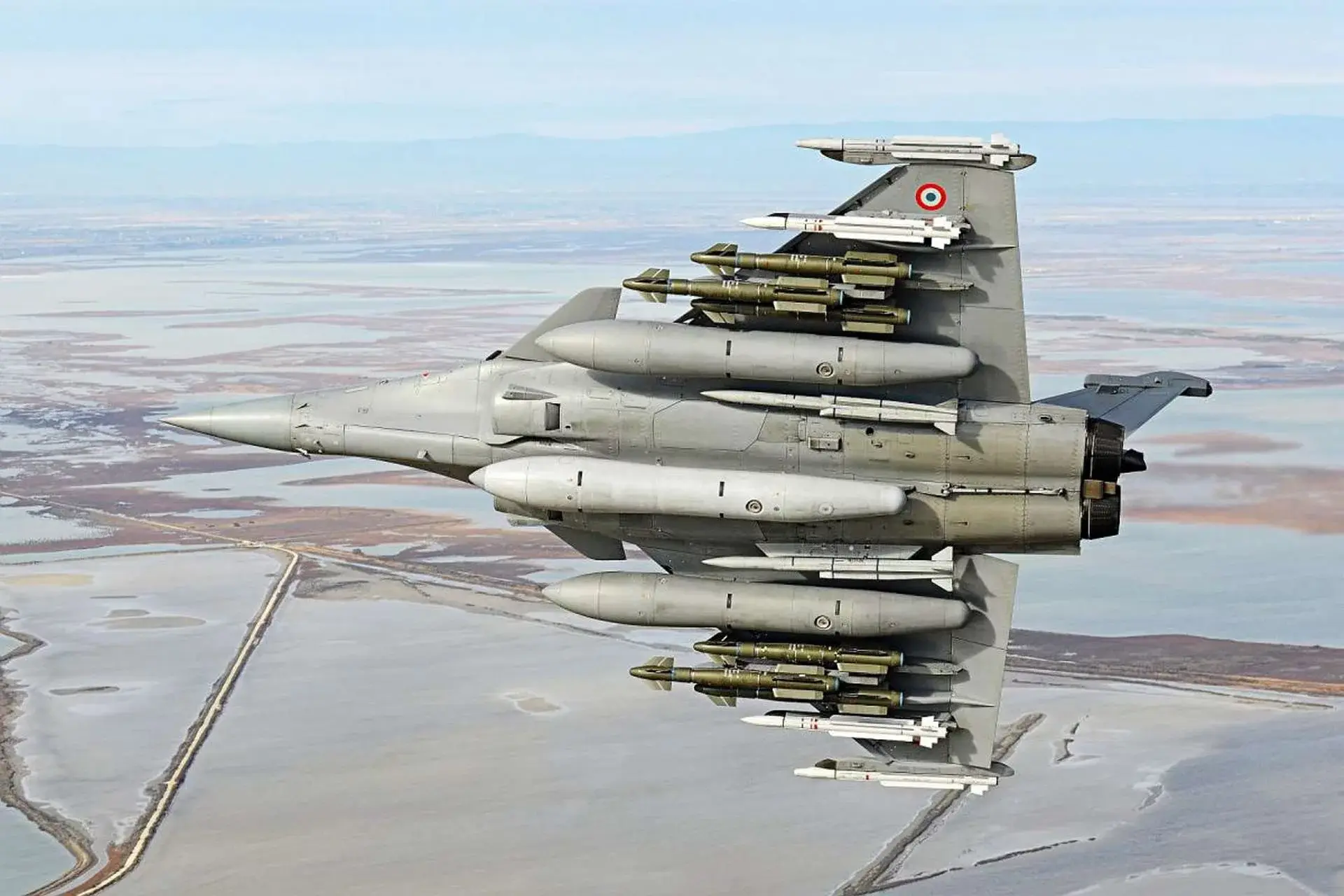
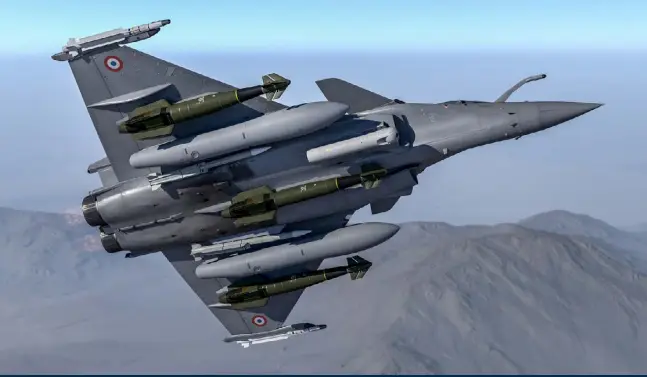
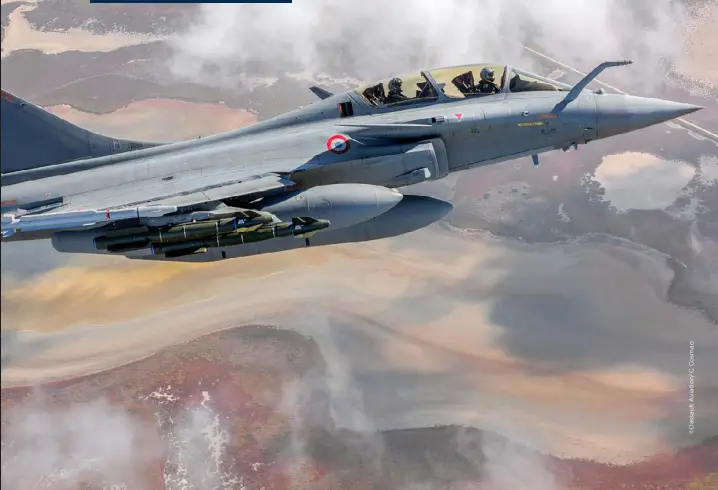
The Highly Agile Modular Munition Extended Range, or AASM HAMMER, is a precision-guided all- weather smart air-to-ground munition developed by France's Safran Group. Designed for deployment from Rafale fighter aircraft, the missile combines a guidance kit with a standard bomb body to deliver high-accuracy strikes. The system can be configured with multiple guidance modes, including GPS, infrared and semi-active laser targeting, allowing engagement of stationary or moving targets under challenging combat conditions.
Modular design and extended strike capability
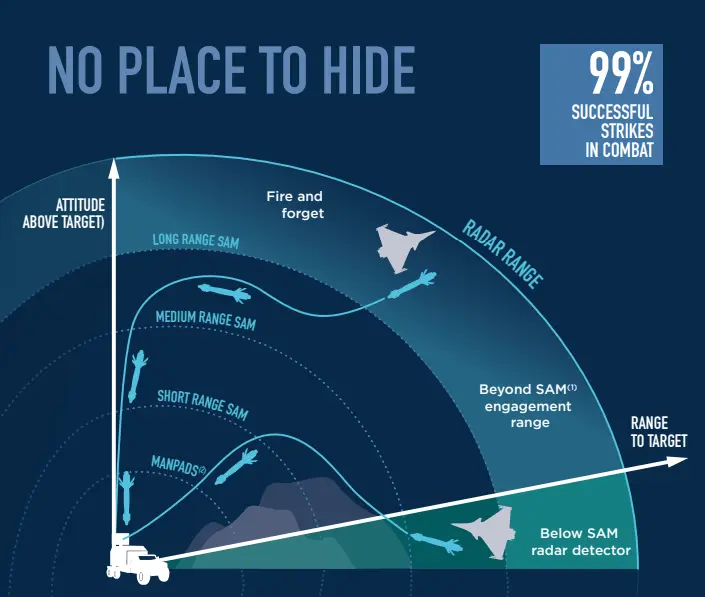
The growing significance of HAMMER was reflected during India’s Operation Sindoor, when the weapon system was operationally deployed. HAMMER’s modular architecture allows the munition to be adapted for different operational roles. The weapon provides extended stand-off range, enabling aircraft to strike targets from safer distances while maintaining precision. Depending on the variant, the weapon can strike targets at distances of up to 70 kilometres. According to Safran, it has delivered 99 per cent successful strikes in combat.
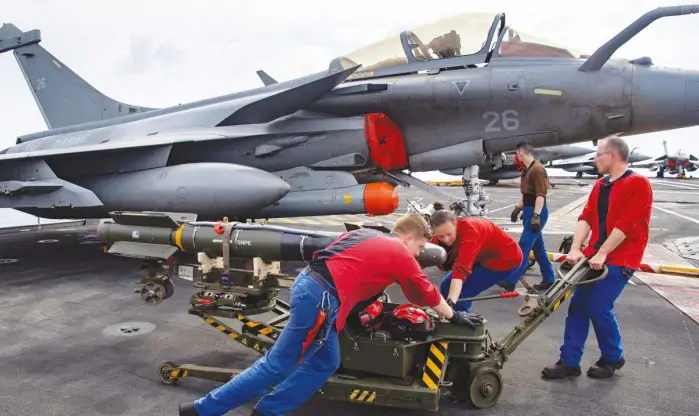
Can engage with multiple targets
The system can integrate up to three different guidance kits, allowing operators to select the optimal impact angle and strike velocity based on mission requirements and weapon release parameters. The munition also offers an exceptionally wide firing envelope and can operate effectively even in GNSS-denied environments, enabling simultaneous engagement of multiple targets with high precision.
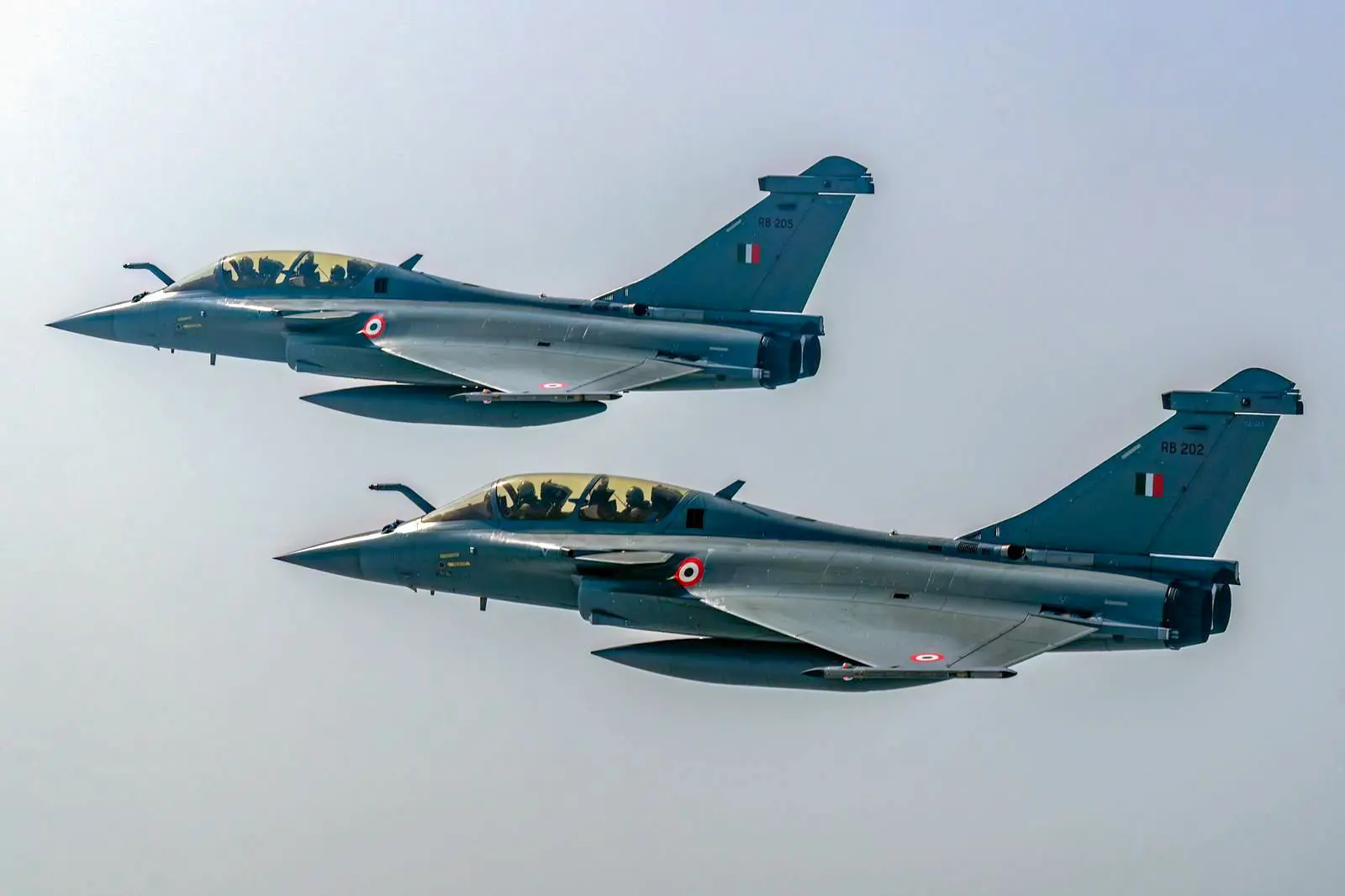
Rafale production discussions and technology transfer
Alongside missile cooperation, India and France are expected to discuss the proposed acquisition of 114 Rafale fighter jets. The plan involves manufacturing 96 aircraft domestically, with the remainder supplied in fly-away condition under supervision of Dassault Aviation. The proposal represents one of India’s largest efforts to expand domestic aerospace production capabilities.
Helicopter manufacturing milestone
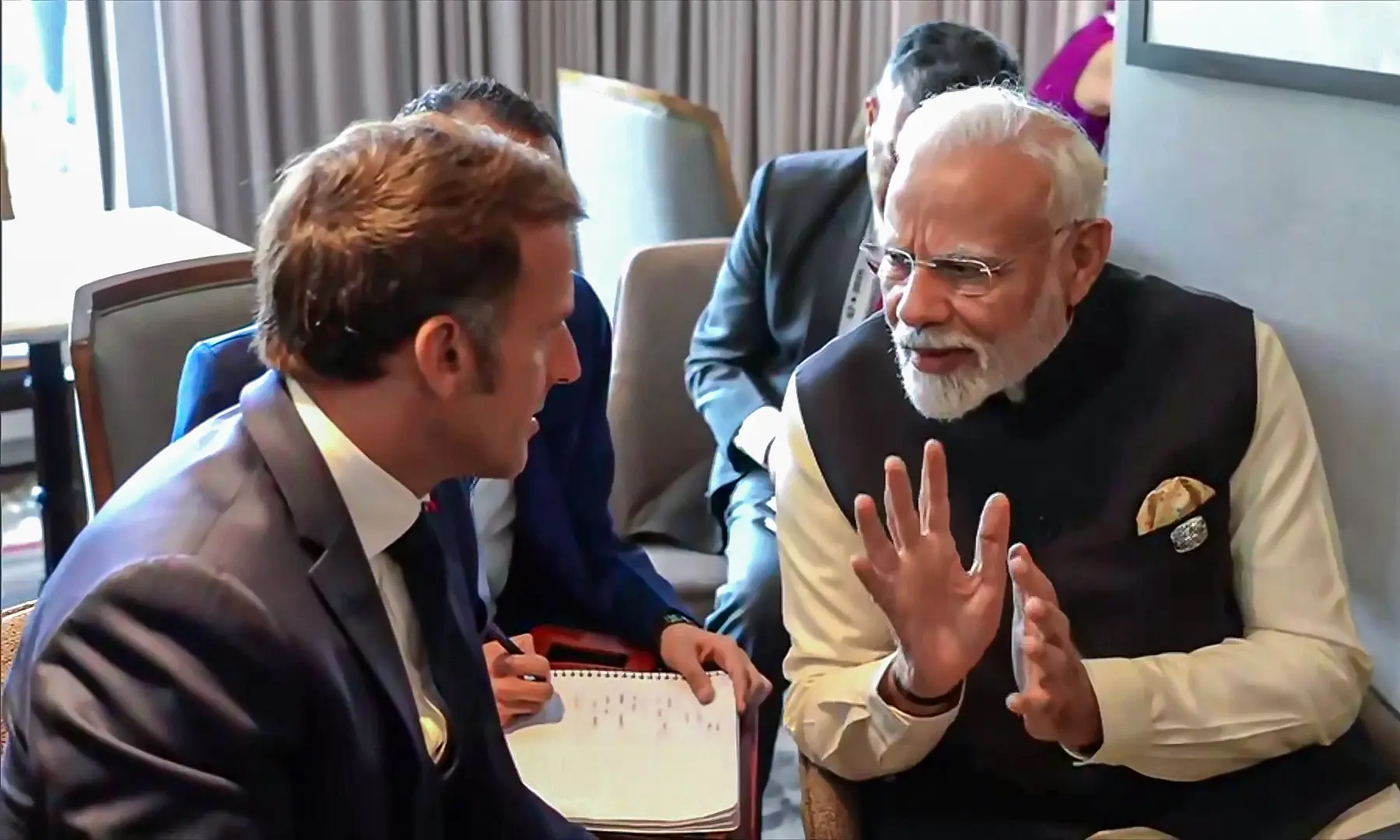
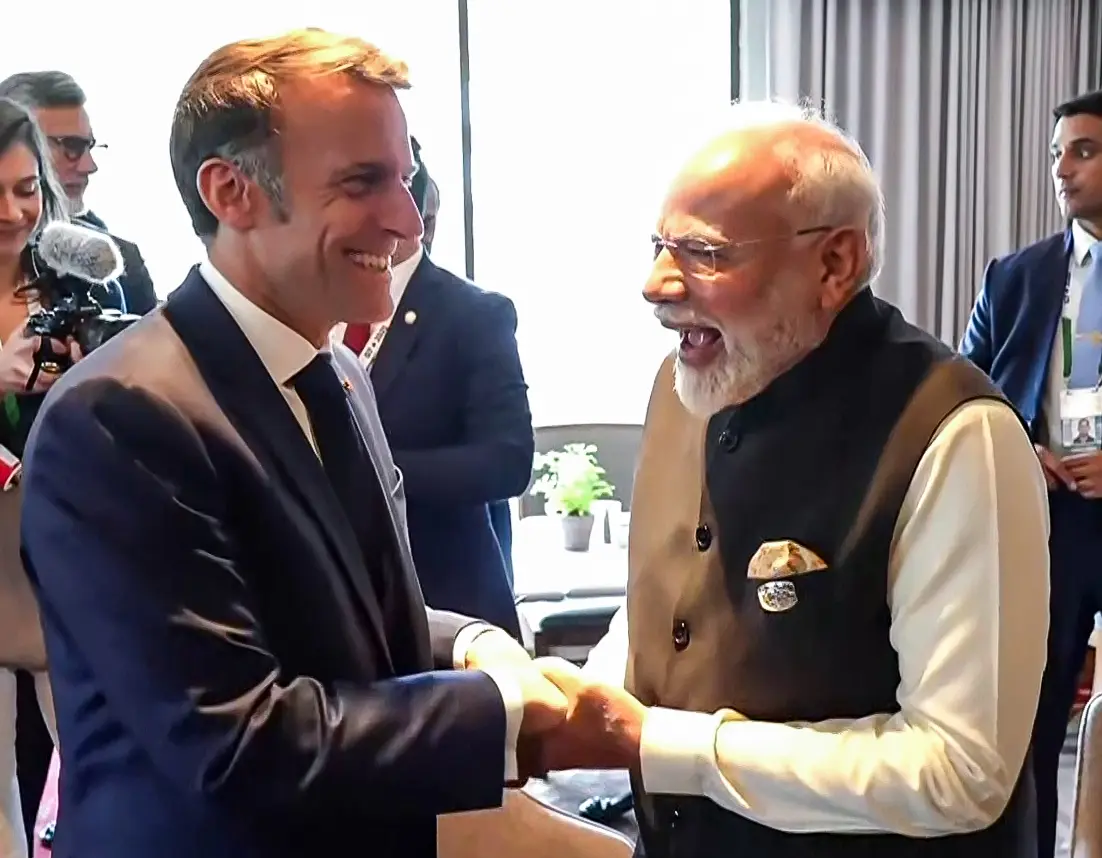
The two defence ministers are also expected to participate in the virtual inauguration of the H125 Light Utility Helicopter final assembly line at Vemagal, Karnataka, by Prime Minister Narendra Modi and French President Emmanuel Macron. The facility is being developed through a joint industrial collaboration between Airbus and Tata Group. President Macron is currently on an official visit to India, which includes participation in the AI Impact Summit and bilateral strategic engagements between the two nations.
Expanding military cooperation framework
Defence cooperation remains a central pillar of India-France relations. The two countries conduct regular joint exercises across services, including Shakti, Varuna and Garuda.
)
)
)
)
)