India’s three-stage nuclear power programme: What is thorium and how it could shape the country’s energy future

India has achieved a key milestone with the commissioning of the 500 MWe Prototype Fast Breeder Reactor (PFBR) at Kalpakkam, Tamil Nadu, marking the transition into the second stage of its nuclear roadmap.
Strategic shift towards a thorium-based future
India’s nuclear programme is at a decisive stage as it advances its long-term strategy built around a three-stage fuel cycle designed to maximise limited uranium resources and unlock its vast thorium potential. According to the Press Information Bureau (PIB), India has achieved a key milestone with the commissioning of the 500 MWe Prototype Fast Breeder Reactor (PFBR) at Kalpakkam, Tamil Nadu, marking the transition into the second stage of its nuclear roadmap. Developed by the Indira Gandhi Centre for Atomic Research (IGCAR) and built by BHAVINI, the reactor achieved first criticality on April 6, 2026.
Understanding thorium and its global significance
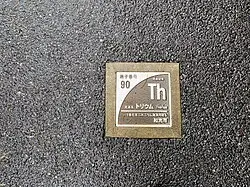
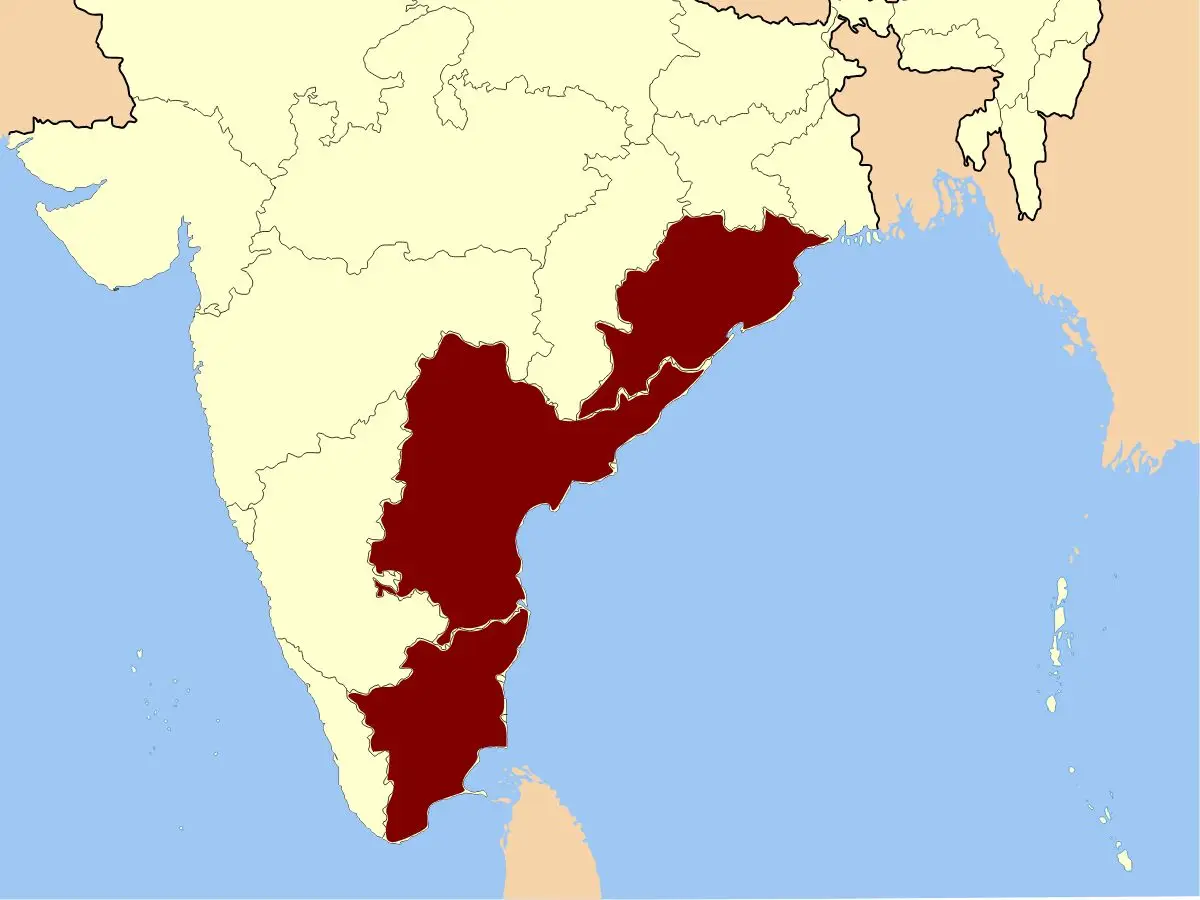
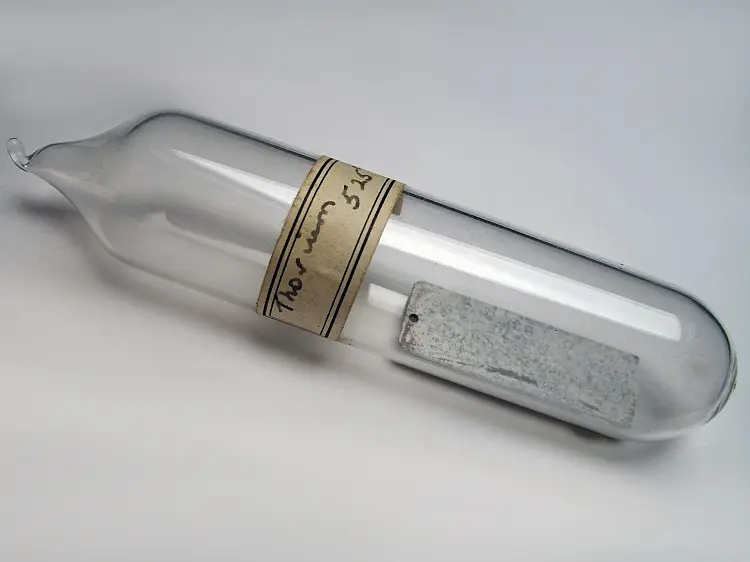
Thorium is a naturally occurring, slightly radioactive element that is more abundant than uranium in the Earth’s crust. According to the World Nuclear Association, global thorium resources are estimated at around 6.4 million tonnes, with India holding the largest share at approximately 850,000 tonnes, followed by Brazil, Australia and the United States. The International Atomic Energy Agency (IAEA) notes that thorium is not itself a fissile fuel but a fertile material that can be converted into uranium-233 for energy generation.
Stage one: Pressurised Heavy Water Reactors (PHWRs)
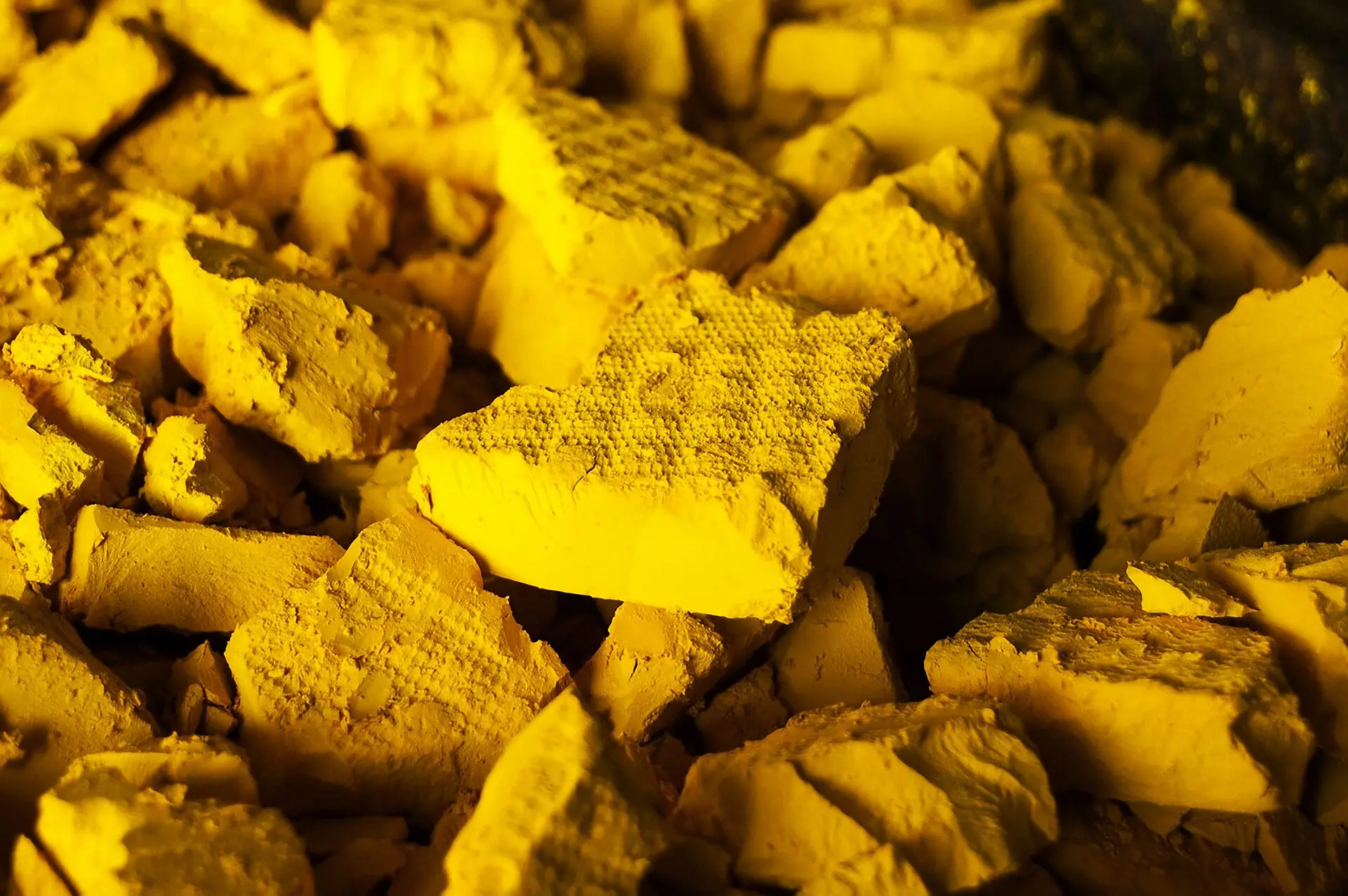
India’s first stage relies on PHWRs using natural uranium as fuel. These reactors generate electricity while producing plutonium as a by-product. This plutonium forms the essential input for the second stage of the programme, ensuring a closed fuel cycle aimed at improving long-term resource efficiency.
Stage two: Fast Breeder Reactor expansion
The commissioning of the PFBR at Kalpakkam marks India’s entry into fast breeder technology. These reactors use uranium-plutonium mixed oxide fuel and are designed to produce more fissile material than they consume. These reactors will be used to breed Uranium-233 from thorium, laying the groundwork for Stage 3. According to PIB, India will become only the second country after Russia to operate a commercial-level fast breeder reactor once fully operational.

Stage three: Thorium-based energy future
The third stage of the programme focuses on large-scale utilisation of thorium. Through neutron absorption in fast breeder reactors, thorium is converted into uranium-233, which can then sustain nuclear fission. This stage is considered central to India’s long-term energy security, given its large thorium reserves, particularly in coastal monazite sands.
Energy capacity and national expansion plans
India’s current nuclear capacity stands at 8.78 GW, contributing about 3 per cent of total electricity generation. As per official projections, capacity is expected to rise to 22.38 GW by 2031–32, supported by 700 MW and 1,000 MW reactors under development. The government has also announced an ambitious target of 100 GW nuclear capacity by 2047 under the Nuclear Energy Mission.
Strategic importance of thorium for India
India’s dominance in thorium reserves positions it uniquely in global nuclear planning. Unlike uranium, thorium-based systems offer long-term fuel sustainability through breeding cycles. As highlighted by the IAEA, India’s programme is among the most advanced globally in developing thorium utilisation pathways, including the Advanced Heavy Water Reactor concept, which is designed to demonstrate full thorium fuel cycle deployment.
)
)
)
)
)