India’s thorium push: Top 7 countries with largest reserves and where India stands

Global thorium resources are concentrated in a limited number of countries, with India leading at about 846,000 tonnes, followed by Brazil, Australia, the United States, Egypt, Turkey, and Venezuela.
India’s three-stage nuclear programme milestone
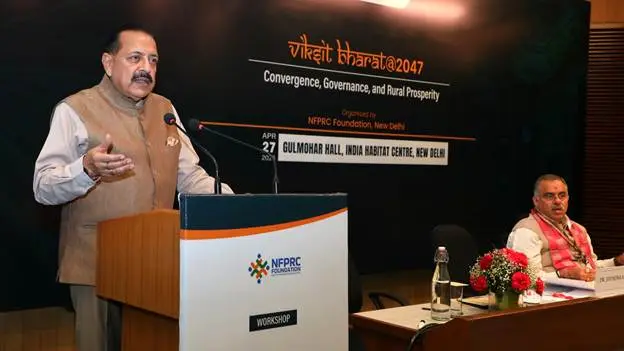
India is set to become only the second country after Russia to operate a commercial-scale fast breeder reactor, according to Union Minister Jitendra Singh. India has advanced its three-stage nuclear power programme with the Prototype Fast Breeder Reactor (PFBR) at Kalpakkam attaining first criticality on April 6, 2026. Officials quoted by the press Information Bureau described it as a “significant milestone,” marking India’s entry into the second stage of the programme.
Future of thorium-based nuclear energy
The 500 MWe reactor, developed by BHAVINI, uses uranium-plutonium mixed oxide fuel and produces more fuel than it consumes. The PFBR development, led by the Indira Gandhi Centre for Atomic Research, is designed to transition India towards its long-term thorium-based energy system by generating fissile material for future reactors.
Thorium extraction and practical challenges
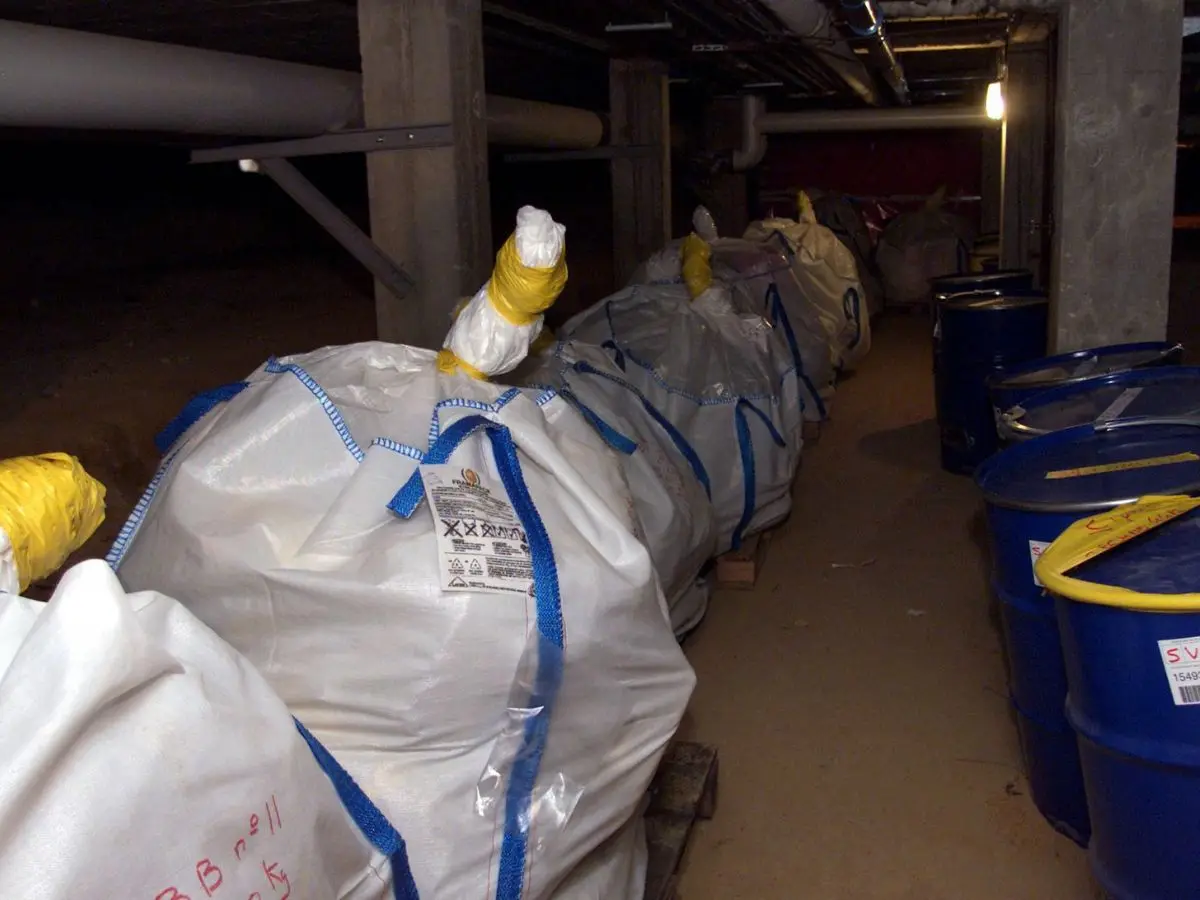
Most thorium is obtained from monazite sands, a rare earth phosphate mineral that typically contains around 6–12 per cent thorium phosphate. Global monazite resources are estimated at about 16 million tonnes, with nearly 12 million tonnes concentrated in heavy mineral sands along India’s southern and eastern coasts. However, extraction remains limited, as thorium is generally recovered only as a by-product of rare earth processing, making large-scale commercial production currently uneconomical.
Global thorium distribution and leading reserves
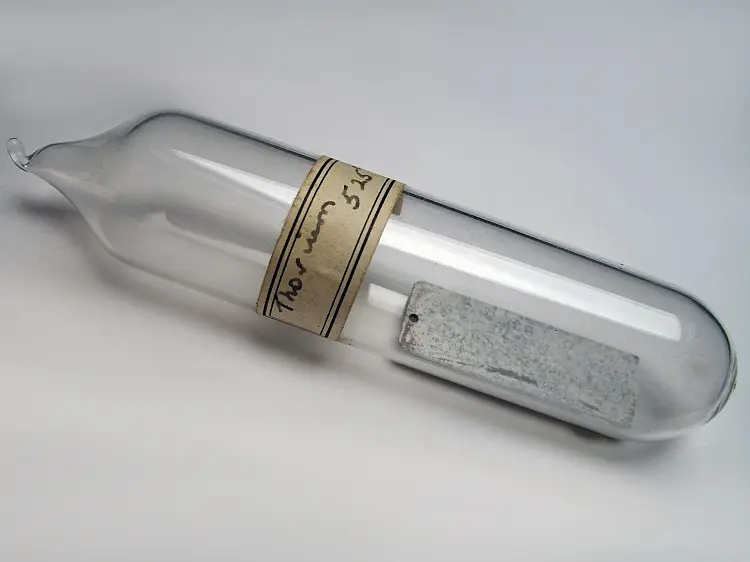
Global thorium resources are concentrated in a limited number of countries, with India leading at about 846,000 tonnes, followed by Brazil, Australia, the United States, Egypt, Turkey, and Venezuela. Canada, Russia, and South Africa also hold notable deposits, according to international estimates. Overall, the International Atomic Energy Agency (IAEA) and the OECD Nuclear Energy Agency (NEA) “Red Book” (Uranium 2016: Resources, Production and Demand) places total identified and estimated global thorium resources at approximately 6.2–6.4 million tonnes.
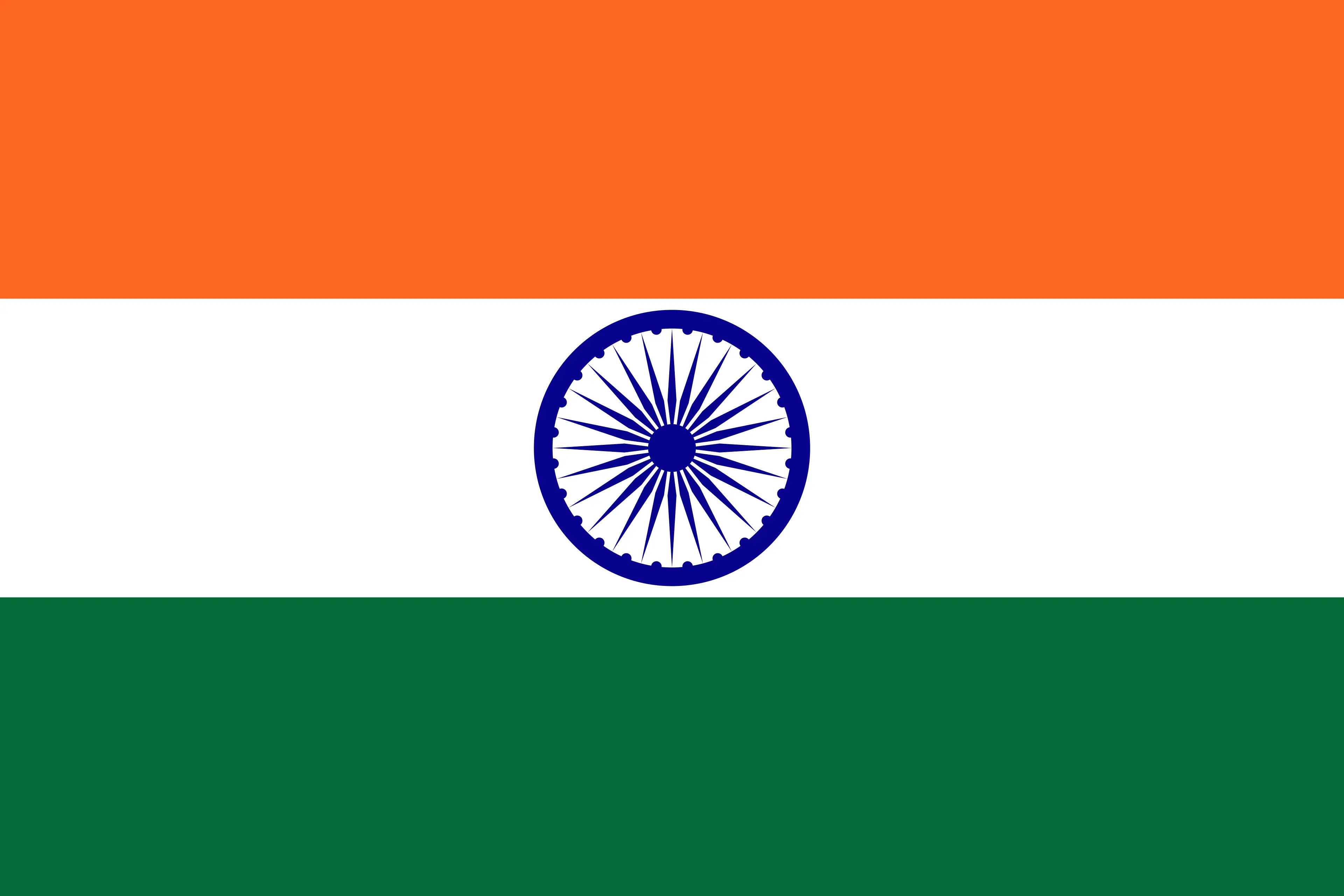
India leads global thorium reserves
India tops the world in thorium resources with about 846,000 tonnes. Most of this (around 12 million tonnes) is found in monazite-rich coastal mineral sands, especially along the eastern and southern coasts. This gives India a strategic advantage in its long-term three-stage nuclear programme, which aims to eventually utilise thorium as a major energy source.

Brazil
Brazil holds approximately 632,000 tonnes of thorium resources, making it the second-largest holder globally. Its deposits are mainly associated with rare earth and mineral sand formations. Like India, Brazil’s thorium potential is largely linked to monazite-bearing coastal and inland mineral systems.
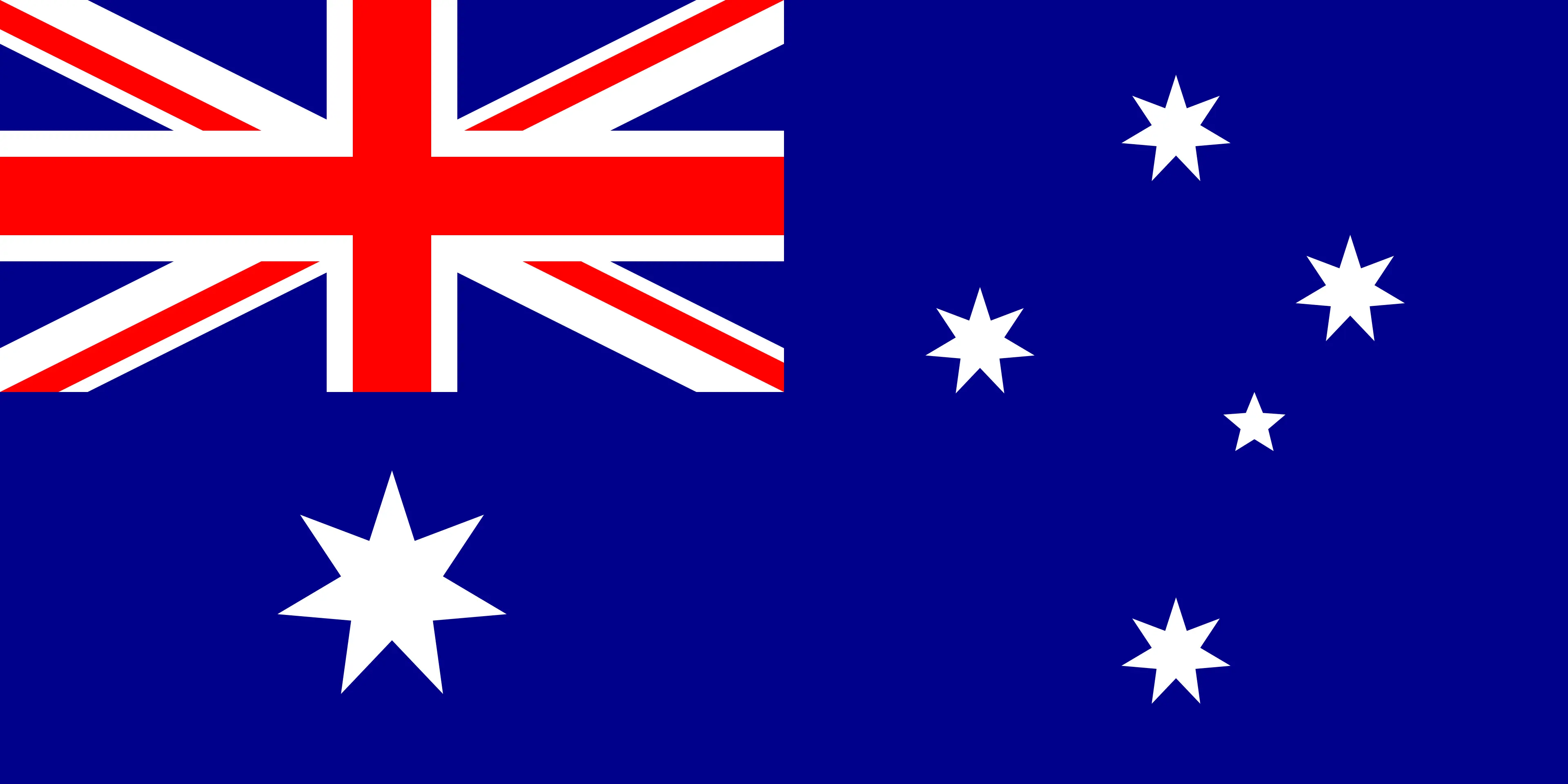
Australia
Australia has around 595,000 tonnes of identified thorium resources. These are primarily found in mineral sands and heavy mineral deposits. The country’s strong mining infrastructure for rare earth elements also positions thorium as a potential by-product resource in future nuclear fuel cycles.

United States
The United States holds an estimated 595,000 tonnes of thorium resources. Its key deposits are found in placer and vein-type mineral formations. Significant concentrations occur in epigenetic veins around alkaline intrusions, within alkaline igneous complexes and carbonatites, and in alluvial stream and beach placer deposits formed through the erosion of alkaline igneous terranes.
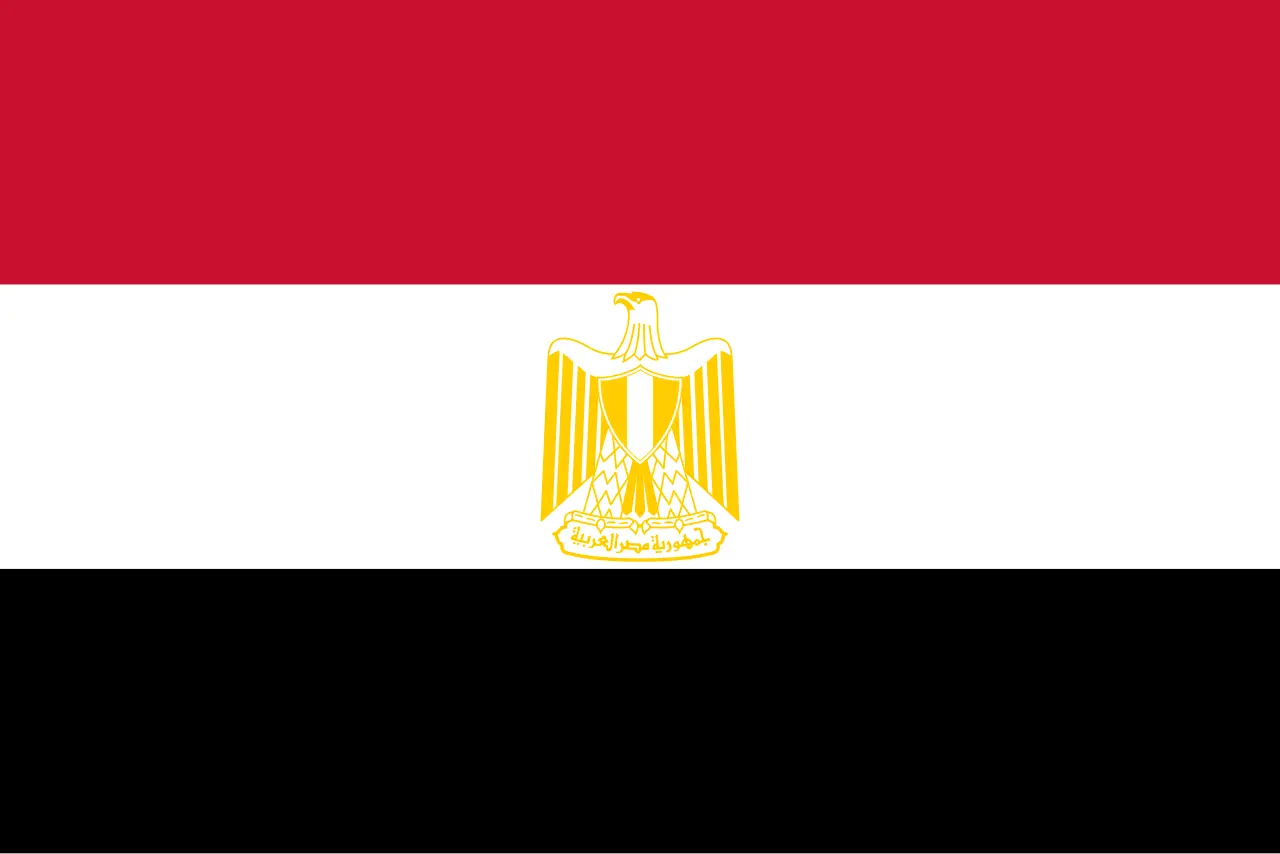
Egypt
Egypt possesses roughly 380,000 tonnes of thorium resources, mainly linked to coastal mineral sands (black sands) along the Nile Delta and Red Sea regions.
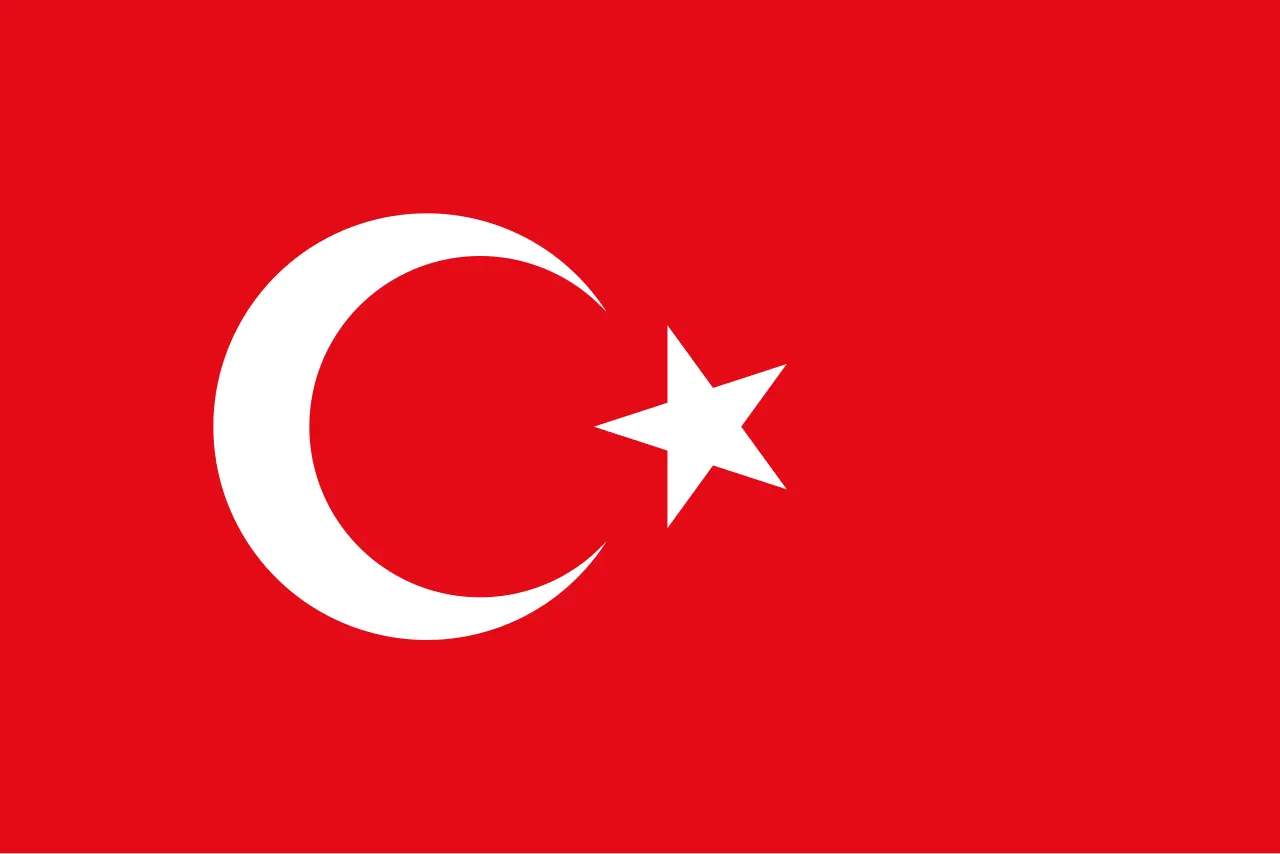
Turkey and Venezuela
Turkey holds about 374,000 tonnes of thorium, while Venezuela has around 300,000 tonnes. Both countries’ reserves are associated with mineral sands and geological formations containing rare earth elements. However, neither currently has an active thorium fuel programme at industrial scale.
)
)
)
)
)