India's Rafale vs. Bangladesh's Eurofighter: Which fighter jet will rule the skies of Bengal?

Edited By Tarun Mishra
Published: Dec 12, 2025, 05:21 IST | Updated: Dec 12, 2025, 05:21 IST
With Bangladesh signing a Letter of Intent for the Eurofighter Typhoon, the balance of air power in South Asia is about to shift. For the first time, the skies over the Bay of Bengal will host two of the world's most advanced "4.5-generation" European fighters.
1 / 6
(Photograph: Global Defense Corp)
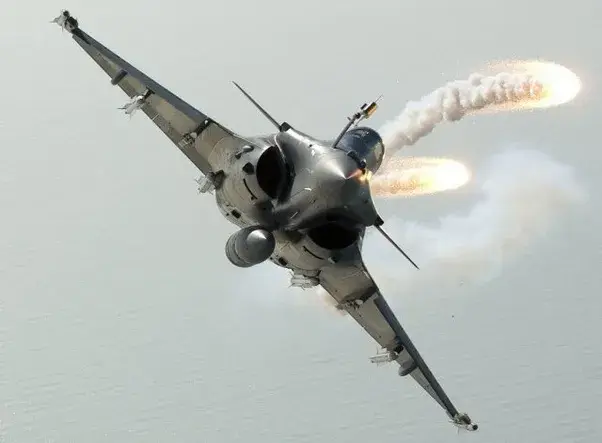
1. The Dogfight: Agility vs. Raw Power
- The Rafale (The Agile Cat): India’s Rafale is designed as an "Omnirole" fighter. It excels at low-speed maneuverability and heavy load-carrying. Its close-coupled canards allow it to snap its nose around in a tight knife-fight, making it deadly in visual-range combat.
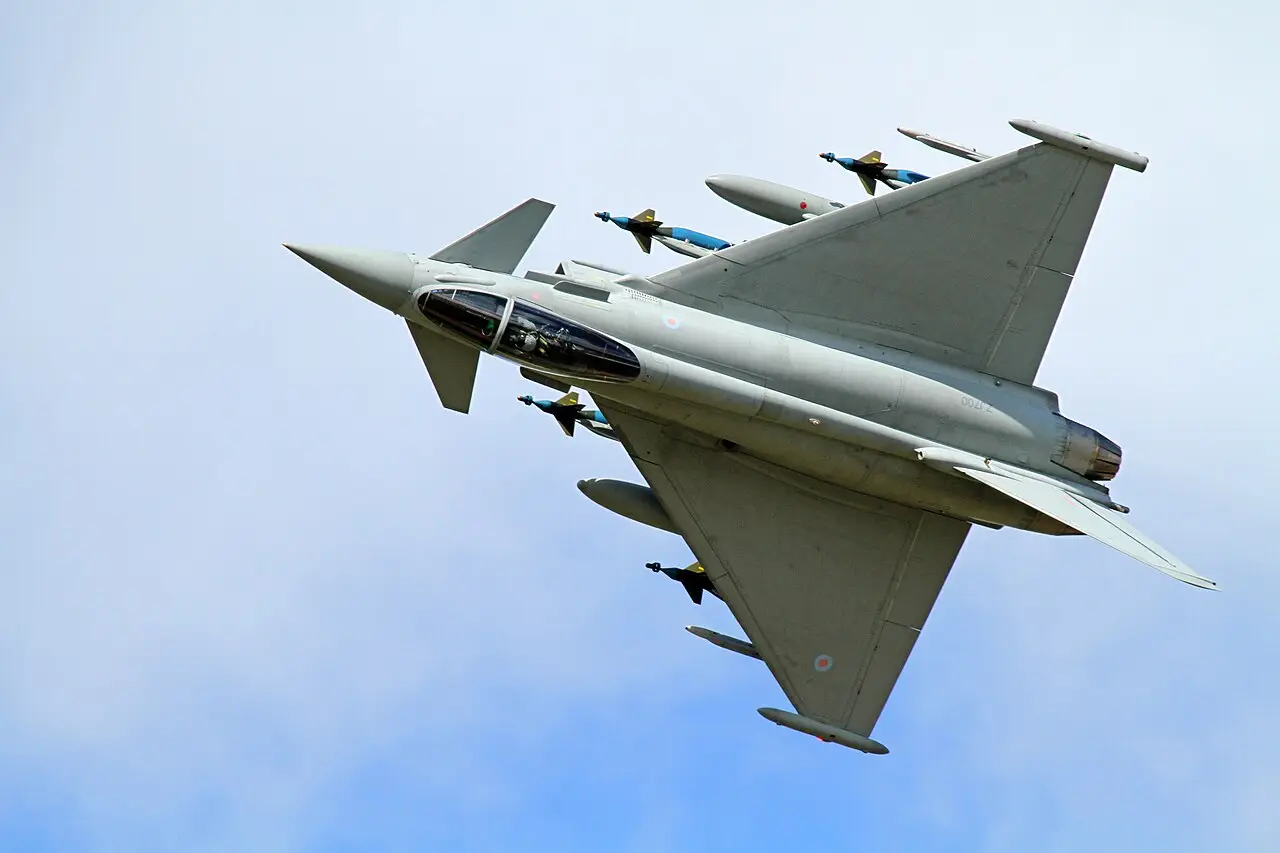
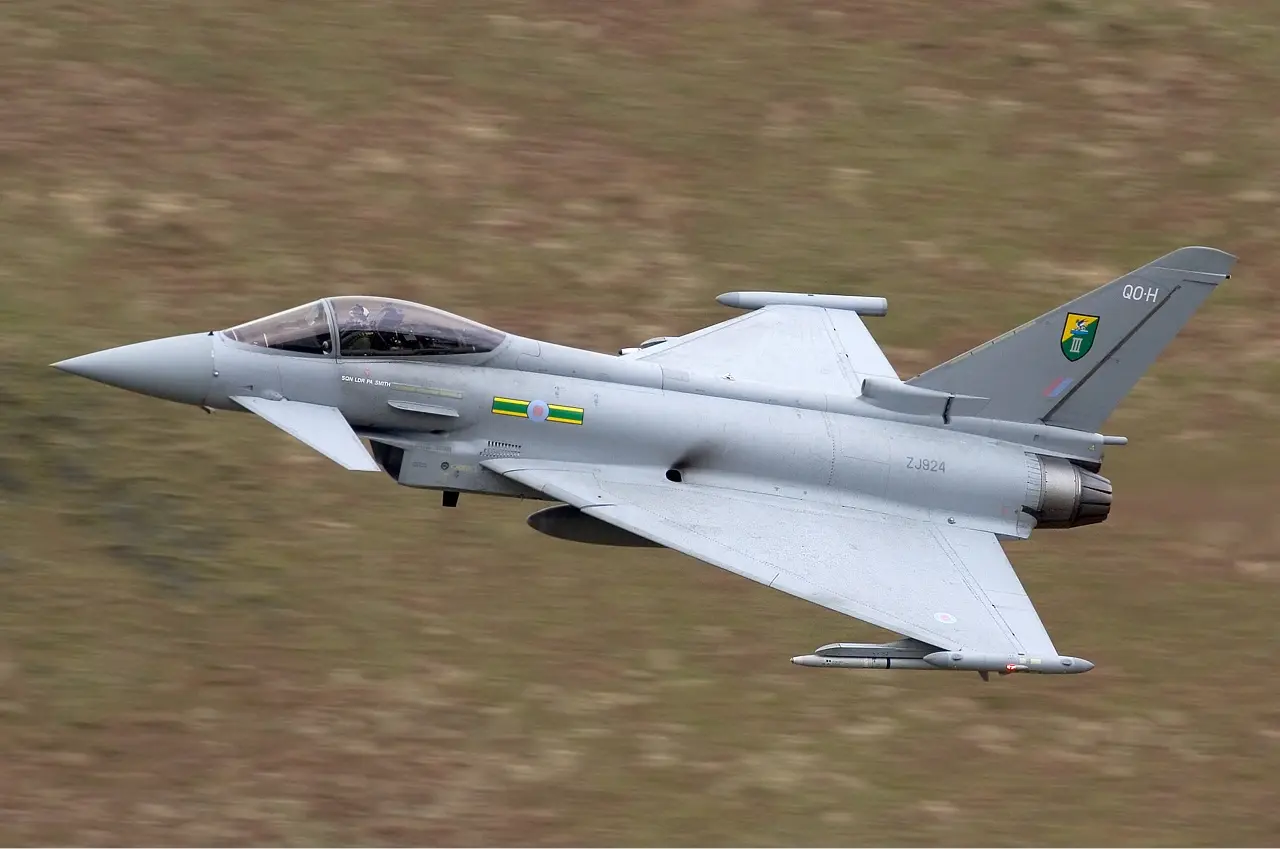
- The Typhoon (The Speed Demon): The Typhoon was born to be an interceptor. Its EJ200 engines are widely considered superior in raw thrust, allowing it to "Supercruise" (fly supersonic without afterburners) more easily than the Rafale. In a high-altitude, high-speed chase, the Typhoon has the kinematic edge.
2 / 6
(Photograph: MBDA)
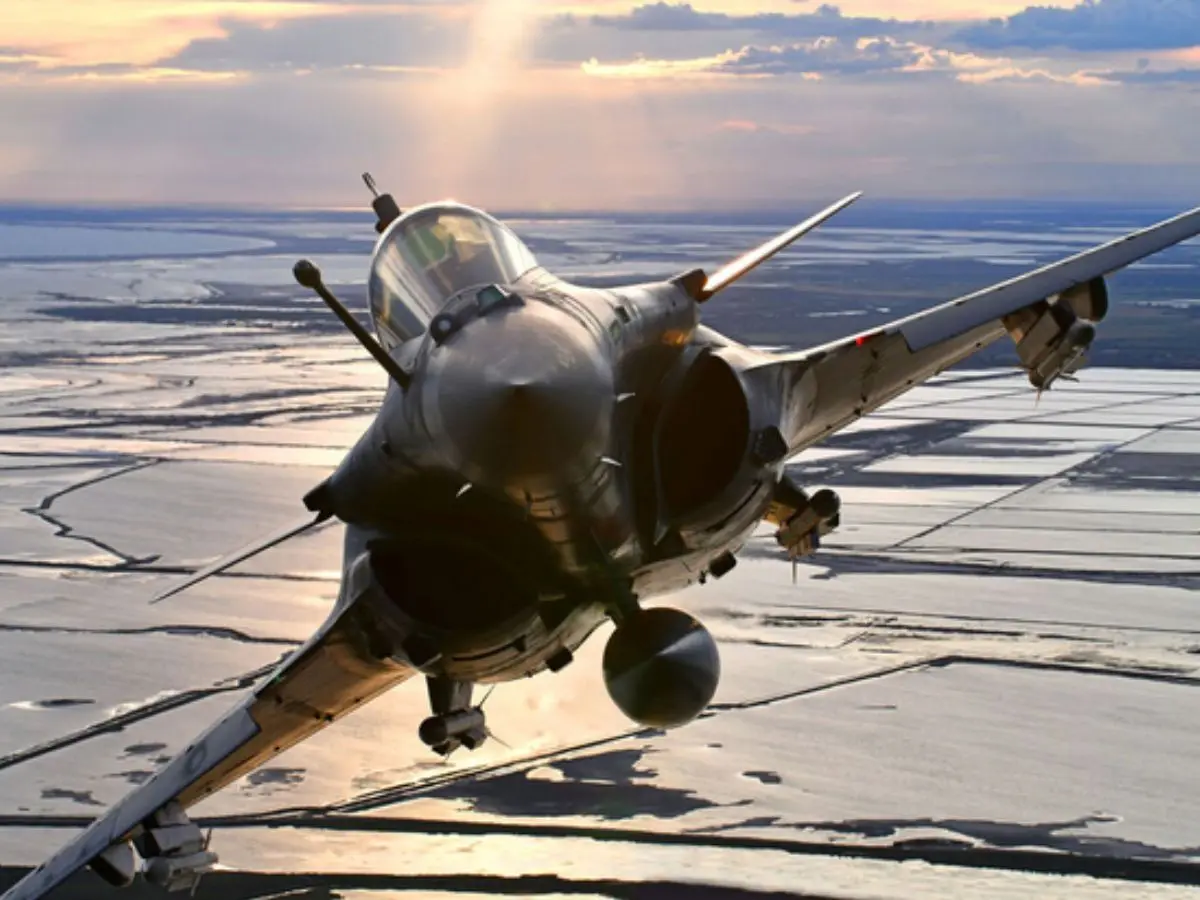
2. The Eyes: Radar Superiority
- India’s Edge (Operational Maturity): India’s Rafales are already equipped with the RBE2 AA, an Active Electronically Scanned Array (AESA) radar. It is battle-tested, jam-resistant, and currently operational.
- Bangladesh’s Potential (The Swiveling AESA): The "Tranche 4" Typhoon Bangladesh is negotiating for comes with the Captor-E AESA radar. Unlike the fixed plate on the Rafale, the Captor-E sits on a "swashplate," allowing it to physically swivel. This gives the Typhoon a wider field of view (approx. 200 degrees), allowing it to track an enemy while turning away—a manoeuvre the Rafale cannot perform as easily.
3 / 6
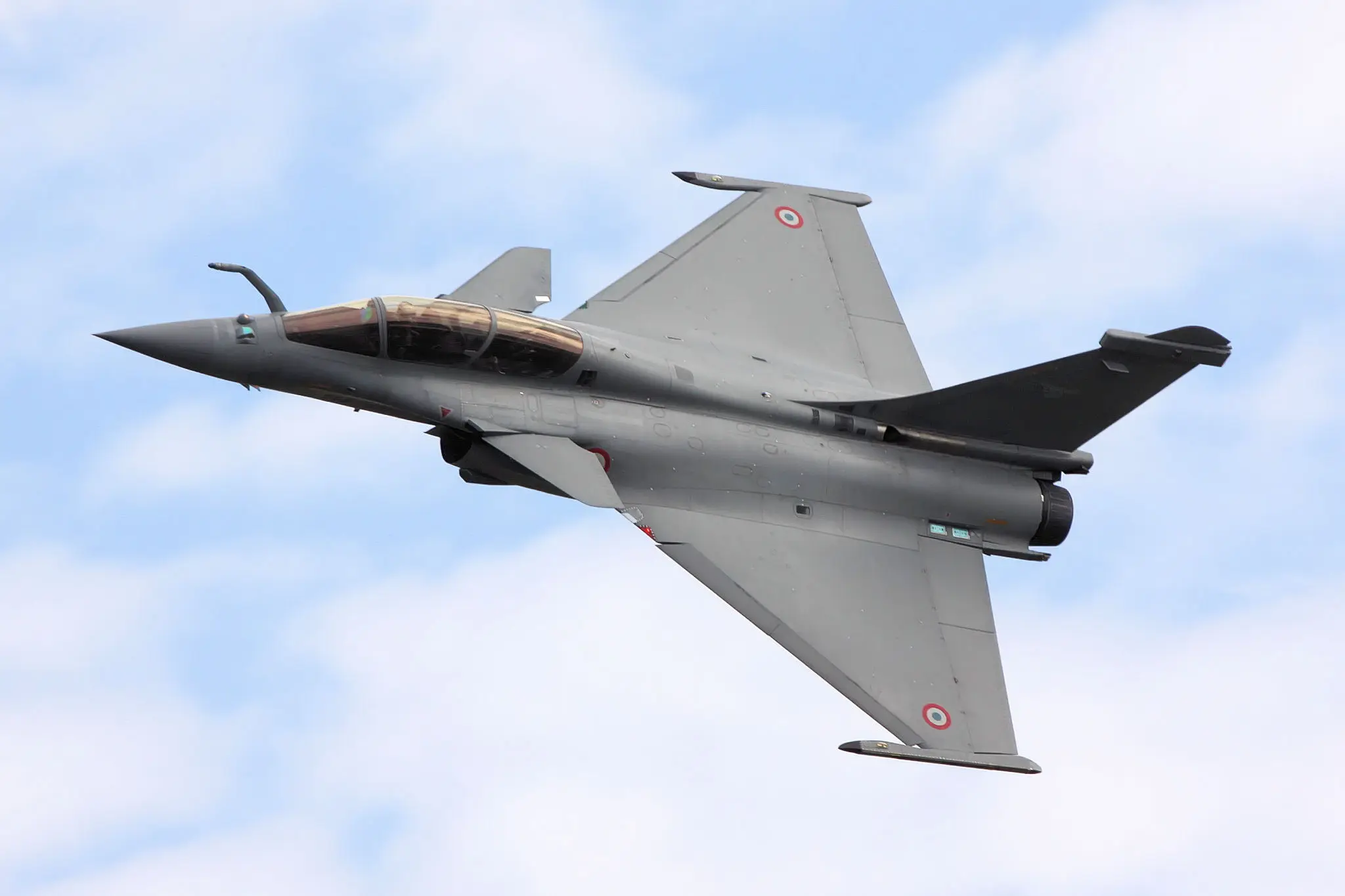
3. The "Great Equalizer": The Meteor Missile
This is where the "dominance" debate ends and "parity" begins.
- The Common Weapon: Both jets are the primary platforms for the MBDA Meteor missile.
- The Capability: The Meteor is a Ramjet-powered missile with a "no-escape zone" of over 100km. Currently, India’s Rafale holds the BVR (Beyond Visual Range) advantage in the region. Once Bangladesh acquires the Typhoon with Meteors, that advantage evaporates. Both sides will have the ability to shoot each other down from over 100km away.
4 / 6
(Photograph: Wikimedia commons)
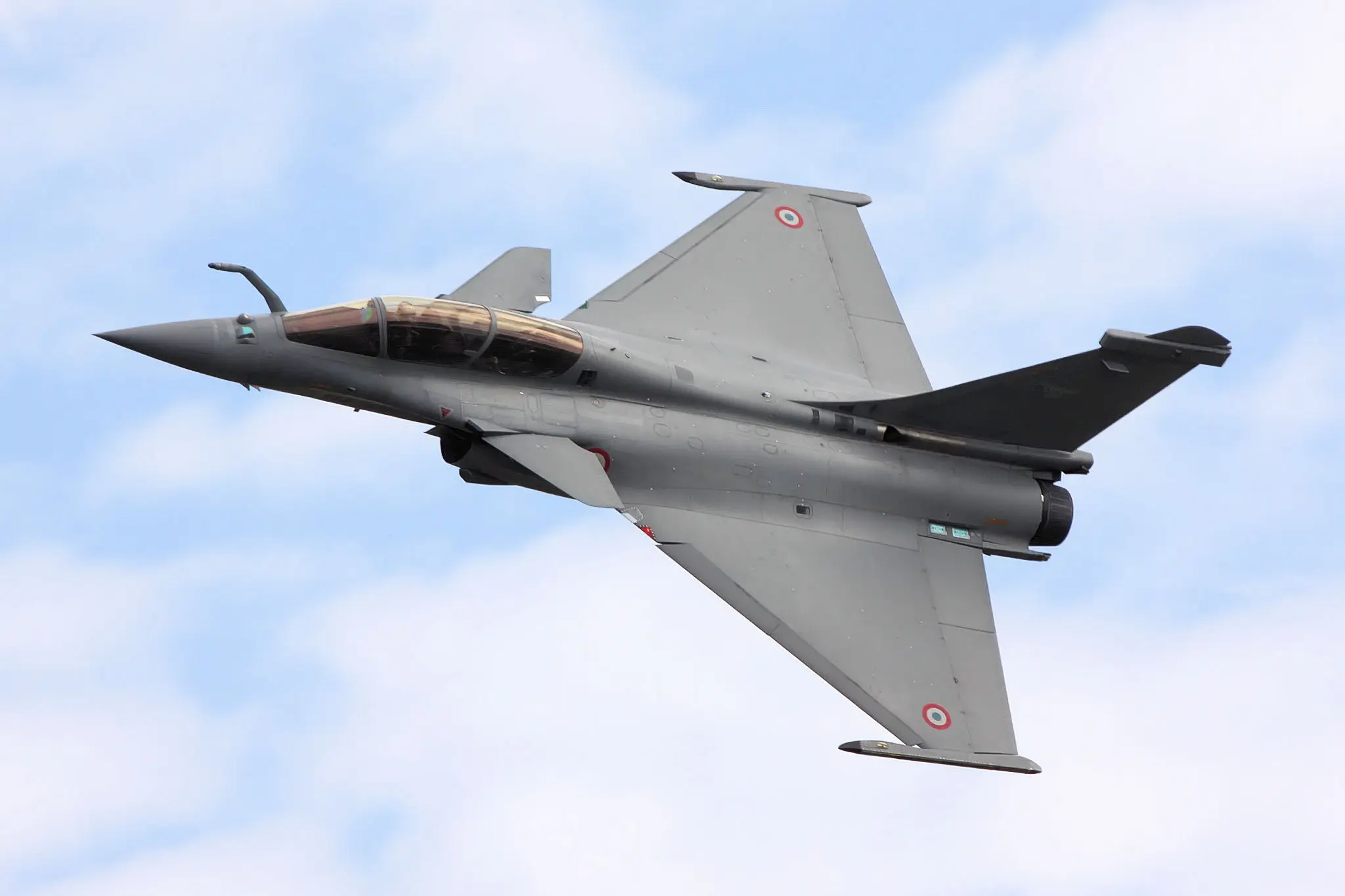
4. The "Bengal" Factor: Maritime Operations
- Why Bangladesh Chose Typhoon: The Bay of Bengal is a vast, featureless maritime theater. Bangladesh prioritized the Typhoon’s twin-engine safety for long-range patrols over the sea. If one engine fails 200 miles off the coast of Cox's Bazar, the pilot can limp home. A single-engine jet (like the J-10C or F-16) would likely be lost.
- India’s Naval Domain: While the IAF flies the Rafale, the Indian Navy is also acquiring the Rafale-M (Marine) for its aircraft carriers. This gives India a distinct advantage: carrier-based air power that can project force deep into the Indian Ocean, whereas Bangladesh is limited to shore-based patrols.
5 / 6
(Photograph: Wikimedia commons)
5. The Verdict: Deterrence, Not Dominance
- Current Status: India Rules. With two operational squadrons and fully integrated logistics, the IAF Rafale is the undisputed king of the region today.
- Future Status (2030): Deadly Parity. If Bangladesh secures the Tranche 4 Typhoon, the qualitative gap closes. The Typhoon is not "better" than the Rafale, nor is it "worse"—they are peer competitors.
6 / 6
(Photograph: Wikimedia commons)
The Bottom Line:
The arrival of the Typhoon means the Indian Air Force can no longer assume unchecked air superiority on its eastern flank. The skies of Bengal are set to become a "No-Go Zone" for anyone without 4.5-gen tech.
)
)
)
)
)