India’s nuclear submarines vs Pakistan’s ZERO: How naval power compares across the two fleets

India’s combination of an operational SSBN, larger conventional fleet, longer patrol reach, and ongoing SSN programme places it well ahead in undersea warfare capability.
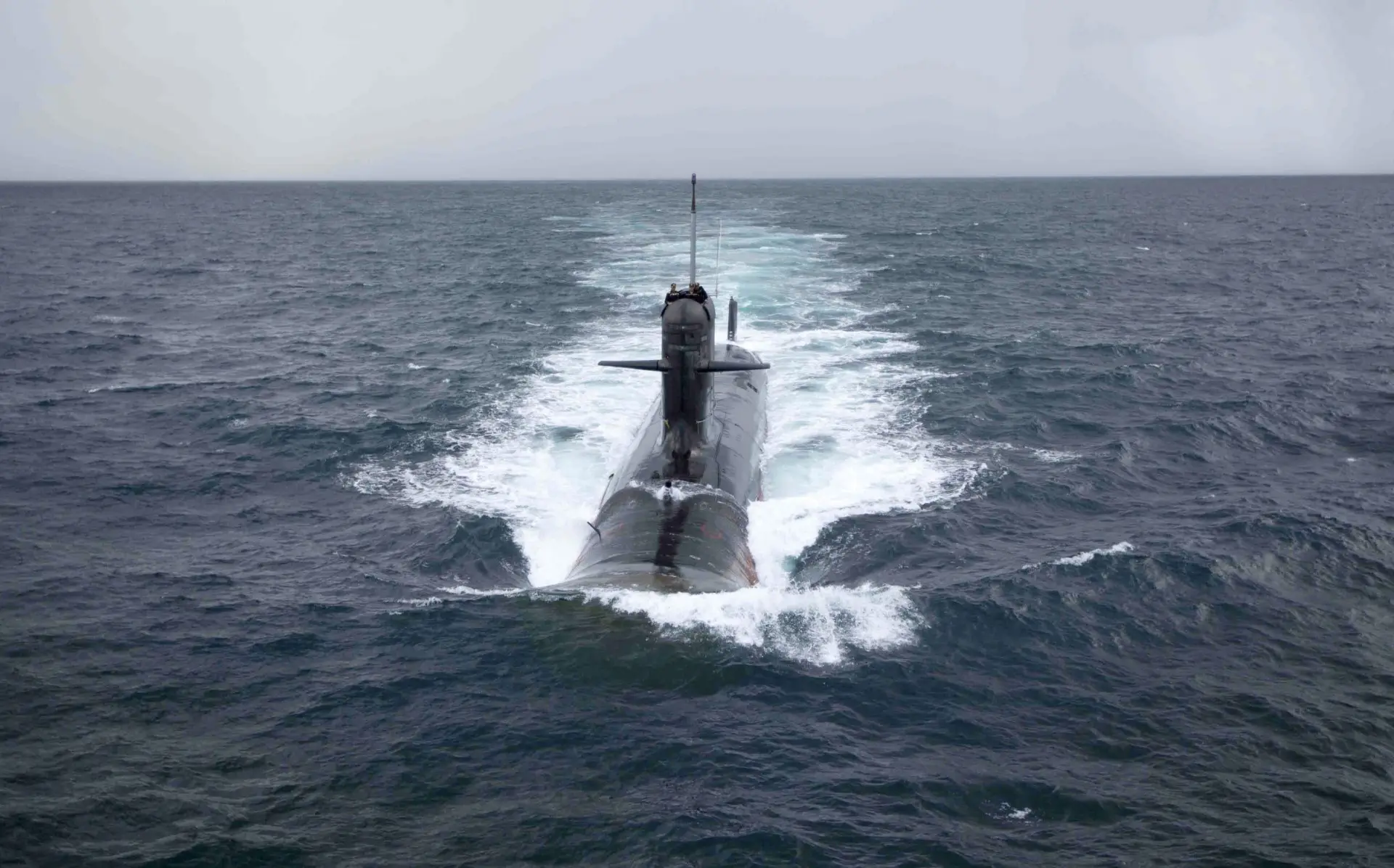
1. Nuclear Submarine Count: India Has an Operational SSBN, Pakistan Has None
India operates INS Arihant, a nuclear-powered ballistic missile submarine capable of extended underwater patrols and strategic deterrence. Pakistan does not possess any nuclear-powered submarines. Its submarine fleet is entirely conventional. This single difference creates a major capability gap in underwater endurance and stealth.
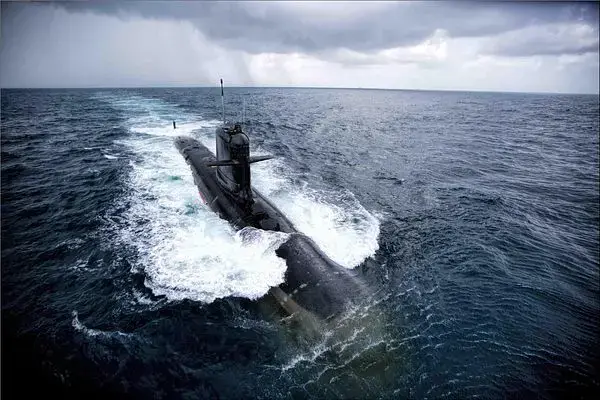
2. Strategic Deterrence Advantage Lies Entirely With India
Because SSBNs form the sea leg of a nuclear triad, India’s ability to deploy a submarine that can remain submerged for long periods gives it a secure second-strike capability. Pakistan does not operate a comparable platform, nor does it have nuclear propulsion under development, based on publicly available information.
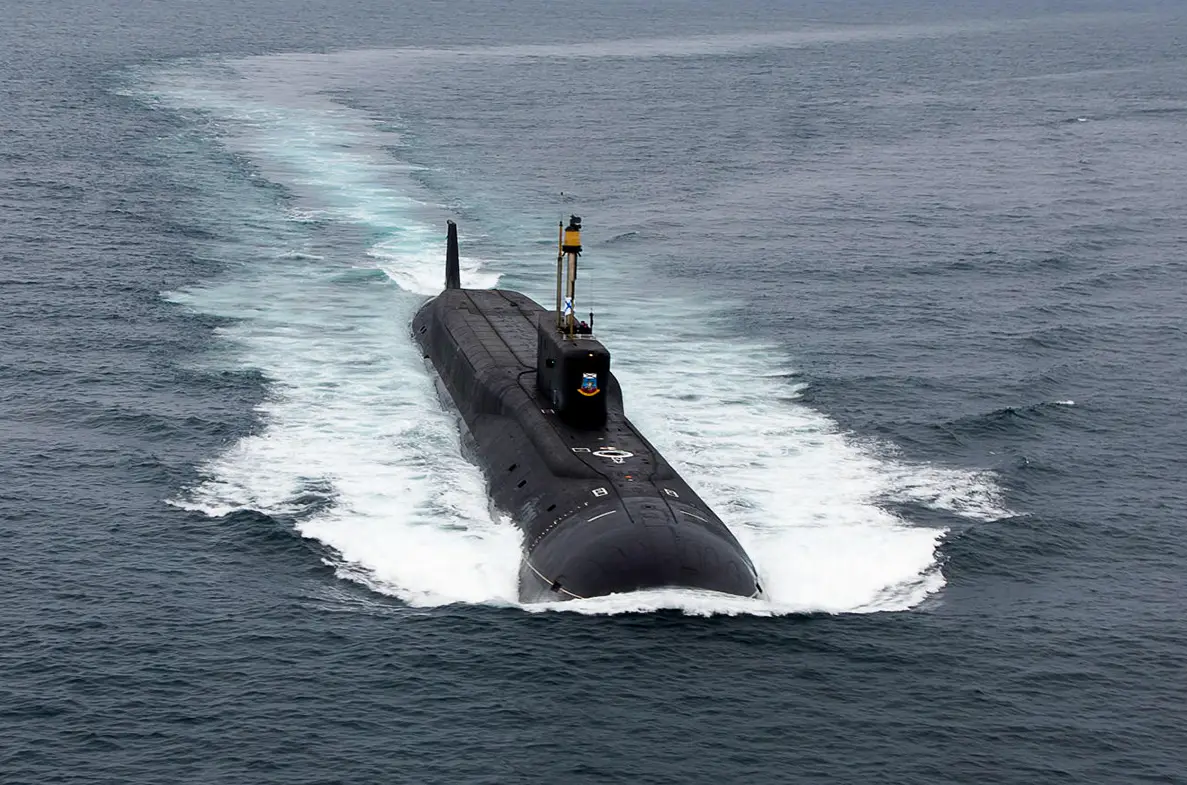
3. Conventional Fleet Strength: India’s Numbers Still Higher
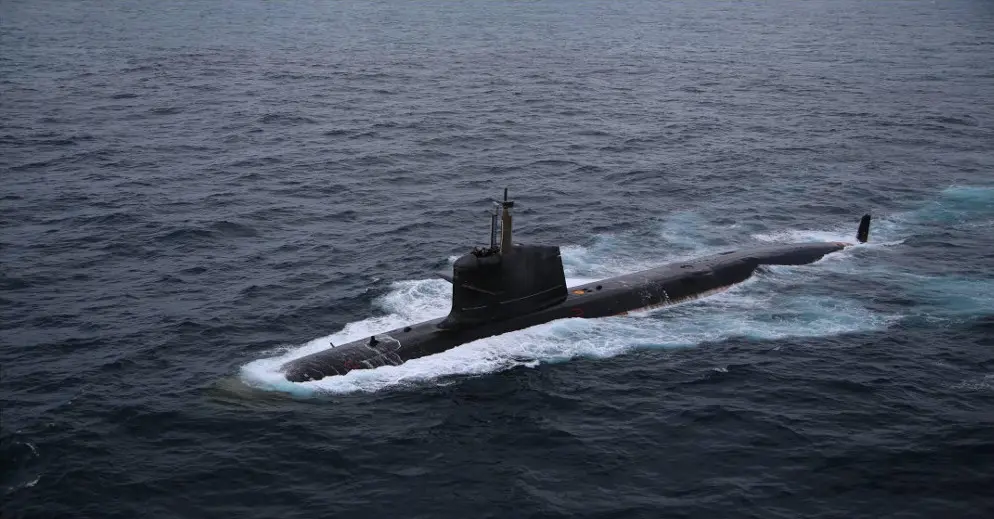
India’s fleet includes Kilo-class submarines, Scorpene-class (Kalvari) boats, and Shishumar-class submarines. Pakistan operates Agosta-class submarines, including upgraded versions with air-independent propulsion (AIP). While Pakistan’s AIP upgrades increase underwater endurance, they still cannot match nuclear propulsion.
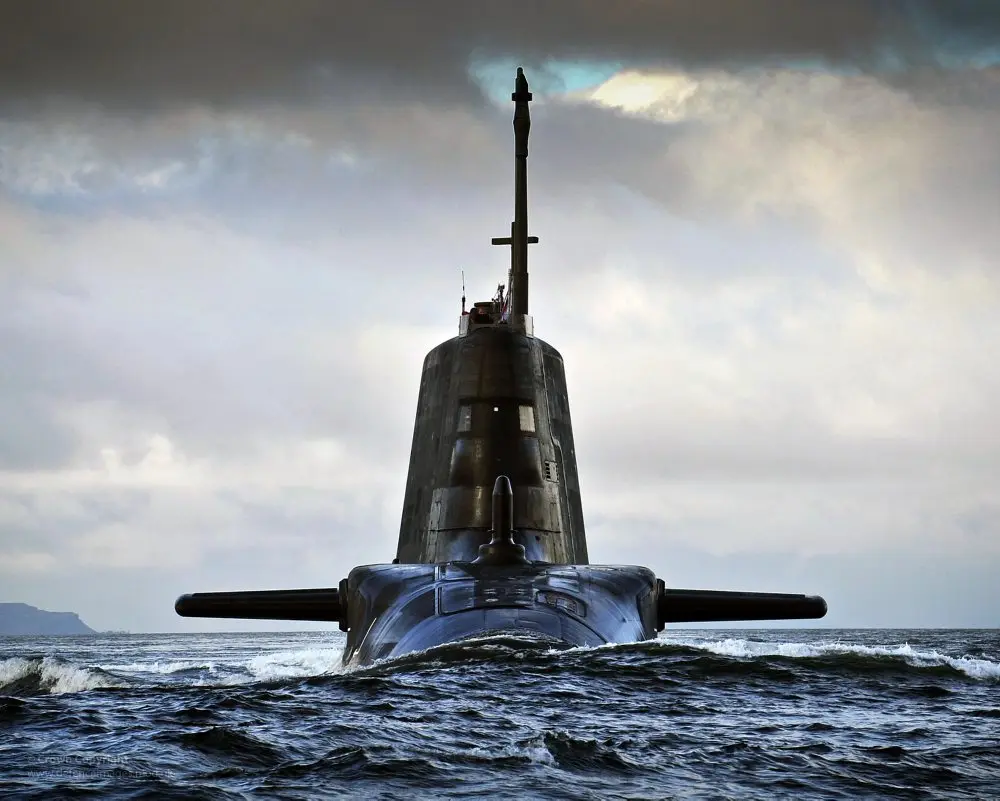
4. Endurance Gap: Nuclear vs Non-Nuclear
India’s nuclear-powered submarine can remain underwater for weeks or months, limited mainly by food and crew endurance. Pakistan’s diesel-electric submarines must resurface or snorkel periodically, even with AIP. This creates a clear difference in stealth, patrol duration and reach across the Arabian Sea and Indian Ocean.
5. Future Capability: India Developing Indigenous SSNs
India is working on an indigenous programme to build nuclear-powered attack submarines (SSNs). These will be used for tracking, escorting, and offensive operations. Pakistan has no publicly acknowledged SSN programme. This widens the prospective capability gap over the next decade.
6. Conventional Modernisation: Pakistan’s Chinese Submarine Deal
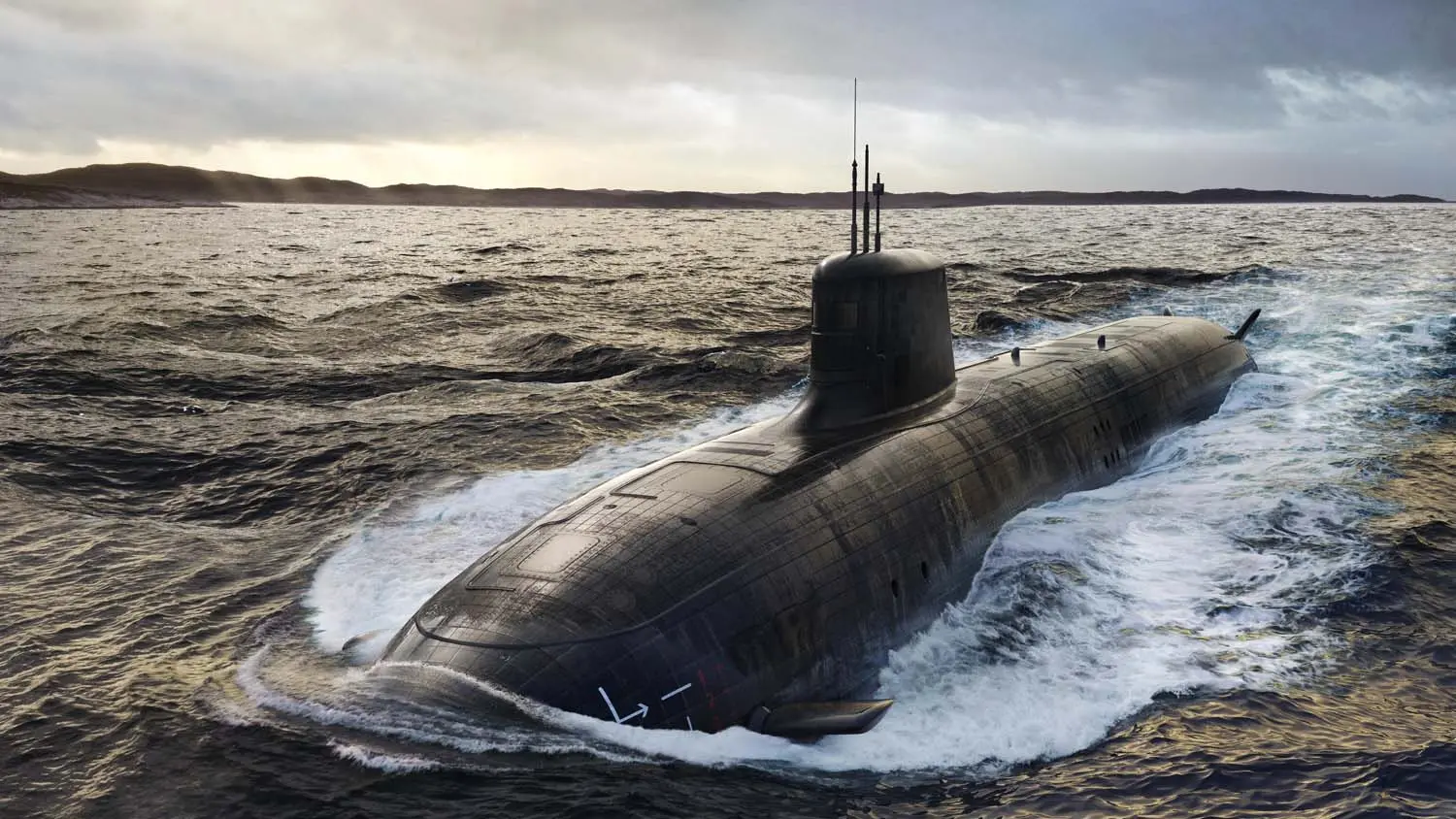
Pakistan is acquiring eight Hangor-class submarines from China. These conventional submarines boost Pakistan’s fleet strength but remain non-nuclear. They improve coastal defence and sea-denial roles but do not change the nuclear propulsion balance.
7. Overall Naval Balance: India Holds Clear Undersea Dominance
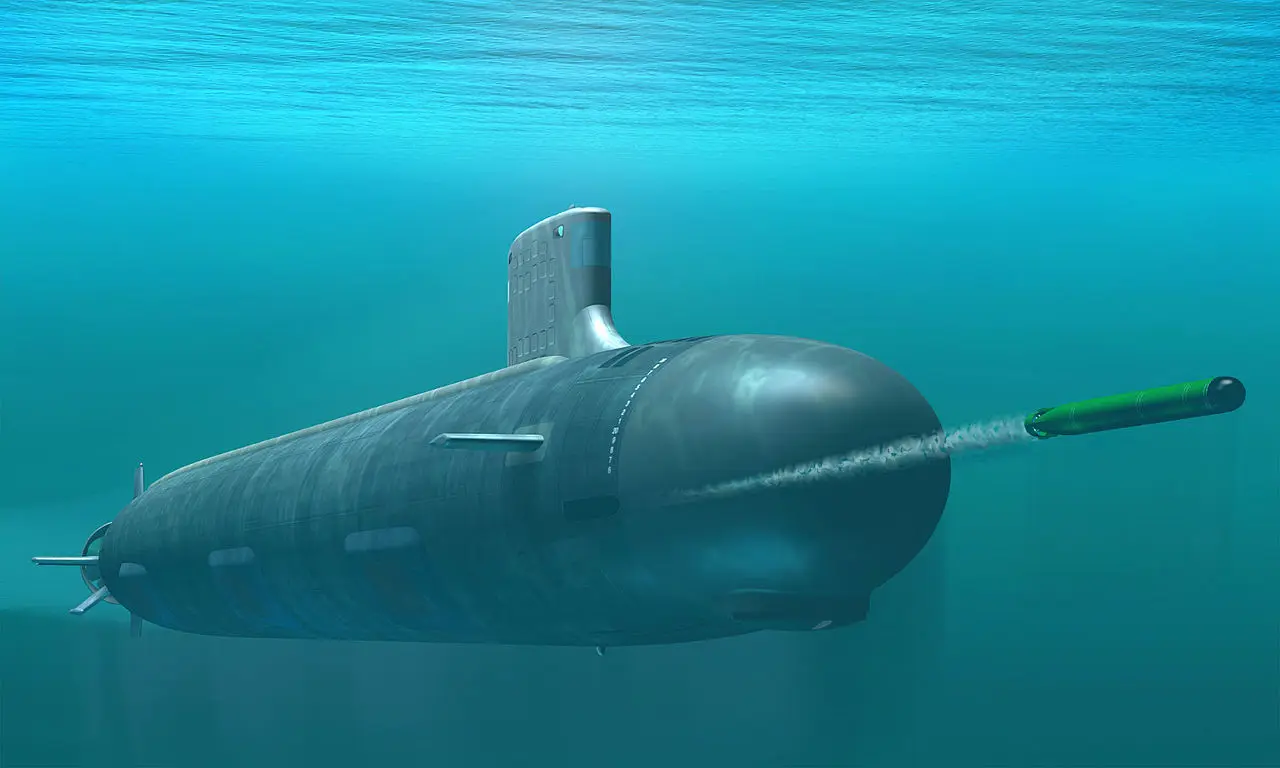
India’s combination of an operational SSBN, larger conventional fleet, longer patrol reach, and ongoing SSN programme places it well ahead in undersea warfare capability. Pakistan relies on modernising its diesel-electric fleet and acquiring Chinese support, but the nuclear propulsion gap remains unfilled.
)
)
)
)
)