India’s new fighter jet escape system: What it is, why it matters and how it powers future indigenous jets

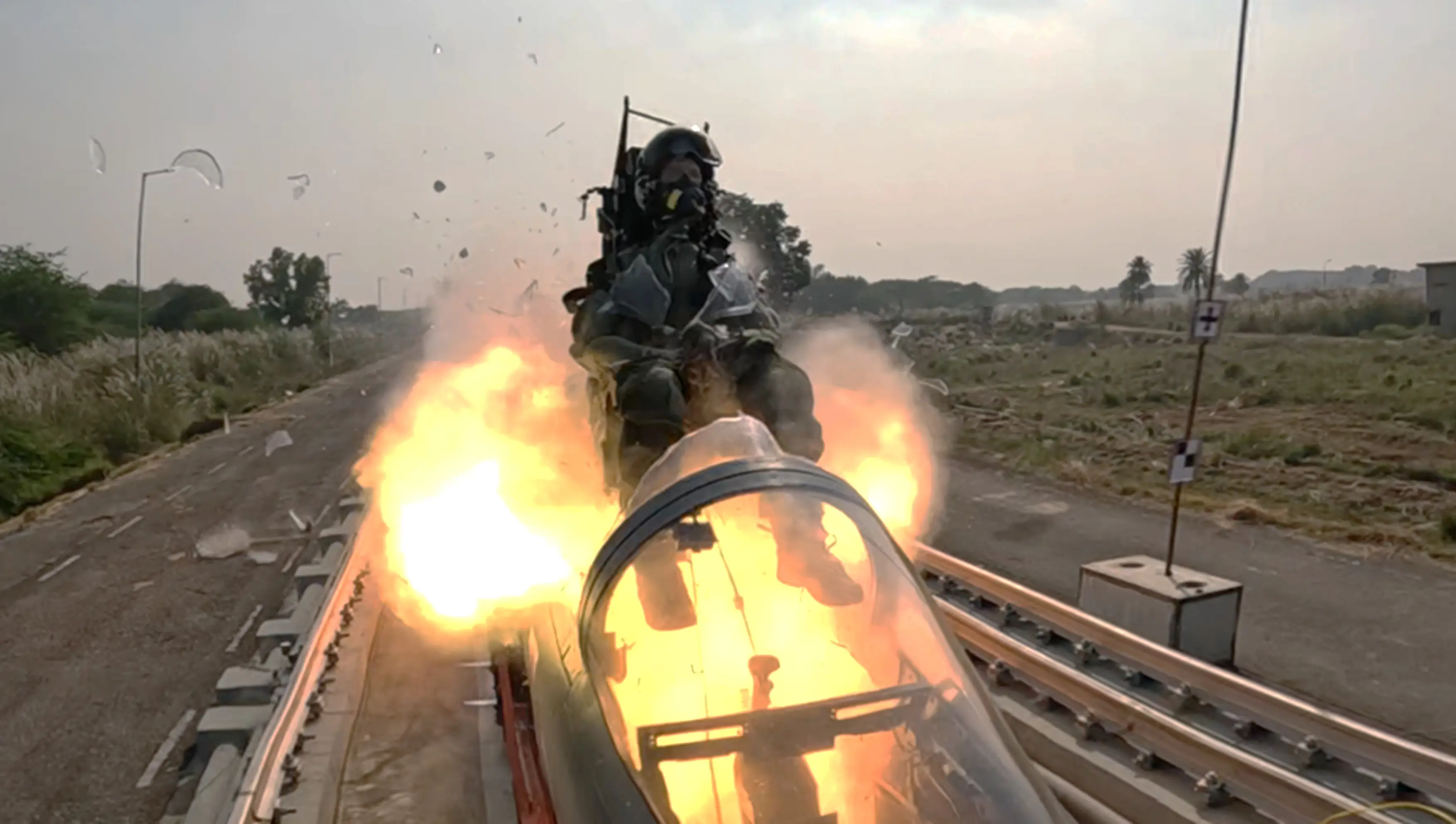
Conducted by the Defence Research and Development Organisation (DRDO), this evaluation replicated the extreme conditions encountered during real emergencies in flight.
Introduction: A Critical Leap in Pilot Safety
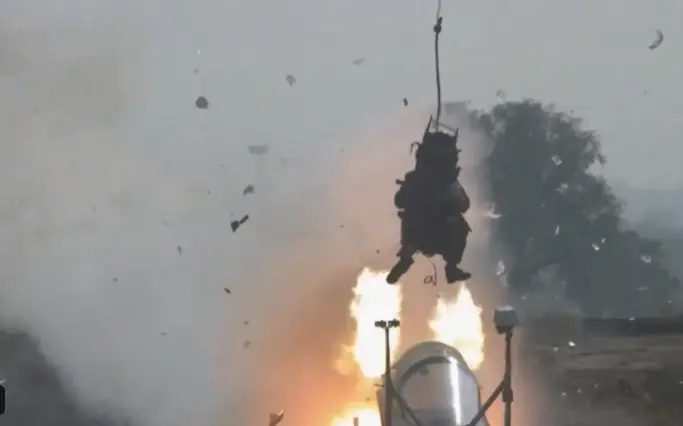
India has taken an important step forward in aircrew protection with the successful high-speed dynamic test of its indigenous fighter aircraft escape system, at controlled velocity at the Rail Track Rocket Sled facility of the Terminal Ballistics Research Laboratory in Chandigarh. Conducted by the Defence Research and Development Organisation (DRDO), this evaluation replicated the extreme conditions encountered during real emergencies in flight. More importantly, it demonstrated India’s growing capability to design, test, and certify critical safety systems entirely on its own soil.
Understanding a Fighter Aircraft Escape System
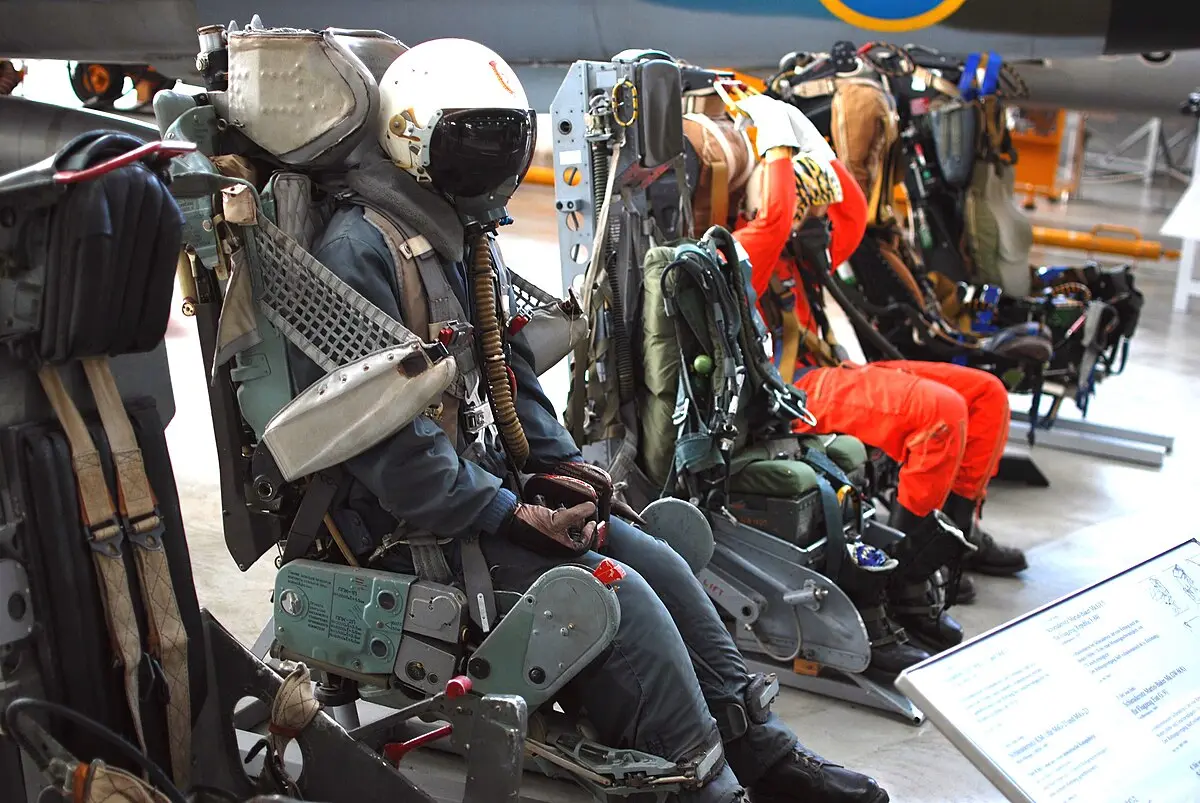
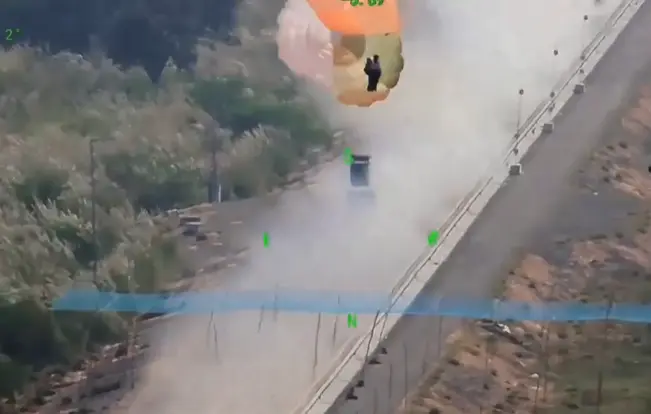
An escape system, often referred to as an ejection system, is a pilot’s final safeguard when an aircraft suffers catastrophic failure. Within fractions of seconds, it must break the canopy, propel the seat clear of the aircraft, stabilise the pilot, deploy parachutes, and ensure safe descent.
Why Dynamic Ejection Tests Matter
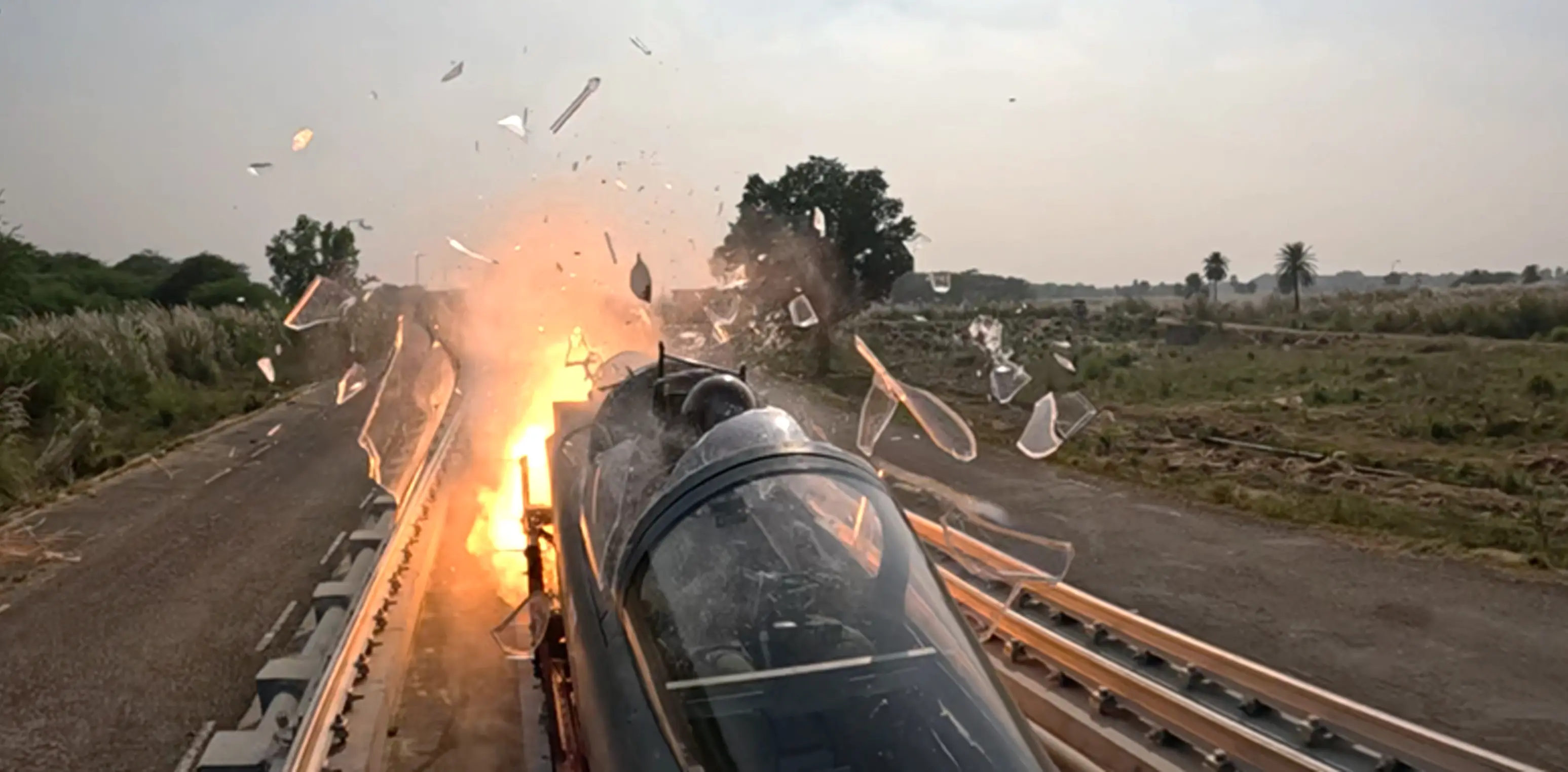
Unlike static trials such as net tests or zero-zero tests, dynamic rocket-sled tests recreate real flight conditions. For this evaluation, a dual-sled configuration carrying the LCA aircraft forebody was propelled to precisely controlled velocities through the phased firing of multiple solid rocket motors. Engineers were able to assess canopy severance, seat-rocket performance, pilot-clearance timing, and overall escape sequencing under high-speed loads.
Validation Through Instrumented Testing
An Anthropomorphic Test Dummy equipped with sensors for loads, moments, and accelerations represented the pilot. The entire escape chain, canopy break, ejection sequencing and complete aircrew-recovery, was recorded through onboard and ground-based high-speed imaging systems. Officials from the Indian Air Force and the Institute of Aerospace Medicine witnessed and reviewed the performance as part of the certification process.
Outcomes
Any lapse in the timing or reliability can be fatal for the pilot. A fully indigenous system therefore marks a decisive advance in India’s ability to protect pilots during both training and combat. The system demonstrated reliable functioning at approximately 800 km/h. Canopy fragilisation behaved as designed, seat rockets fired under high g-loads, and the dummy followed the expected clearance trajectory.
Advantages for Future Indigenous Fighters
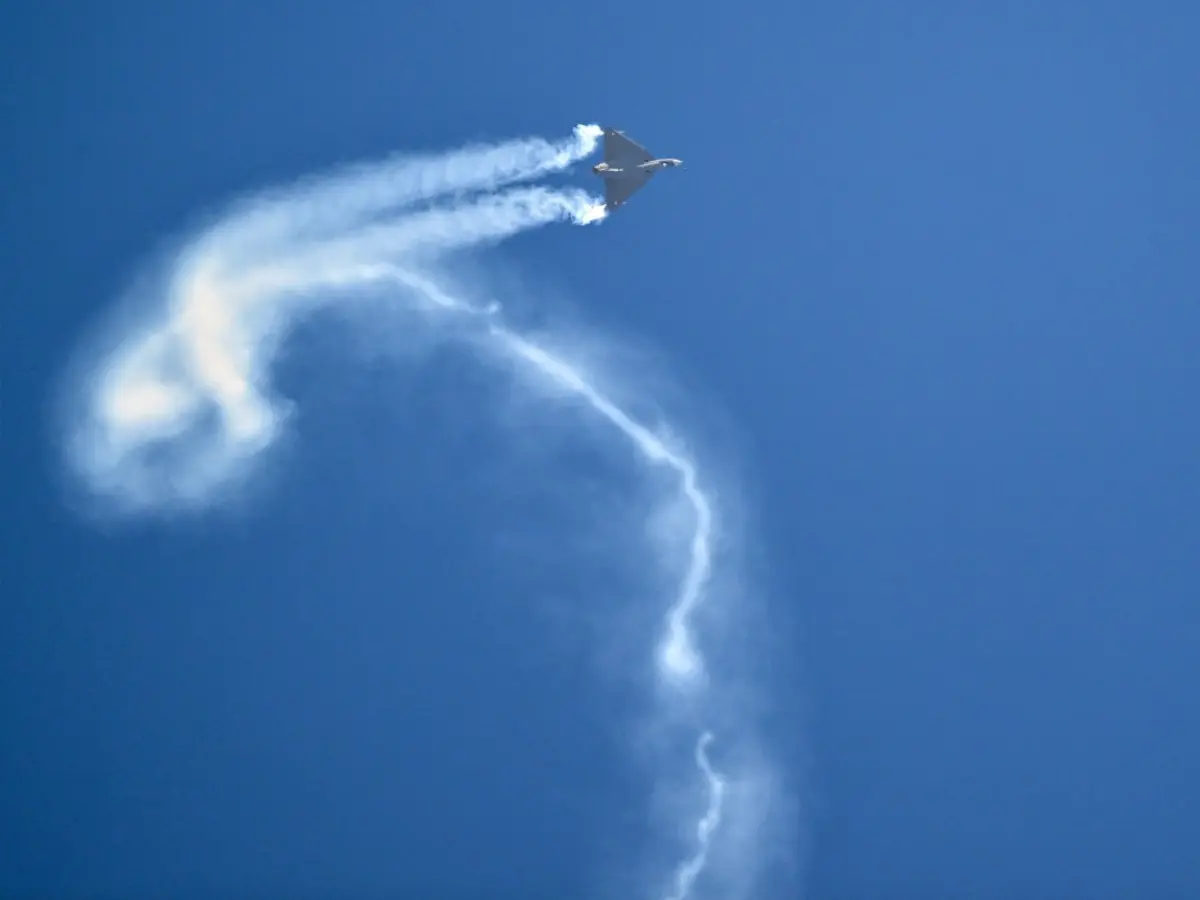
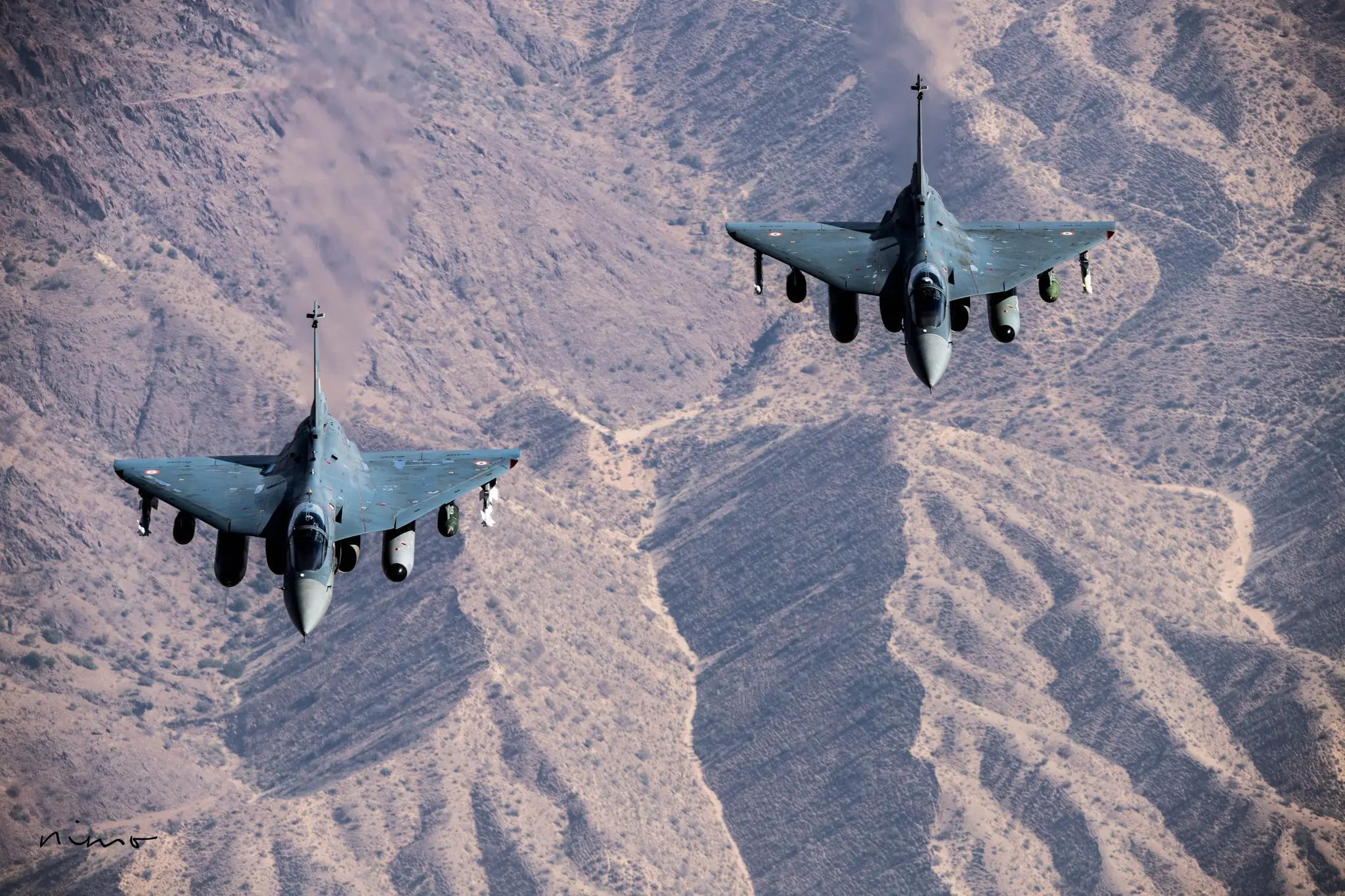
The escape system is being developed for platforms such as the Tejas Mk2, AMCA, TEDBF, and other upcoming aircraft. By reducing dependence on imported ejection seats, India strengthens its aerospace autonomy, lowers long-term procurement burdens, and gains better control over integration and upgrades.
A Boost to Atmanirbhar Bharat
The successful test places India among the small group of nations capable of advanced in-house escape-system testing. It reflects a maturing ecosystem involving DRDO, ADA and HAL, and ensures that future Indian fighter aircraft will be equipped with a safety system designed, engineered and validated domestically, a strategic investment in both capability and confidence.
)
)
)
)
)