India’s FY27 GDP set to soar at 6.8–7.2%! Why does the Economic Survey say growth is locked in?

The report highlights that India’s services sector contributes more than half of the Gross Value Added and serves as a major driver of exports and employment in the country.
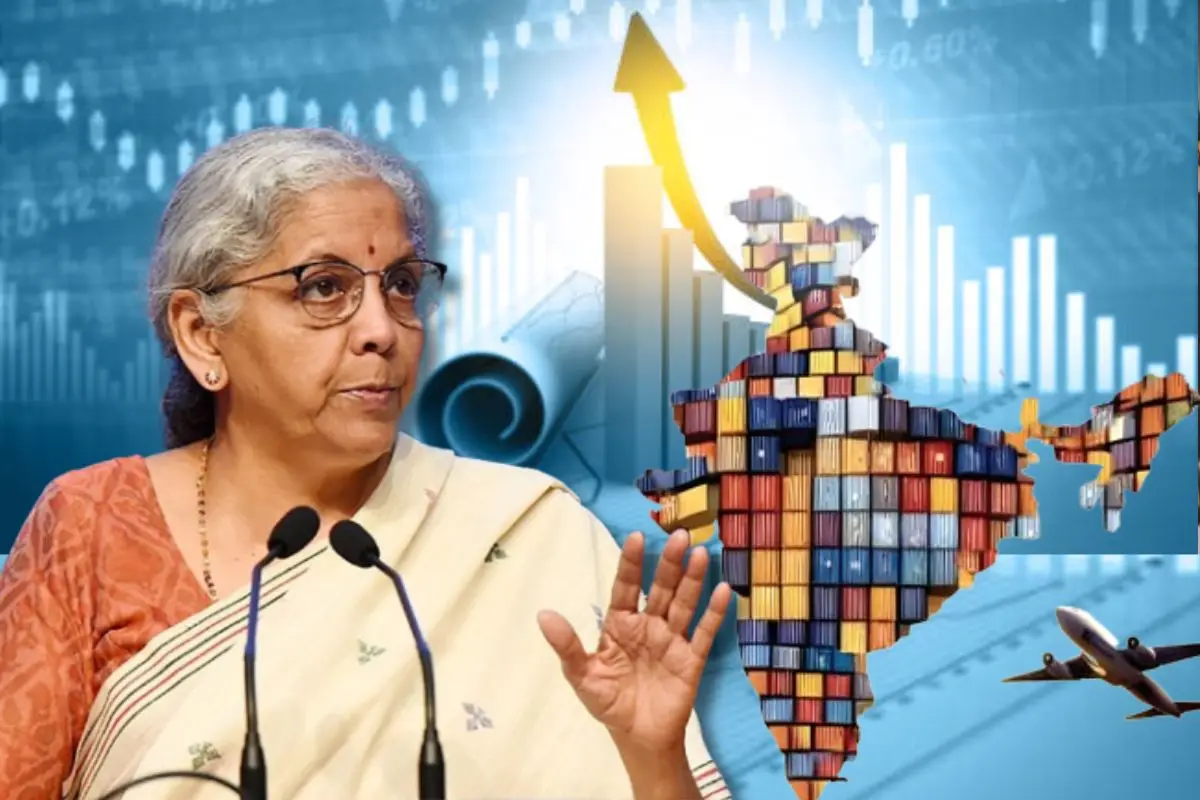
Economic Survey 2025–26
The Economic Survey 2025–26 projects India’s real GDP growth for FY27 at 6.8–7.2 per cent, placing the country among the fastest-growing major economies despite a fragile global environment. The Survey emphasises that this robust outlook is driven primarily by domestic factors, including macroeconomic stability, sustained public investment, and the cumulative effects of structural reforms over the past decade, rather than by external demand, highlighting India’s growing resilience to global volatility.
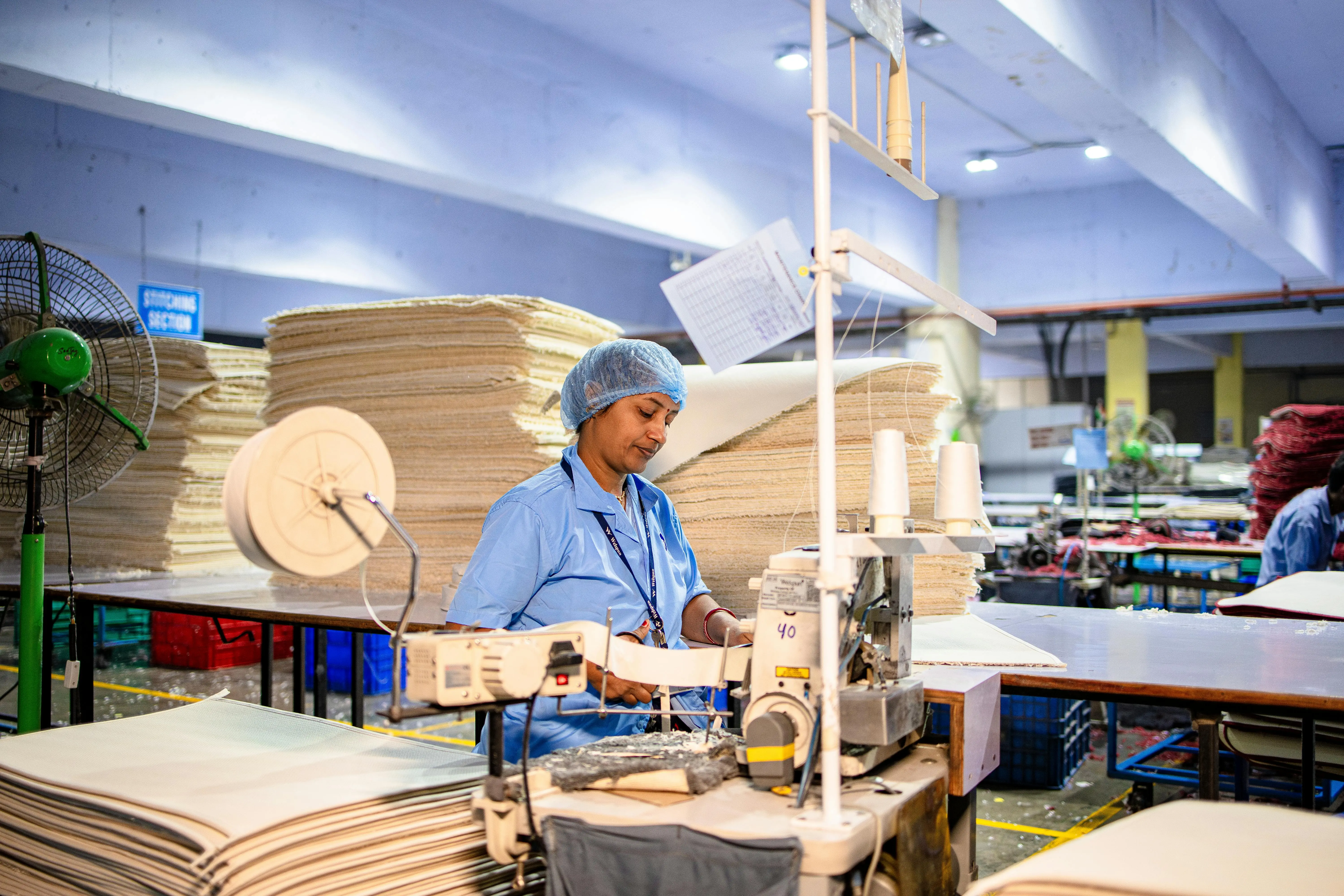
1. India’s services sector
The report highlights that India’s services sector contributes more than half of the Gross Value Added and serves as a major driver of exports and employment in the country. "Not only does it continue to underpin domestic growth, but services have also emerged as the most stable and resilient component of GDP acting as a high-growth, low-volatility anchor, as is the case across the globe." India is the world’s seventh-largest exporter of services, with its share in global services trade more than doubling from 2 per cent in 2005 to 4.3 per cent in 2024, and the sector continues to be the largest recipient of foreign direct investment inflows.

2. Macroeconomic Stability and Strong Balance Sheets
A central pillar of the FY27 growth projection is macroeconomic stability. The Survey notes that inflation has moderated significantly, reducing pressure on household consumption and preserving purchasing power. At the same time, balance sheets across households, corporates, and banks have strengthened, enabling higher capacity utilisation and renewed investment appetite. The financial system is described as resilient, with improved asset quality and credit growth supporting economic activity without generating systemic risks. This stability provides the foundation for sustaining growth close to 7 per cent in FY27. "With macroeconomic stability in place and ongoing reform efforts, the economy appears well-positioned to sustain growth in the near term", says the report.
3. Public Capital Expenditure and Domestic Demand
The Survey repeatedly highlights public capital expenditure as one of the key growth engine. Sustained investment in infrastructure, including transport, logistics, energy, and digital public infrastructure, has enhanced productivity and reduced transaction costs across the economy. Importantly, the Survey links public capex to the crowding-in of private investment, noting that improved infrastructure and policy certainty have revived private sector participation. This projection is anchored in domestic growth drivers rather than external demand, reflecting India’s increasing insulation from global volatility.
4. Structural Reforms Raising Medium-Term Growth Potential
The Survey also attributes India’s FY27 growth outlook to the cumulative effect of structural reforms implemented over time. These include GST reforms, deregulation, logistics and supply-chain reforms, digital public infrastructure, and improvements in the ease of doing business. According to the Survey, these changes have lifted India’s medium-term growth potential closer to 7 per cent, allowing the economy to grow faster without triggering macroeconomic imbalances.
Risks Acknowledged, But Balanced
While the Survey acknowledges risks from global geopolitical tensions, trade fragmentation, and financial volatility, it characterises these risks as broadly balanced. The emphasis remains on India’s ability to absorb external shocks due to strong domestic fundamentals. The FY27 growth range explicitly reflects this cautious optimism, incorporating downside risks without undermining the central growth narrative. "The Economic Survey projects real GDP growth in FY27 in the range of 6.8 to 7.2 per cent. The outlook, therefore, is one of steady growth amid global uncertainty, requiring caution, but not pessimism", notes the report.

What This Means
The Economic Survey’s FY27 growth projection signals a shift in India’s growth model, from externally sensitive cycles to domestically anchored expansion. Growth near 7 per cent is presented not as an outlier but as a function of policy continuity, investment-led demand, and reform-driven productivity gains.
)
)
)
)
)