India’s BrahMos cruise missile reaches full speed within minutes of launch! Understanding the science behind it

BrahMos reaches Mach 2.8 to 3.0 through two-stage propulsion - solid booster accelerates missile then separates, liquid ramjet sustains 952 metres per second cruise. Rapid acceleration gives enemy only 12-15 seconds reaction time. Indigenous booster reduces import dependence.
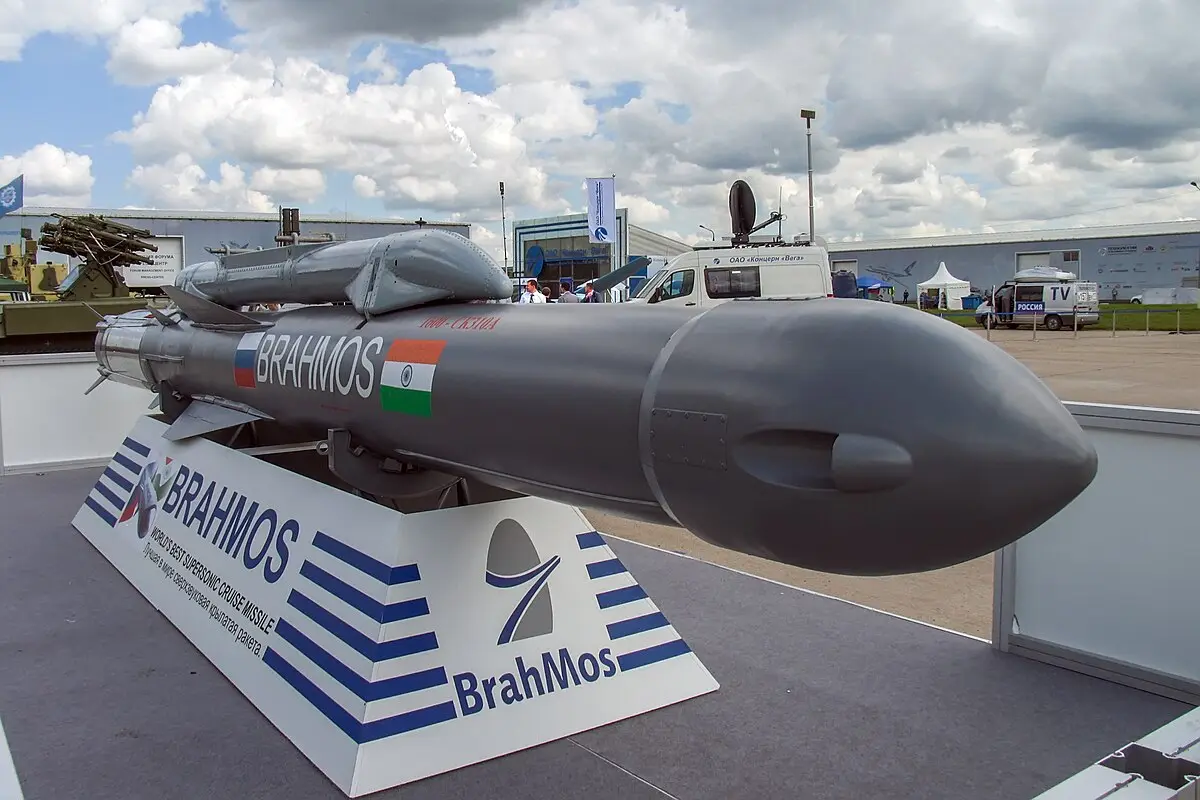
Two-Stage Propulsion Architecture - Booster Then Ramjet
BrahMos uses two-stage propulsion system combining solid-propellant booster first stage with liquid-fuelled ramjet second stage. Solid booster accelerates missile from launch pushing it towards supersonic speeds, then automatically separates. Liquid ramjet engine ignites taking over sustained flight at Mach 2.8 speeds. This architecture combines rapid acceleration advantages with fuel-efficient cruise capability.
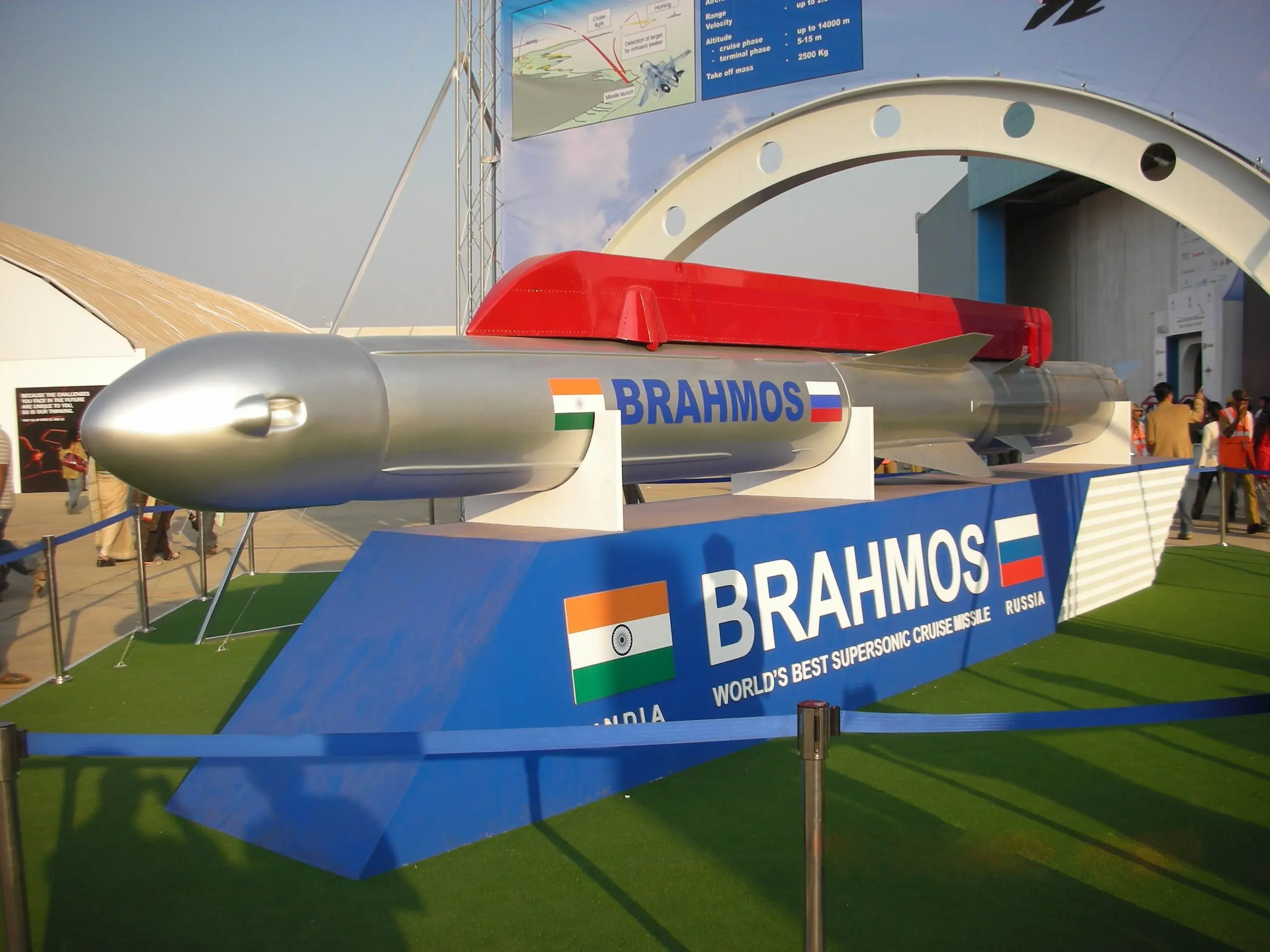
Solid Propellant Booster - Initial Acceleration Phase
First stage solid rocket booster provides initial thrust propelling BrahMos from launch platform towards supersonic envelope. Solid fuel burns rapidly generating high-pressure exhaust accelerating missile vertically or at launch angle. Booster separation occurs within seconds after achieving necessary speed and altitude. Solid propellant formulations optimised for maximum thrust-to-weight ratio. DRDO HEMRL developed indigenous booster reducing foreign dependence.
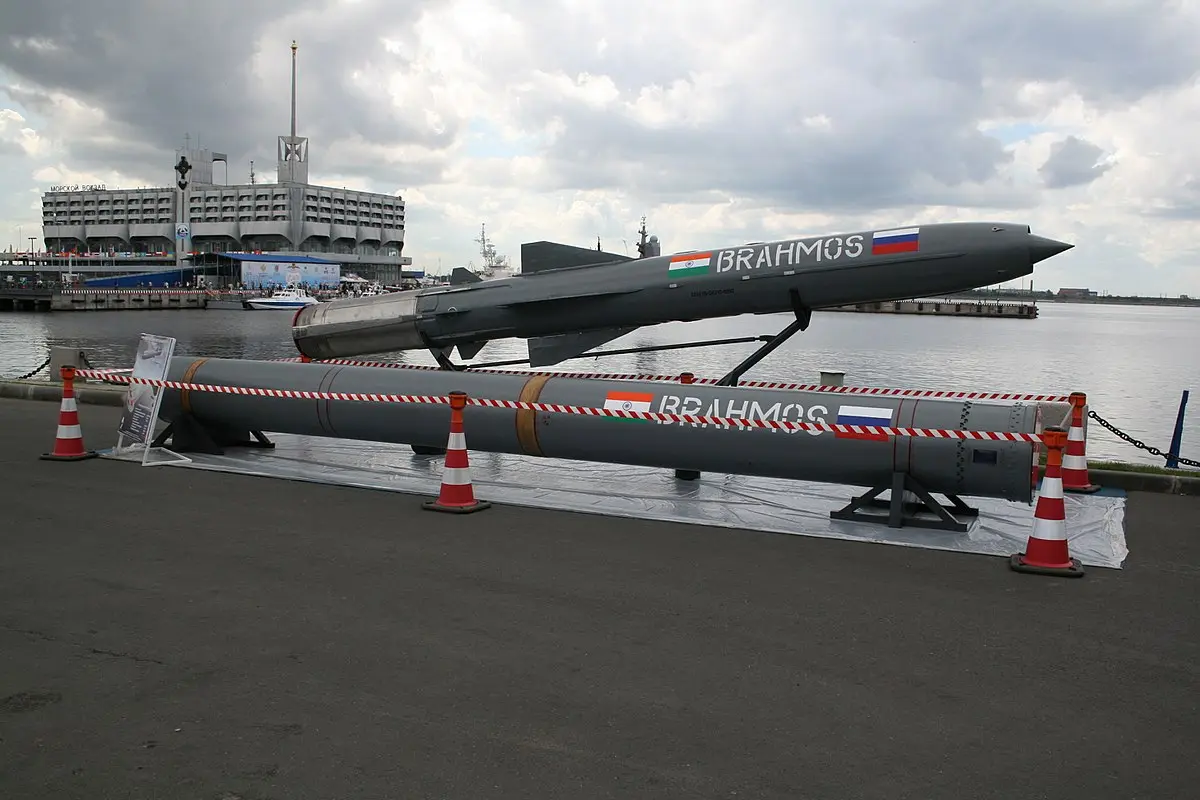
Booster Separation - Clean Stage Separation
After solid booster burns out, automatic separation mechanism detaches spent booster stage from missile body. Separation occurs cleanly enabling second stage ramjet activation. Mechanical systems ensure reliable separation under supersonic flight conditions. Booster case recovered for analysis and reuse research. Clean separation critical for maintaining flight stability throughout transition.
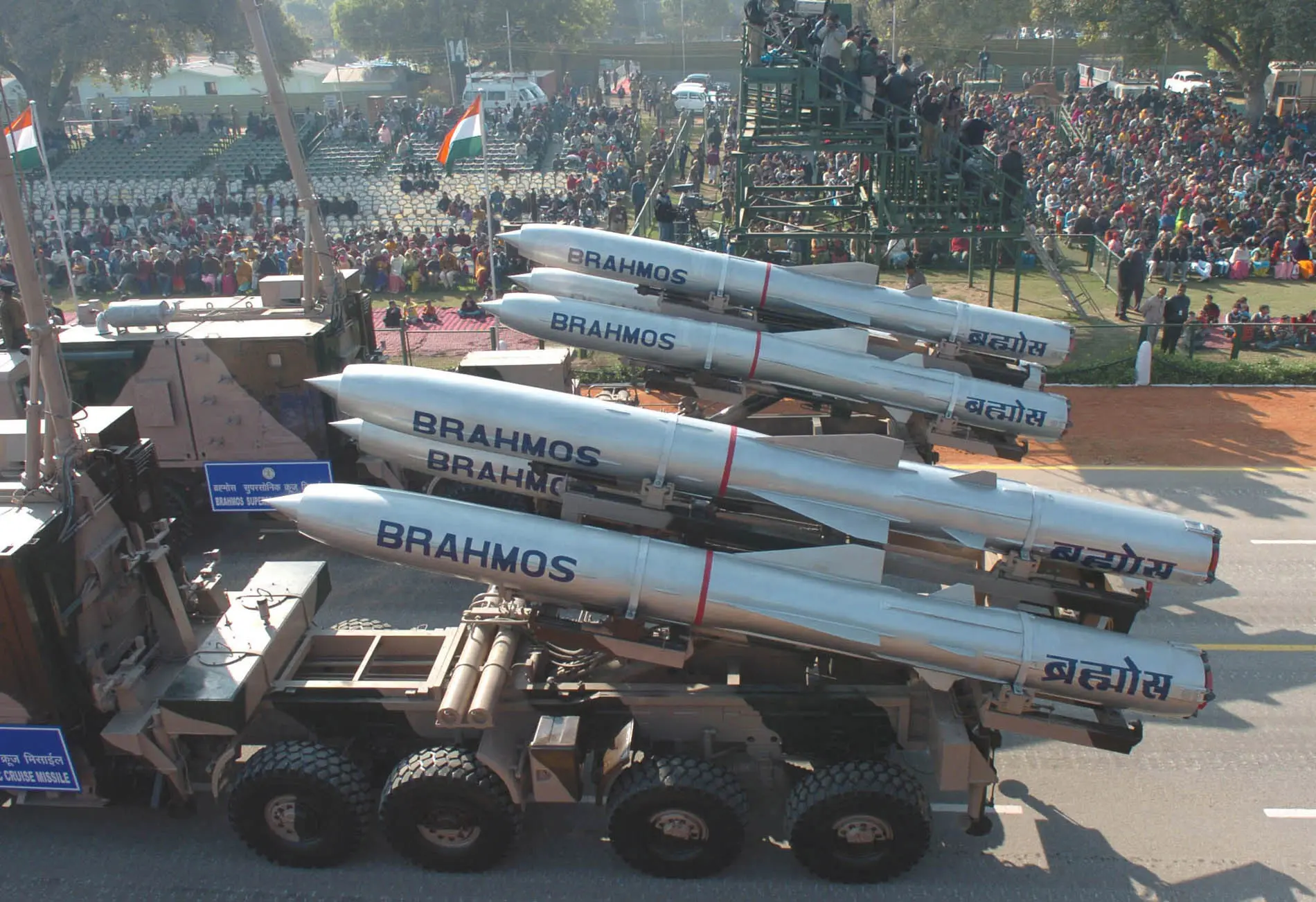
Ramjet Engine Ignition - Sustained Supersonic Cruise
Second stage liquid-fuelled ramjet engine activates after booster separation taking missile to Mach 2.8 speeds. Ramjet design operates efficiently only at supersonic speeds using forward airflow compression. Liquid fuel provides sustained thrust enabling cruise phase extending missile range to 800 kilometres. Ramjet maintains constant Mach 2.8-3.0 speeds throughout flight envelope.
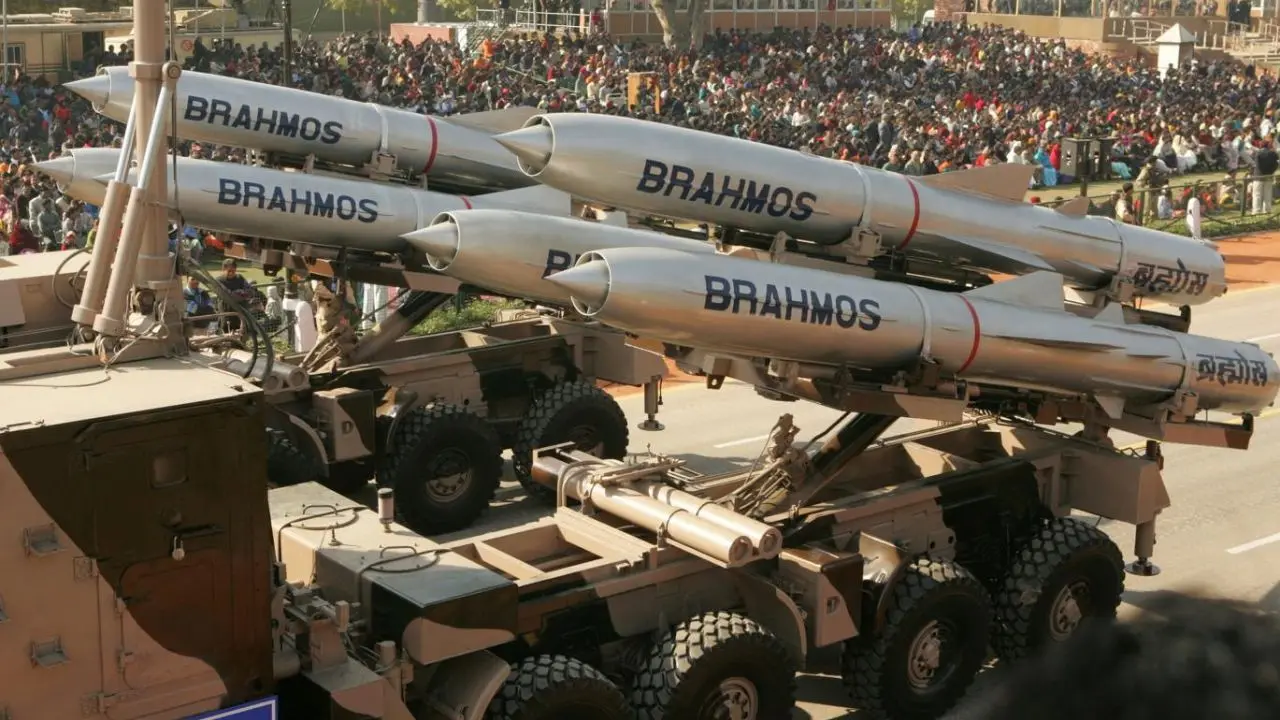
Ramjet Propulsion Physics - Air Compression at Mach Speed
Ramjet engines compress incoming air through forward motion at supersonic speeds without rotating compressor blades. Incoming air slows to subsonic speeds internally allowing fuel combustion at manageable conditions. Combustion products accelerate through nozzle producing thrust maintaining Mach 2.8 cruise. Ramjet efficiency increases with speed making Mach 3 flight optimal operating condition.
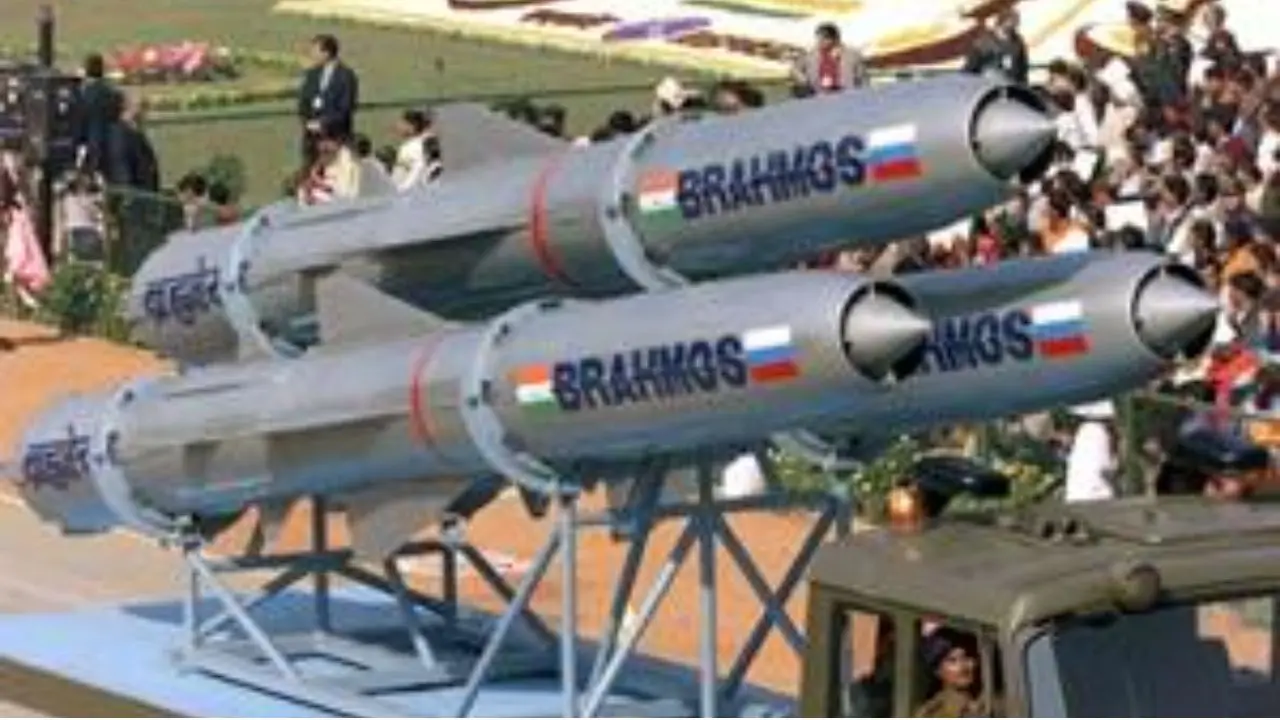
Speed Attainment Timeline - Seconds to Mach 3
BrahMos reaches Mach 2.8 speed within minutes of launch from initial acceleration through sustained cruise. Booster phase accelerates missile rapidly over seconds. Ramjet engine then sustains Mach 2.8 speeds for flight duration. Complete acceleration cycle from launch to full cruise speed operational within launch and initial phase minutes. Speed maintained consistently through remainder of flight.
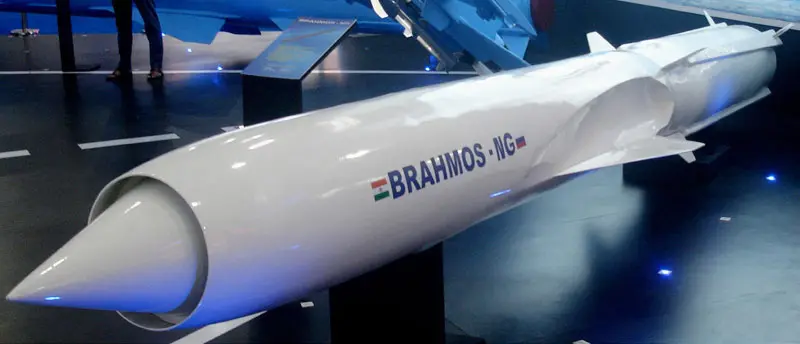
952 Metres Per Second Velocity - Tactical Advantage
BrahMos Mach 2.8 equals 952 metres per second or 3,675 kilometres per hour translating to 12-15 seconds enemy reaction time. By time radar systems detect missile at launch, strike often already executed. Extreme velocity drastically reduces air-defence engagement window. Enemy ships see missile only 2-3 kilometres away providing minimal reaction opportunity. Speed advantage compensates for any detection capabilities.
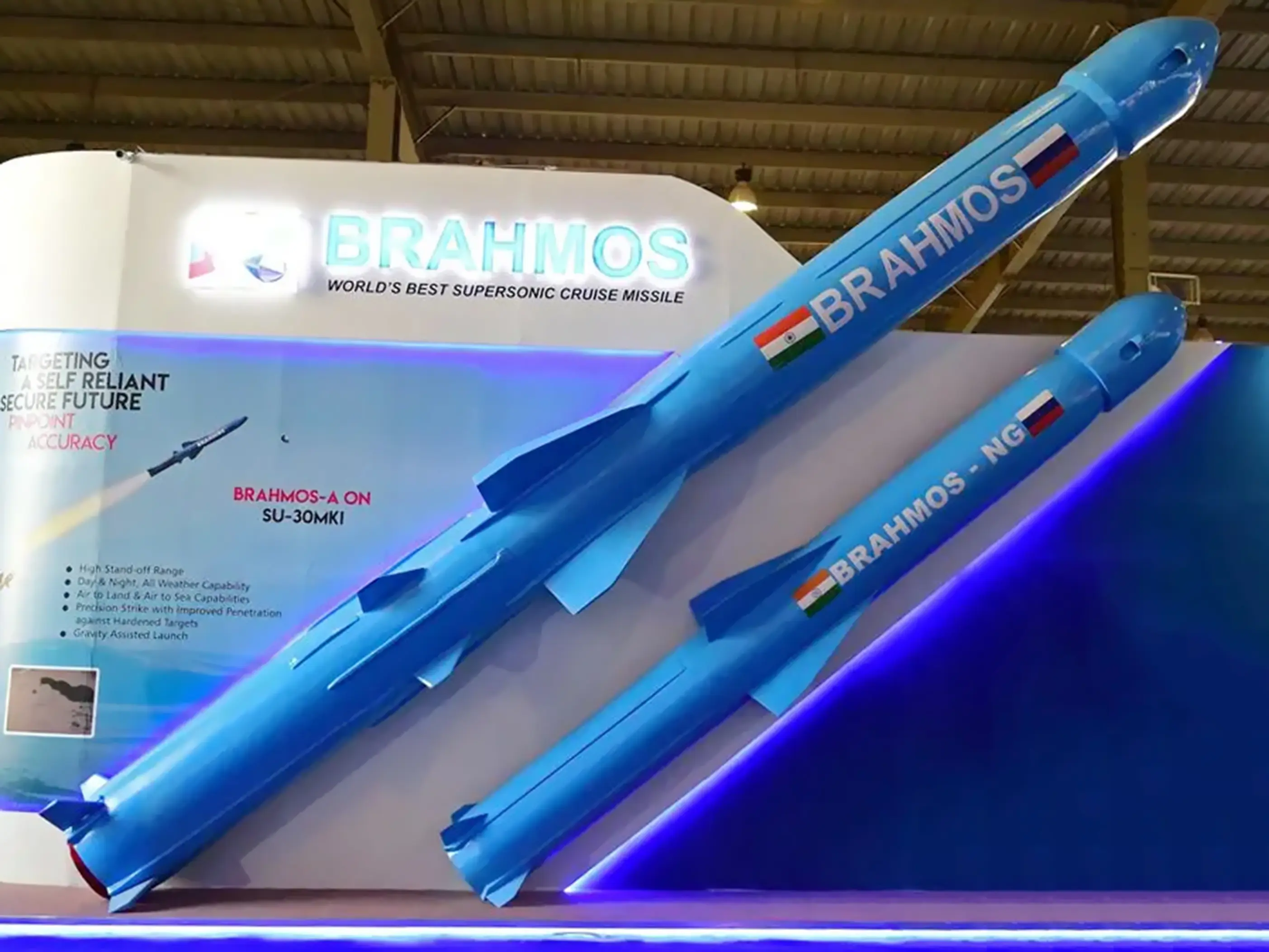
Indigenous Booster Development - HEMRL Pune Achievement
DRDO High Energy Materials Research Laboratory Pune developed solid propellant booster technology reducing import dependence from Russia. Indigenous booster successfully flight tested from Sukhoi Su-30MKI fighter jets in Bay of Bengal 2017. Positive test results evaluated by Russian experts validating performance quality. Indigenous booster provides cost savings and technological sovereignty for future variants.
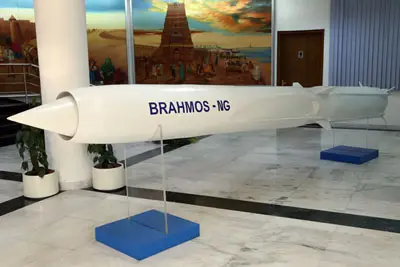
Fire-and-Forget Launch Capability - Autonomous Flight After Separation
BrahMos operates on fire-and-forget principle where missile becomes autonomous after booster separation. Inertial navigation system combined with GPS/GLONASS guidance maintains accuracy throughout flight. Operator launches missile then loses control, missile autonomously navigates to target. Ramjet stage ensures sustained flight to maximum range without guidance updates. Seeker in terminal phase provides final target lock.
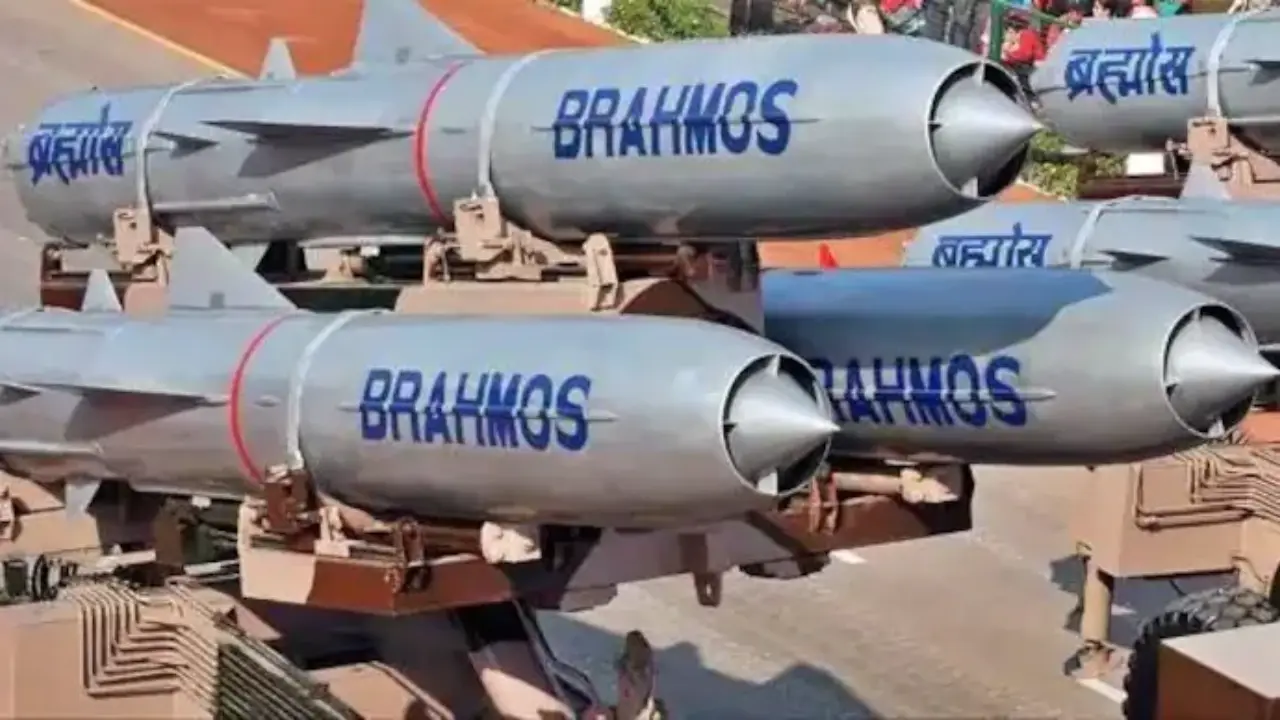
Extended-Range BrahMos 800 - Enhanced Acceleration Performance
Extended-range BrahMos 800 variant uses modified ramjet engine achieving 800 kilometres range while maintaining Mach 2.8 speeds. Enhanced ramjet design increases fuel efficiency extending cruise duration. Solid booster acceleration phase remains similar ensuring compatibility with existing platforms. Upgraded variants undergoing tests validating enhanced performance. Future development targets higher speeds and extended ranges.
)
)
)
)
)