Independence Day 2025: How much does the indigenously made Tejas Mk1 fighter jet cost per hour to fly?

The Tejas Mk1 fighter jet costs about $4,000 per hour to fly. Its affordable operation, advanced features, and local production make it a crucial part of India’s defence self-reliance.
India’s 79th Independence Day
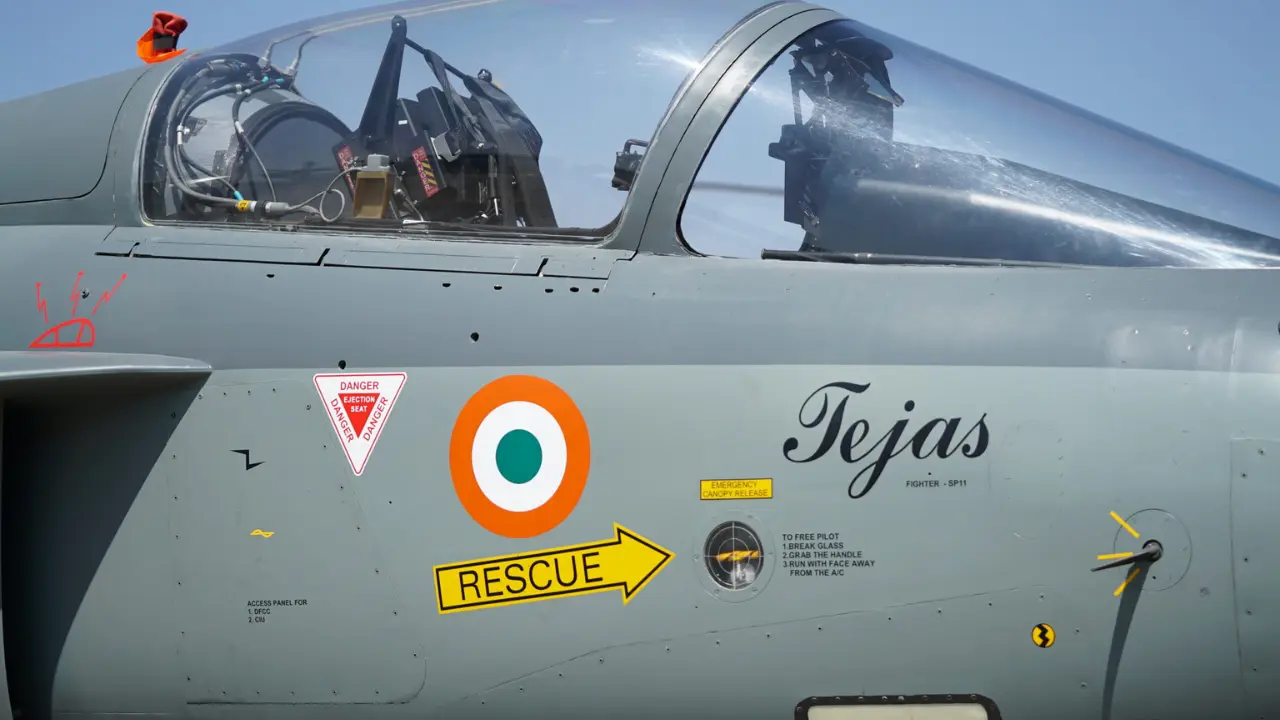
On August 15, 2025, India marks 79 years of freedom with pride and progress. The day honours the nation’s journey and its growing strength in defence with homegrown technology. Let's understand the Tejas Mk1 fighter jet, a symbol of India’s ‘Atmanirbhar Bharat’ or self-reliance.
Tejas Mk1 Fighter Jet
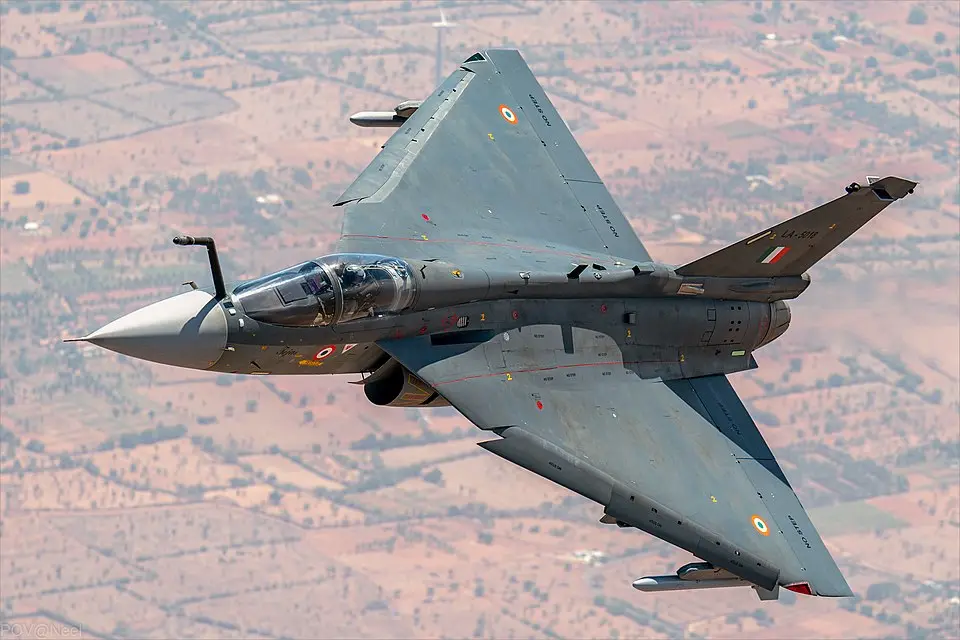
Tejas Mk1 is a lightweight, single-engine multirole combat aircraft developed by India’s HAL and ADA. It features a delta wing design, advanced avionics, and can reach speeds up to Mach 1.8. The fighter is praised for combining modern technology with Indian manufacturing.
Per Hour Operating Cost of Tejas Mk1
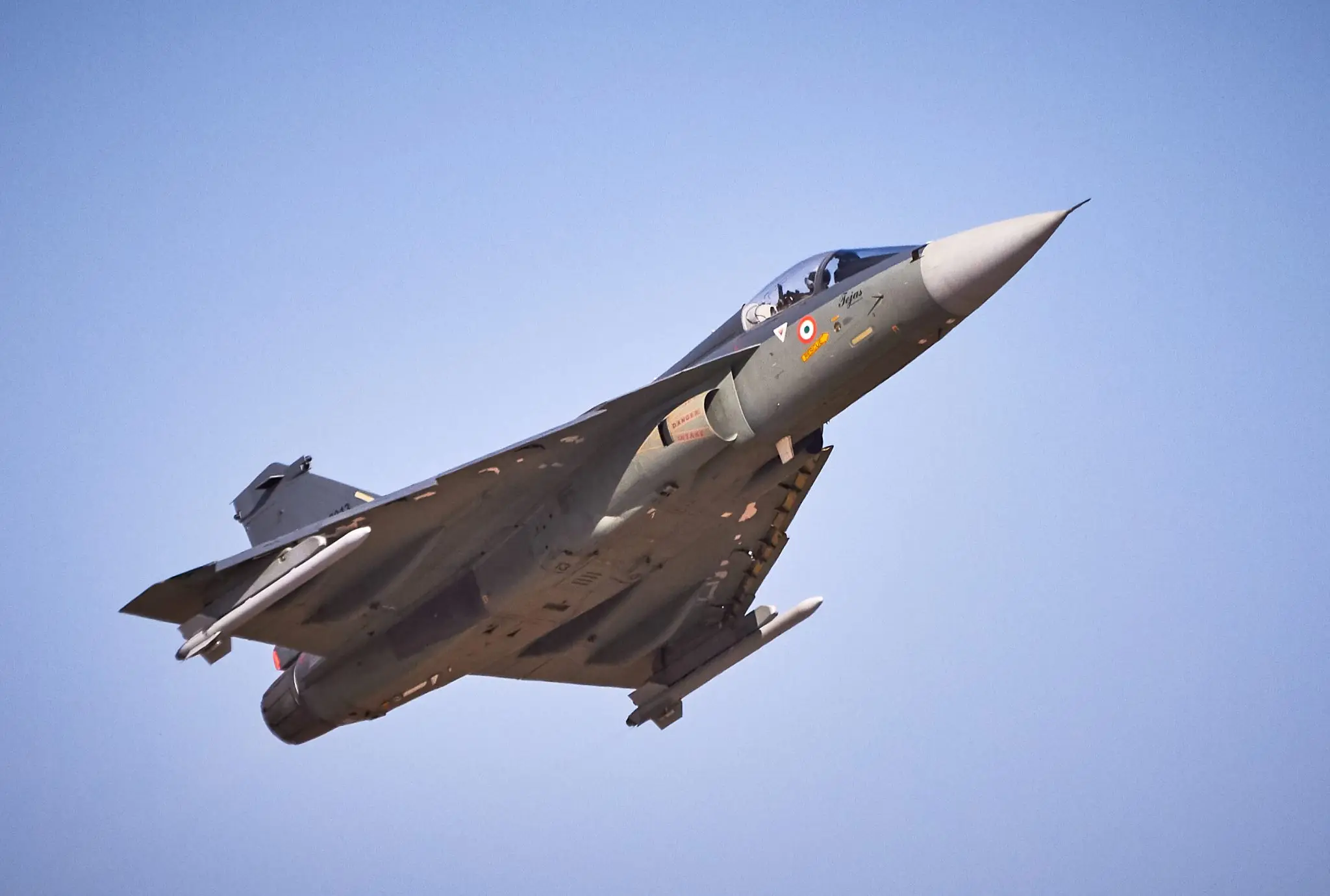
As per the defence reports, the Tejas Mk1 costs around $4,000 per flying hour. It includes fuel, routine maintenance, and basic spare parts. It is considered as one of the most affordable and advanced fighter jet compared to many other jets in the Indian Air Force because of it its efficient design and local production.
Factors Behind the Cost Efficiency
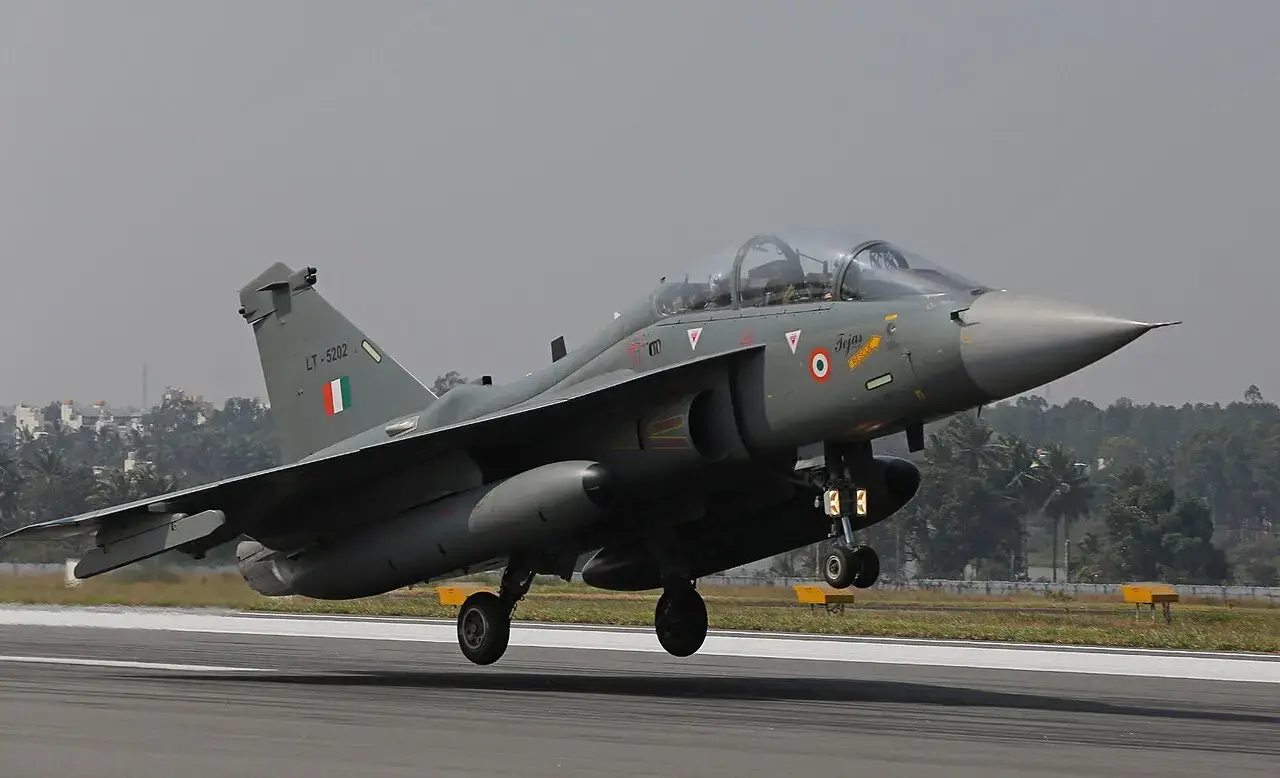
The lower cost per hour is due to its single General Electric F404 engine, designed for reliability and easier maintenance. The indigenous build means spare parts and servicing can be done locally.
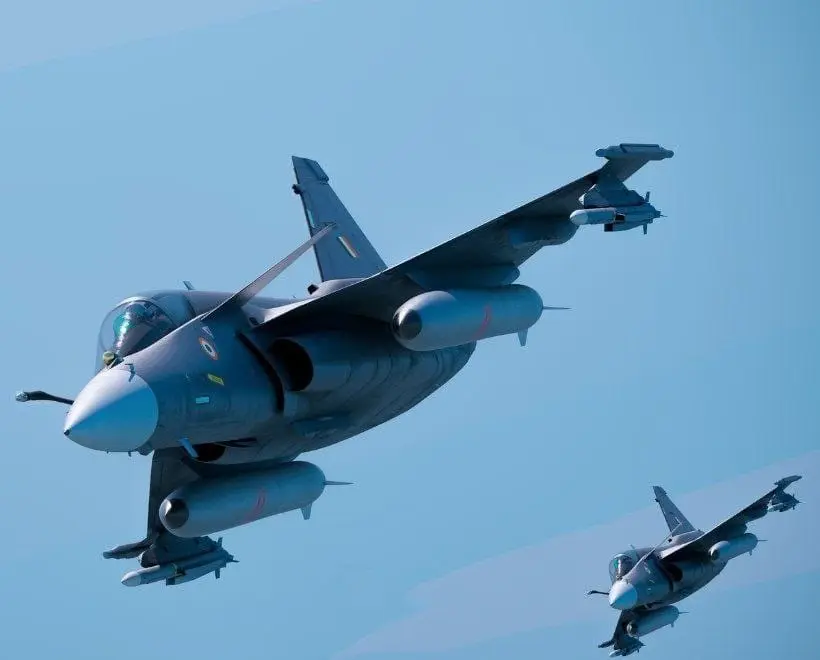
Tejas Mk1’s Key Capabilities
The jet has 8 hardpoints carrying air-to-air missiles, bombs, and precision-guided weapons. Its radar and electronic warfare systems are advanced for its class, allowing for diverse mission roles like air combat and ground attacks. This capability at an affordable cost makes it most valuable and advance fighter jets.
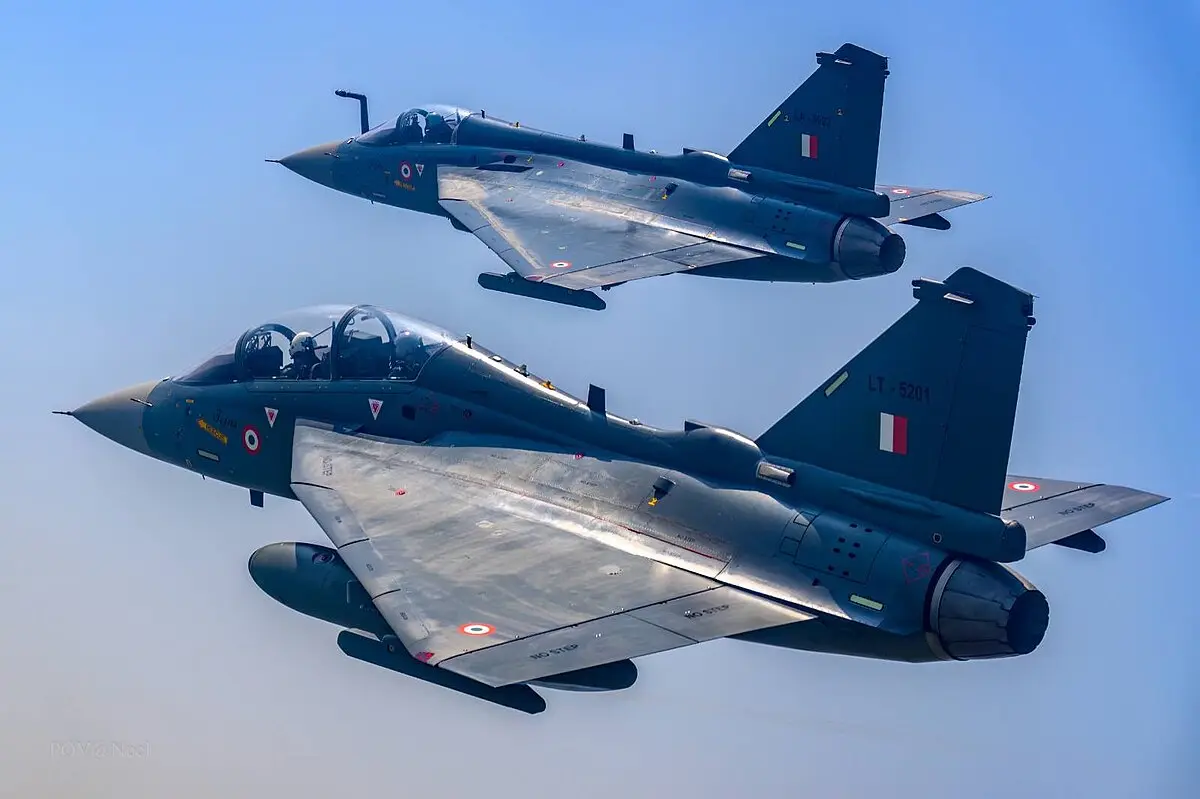
Production and Future Plans
HAL plans to produce more Tejas Mk1A models with improved avionics and weapons. The production rate is increasing to meet the Indian Air Force’s needs quickly. This local manufacturing push supports India’s goal to strengthen its air power while managing costs.
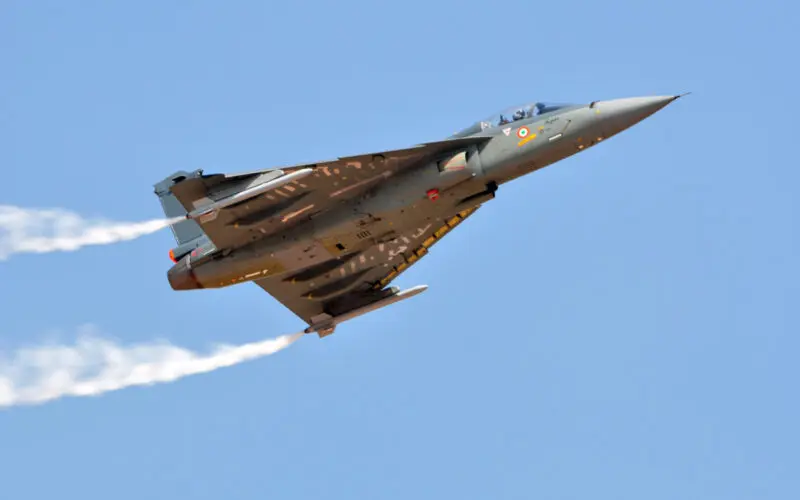
India’s Defence
The Tejas Mk1 represents a key step in India’s quest for self-reliance in defence technology. Its affordable operating cost and growing capabilities help reduce dependence on foreign jets.
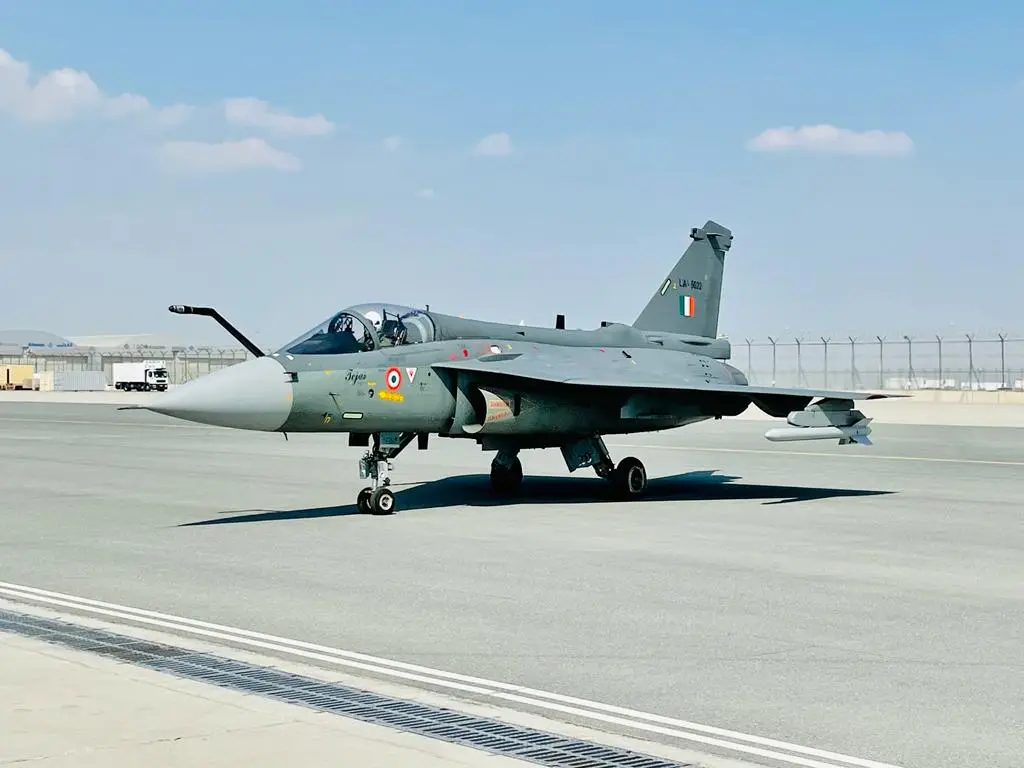
Tejas and India’s Defence Independence
The Tejas Mk1 represents a key step in India’s quest for self-reliance in defence technology. Its affordable operating cost and growing capabilities help reduce dependence on foreign jets.
)
)
)
)
)