India-Russia Summit: Why Putin landed on Palam Airport instead of Indira Gandhi International?

Palam, originally a Royal Indian Air Force base turned civil airport, has over decades retained capacity to host non-civilian flights, VVIP arrivals, charter aircraft and government-operated planes.

1. Palam Airport Serves As Delhi’s VVIP / Technical Airport
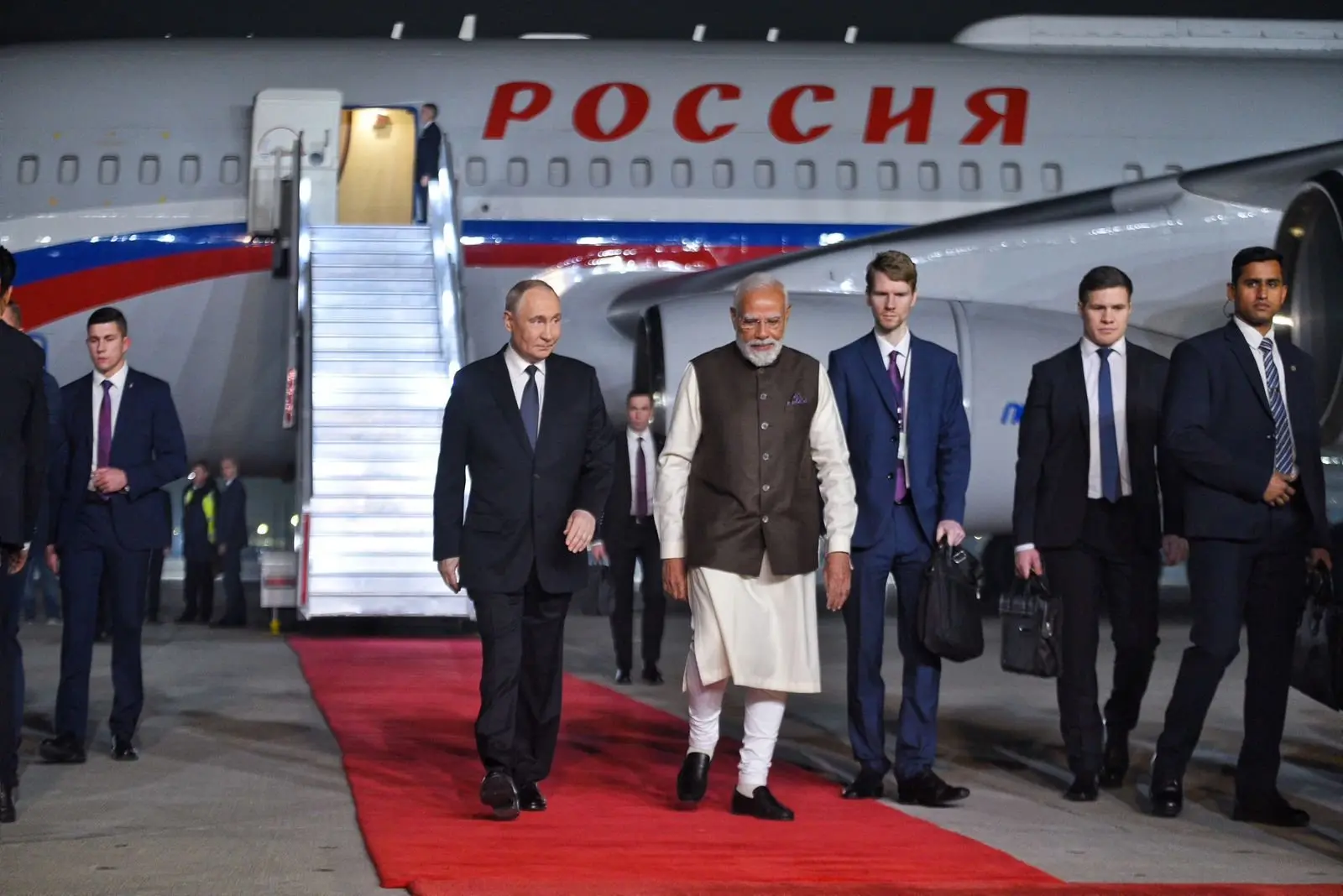
Palam Airport continues to function alongside IGI as a technical / military-cum-VVIP handling airport. For high-security, high-profile visits, such as a state visit by a foreign head of state, the authorities often use Palam to simplify logistics and security. This makes Palam the preferred choice over busier commercial terminals like IGI.
2. Reduced Civilian Traffic Eases Security and Protocol Management
IGI regularly handles heavy civilian flights, commercial, cargo, arrivals and departures. Landing at Palam reduces risk and complexity of crowd control, air-traffic congestion, and ensures minimal interference with commercial operations. For a summit involving tight security and protocol, Palam provides a cleaner operational environment.
3. Direct VIP Transfer to Official Residence and Summit Venue
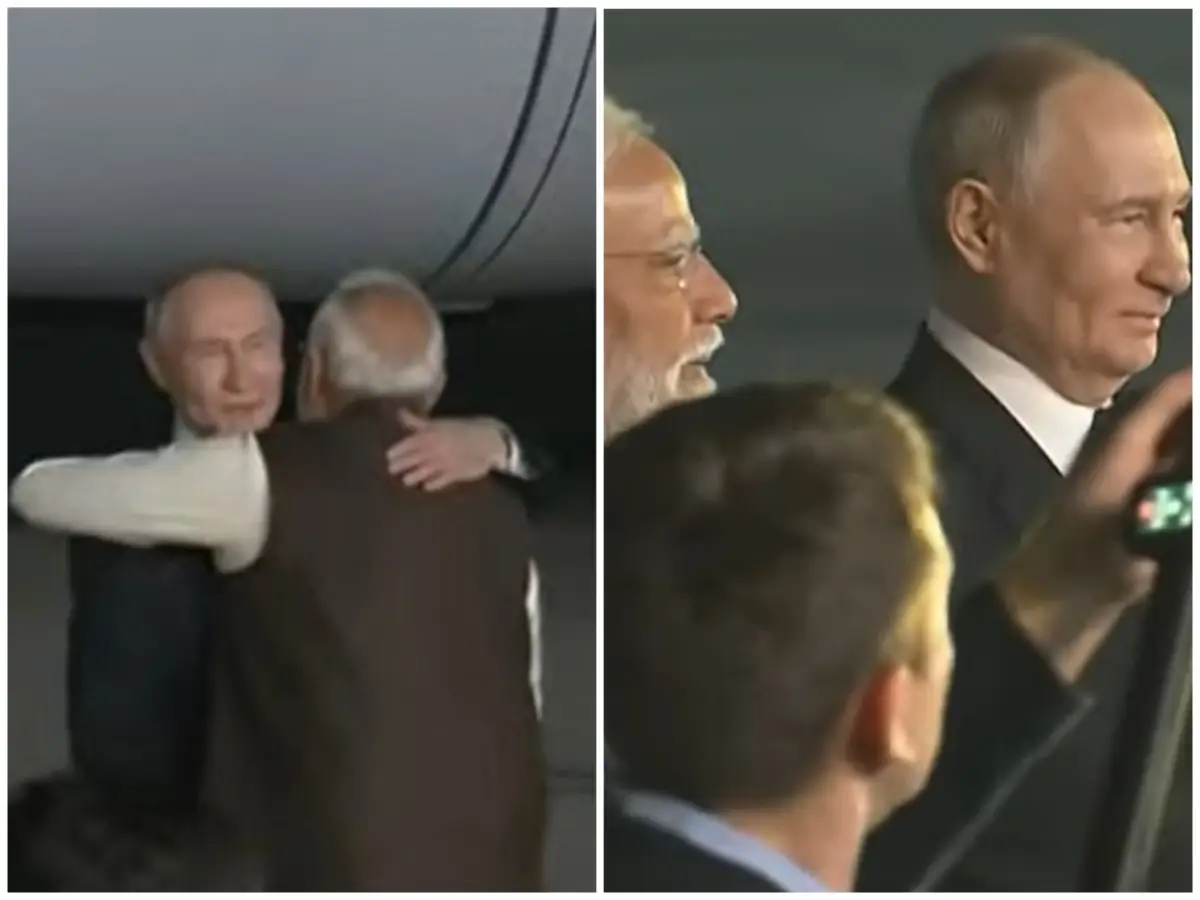
Reports from the recent visit indicate that after landing at Palam, Putin was met by Narendra Modi and both leaders proceeded by car directly, an arrangement suited for high-profile diplomacy. Using Palam allows smoother, quicker, and more private transfer to official accommodation or meeting venues than navigating through public terminals.

4. Historical Use of Palam for Strategic and Diplomatic Arrivals
Palam, originally a Royal Indian Air Force base turned civil airport, has over decades retained capacity to host non-civilian flights, VVIP arrivals, charter aircraft and government-operated planes. The dual-airport history gives it infrastructure and protocols ideal for diplomatic flights.

5. Avoiding Overload at IGI Amid Heavy Civil Traffic and Summit Timing
Given that IGI is among India’s busiest airports, with multiple terminals and heavy civilian and cargo operations, diverting a high-security diplomatic arrival to Palam helps avoid disruption. It reduces impact on regular airline schedules and prevents spotlight on civilian travel during sensitive diplomatic events.

6. Symbolic Gesture and Protocol Flexibility
Landing at Palam, where the Prime Minister or other dignitaries often receive important guests, maintains diplomatic decorum while allowing some flexibility in schedule. In this visit, the early evening arrival and immediate private dinner schedule likely benefitted from Palam’s simpler reception logistics.

7. Security, Discretion and Strategic Considerations in Current Global Context
Given the sensitive geopolitical climate, and with global attention on the summit, using Palam provides higher control over security perimeters, surveillance, and reduces risk of leaks or public exposure compared with a public, crowded civil airport. This likely weighed in decision to land at Palam for this visit.
)
)
)
)
)