India-Russia Summit: Top 10 things to expect from Modi-Putin meeting this week

Discussions are expected on enhancing trade and financial cooperation using local currencies and payment systems (eg avoiding reliance on Western-dominated systems), to strengthen economic ties and reduce vulnerabilities linked to sanctions or external pressure.
1. Summit Occasion and Context
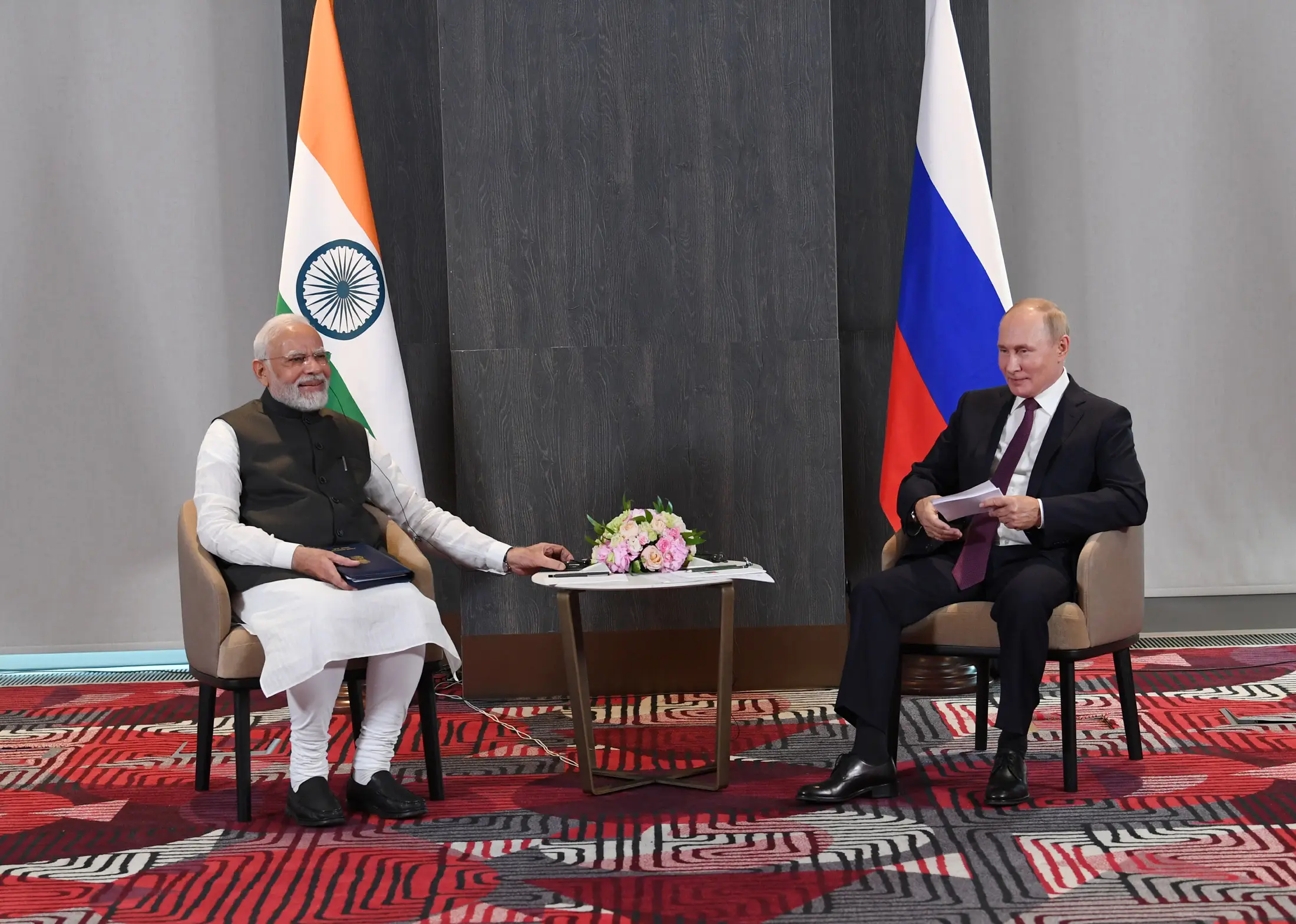
The summit will be held on 4–5 December 2025 in New Delhi. This will be Putin’s first visit to India since Russia’s invasion of Ukraine, and the two leaders will use the summit to review the full scope of their “special and privileged strategic partnership”.
2. Defence and Security Deals on Agenda
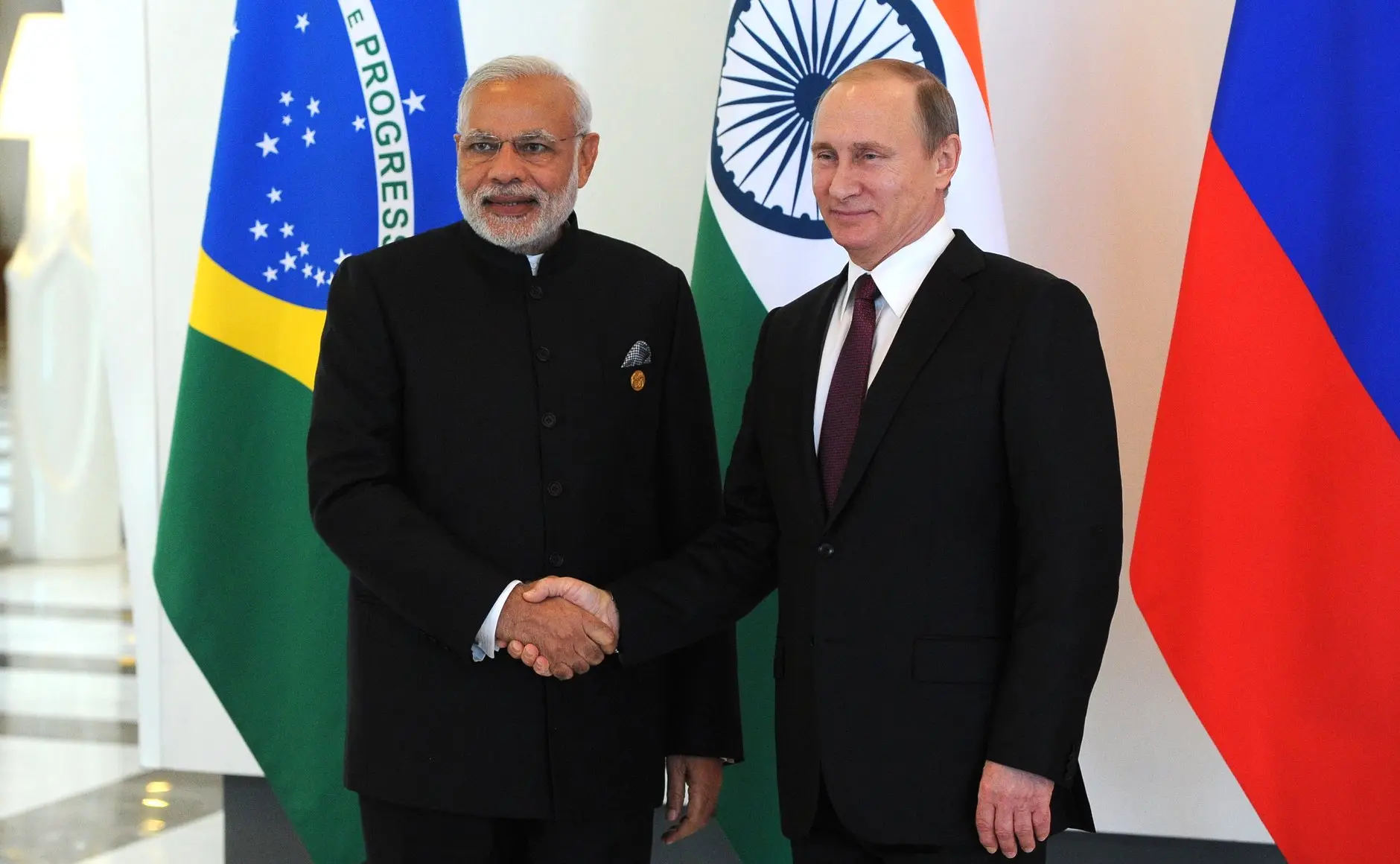
Defence cooperation is expected to be among the main areas of discussion. India is likely to explore acquiring additional air-defence systems, possibly including more units of the S-400 Triumf missile-defence system, and may also discuss future purchases like the next-generation S-500 missile system and advanced fighter jets.
3. Push for Joint Production and Technology Transfer
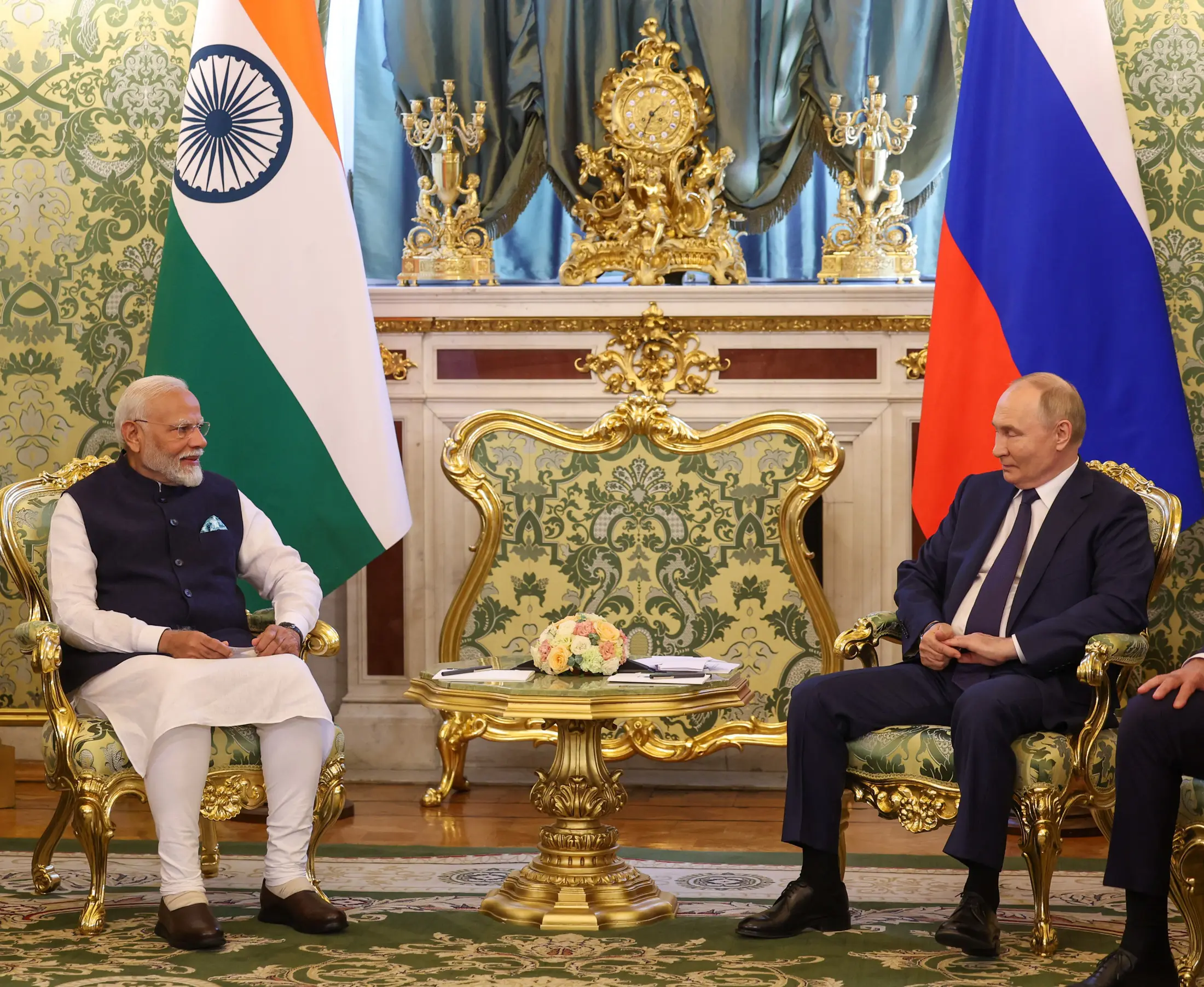
New Delhi is likely to press for deeper collaboration, not just off-the-shelf equipment purchase, but co-development and joint manufacturing in missiles, submarines, aviation and other defence-related technologies. This supports India’s broader aim of self-reliance in defence supplies.
4. Energy and Oil Supply Security
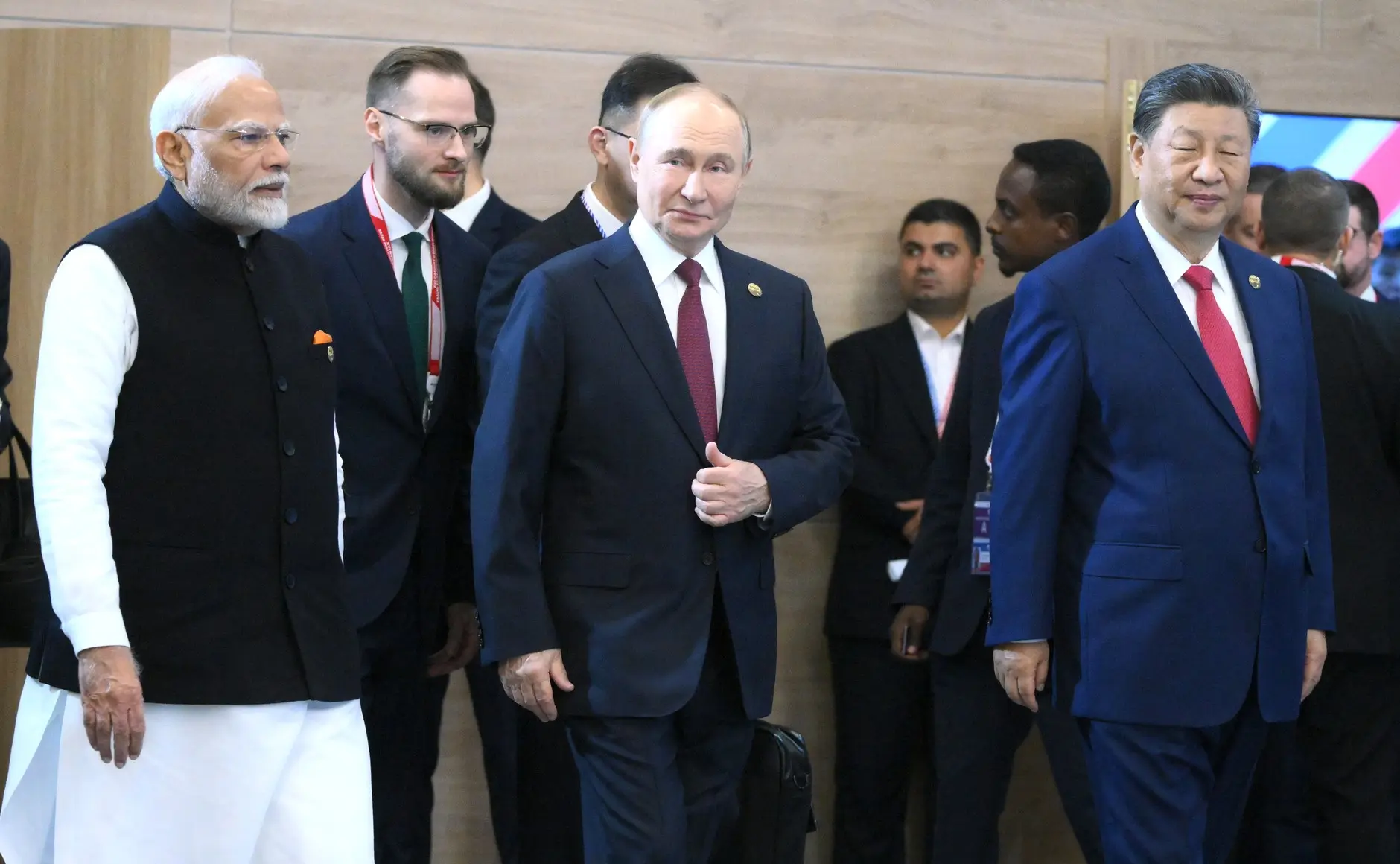
Given Russia’s role as a major energy partner to India, energy cooperation remains central. Talks are expected to cover further oil supply agreements or long-term energy commitments, especially important amid global volatility in energy markets and Western sanctions on Russia.
5. Use of Local Currencies, Financial Connectivity
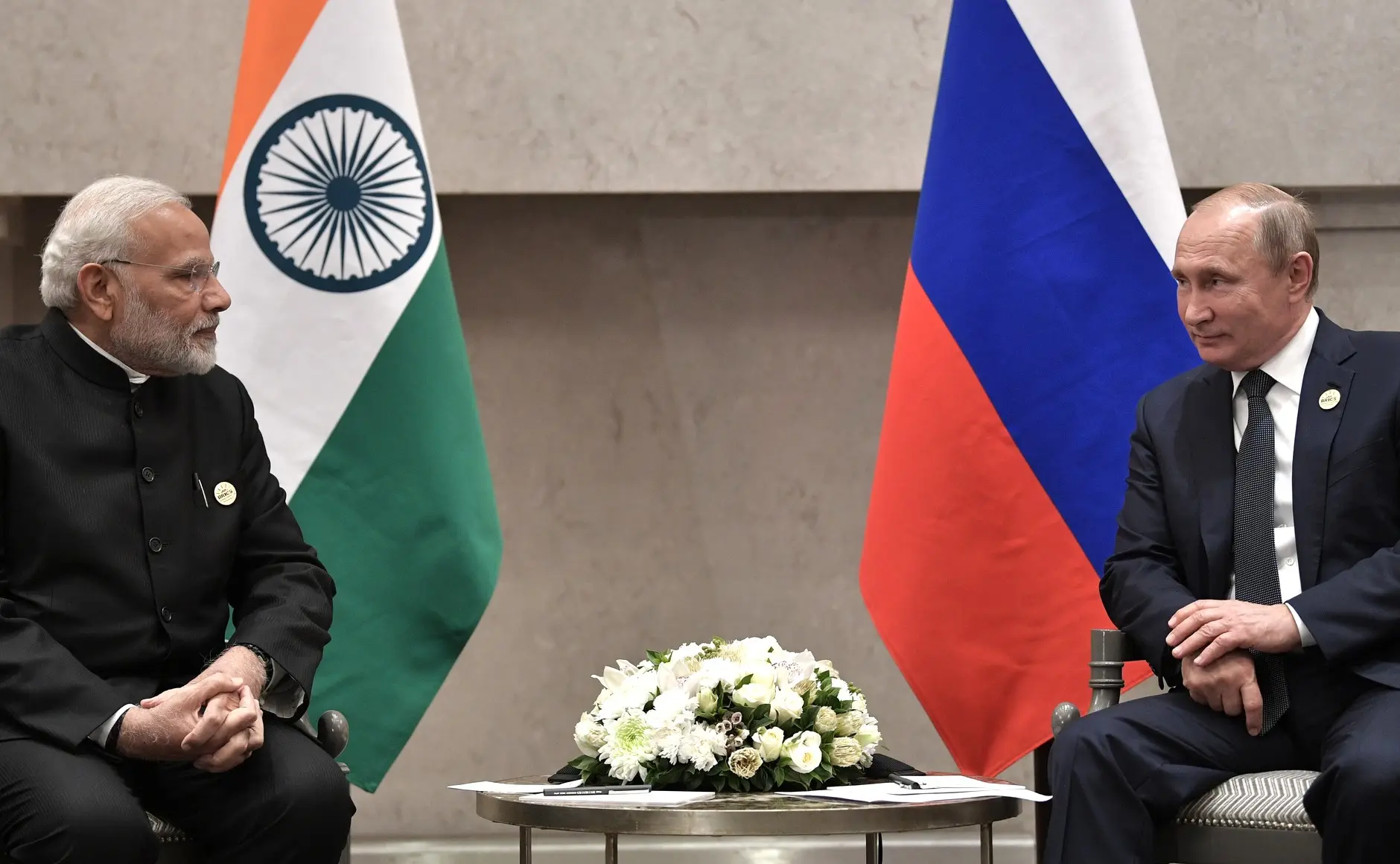
Discussions are expected on enhancing trade and financial cooperation using local currencies and payment systems (eg avoiding reliance on Western-dominated systems), to strengthen economic ties and reduce vulnerabilities linked to sanctions or external pressure.
6. Civil Nuclear Cooperation and Energy Projects
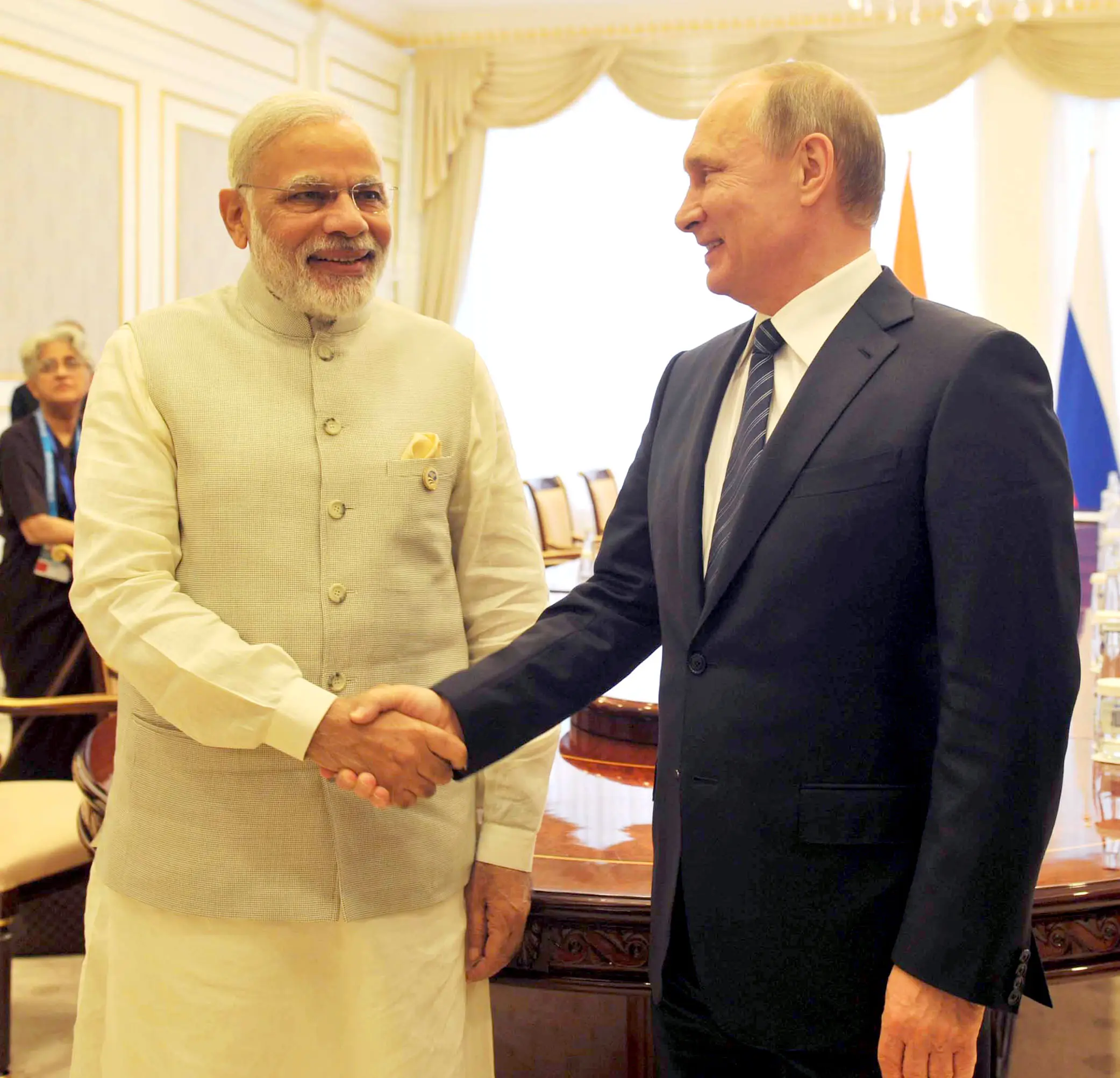
The summit could review cooperation in civil nuclear energy, including progress on existing projects (such as those previously agreed) and possibly discuss new small or modular reactor (SMR) cooperation, aligning with India’s energy security and clean-energy ambitions.
7. Broader Economic, Trade and Industrial Partnership
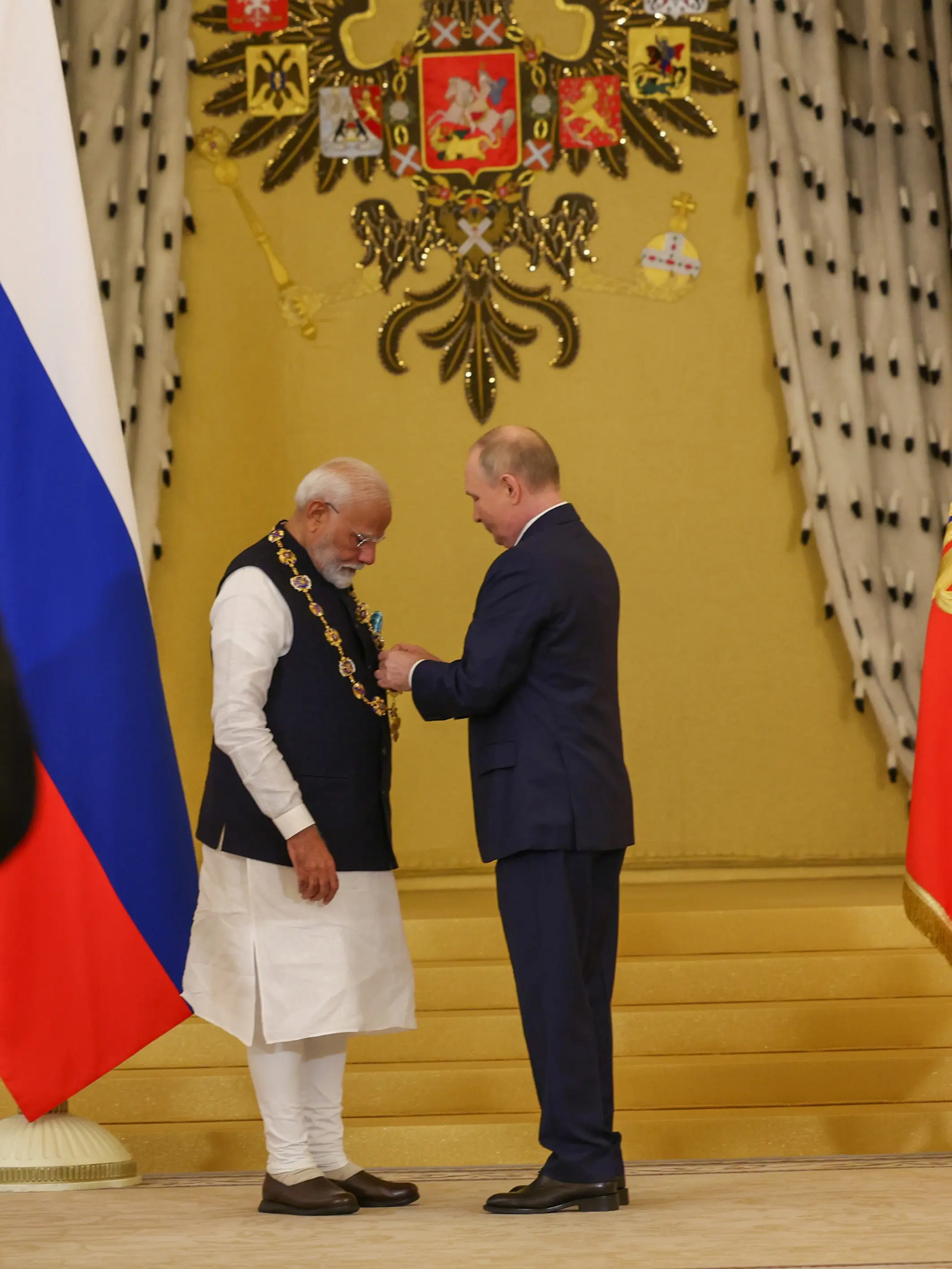
Beyond defence and energy, both countries are expected to explore expanding cooperation in industrial production, transport and infrastructure, including joint ventures under India’s manufacturing push, and possibly reviving trade in sectors such as metallurgy, engineering, and high-technology industries.
8. Strategic Diplomacy amid Global Tensions
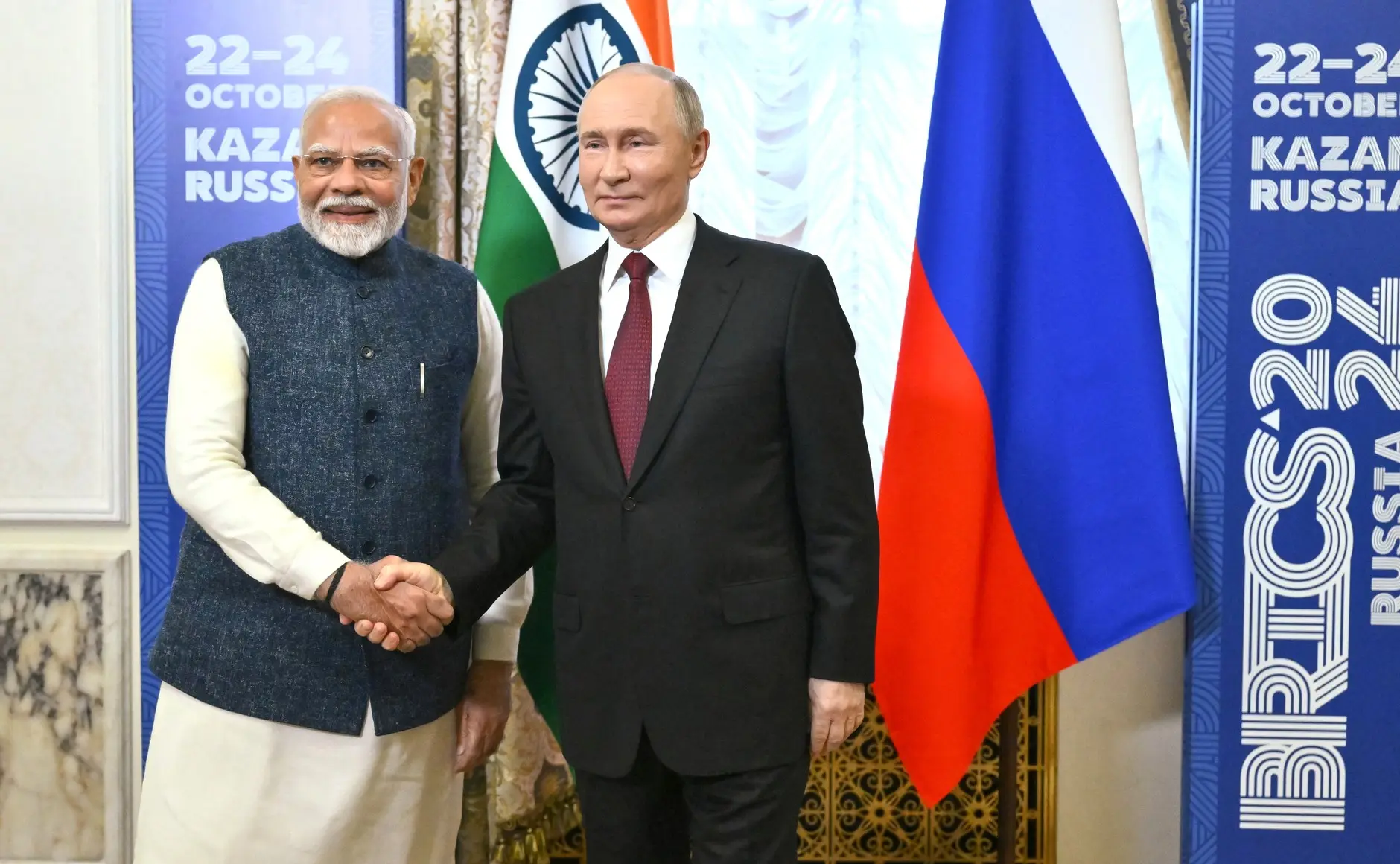
Given the global reaction to Russia’s actions and Western pressure on allies, the summit will test India’s ability to balance its longstanding ties with Russia while maintaining relationships with Western powers. The outcome will reveal how New Delhi navigates these complex pressures.
9. Possible Joint Statement and Agreements Across Sectors
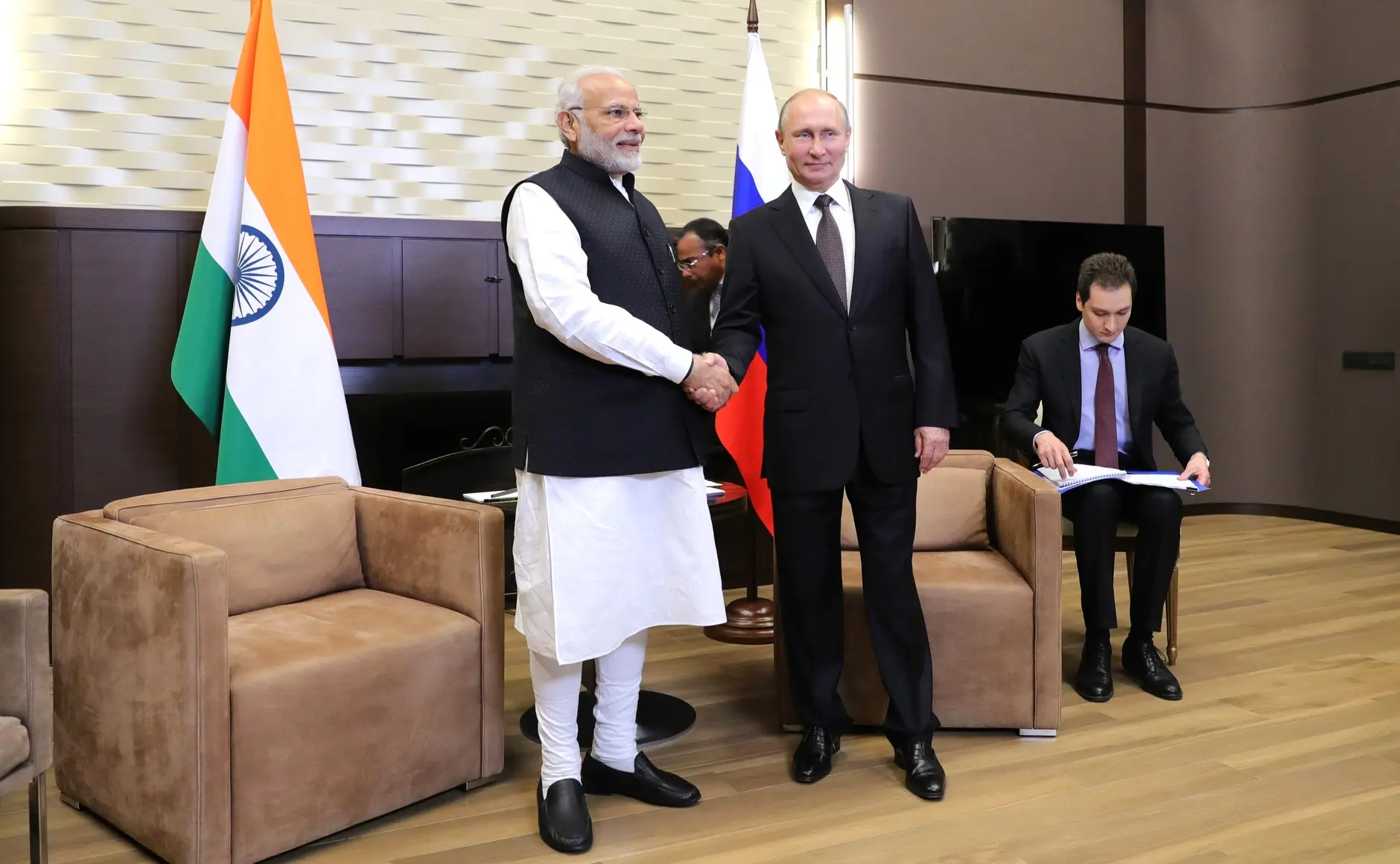
Sources indicate that after the summit, a joint statement and several inter-governmental and business-sector agreements/MoUs could be signed, covering a wide set of fields: defence, energy, trade, finance, technology, and possibly cultural or people-to-people cooperation.
10. Signal of Continued India–Russia Strategic Partnership
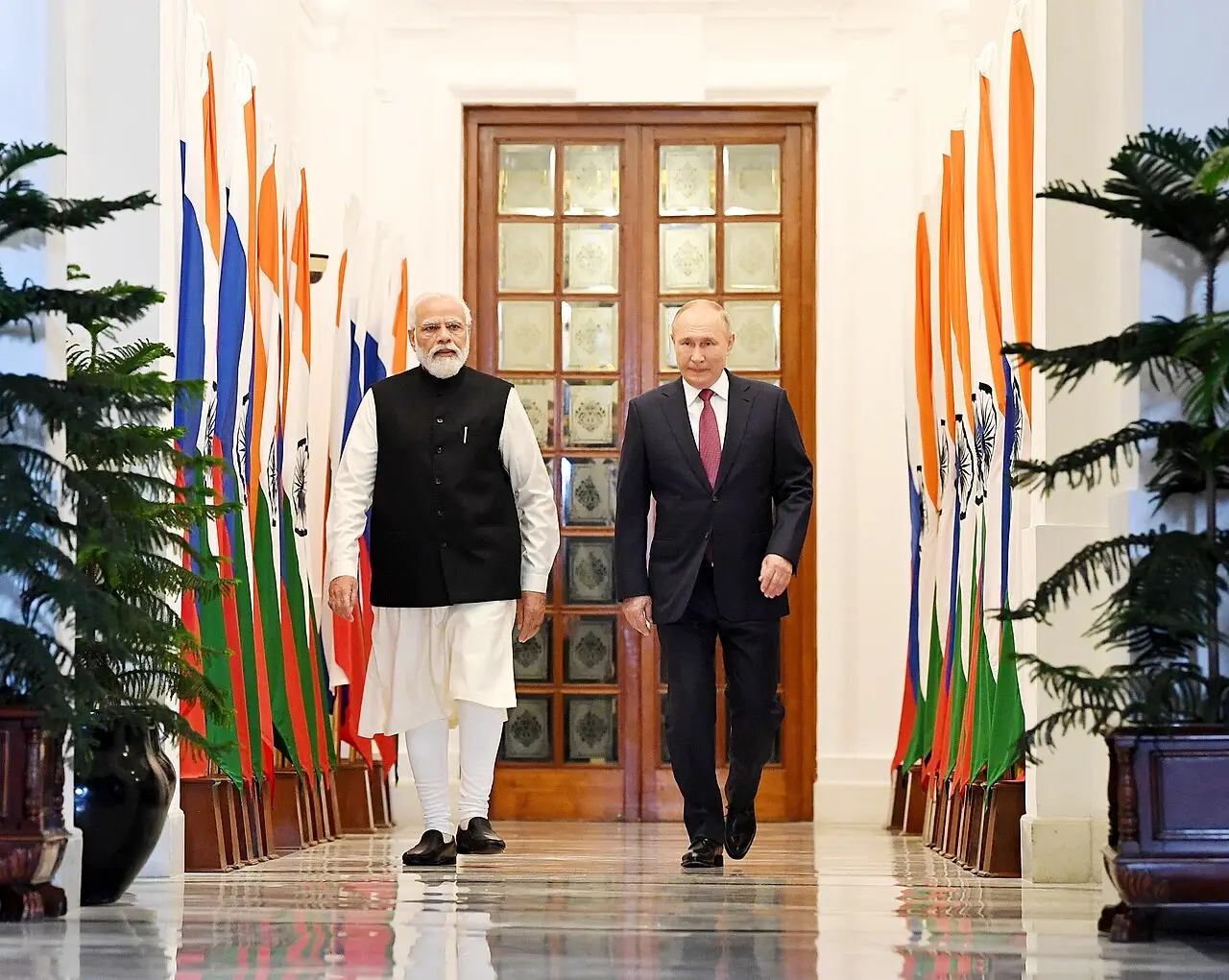
Overall, the summit aims to reaffirm and possibly deepen the decades-long “special and privileged strategic partnership” between India and Russia, signalling that despite current global realignments, the two countries intend to sustain and evolve their cooperation across multiple domains.
)
)
)
)
)