India–Russia summit 2025: When Russia helped India in the war against Pakistan in 1971

That crisis which was born from the humanitarian catastrophe in East Pakistan and the massive refugee influx into India not only tested New Delhi’s diplomacy but also defence preparedness on an unmatched scale.
A Strategic Partnership Rooted in History
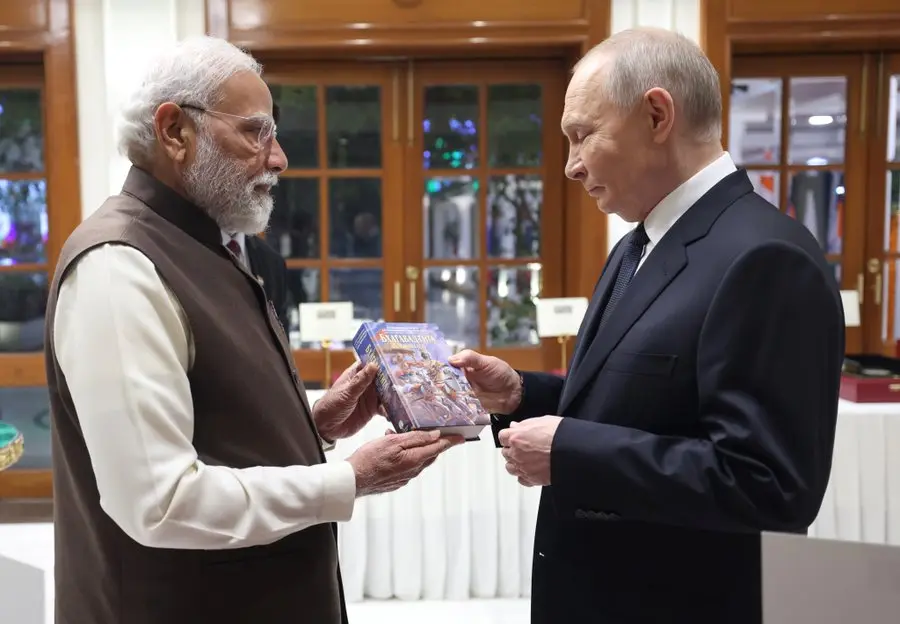
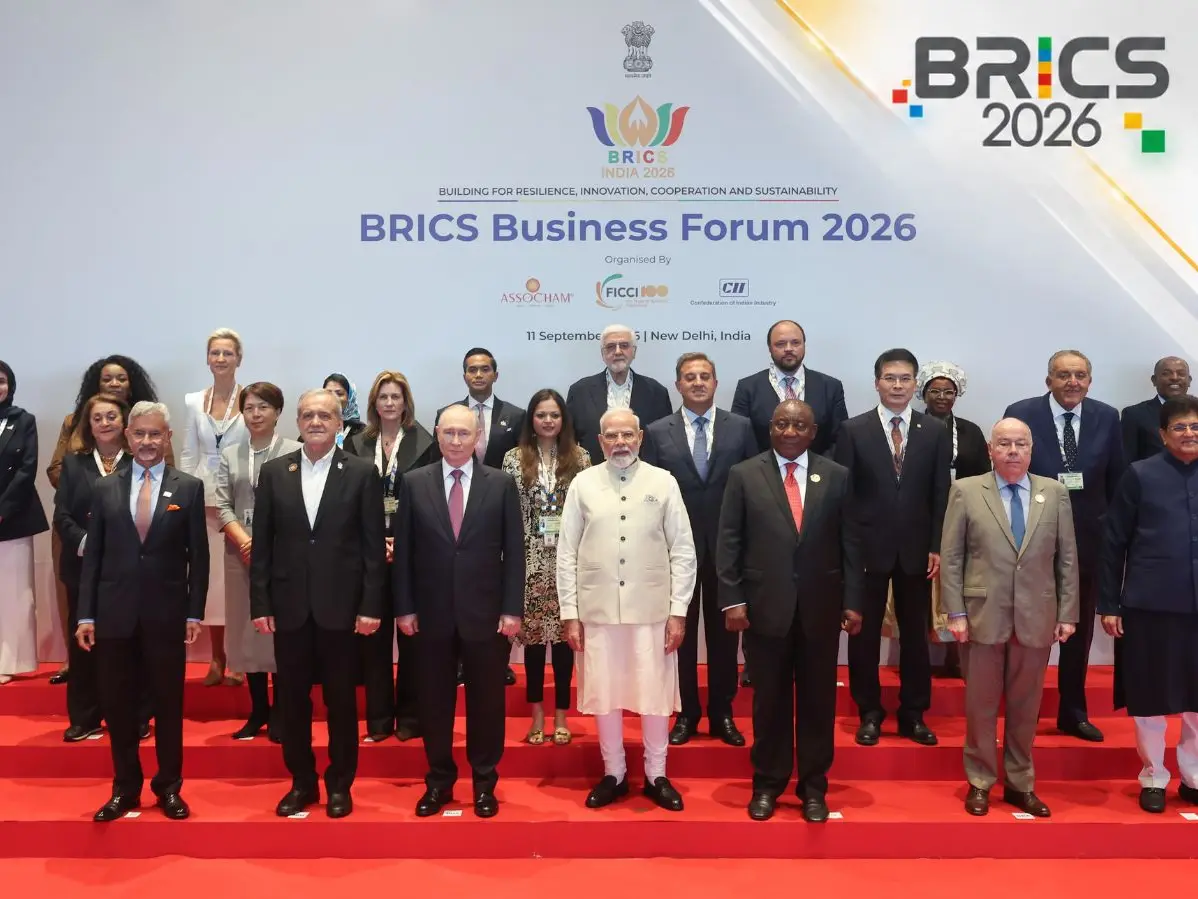
Russian President Vladimir Putin’s visit to India invites reflection on one of the most consequential chapters in India–Russia relations. While both leaders are currently holding bilateral talks at Hyderabad House, the visit also recalls the Soviet Union’s support during the Indo-Pakistani War of 1971. That crisis which was born from the humanitarian catastrophe in East Pakistan and the massive refugee influx into India not only tested New Delhi’s diplomacy but also defence preparedness on an unmatched scale. However, this also anchored India and Russia’s (then the USSR’s) relationship, demonstrating how deep-rooted the friendship is and how far back the ties go.
The Crisis in East Pakistan and India’s Dilemma
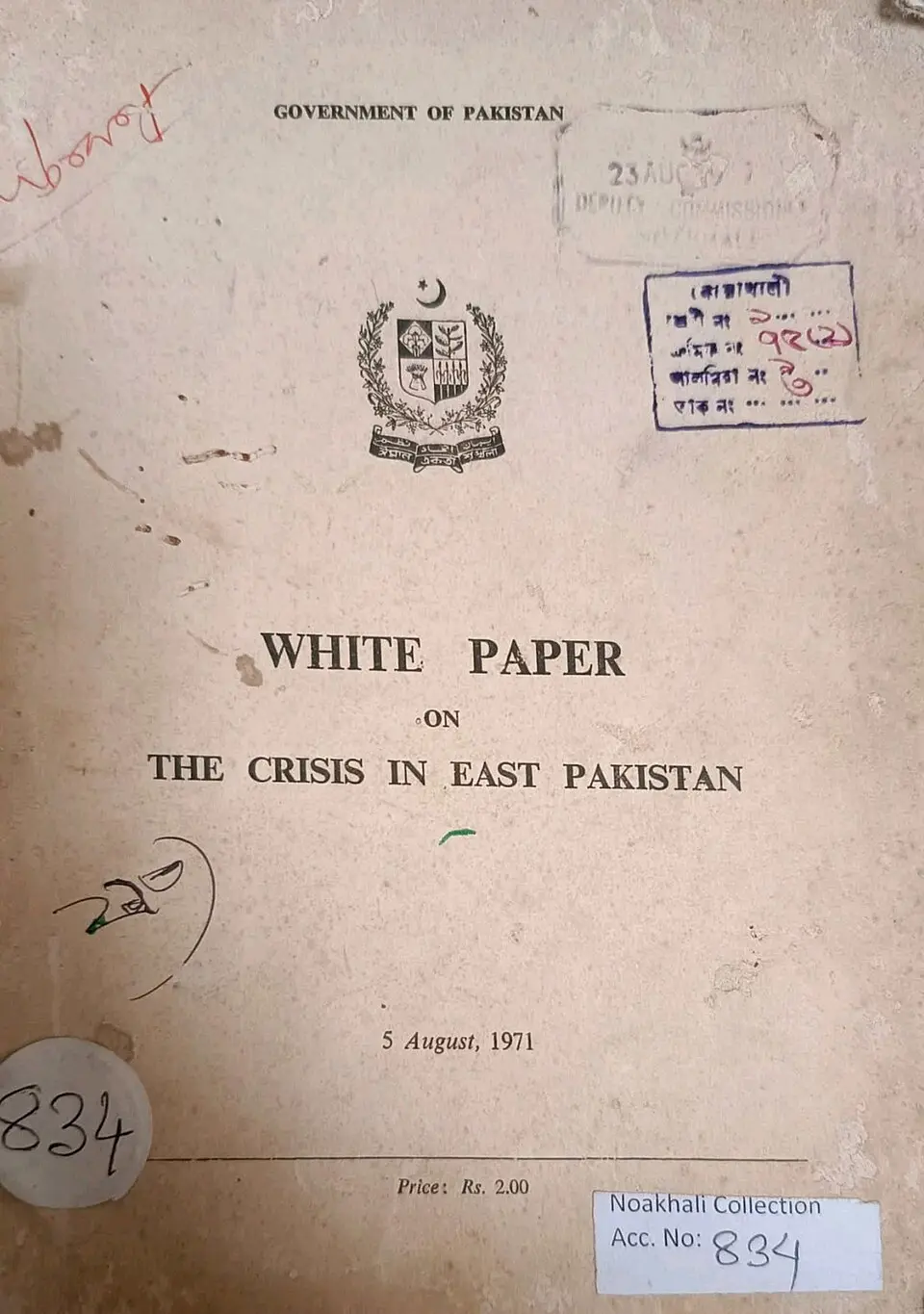
The conflict of 1971 stemmed from the Pakistan Army’s violent crackdown and brutal treatment of Bengali civilians and political leaders in East Pakistan, which triggered mass killings, forced displacement, and a refugee influx of millions into India. According to estimates, the death toll was between 3,00,000 and 30,00,000. This inflow placed immense pressure not only on India’s economy but also on its internal security and military planning. Pakistan, under General Yahya Khan, was determined to crush Bengali aspirations. This was largely possible because Pakistan enjoyed firm backing from the United States, the United Kingdom, and China.
A Treaty that Altered the Strategic Landscape
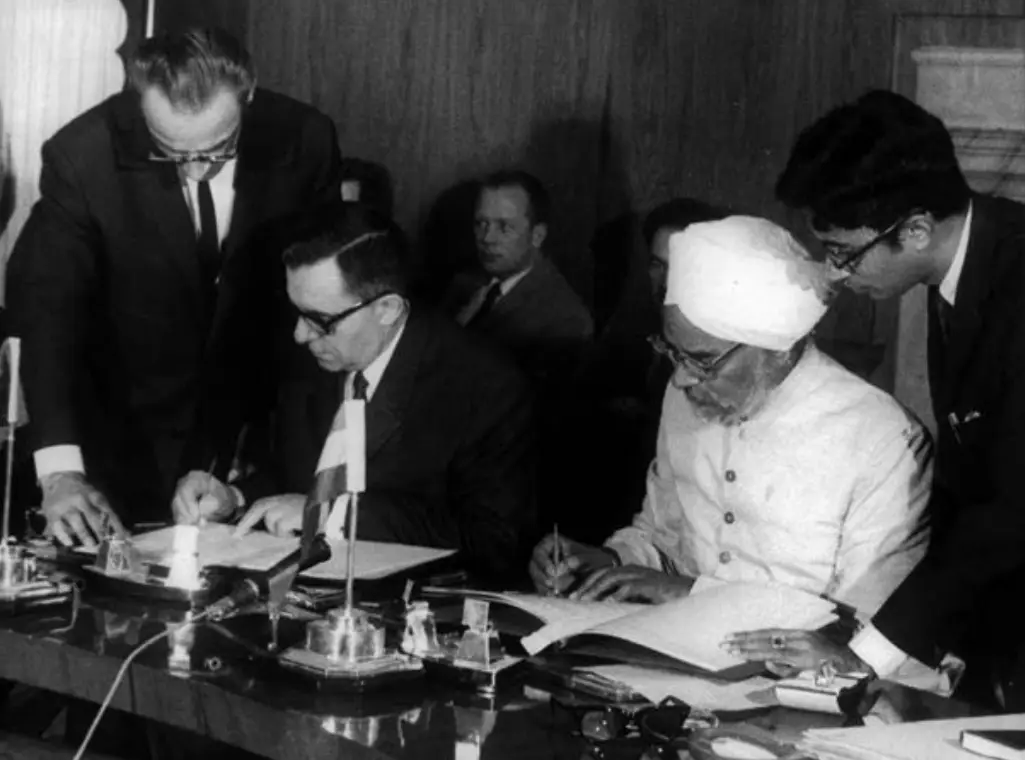
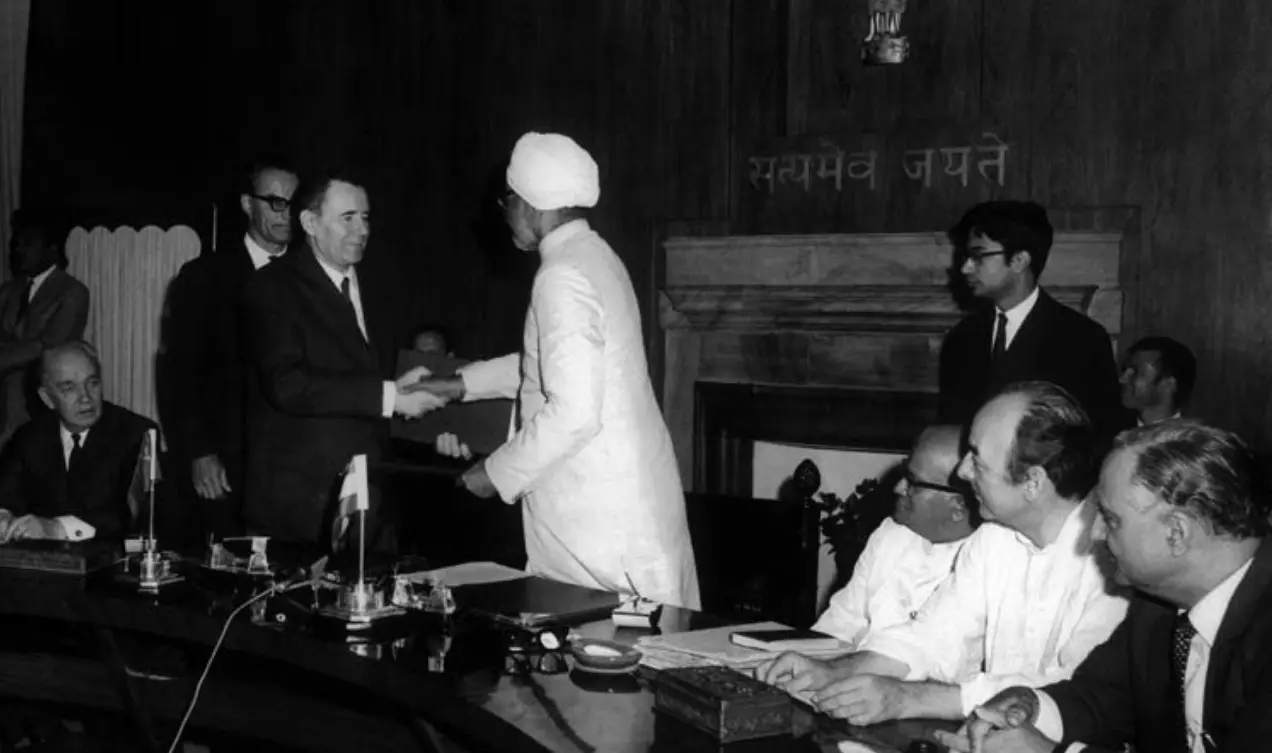
To counter this alignment, India was left with no other choice but to sign the Indo-Soviet Treaty of Peace, Friendship and Cooperation on August 9, 1971, with the Soviet Union. The treaty, signed by Sardar Swaran Singh and Soviet Foreign Minister Andrei Gromyko, affirmed mutual respect for sovereignty, non-interference, and strategic cooperation. According to the Embassy of the Russian Federation’s published document, both nations declared their desire “to contribute in every possible way to ensure enduring peace and security of their people” and to uphold the UN Charter.
Stabilising the Northern Front
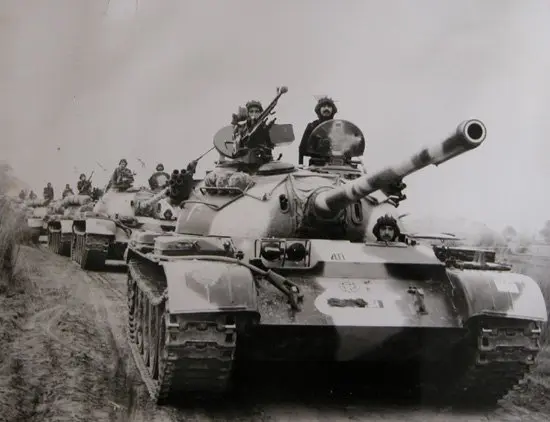
One of India’s core concerns was the possibility of Chinese intervention, which would have turned the conflict into a two-front war. According to media reports, and as documented by the International Institute for Strategic Studies, the USSR redeployed 44 motorised divisions along the Sino-Soviet frontier. This significant concentration of force deterred China from opening a second front, enabling India to shift troops to its western border.
Operation Chengiz Khan
When war began on December 3, 1971, after Pakistan launched airstrikes on Indian airbases under Operation Chengiz Khan, Prime Minister Indira Gandhi ordered a full-scale invasion of the neighbouring nation. Though Pakistan started the war, India quickly gained the upper hand.
The US and UK Naval Gambit
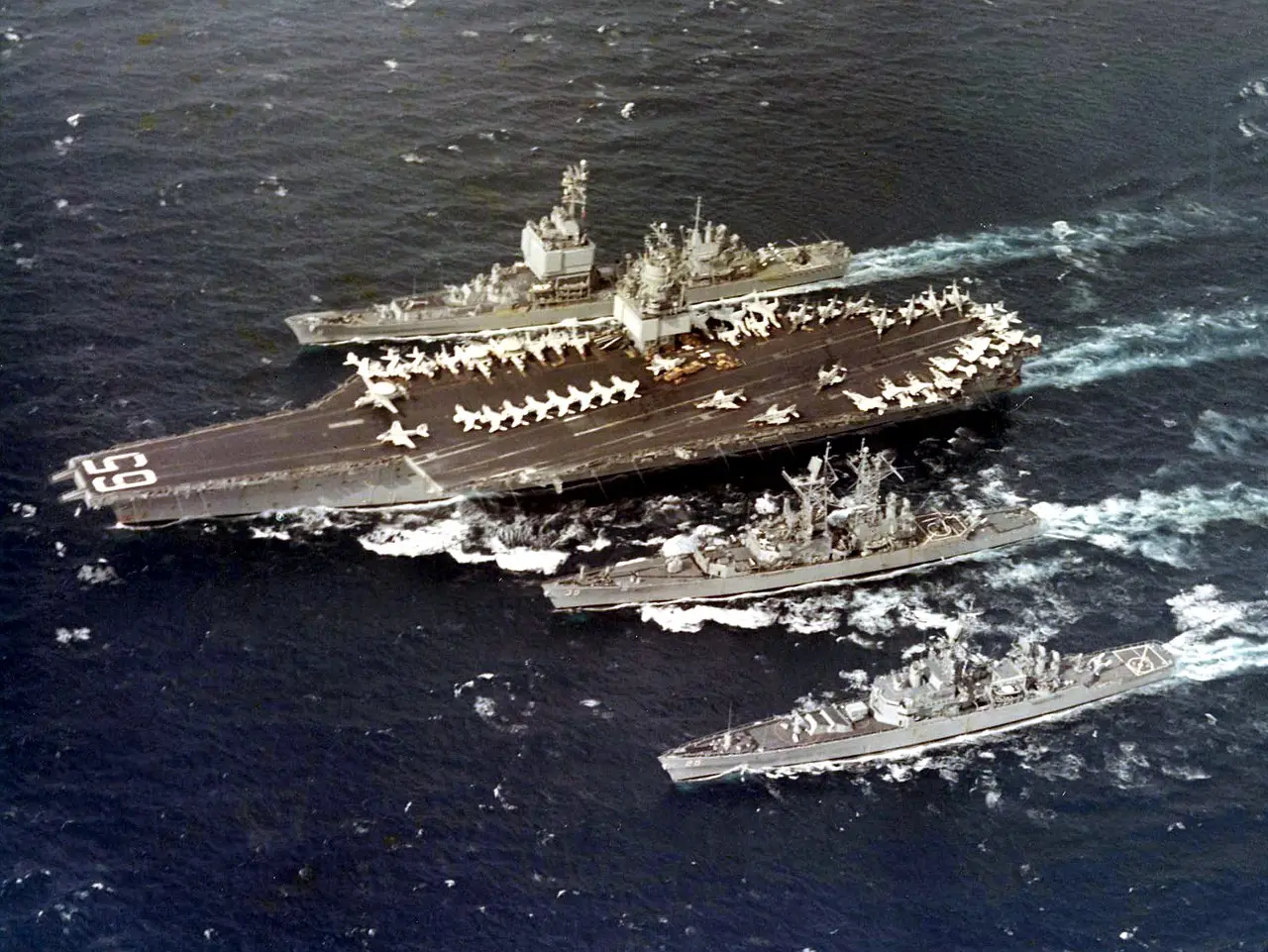
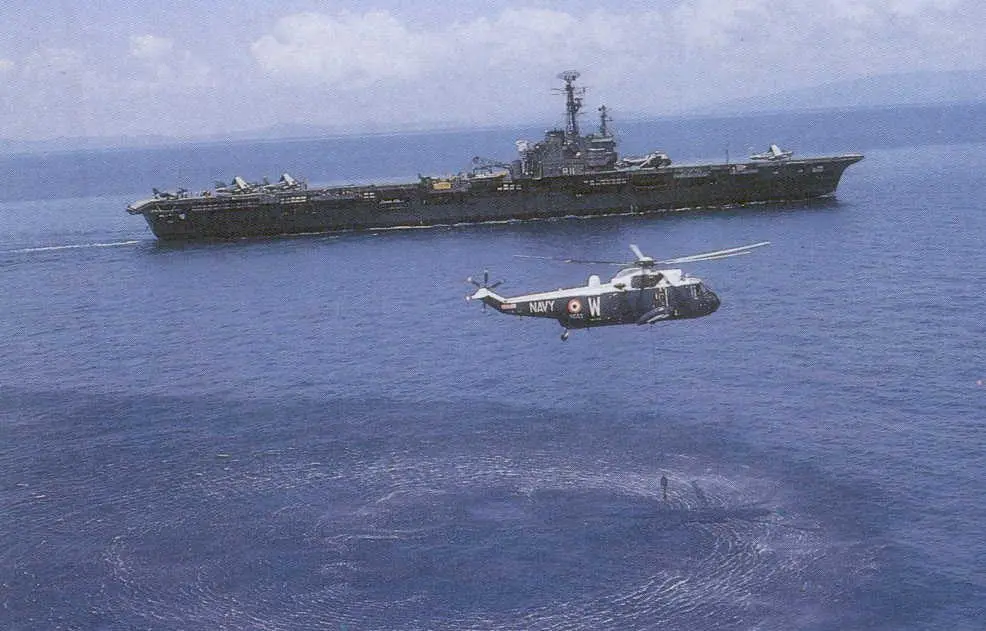
On December 6, India recognised Bangladesh as an independent country. Days later, US President Richard Nixon directed Task Force 74, part of the US Navy’s Seventh Fleet, including the nuclear-powered USS Enterprise, to the Bay of Bengal, while the UK sent HMS Eagle to the Arabian Sea. Their presence was intended to pressure India and support Pakistan.
Soviet Naval Intervention
Responding to India’s SOS to the Soviet Union, the Soviet Pacific Fleet moved rapidly from Vladivostok. The fleet included nuclear-armed submarines and cruisers capable of engaging US naval vessels. Under Admiral Vladimir Kruglyakov, the flotilla advanced into the region, compelling the US and UK task forces to alter course. The show of force prevented escalation and ensured the conflict remained localised.
A Partnership That Continues to Evolve
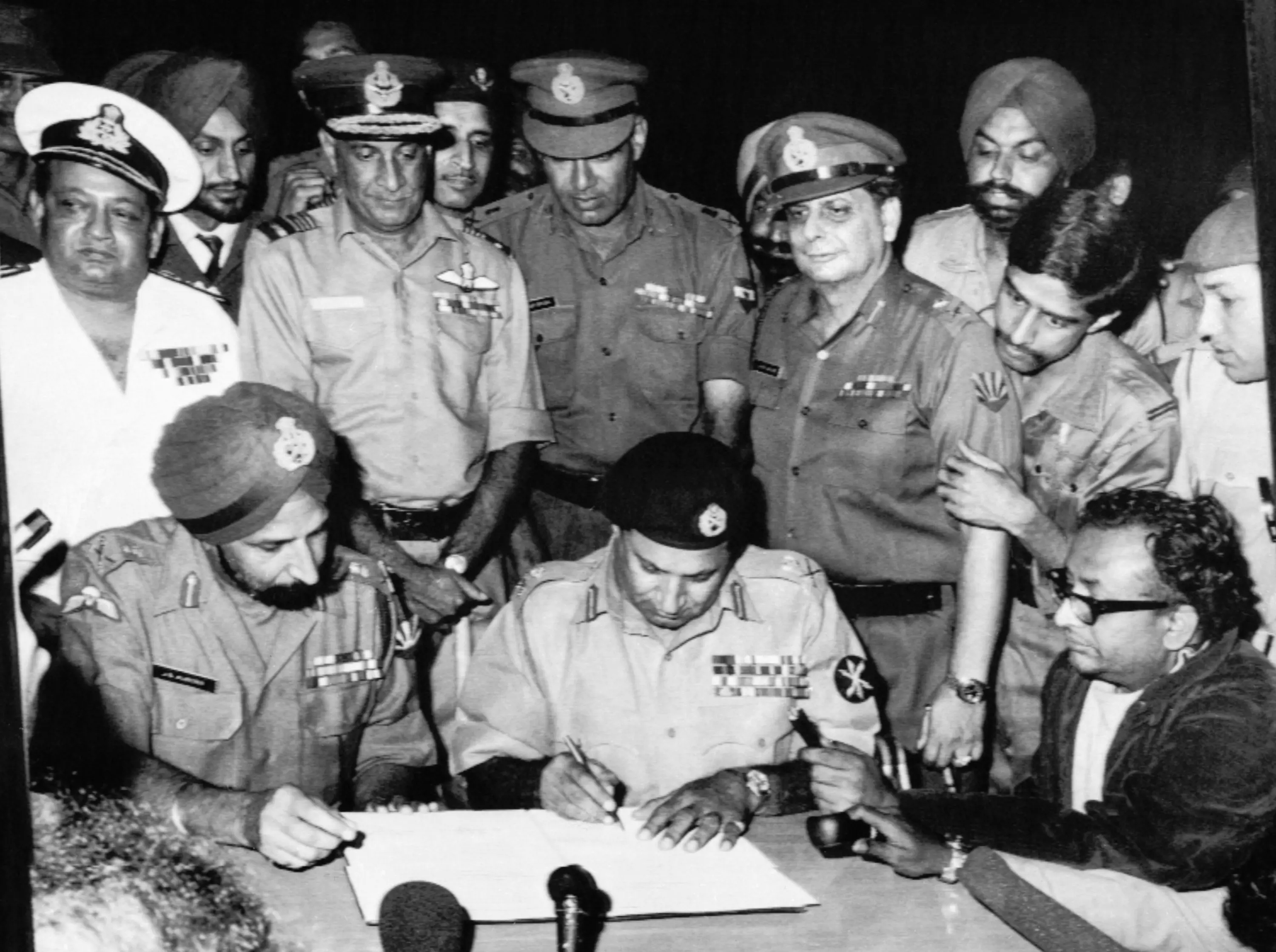
The breakup of Pakistan profoundly altered the balance of power in favour of India. India achieved victory on December 16, 1971, with the surrender of 93,000 Pakistani troops. The crisis cemented India–Soviet trust, which was later elevated in 2010 to a “Special and Privileged Strategic Partnership.” Putin’s visit to India in 2025 underscores the continuity of a relationship shaped in part by that pivotal winter of 1971.
)
)
)
)
)