India-Russia summit 2025: How the S-400 expansion deal could strengthen air defence systems

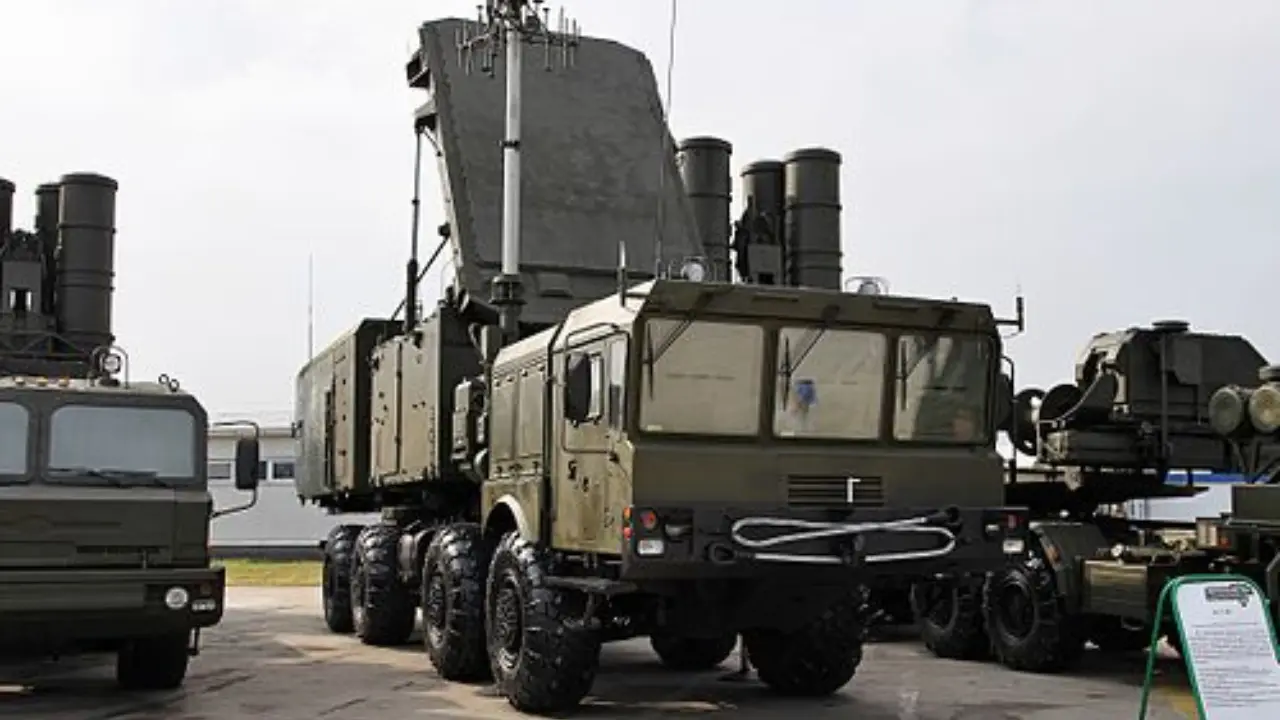
India’s S-400 deal with Russia is back in focus after Operation Sindoor showed how strongly the system defended against major attacks. With new threats, coastline gaps and pressure from Western sanctions, India to buy more S-400 units.
The Original $5.43 Billion Deal
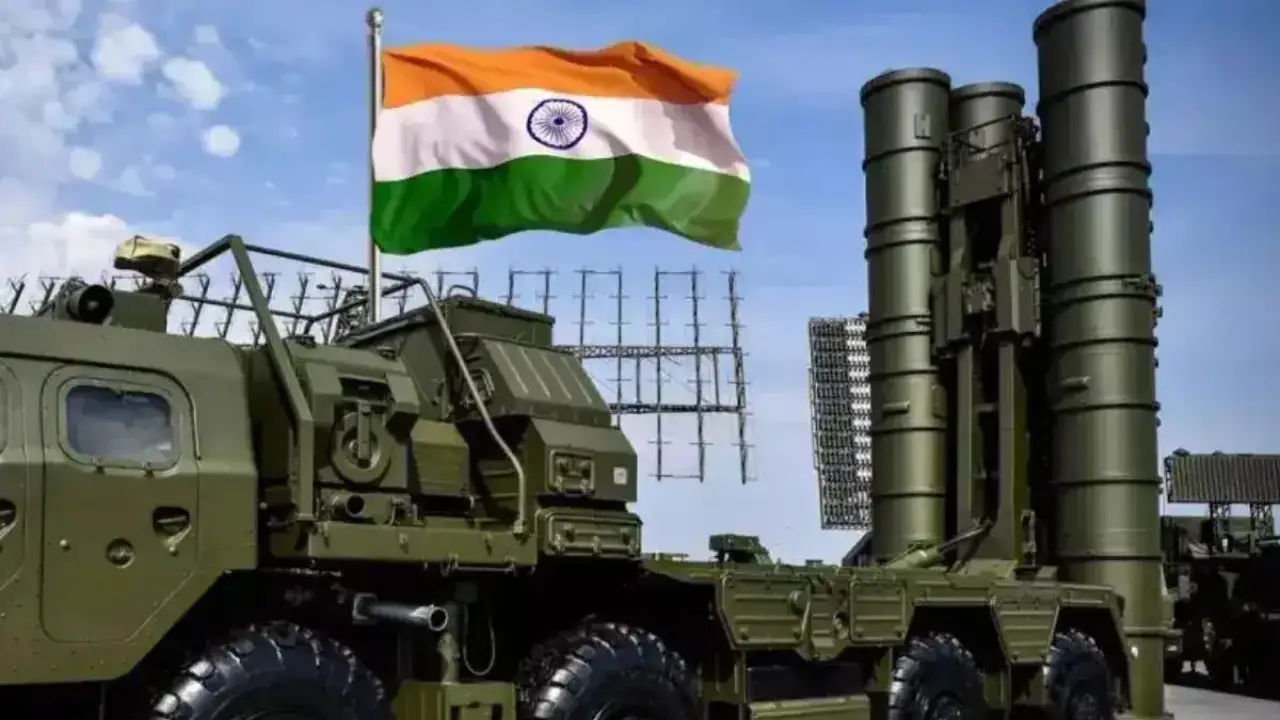
India and Russia signed the S-400 Triumf deal on October 5, 2018, in Delhi. The deal cost $5.43 billion for five squadrons of air defence systems. At that time, the US threatened India with CAATSA sanctions for buying Russian equipment. Despite pressure, India went ahead with the purchase. Operation Sindoor proved this decision strategically correct.
Operation Sindoor Proves The System Works
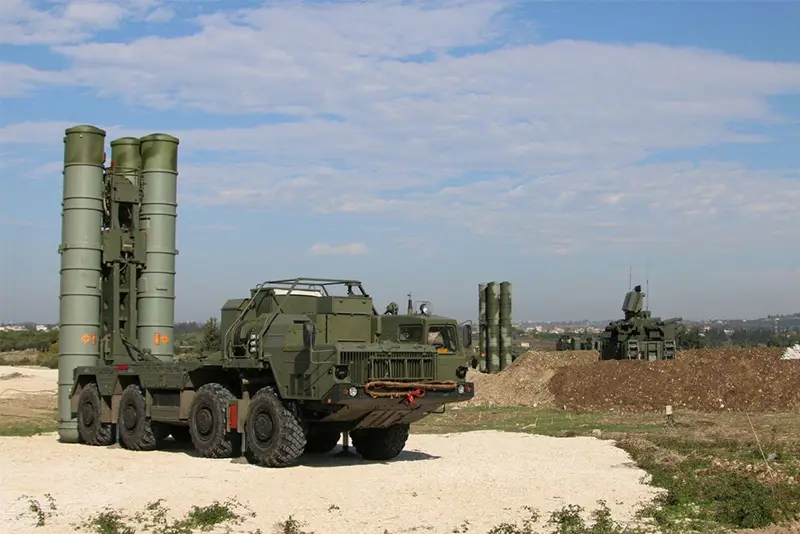
In May this year, Pakistan launched massive drone and missile attacks across 36 targets. Pakistan fired 300 to 400 drones and multiple missiles targeting military and civilian sites. India's S-400 air defence system successfully intercepted the Pakistani attacks. The system tracked targets over 600 kilometres deep inside Pakistan. S-400 proved it was worth every penny of the investment.
China Plus Pakistan Demands More Defence
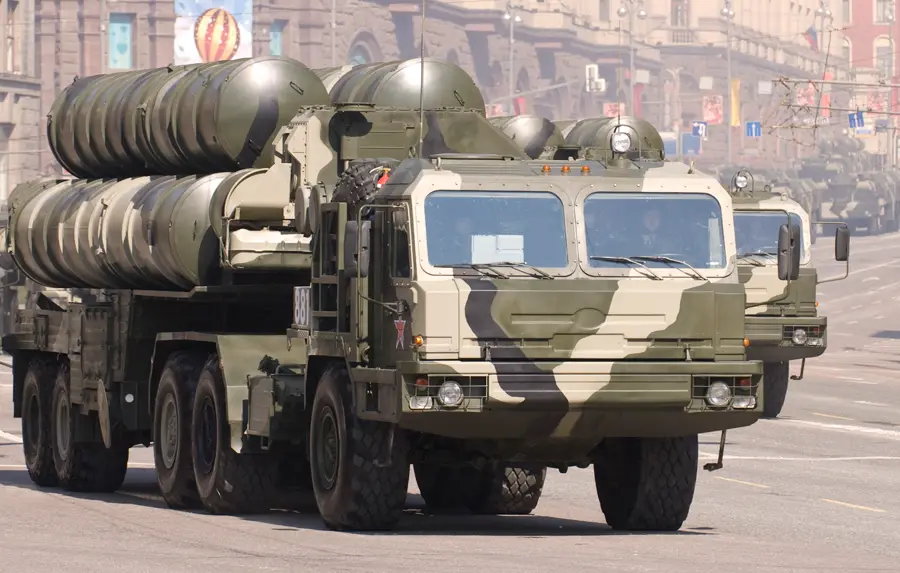
India faces evolving threats from its neighbour. The S-400 system remains the most effective air defence India possesses. This is why the government wants five additional S-400 squadrons to strengthen defences. This is as per the media reports.
Covering 7,000 Kilometres Of Coastline
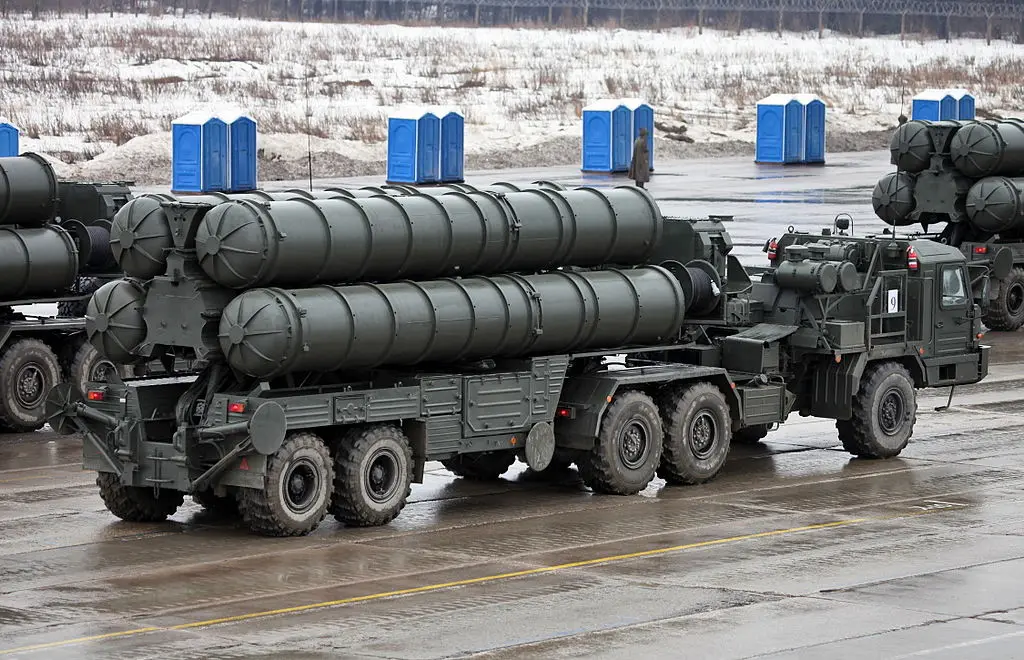
India has 7,000 kilometres of coastline requiring air defence coverage. Current S-400 squadrons cover some areas but not the entire coast. Five additional squadrons would provide comprehensive protection along India's entire maritime border. Northern command areas also have air defence gaps. The new deal addresses these critical gaps.
The Western Sanctions Challenge
The first S-400 deal sparked major controversy with Western nations. The United States eventually granted India a CAATSA waiver in 2022. Few media reports predict that this second S-400 deal could restart the sanctions debate.
RuPay-Mir Payment Integration
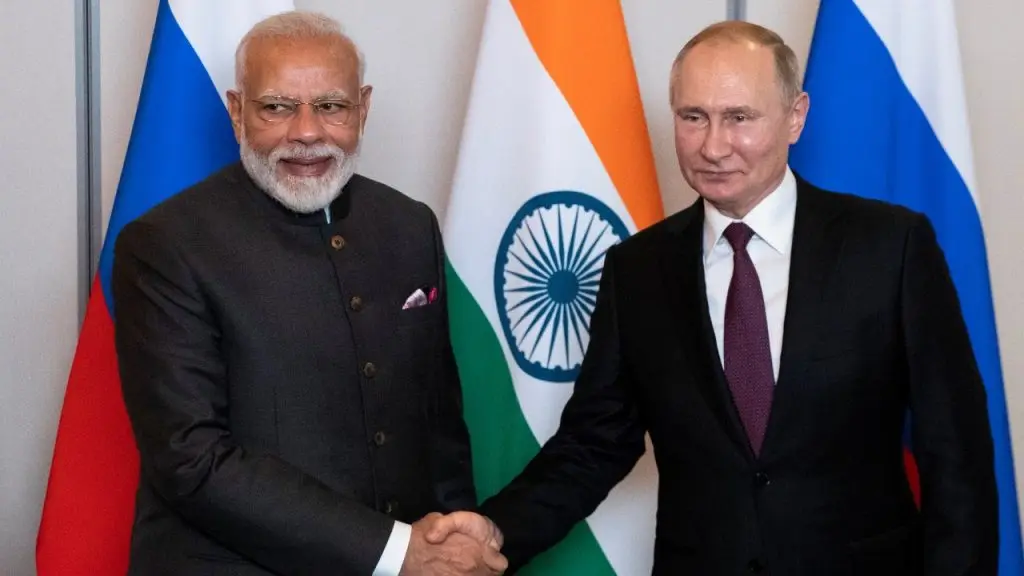
As per reports, India and Russia discussed linking their national payment systems at the summit. RuPay cards allow Indian tourists to shop and travel in Russia. Russian Mir cards work in India. This integration bypasses dollar-based payment systems. The system helps both countries manage trade despite Western sanctions on Russia.
Oil Supplies And Strategic Independence
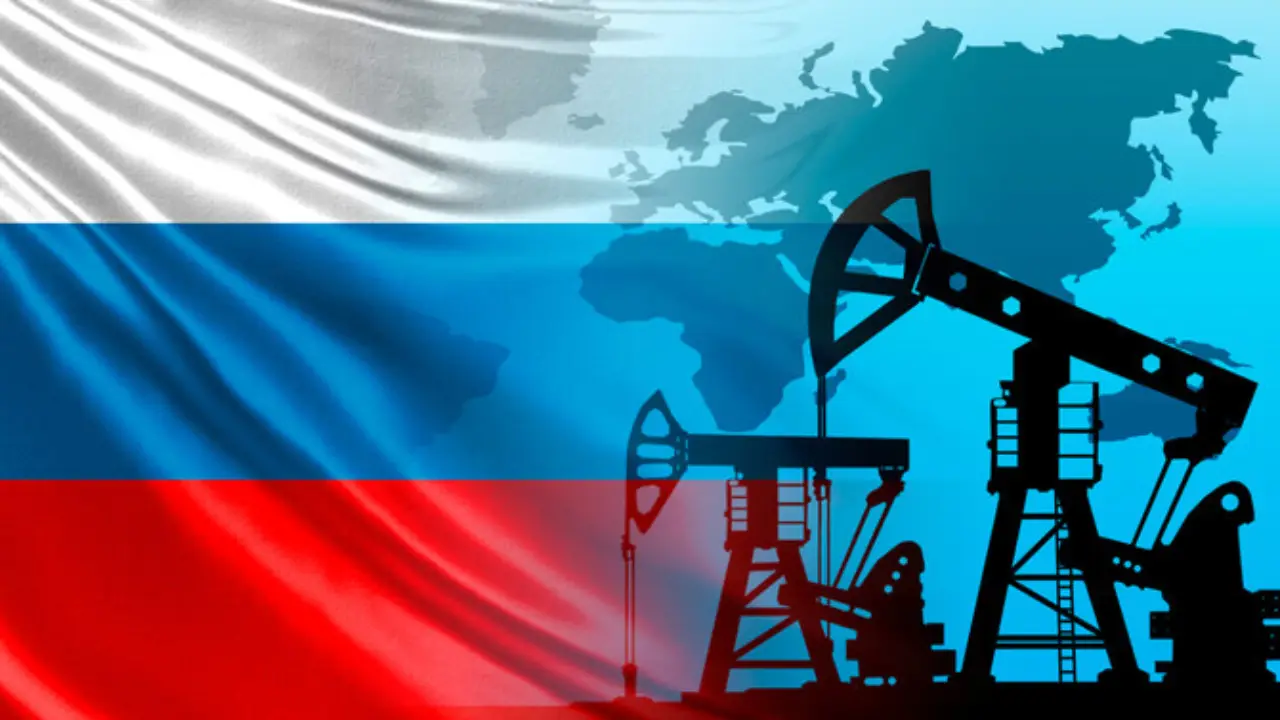
Russia supplies 35 to 40 per cent of India's total crude oil imports. Cheap Russian oil helps keep Indian inflation under control. However, new Western sanctions threaten these oil flows.
)
)

)
)