India–Russia Summit 2025: How Soviet's UN support helped India liberate Goa

The USSR vetoed the resolution, blocking attempts to force an Indian withdrawal. According to Stanford archival material, Soviet President Mr. Khrushchev sent a telegram to Mr. Nehru calling India’s position and actions “absolutely lawful and justified."
A renewed spotlight on a forgotten diplomatic chapter
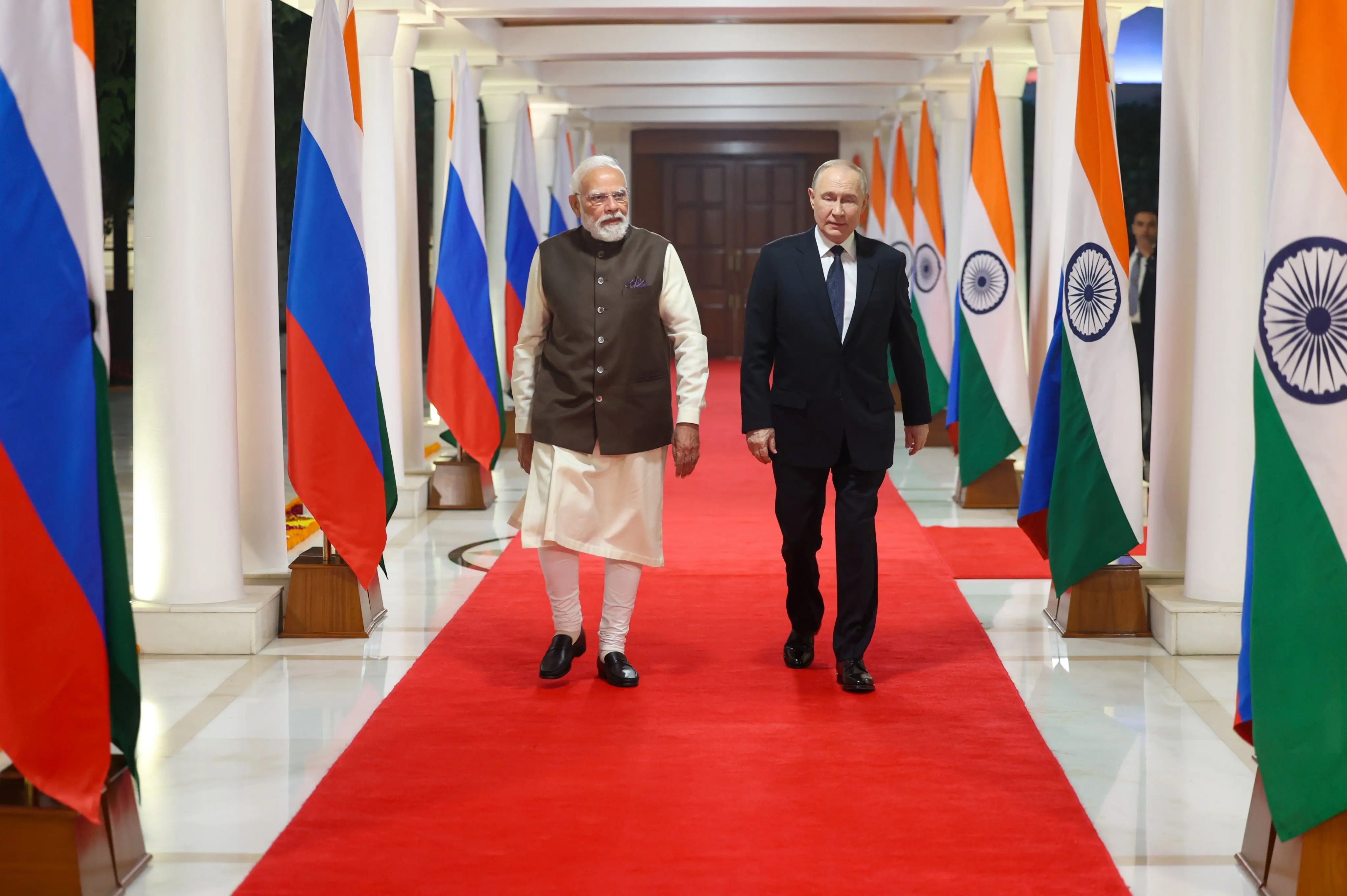
Russian President Vladimir Putin’s visit to India in 2025 has revived attention to a lesser-known but decisive episode in India–Russia relations: the Soviet Union’s support during the 1961 liberation of Goa. More than sixty years after Portuguese rule ended, the international dimensions of this operation, particularly the USSR’s intervention at the United Nations, remain one of the most striking examples of Cold War diplomacy shaping India’s post-Independence history.
The long arc of Portuguese rule
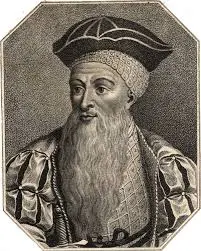
Portugal’s presence in India began in 1510, when Afonso de Albuquerque captured Goa from the Sultan of Bijapur, establishing it as he capital of Portuguese India. This was after Vasco da Gama had opened the sea route to Asia, in 1498. Goa flourished through the 16th century but declined steadily with the arrival of the Dutch. By the 18th century, the region became a shadow of its former self. After India’s Independence from the British rule in 1947, Portugal refused to relinquish Goa, Daman and Diu, insisting that the Goan Catholics would be unsafe. However the Hindus formed the majority and millions of Catholics had been living peacefully across India.
Rising tensions after Independence
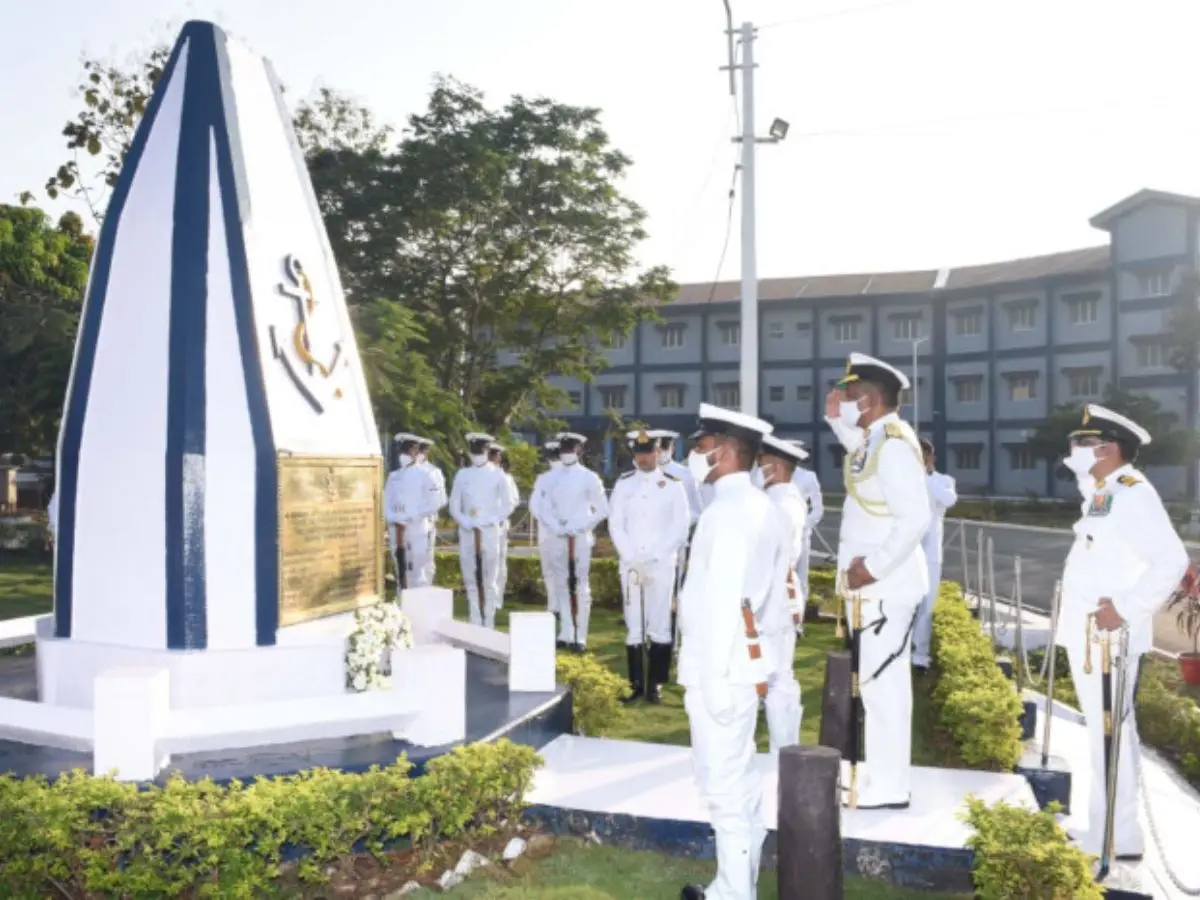
Protests surged all across in the late 1940s, including a 1946 march where the demonstrators were reportedly beaten and arrested. Diplomatic pressure failed, and Portugal, which is now a NATO member deepened its ties with Western allies. Clashes escalated in the 1950s. In 1955, Portuguese forces opened fire on satyagrahis/ Indian volunteers who were attempting to enter Goa. This incident prompting India to impose an economic blockade. By 1960, Portugal ignored a key UN resolution calling for decolonisation.
‘India’s patience was exhausted’
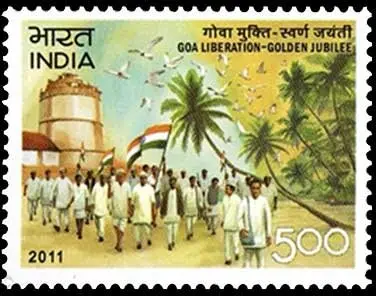
Border incidents intensified through 1961. According to the Stanford University documents, "Between Dec. 4 and Dec. 11 the Indian authorities reported five separate incidents in which, it was alleged, Portuguese patrols had crossed the Goan border into Indian territory, opened riflefire and machine-gun fire on Indian villages". On December 11, Prime Minister Jawaharlal Nehru announced in the Rajya Sabha, "India's patience is certainly exhausted” as a result of the “unprovoked raids” by Portuguese troops on Indian villages; he still hoped, however, that Portugal, either on her own initiative or on the advice of her friends and allies, would “accept the natural culmination of present developments, which is her withdrawal from Goa.”
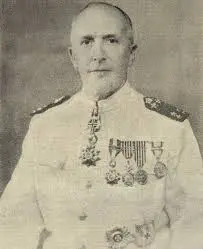
Operation Vijay
India launched Operation Vijay on December 18-19, which resulted in the surrender of the Governor-General Manuel António Vassalo e Silva on December 19, 1961. The operation began with a three-pronged assault on Goa at midnight on December 17–18, marked, as New Delhi described it, by “a mighty thunder of guns.” Around 30,000 Indian troops took part in the offensive, led overall by Lieutenant-General JN Chaudhury, with Major-General Kenneth Candeth directing operations on the ground, according to a document by the Stanford University.
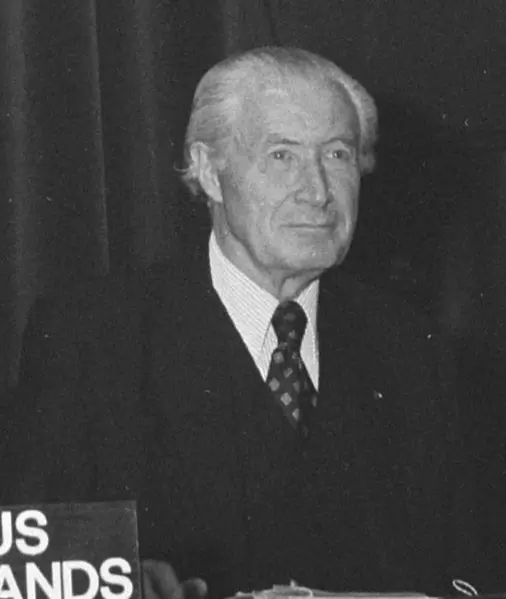
Western condemnation and the UN confrontation
The military action by India resulted in strong criticism from the US, UK, Canada, Australia, New Zealand, France, Pakistan and others. At the UN, Portugal tabled a resolution demanding that India withdraw and restore the pre-17 December position. According to official UN records, the US, UK and France supported the draft. Britain’s Duncan Sandys told the House of Commons that London 'deeply deplored' India’s use of force.
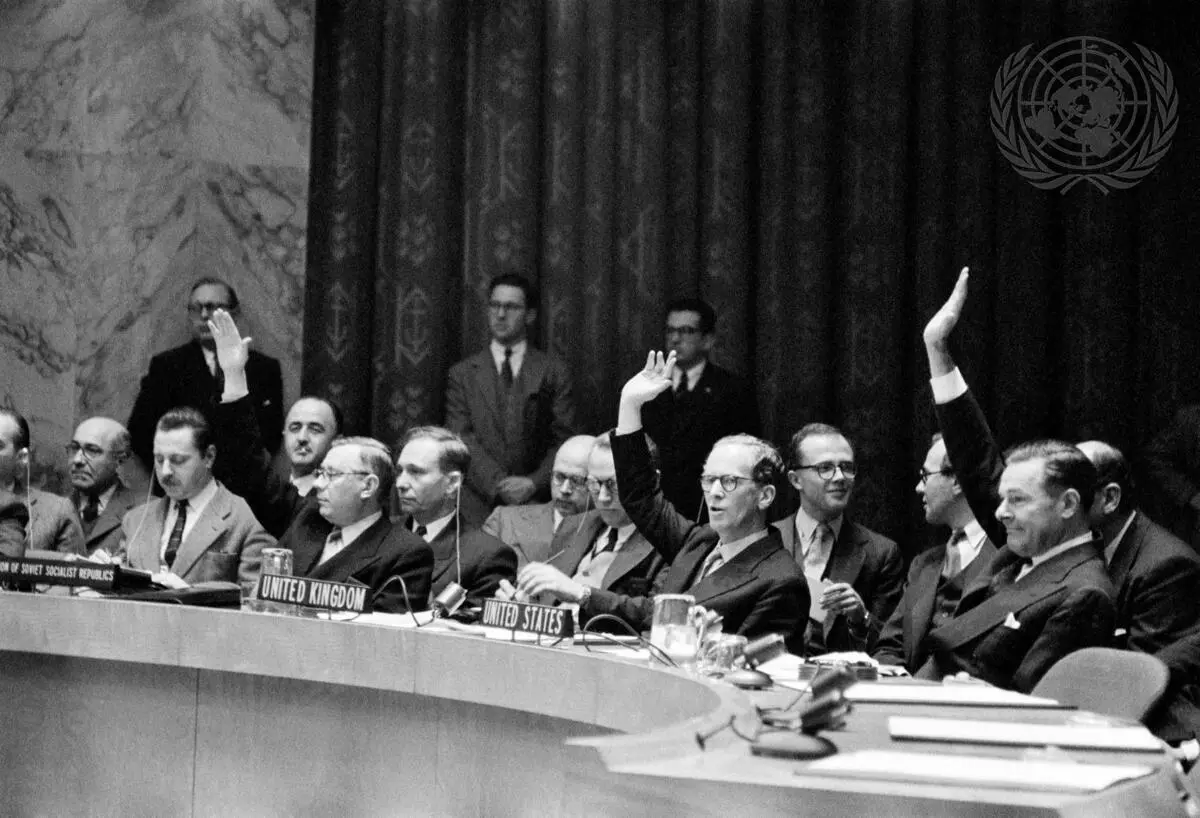
The decisive Soviet veto
It was at this moment that the Soviet Union intervened. As recorded in the Russian Embassy’s archival documents, Soviet representative Valerian Zorin denounced Western 'double standards', contrasting their silence on Portuguese actions in Angola with their alarm over India’s move in Goa. The Soviet Delegation stated, 'As regards our own position, we openly declare that we side with the people of India, with the people of Goa who are fighting to free themselves from Portugal’s colonial domination'. The USSR vetoed the resolution, blocking attempts to force an Indian withdrawal. According to Stanford archival material, Soviet President Mr. Khrushchev sent a telegram to Mr. Nehru calling India’s position and actions “absolutely lawful and justified."
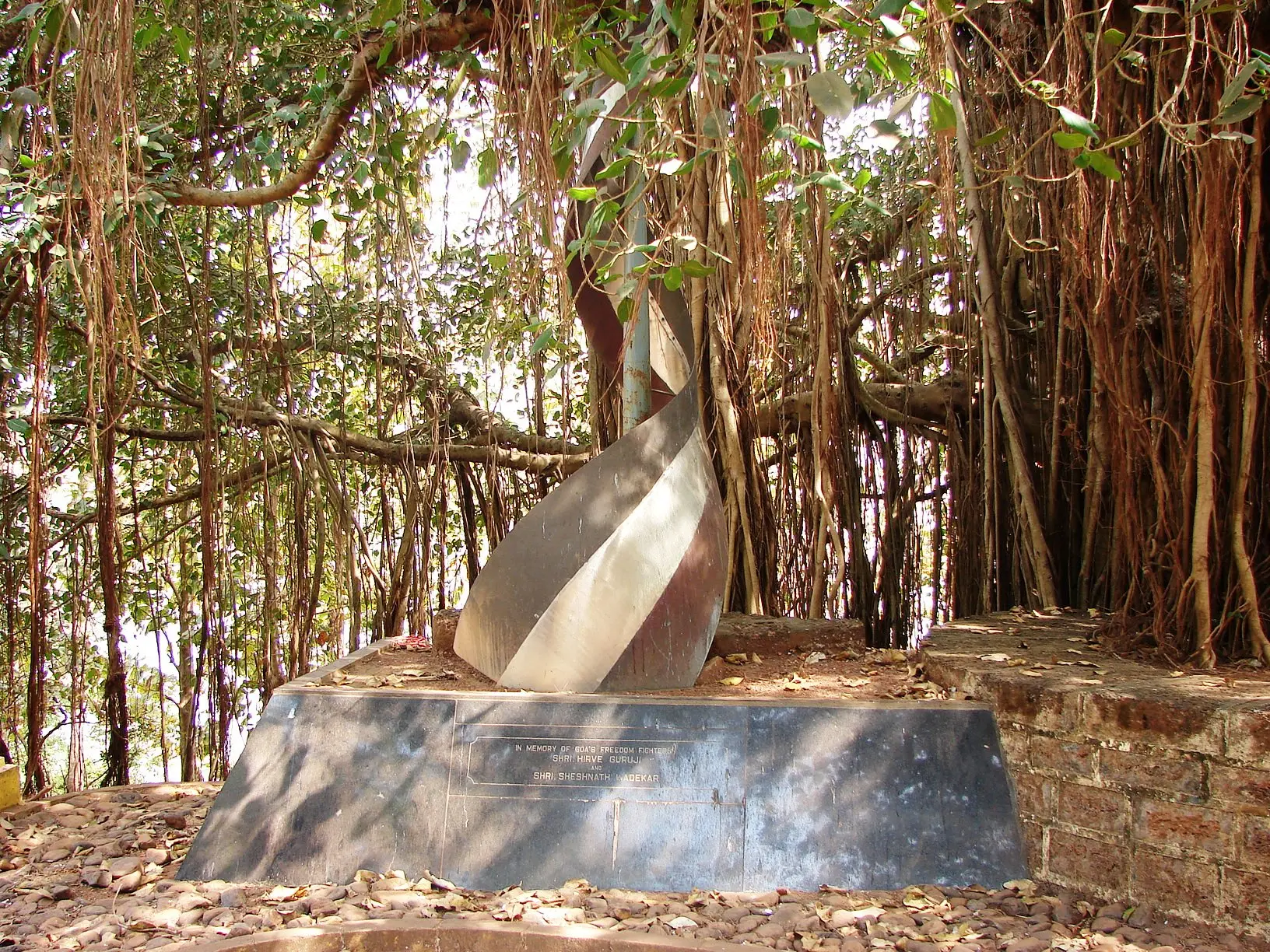
The legacy of a pivotal diplomatic stand
Portugal recognised Goa as part of India only after its own dictatorship fell, formalising acceptance through a treaty signed on December 31, 1974. As India and Russia reaffirm their strategic partnership in 2025, the Soviet veto of 1961 stands out as a defining moment, one in which Great-Power politics aligned with India’s push to end Portuguese colonial presence.
)
)
)
)
)