India Republic Day 2026: Who are the chief guests and why is their visit diplomatically significant?

The visit will coincide with the 16th India–EU Summit, which is scheduled for January 27 in New Delhi and co-chaired by Prime Minister Narendra Modi alongside the two EU leaders.
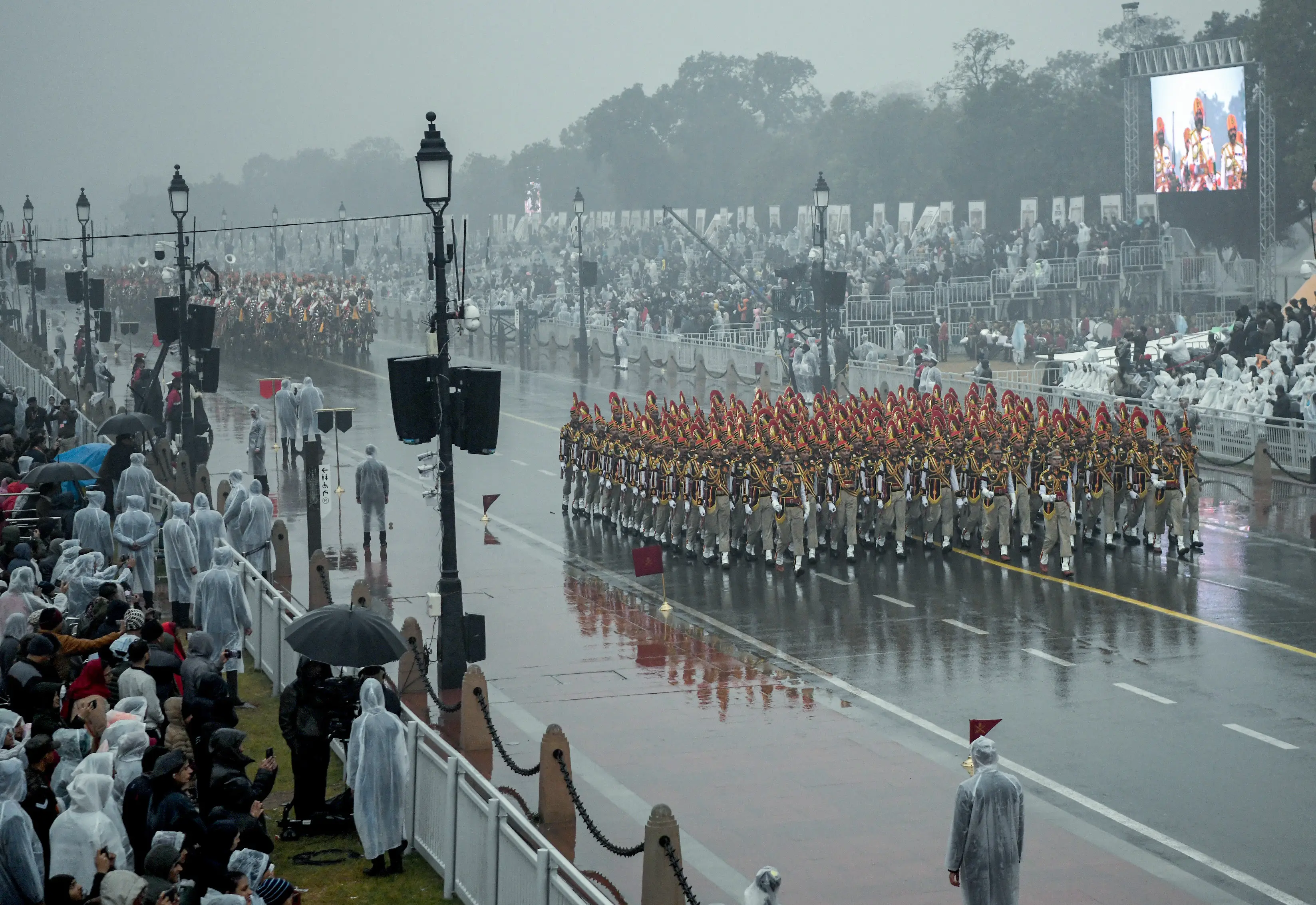
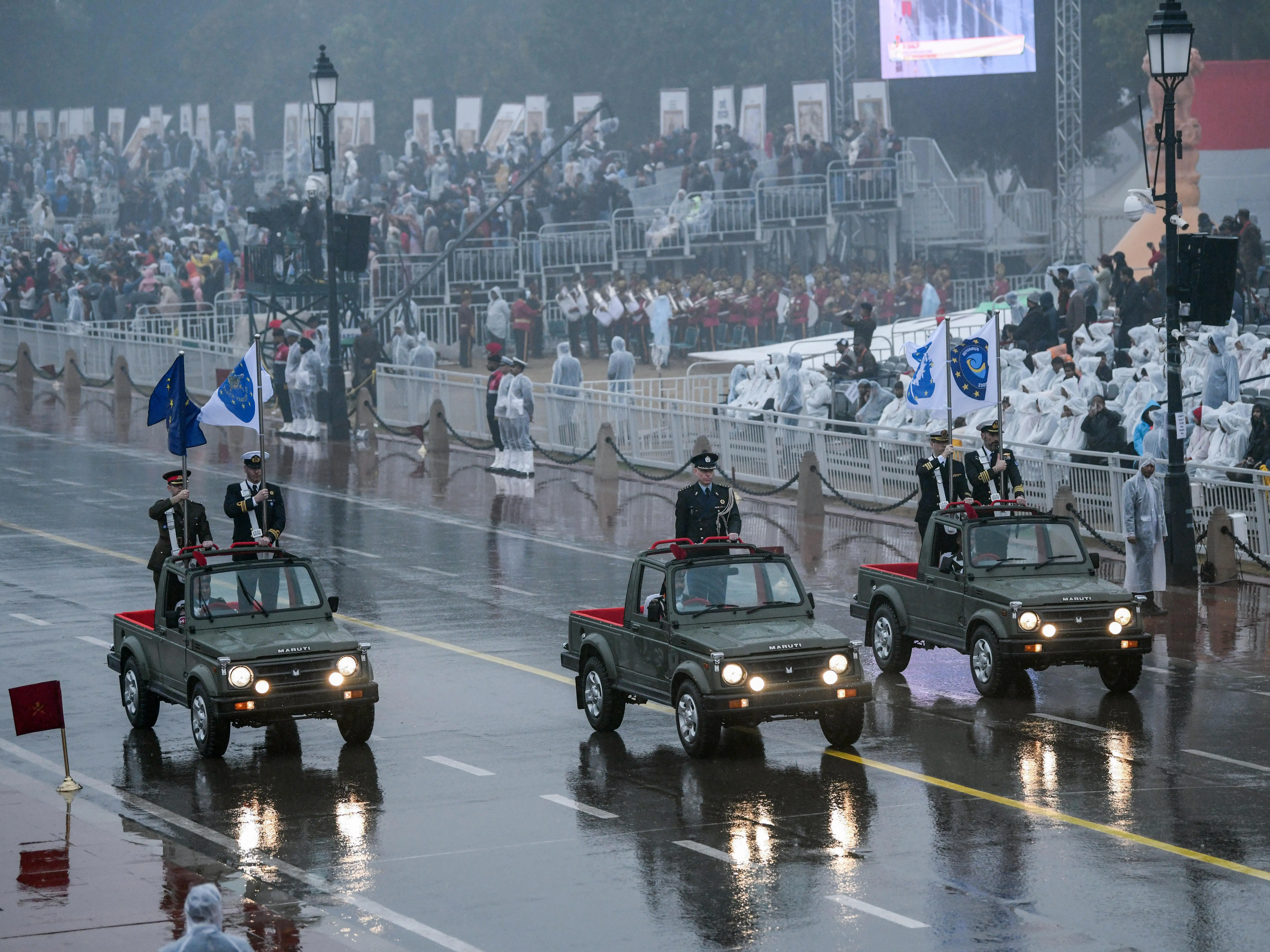
Republic Day Parade 2026
As India marks its 77th Republic Day on January 26, 2026, the celebrations will carry a clear diplomatic significance alongside their national symbolism. The choice of chief guests at the Republic Day Parade has traditionally reflected India’s foreign policy priorities and the state of its international partnerships. Each year, the presence of foreign leaders at Kartavya Path draws global attention and signals New Delhi’s strategic outlook.
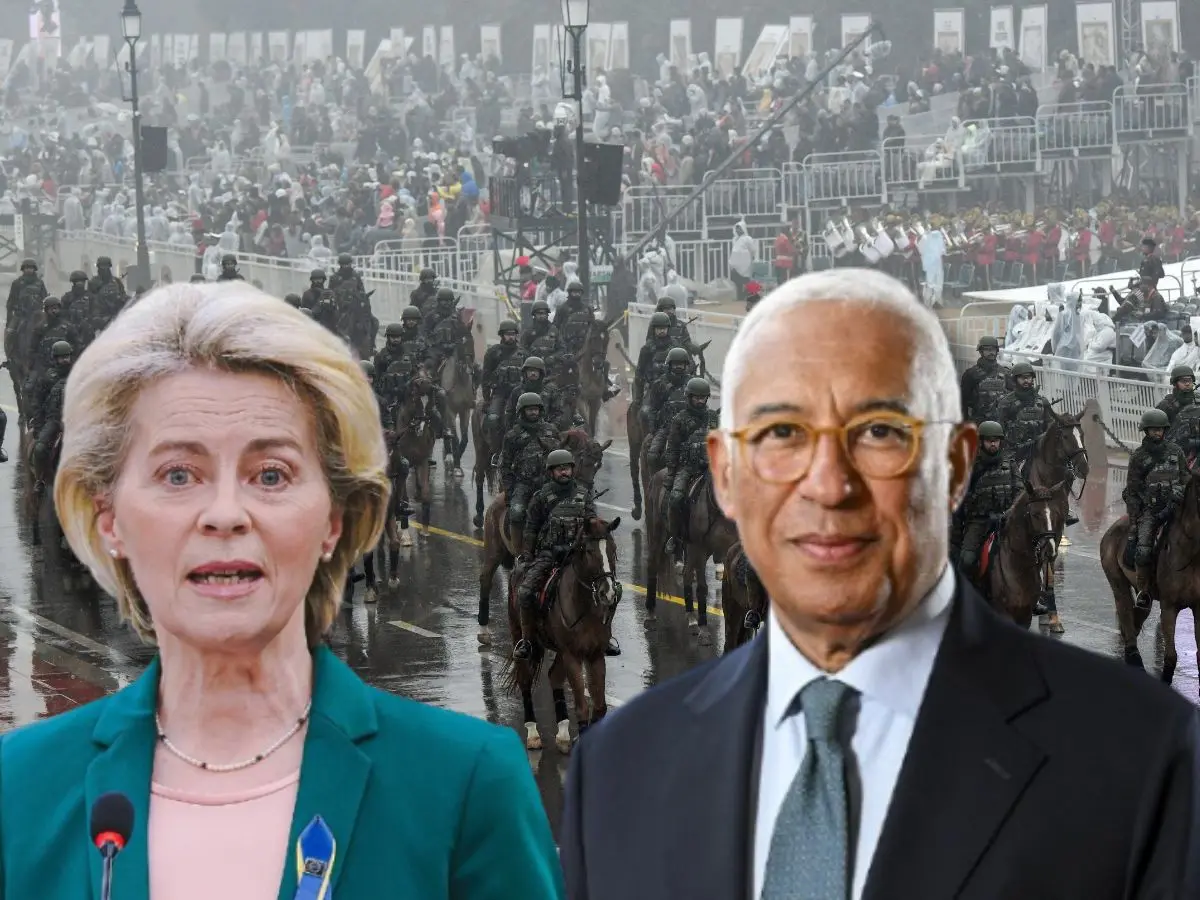
Who are the chief guests
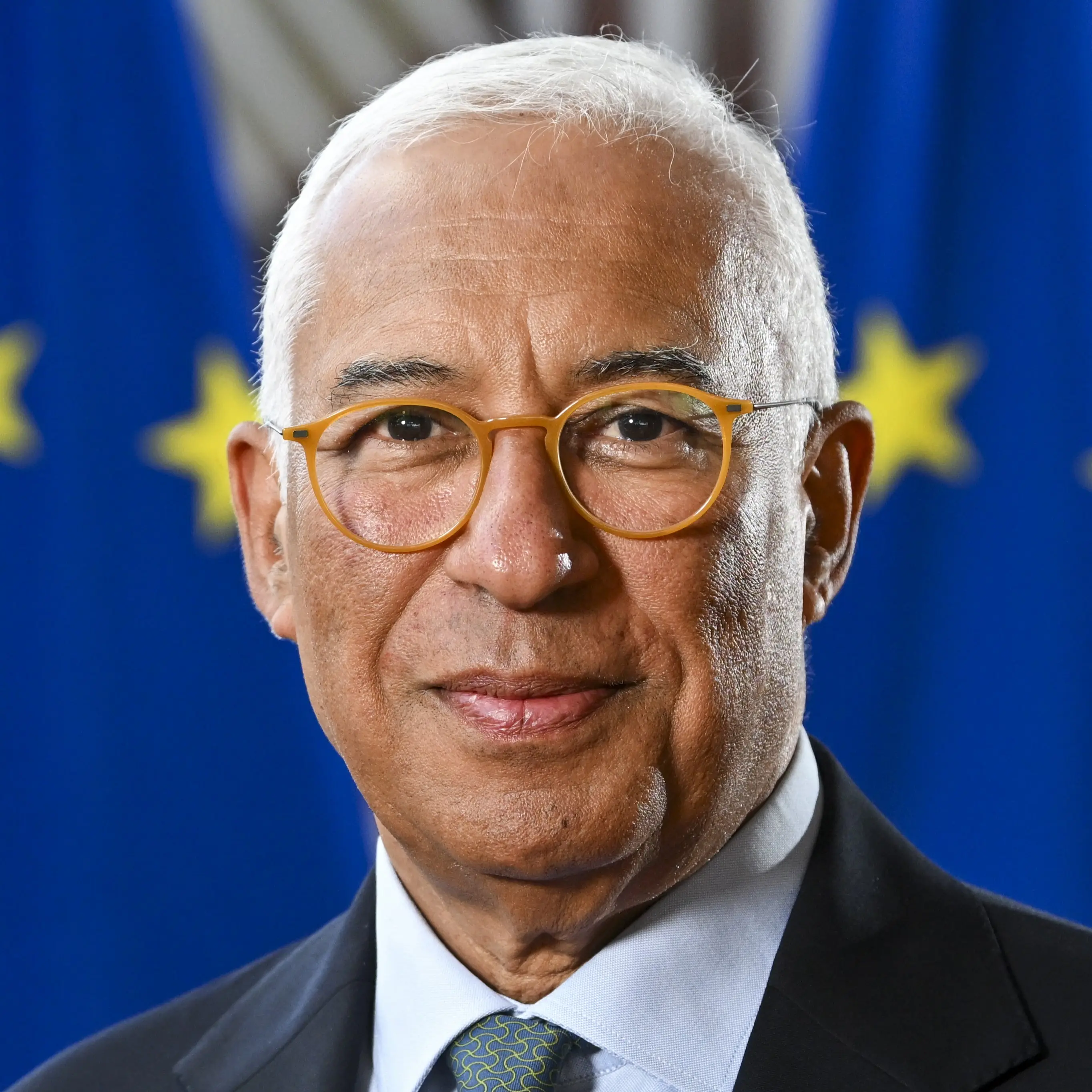
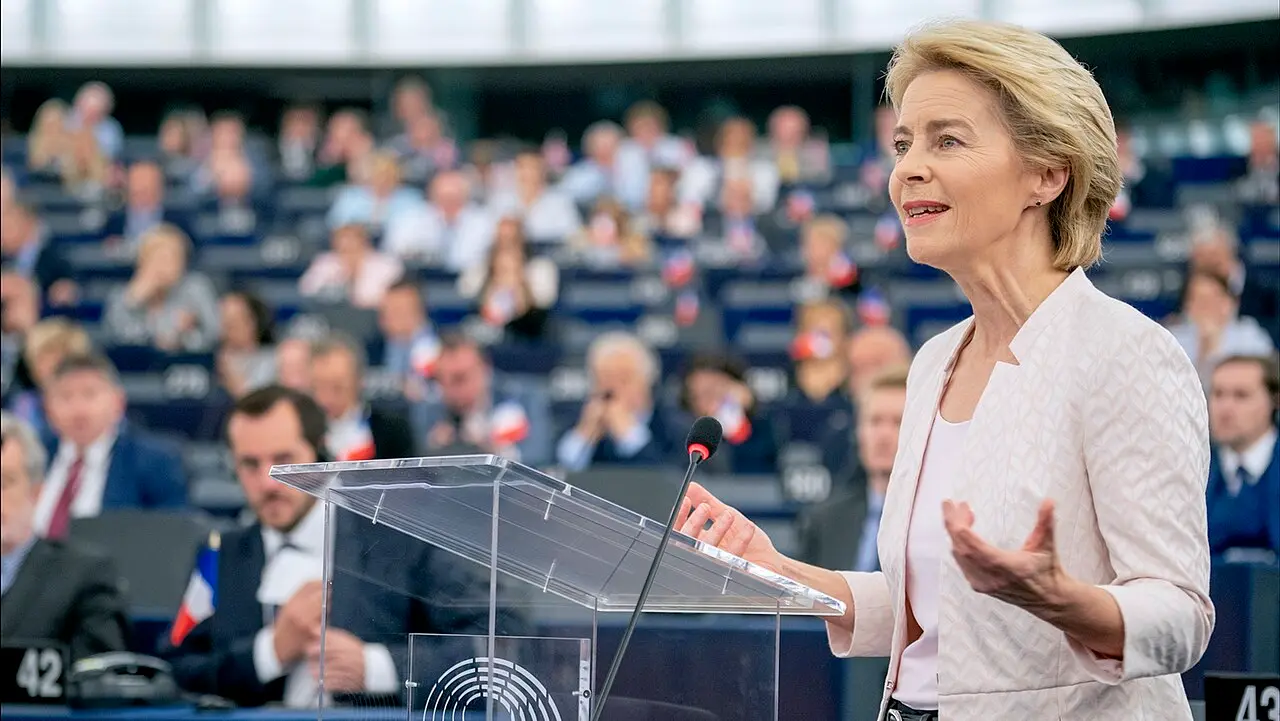
Prime Minister Narendra Modi has invited the President of the European Council, António Luís Santos da Costa, and the President of the European Commission, Ursula von der Leyen, to India from January 25 to 27. They will jointly serve as the chief guests at the Republic Day parade. In 2025, Indonesian President Prabowo Subianto was the chief guest at the Republic Day parade.
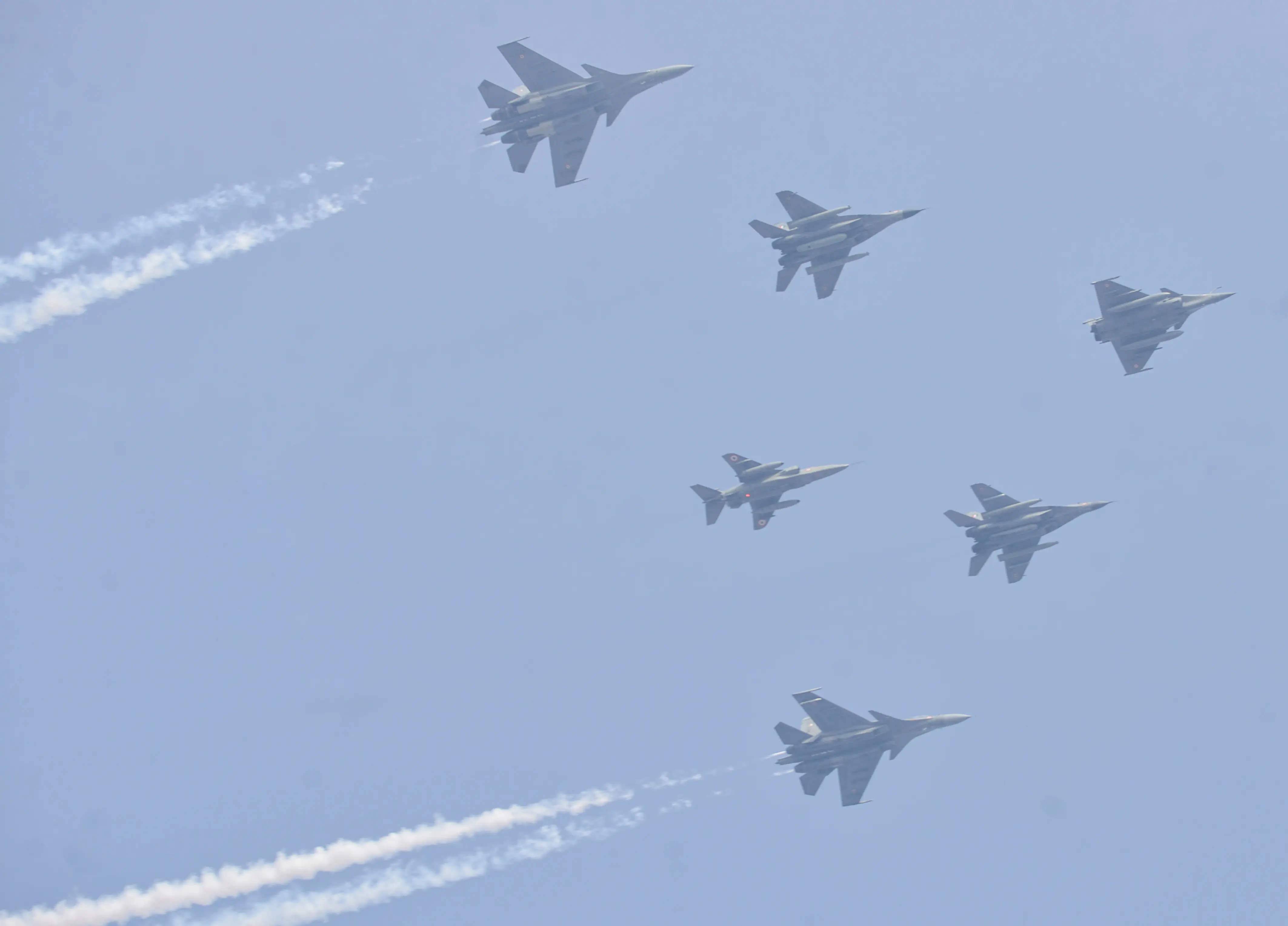
Linked to a crucial summit
The visit will coincide with the 16th India–EU Summit, which is scheduled for January 27 in New Delhi and co-chaired by Prime Minister Narendra Modi alongside the two EU leaders. A central focus of the talks will be renewed efforts to advance the long-pending India–EU Free Trade Agreement. Highlighting the summit’s importance, European Council President António Costa said, “India is a crucial partner for the EU. This meeting will be a key opportunity to build on our partnership and drive progress in our cooperation.”
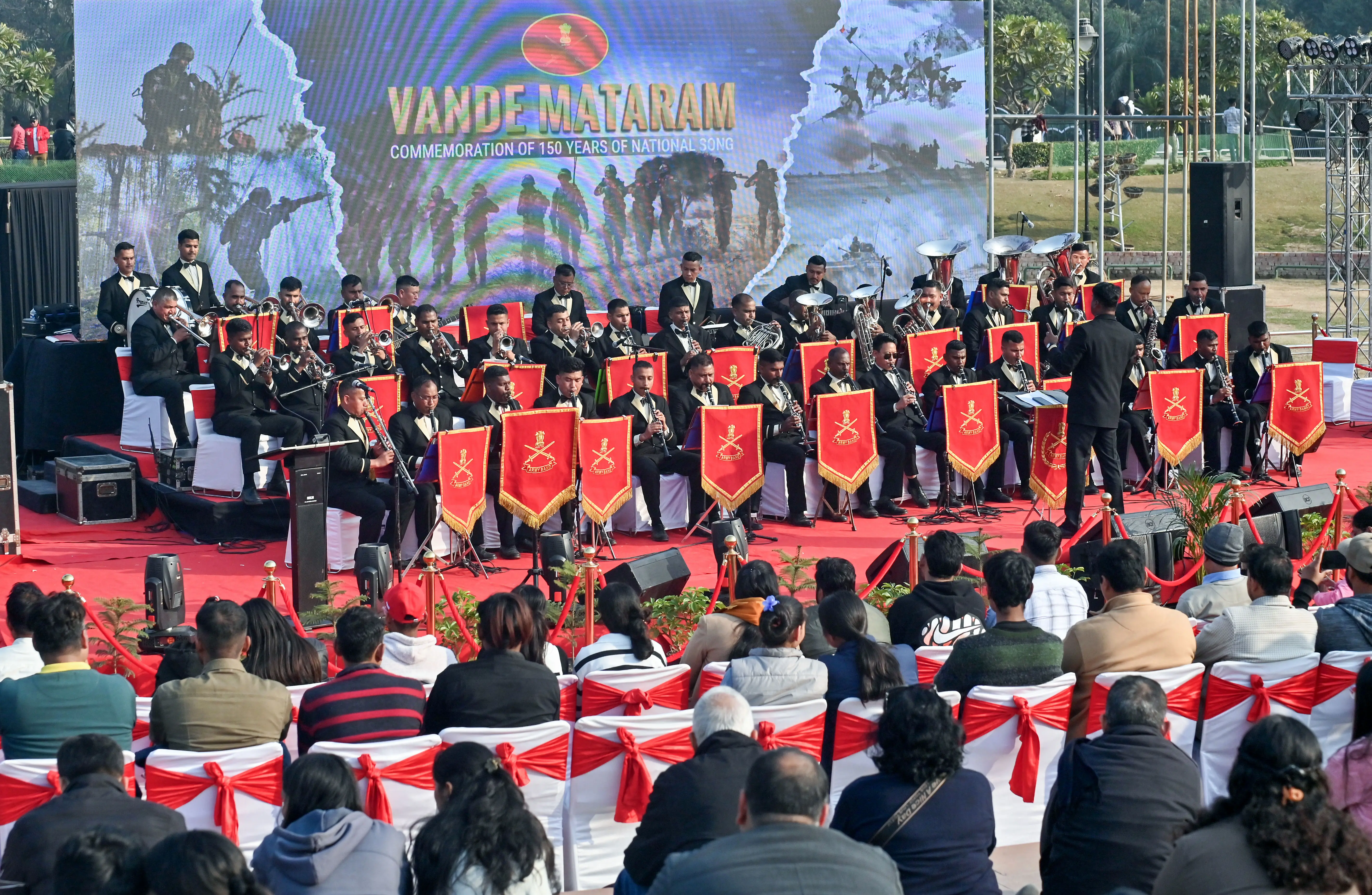
Why their presence is significant
This year’s Republic Day carries added cultural significance as India marks the 150th anniversary of its national song, ‘Vande Mataram’. The milestone lends the celebrations a deeper historical context, blending national heritage with contemporary political and diplomatic priorities. The participation of the European Union’s top leaders as Chief Guests at the Republic Day parade, alongside the 16th India–EU Summit, is expected to further strengthen the India–EU Strategic Partnership and advance cooperation across key areas of mutual interest.
High-level engagements in New Delhi
During their stay, President Costa and President von der Leyen will meet President Droupadi Murmu and hold both restricted and delegation-level talks with the Prime Minister. An India–EU Business Forum is also expected on the sidelines of the India-EU Summit.
A partnership shaped over two decades
India and the European Union have been strategic partners since 2004. While the last summit before this was held virtually in 2020, ties have since then gained momentum, according to a release by the Ministry of External Affairs, especially following the visit of the EU College of Commissioners to India in February 2025.
What it means for Republic Day diplomacy
Inviting EU leaders as chief guests places the partnership at the centre of India’s diplomatic messaging in 2026. The strengthening India–EU partnership can also be increasingly seen as a response to new strains in the transatlantic relationship according to several media reports. With the United States reassessing its global role and China becoming more assertive, Europe seems to be viewing India as a strategic middle ground, a large democracy with shared interests, policy stability and growing global influence. Earlier, Ursula von der Leyen had said India and the EU are on the cusp of concluding a Free Trade Agreement, which she called 'the mother of all agreements'. Speaking at the World Economic Forum in Davos, she confirmed that she would travel to India immediately after the summit.
)
)
)
)
)