India Republic Day 2026: What is the 'Phased Battle Array' format debuting at the 2026 Republic Day Parade?

The 2026 Republic Day parade debuts the 'Phased Battle Array', a new format mirroring real combat zones. It showcases assets in tactical order, from reconnaissance drones to strike tanks and artillery, offering a realistic view of India's military readiness.

A Historic Shift in Format
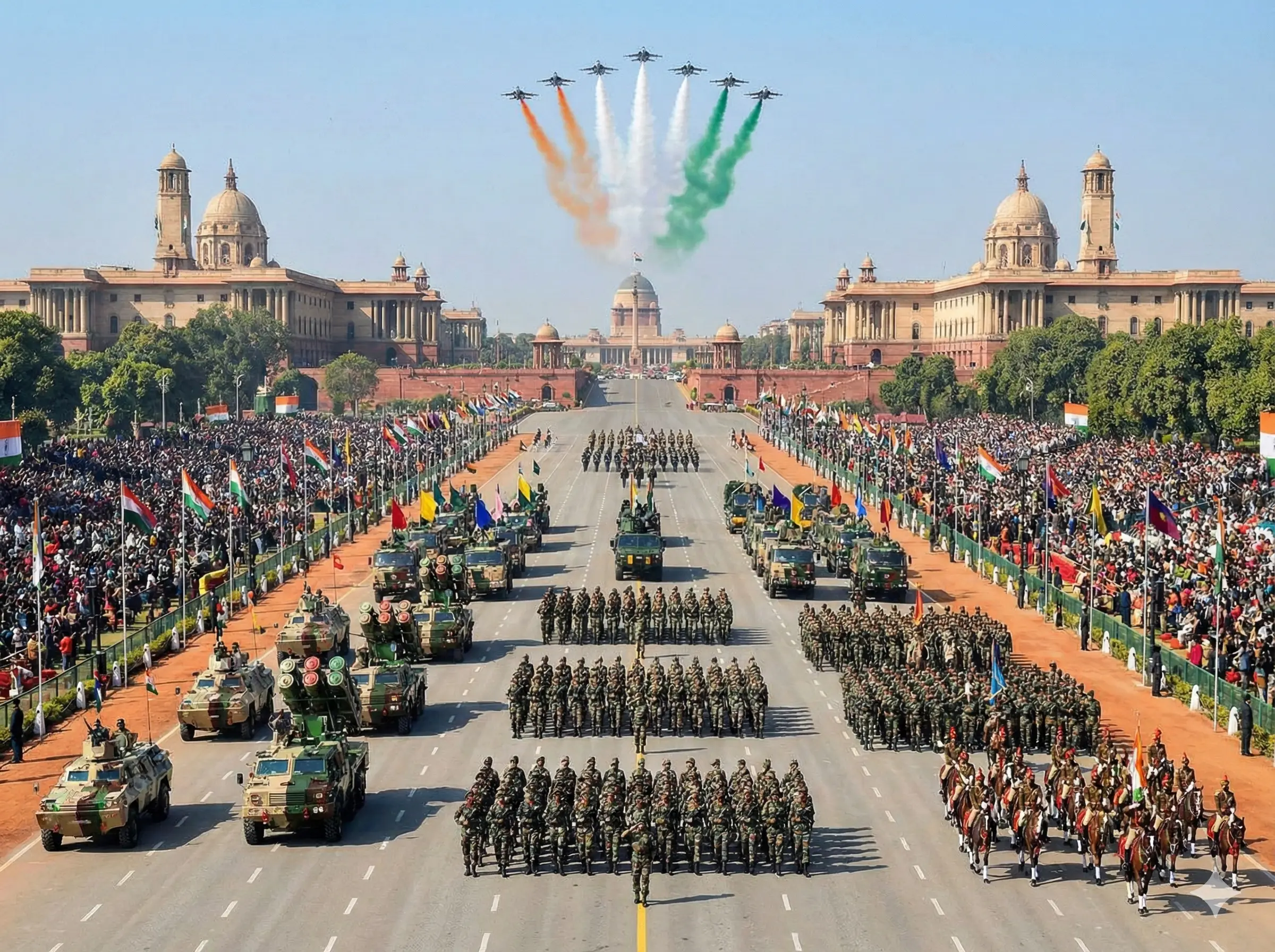
The 77th Republic Day parade marks a departure from decades of tradition. Instead of separate marching contingents followed by mixed mechanised columns, the display is organised tactically. This year, the parade tells a cohesive story of how the Indian Army plans and executes a battle in real time.
Understanding the 'Phased Battle Array'
This new format arranges equipment and troops in the order they appear on a battlefield. It begins with intelligence gathering, moves to the main attack, and concludes with support systems. The aim is to show 'jointness' and operational logic, rather than just showcasing isolated weapons or regiments.
Phase One: The Eyes in the Sky
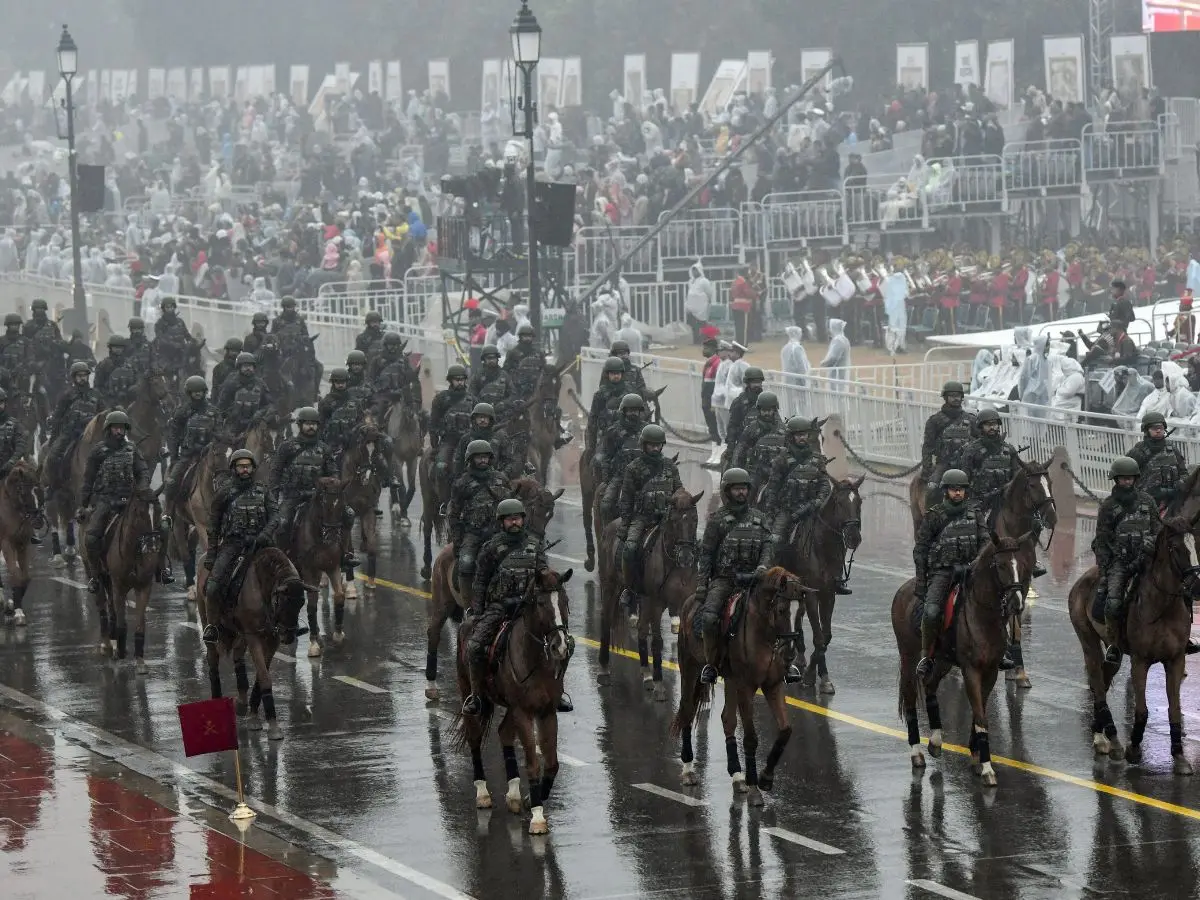
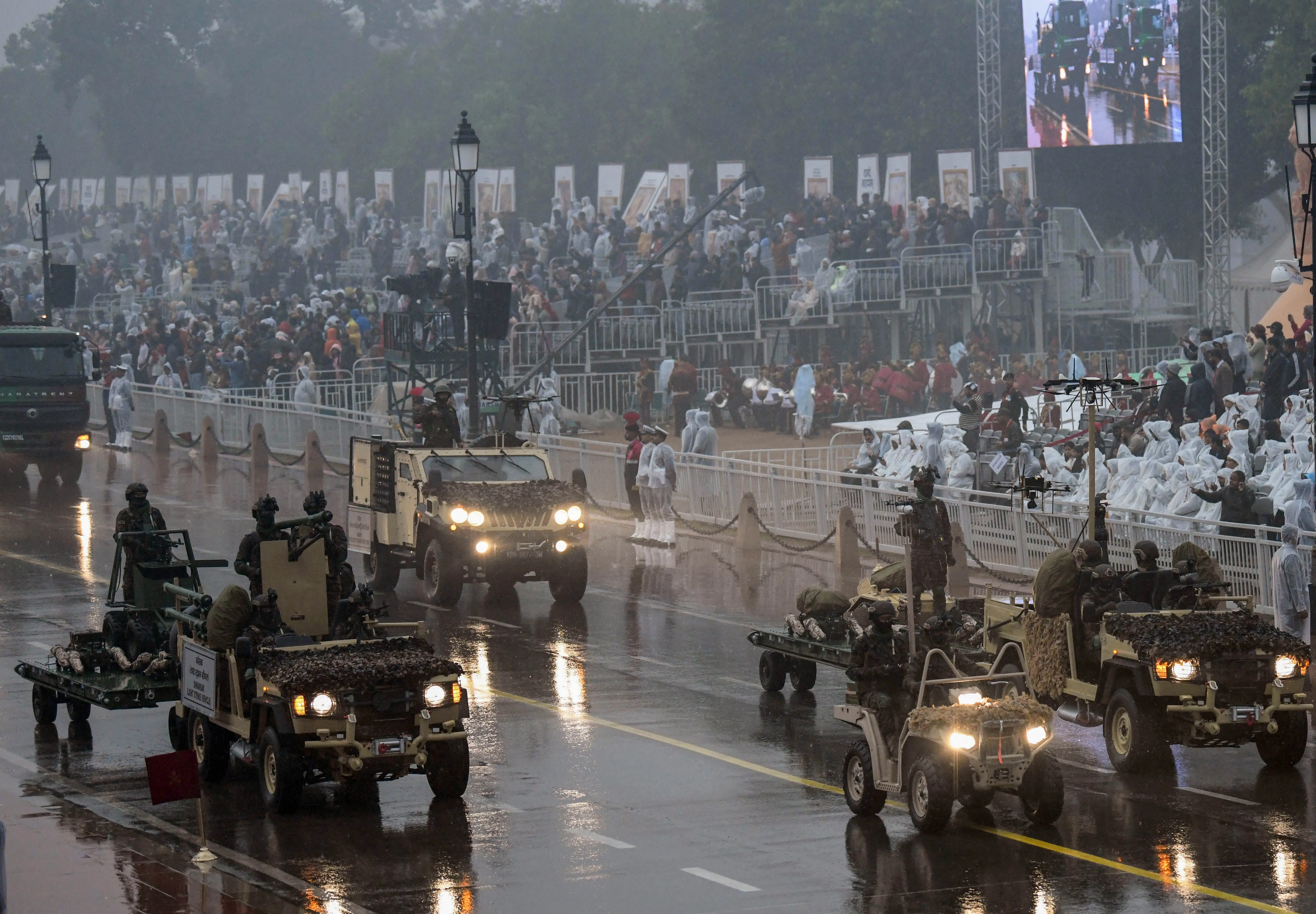
The array begins with the 'Recce' or reconnaissance phase. Spectators will see High Mobility Reconnaissance Vehicles (HMRV) and advanced battlefield surveillance radars first. These assets, supported by Dhruv helicopters hovering above, represent the army identifying enemy positions before the main force arrives.
Phase Two: The Iron Punch
Once the target is identified, the 'Strike' phase rolls in. This section features heavy armour designed to break enemy lines, including the indigenous Arjun Main Battle Tank and T-90 Bhishma tanks. They are flanked by BMP-II Infantry Combat Vehicles, representing the core fighting force.
Phase Three: Fire Support and Defence
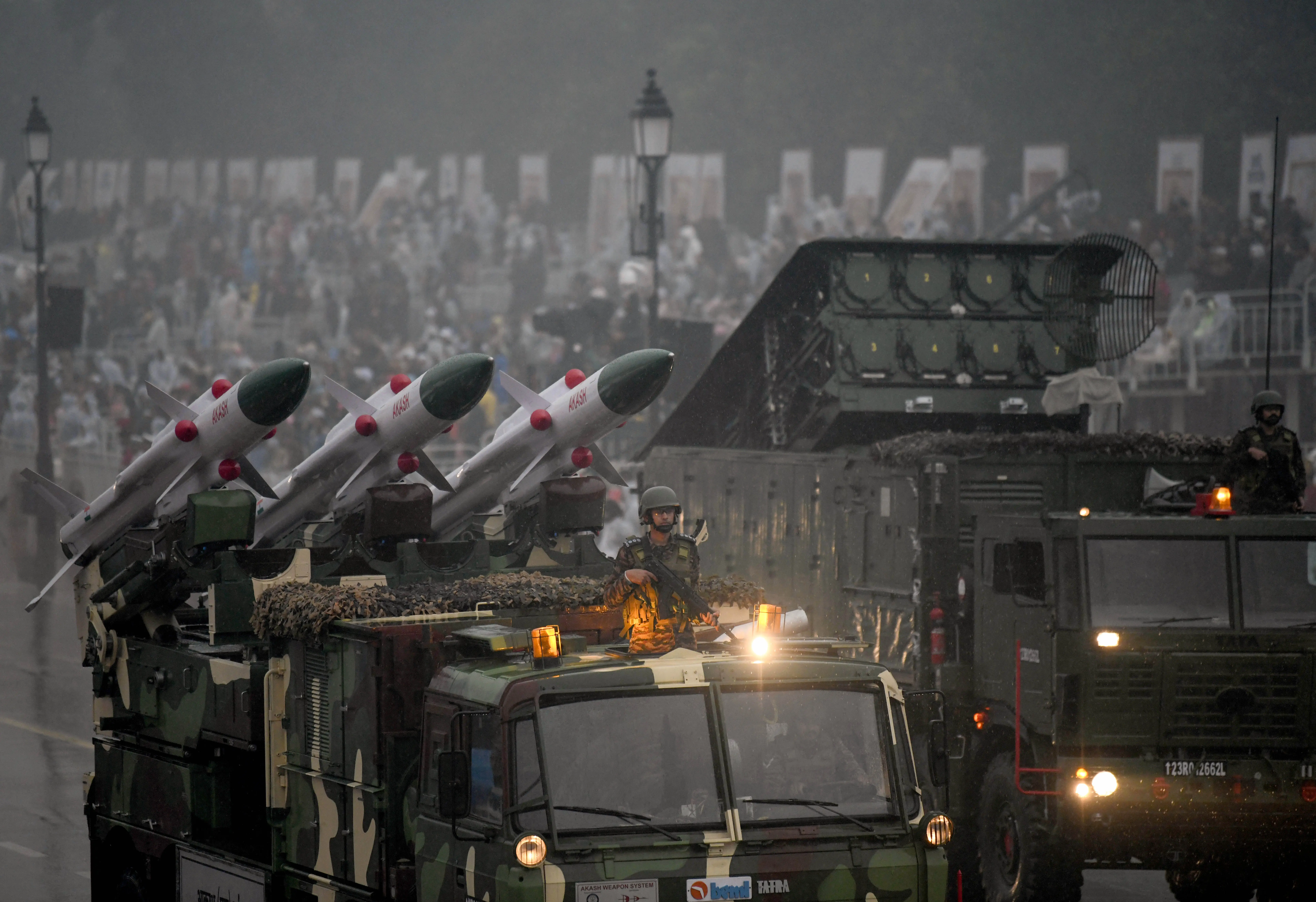
Following the tanks are the systems that protect the troops and destroy distant targets. This phase displays the 'Shaktiban' artillery regiment and the Advanced Towed Artillery Gun System (ATAGS). Air defence assets like the Akash and MRSAM missile systems also appear here to secure the skies.
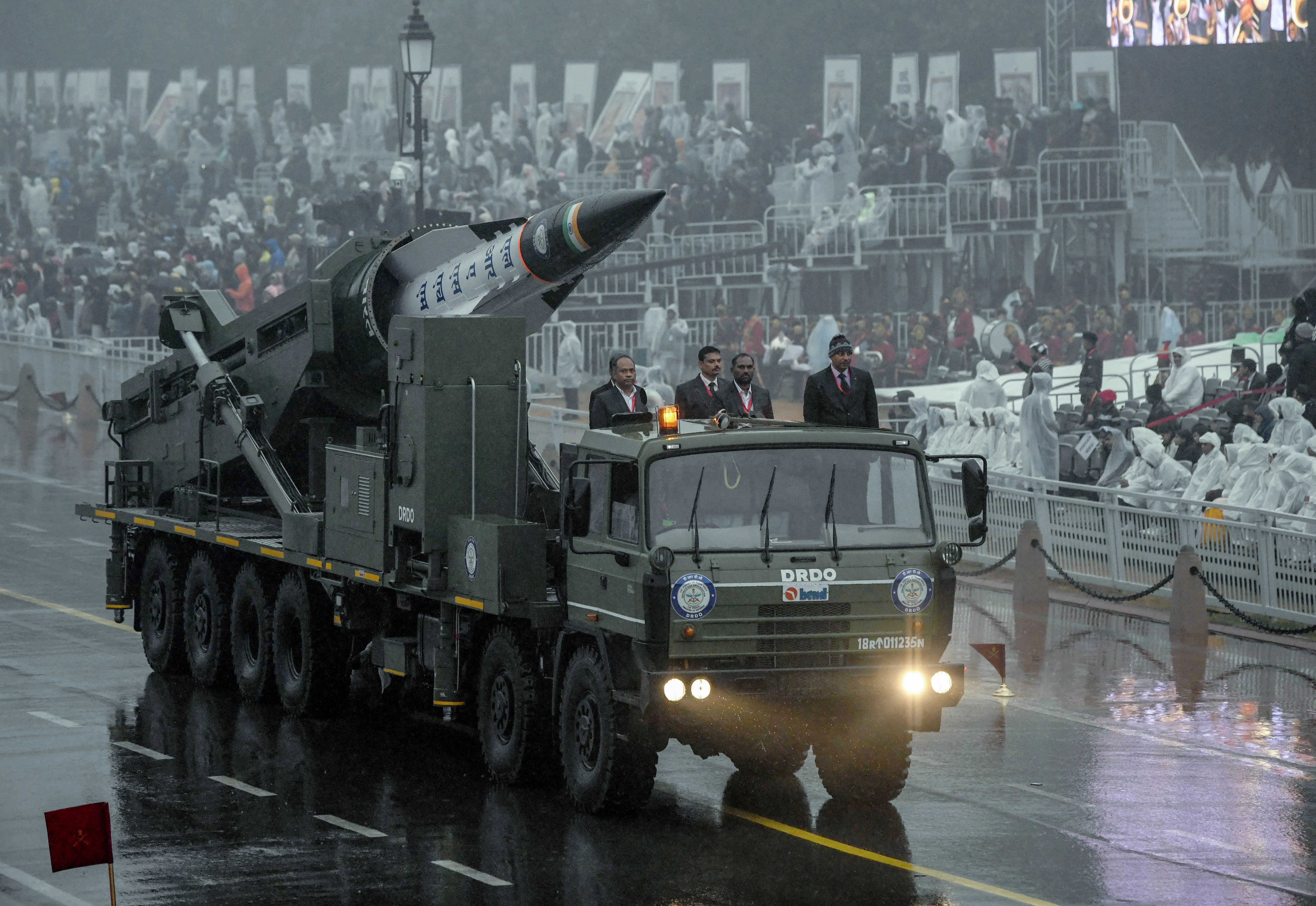
Indigenous Tech and 'Aatmanirbharta'
The battle array heavily features 'Made in India' technology. From the Nag Missile System (NAMIS-II) to new robotic mules and unmanned ground vehicles (UGVs), the display emphasises self-reliance. It proves that India’s modern war machine is increasingly built on domestic innovation.

A Narrative of Modern Warfare
This format turns the parade into a visual lesson in military strategy for the common citizen. By grouping logistics, soldiers in battle gear, and combat platforms together, the 2026 parade offers a realistic glimpse into the complexity and readiness of India's armed forces.
)
)
)
)
)