India Republic Day 2026: From BrahMos to Akash, 6 key weapons that will be on display at the parade

India will observe its 77th Republic Day on January 26, 2026 with a ceremonial parade at Kartavya Path, New Delhi, commemorating the 150th anniversary of the national song, ‘Vande Mataram’

Introduction
India will observe its 77th Republic Day on January 26, 2026 with a ceremonial parade at Kartavya Path, New Delhi, commemorating the 150th anniversary of the national song, ‘Vande Mataram’. This year’s celebrations carry heightened strategic significance, being the first Republic Day parade after Operation Sindoor, India’s precision cross-border strikes against terror camps in Pakistan and Pakistan-occupied Kashmir in May last year, executed in response to the Pahalgam terror attack in April. The parade will also be showcasing India’s land, air, and missile capabilities in a phased battle array, thus focusing and highlighting the country’s commitment to deterrence, rapid mobilisation, and indigenous defence systems.
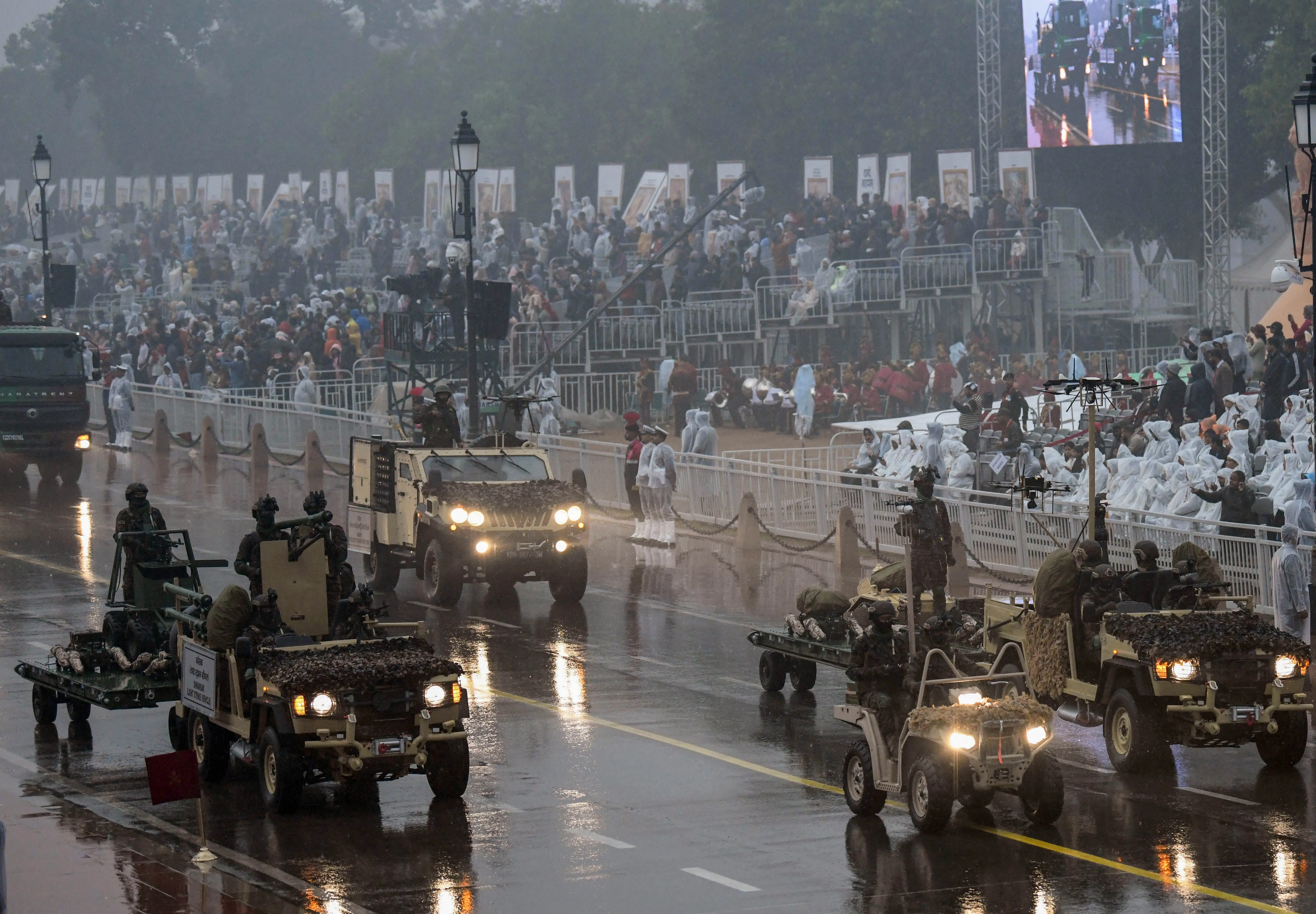
What is on display?
The Republic Day 2026 parade will feature an extensive display of India’s land, air and missile capabilities. The Indian Army’s mechanised column will include the Arjun Main Battle Tank, T-90 tanks, BMP-II infantry combat vehicles, NAMIS-II Nag Missile System, High Mobility Reconnaissance Vehicles, Light Strike Vehicles with robotic mules and unmanned ground vehicles. In addition, the Advanced Towed Artillery Gun System (ATAGS), Dhanush artillery guns, Pinaka Unmanned Rocket Launch System, along with BrahMos supersonic cruise missile, Akash surface-to-air missile and Medium Range Surface-to-Air Missile (MRSAM) will be displayed. Drone Shakti platforms and Glacier ATVs will also be the part of the display. The Defence Research and Development Organisation will also showcase the Long-Range Anti-Ship Missile (LR-AShM) with its launcher.
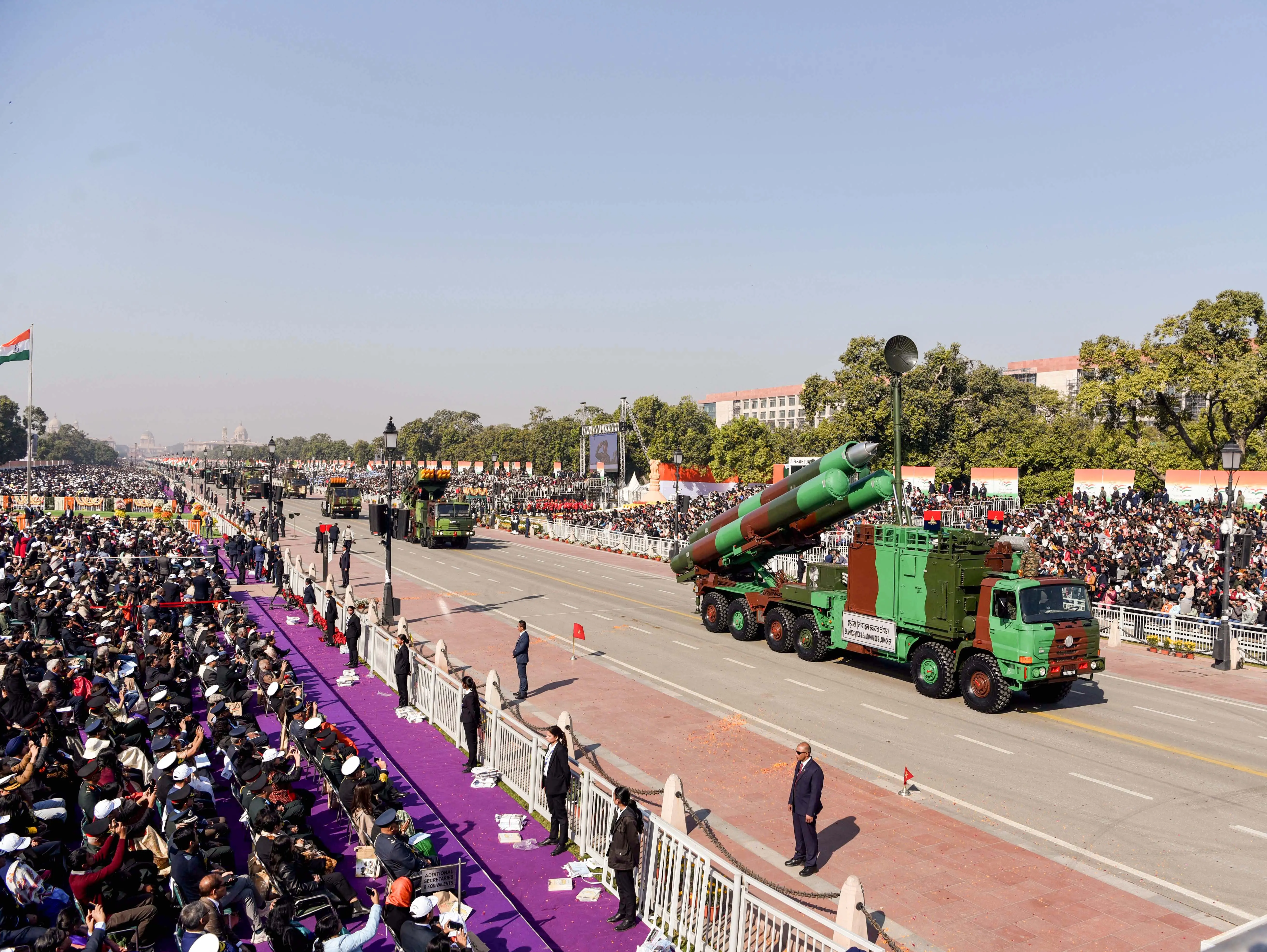
BrahMos
Considered to be one of the fastest cruise missiles in the world, BrahMos is a two-stage supersonic cruise missile, powered initially by a solid-fuel booster that accelerates it to supersonic speed before separating. A liquid ramjet sustains cruise speeds of up to Mach 2.8. Equipped with stealth features and advanced guidance software, it operates on a fire-and-forget principle, follows varied flight paths, and flies up to 290 km. Cruising at up to 15 km and skimming as low as 5 metres in terminal phase, it carries a 200-kg conventional warhead, delivering high kinetic impact and rapid target engagement.
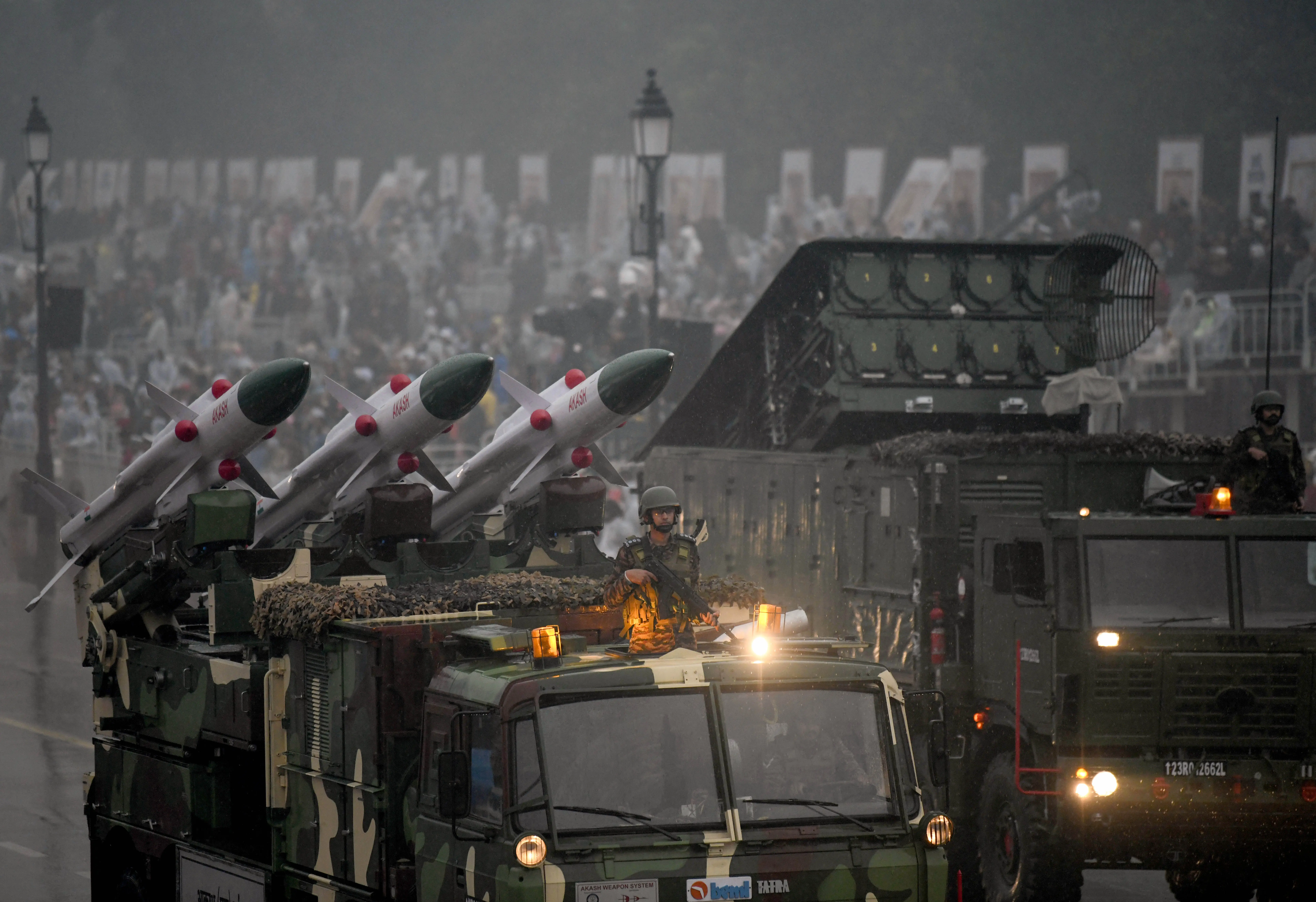
Akash Missile Systems
The Akash air defence missile system is a short-to-medium-range surface-to-air missile that has been designed to provide area air defence against multiple aerial threats for mobile, semi-mobile and static assets. It features high cross-country mobility, a large kill zone, and strong resistance to electronic counter-measures, ensuring effectiveness in dense jamming environments. The missile offers engagement capability up to 18 km in altitude with high manoeuvrability. The newer Akash-NG (Next Generation) variant significantly extends the system’s engagement range and enhances reaction time and accuracy.
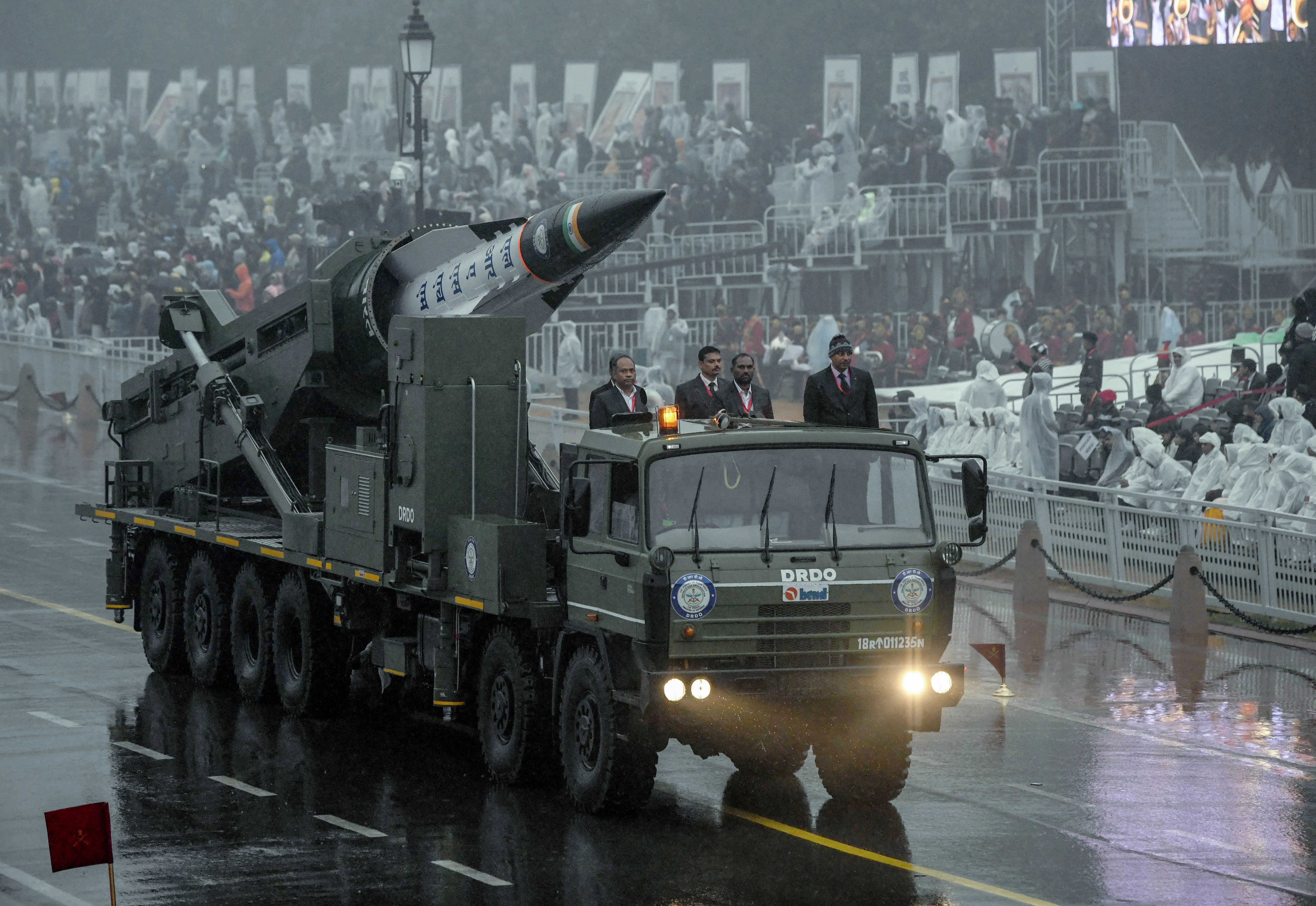
LR-AshM
The Long-Range Anti-Ship Missile (LR-AShM) is a hypersonic glide missile designed to engage both static and moving targets, and to carry multiple payload configurations. The missile follows a quasi-ballistic trajectory, accelerating to Mach 10 and sustaining average hypersonic speeds of around Mach 5 through multiple skip phases. Configured with a two-stage solid propulsion rocket motor, the LR-AShM employs indigenously developed terminal-phase sensors for precision strikes against moving targets. With an operational range of up to 1,500 km, and potential growth to 3,000–3,500 km, it significantly enhances India’s maritime strike capability across the Indian Ocean region, enabling rapid target engagement within minutes.
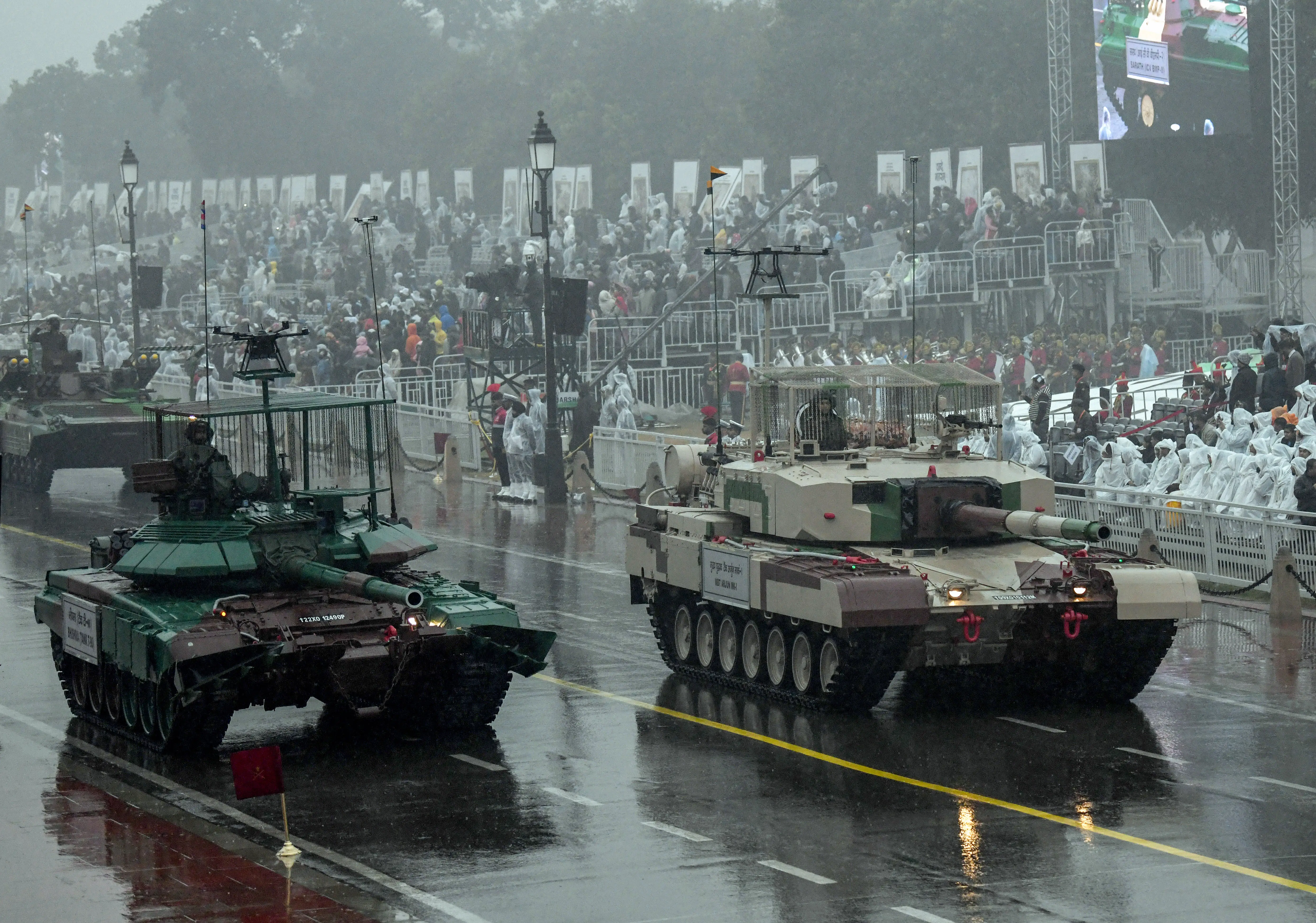
Bhishma (Tank T-90) and MBT Arjun MK-1
The Republic Day 2026 parade will feature India’s T-90 Bhishma and Arjun MBT Mk-1A, showcasing the backbone of the armoured corps. The T-90, weighing 46.5 tonnes, is armed with a 125mm 2A46M smoothbore gun, automatic loader, and high-precision sighting systems, providing superior firepower, protection, and manoeuvrability. The Arjun Mk-1A, nicknamed the 'Desert Ferrari,' weighs 58.5 tonnes and features a 120mm rifled gun, Kanchan composite armour, advanced fire-control systems, and all-terrain mobility for desert and rugged operations. Both tanks are designed for day and night combat, in static and dynamic conditions, highlighting India’s indigenous and modernised armoured capabilities.
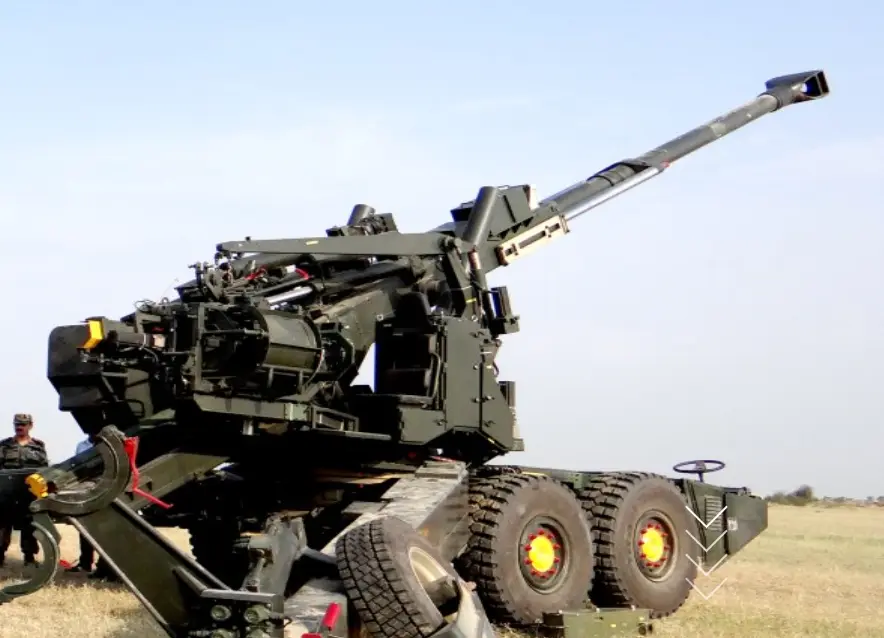
Advanced Towed Artillery Gun System (ATAGS)
The Advanced Towed Artillery Gun System (ATAGS) is an indigenous 155mm/52-calibre artillery gun developed by DRDO with industry partners, including Tata Advanced Systems. Designed for burst, intense and sustained fire, it features an all-electric drive, automatic ammunition handling system, autofrettaged barrel and advanced fire-control systems. Capable of long-range engagements using ERFB ammunition, it is being integrated with the Artillery Combat Command Control System.
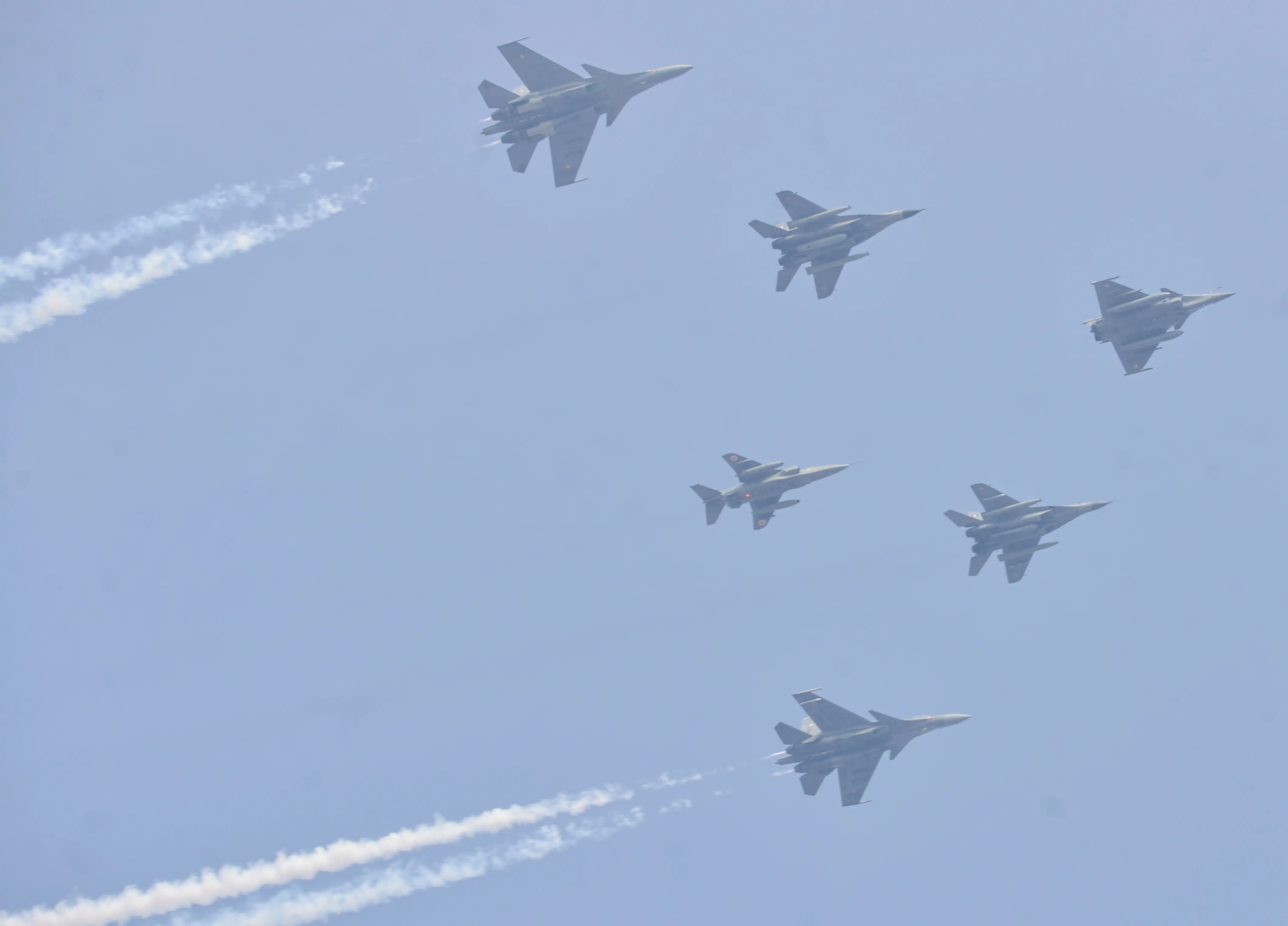
The flypast
The aerial segment will feature a flypast of 29 Indian Air Force aircraft, including Rafale, Su-30 MKI and MiG-29 fighter jets, C-130J and C-17 transport aircraft, P-8I maritime patrol aircraft, Apache attack helicopters, Mi-17 helicopters and LCH flying in new operational formations.
)
)
)
)
)