India launches next-gen e-passports: Check what it means and what applicants must know — Details inside

India has rolled out its new e-passport system under the Passport Seva Programme V2.0 and introduced chip-enabled booklets for all fresh applications and renewals in India and at missions abroad. Check all the major upgrades, expiry date and Biometric details of the chip-enabled e-passports.
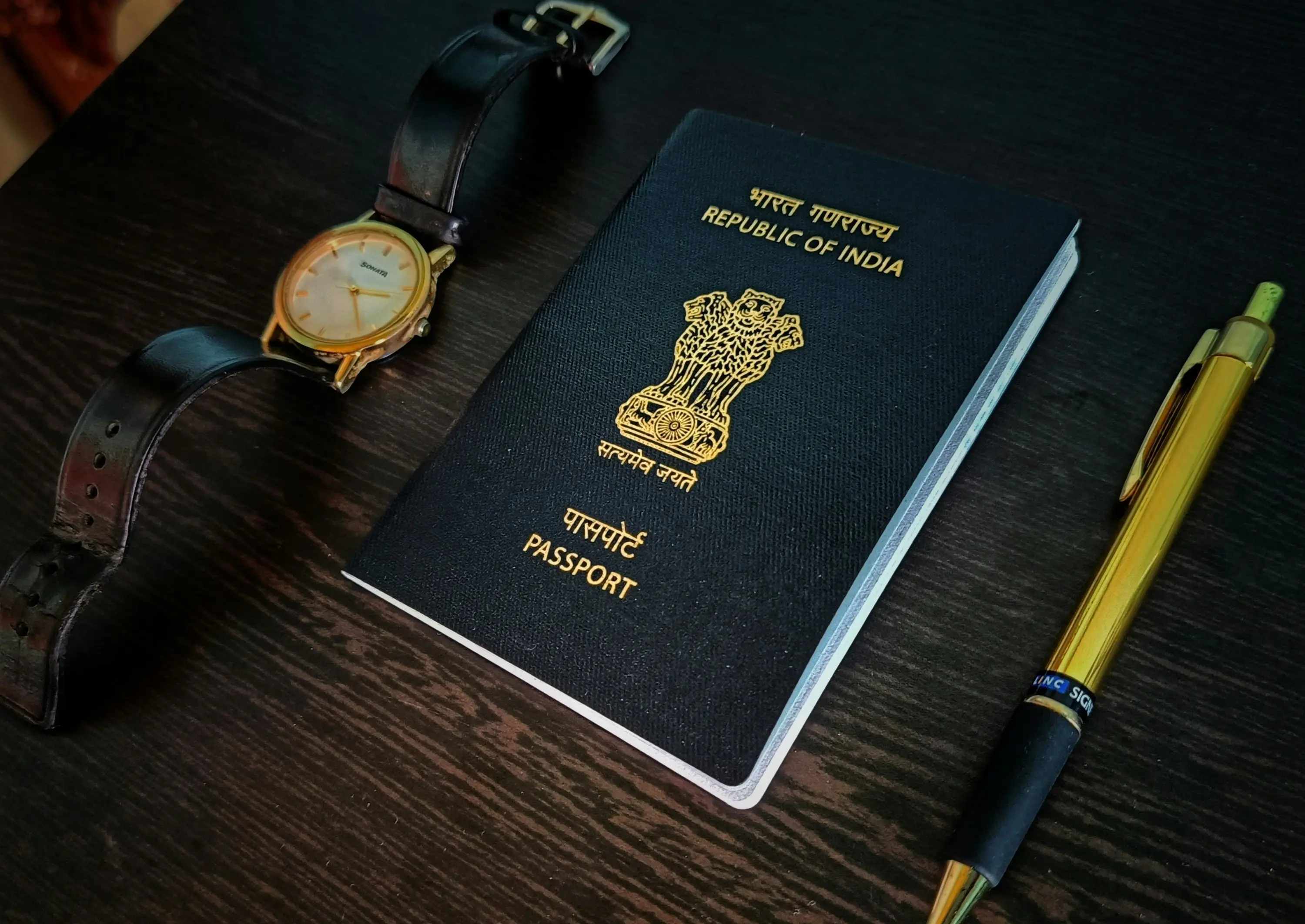
e-Passports
India is set to roll out next-generation e-passports equipped with cutting-edge security features, which include interlocking microletters, relief tints, and embedded RFID chips. However, India already began issuing only e-passports from May 2025, marking a major upgrade in travel documentation. These biometric passports contain a chip that securely stores the holder’s personal and biometric data, including facial recognition and fingerprints, enhancing security and reducing fraud at immigration checkpoints. It enhances security against fraud, speeds up immigration clearance through contactless verification, and is compatible with global electronic systems.

Non-electronic passports
Existing non-electronic passports remain valid until their expiry date, which can be up to 2035 according to officials. Citizens do not need to replace their ordinary passports prematurely, but should expect the gradual transition to be completed by June 2035. This ensures a smooth public adaptation to the new technology.

RFID chips
The e-passports adhere to International Civil Aviation Organisation (ICAO) standards and include features like RFID chips and advanced encryption protocols. These technologies enable contactless verification, faster border crossing, and thorough identity authentication, aligning India with over 120 countries using biometric passports today.

Indigenous operating systems
Alongside international standards, India is developing indigenous operating systems for passport management to maintain data sovereignty and cybersecurity. Biometric details are instantly matched with central databases for fraud prevention. This transition to technology-driven passports reflects the government's focus on digital security and efficient immigration management.

Passport Seva Programme 2.0
India’s Passport Seva Programme 2.0, launched in early 2025, integrates these e-passports with a revamped application process involving automation, electronic signatures, and multi-language support. It operates across hundreds of passport centres and Indian missions abroad, aiming for enhanced accessibility and improved citizen experience.

Enhanced security and efficiency
The upgraded system also includes AI-powered chat and voice bots to help with applications and resolve grievances, along with features such as online document uploads, auto-filled forms, and UPI/QR code payments. Security and efficiency are enhanced through advanced biometrics, facial recognition, AI-driven alerts, and data analytics. It also links seamlessly with DigiLocker, Aadhaar, and PAN for smooth document verification. Other enhancements include Robotic Process Automation (RPA) for document checks, touchscreen feedback systems, e-signature pads, and real-time MIS dashboards, according to the India Today report.
)
)
)
)
)