India, China press reset button on ties amid Trump's tariff war: New era for 'Hindi-Chini Bhai Bhai' with Modi and Jinping?

From Indian Prime Minister Narendra Modi travelling to China for the first time in seven years for the SCO Summit, to him holding a bilateral meeting with the Chinese President Xi Jinping, India and China have definitely pushed the reset button and no one but Trump is to be thanked!
Return of 'Hindi Chini Bhai Bhai'?
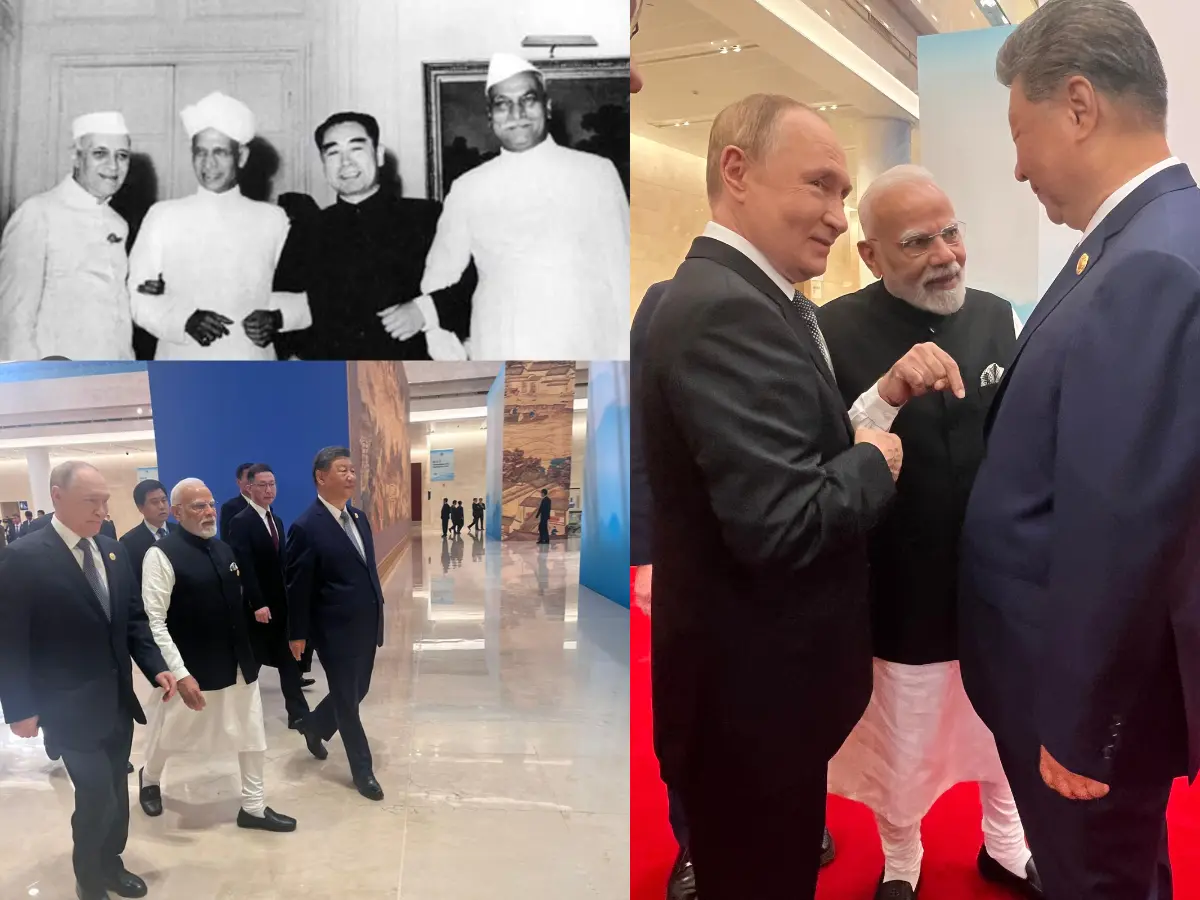
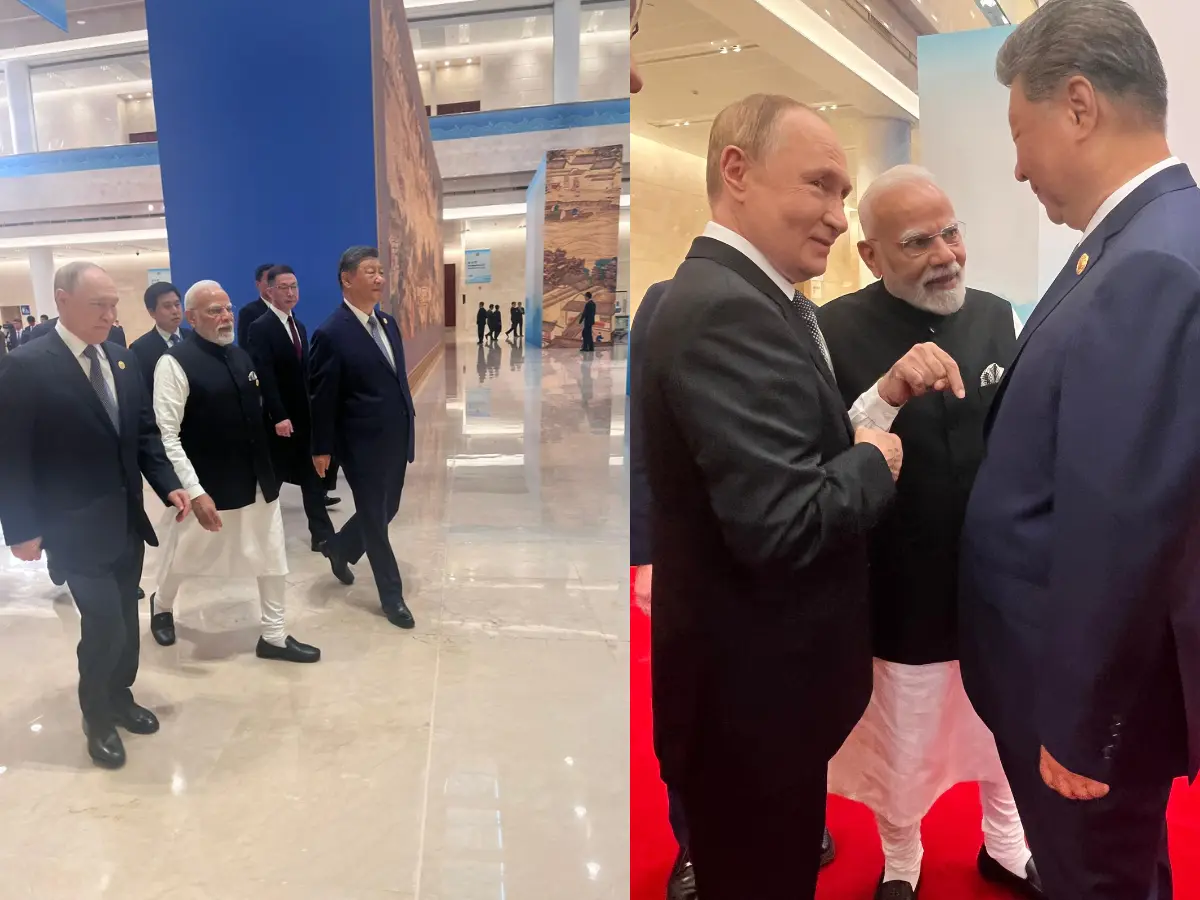
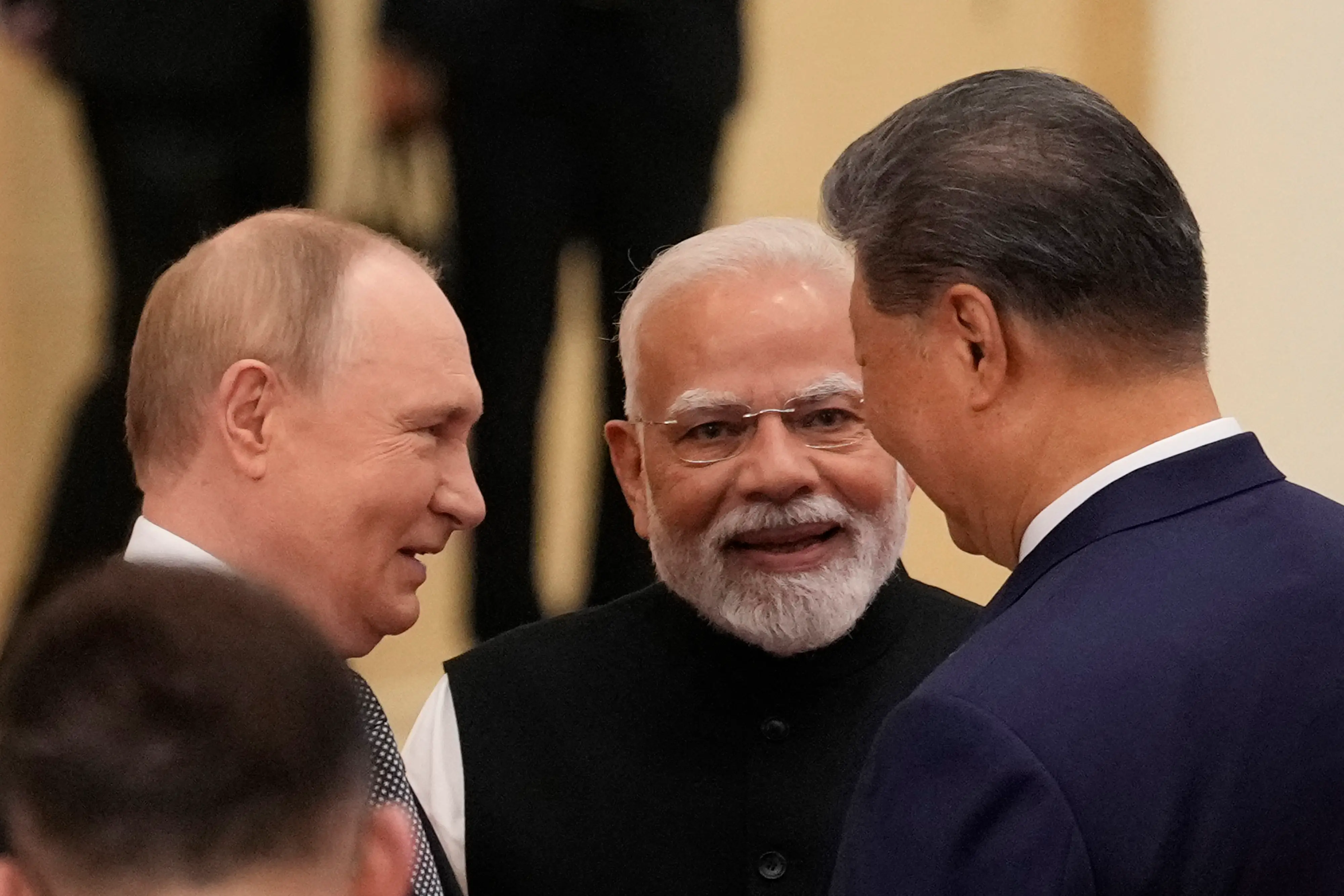
Prime Minister Narendra Modi wrapped up a successful SCO Summit in Tianjin. His images with Russian President Vladimir Putin and Chinese President Xi Jinping went viral. It has also brought back memories of ‘Hindi Chini Bhai Bhai’ with PM Modi holding a bilateral meeting with Jinping even before the Summit and travelling to China after seven long years.
India-China bonhomie amid Trump's tariff war
India and China have been through a rough patch in their relationship in the past few years. However, it may be the impact of US President Donald Trump's tariff war that has pushed both Asian neighbours to reunite. The US said it imposed tough tariffs on India to pressure Russia amid the Ukraine war. What Washington missed was New Delhi's balanced relations with nations and its ability to review and reunite with adversaries. The US Embassy's post definitely proves that the Trump administration is closely watching the SCO Summit
How did 'Hindi Chini Bhai Bhai' begin?
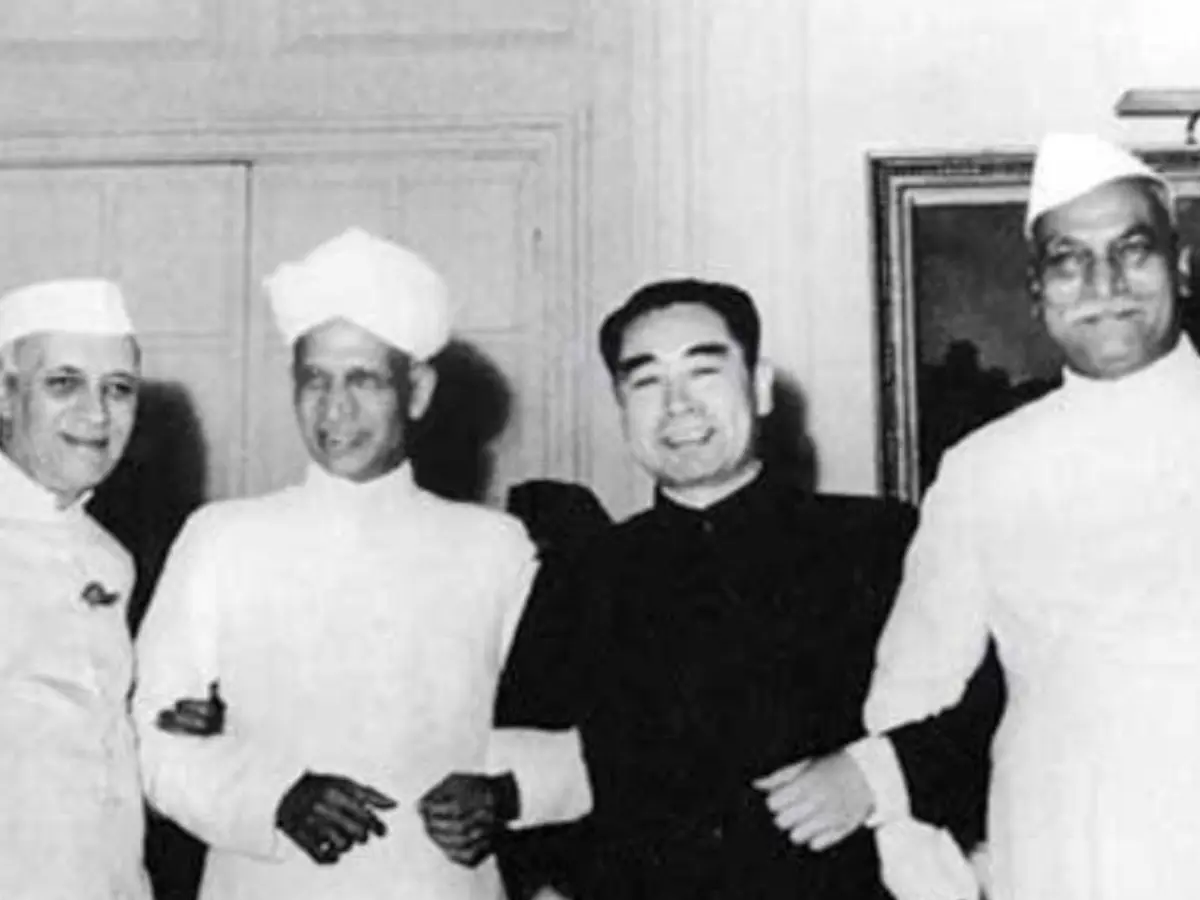
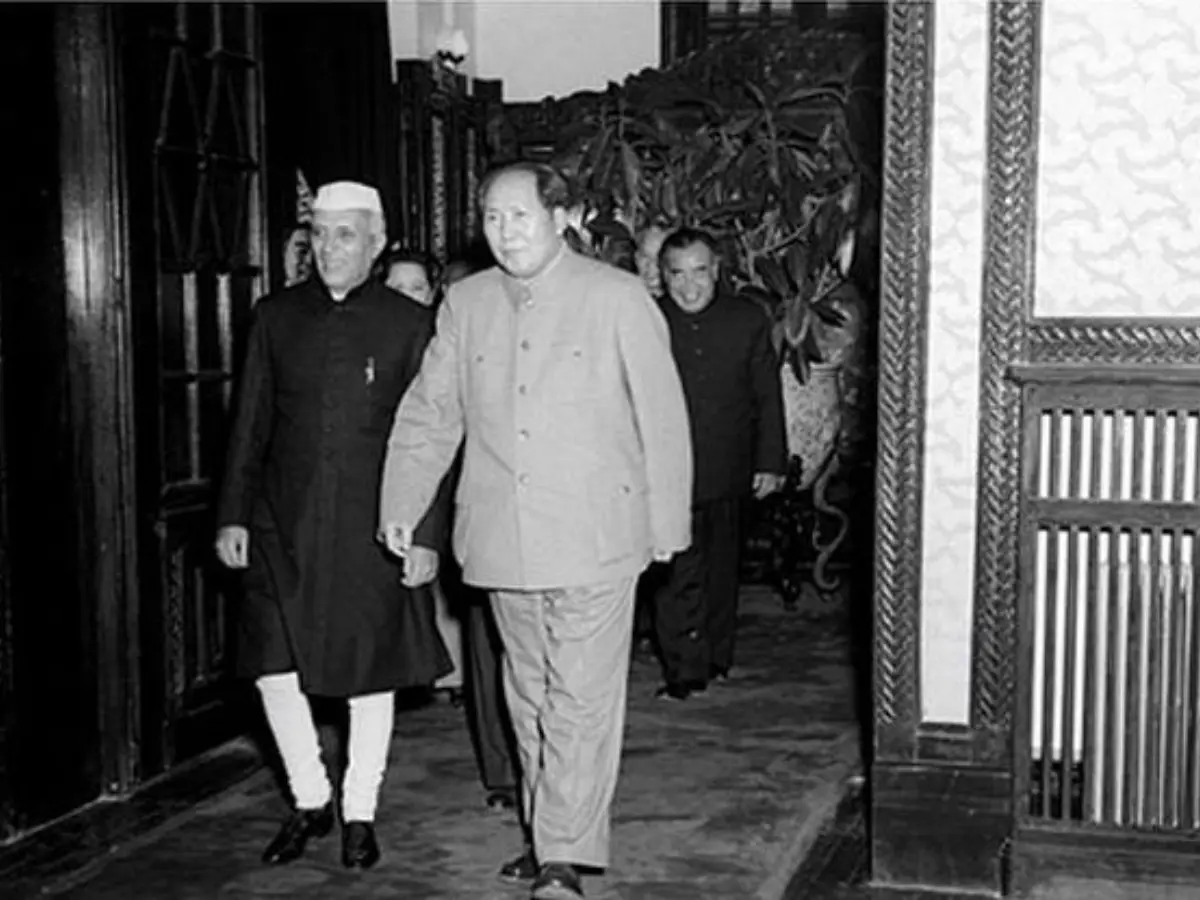
The slogan “Hindi Chini Bhai Bhai” has its origin in former Indian PM Jawaharlal Nehru's pro-China policy in the 1950s. Prime Minister Nehru and Chinese Premier Zhou Enlai promoted the idea of peaceful coexistence, which was formalised in the 1954 Panchsheel Agreement. The phrase was popularised as a symbol of Asian unity against Western dominance. However, Nehru's optimism regarding the Indo-China ties was short-lived as border disputes began culminating in the 1962 Sino-Indian War. Since then, the phrase has become a reminder of misplaced trust and broken hopes in bilateral relations.
What happened in India-China bilateral meeting
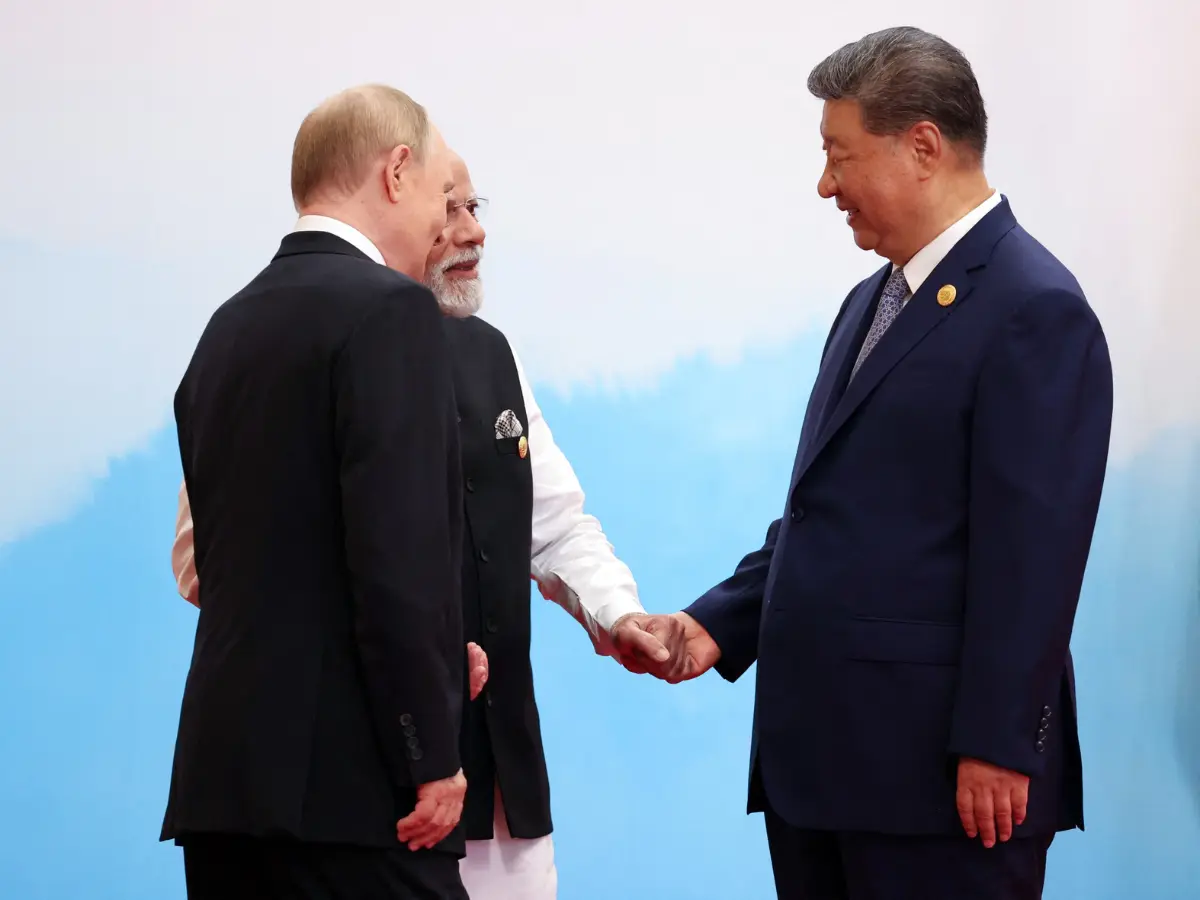
Even before the beginning of the SCO Summit, Prime Minister Narendra Modi and Chinese President Xi Jinping met bilaterally and reaffirmed that India and China should be ‘friends.’ The talks focused on boosting trade, with China agreeing to lift curbs on some exports, alongside appreciation on resuming direct flights, easing visa rules, and restarting the Kailash–Mansarovar Yatra. PM Modi highlighted that the Indo-China border issues are at peace and hoped for continued cooperation. Counter-terrorism also featured in the dialogue, with China offering cooperation. PM Modi also invited Xi to the 2026 BRICS Summit in India.
SCO condemns Pahalgam attack - Snub for Pakistan
In its SCO statement, member states issued a strong declaration condemning the Pahalgam terror attack of April 22 that killed 26 people. Without naming Pakistan, the statement expressed “deepest sympathy and condolences” to the victims and stressed that perpetrators must be brought to justice. India used the platform to highlight its long-standing position against cross-border terrorism and warned against “double standards” in dealing with extremism. The optics of Prime Minister Modi engaging closely with leaders like Xi Jinping and Vladimir Putin further amplified the sense of a diplomatic snub for Pakistan.
How China betrayed 'Bhai Bhai' sentiment
The Panchsheel Pact between India and China, was built on five principles of peaceful coexistence—mutual respect for sovereignty, non-aggression, non-interference, equality and mutual benefit, and peaceful coexistence. India under Nehru also recognised China’s sovereignty over Tibet, expecting reciprocity on border issues. However, China soon began asserting claims over Aksai Chin and parts of the North-East Frontier Agency. The 1962 Sino-Indian War further deteriorated the situation. This pact turned into a diplomatic snub, exposing the stark gap between Nehru’s idealism and China’s strategic ambitions.
Trump's tariff war and Asian powers
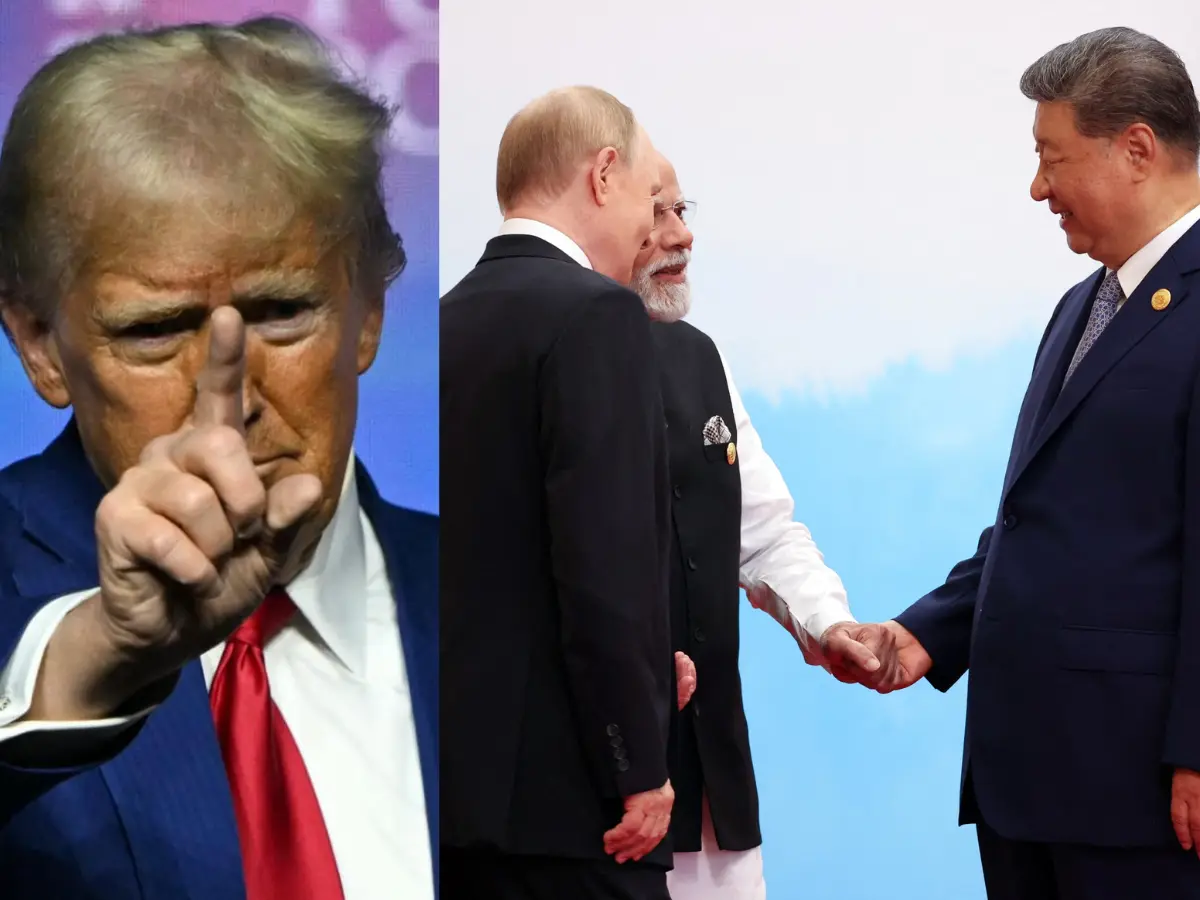
The Asian powers are reeling under the pressure of Trump's tariff war. Amid this, the SCO Summit was held in China, where Indian PM Narendra Modi, Russian President Vladimir Putin and China's Xi Jinping showed that the Global South is united. Trump has in the past threatened tariffs against the BRICS grouping and has warned nations seeking an alternative to the dollar. While Washington is yet to react to the visible bonhomie of the Asian powers, it is important that amid global uncertainty on trade, the world sees an option for a fairer economic order.
)
)
)
)
)