India boosts its nuclear deterrence with Agni V sending shock waves in Islamabad: 5 other Indian missiles whose range covers Pakistan

India has test-fired 'Agni 5' intermediate range ballistic missile, sending warning bells into Pakistan, three months after Operation Sindoor. Many other Indian missiles have strategic deterrence with ranges up to 8,000 km, capable of targeting all of Pakistan. Here's a list
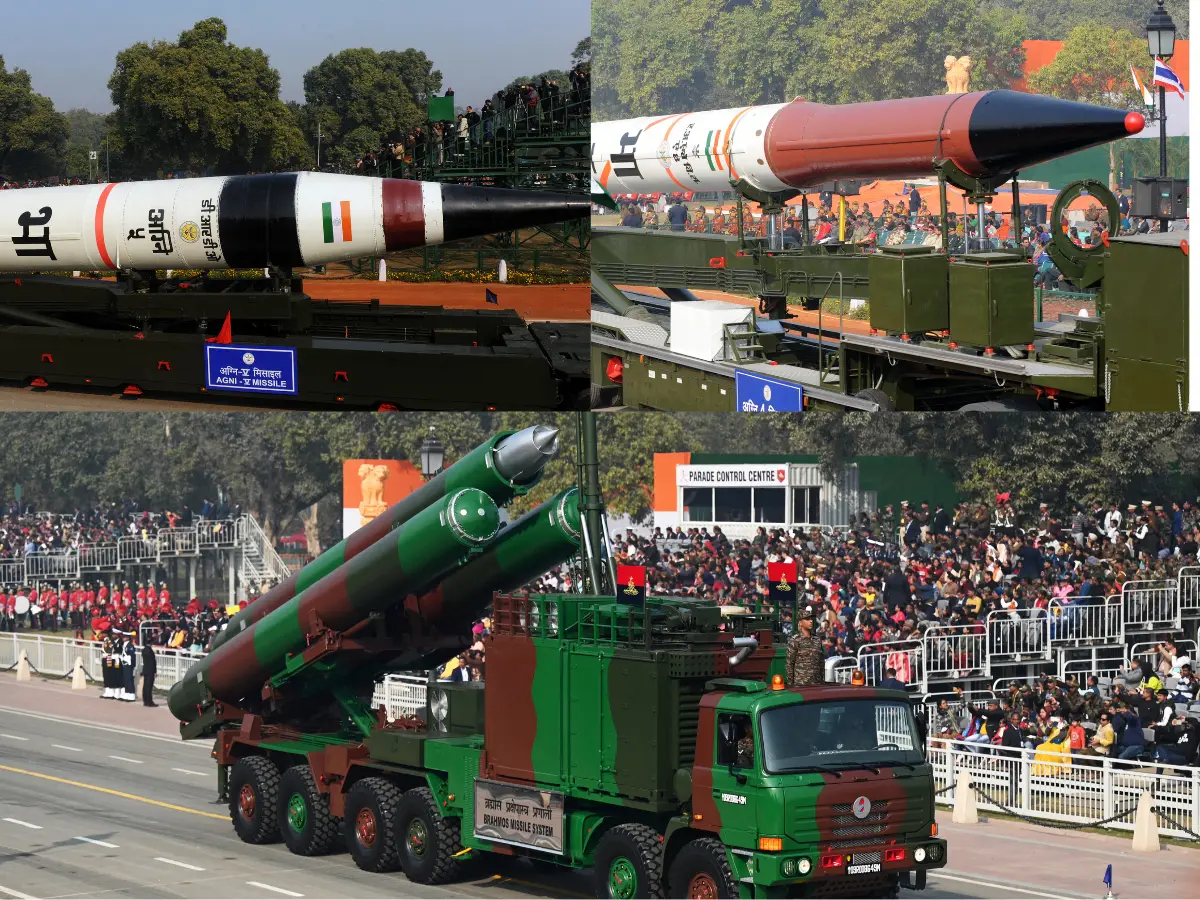
Agni V test fired by India; Pak rattled
India successfully test-fired the 'Agni 5' intermediate range ballistic missile from the Integrated Test Range in Odisha's Chandipur on Wednesday, sending shock waves in the neighbouring country.
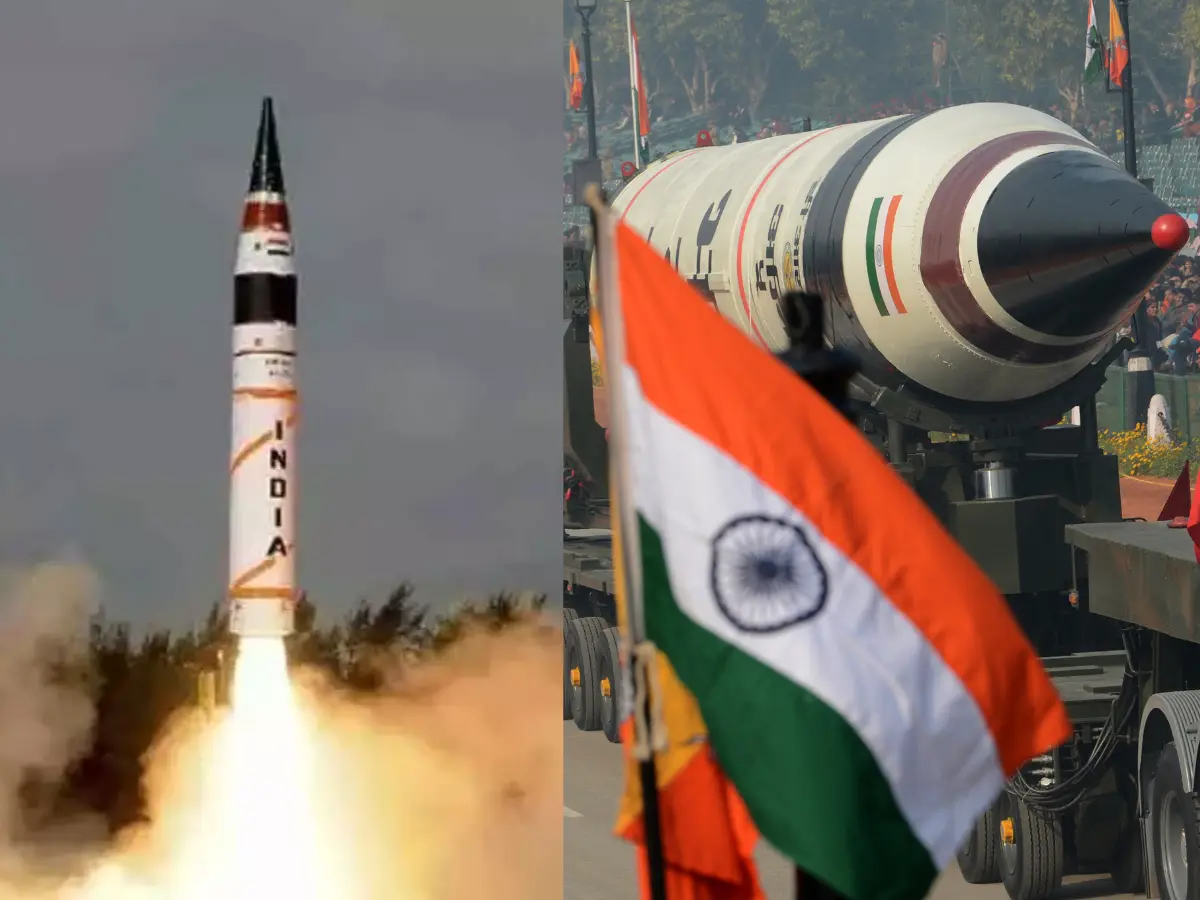
Agni V has Pakistan in its target range
Three and a half months after Operation Sindoor, India's testing of the ballistic missile with a range of 5,000 km and a maximum payload of around 1,360 kilogrammes puts Pakistan within the target range. It even puts Turkey and China in the target zone.
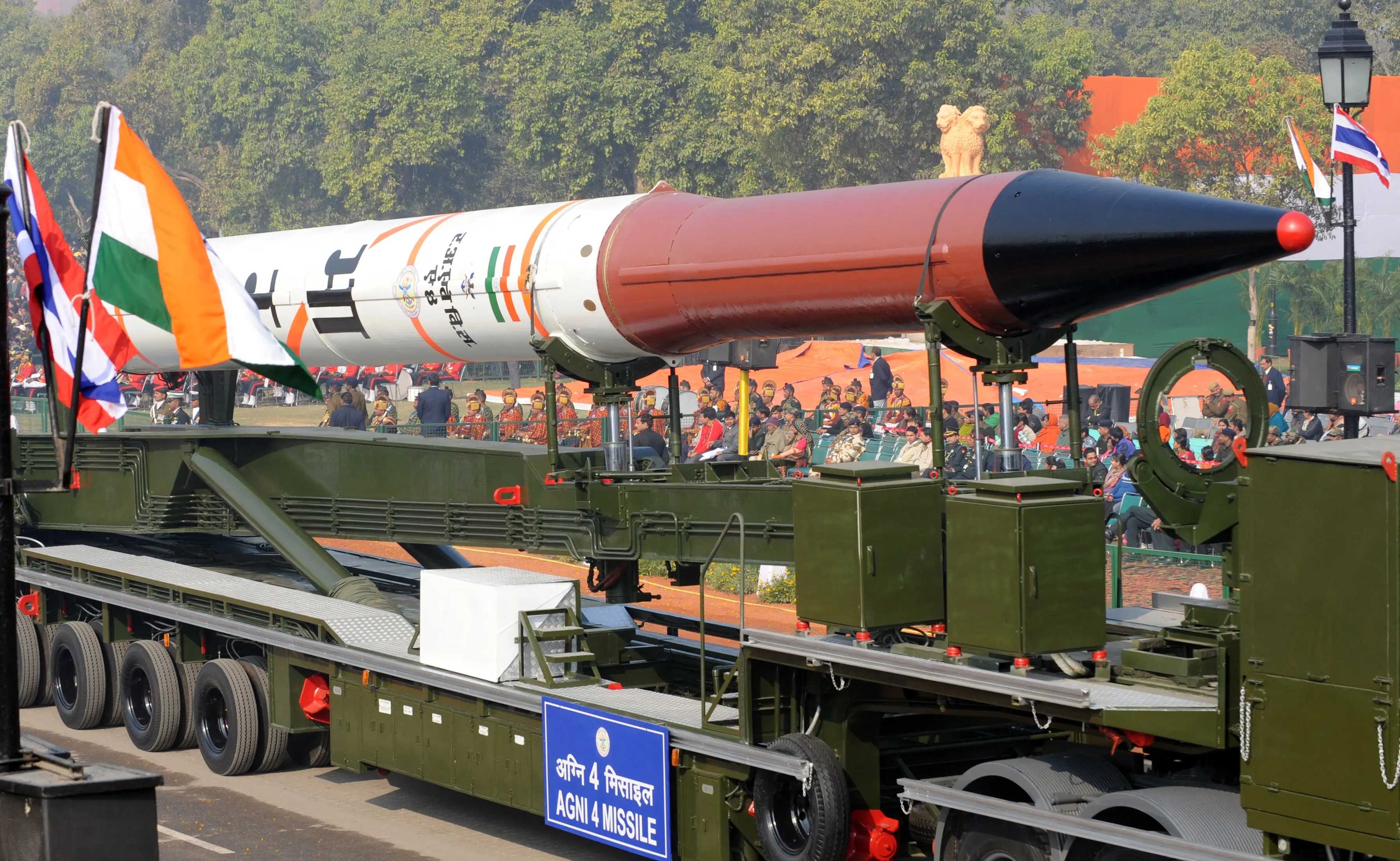
Agni IV
As India tested Agni V, here's a list of other missiles that have Pakistan in their target range. With a range of 4,000 kilometers, the Agni-IV is a key component of India's nuclear deterrent. It can reach most parts of China as well as Pakistan from launch sites within India. The missile is a two-stage solid-fueled system and is highly accurate.
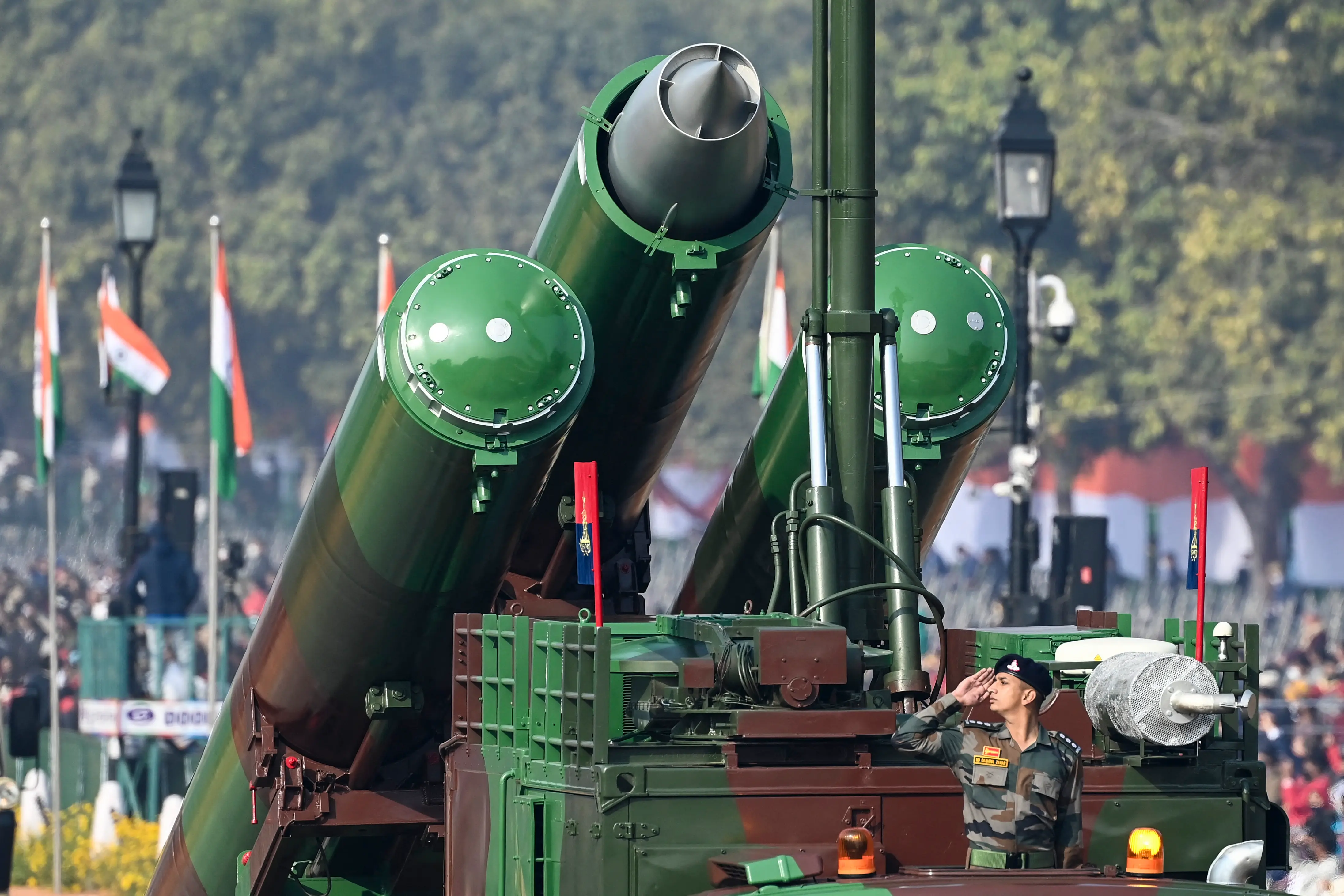
Brahmos
BrahMos is a supersonic cruise missile developed in a joint venture between India and Russia. While its range was initially 290 km, it has been extended to 800-900 km for land and ship-based versions and 450-500 km for the air-launched variant. This makes it capable of striking targets throughout Pakistan and in parts of southern China. Known for its high speed (Mach 2.8 to Mach 3.5), it is extremely difficult to intercept, and its variants can be launched from land, sea, air, and even from submarines.
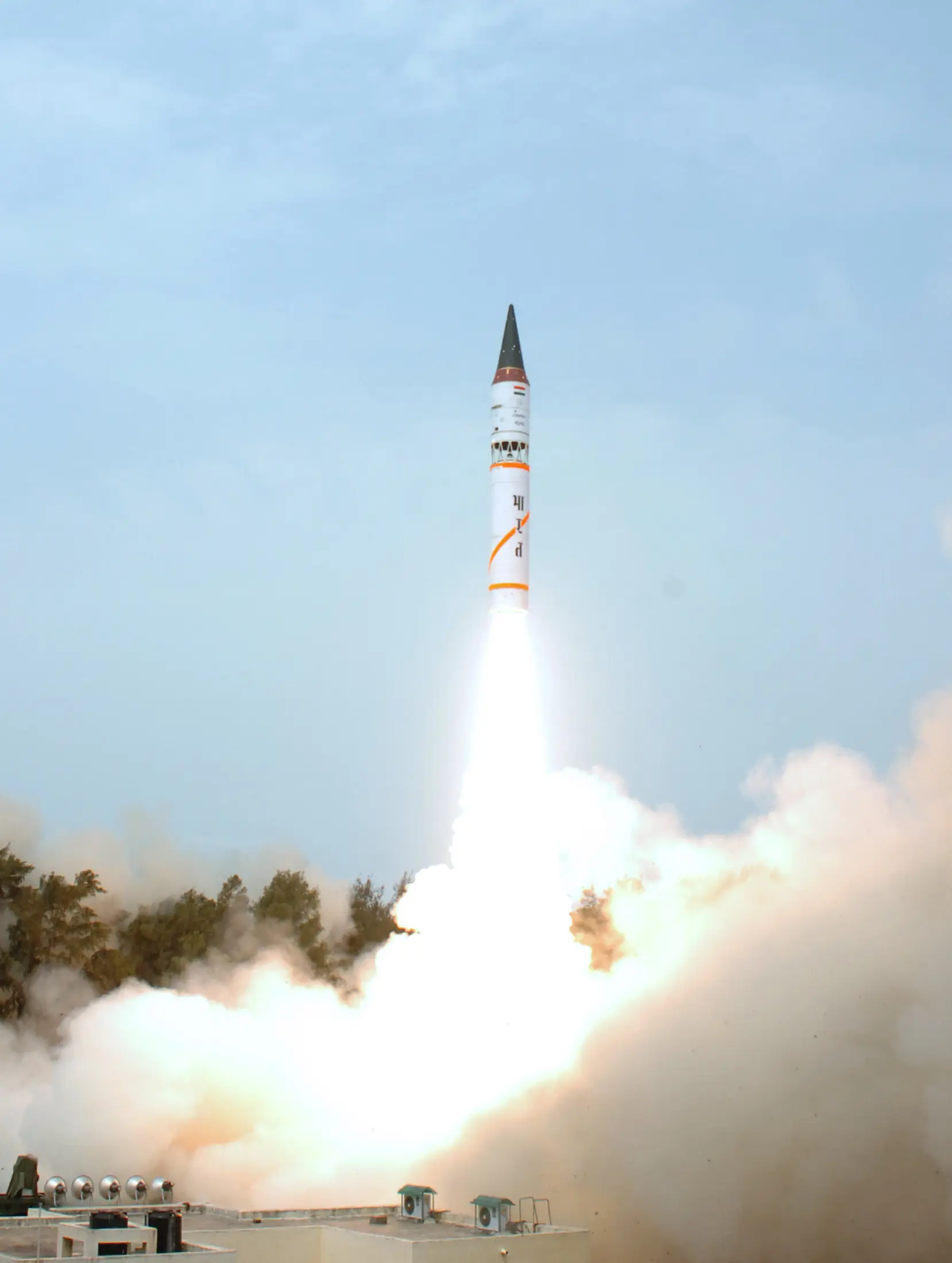
Agni III
The Agni-III has a range of 3,500 to 5,000 kilometers, allowing it to strike targets throughout Pakistan and deep into China. It is a two-stage ballistic missile that is designed to be highly reliable and accurate.
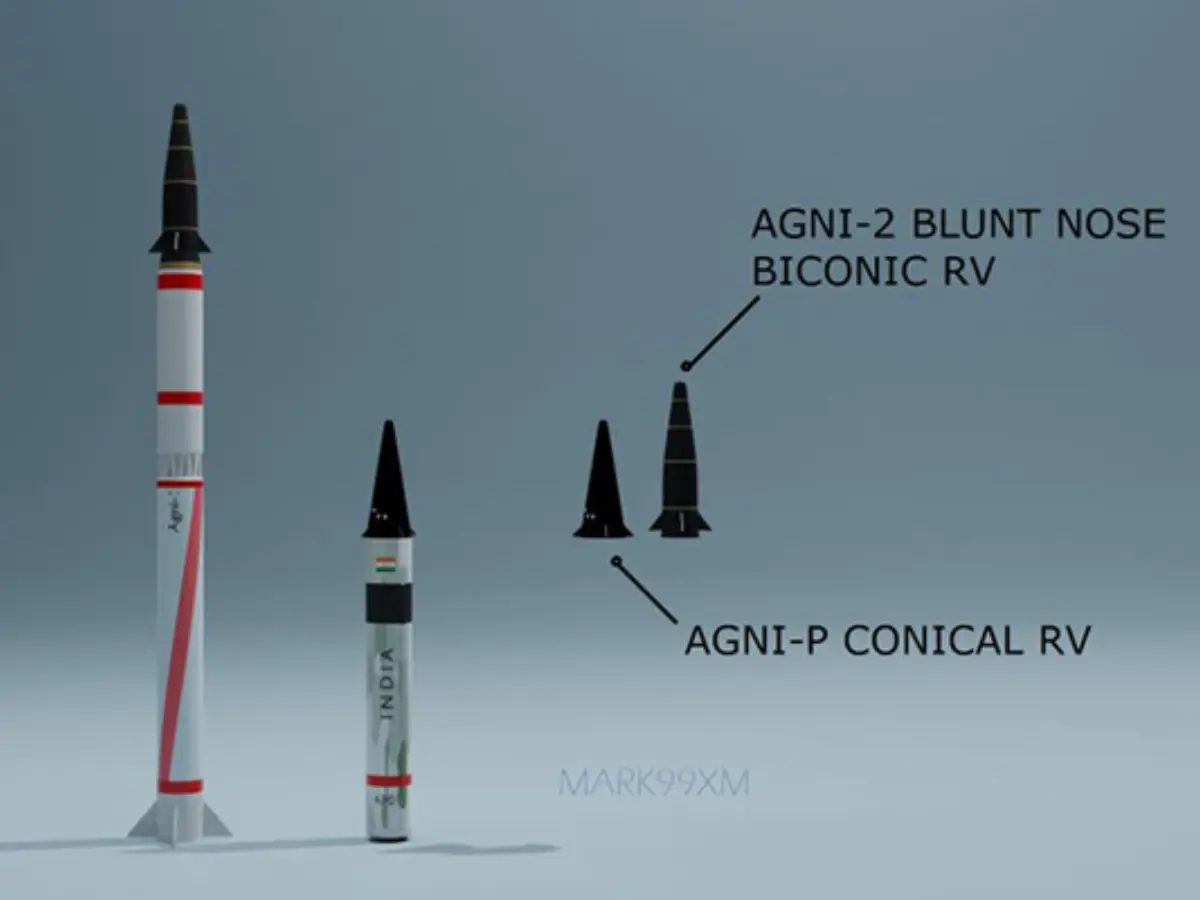
Agni Prime
This is a new-generation, canister-launched ballistic missile with a range of 1,000 to 2,000 kilometers. While its range is shorter than other Agni missiles, it is highly accurate and mobile. It is intended to replace older missiles like the Agni-I and Agni-II, and its range is more than sufficient to cover all of Pakistan.
)
)
)
)
)